The Hakone loop: Shinto shrines, pirate ships, volcanic valleys & an open-air museum.
It’s raining when I wake up and so I choose to take a cab to the train station. It’s a beautiful cab; white doilies adorn the seats and headrest.
Having taken the cab, I’m early to the station and I wander the halls for a bit in search of my train, looking for the Shinkansen platforms.
I slip my tickets into the slot at the gates and pick them back up again before stepping into the waiting area for my train. Convenience stores line the corridors and I stop into one to buy some breakfast snacks for the train.
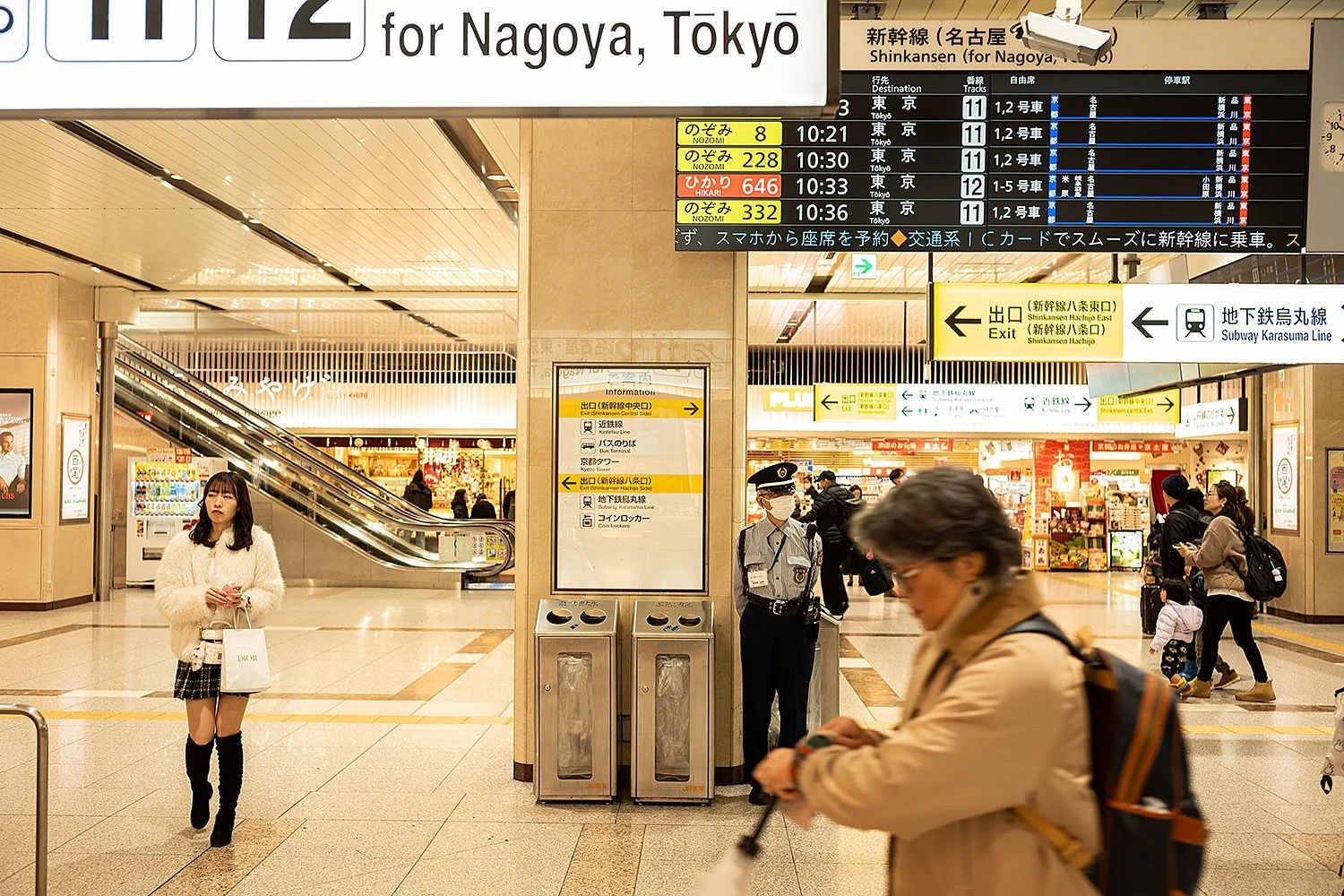
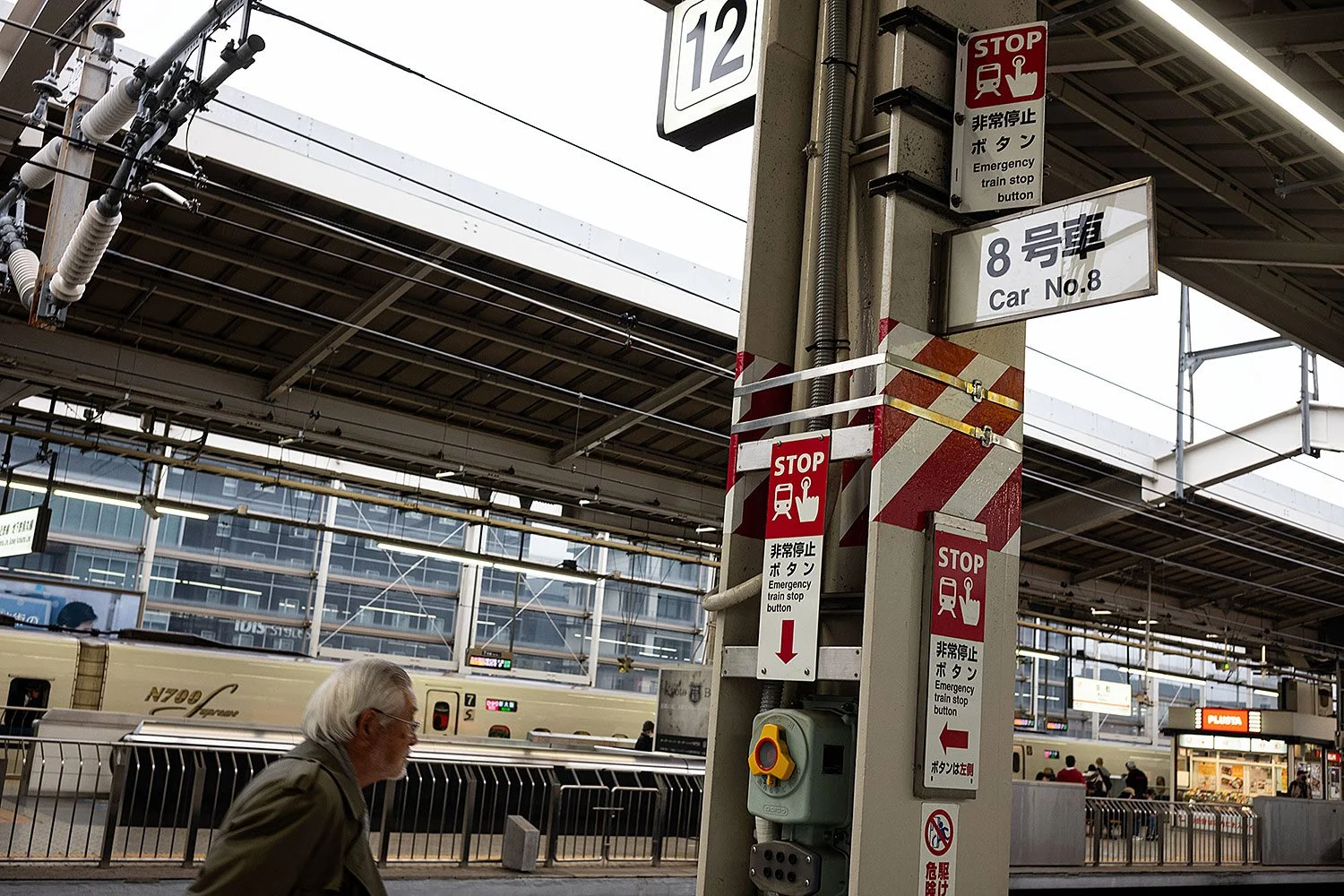
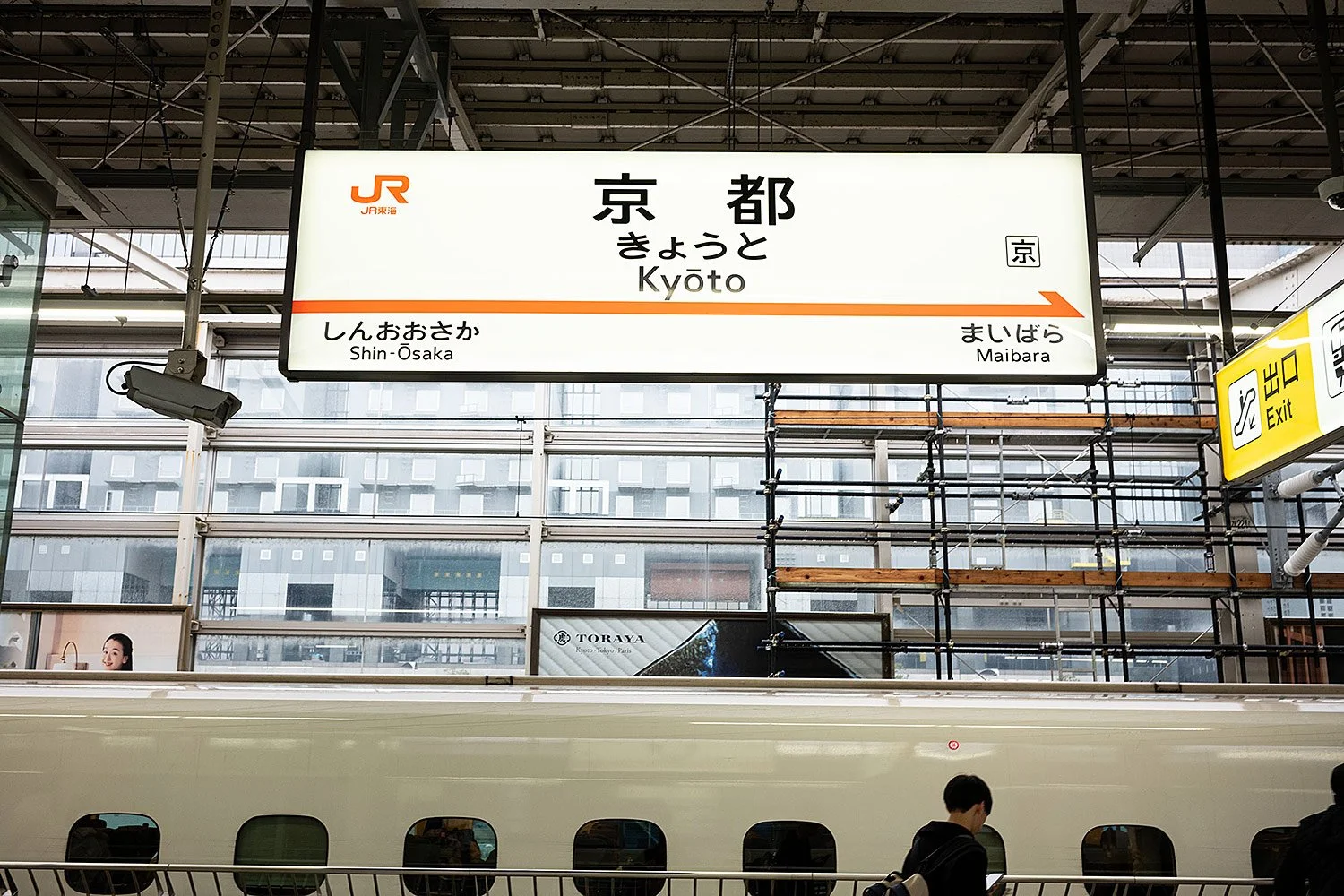
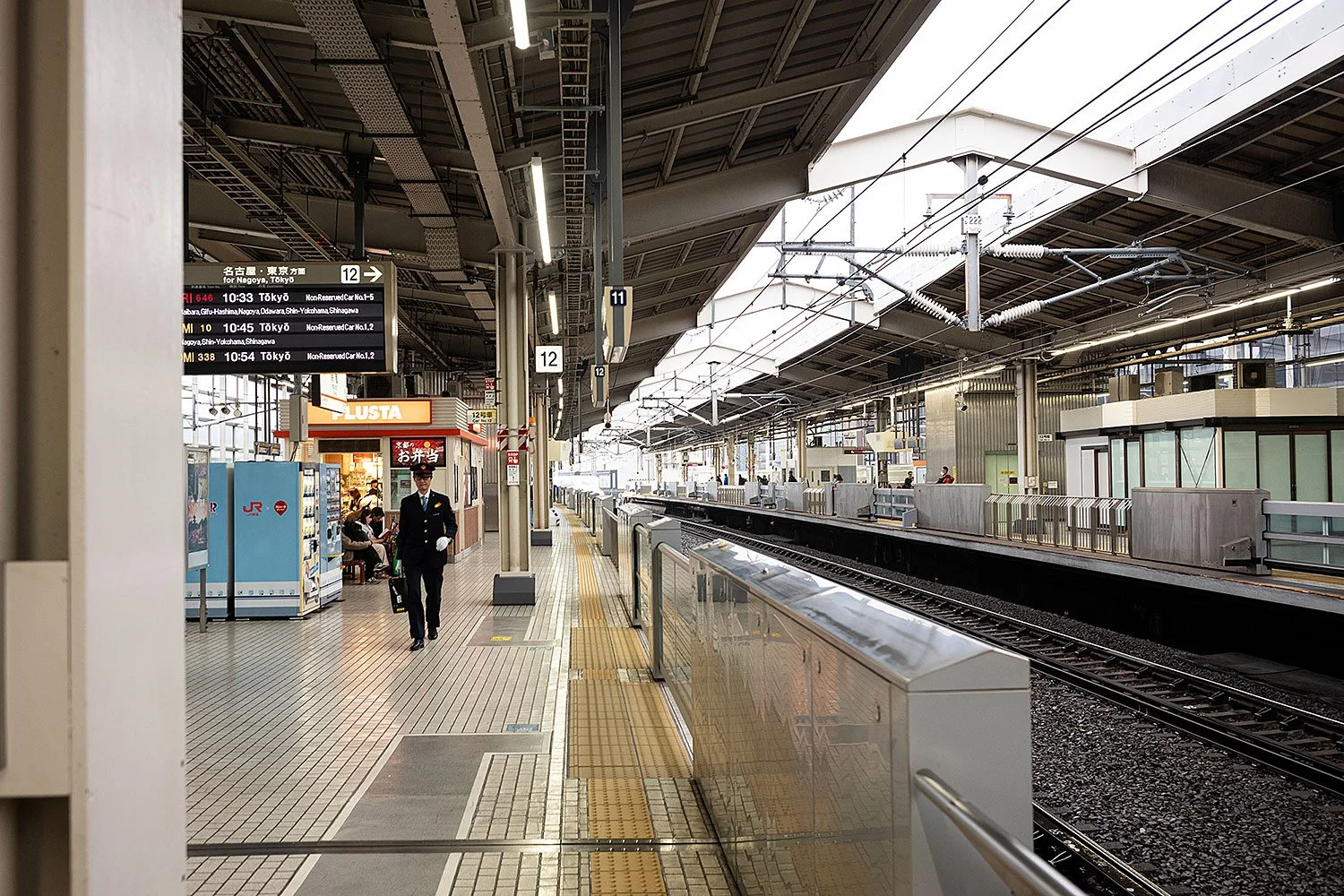
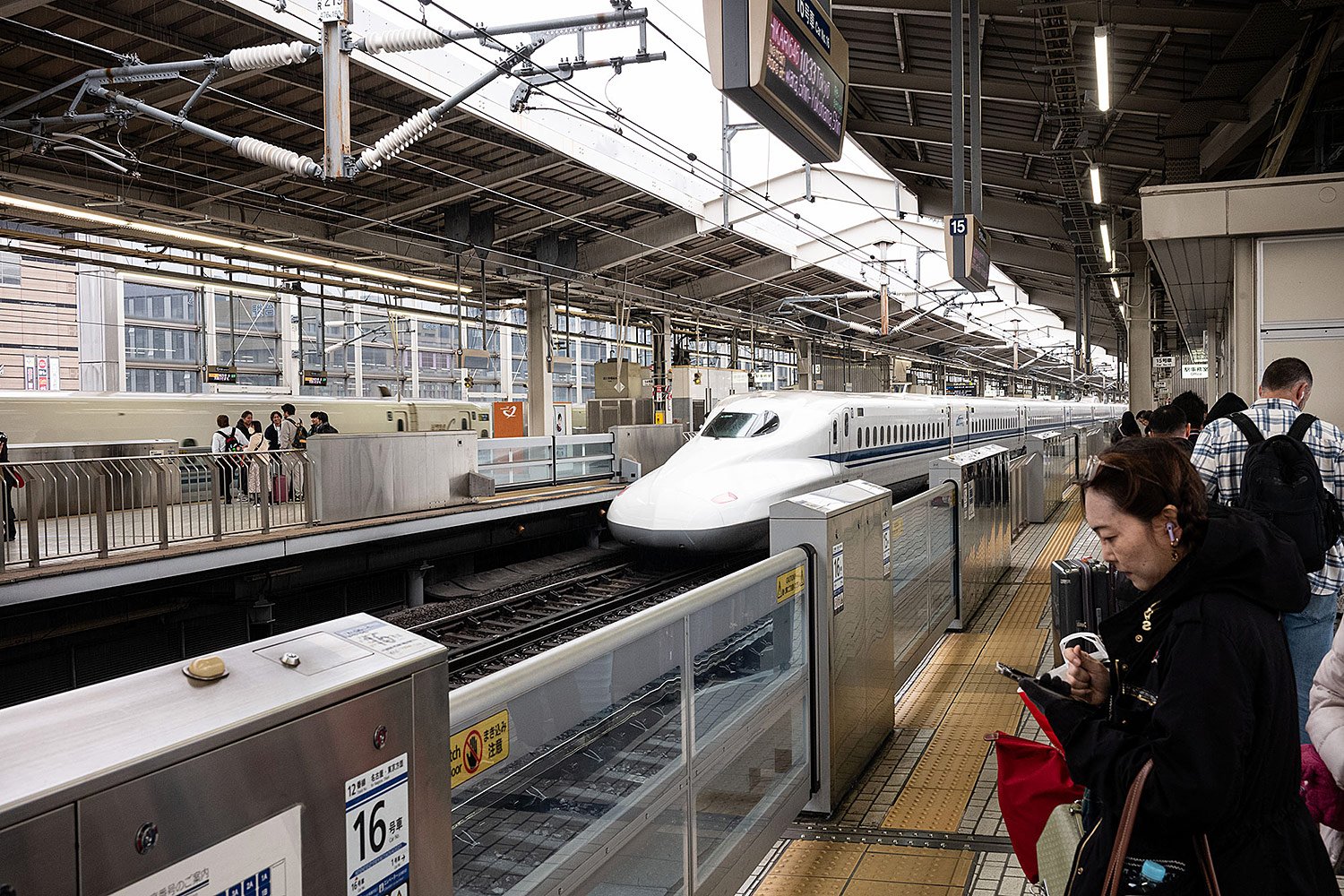
I love the Shinkansen. It’s always a treat for me to ride one. It’s so smooth and so fast and I lament the fact that the United States has undermined every effort to connect its major cities with better, faster service.
Reaching Hakone I walk quickly to where the Hakone buses are located. The attendants at the station are super helpful, pointing me to the right bus. I arrive minutes before it leaves, once again lucky with my timing as the bus also runs on an hourly schedule.
The bus runs through town, past the train station for the Romancecar that goes to Shinjuku. Tomorrow I’ll be taking the train from here and I’m happy to catch a glimpse of the town around it. There are cafes and shops if I get to the station early where I can grab a bite to eat or a snack.
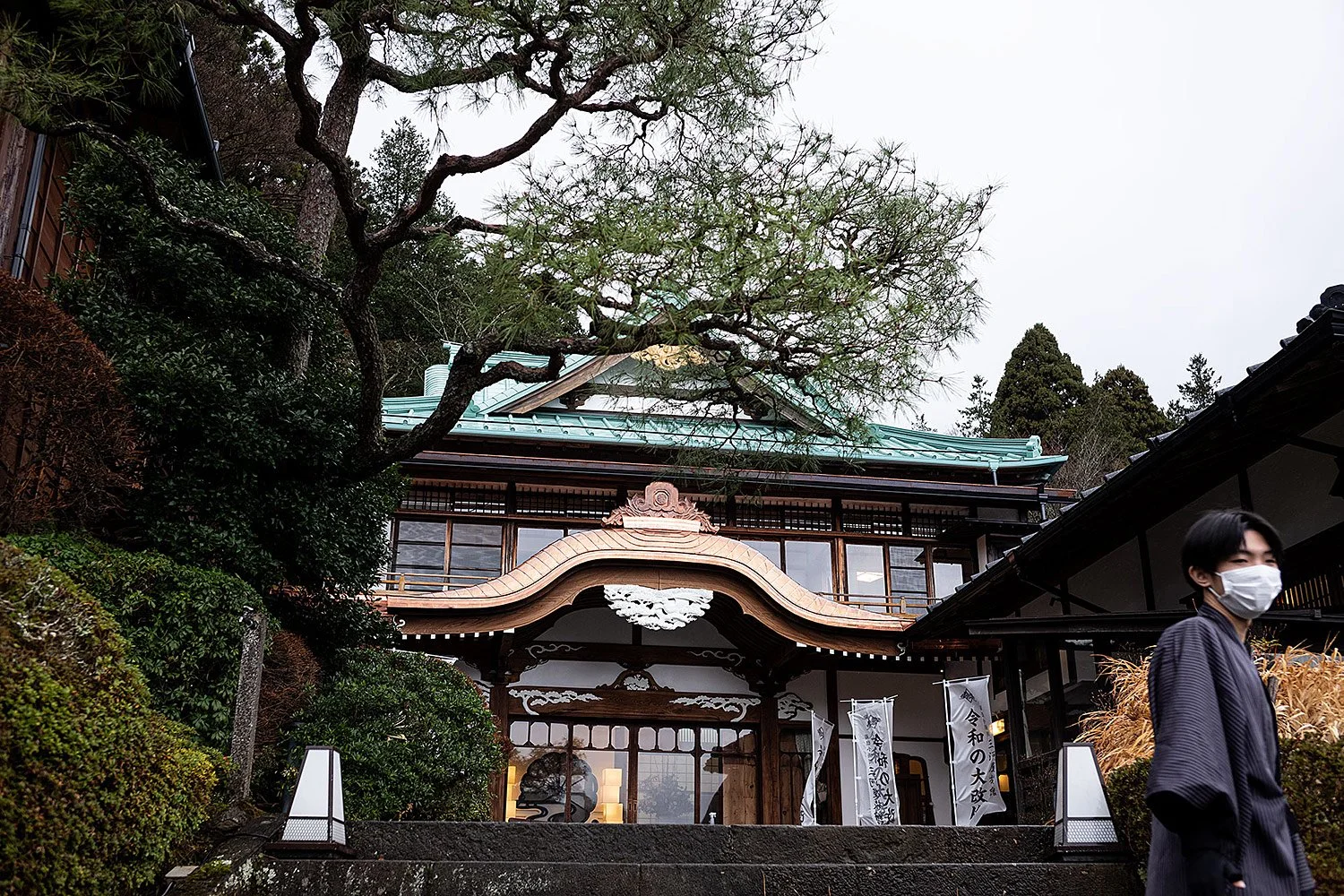
The bus stop is right in front of the ryokan. I collect my bags from the luggage rack in the front and walk up the short driveway to the entrance. The two young men working the front desk are Taiwanese, though they tell me they’ve been living in Japan for a while. We chat in Chinese. I’m early for check in, which isn’t until 15h, and am invited to sit in a waiting room while the room is prepared.
I ask if there’s anything to do in the area while I wait. The Hakone Open Air Museum is nearby, but I’d have to take a bus to get there. There’s also an activity center nearby with a pool and onsen, but it doesn’t seem worth it if I’m planning on onsen at the inn.
I take a walk around the lobby and familiarize myself with the layout of the inn. The restaurant is down the corridor and the public onsen is up a flight of stairs further down the hall. There’s a tea dispenser and I help myself to a cup before returning to the reception area.
I’ve booked the night at Mikawaya Ryokan so that I’m not as rushed to do the loop. The ryokan is on the bus route to Motohakone, site of the Heiwa-no-Torii and launching point for the pirate ships to the other end of Lake Ashi.
One of the front desk agents tracks me down to tell me my room is available. It’s earlier than I had expected. There’s some construction taking place, rendering one of the large rooms out of commission. To make up for it I’m invited to choose a wooden tchotchke from a basket.
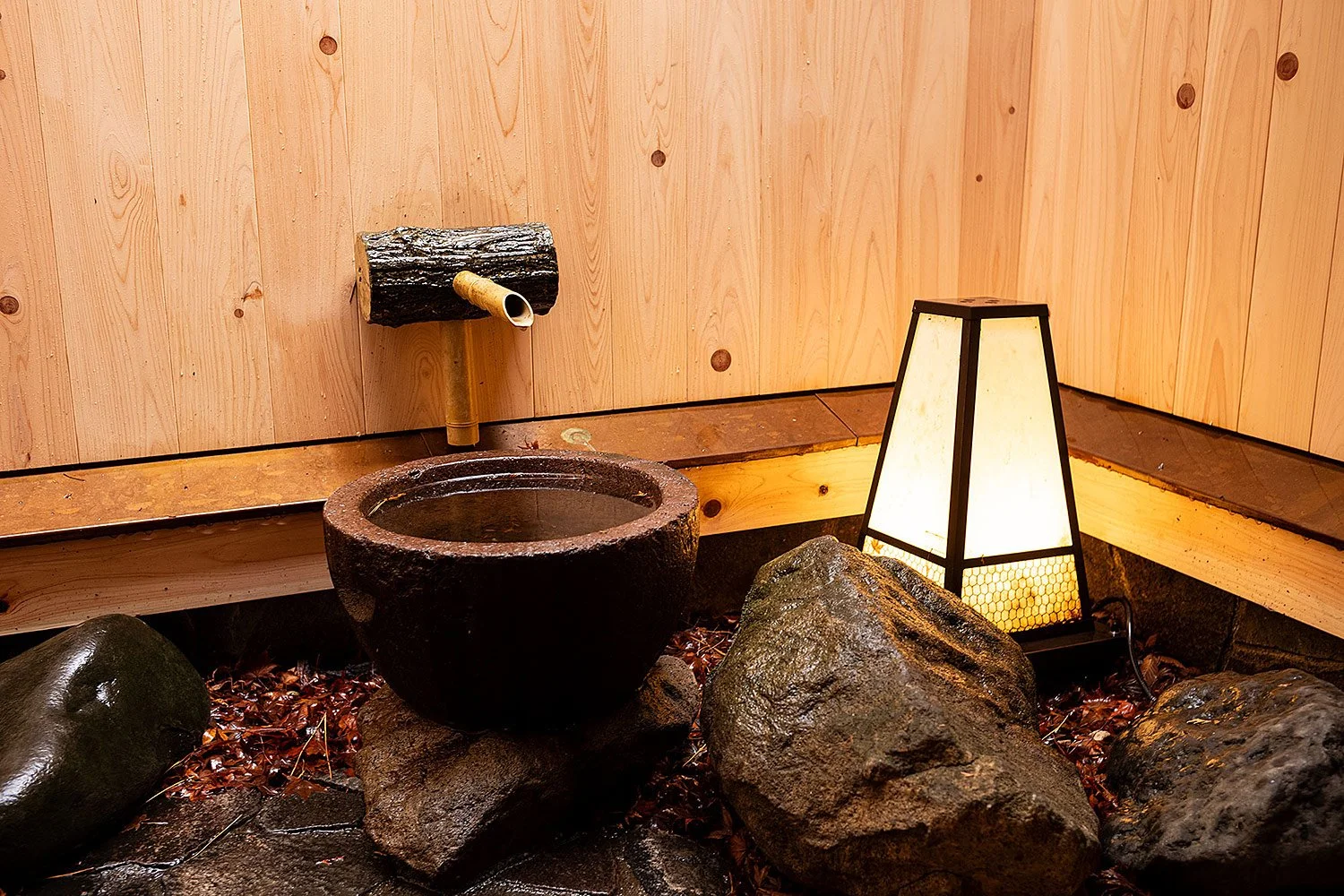
I ask about the private onsen and am told that I can put my name down when it opens.
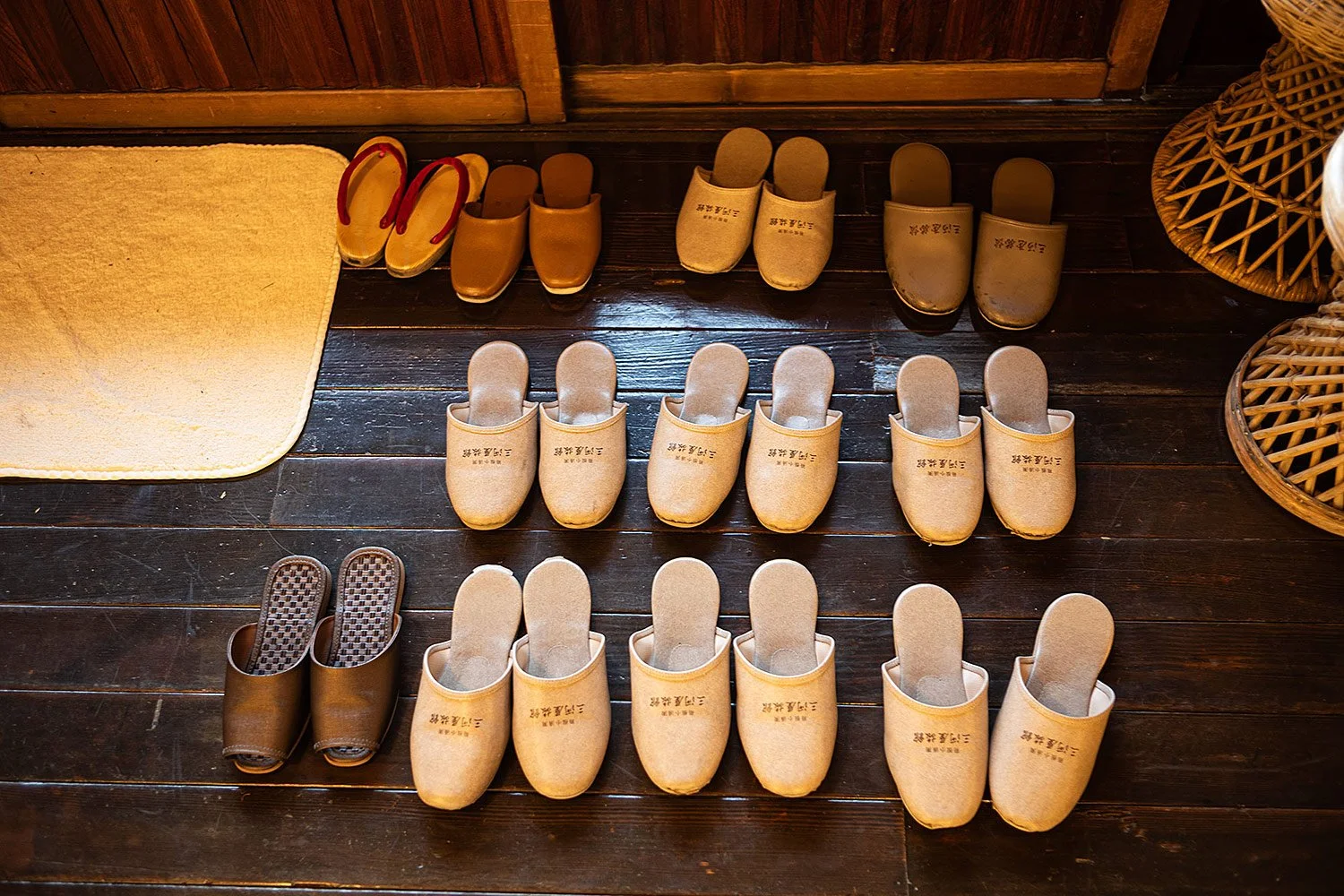
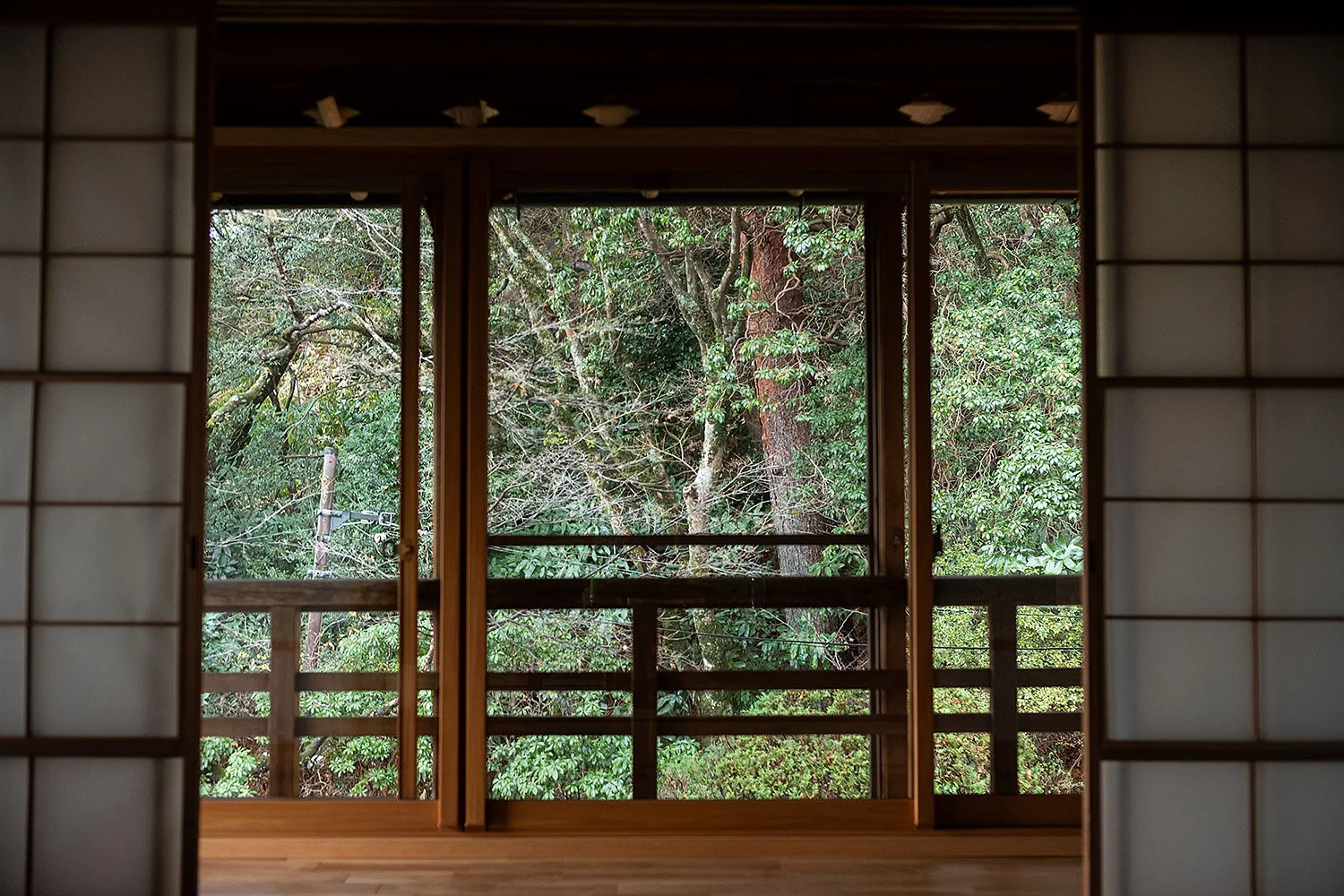
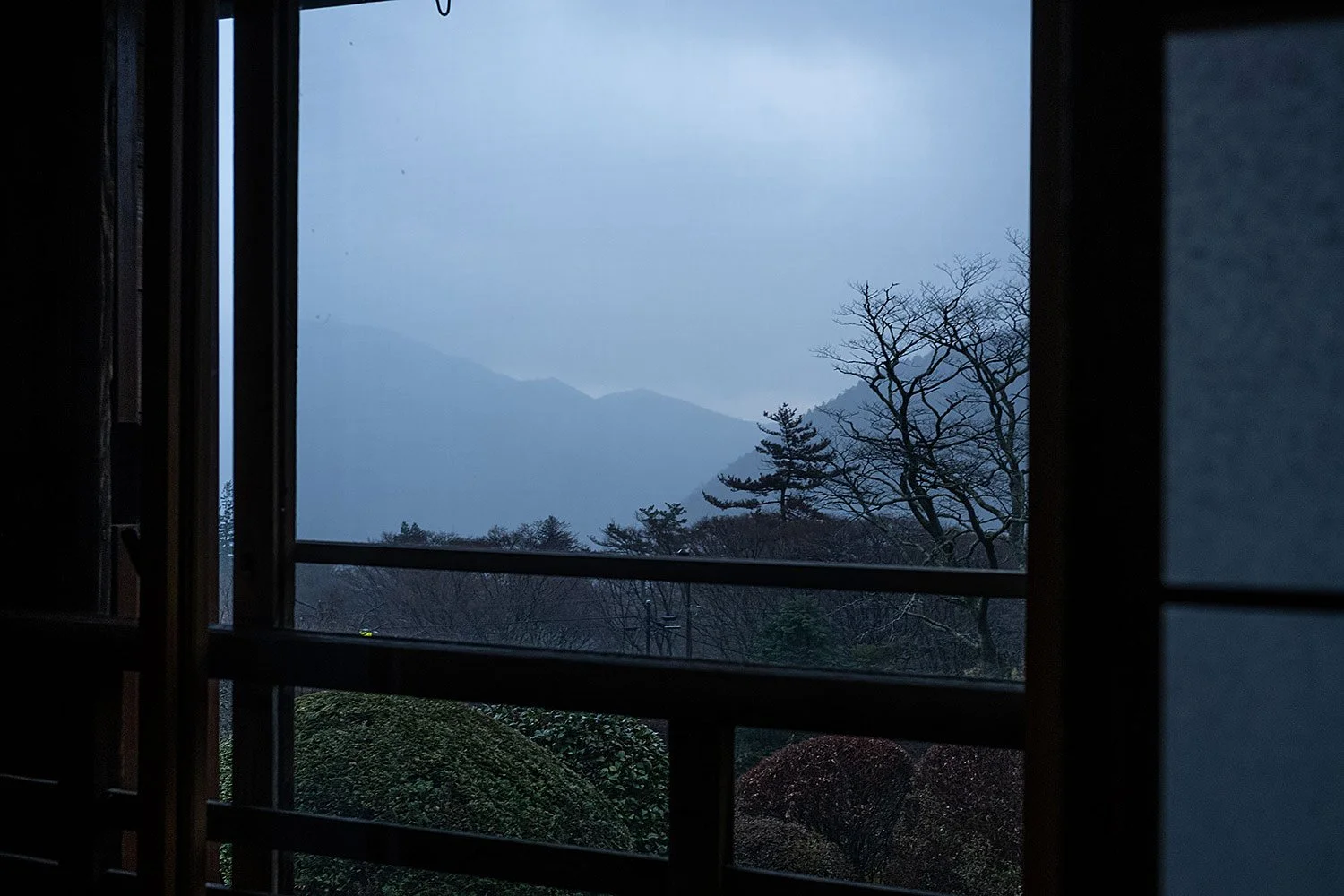
The rooms I’ve reserved are gigantic, a large bedroom that sleeps four connected to an even larger room with a low table and tv set upon the tatami mat.
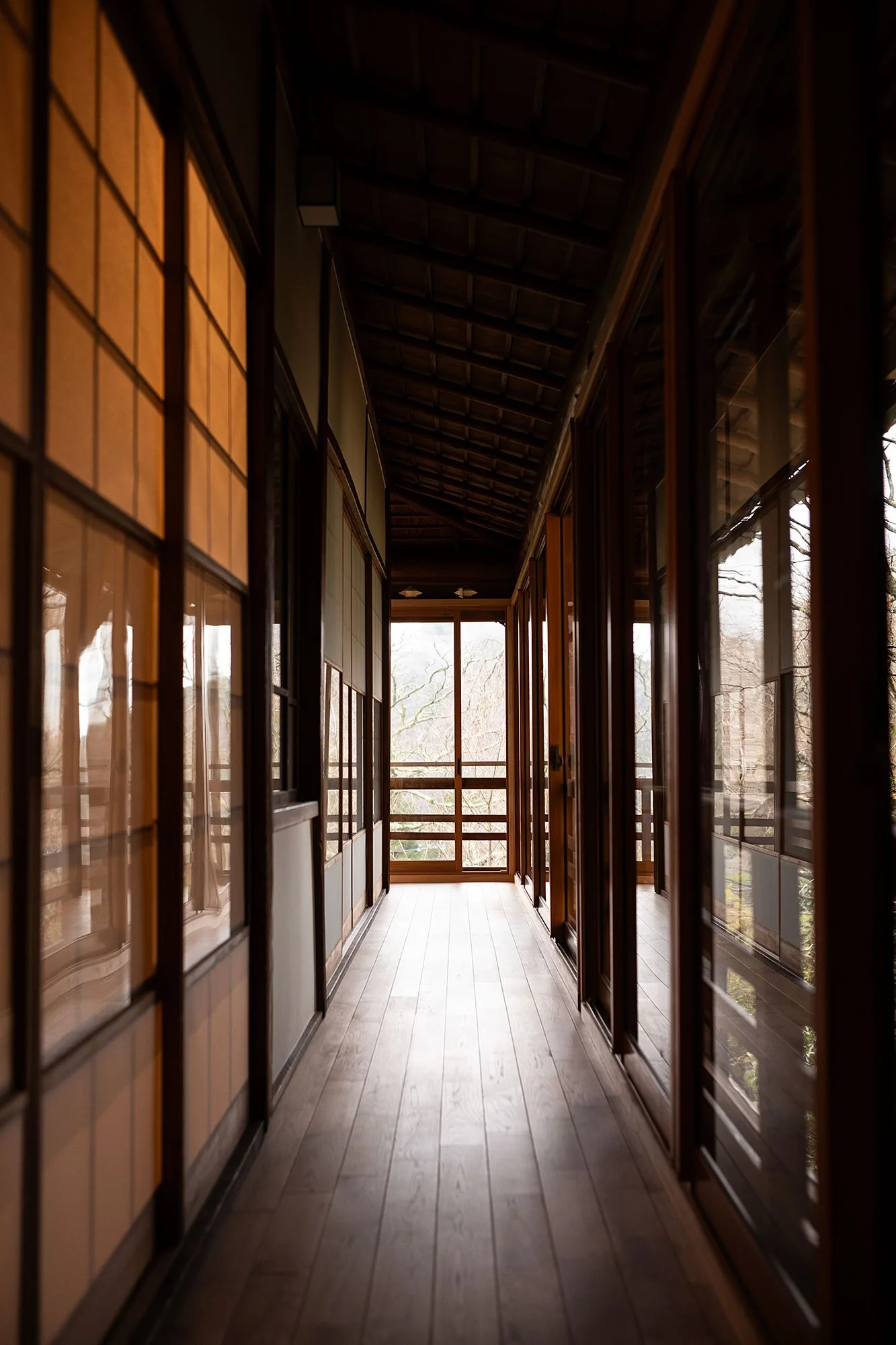
A corridor wraps around the rooms with views to the mountains. I open all the doors to let in the light and admire the view.
I head downstairs to ask if the private onsen is open. It’s a little outside the times, but it’s been cleaned and I’m welcome to use it for the next hour.
I bring my book with me and after washing myself slide into the bath to relax and read Sally Rooney’s Intermezzo for the next hour.
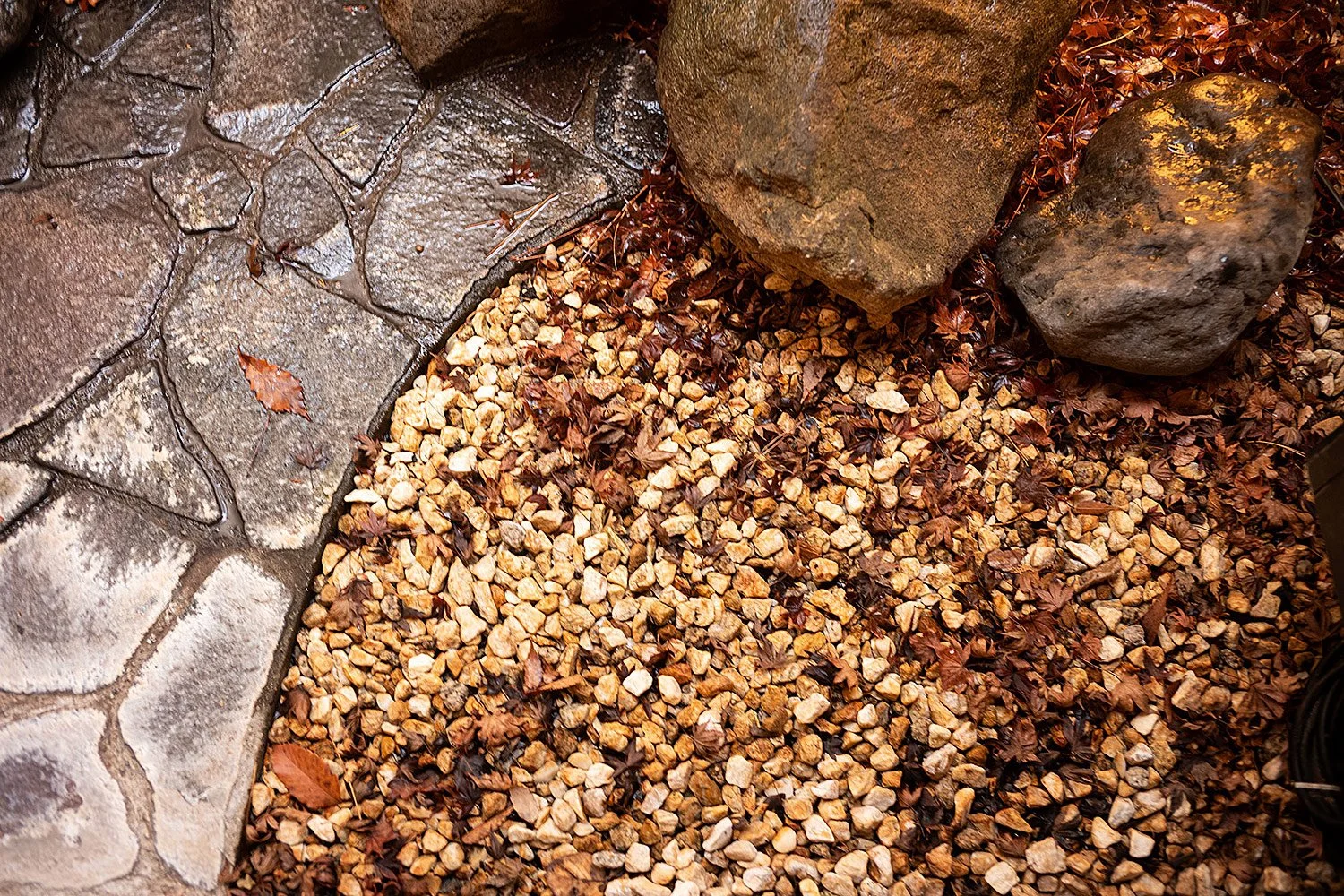
I’ve booked the ryokan with dinner and breakfast, opting for a Japanese breakfast. I’ve also booked a kaiseki dinner, and after bathing and relaxing in my room I don the Japanese robe and overcoat provided and head down at the appointed time.
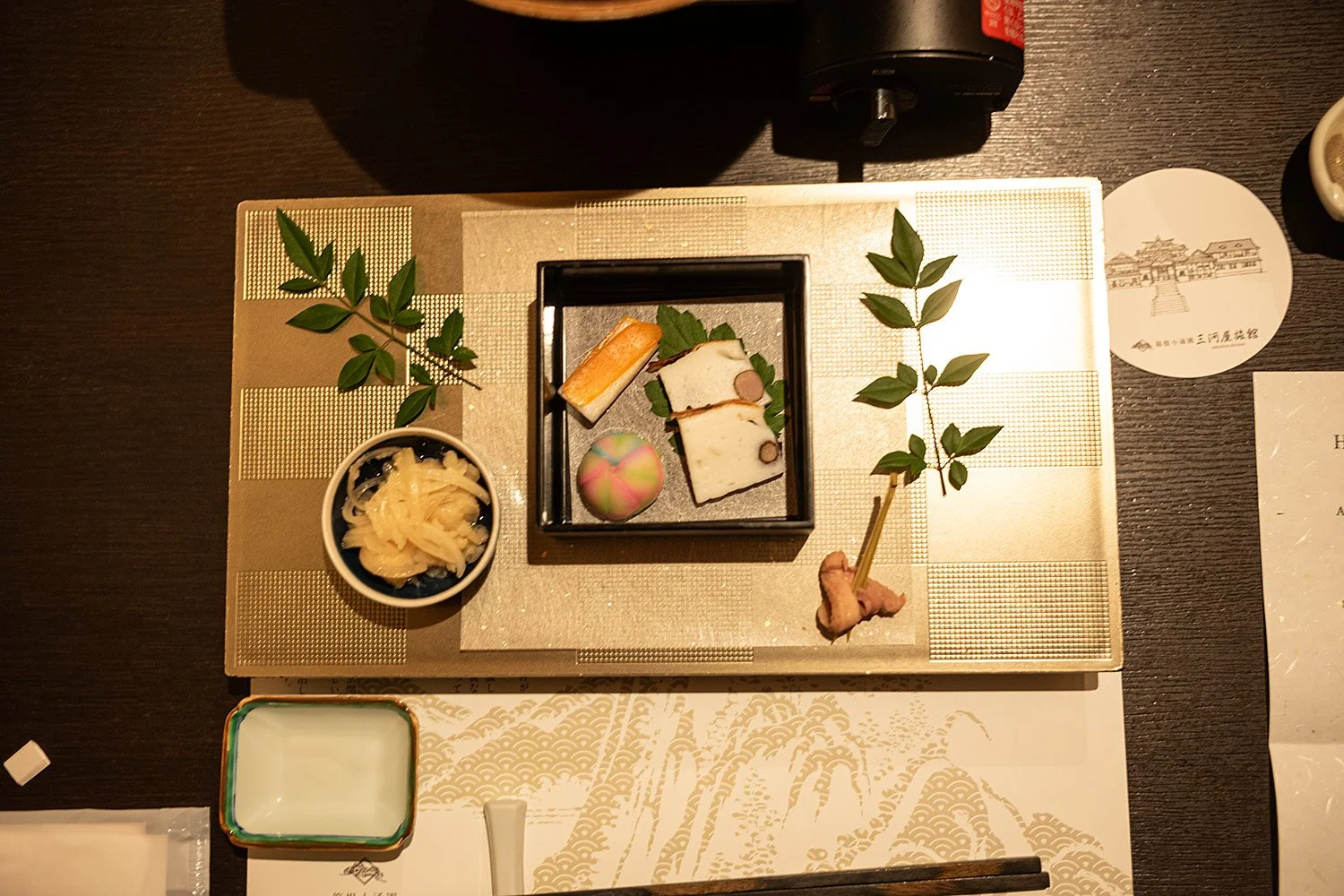
The dining room is set up with western seating. I ask if they have any Japanese style rooms. They tell me they used to, but they got rid of them with the latest renovation.
Dinner is a multi-course affair and I happily work my way through each of the small dishes in each of the courses. As a further apology for the construction they offer an additional roast beef appetizer. I order a flight of sake to accompany my meal and I switch back and forth to see how they compare.
After dinner I ask the front desk if anyone has booked the private onsen. The inn is fully booked, but suprisingly, no one has claimed the onsen so I do. I head back to my room to pick up a few things and then slip back into the private onsen, and back into the warm bath.
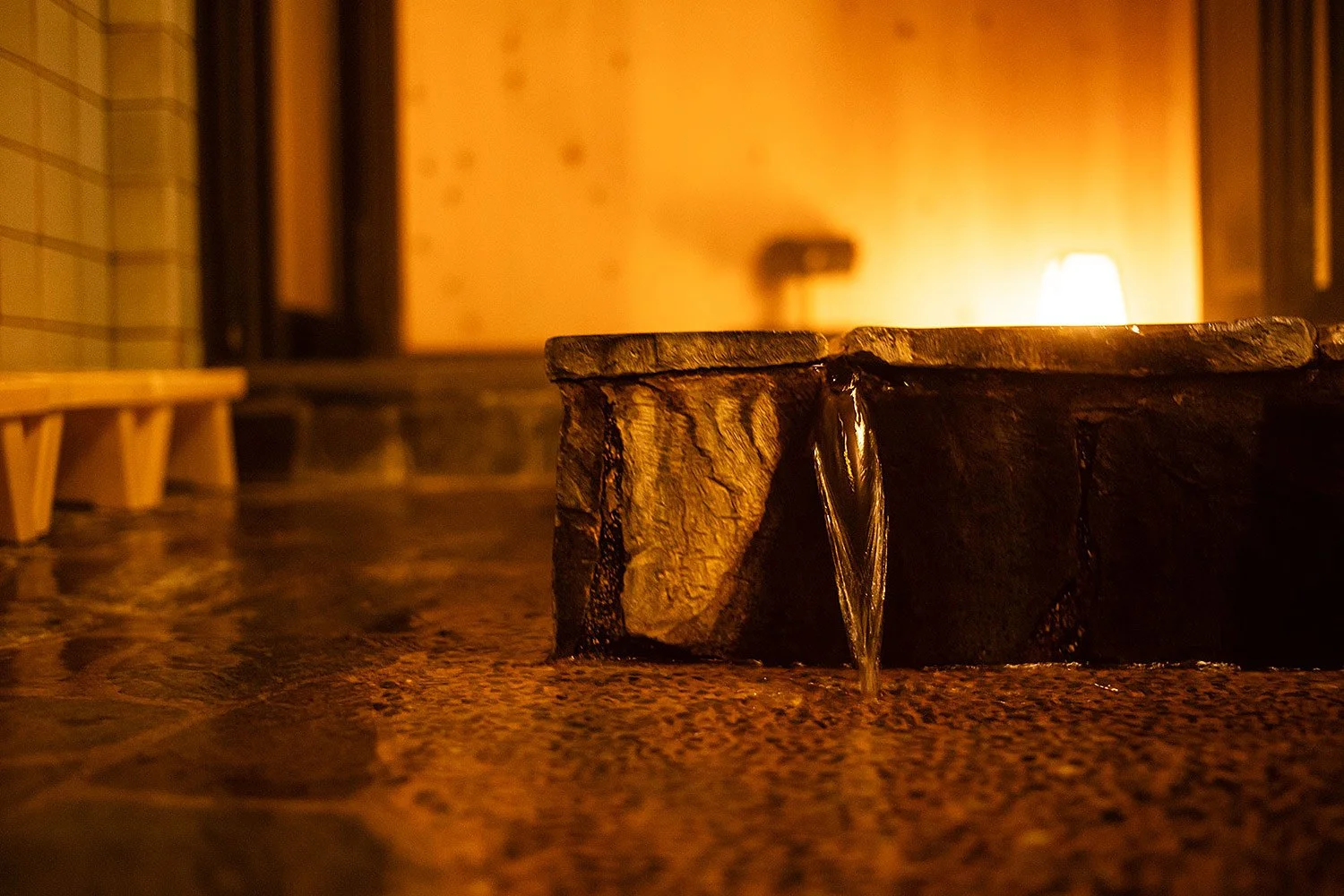
The next morning I’m up at 08h for breakfast. I want to get a decent start on the Hakone Loop so as not to feel too rushed. I’m not sure exactly how long each leg will take, nor how long I might want to linger.
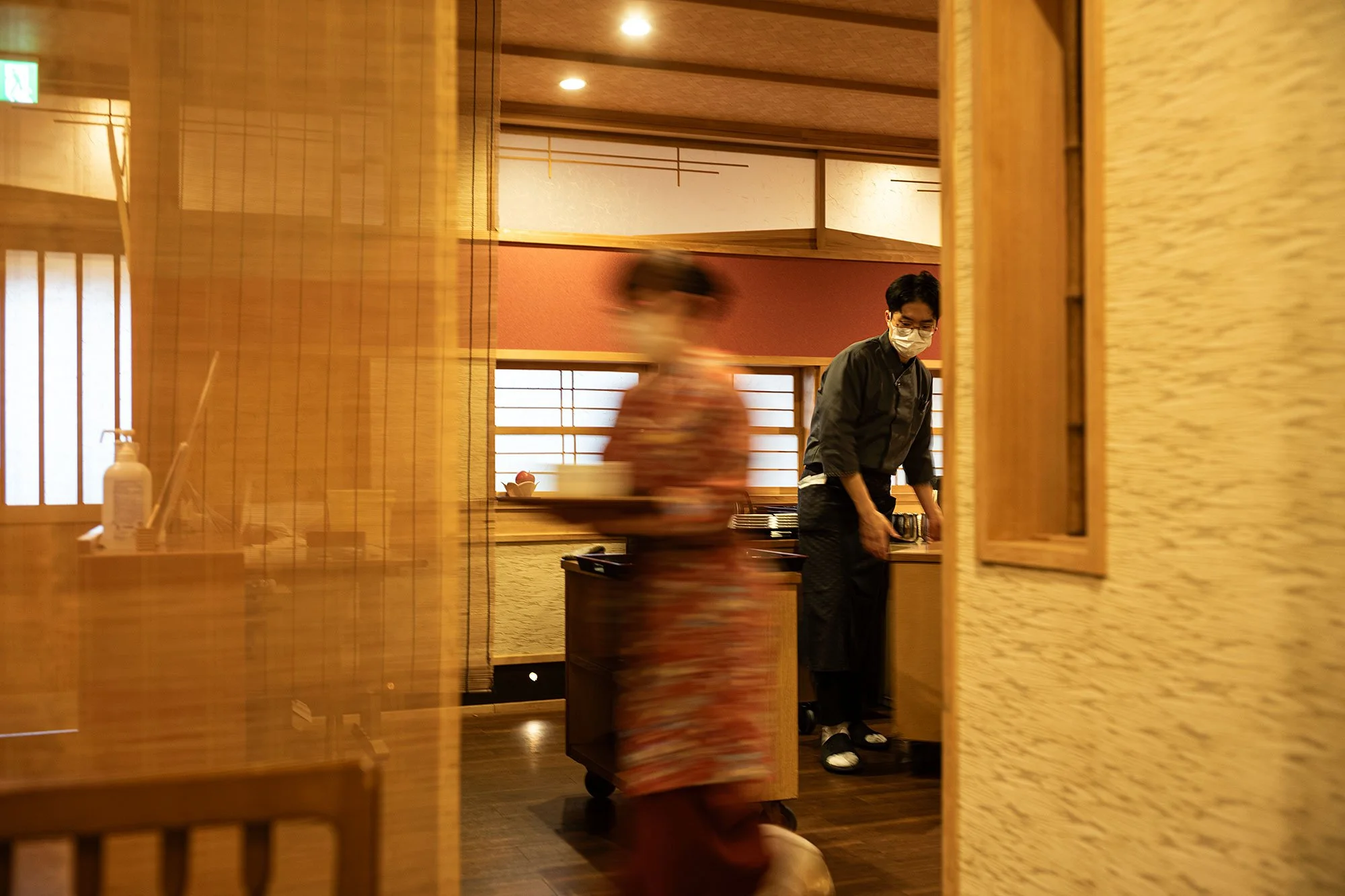
After breakfast I pack up my things and check out leisurely. I arrange to have my large bag sent to the train station so that I don’t have to lug it around on the loop. I had originally planned to send it to my hotel in Tokyo, but it takes two days for that service. Sending it ahead to the train station, I’ll be able to pick it up in the afternoon.
Looking up the bus timetable, I see that it’s to come at 0942. I walk to the bus stop and find myself with 20 minutes to spare. There’s a waterfall nearby marked on the map and I think I have the time to take a quick look. I walk down the hill towards the path that’s marked but there’s construction and a fence barring my way.
I race back up the hill for fear of missing the bus, but my only reward for my effort is being out of breath. The bus is delayed, arriving close to 10h..
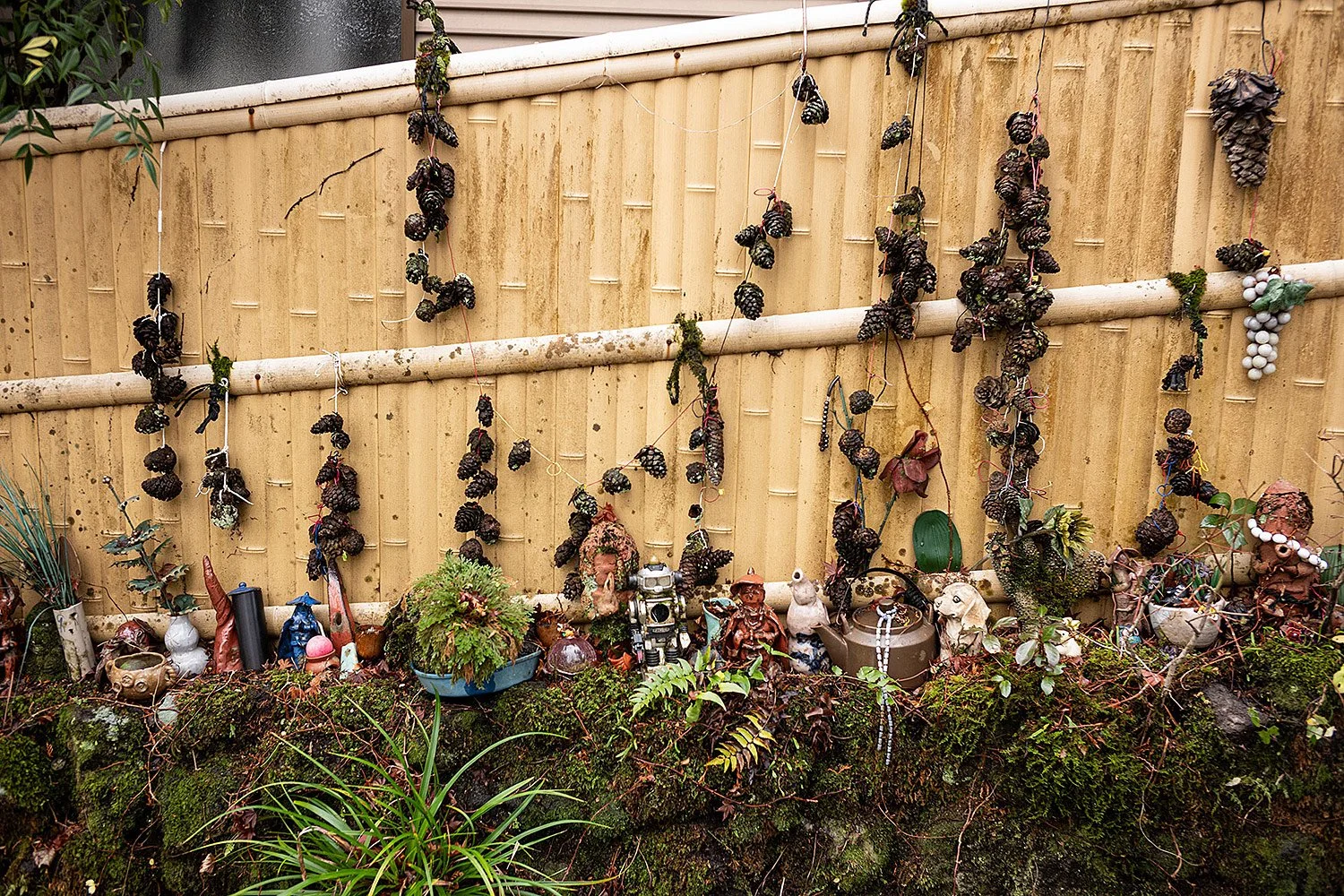
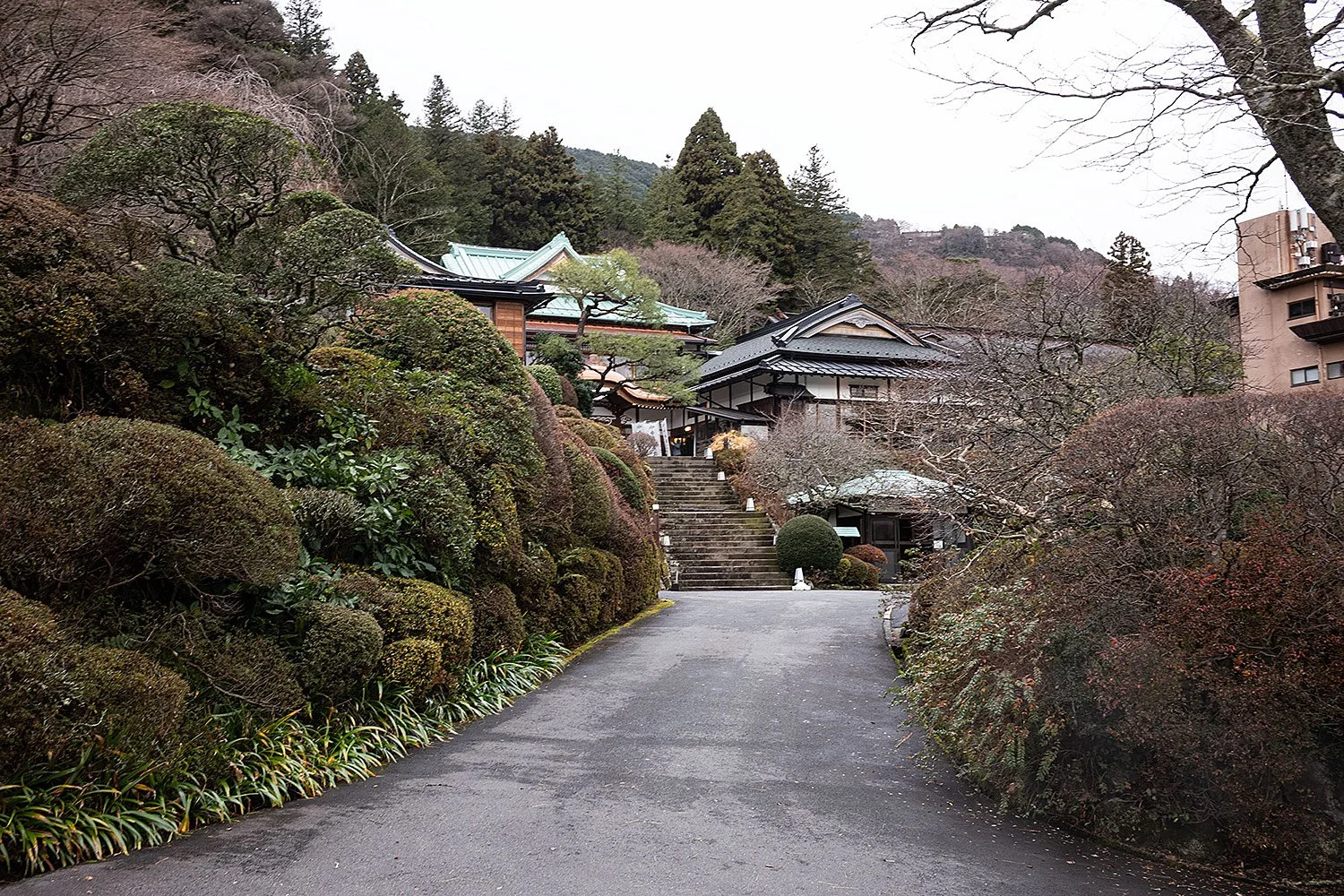
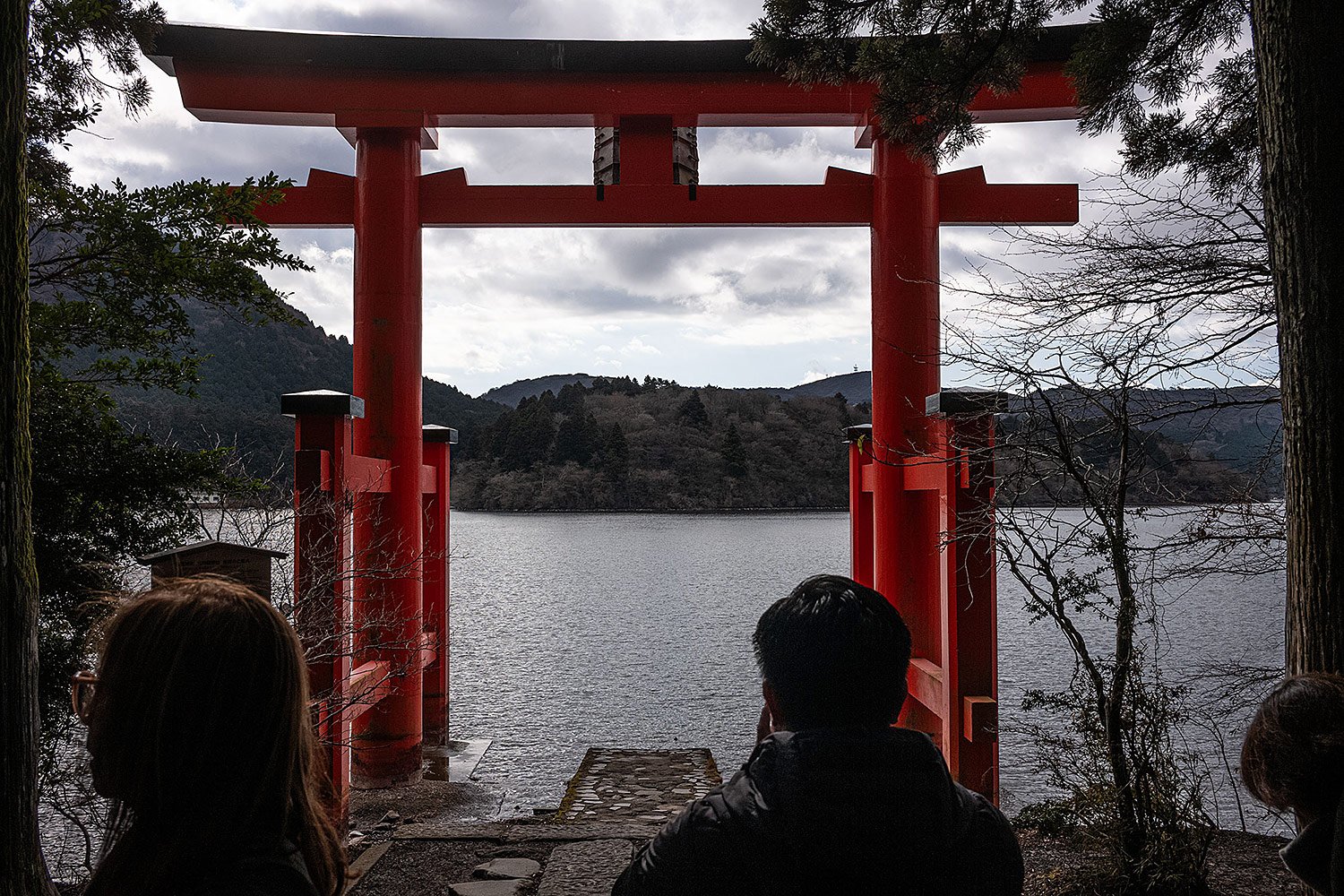
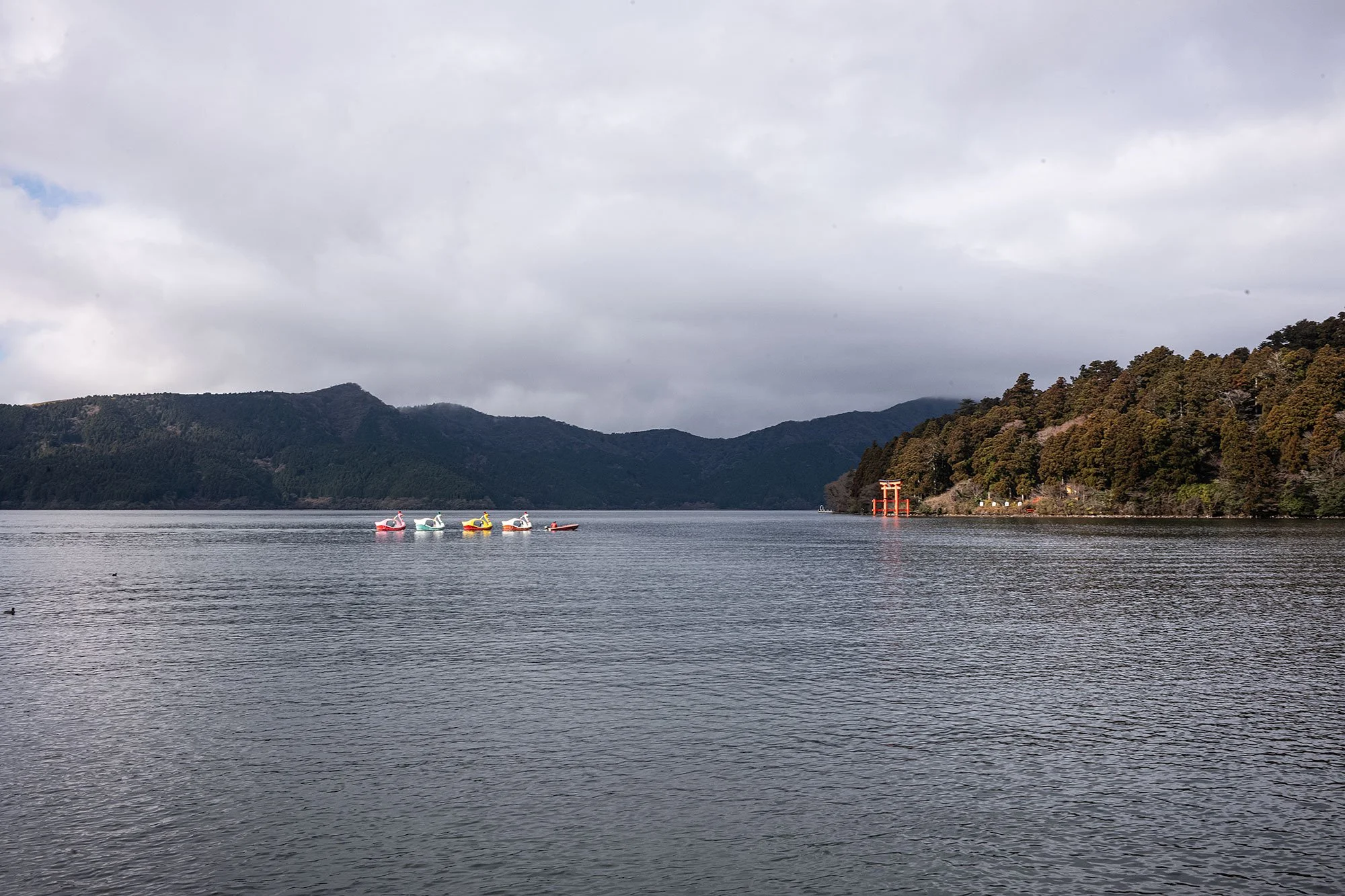
I get off of the bus at Motohakone to visit the Heiwa-no-Torii gate associated with the Hakone shrine. Partially submerged in Lake Ashi, the Peace Torii was erected in 1952 to commemorate Japan’s postwar independencefollowing the signing of the San Francisco Peace Treaty, which ended Japan’s imperial era and restored its sovereignty.
As I walk along a wooded path along the water it seems like the shrine is deserted, but as I approach the gate I find a line of people waiting to take the iconic photo of themselves standing at the edge of the water beneath the gate.
I climb the stairs to visit the shrine on the hillside. Founded in 757, the original shrine was at the summit of the Komagatake peak of Mount Hakone. The shrine was subsequently relocated to the shores of the lake and its current incarnation dates to 1667.
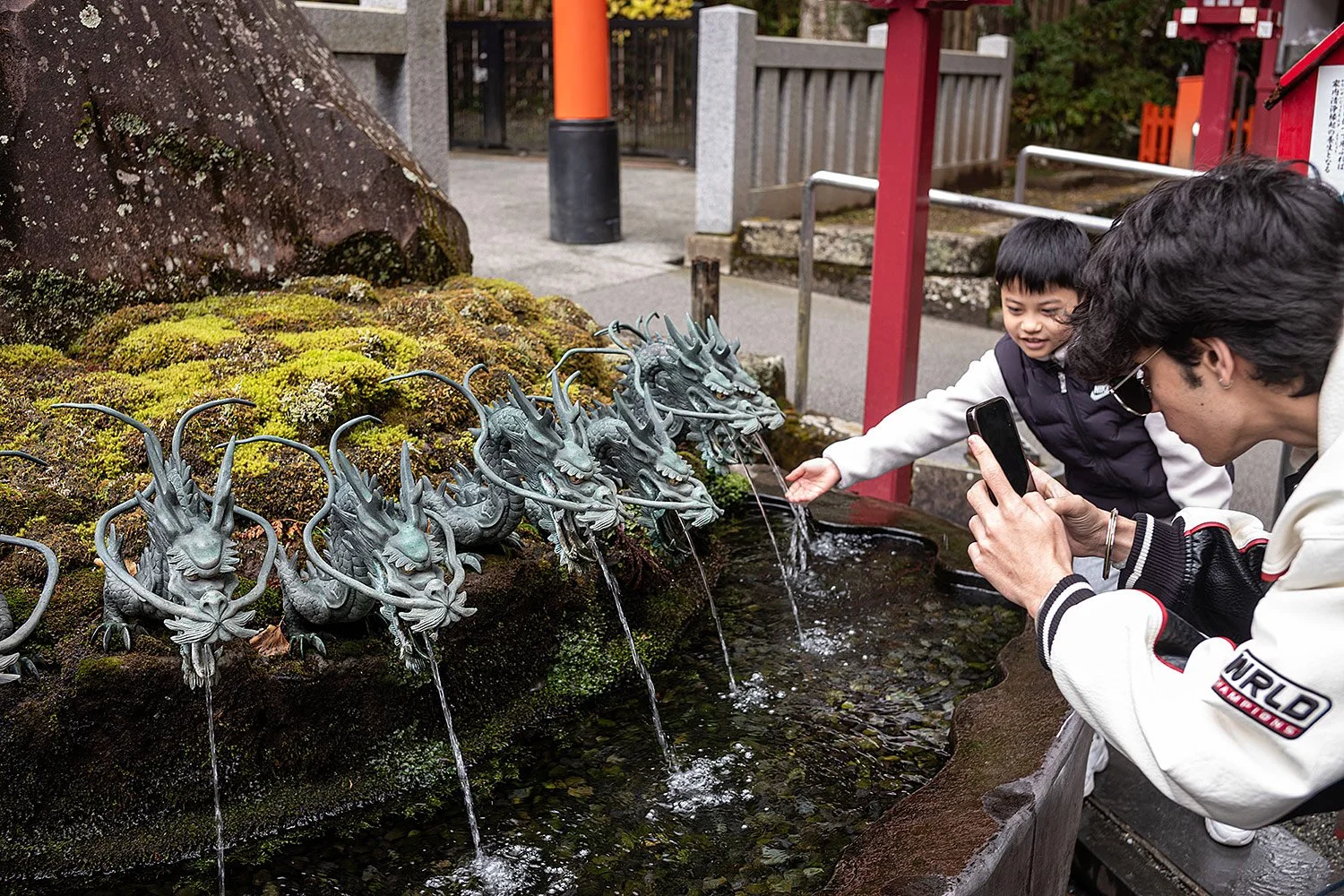
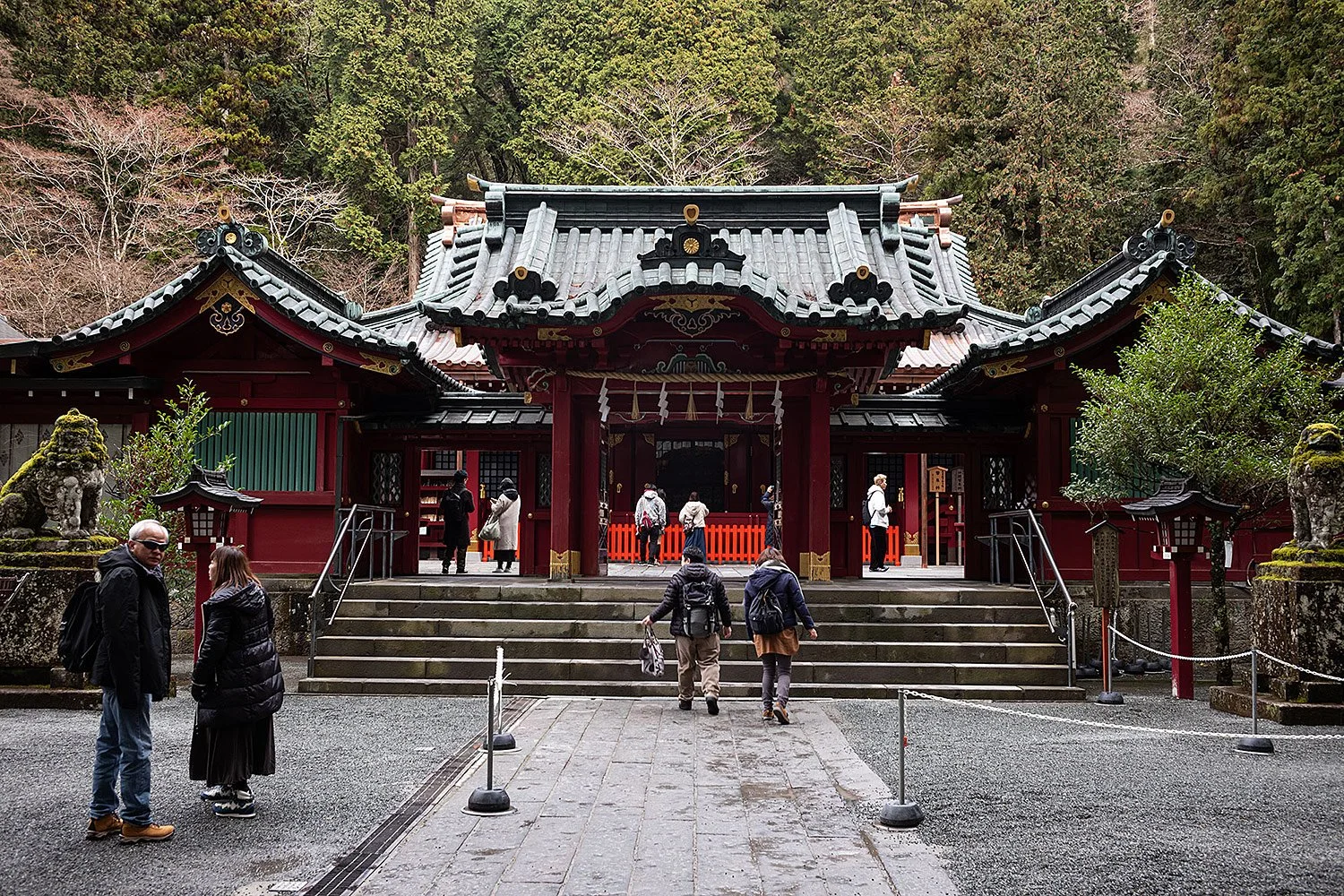
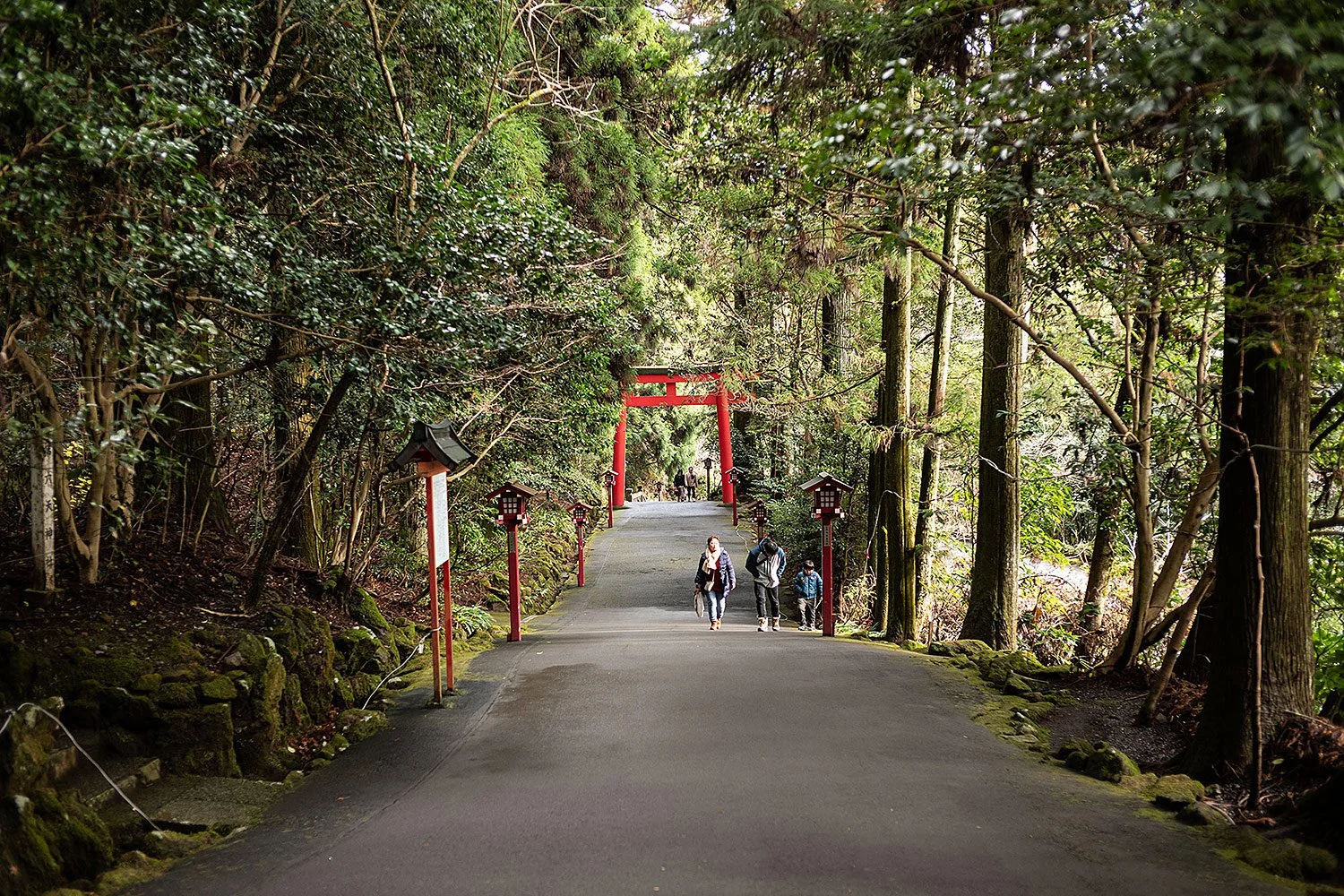
I walk back towards the lake to suss out where to buy tickets for the pirate ship that ferries you across to the other side. From there, a ropeway takes you to the top of the mountain.
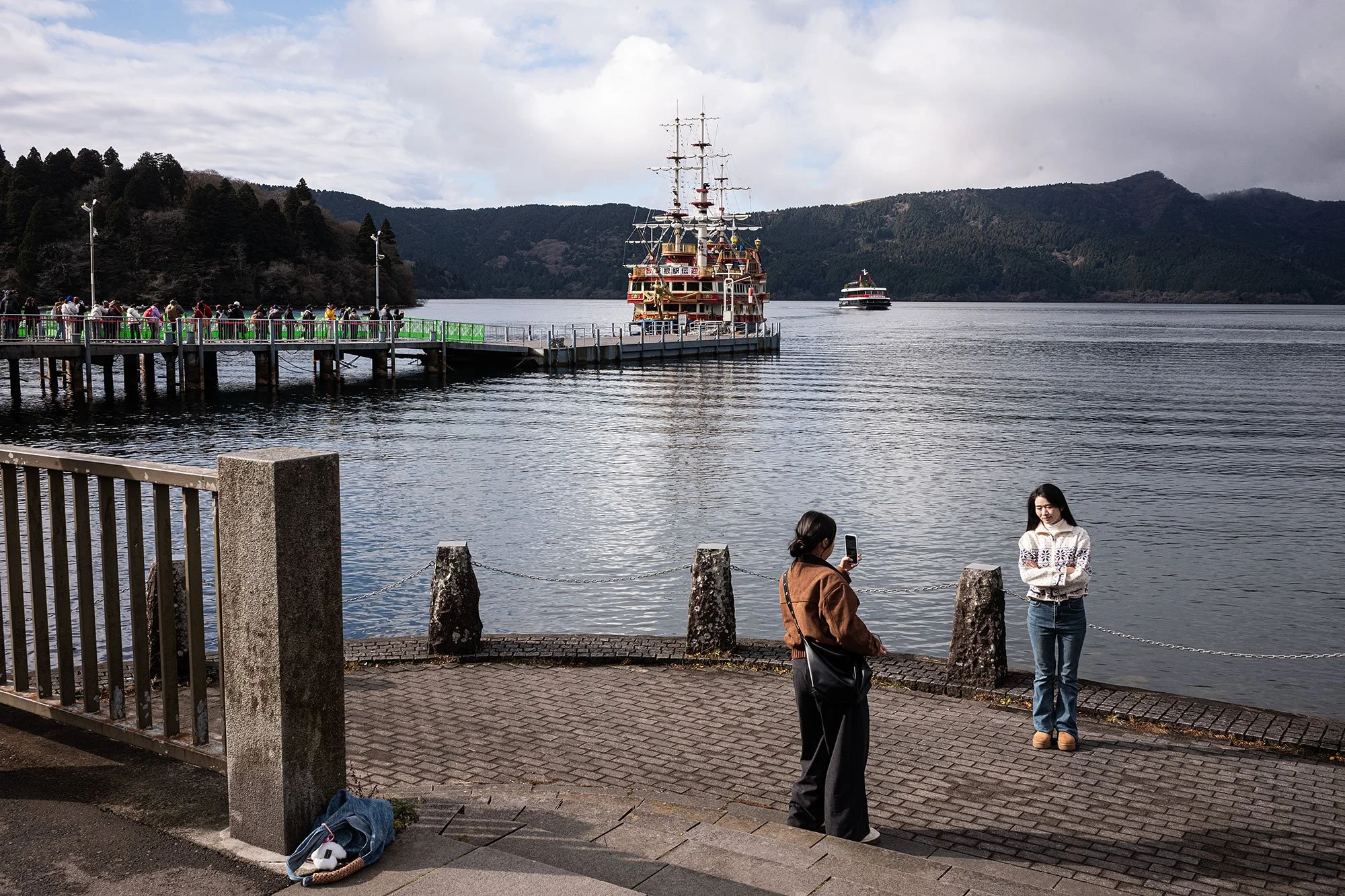
As I approach the dock I see a ship coming into port and spot the ticket office. On the opposite side of the road the Narukawa Art Museum looks out over the lake from its perch on the hillside and I decide to stop in for a quick look before embarking on the next leg of the loop.
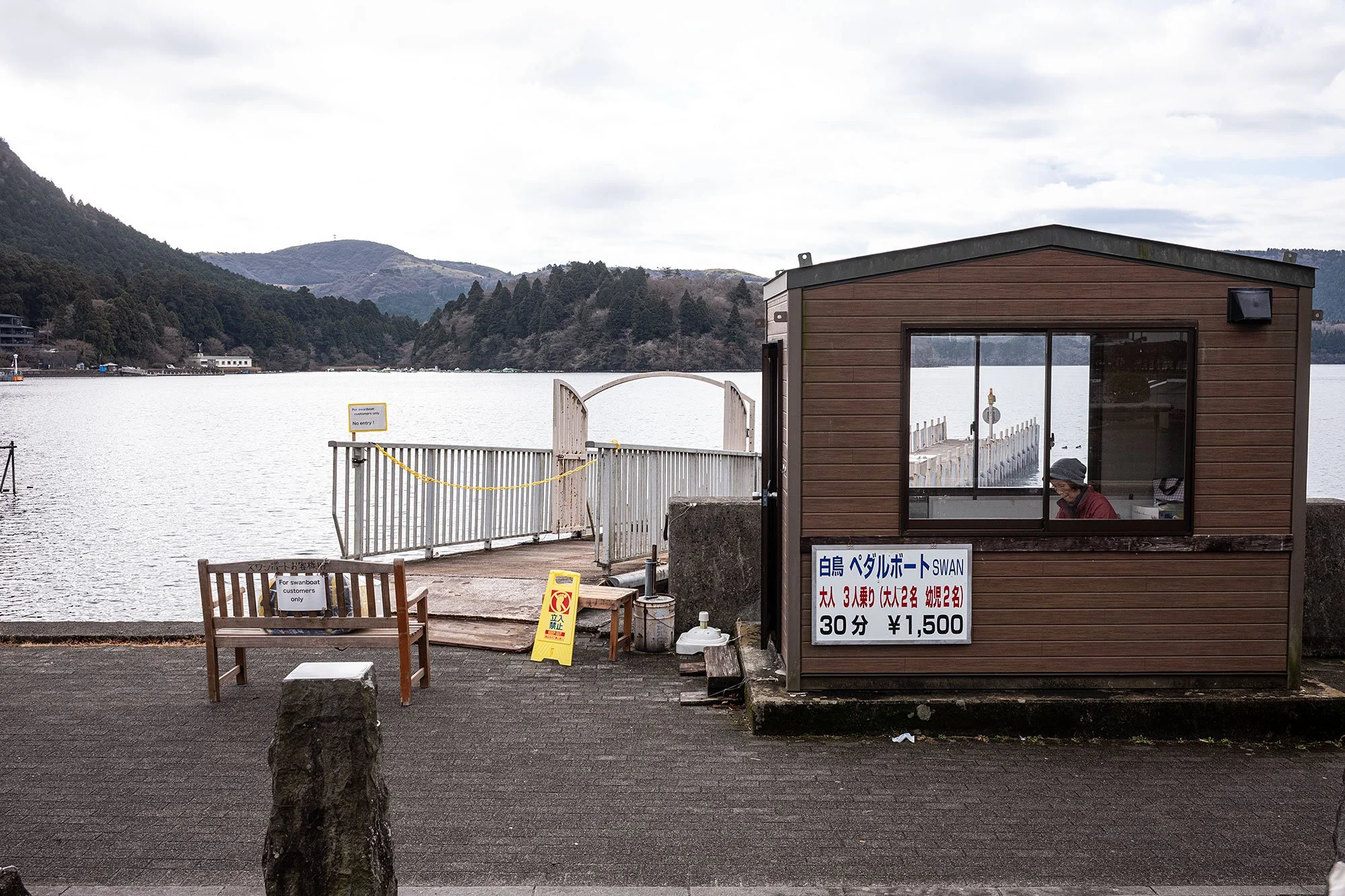
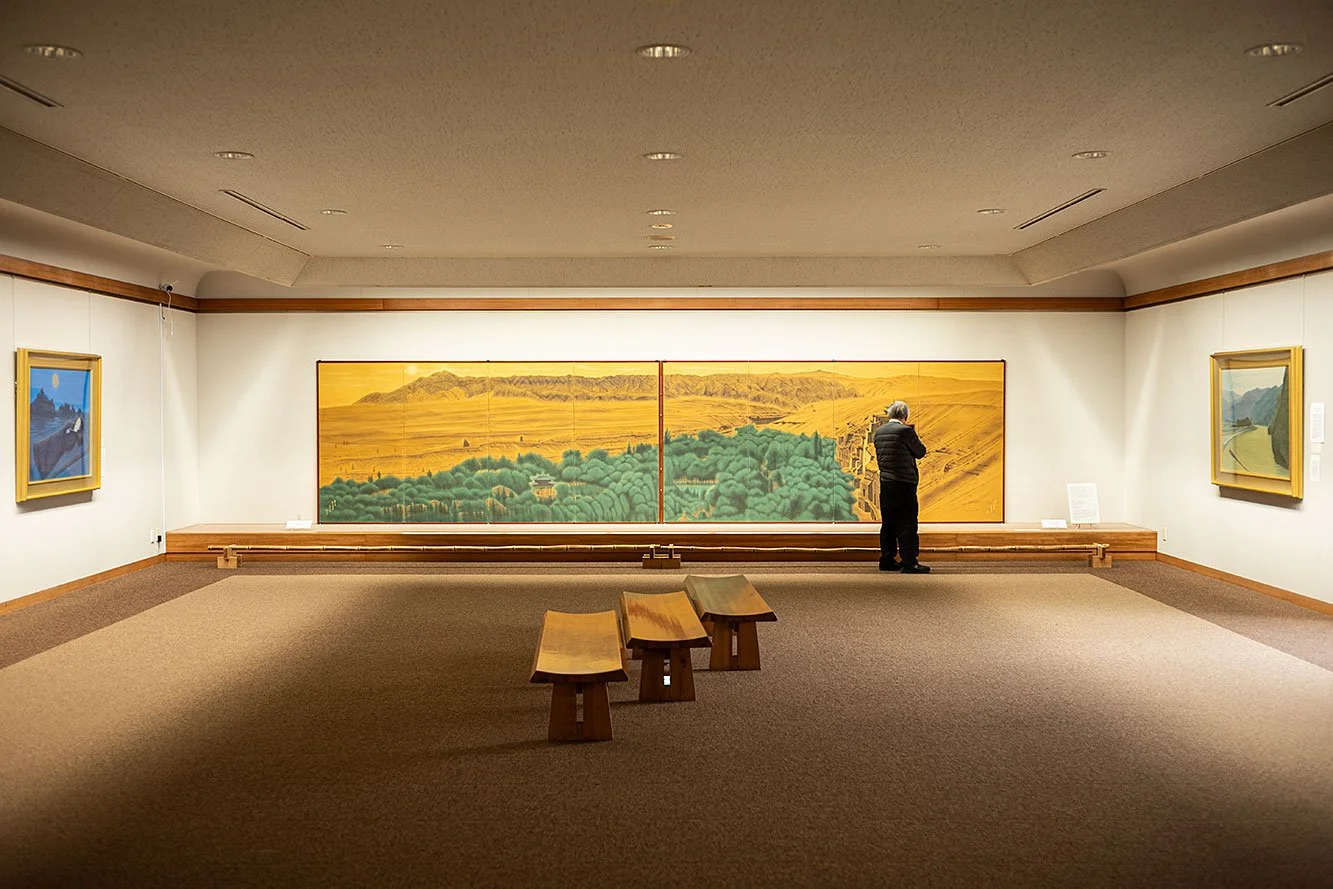
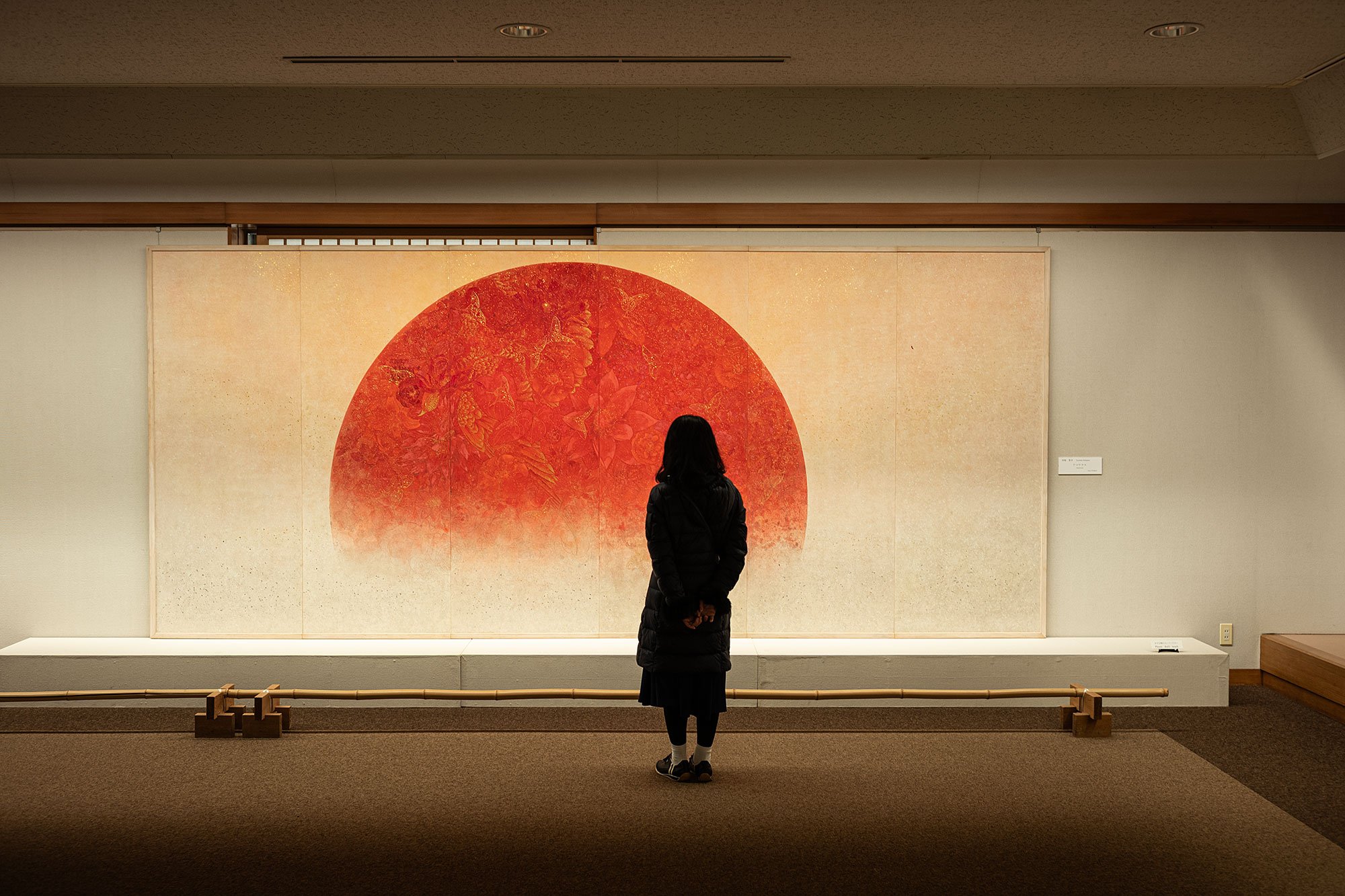
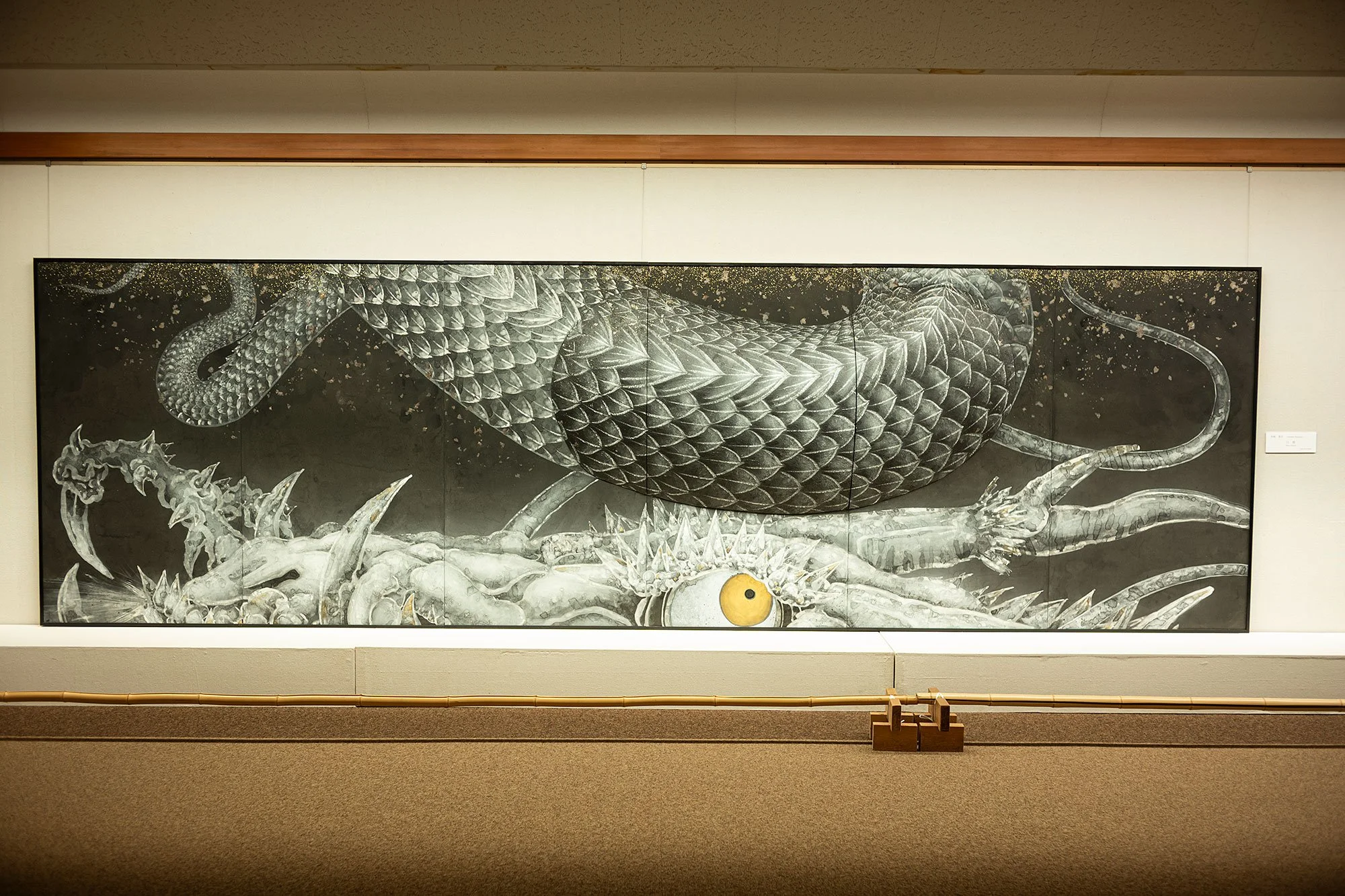
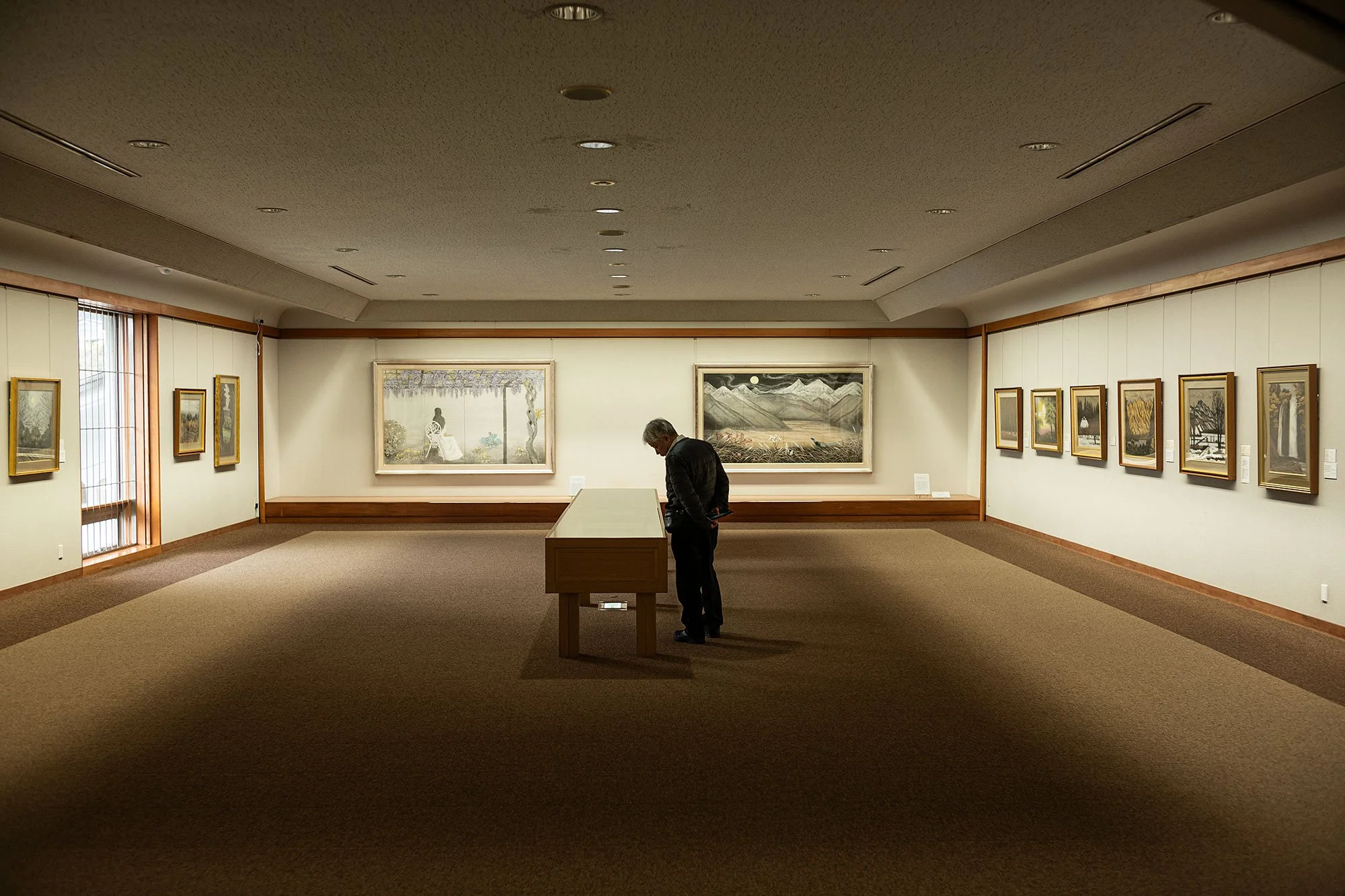
The Narukawa Art Museum was opened in 1988 to showcase Minoru Narukawa’s collection of nihonga (Japanese-style paintings) from the mid-1950s onward, amassed over the span of 20 years. Amongst the collection are 200 pieces by Kyujin Yamamoto, recipient of the Order of Cultural Merit.
The building, designed by Takashi Imazato, won the Tokyo Kenchikusho award from the Tokyo Association of Architectural Firms. The galleries are broad, allowing the art space to breathe. Some of the larger pieces command a wall unto themselves.
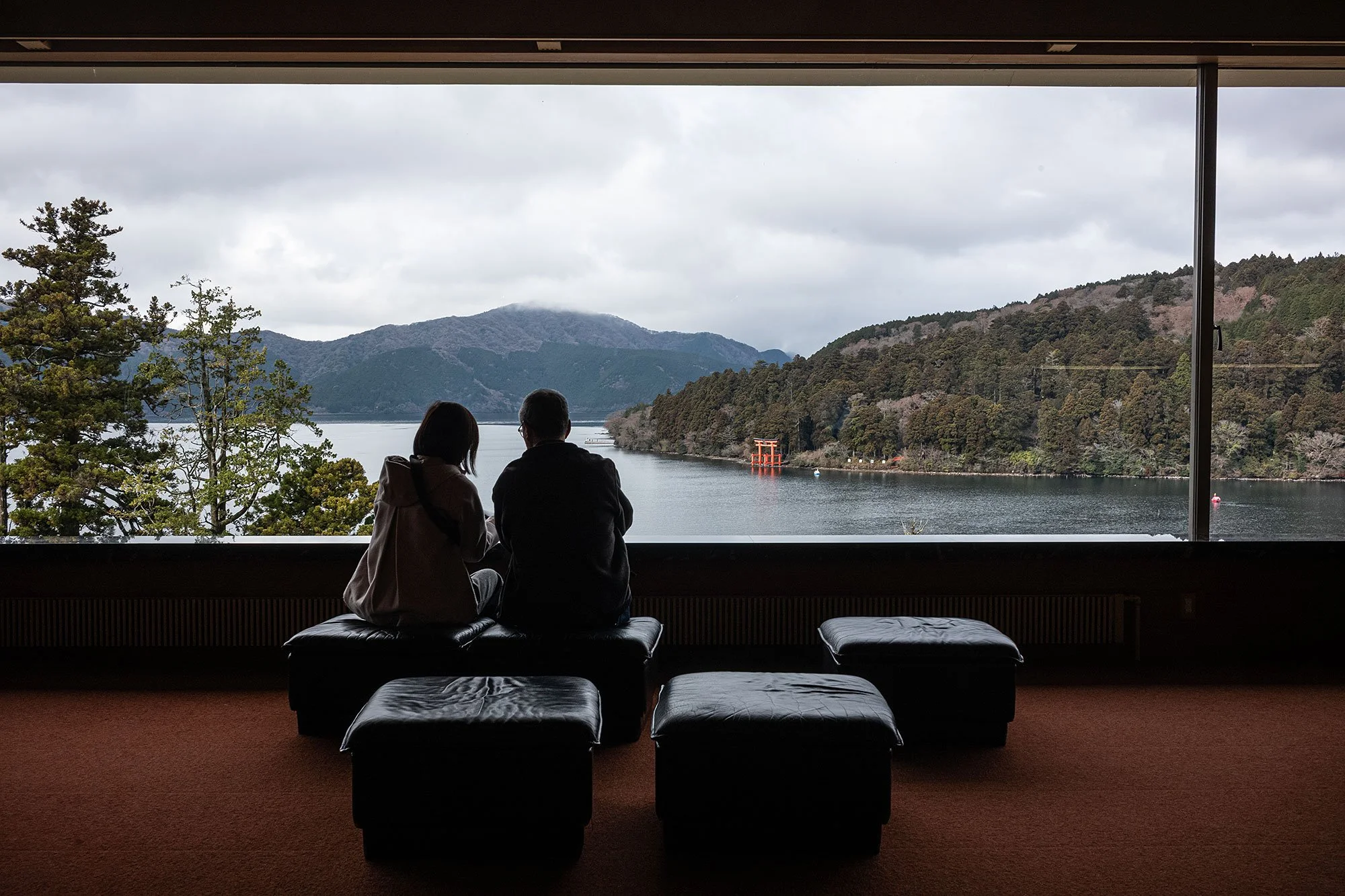
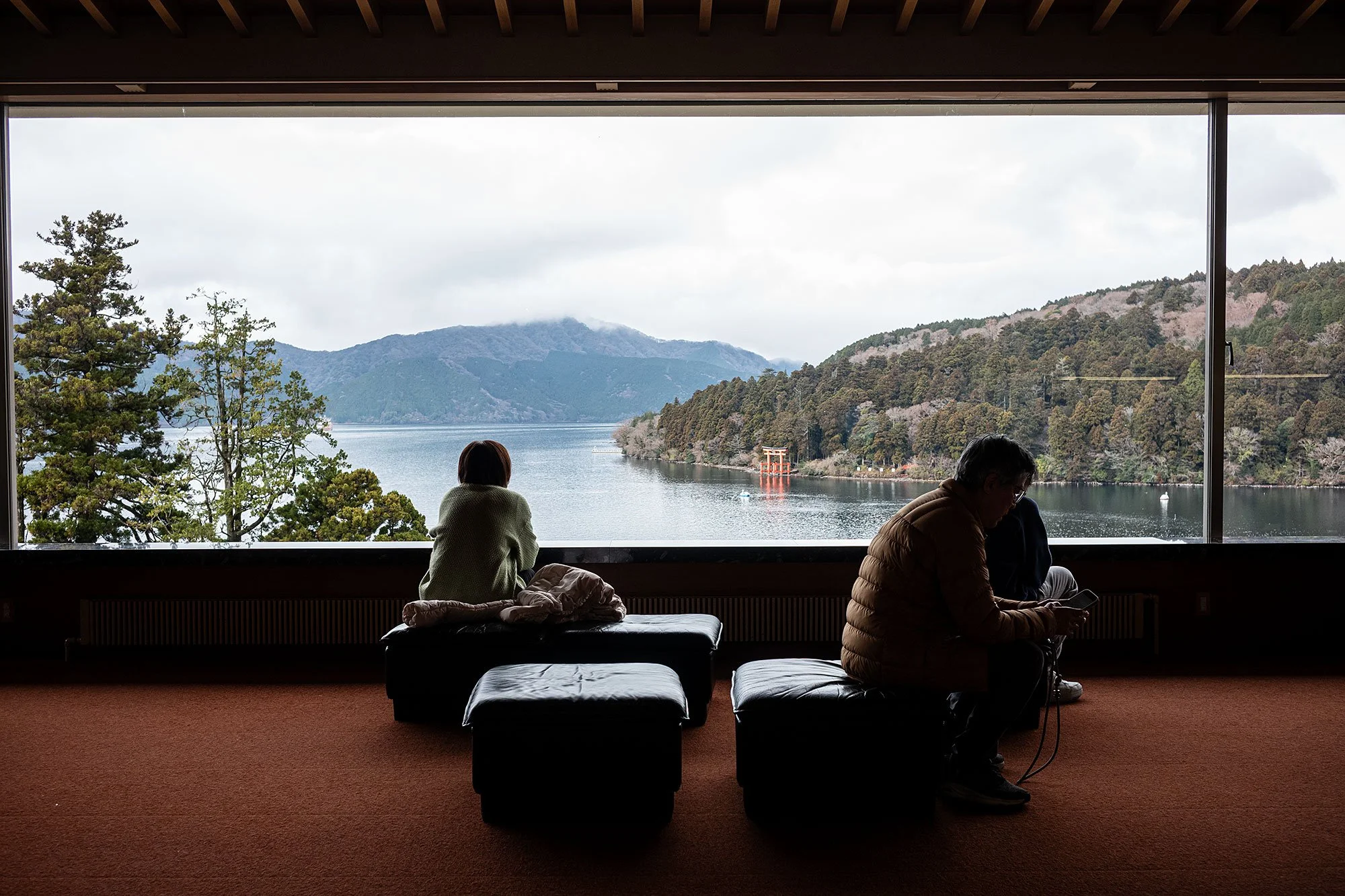
But perhaps the the centerpiece of the building is a room with panoramic windows framing to the lake, the Peace Gate and, on a clear day, Mt. Fuji. Unfortunately, as spectacular as the view is, the peak of Fuji is obscured by clouds.
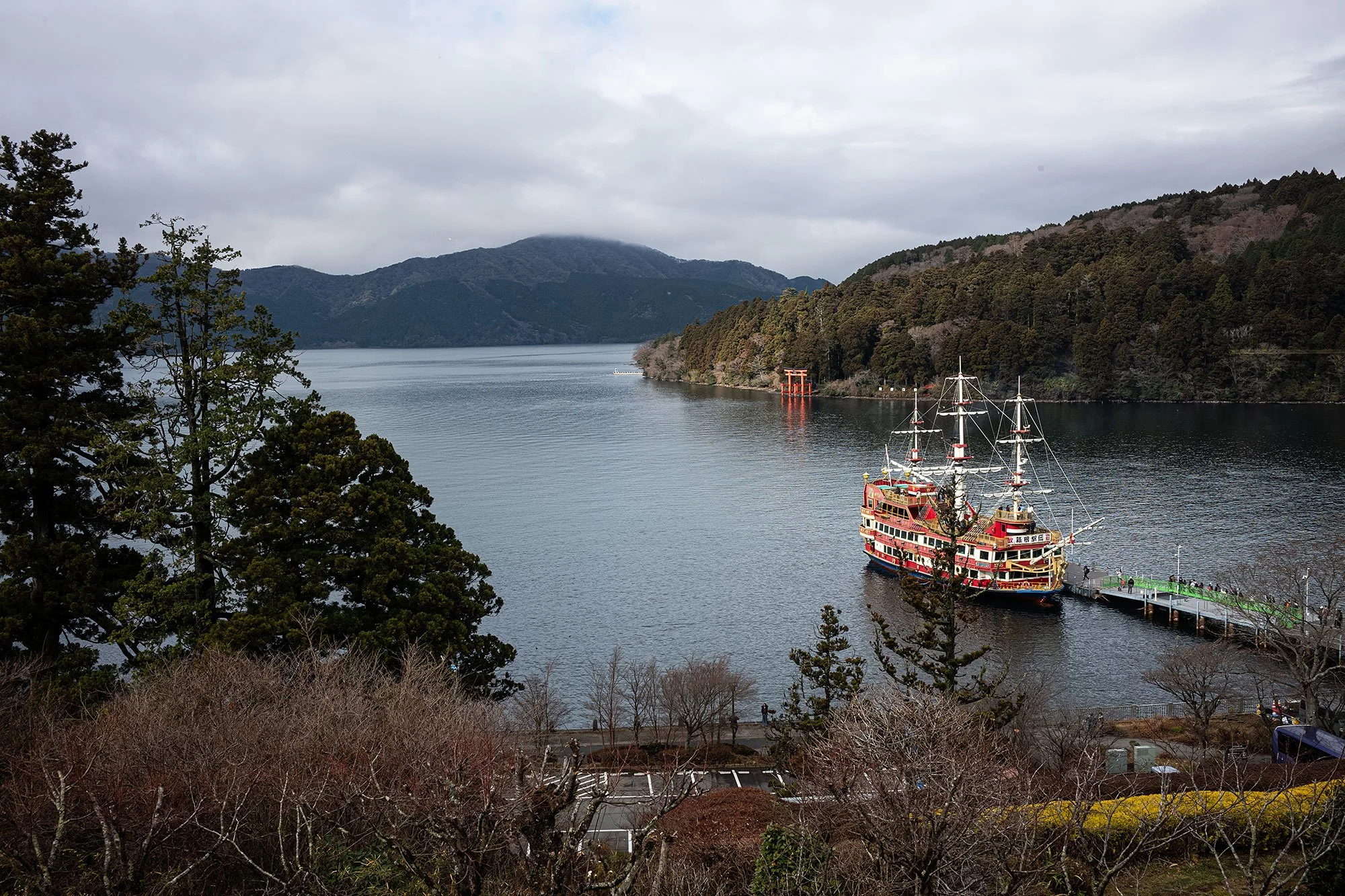
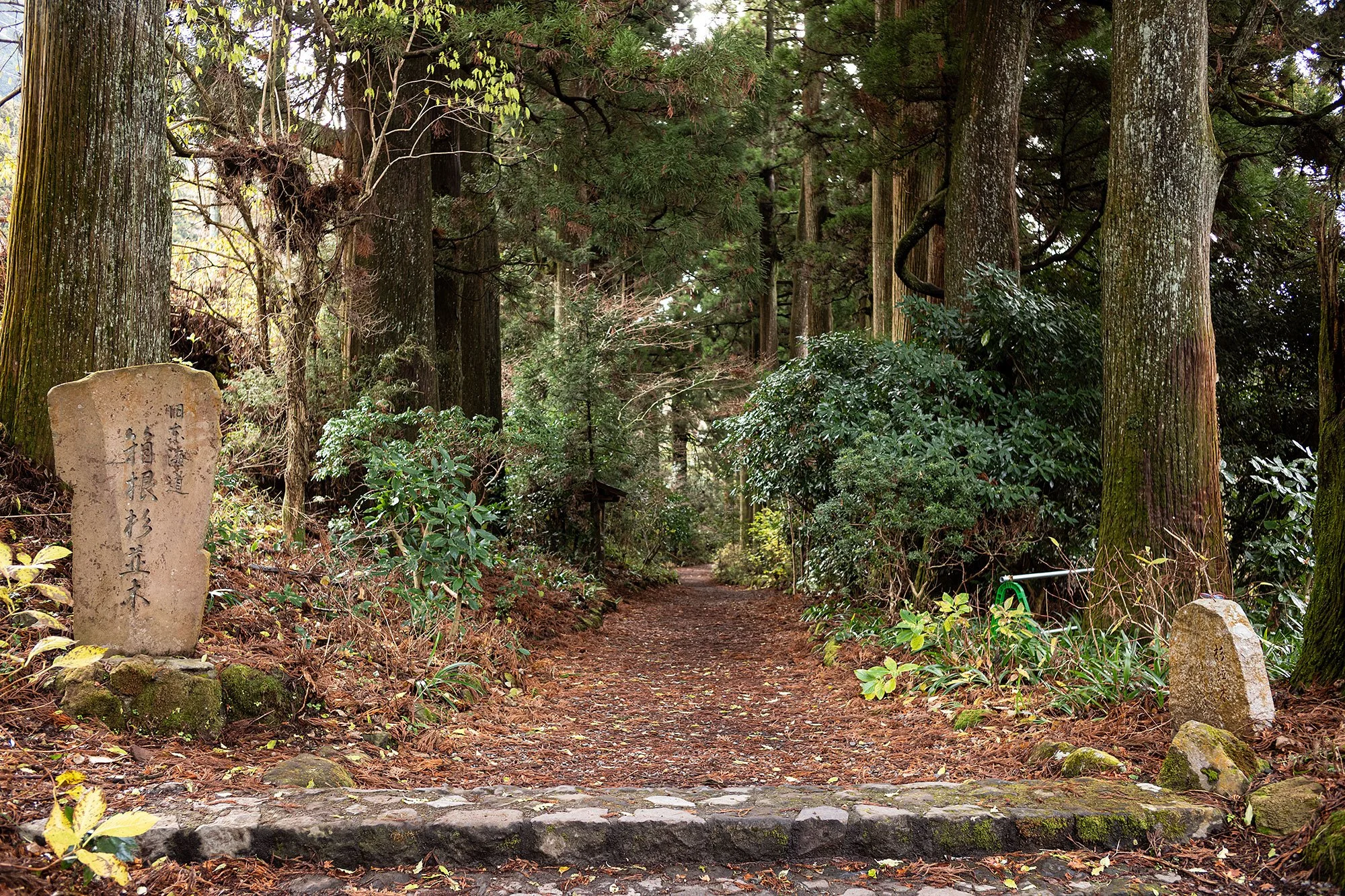
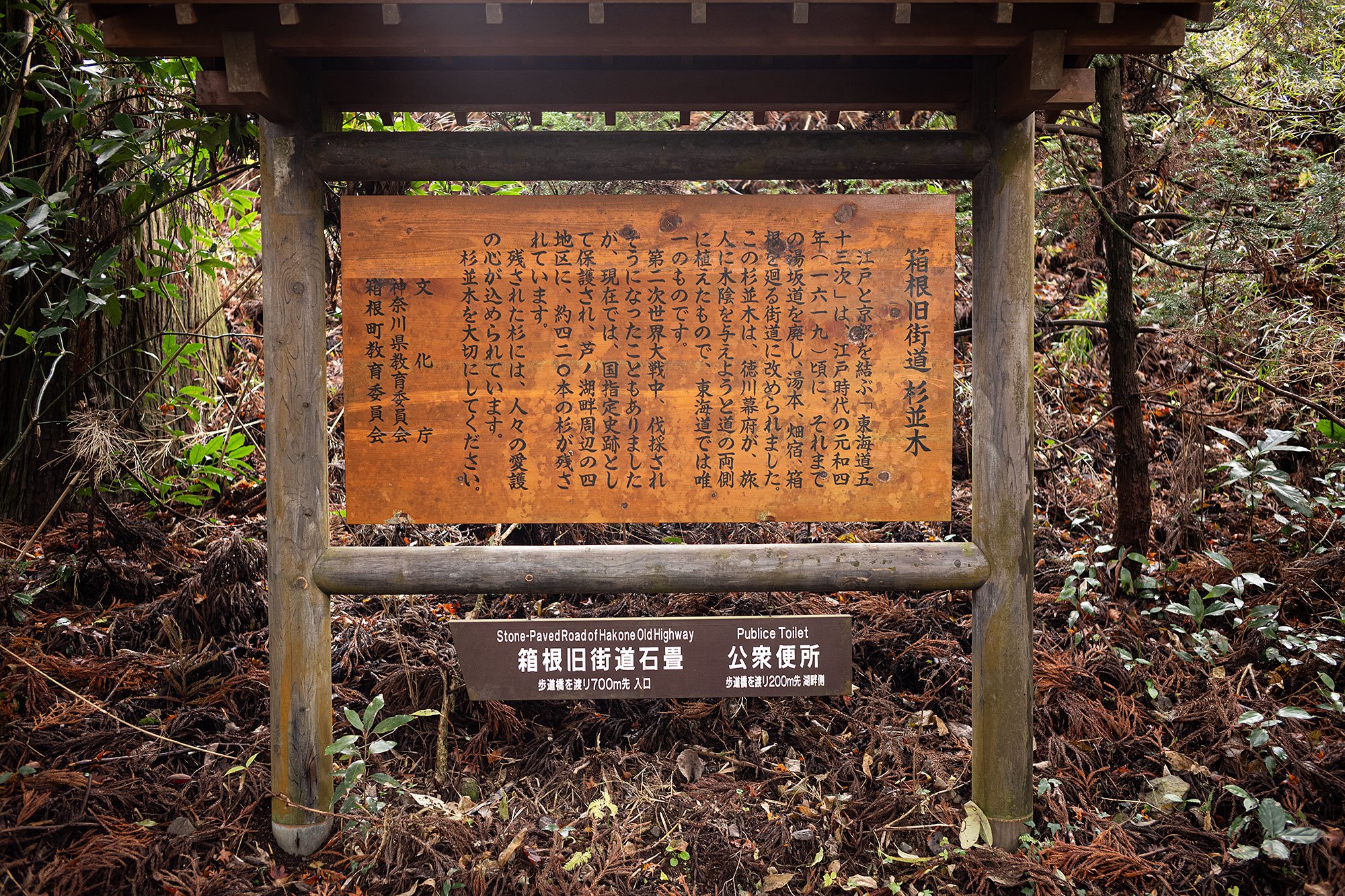
Stepping out of the museum I descend back down towards the lake. On the map I see a marker for the Old Tōkaidō Road Ancient Cedar Avenue and walk to the eastern end, strolling for a bit upon it before turning back to catch a ship to the far shore.
I see the boat coming into port as I approach the dock and quickly show my Hakone FreePass, a discount card that gives access to all of the transportation on the loop, to secure a ticket to board. I ask about the VIP section; I’m told I can secure that once I’ve boarded the ship.
The dockhands wave us forward; I’m the last to obtain a ticket, but there are a few ahead of me who are walking slowly and so I’m not the last to board. As I enter I see the ticket booth for the VIP section and I pay the extra fee to gain access. It’s not much, but it lets you access the front of the boat and you avoid the crowds. There’s also a luxury seating area, but I spend my entire time on the upper deck.
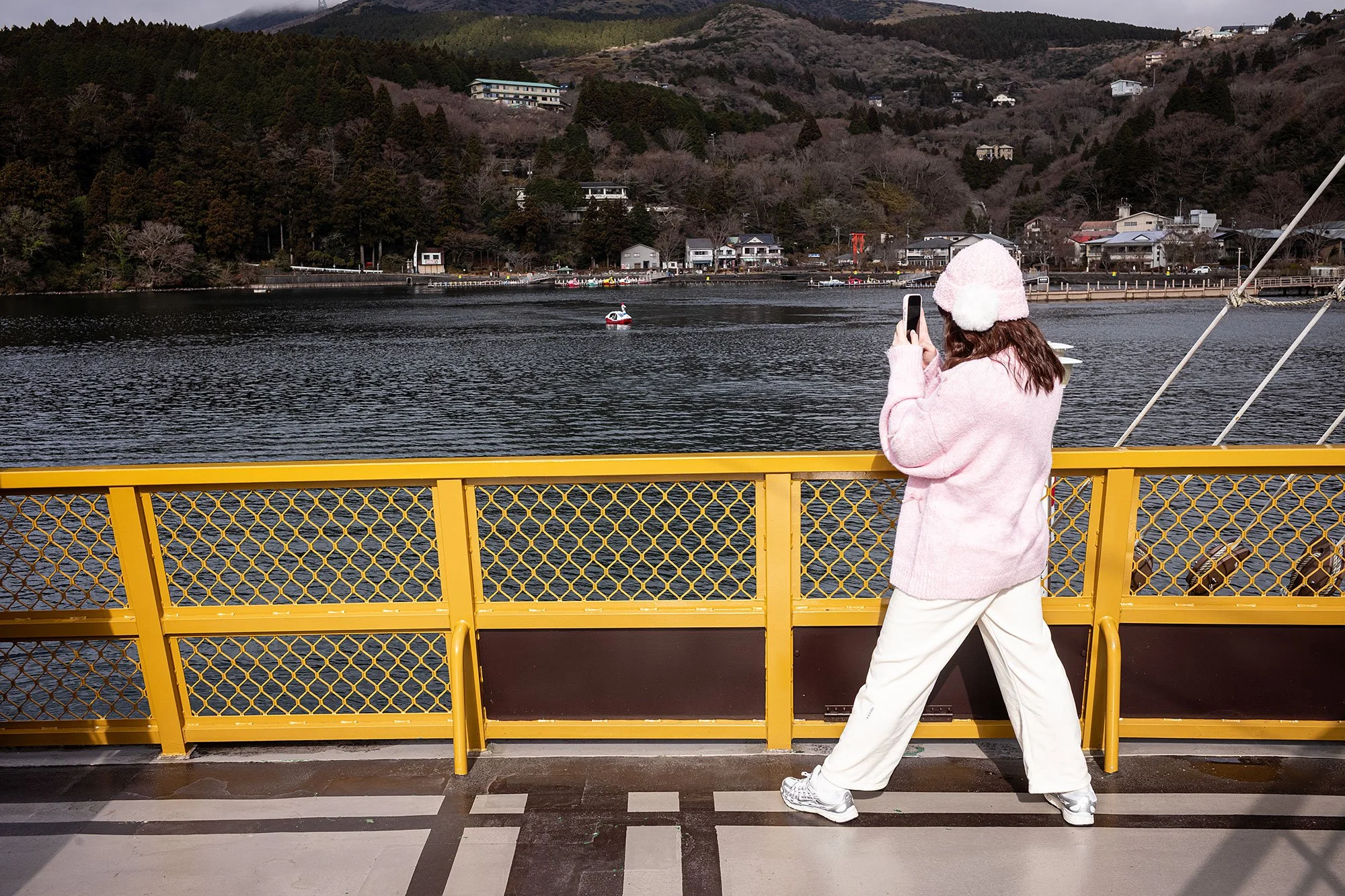
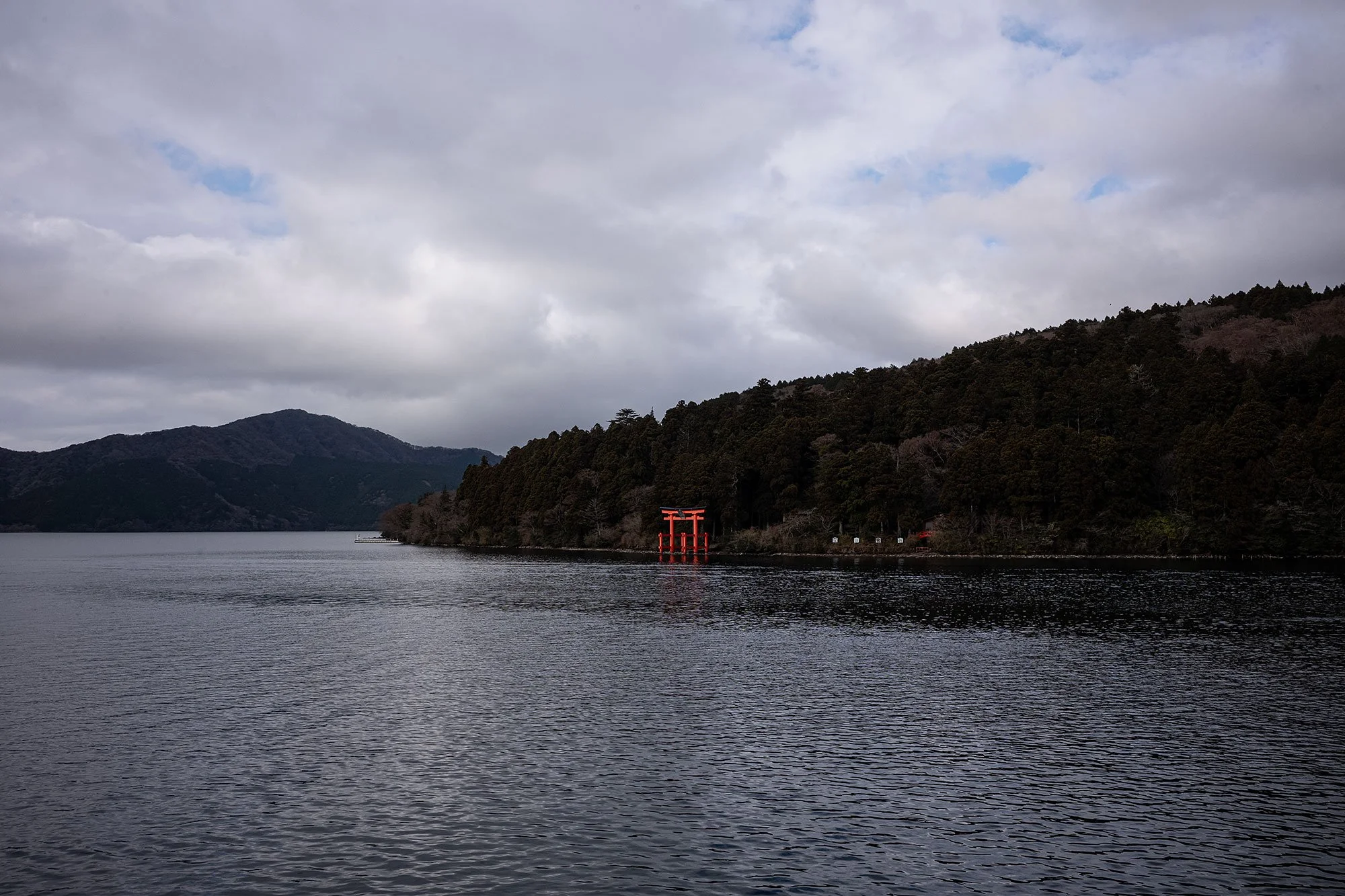
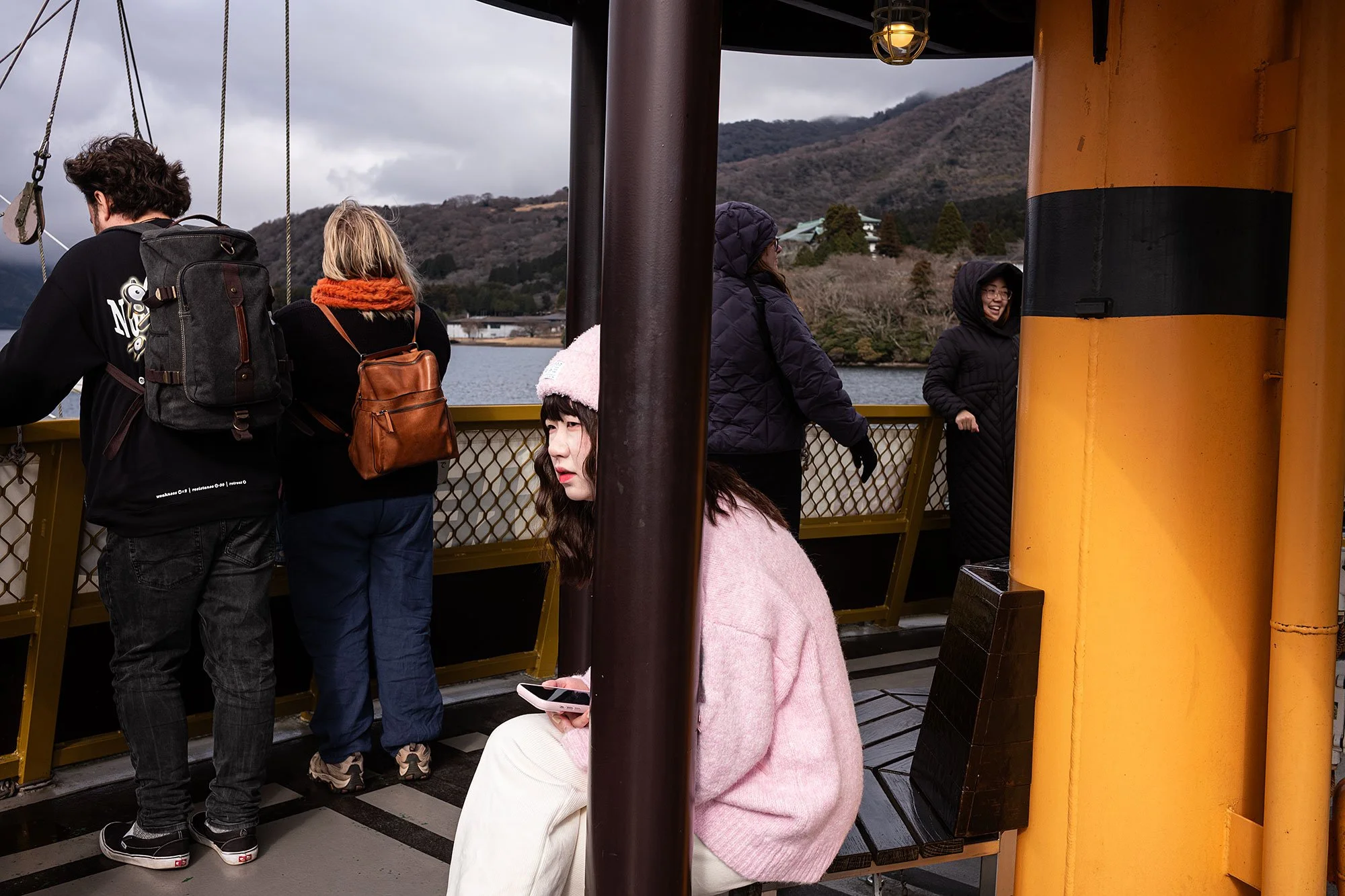
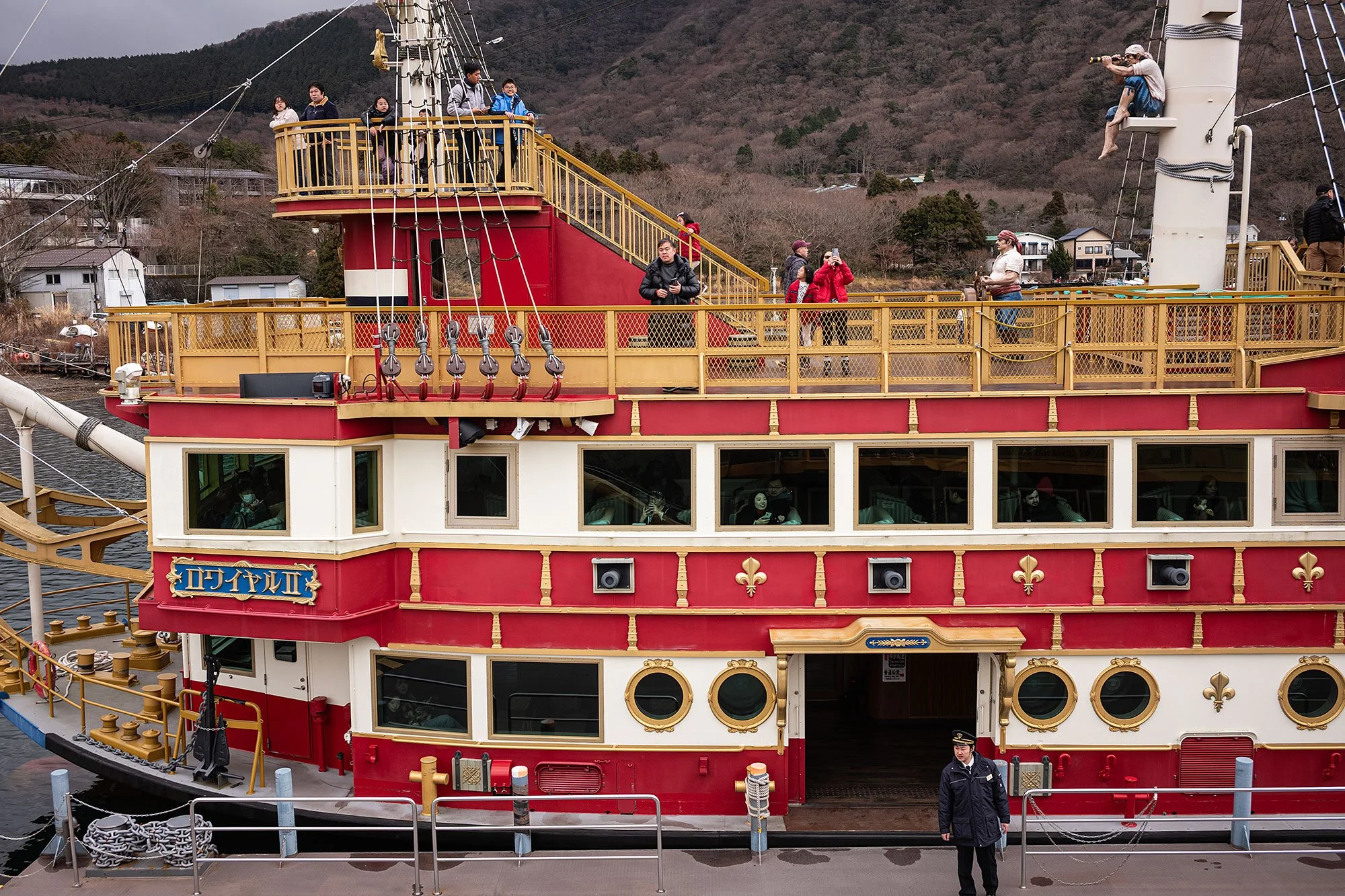
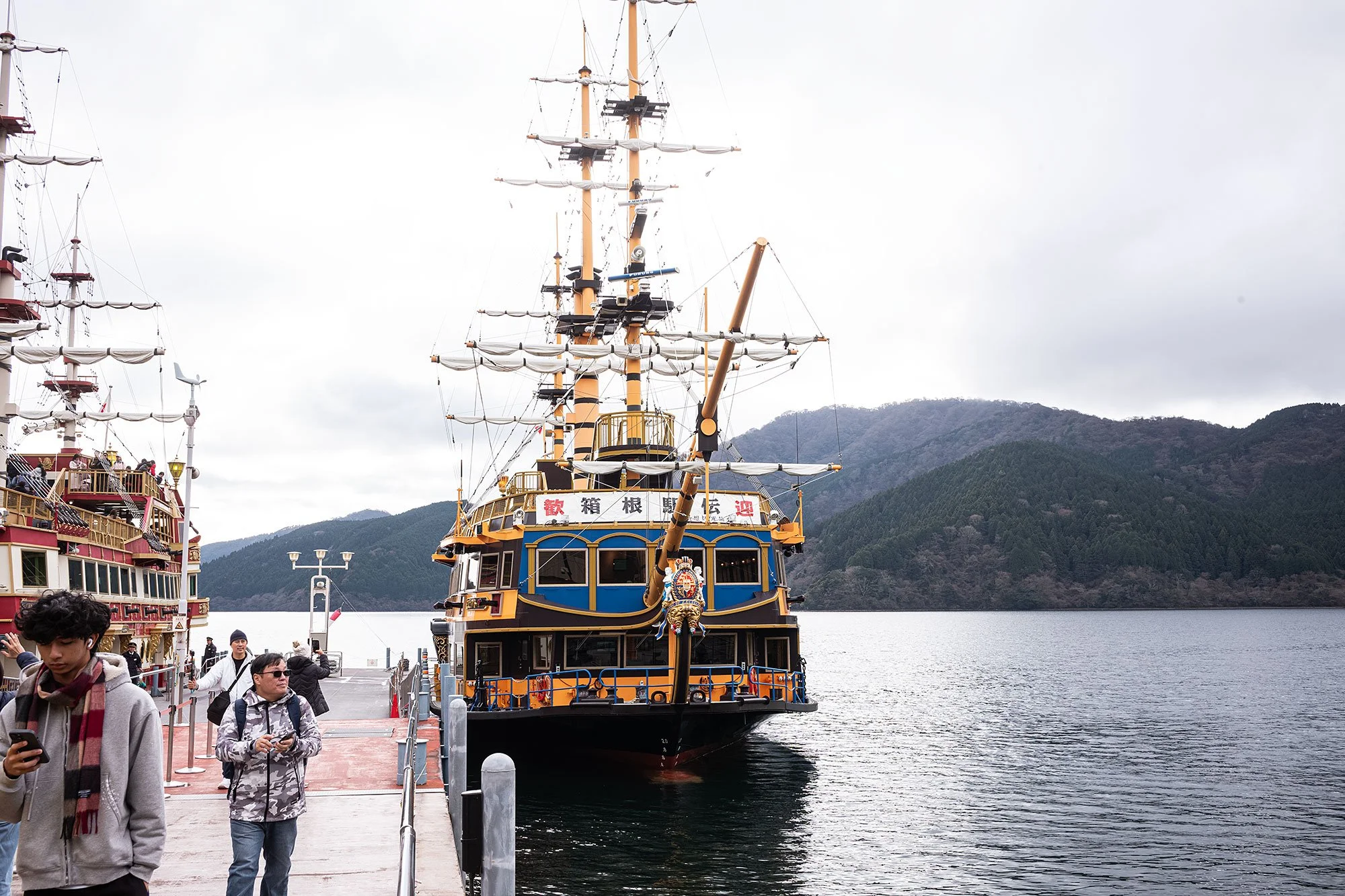
The boat sails quietly across the lake, offering great views of the Heiwa-no-Torii and the surrounding mountains. The clouds may obscure Mt. Fuji, but I like the overcast mood, the sun peeking out now and again from the clouds to shed a little light before once again being occluded.
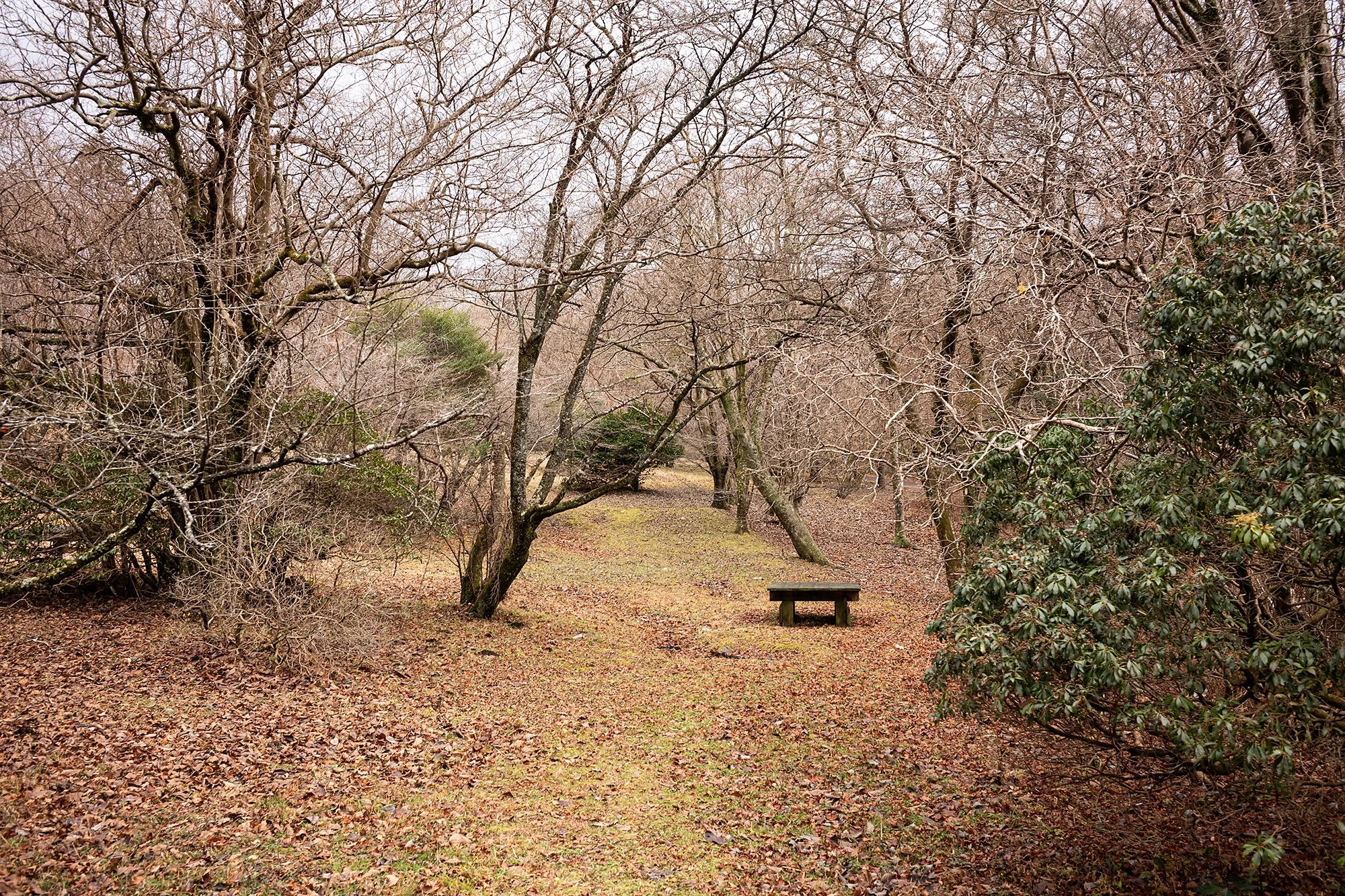
Arriving at Togendai Station I decide to climb the hill to visit the Hakone Visitor Center to learn a little more about the area, but find it closed. Still, it was a nice walk through the forest and I imagine what it must look like in the fall, with the leaves all reds and golds and the air crisp and clean.
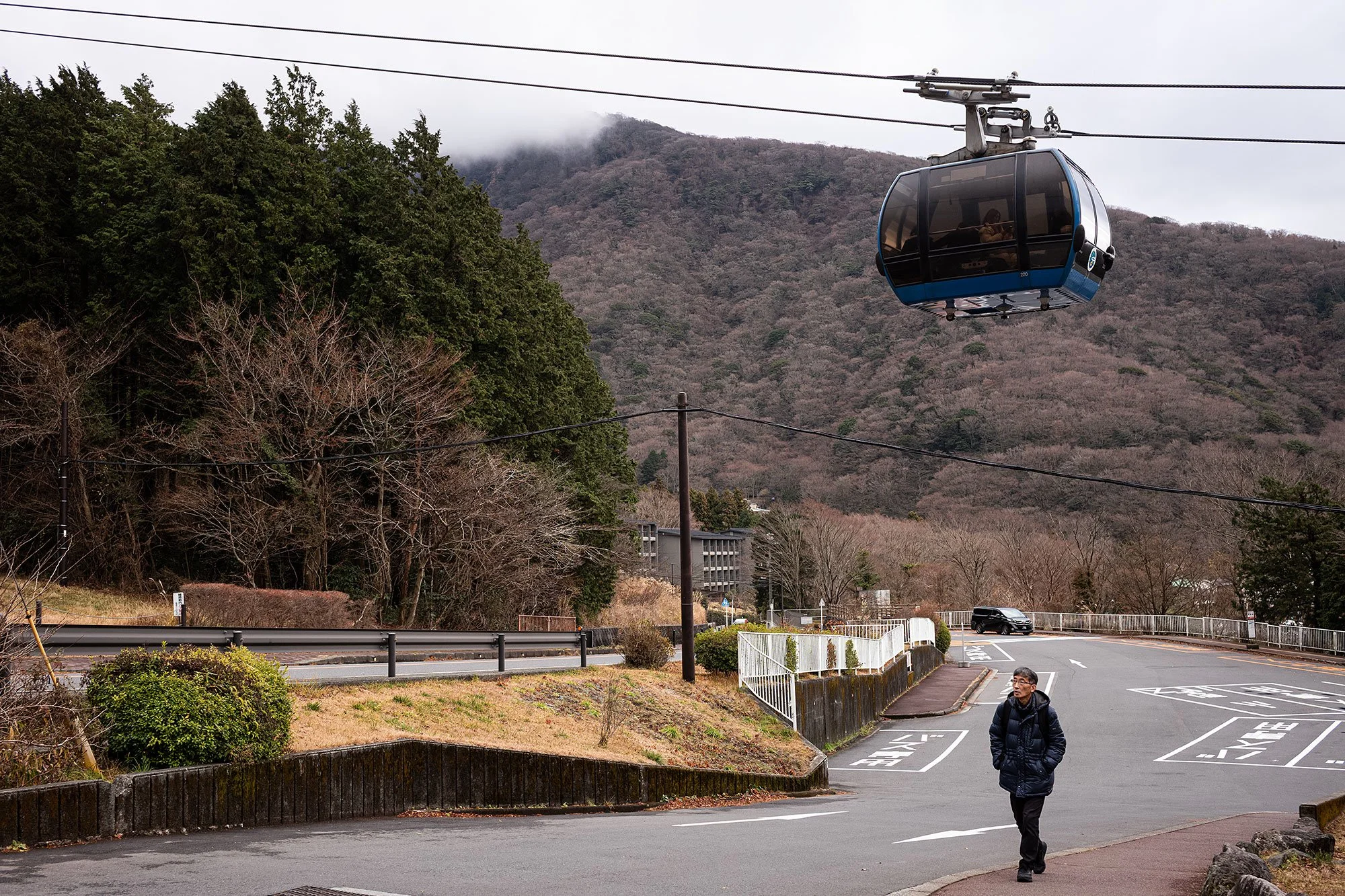
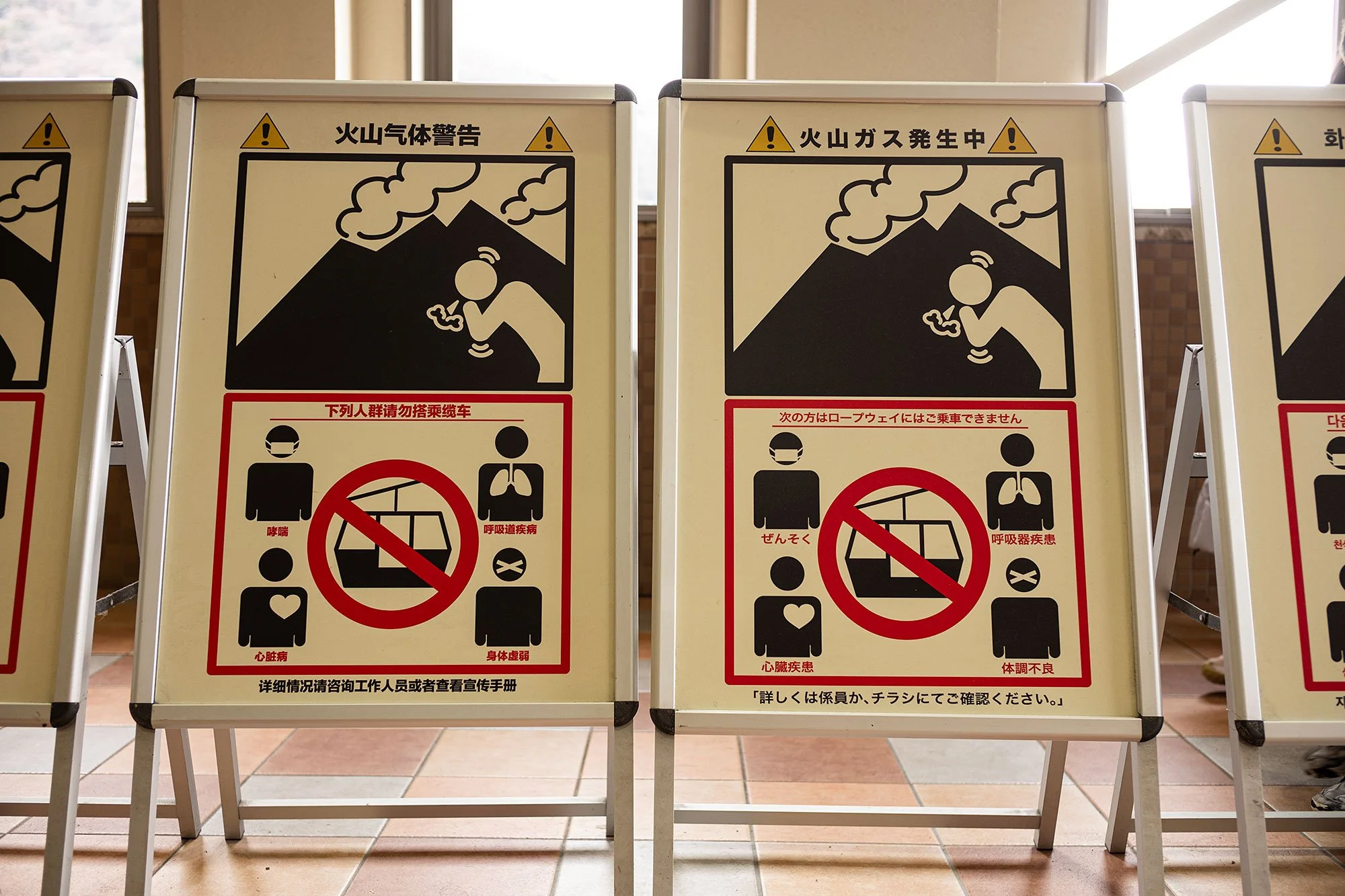
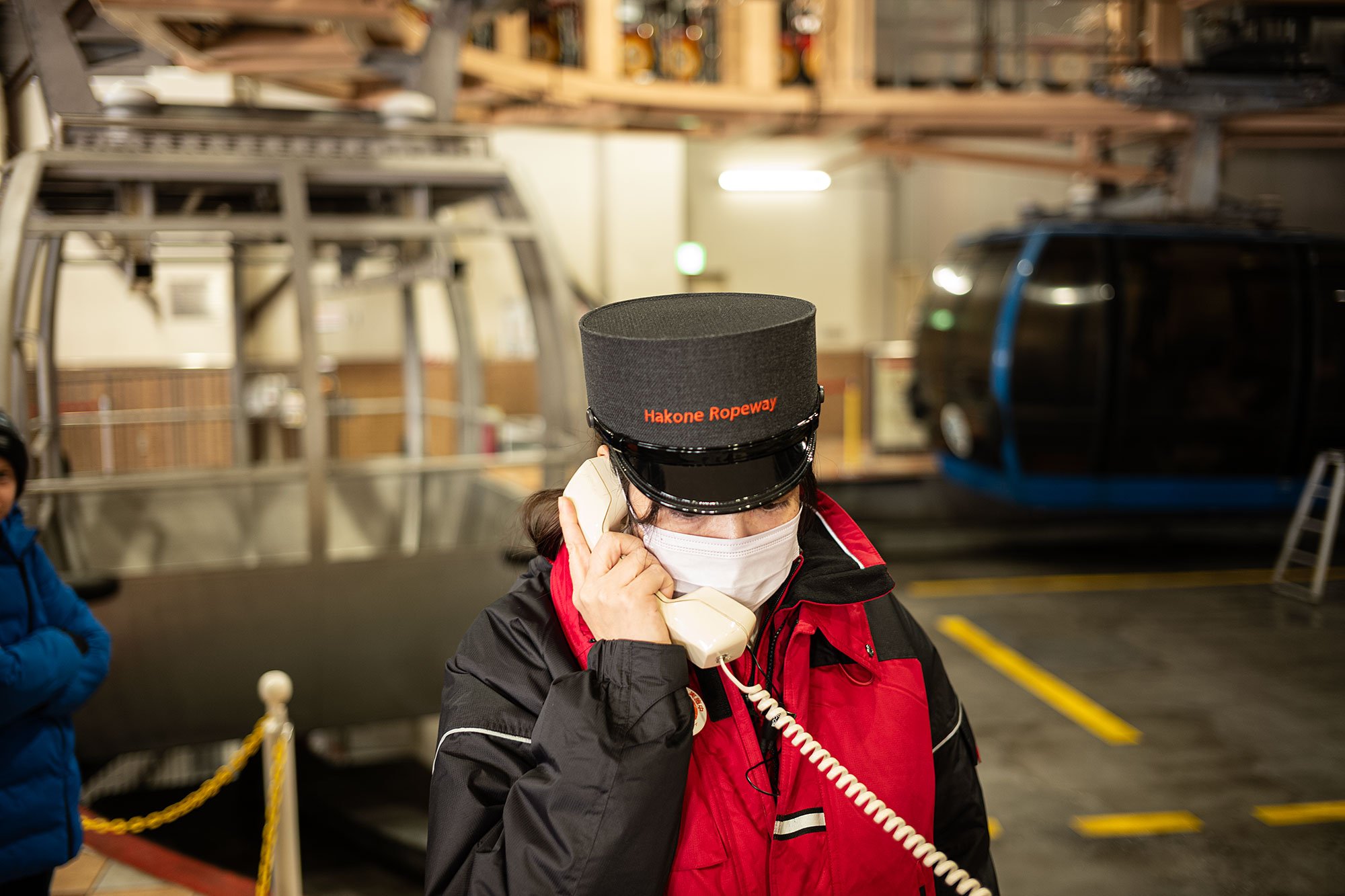
I walk back to the Ropeway to wait in line for the gondola. The group that was aboard my ship have mostly departed and another ship is about to arrive. While waiting there are warnings about the quality of the sulfuric air we’ll encounter at the top of the mountain. No one steps out of line; I assume people who come are already well-briefed on what to expect.
I slip in between the groups and am soon on my way up the hill headed towards the next stop.
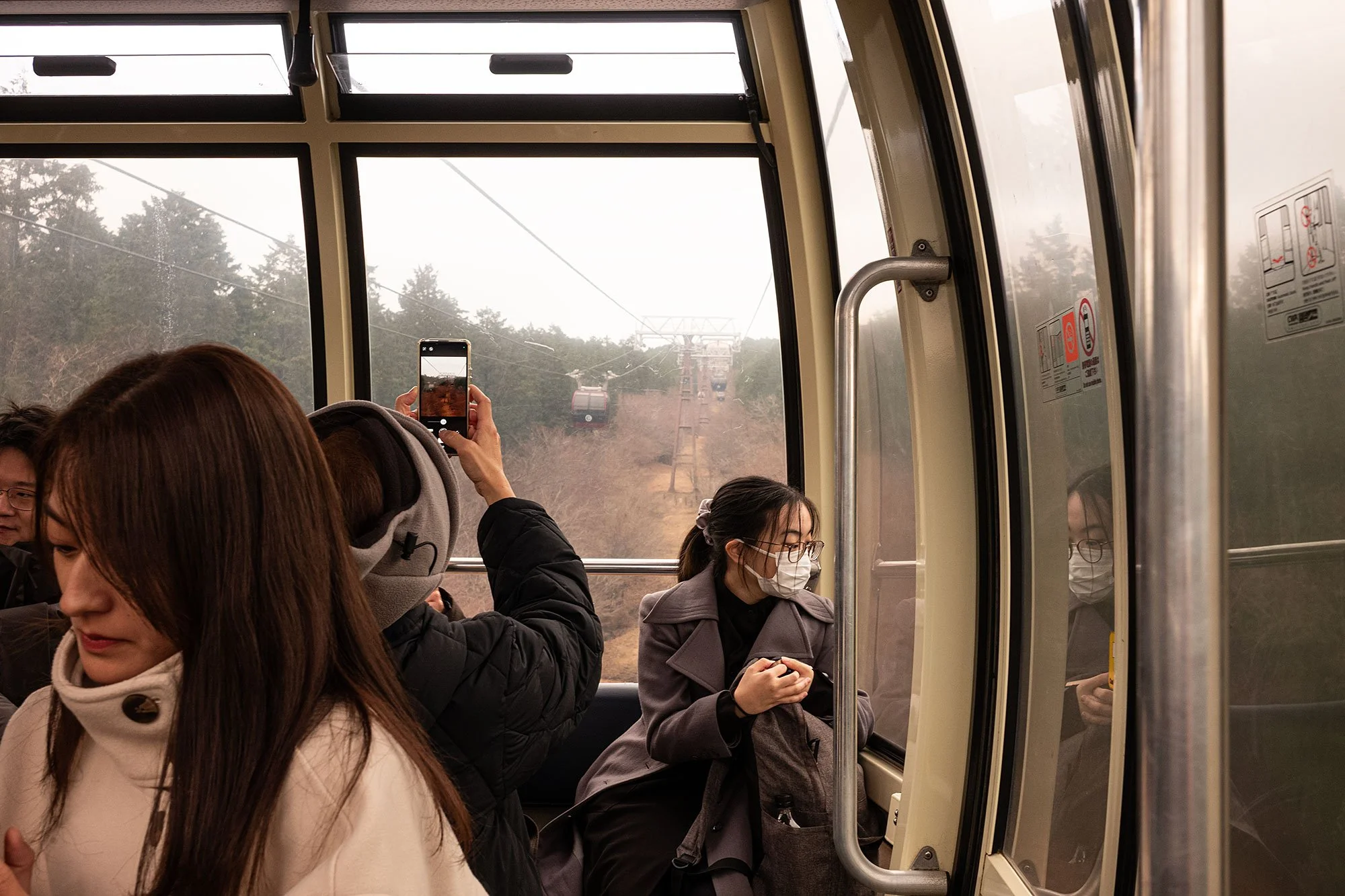
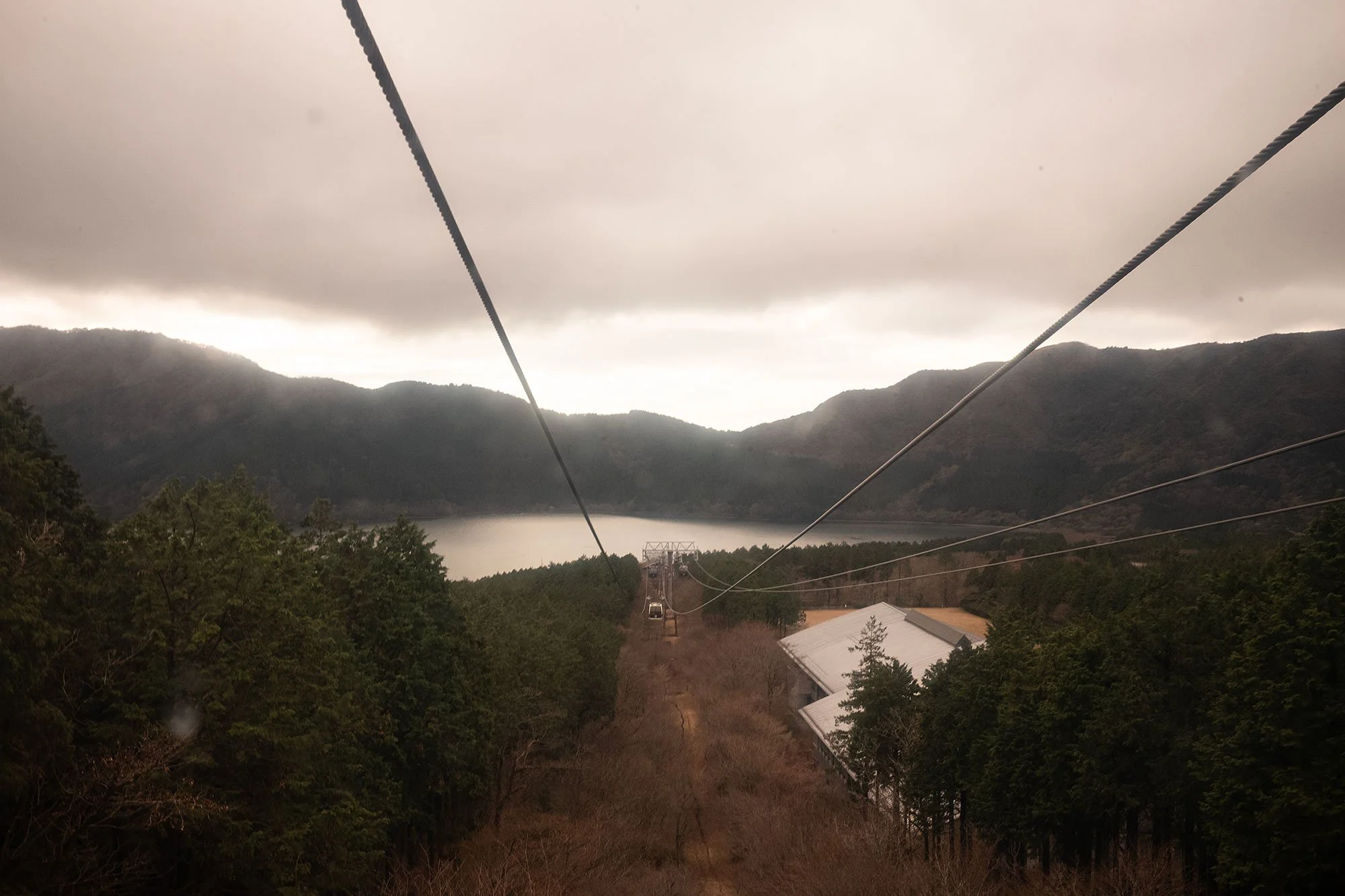
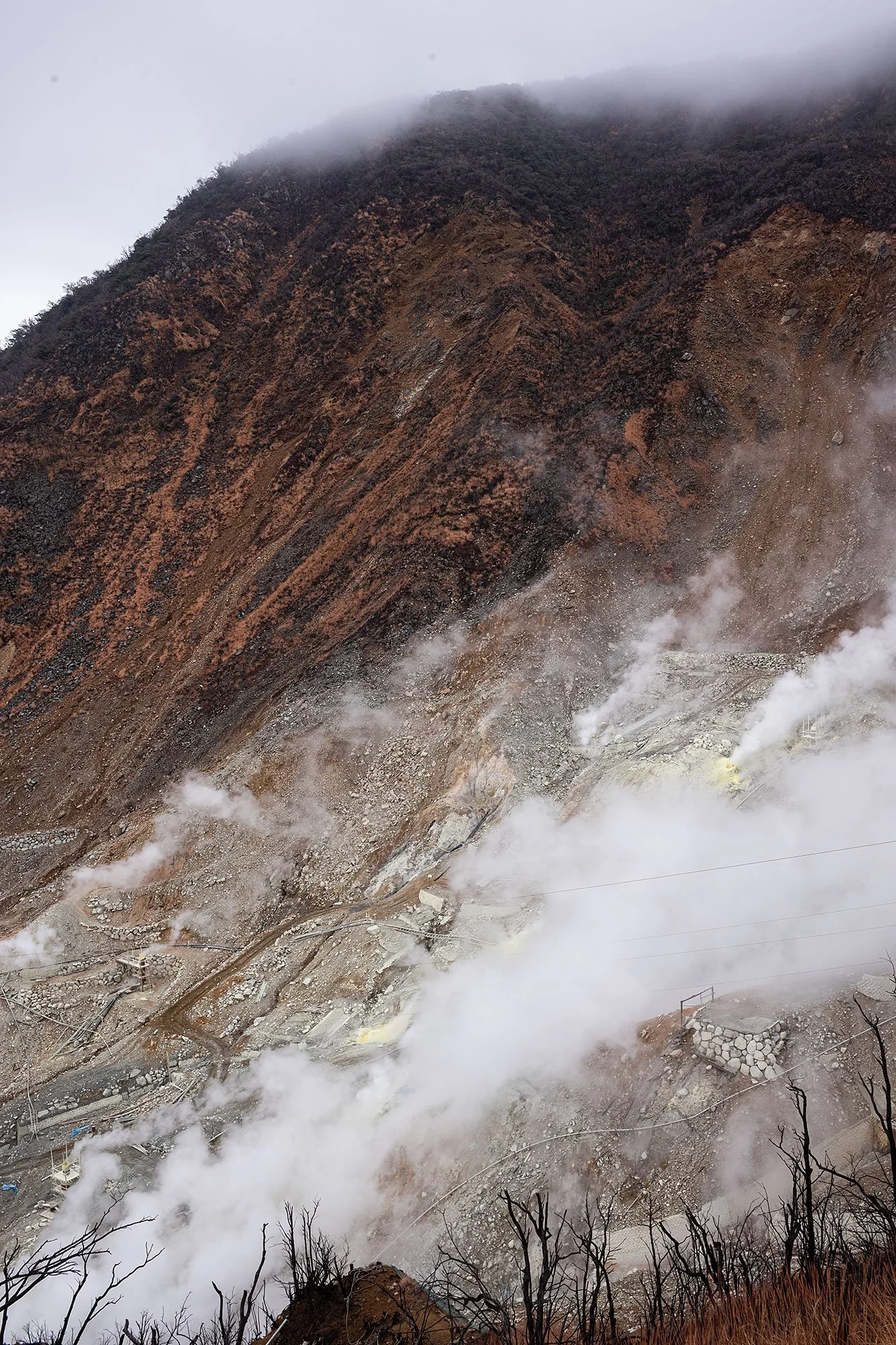
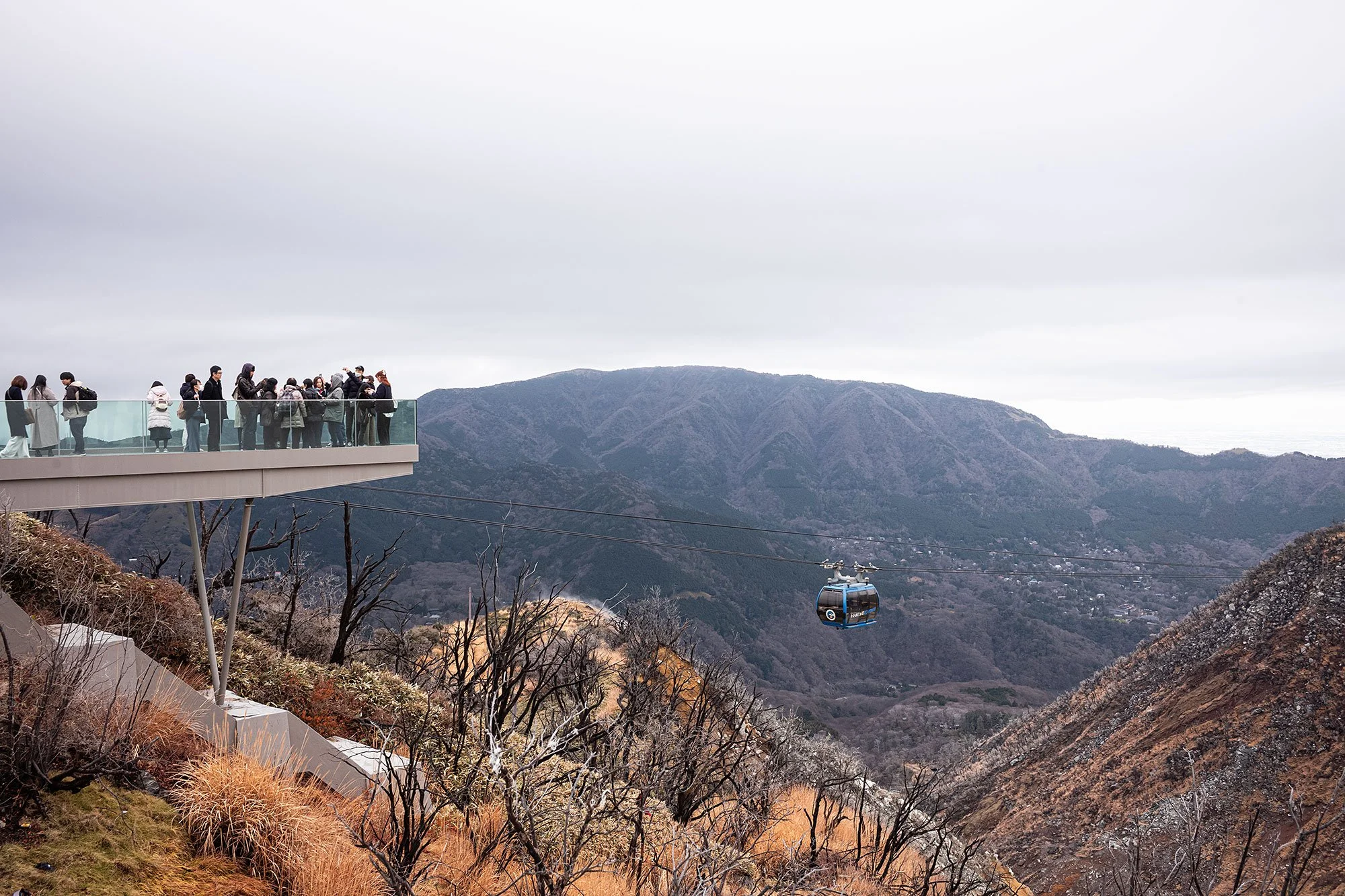
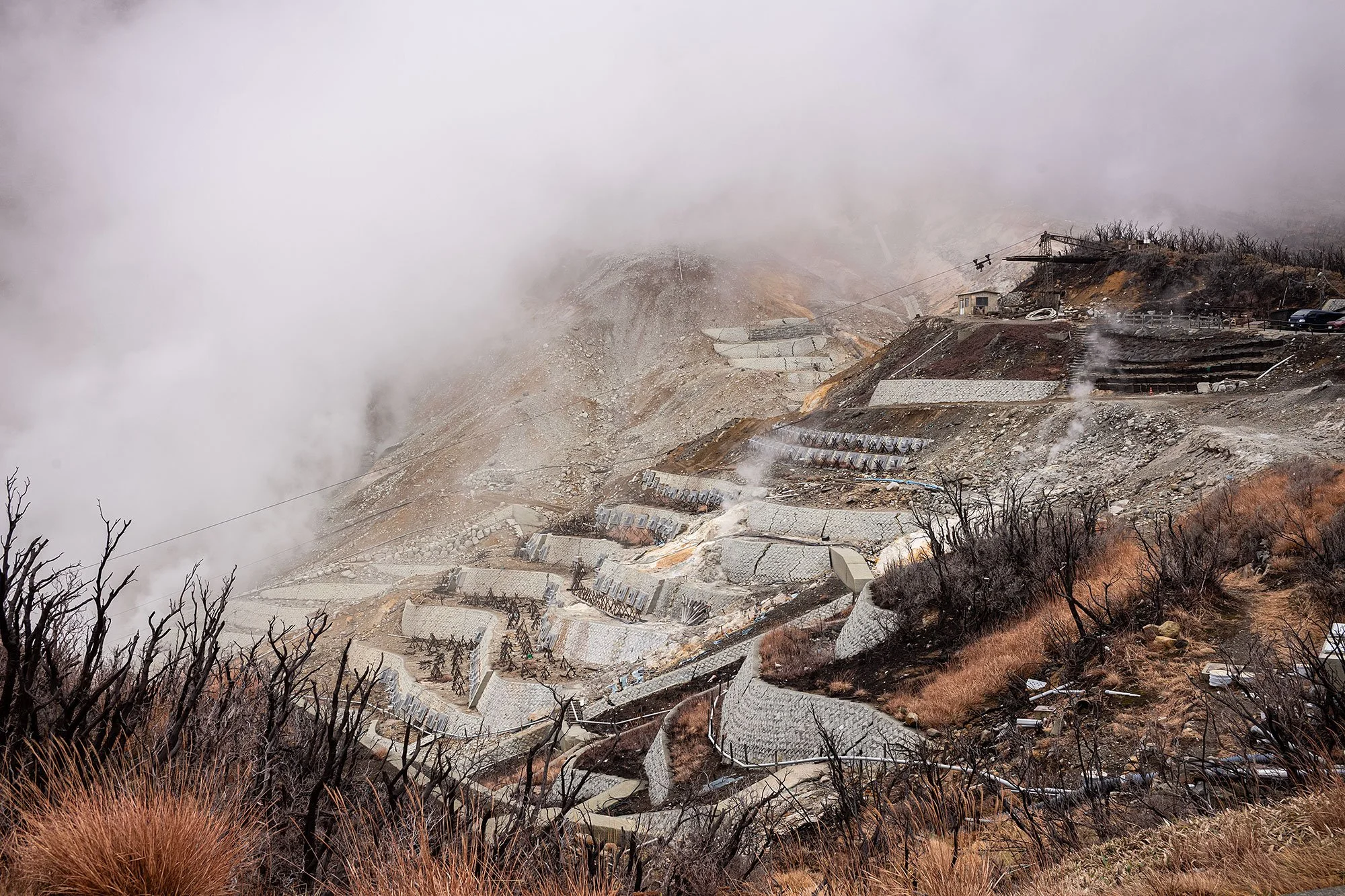
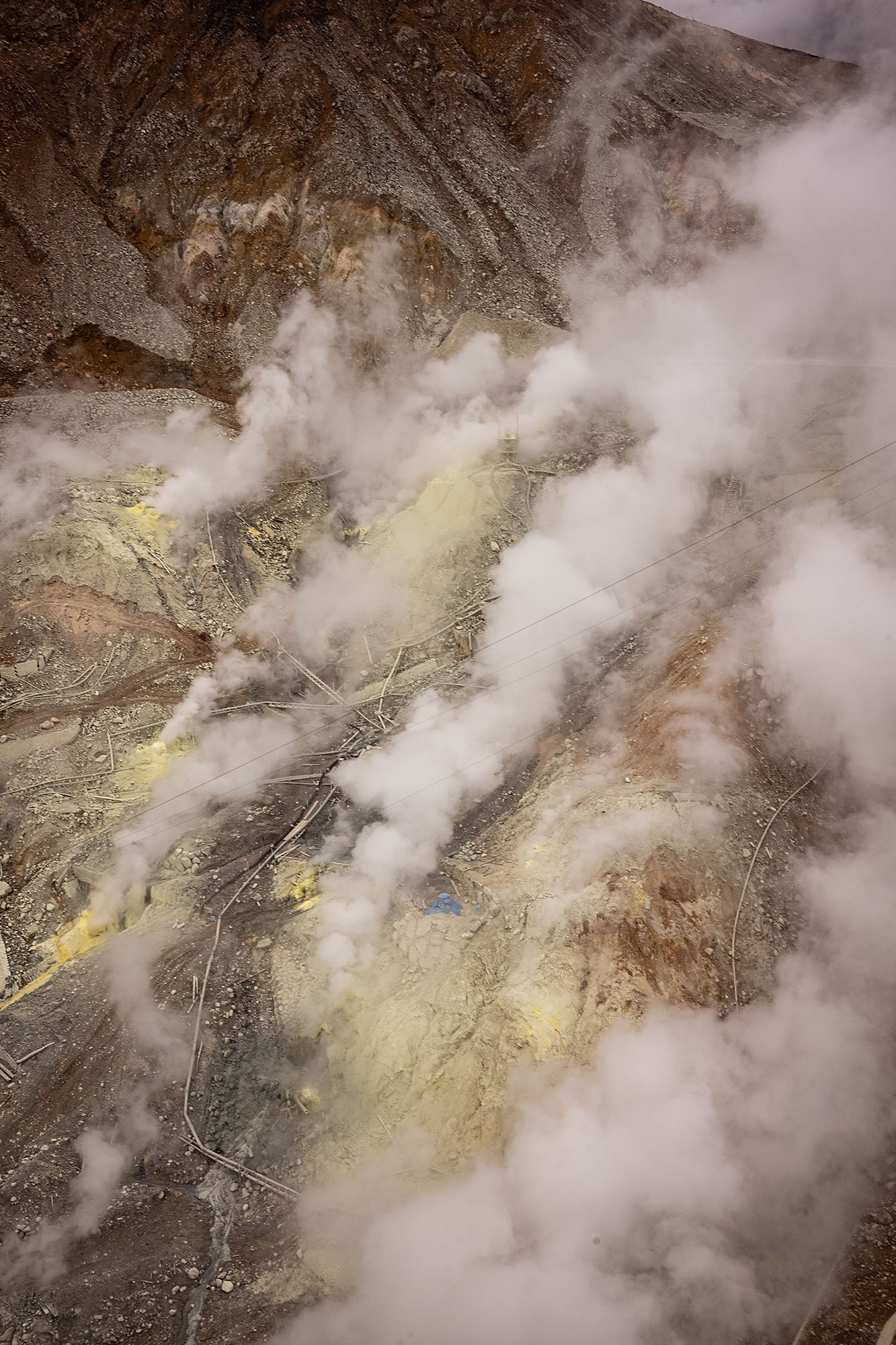
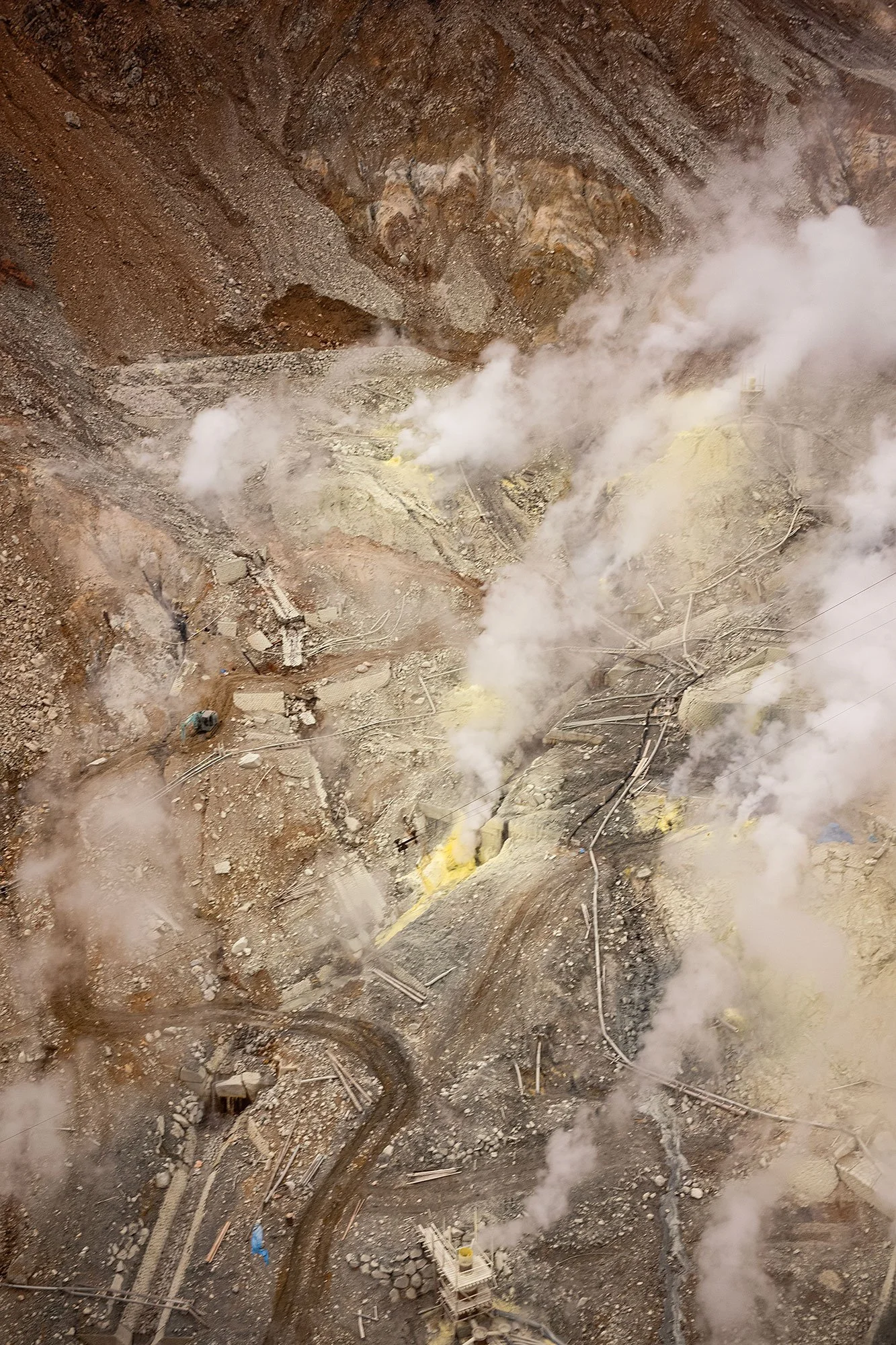
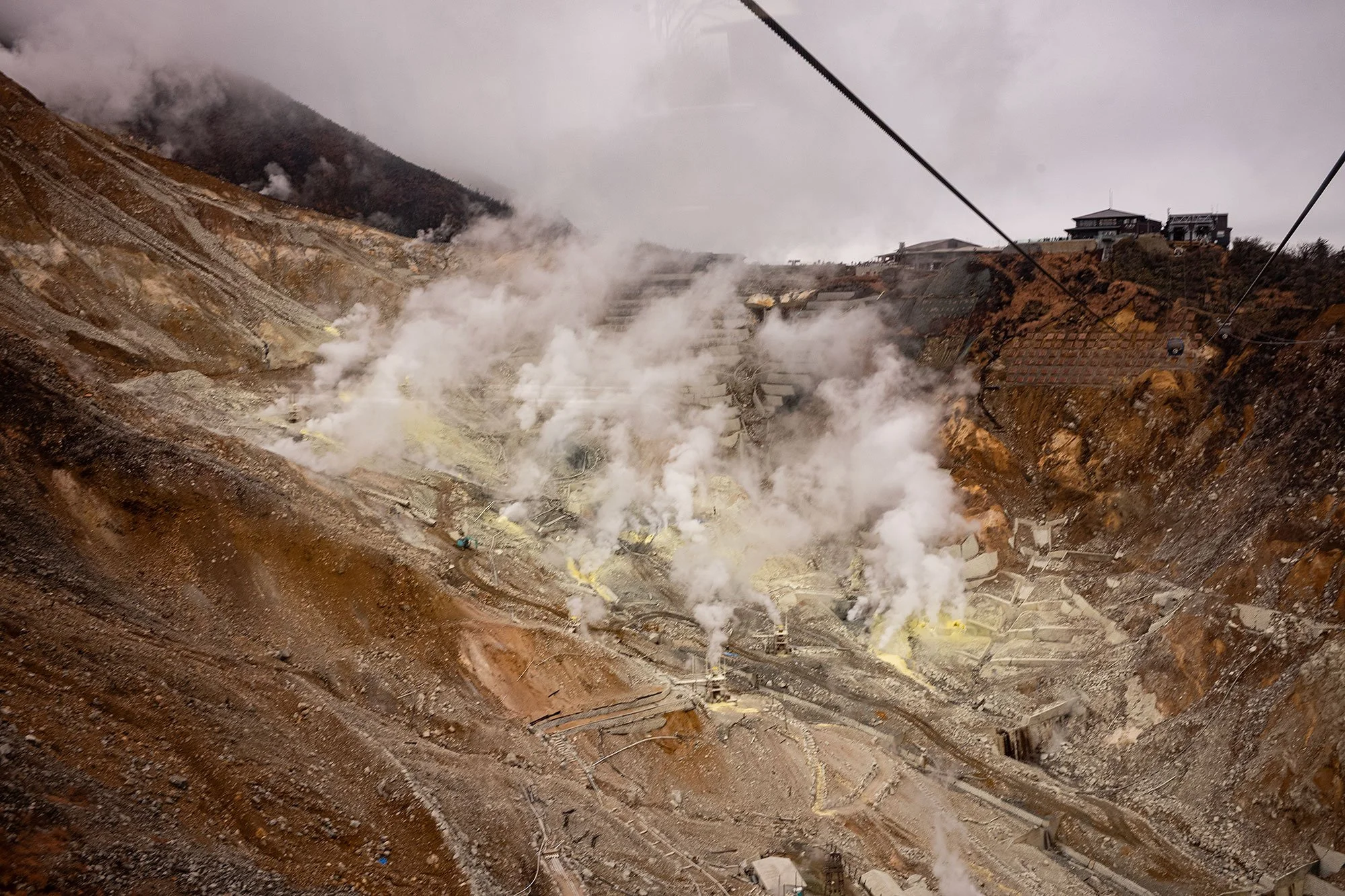
The ropeway brings us up to and over Ōwakudani, a volcanic valley with active sulphur vents and hot springs created over 3,000 years ago after an explosion of the Hakone volcano.
The view from the top down into the sulfuric valley is stunning and I watch as gondolas float their way across the expanse.
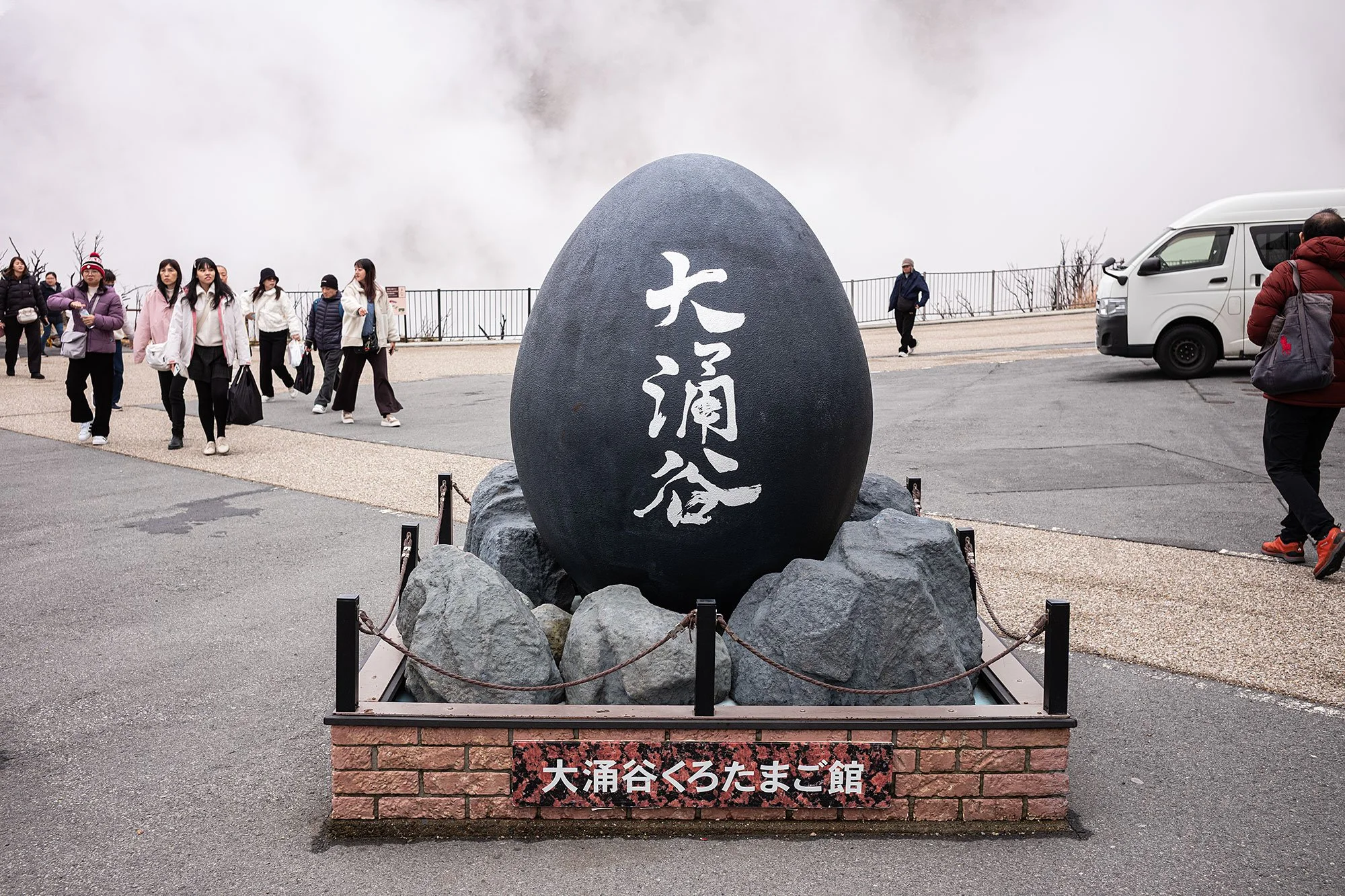
The area is also known for kuro-tamago, an egg hard-boiled in the hot springs. The mineral-rich water high in sulfur turns the egg shells black and gives them a slightly sulfuric odor. Eating one is said to add seven years to your life.
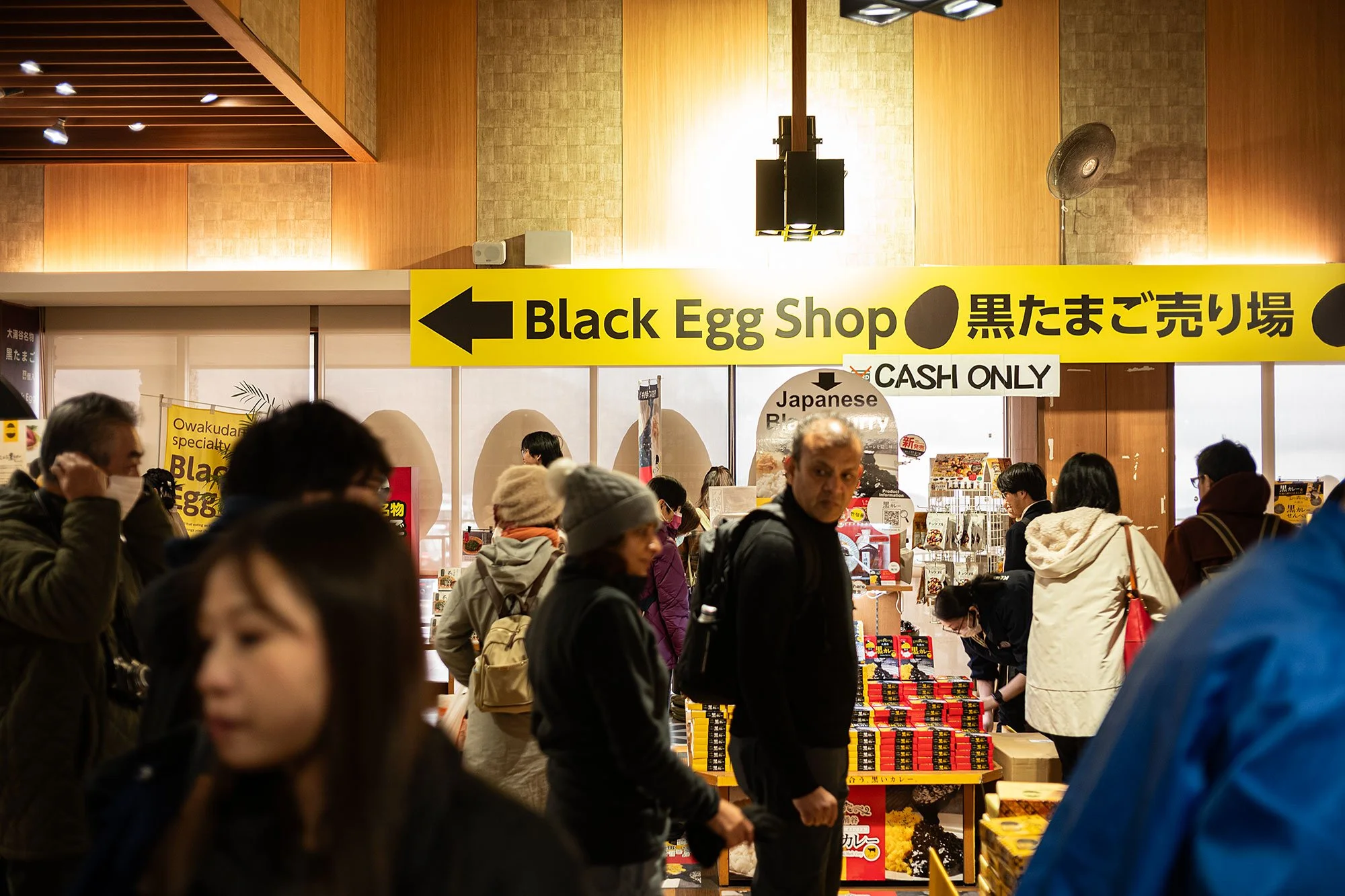
I buy some black eggs from one of the shops before I discover that they’re not the black eggs. I hadn’t done much reserach before I came and so wander around the visitor center and visit the various buildings that make up the complex around the viewing platform.
There’s only one shop that sells the eggs from a corner stall. A large yellow sign points the way. I get in line and soon hold a paper bag with egg in hand. I follow people outside to an area of benches and stools shaped like the eggs and sit down to add seven more years to my life.
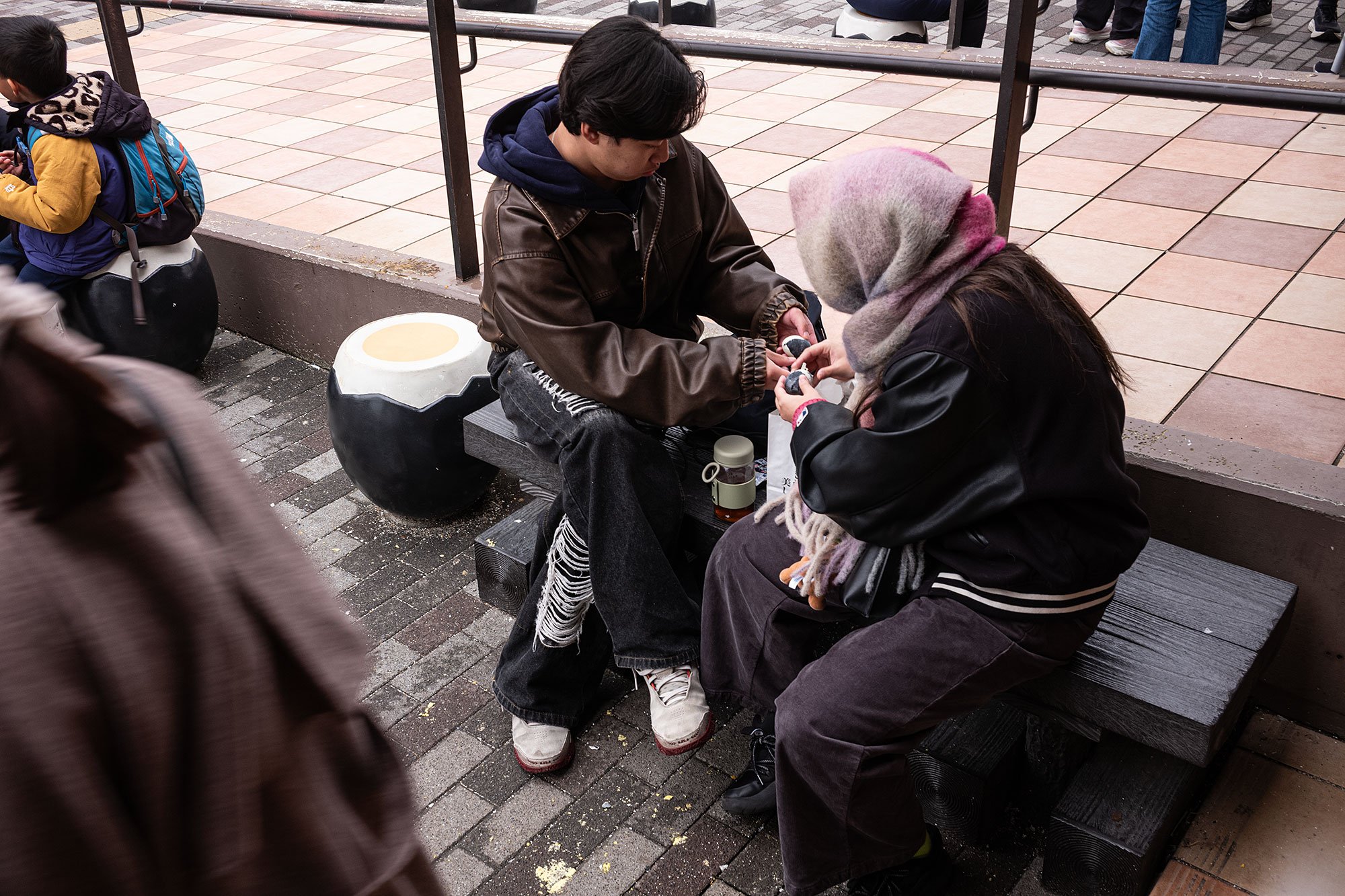
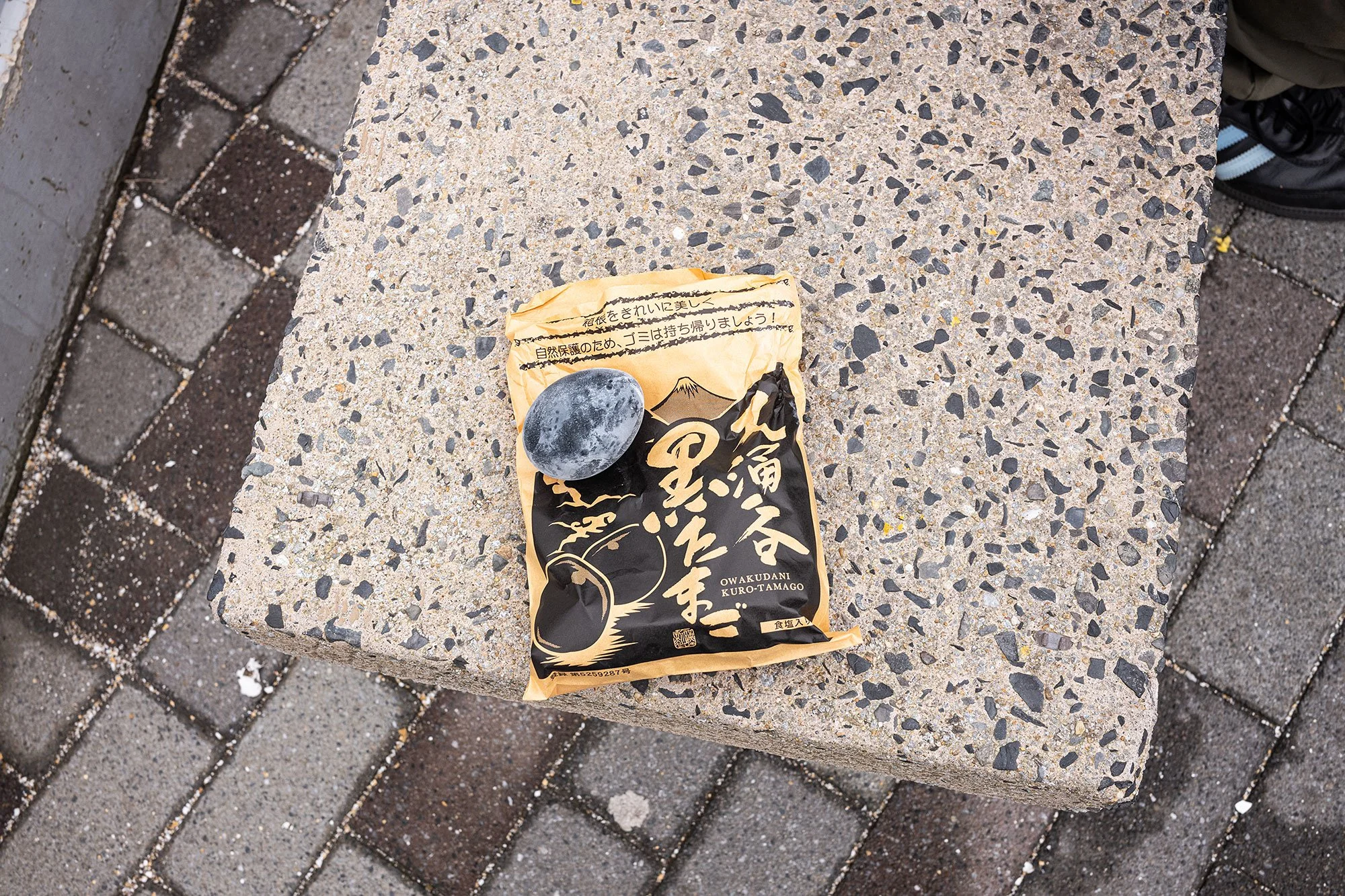
Walks are offered into the valley, but they’re sold out for the day. I stop to a look inside the Geomuseum before embarking on the next leg of the journey, boarding a gondola for the ride across the valley. I don’t have a great vantage point from where I’m seated and decide to ride the gondola back to the Ōwakudani and then back again, thankful that the Freepass allows me unlimited trips for the day.
On the second traverse I manage to secure a much better seat and photograph the vents to my heart’s content. It’s an awesome display by Mother Earth.
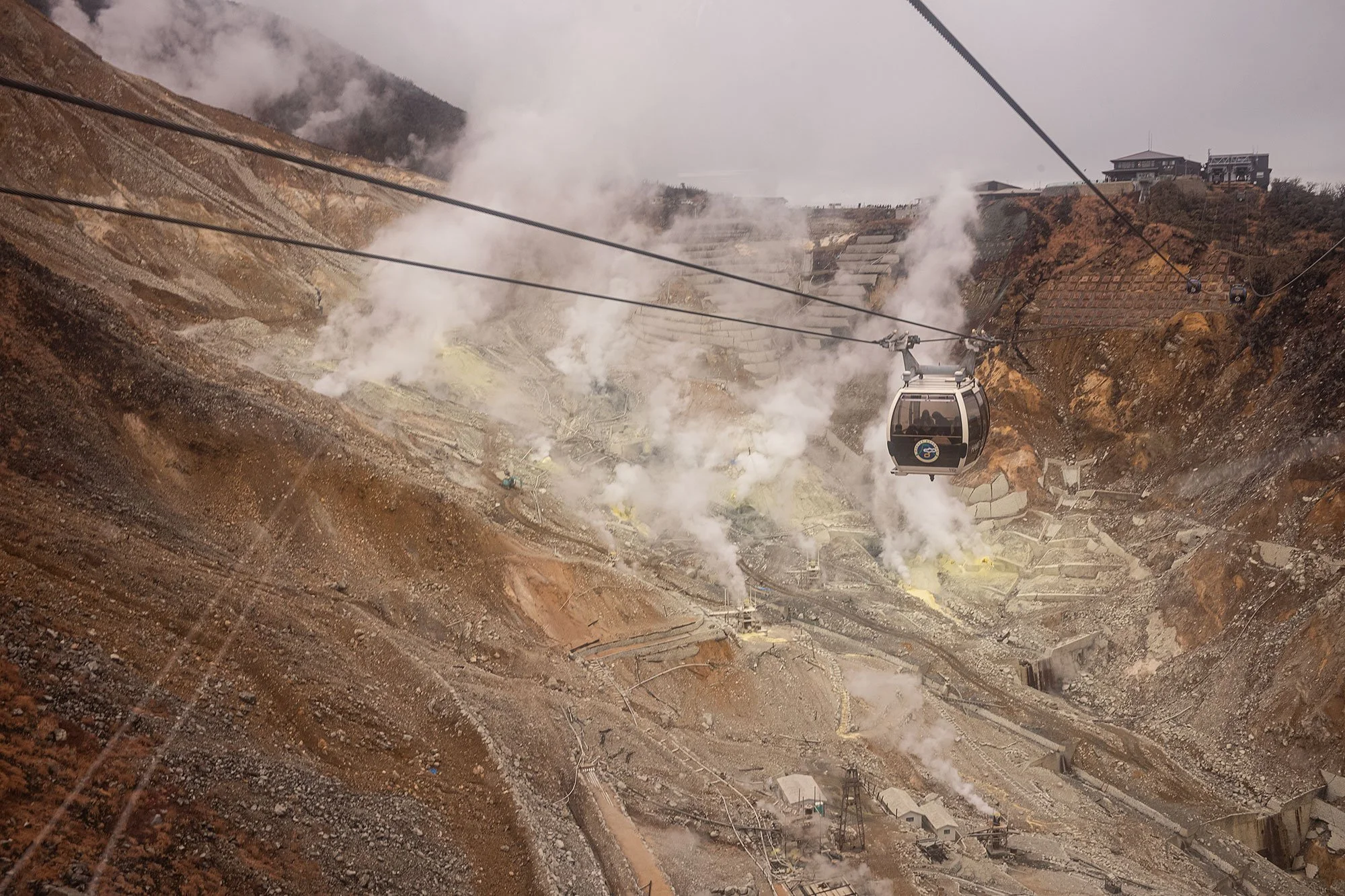
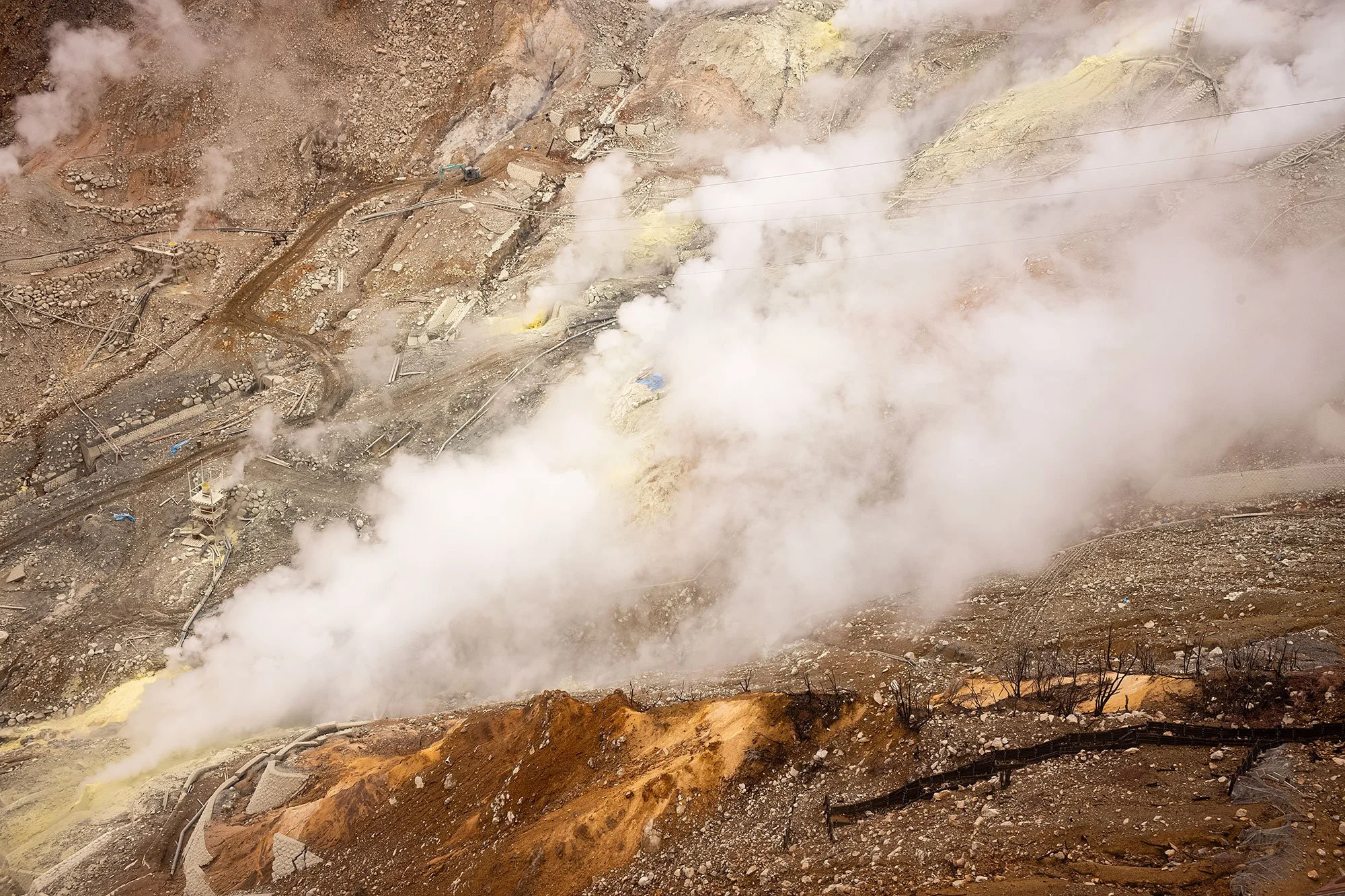
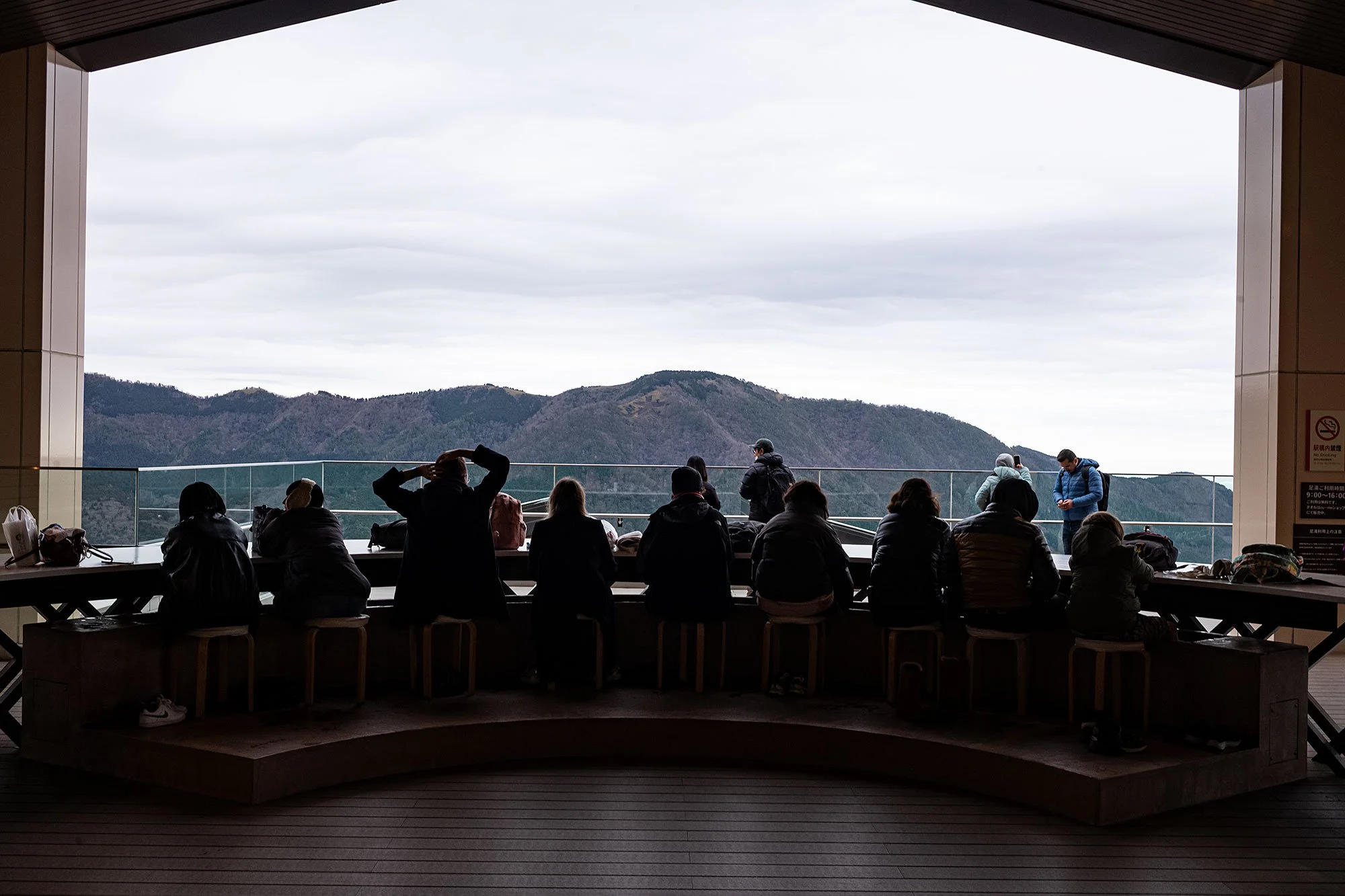
At the next station there’s an area where one can soak their feet in water warmed by the volcanic activity underneath. The people seated there look like they’re from the same tour group and disinterested in leaving, so I skip the activity and after taking a look out over the landscape from this vantage point take the cable car from teh station to Gora Station.
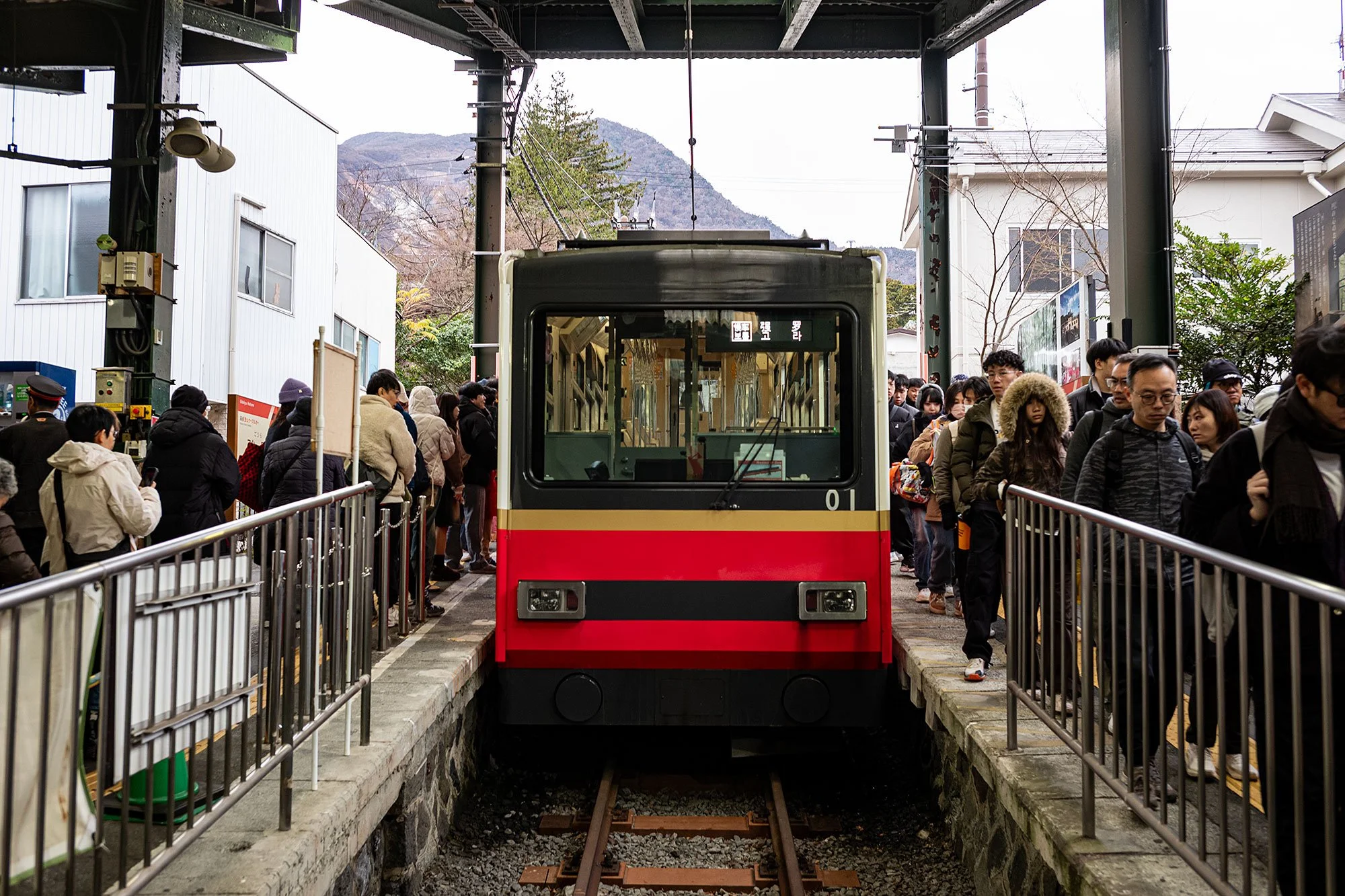
From Gora Station I check the time and the map, deciding that I have enough time to visit the The Hakone Open-Air Museum. It’s only a kilometer away, about a 15 minute walk alongside the train tracks.
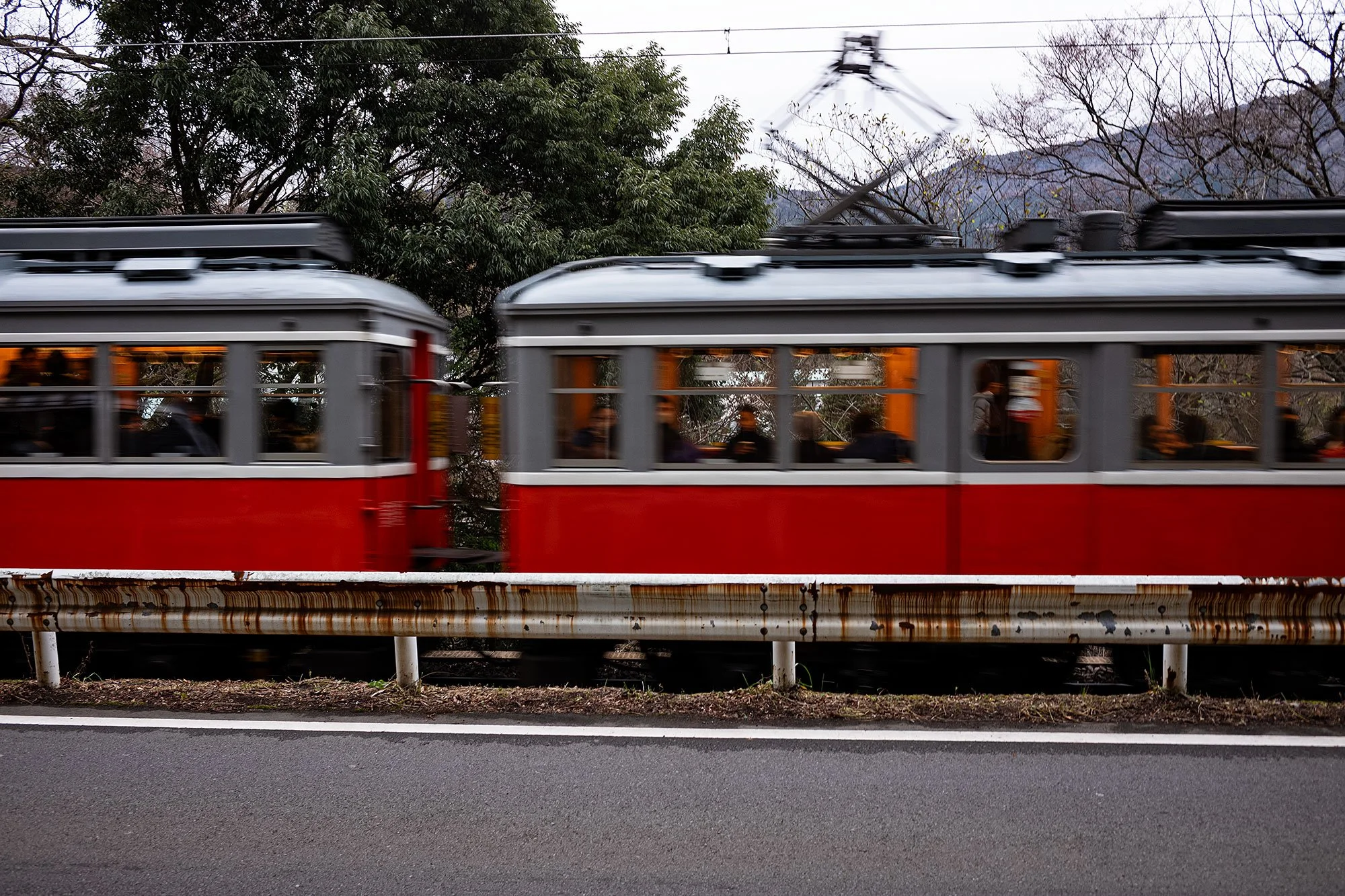
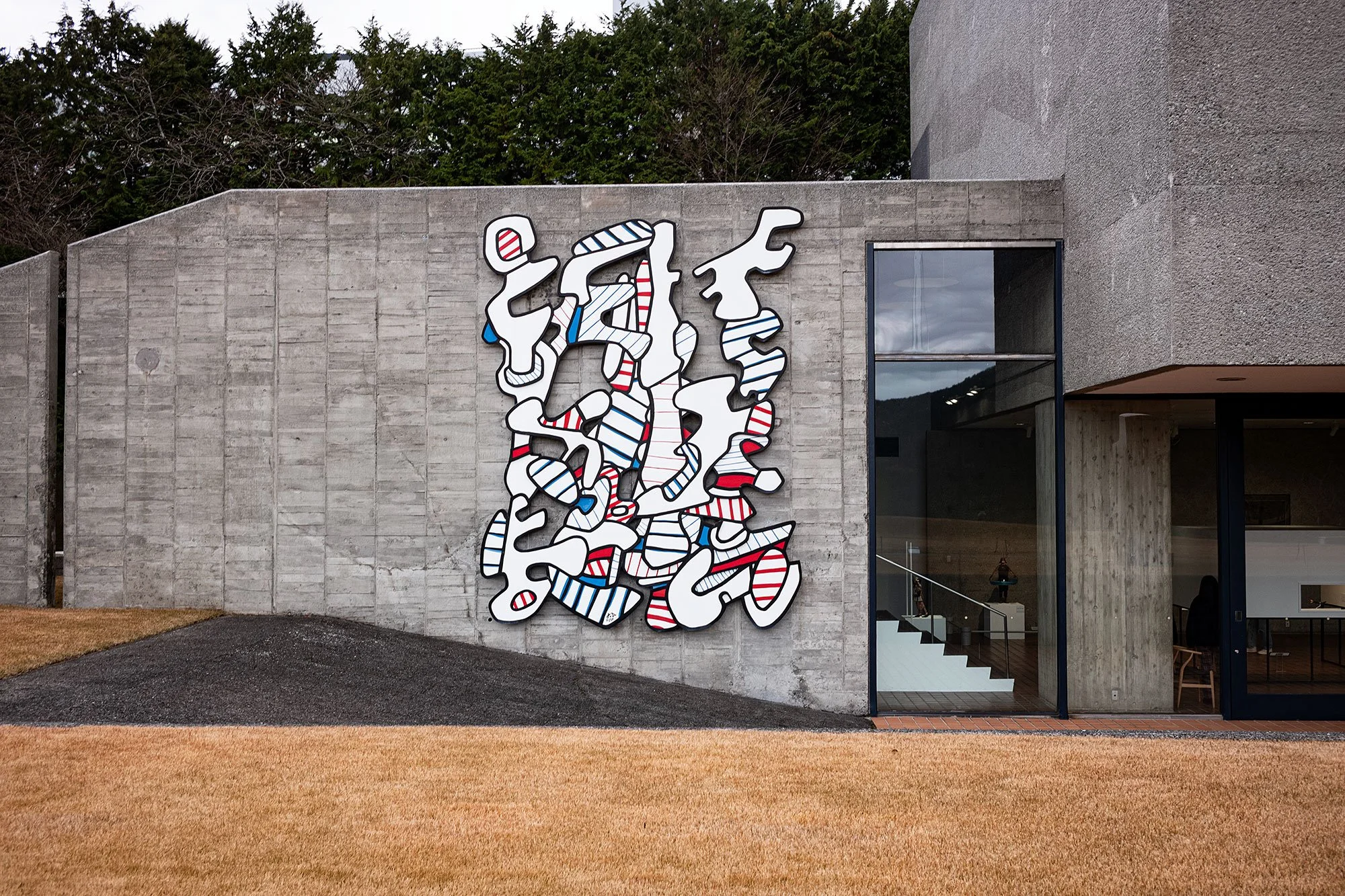
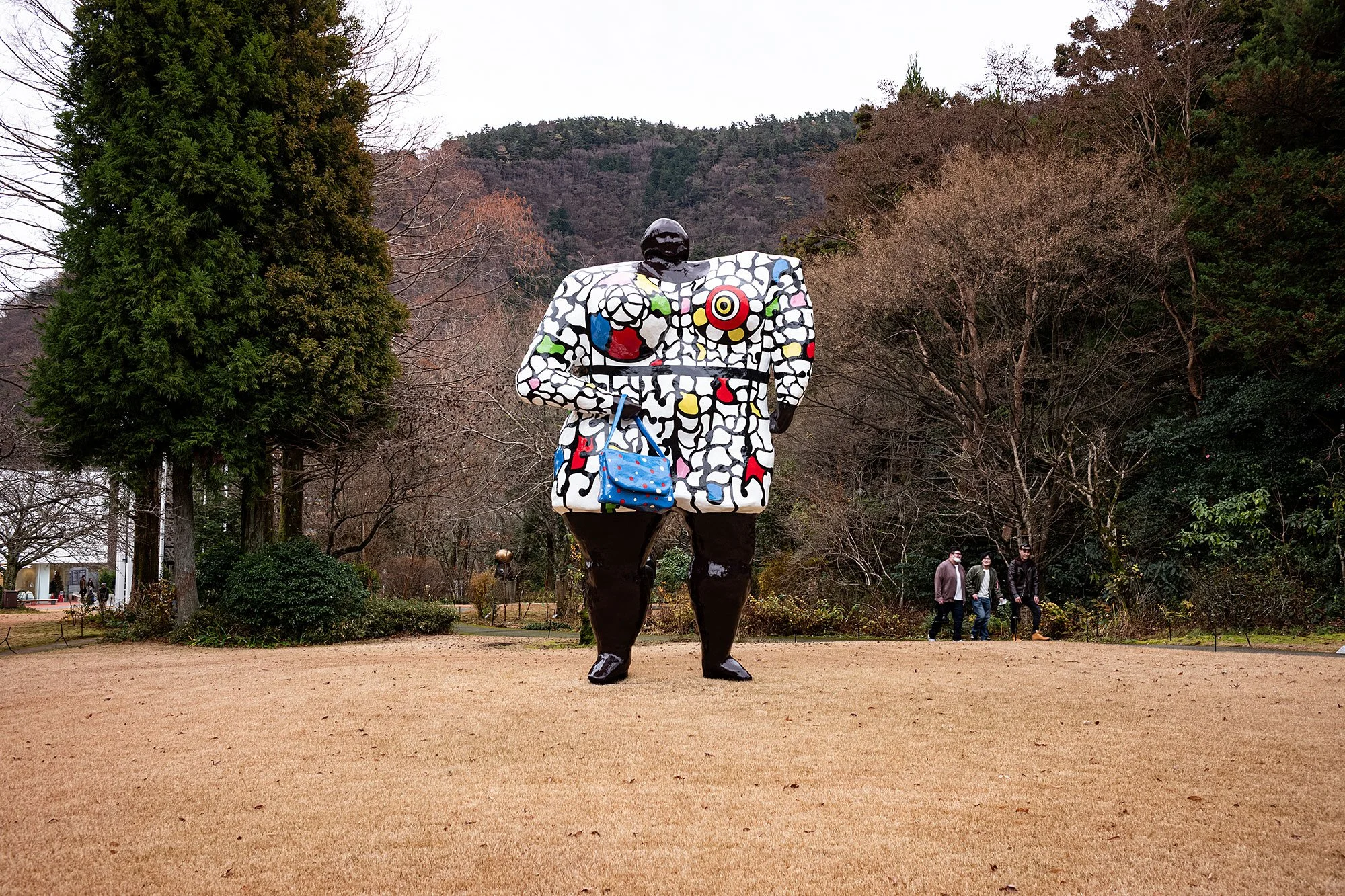
I’m not prepared for how massive the museum is and lament that I didn’t leave enough time for it. After paying my admission I store my backpack in the lockers provided and follow the path to the right as it winds past the Main gallery towards the sculpture titled "Sunny-Side Up" designed by Klein Dytham architecture.
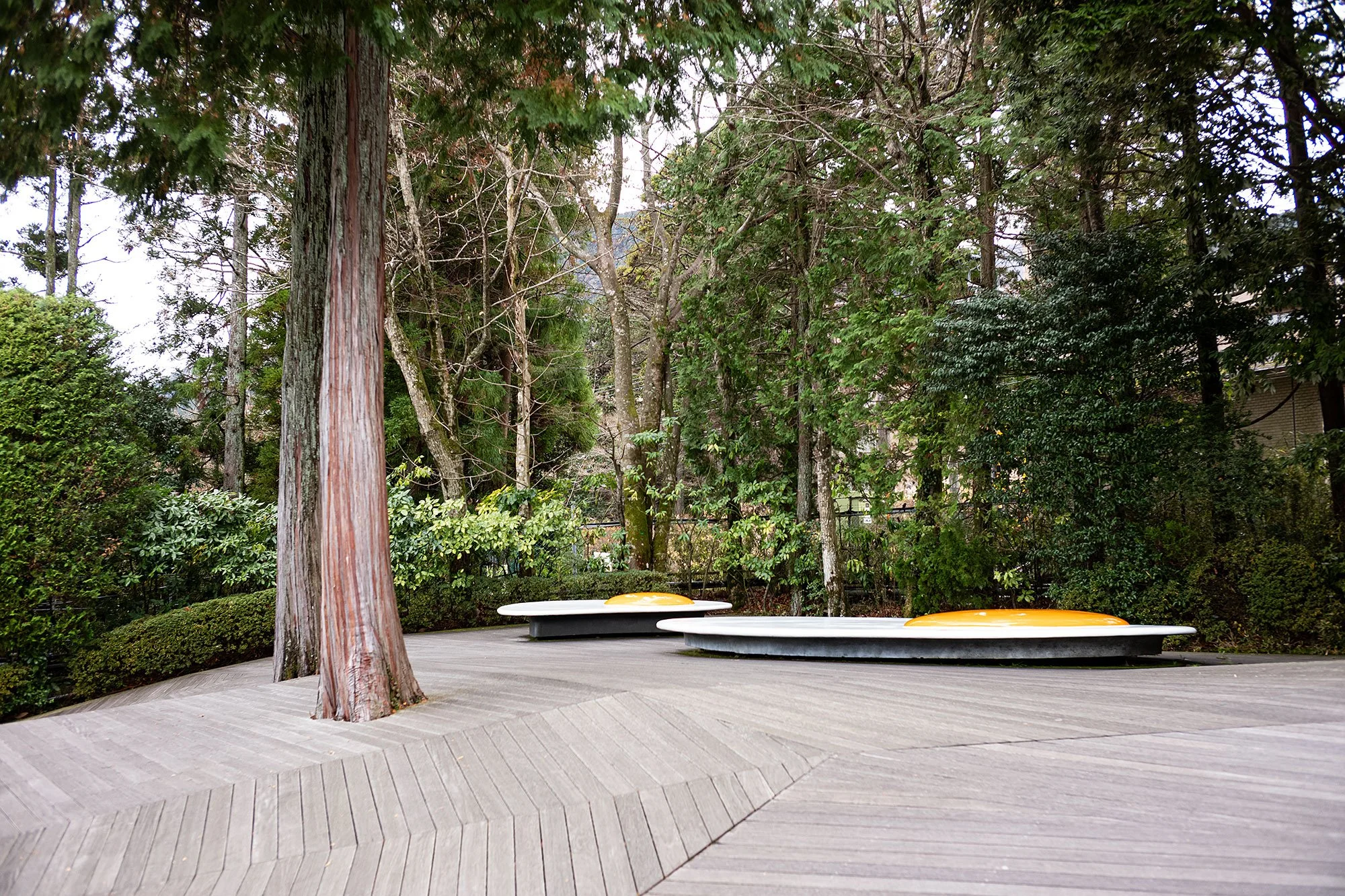
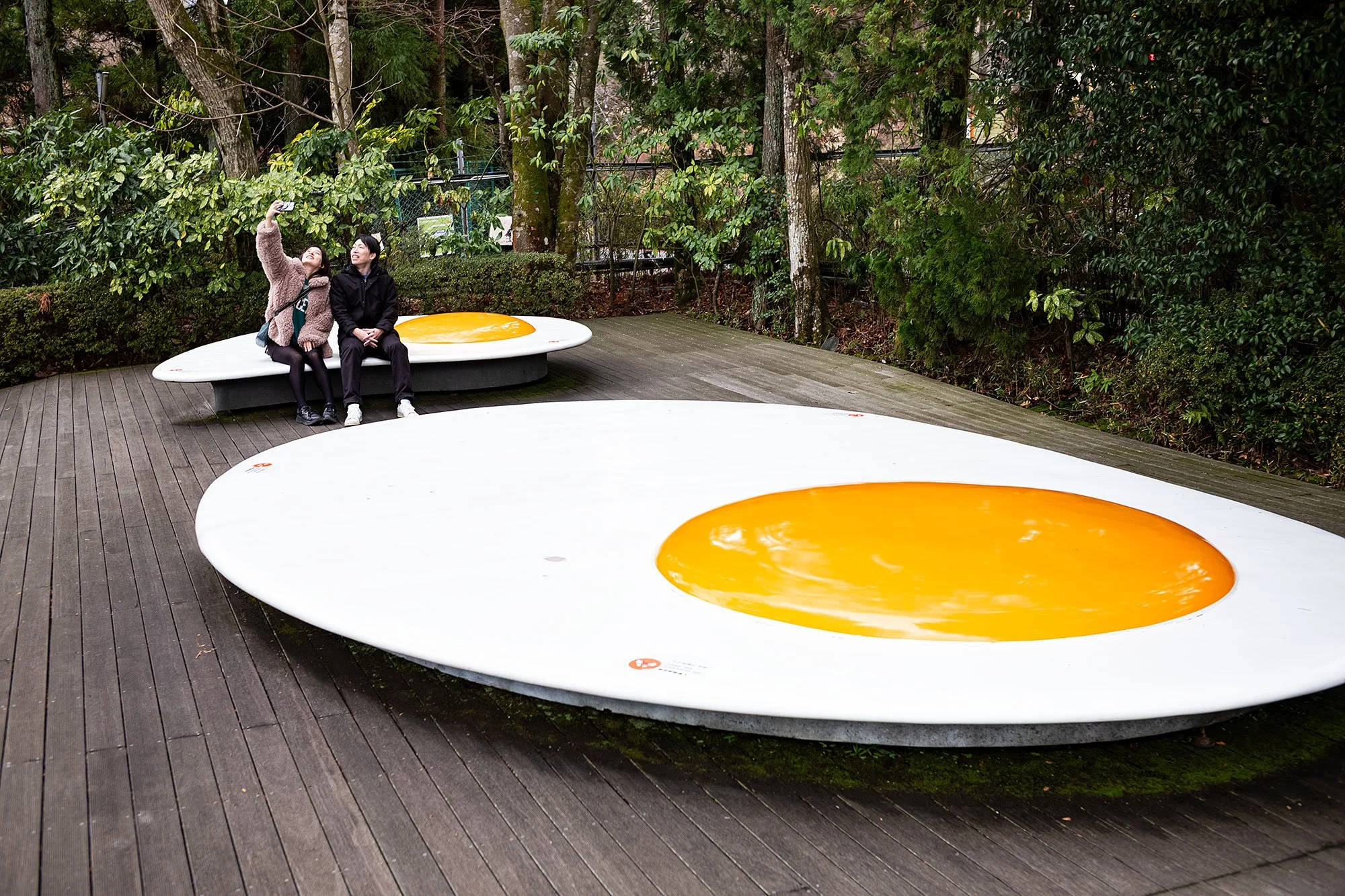
It’s a cute piece doubling as a sitting area surrounded by woods. It’s a nice place to quietly contemplate the surroundings, though it’s also a popular spot for selfies, which alters the mood as people cycle in and out.
I also don’t have a lot of time to spend and so force myself to get up to explore more of the sculpture park.
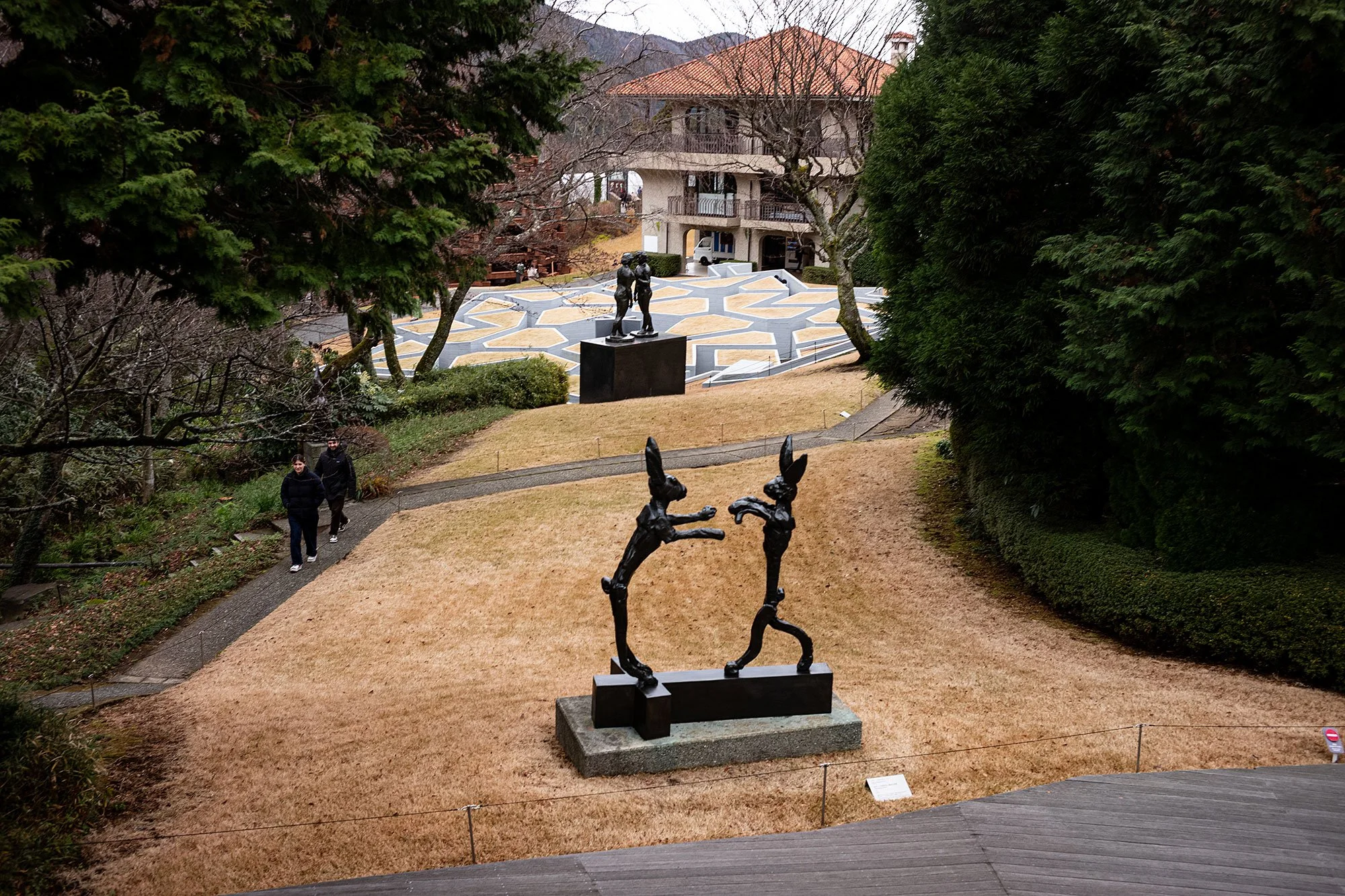
The museum reminds me of The Donald M. Kendall Sculpture Gardens and Storm King Art Center in New York, and being here makes me realize how much I love art parks. I make a promise to myself to seek out as many as I can.
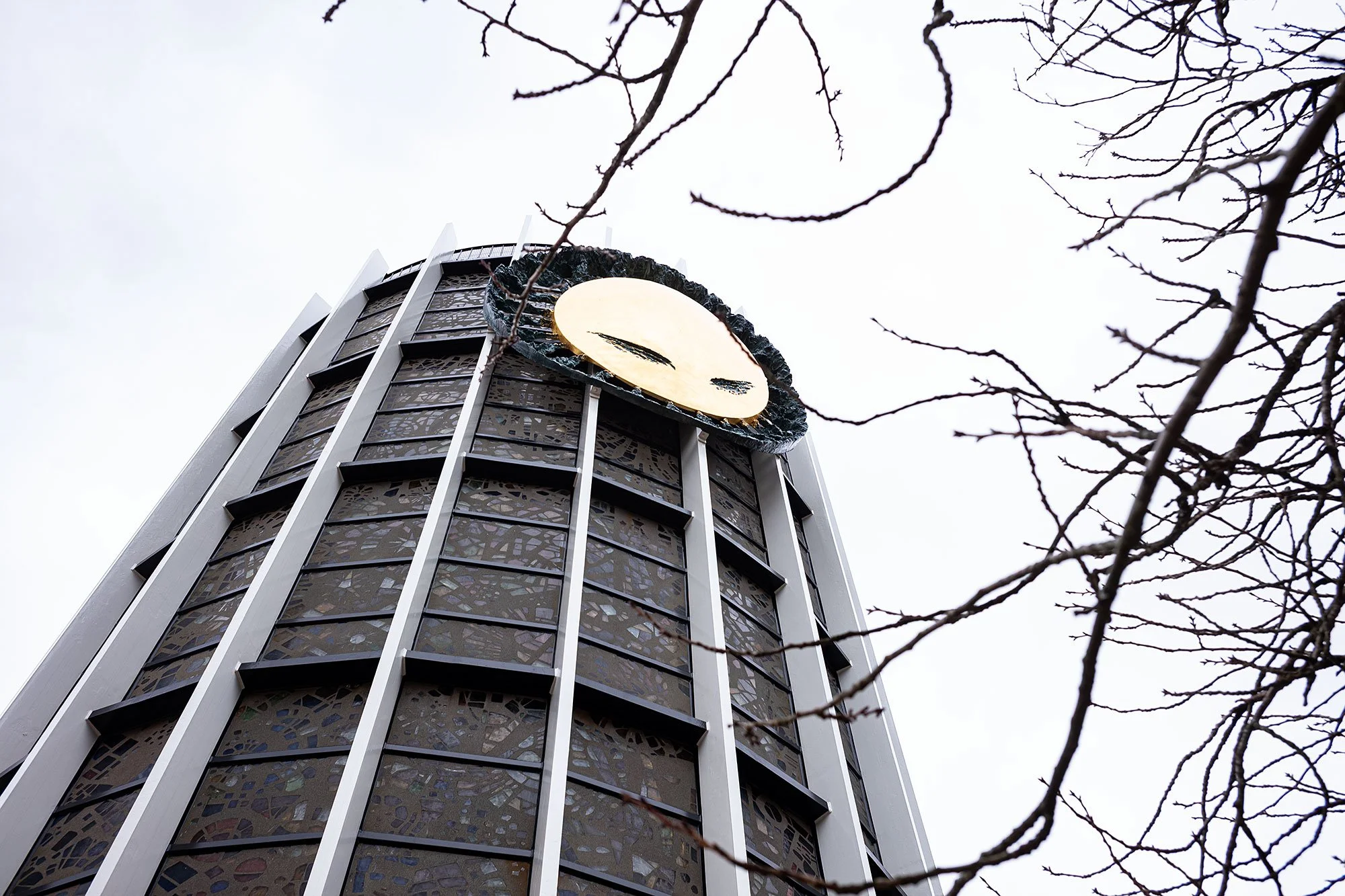
Gabriel Loire’s Symphonic Sculpture stands at the far end of the park and I climb the circular stairs to the top for the views and to admire the kaleidoscope of colors inside.
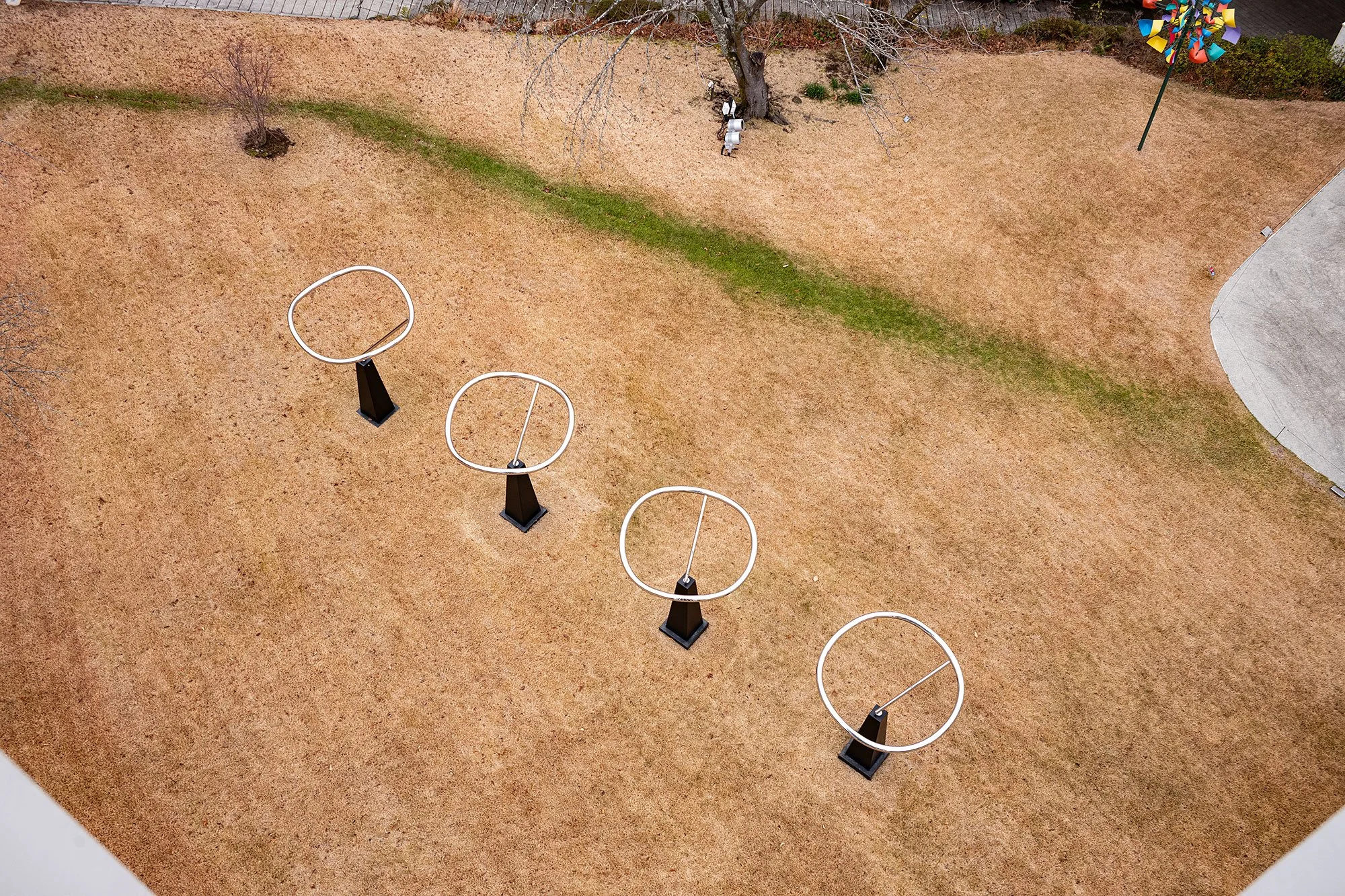
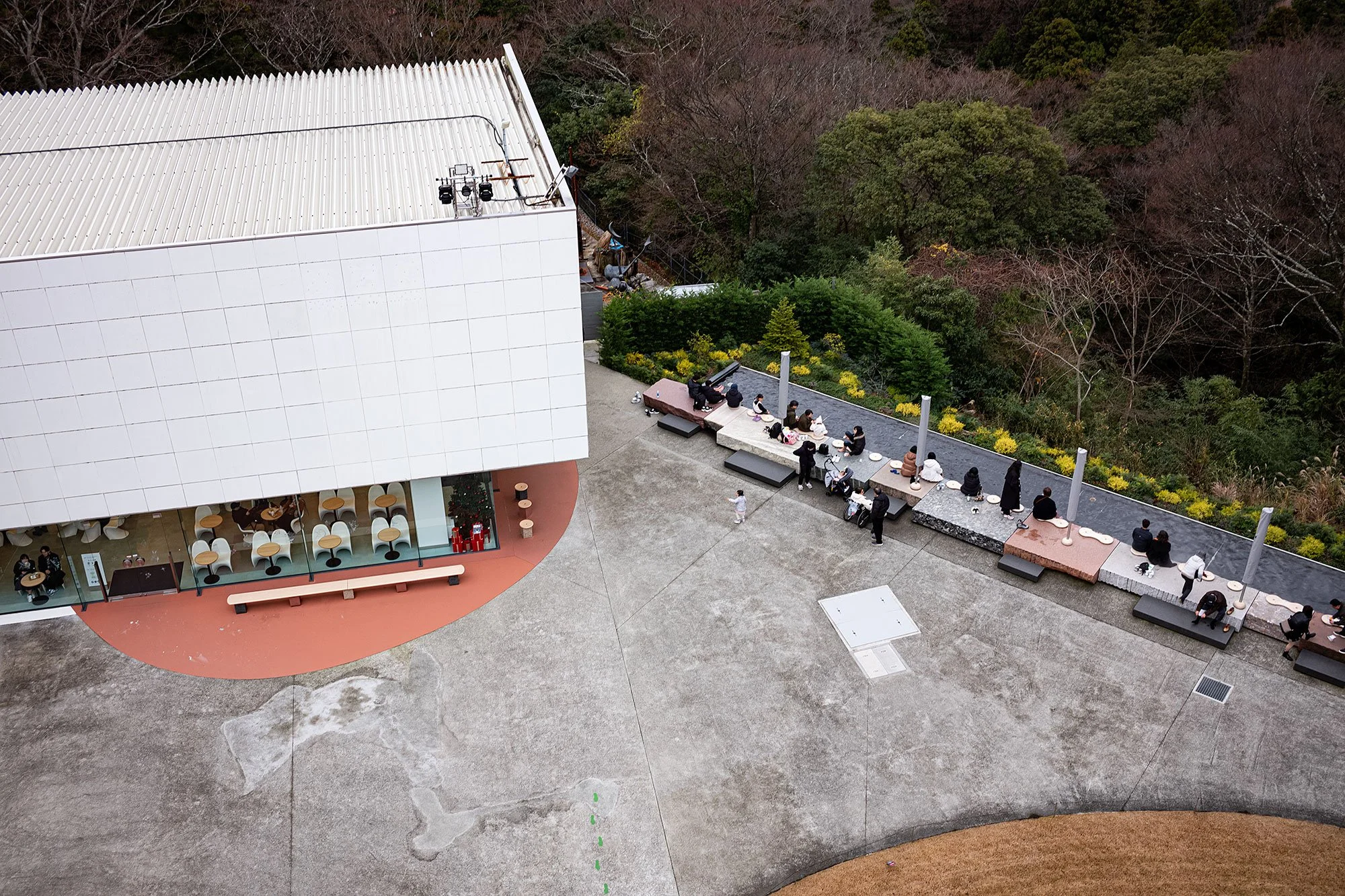
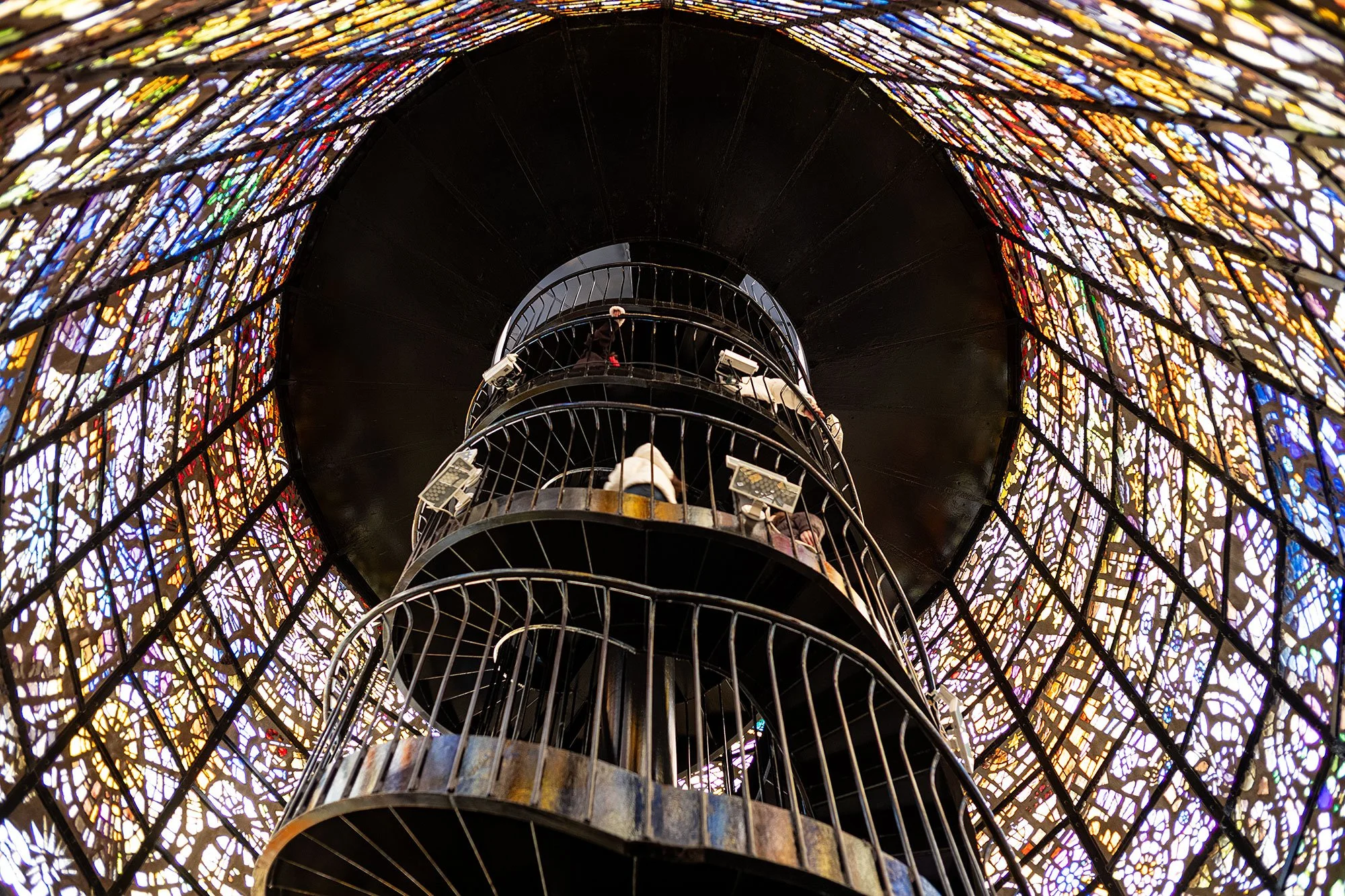
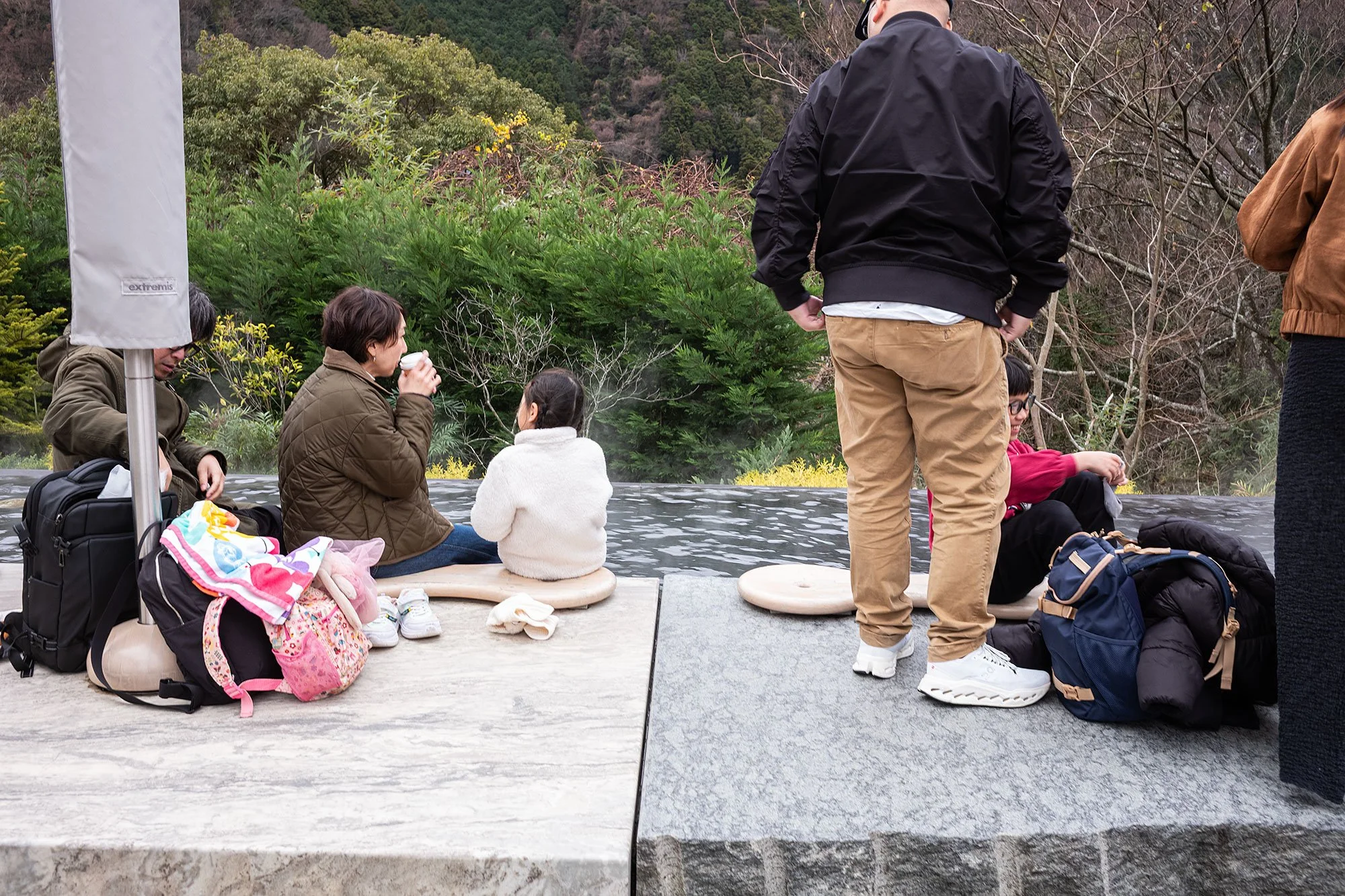
Looking down I see people soaking their feet at a hot spring on the edge of the property and I head over there as soon as I’m back on the ground. There’s space to dip my feet, but I haven’t brought a towel and I skip the activity. Although next time I’ll be certain to come prepared!
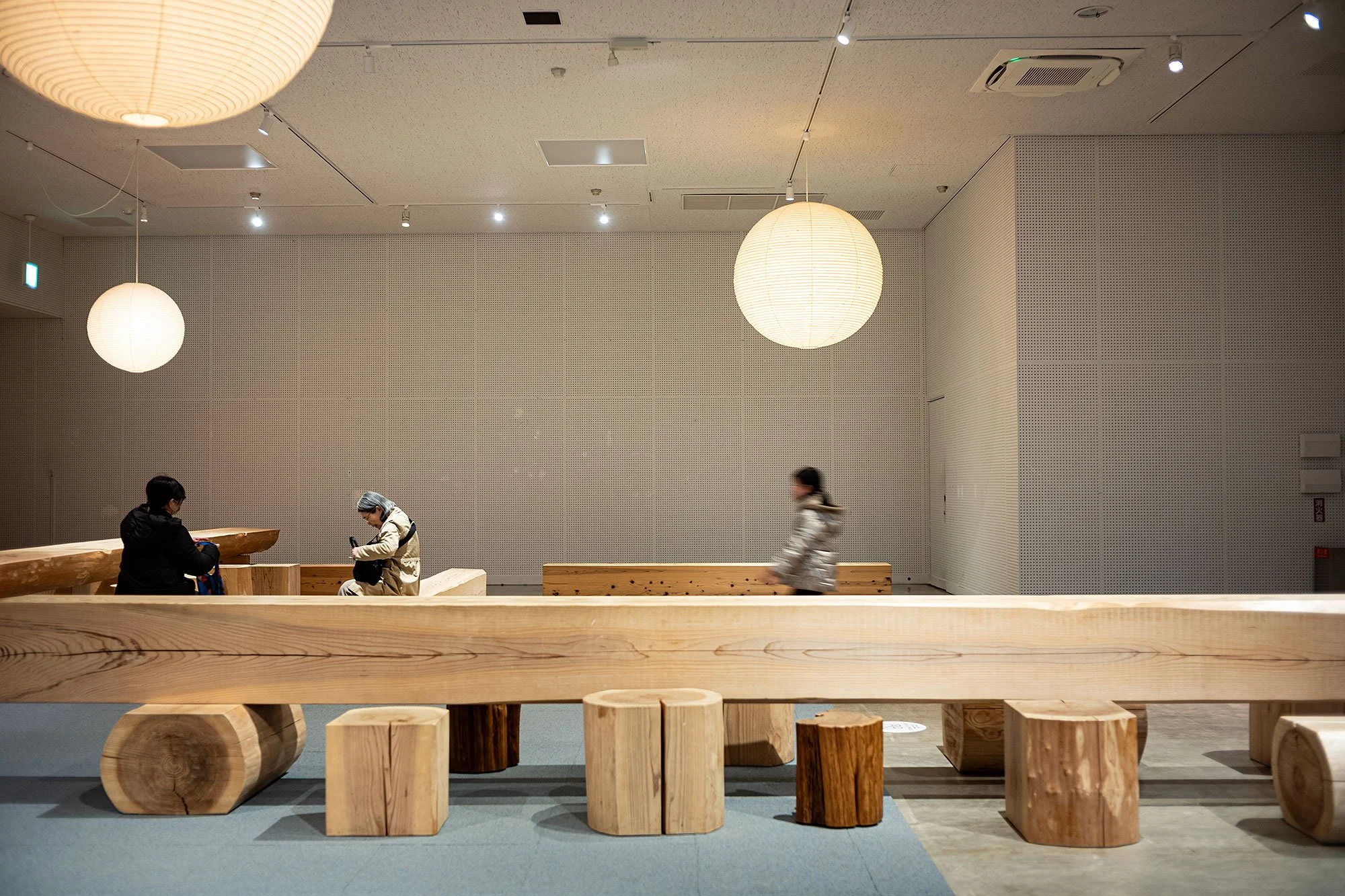
I step into the nearby cafe and climb the stairs to the first floor, designed by Torafu Architects. Beautiful stools and benches made out of large blocks of wood are arranged about the space. There’s something simple and artful about how they’re placed and a sense of calm befalls me as I pause for a moment in my visit.
Continuing on the path that winds around the complex, I head towards the Picasso Pavilion, stopping in to admire the works on display there before continuing to walk through the gardens.
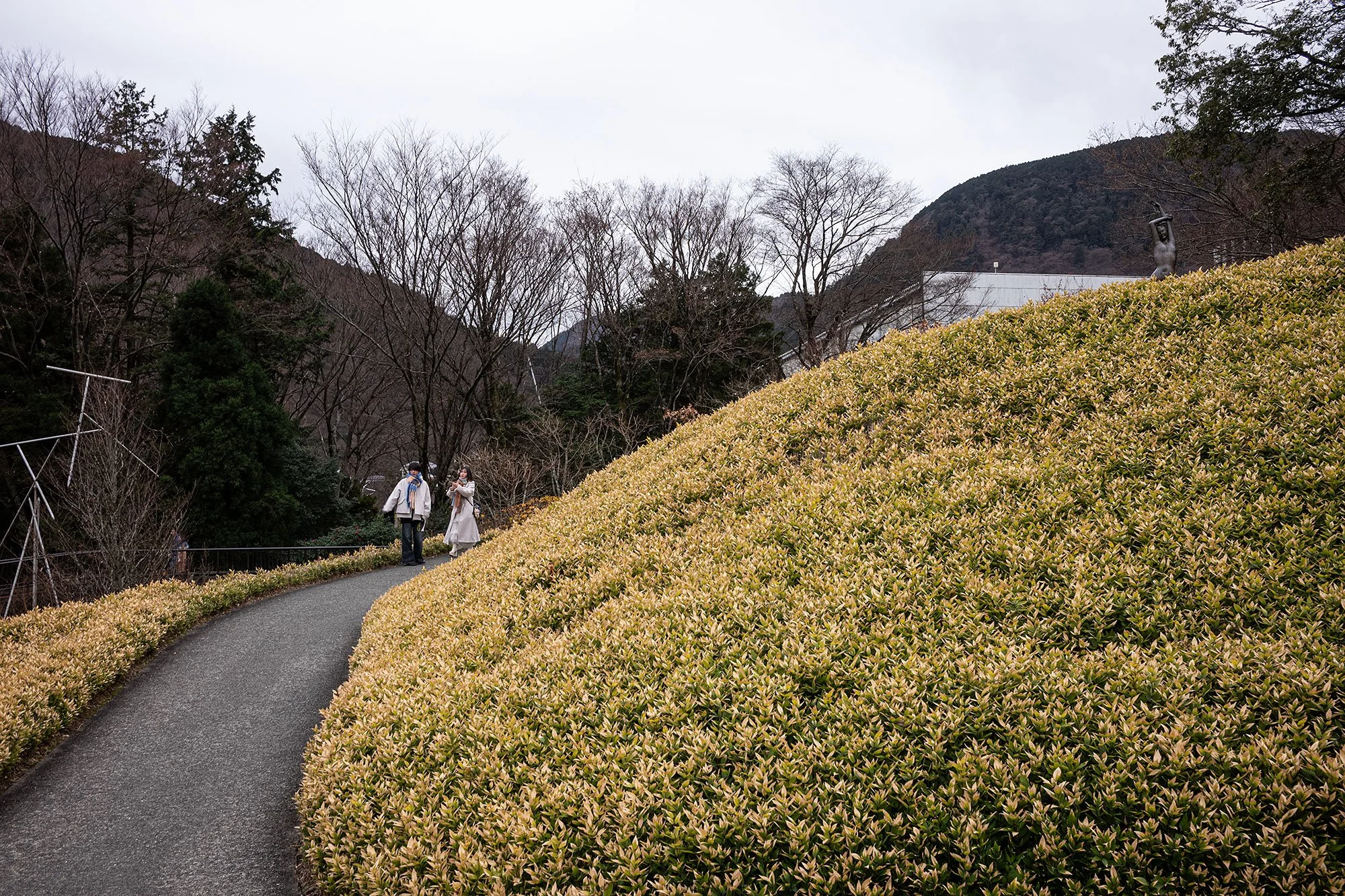
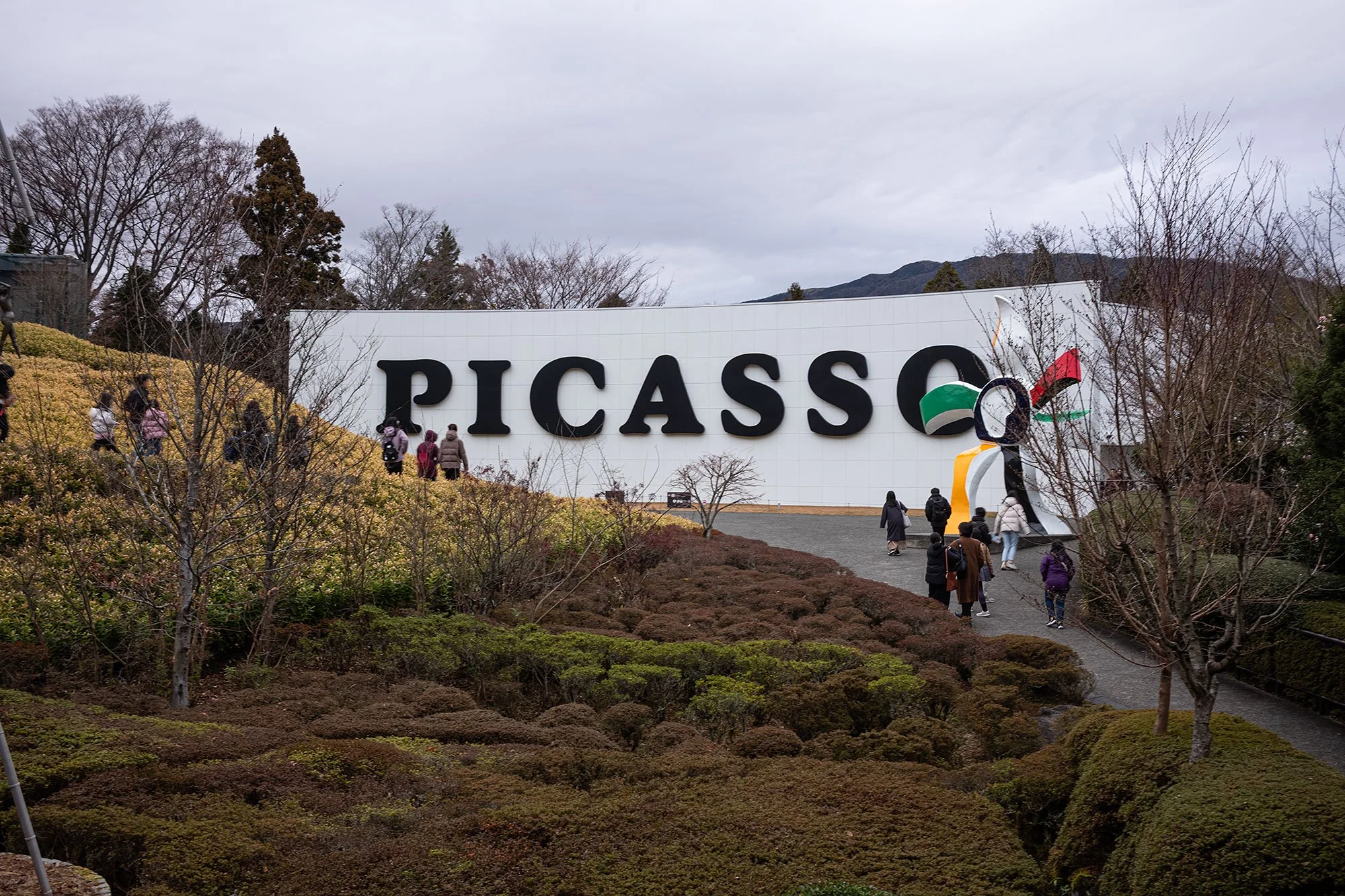
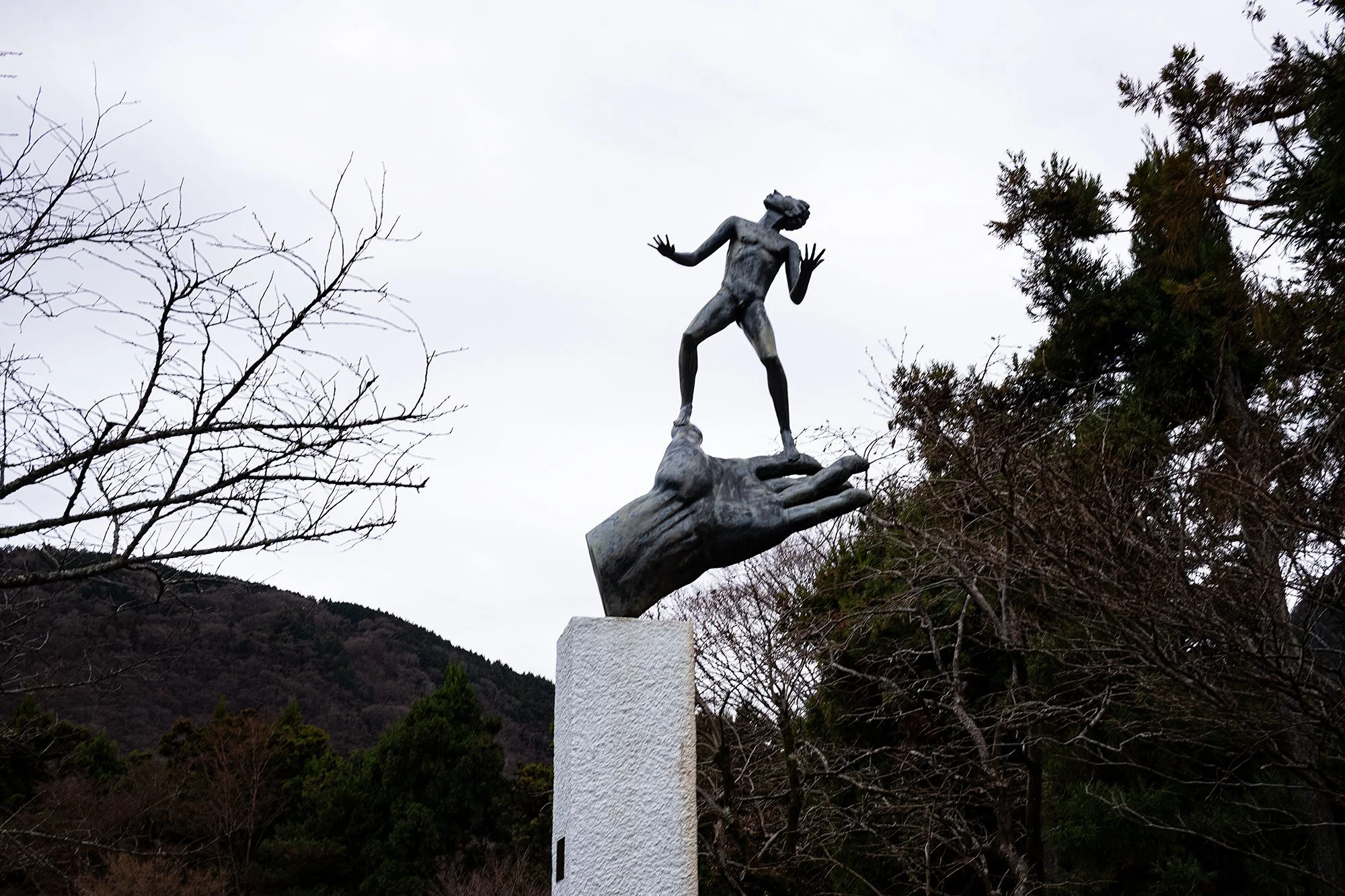
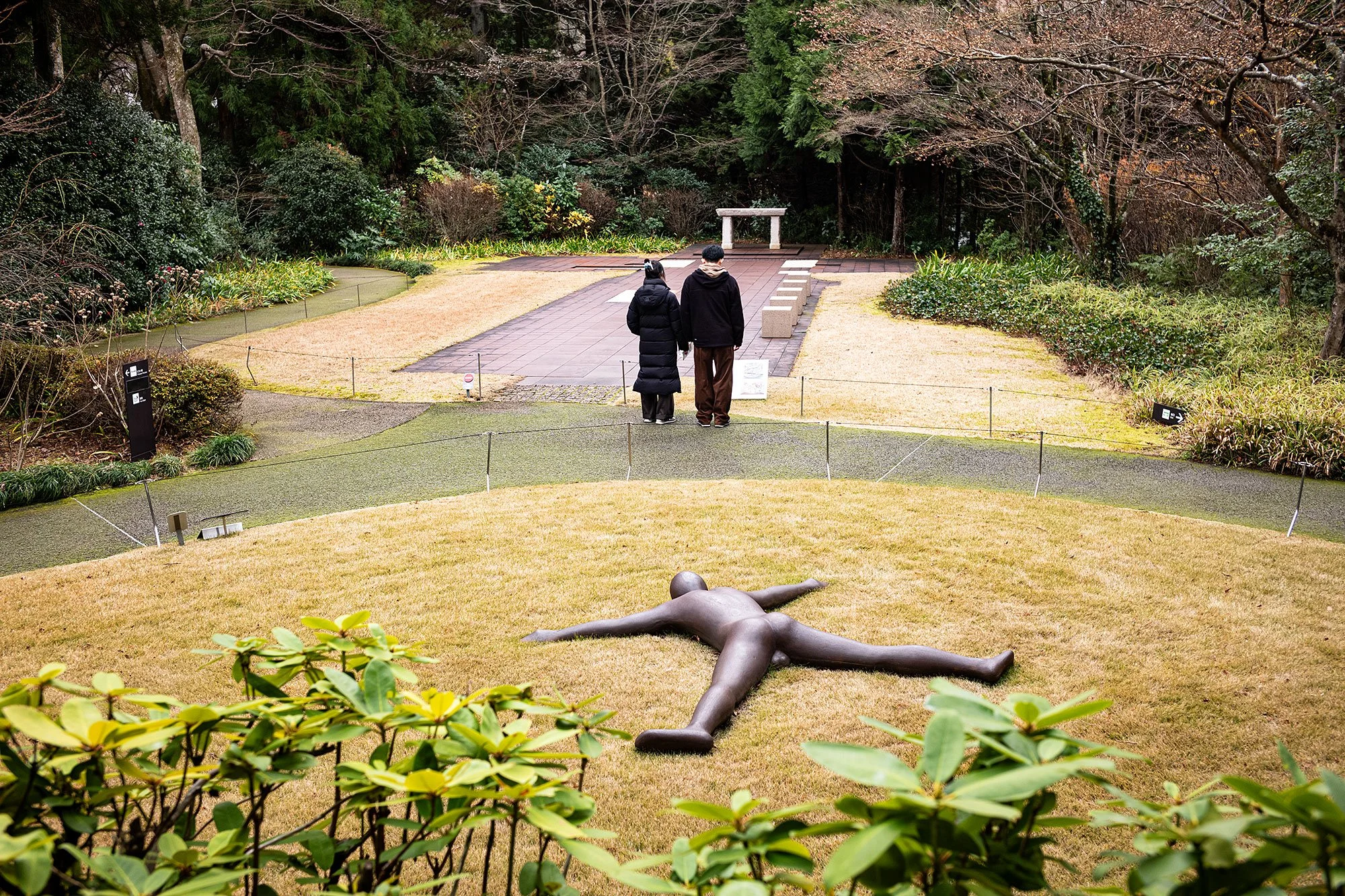
I love how the gardens have been designed, and how pieces emerge from the surroundings or pop up unexpectedly. I wonder how much time it took to plan and execute the gardens and what discusssions were had in how to arrange the pieces and where exactly to display them.
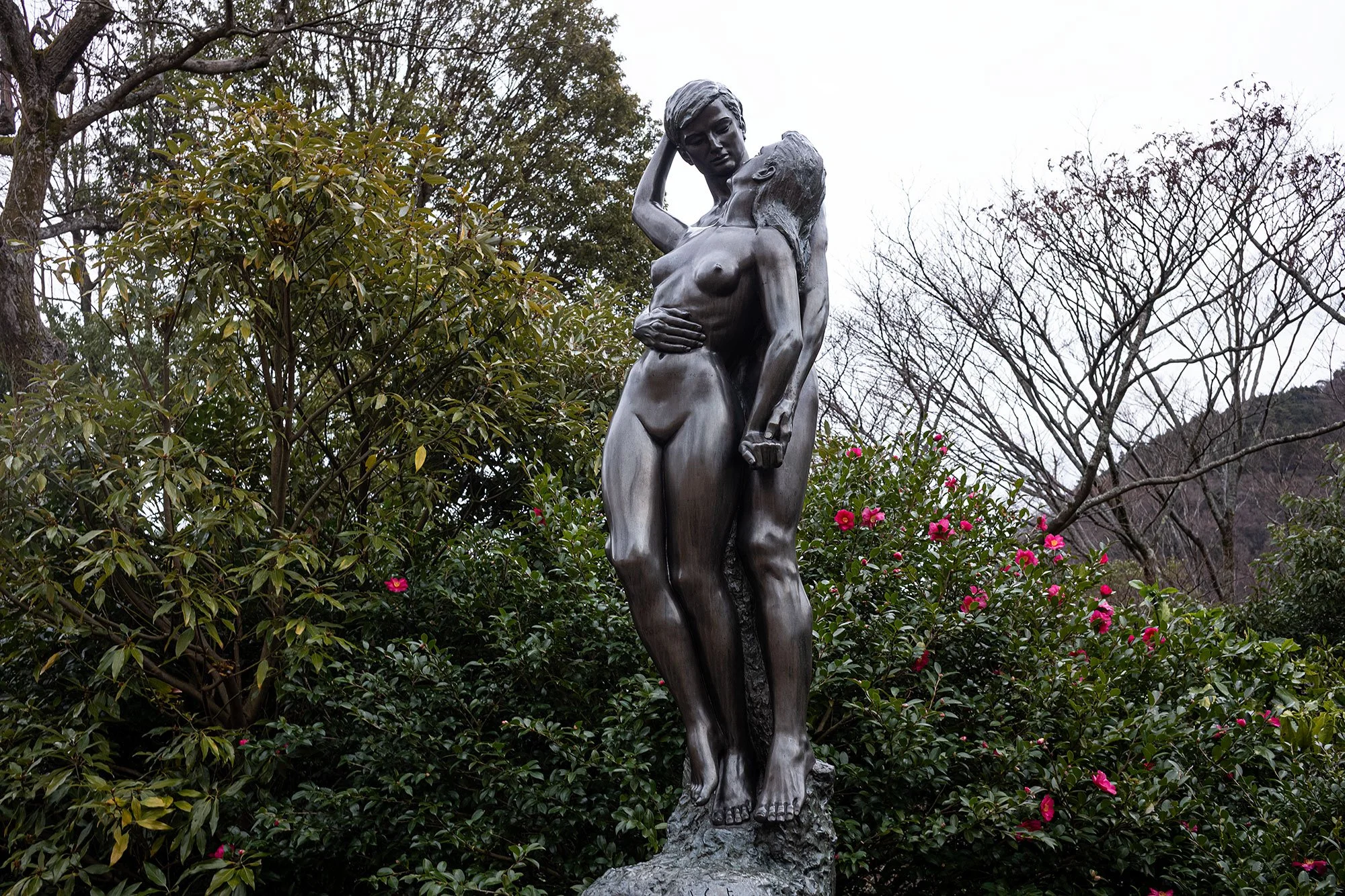
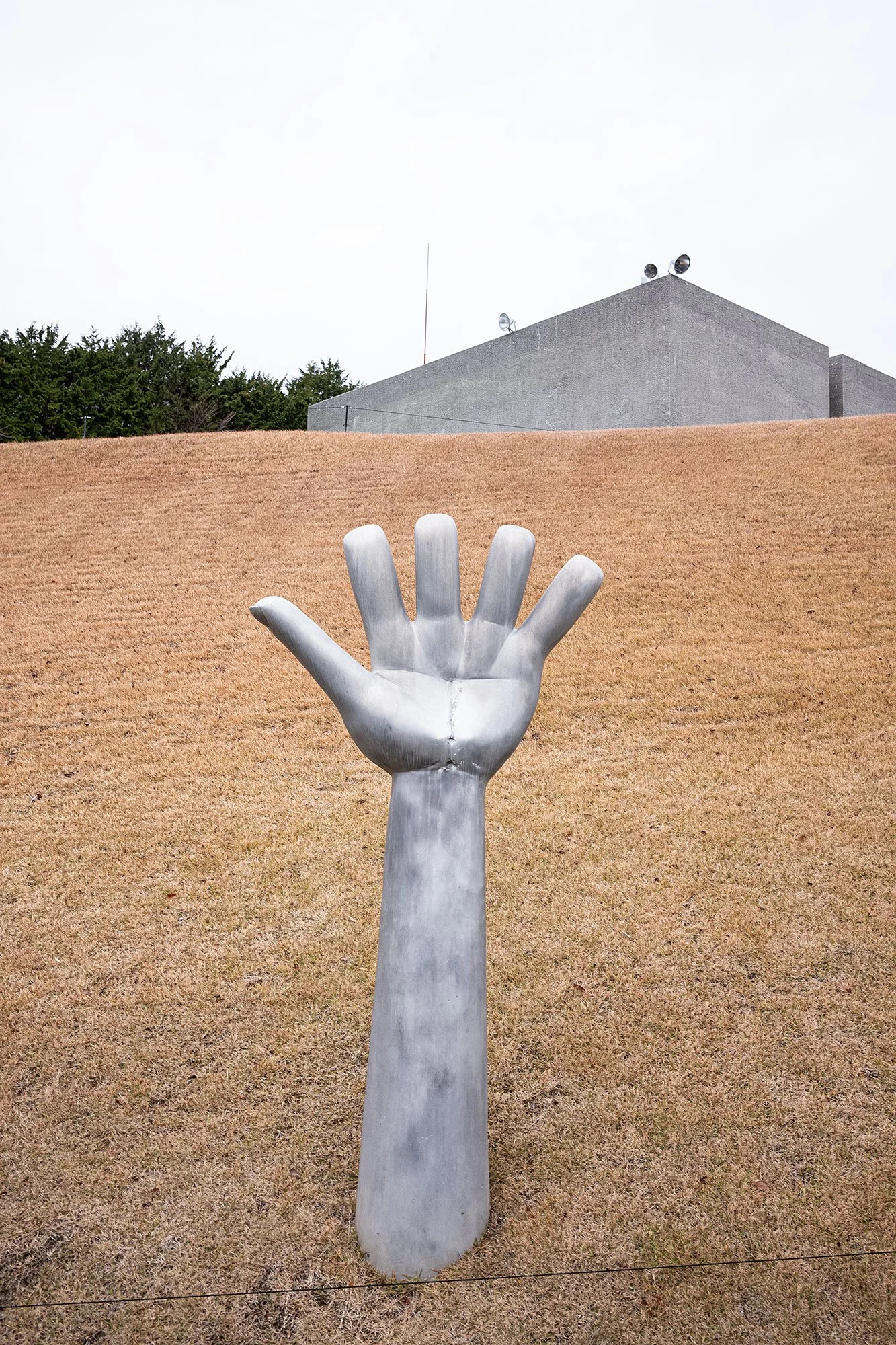
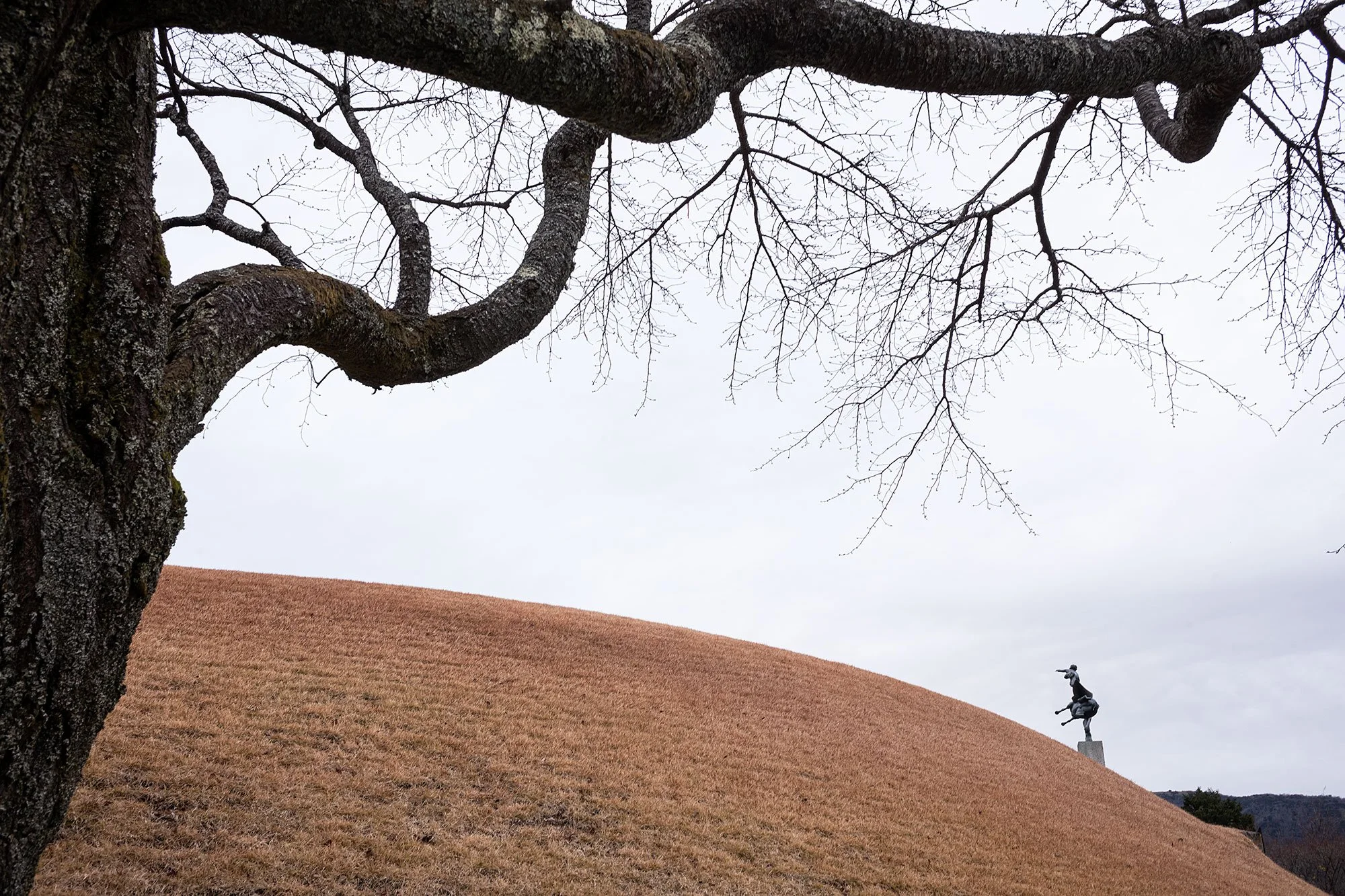
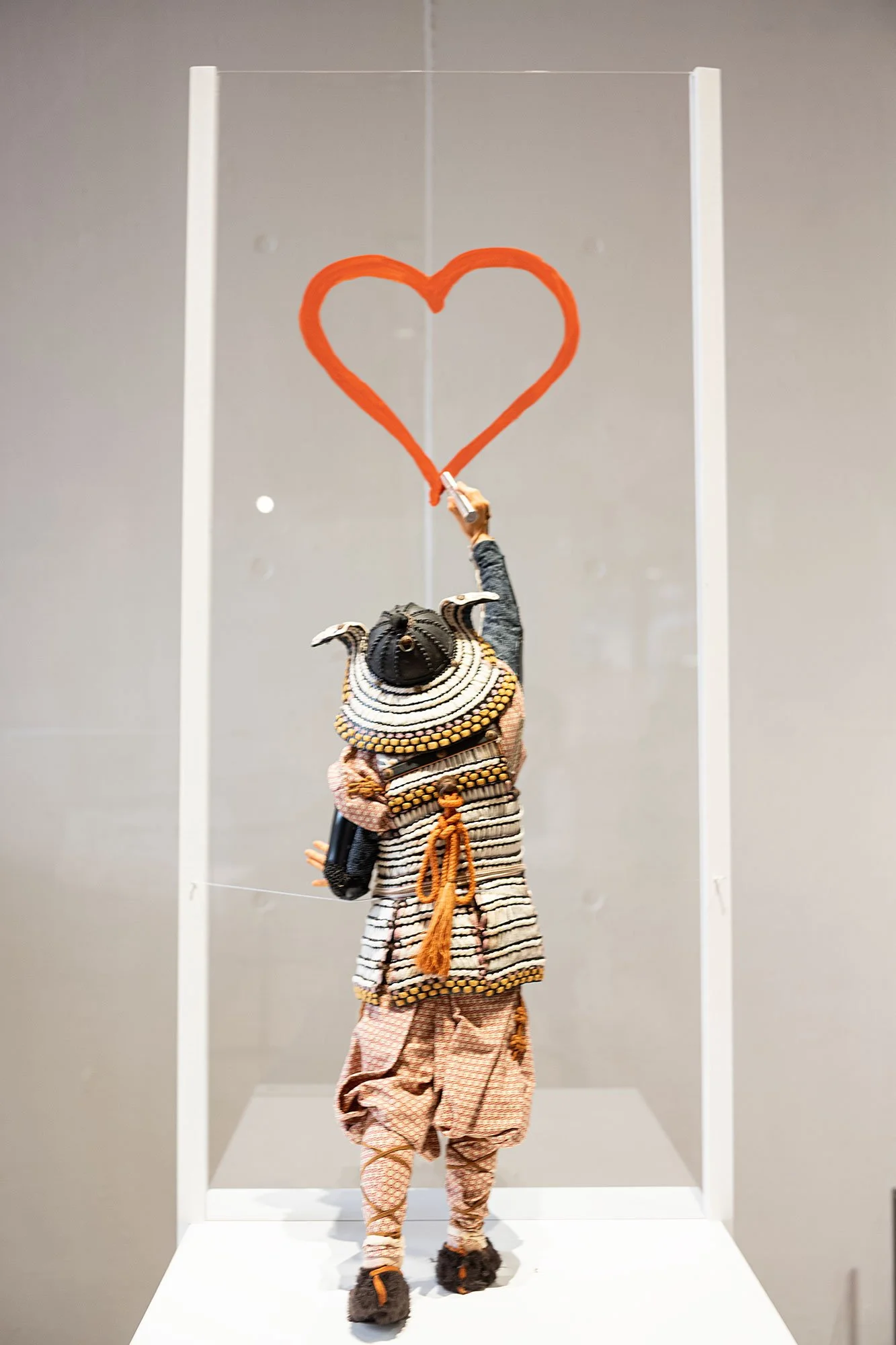
Back at the main building I stop in to visit the featured exhibition, Armored Dreamer, featuring works of contemporary sculpture by Tetsuya Noguchi, which juxtapose of historic Japanese warrior culture with contemporary sensibilities.
Looking up the train schedule, I realize I need to start heading back to the station. I pick up my bags and start walking, realizing I don’t have to walk all the way to the terminal. The train will pass Chokokunomori station, which is but two minutes away.
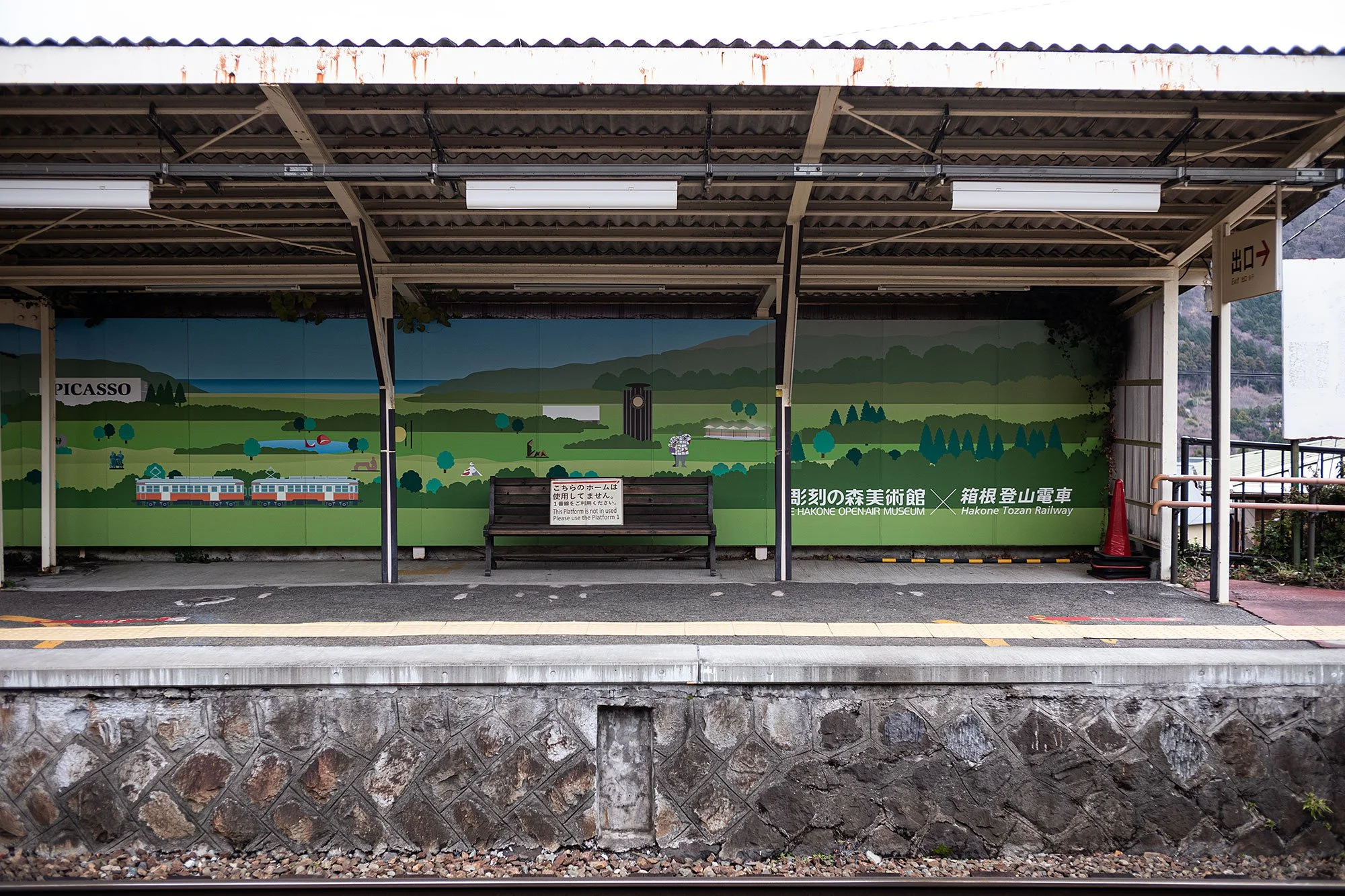
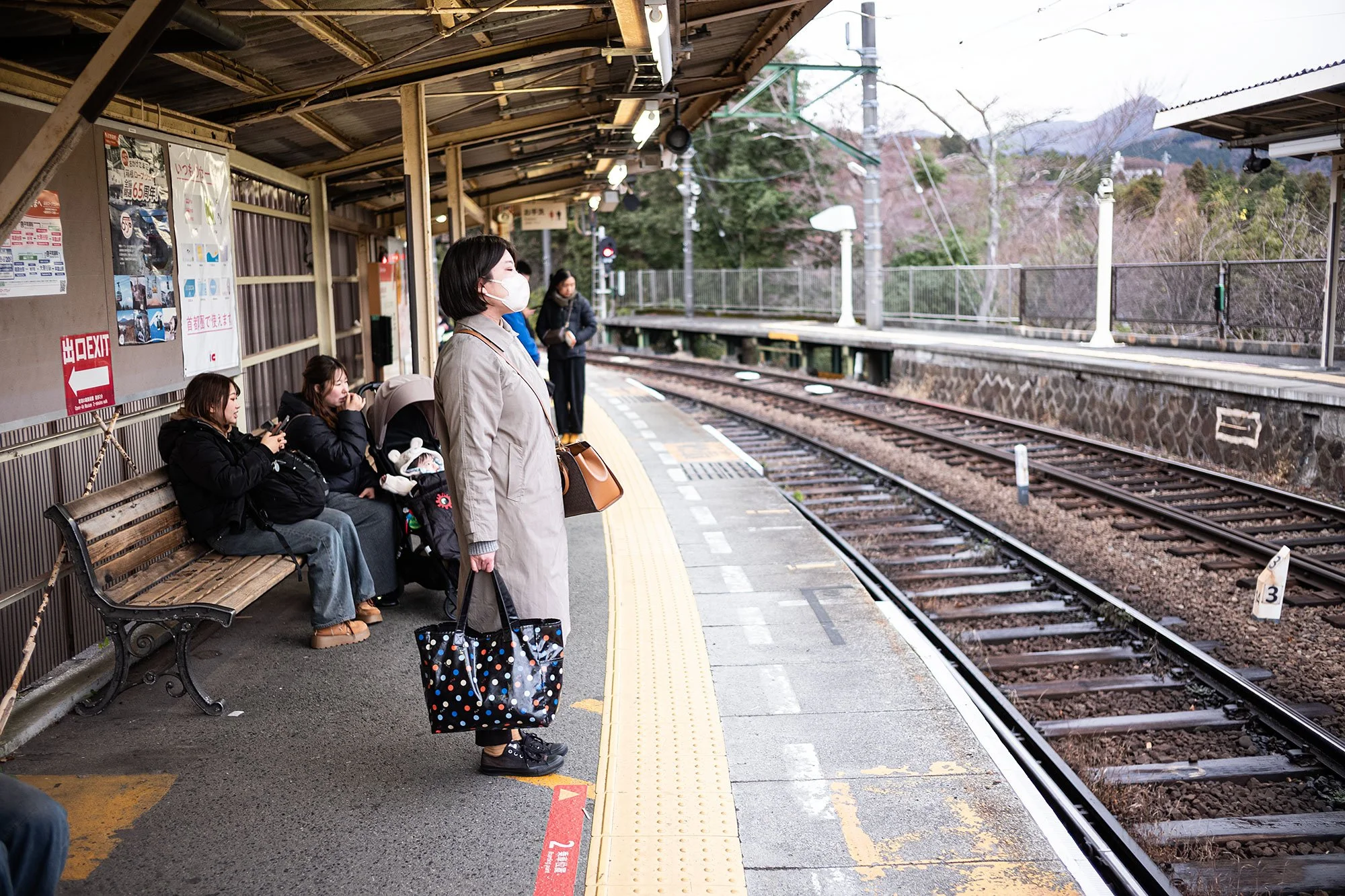
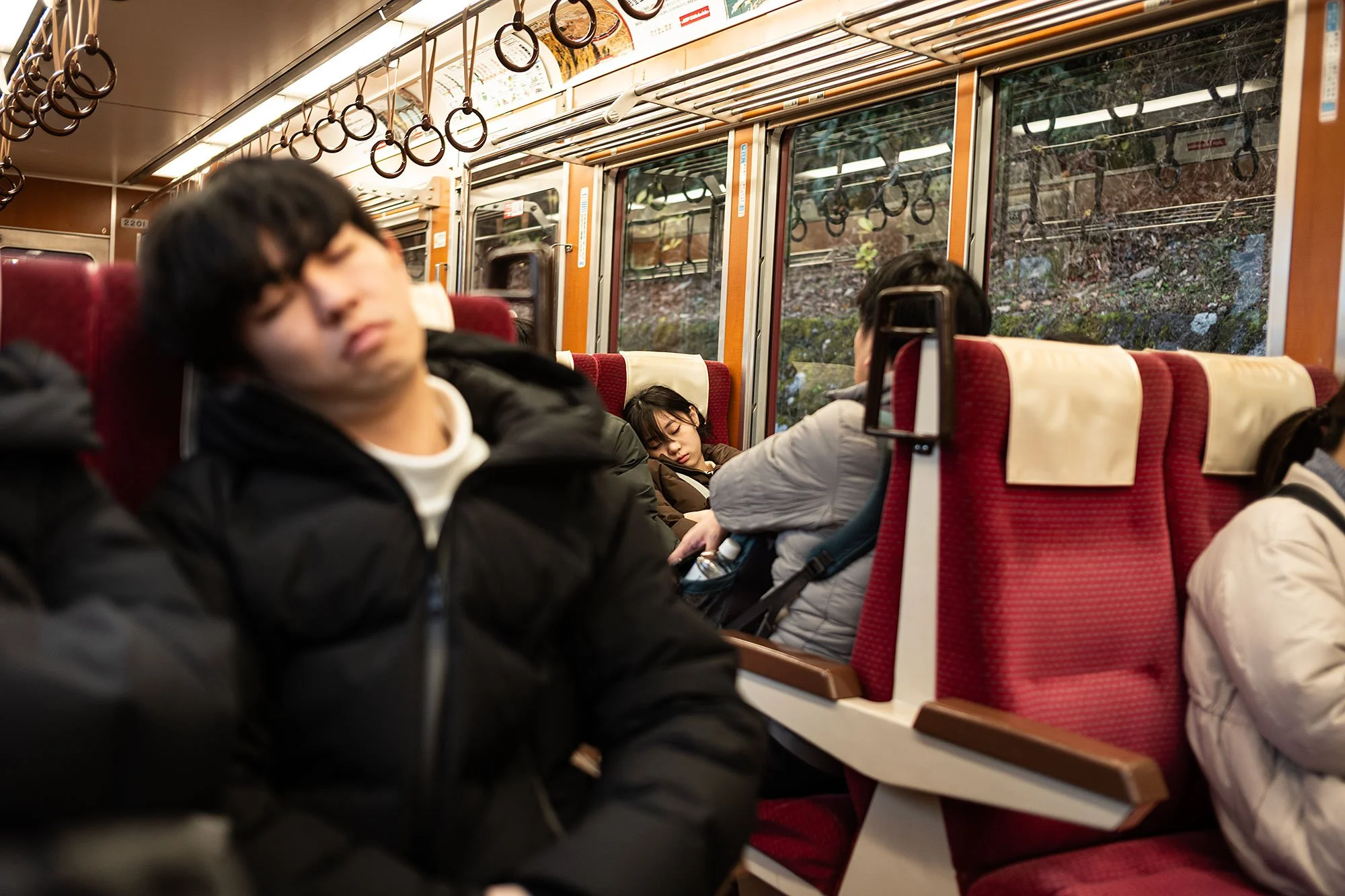
The ride is longer than I expect, including a switch backs that reverse the direction of the train as it heads down the mountain.
When I reach Hakone-Yumoto Station, I’m discover that I’m early for my train. Looking at the schedule, there’s another train leaving shortly and after collecting my bags I go online and update my departure time, boarding the next Romancecar to depart for Tokyo.
I’ve chosen to stay in Shinjuku for its railway connections (the Romancecar terminates there), but my hotel is further from the station than I realize and I end up fighting my way through crowds to get to the entrance. I don’t remember the area being quite so crowded, and I realize why as I near the hotel.
There’s a performance that’s been scheduled in the plaza before the hotel and it’s almost impossible to get by. A narrow lane on the sidewalk is all but blocked save for the few souls who all but push their way past. I join the rivulet of people trying to get by and end up making my way to the far side of the building, circling my way around to the lobby.
After dropping off my bags I check Tabelog for a place to eat. There’s a highly-rated ramen shop nearby and I descend back to the streets to find it. The performance has ended and the area is much quieter than before. I partially wish I had come down earlier to see, but after a full day on the Hakone Loop I needed a break.
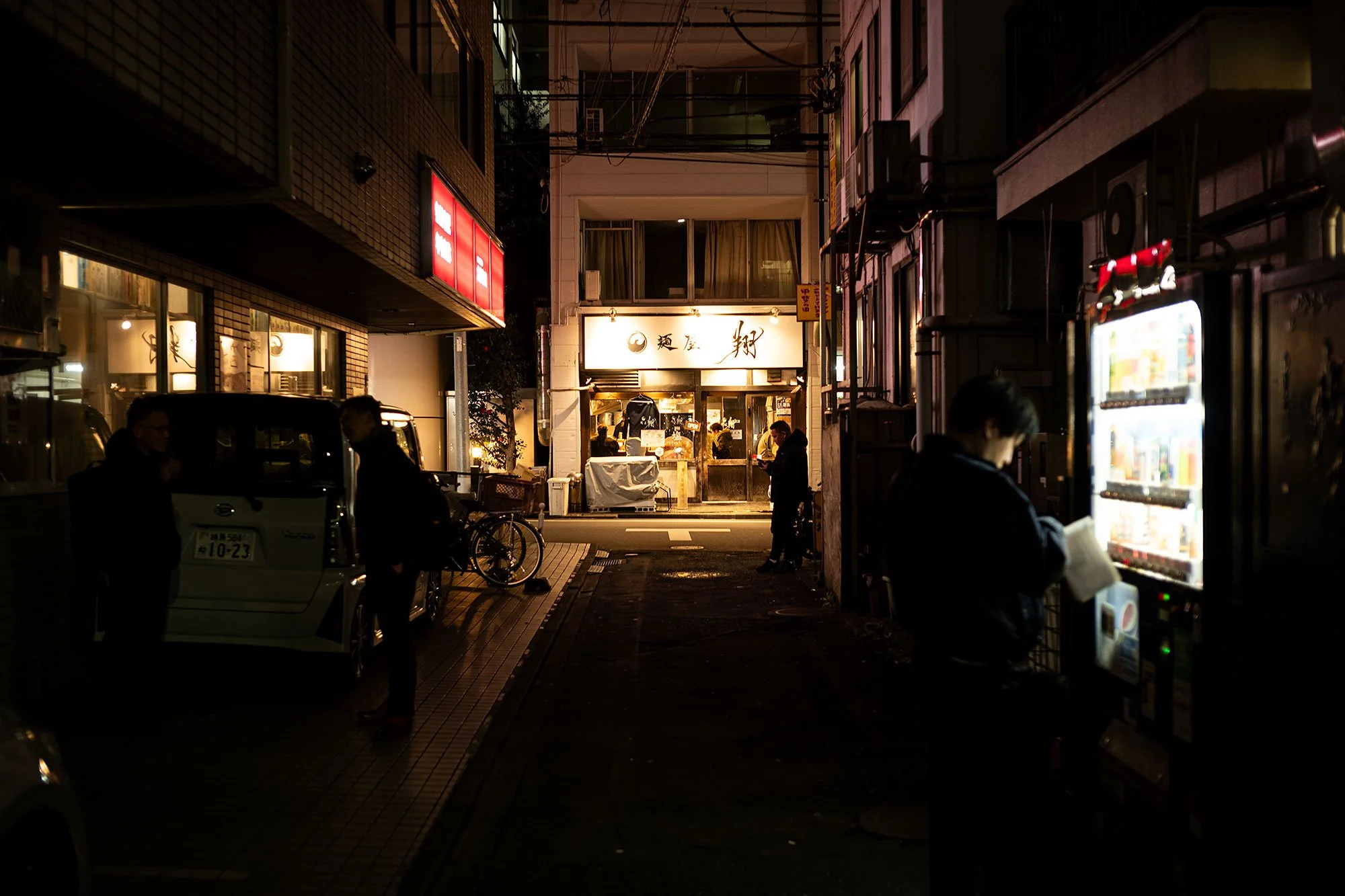
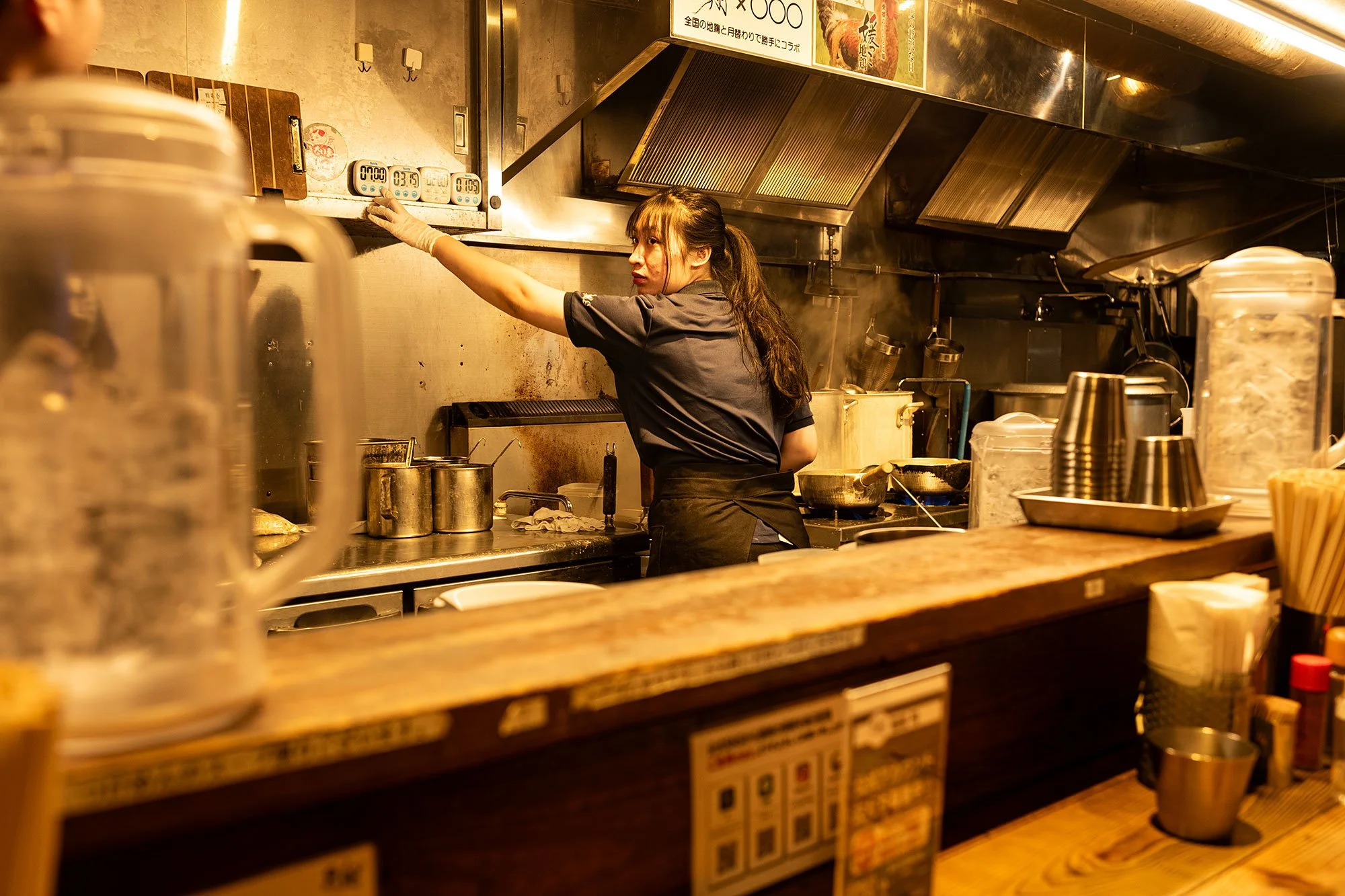
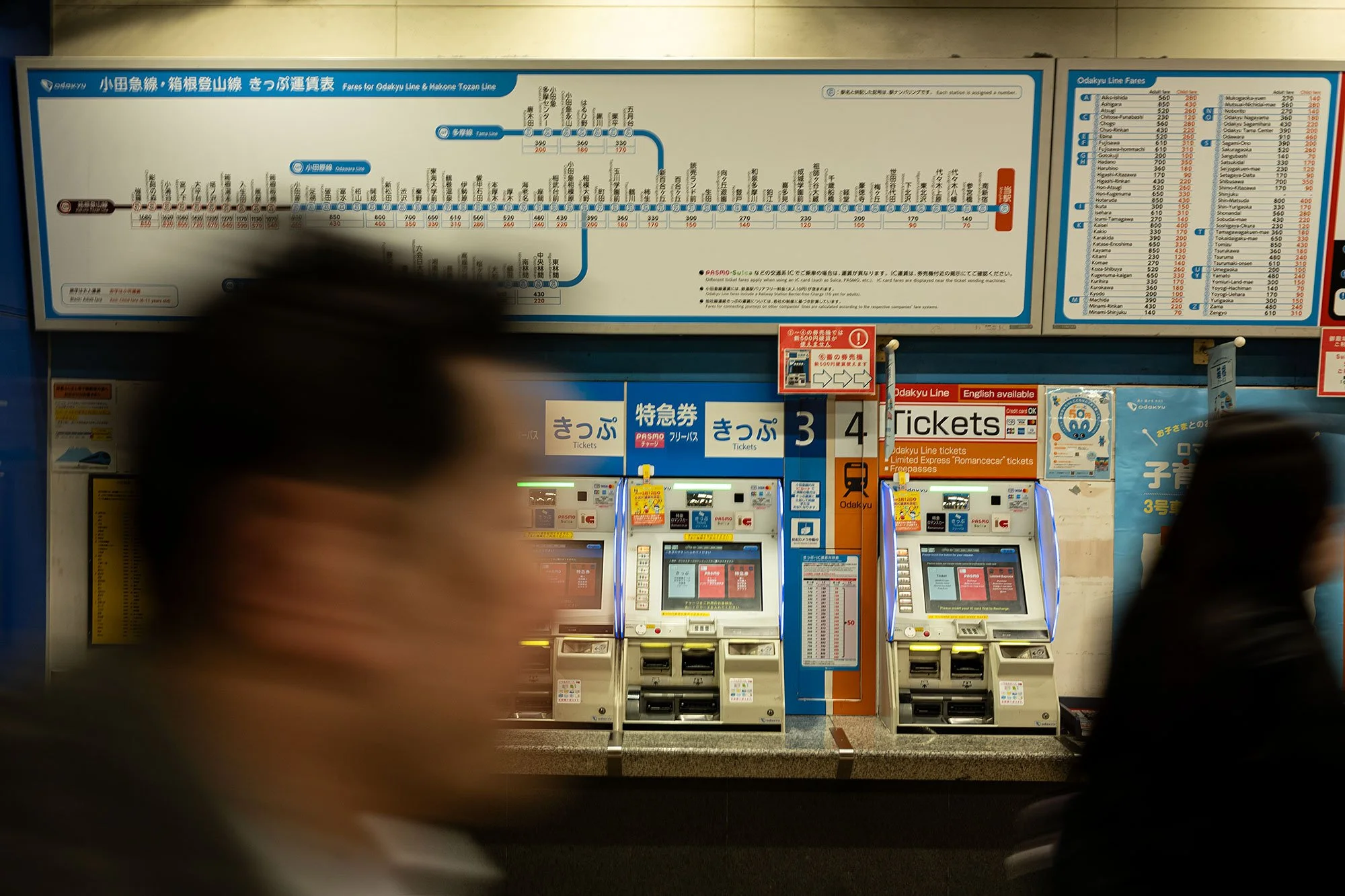
At the ramen shop I purchase a ticket from the machine and take a seat at the counter. The food is delicious and there’s a line of people waiting to enter by the time I finish.
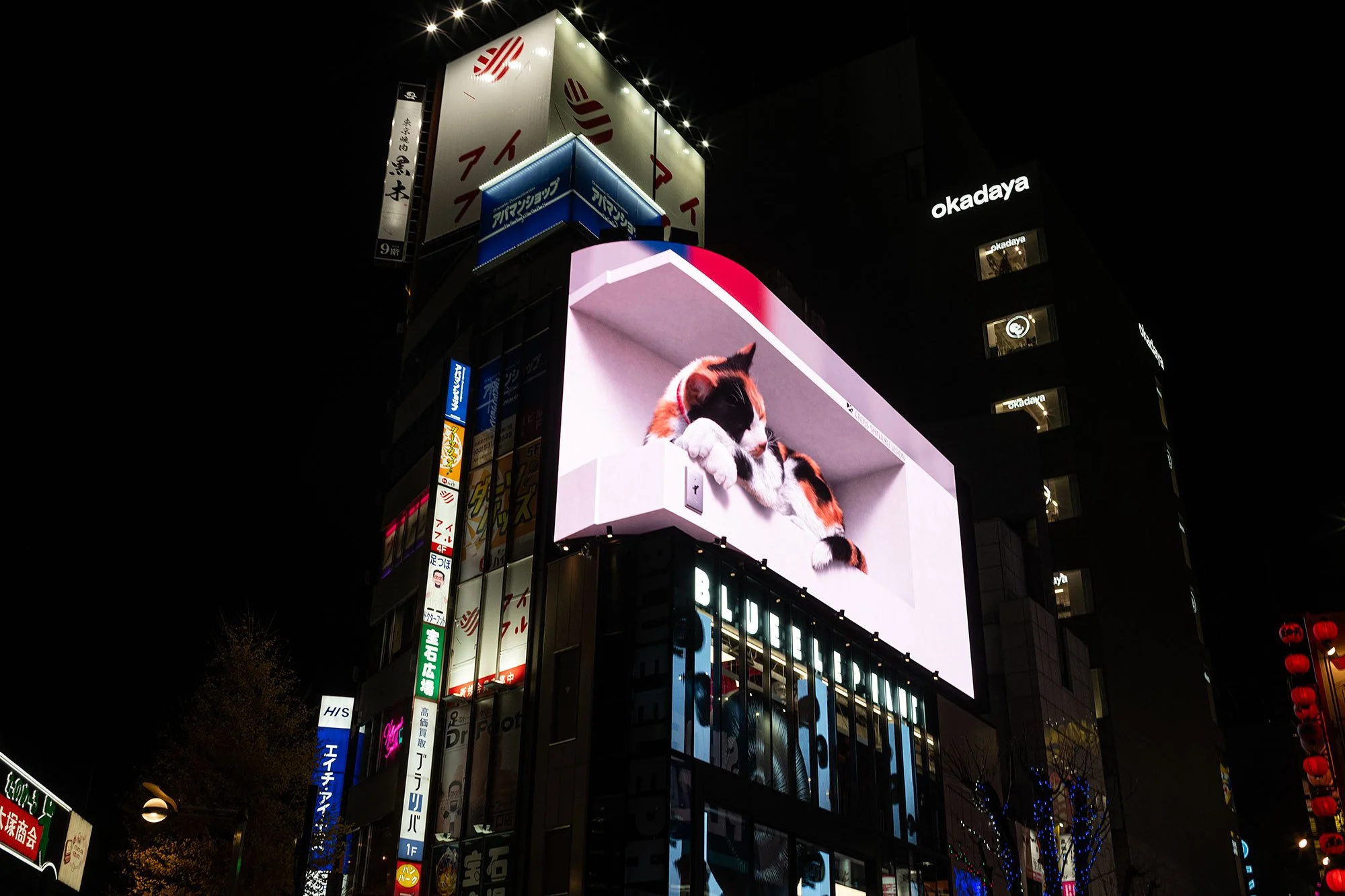
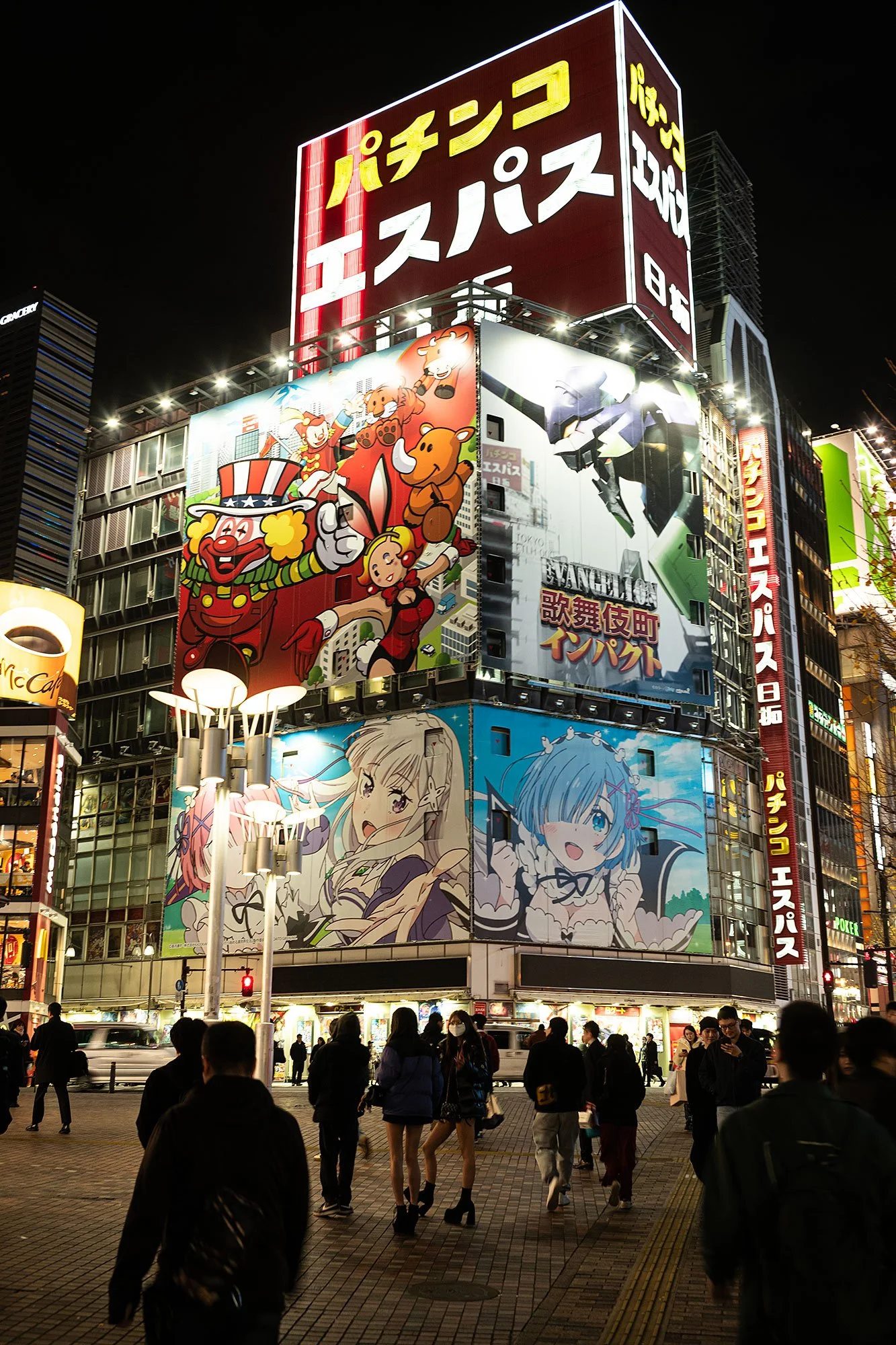
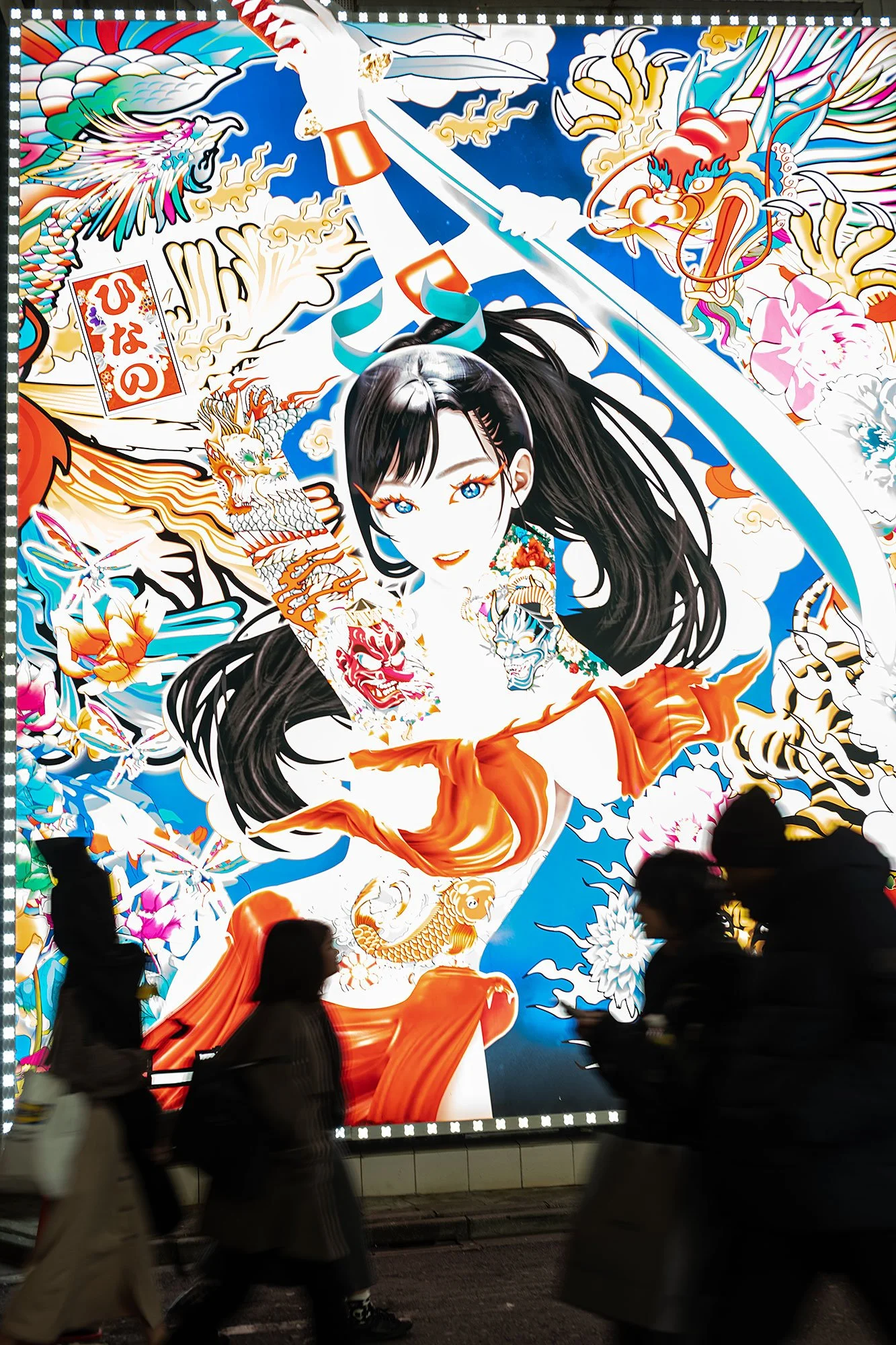
Walking back towards the hotel I pass brightly lit shops and restaurants. I had forgotten (or never realized) how seedy parts of Shinjuku can seem and think about where I might want to stay on my return to Tokyo. I’d like to get a better feel for the city, and while Shinjuku is convenient, I can’t help but think there are cuter neighborhoods in which to base myself.
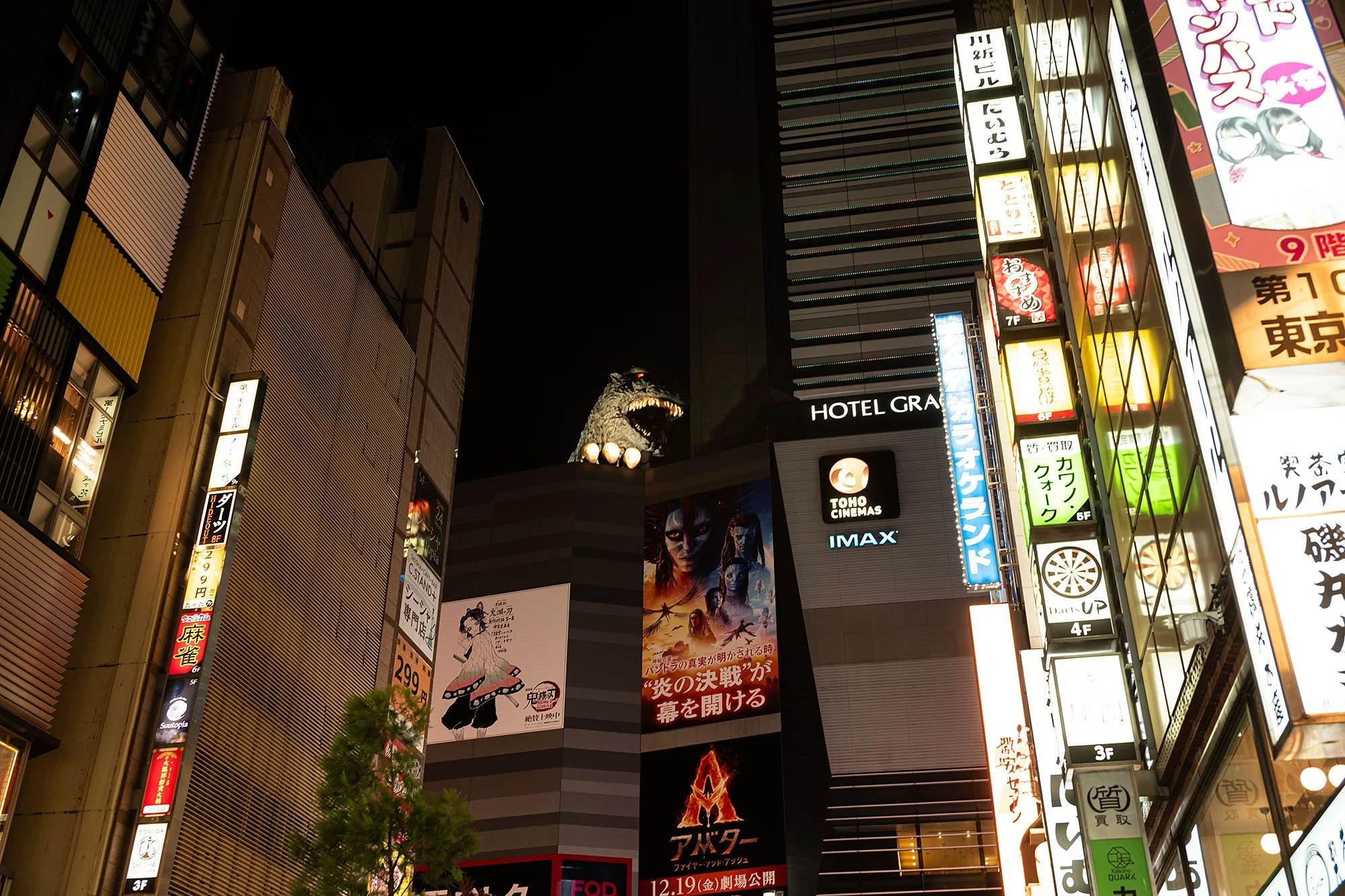
As I near the hotel I look up to see Godzilla towering over Kabukicho. The sculpture is placed on the terrace of the Hotel Gracery and reflects Godzilla’s 50-meter height as depicted in the Showa era films. It was revealed in 2015 as part of an ad campaign for the 2016 Shin Godzilla film, the 31st in the franchise.
As a child I loved Godzilla, rooting for him against King Kong when they fought, looking out for the films when they showed up on lazy weekend afternoons TV programs. It’s fun seeing him peer down at me, a symbol of both the past and the present and of the city itself, bridging the chasm of time. 🇯🇵