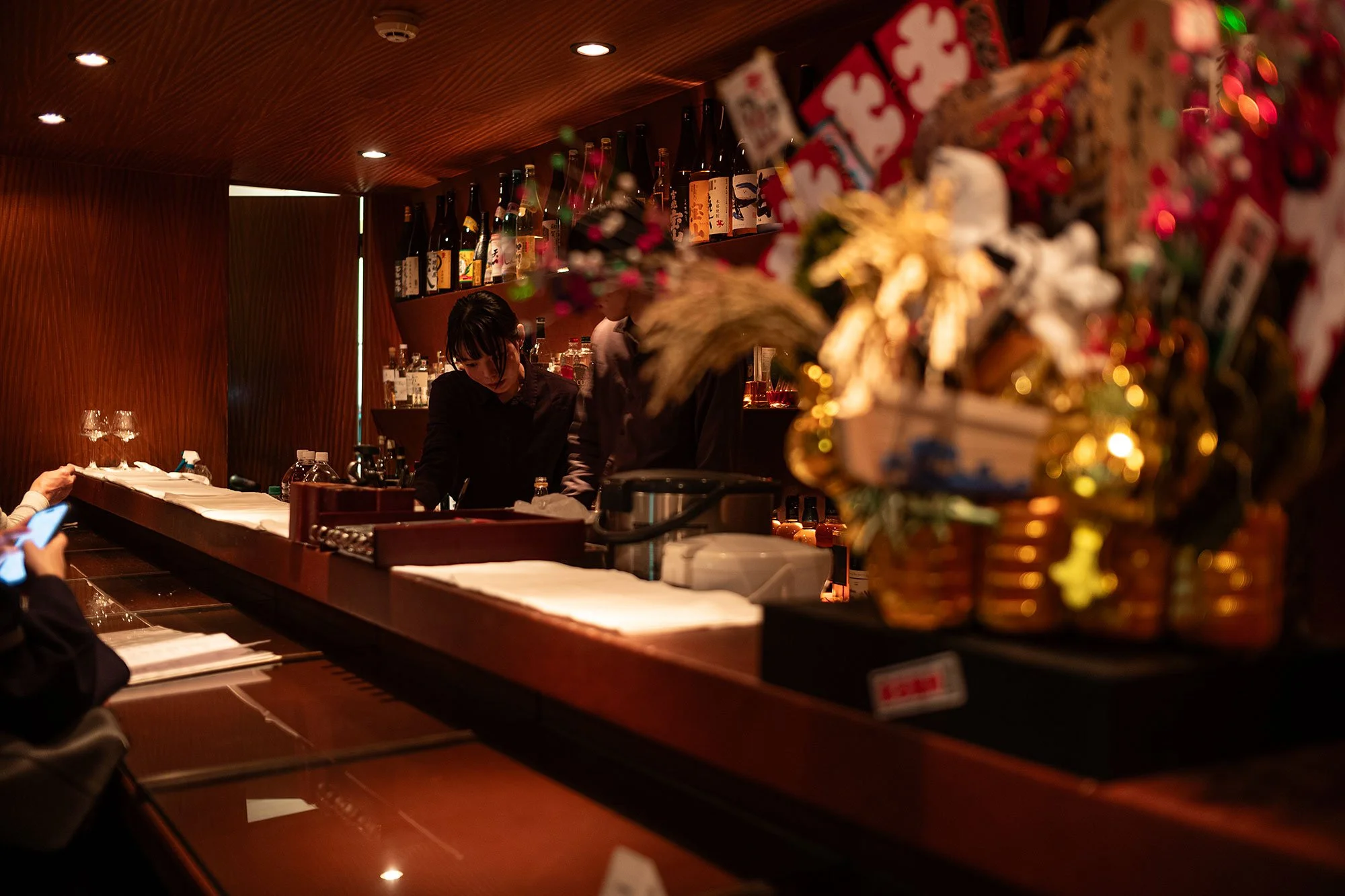
A day in Tokyo with my niece.
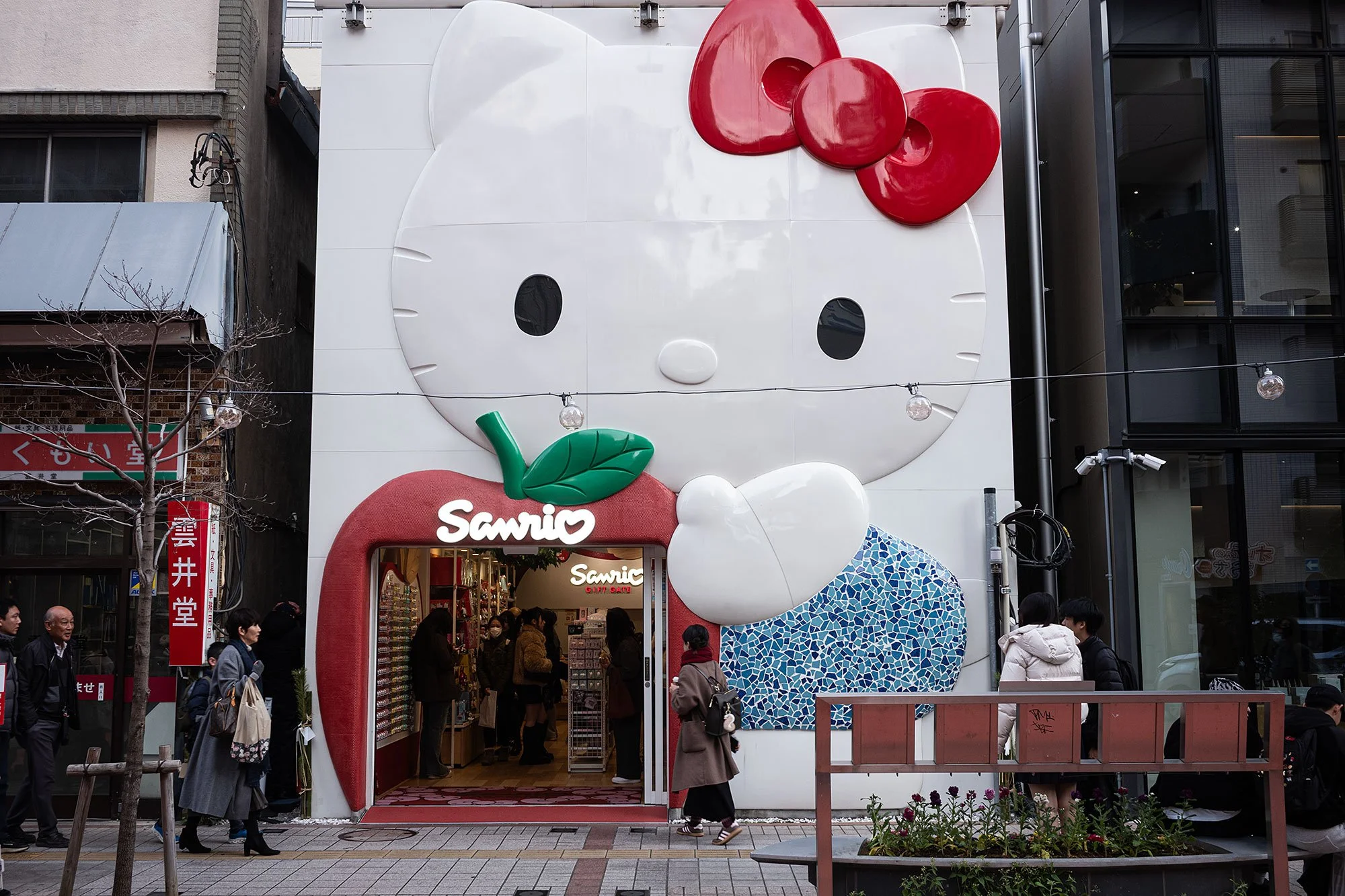
After a week on the slopes in Hokkaido I bid adieu to my cousins and most of my nieces and nephews.
I’m off to Tokyo with one of my nieces; she’s studying abroad for a semester in Singapore and I’m accompanying her there to help her settle in. We’re spending two nights in Tokyo on the way.
We arrive in the afternoon and take the train to Shibuya. Nina asks if we can see the Shibuya Crossing and we end up passing through it on the way to the hotel. We’ll end up seeing it often during our short stay in the city.
My niece has requested fluffy Japanese pancakes and we end up standing in line for a highly-rated cafe close to the hotel. I’m always happy to have breakfast for dinner.
The line moves quickly and we’re seated relatively shortly. Unfortunately, they no longer make pancakes, but tout their french toast highly. We each order an omu rice for dinner and share a french toast for dessert. It’s everything they said it would be. I don’t miss the pancakes at all.
We have a busy day planned for tomorrow and an early start. My niece wants to see the fish market and I’ve booked us on a tour of Toyosu to see the tuna auction and markets, culminating in a sushi breakfast at Sushi Dai, one of the top-ranked sushi counters at the market.
The next morning I wake up at 0400 to a message on my phone. The tuna auction is to start at 0510, which means our original meeting time has been moved up. I’m glad I am up early.
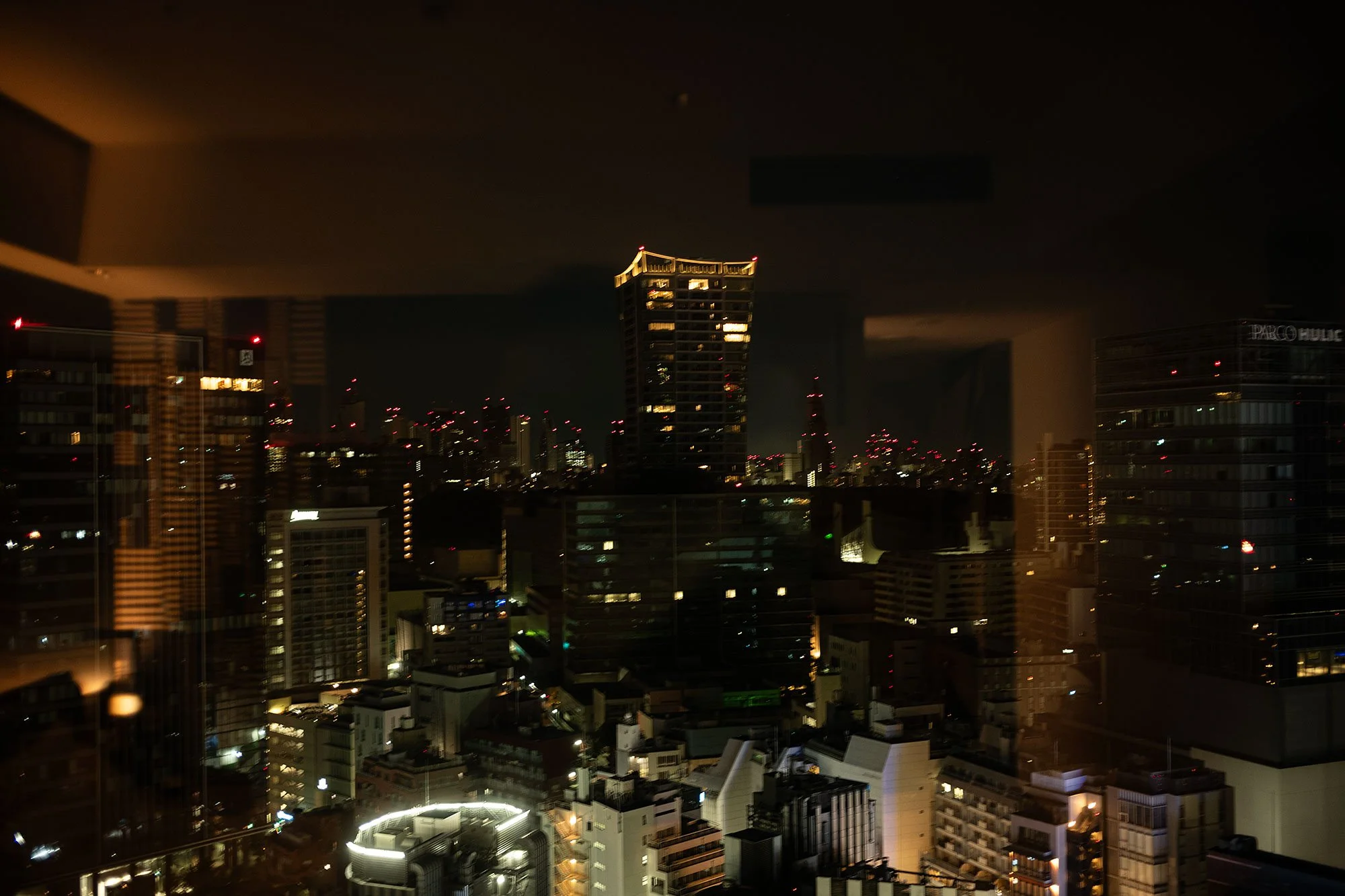
I wake up my niece and get ready to leave. The metro isn’t quite open yet and so we call a cab.
The market is housed in a series of rather non-descript buildings forming a complex of shops and warehouses. After the cab drops us off it takes us a minute to figure out where the entrance is. Ultimately, we observe a number of tourists walking to the same gate house and follow. A guard motions us through, pointing the way to the observation hall on the third floor.
We walk to the designated area and look down at the sales floor where hundreds of tuna are laid out in rows on blue tarps.
Since moving the wholesale market from Tsukiji to Toyosu, a lottery has been set up in order to be able to be on the selling floor. Behind us, a western couple is talking to their Japanese guide about the lottery. Unfortunately, they didn’t win. This is the closest either of us will be able to get.
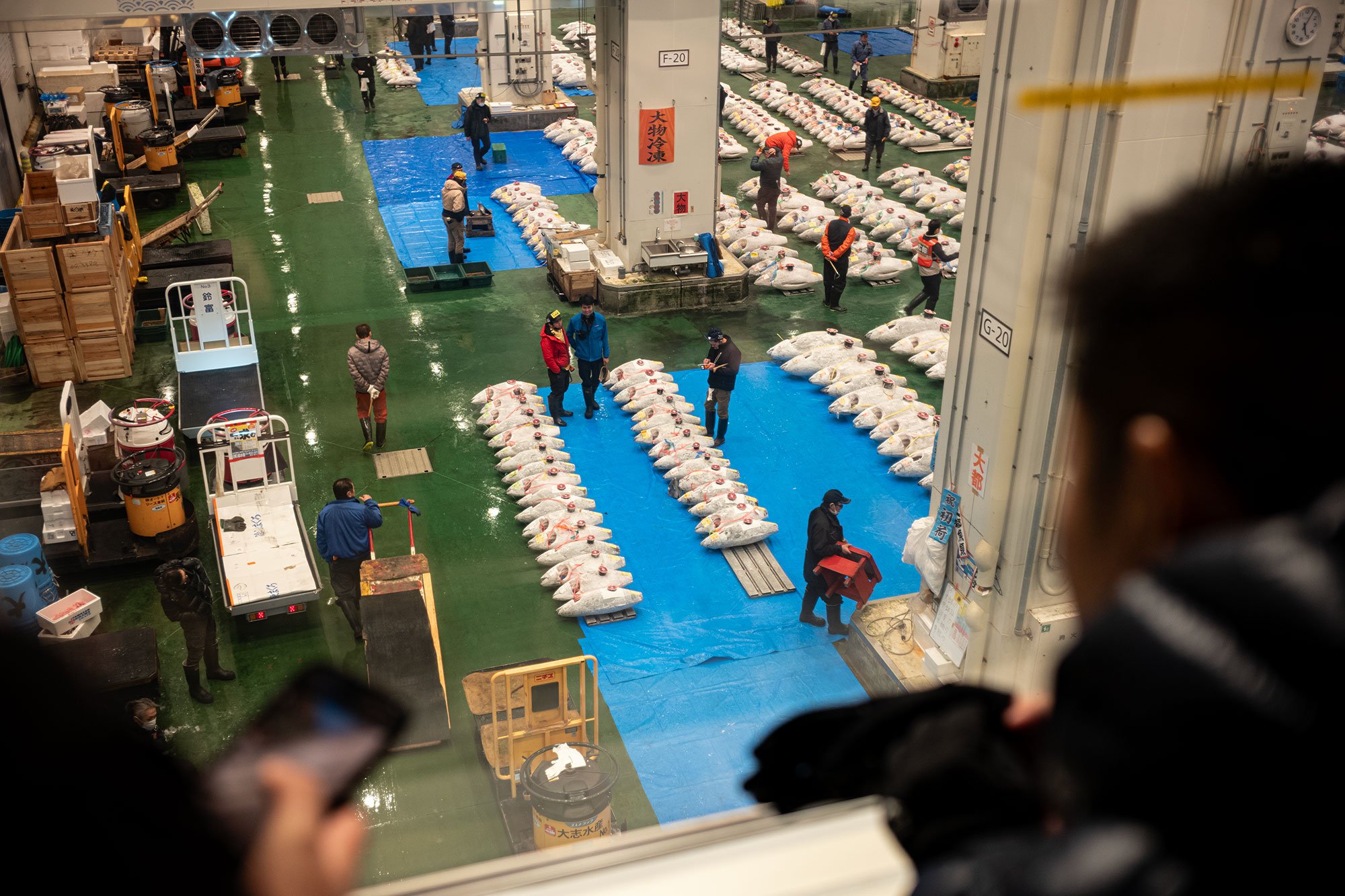
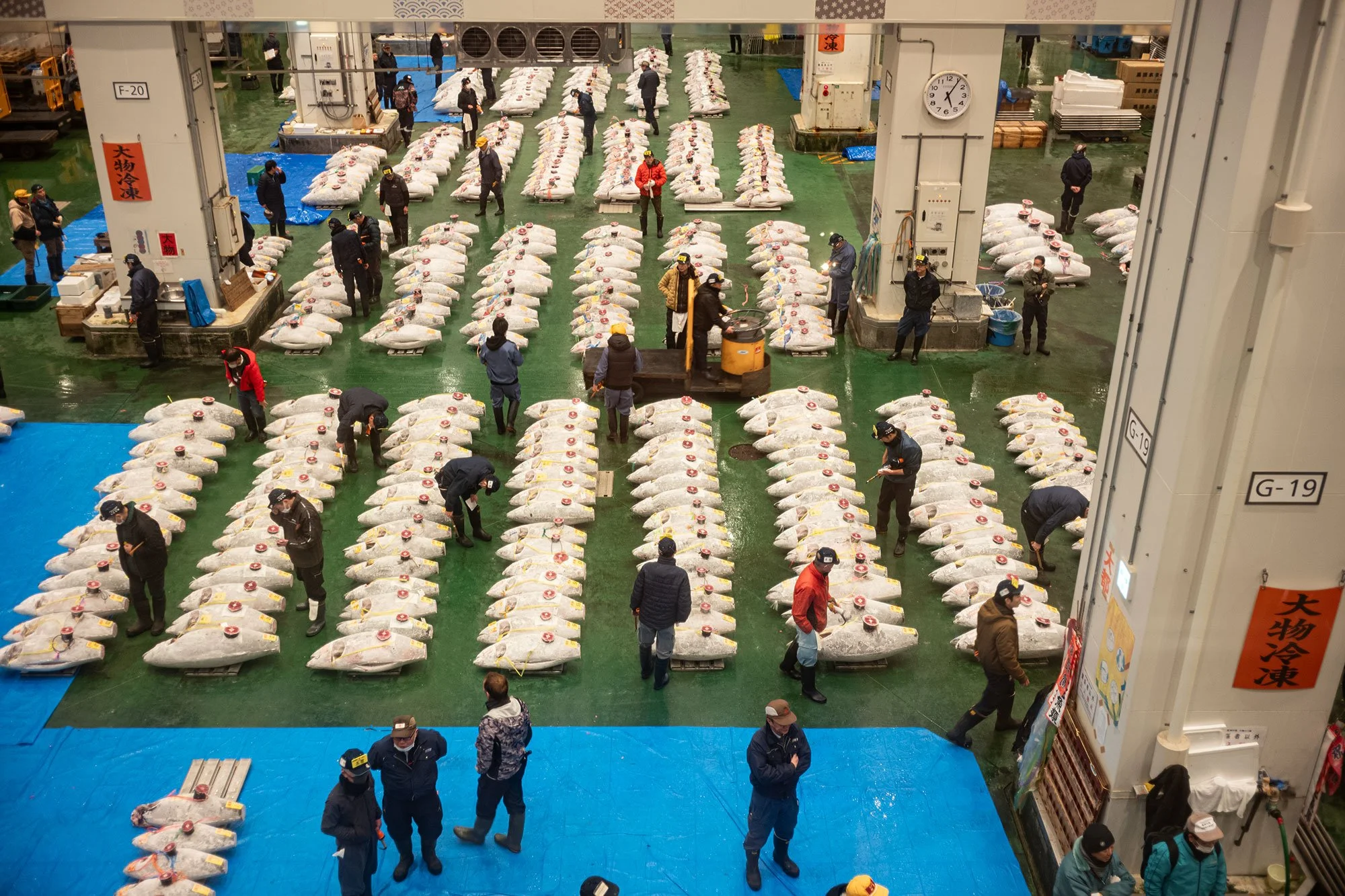
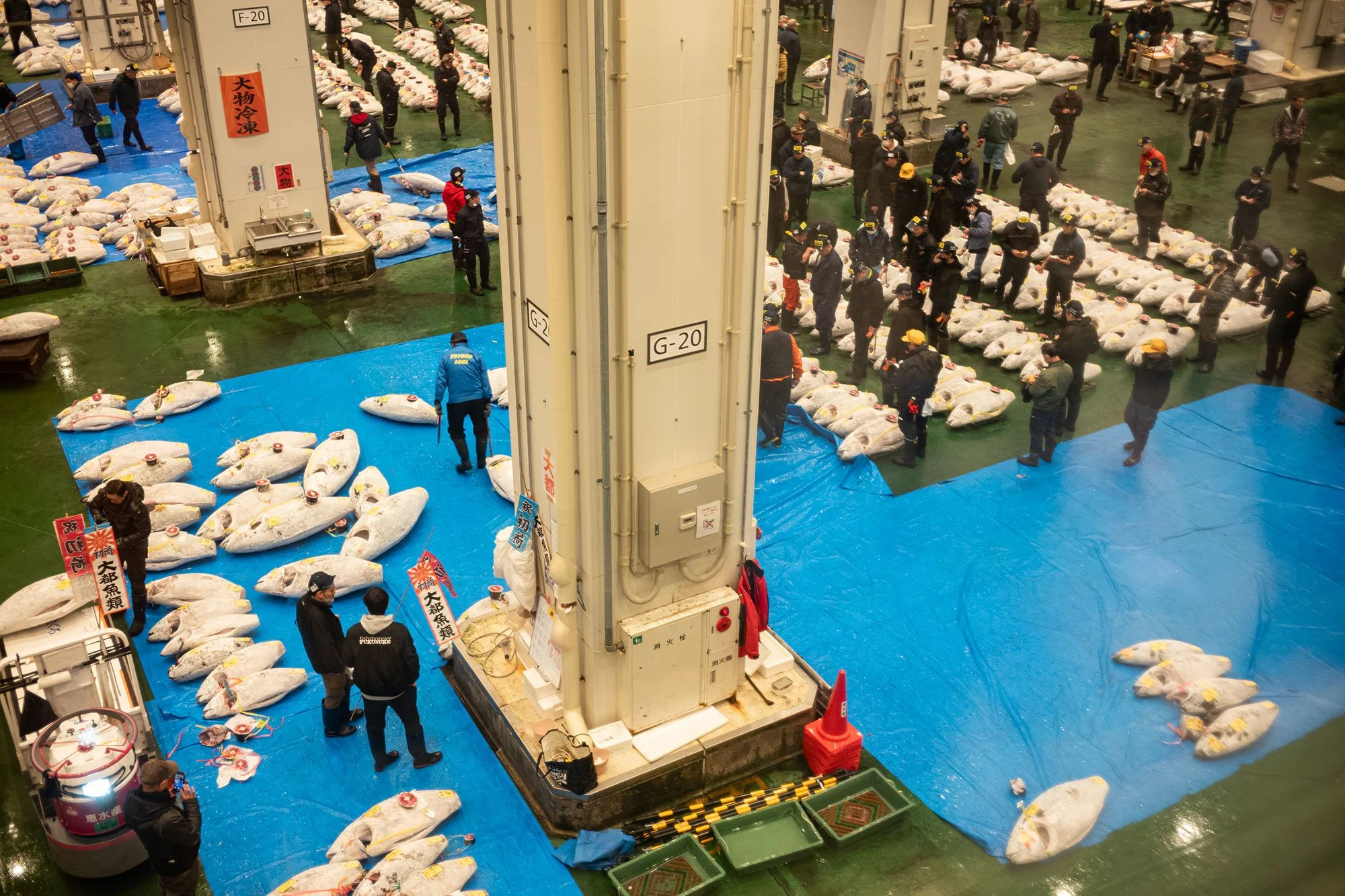
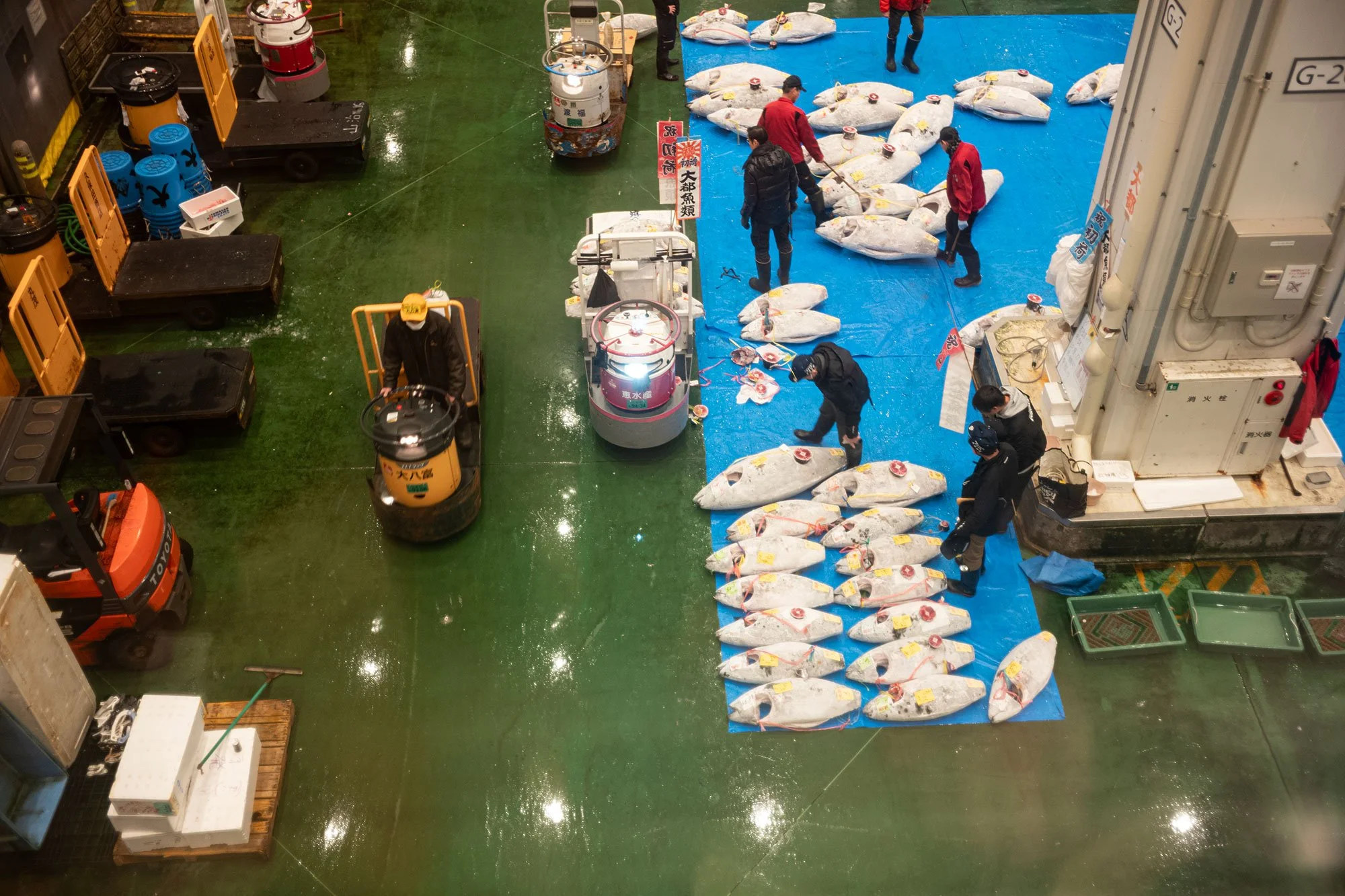
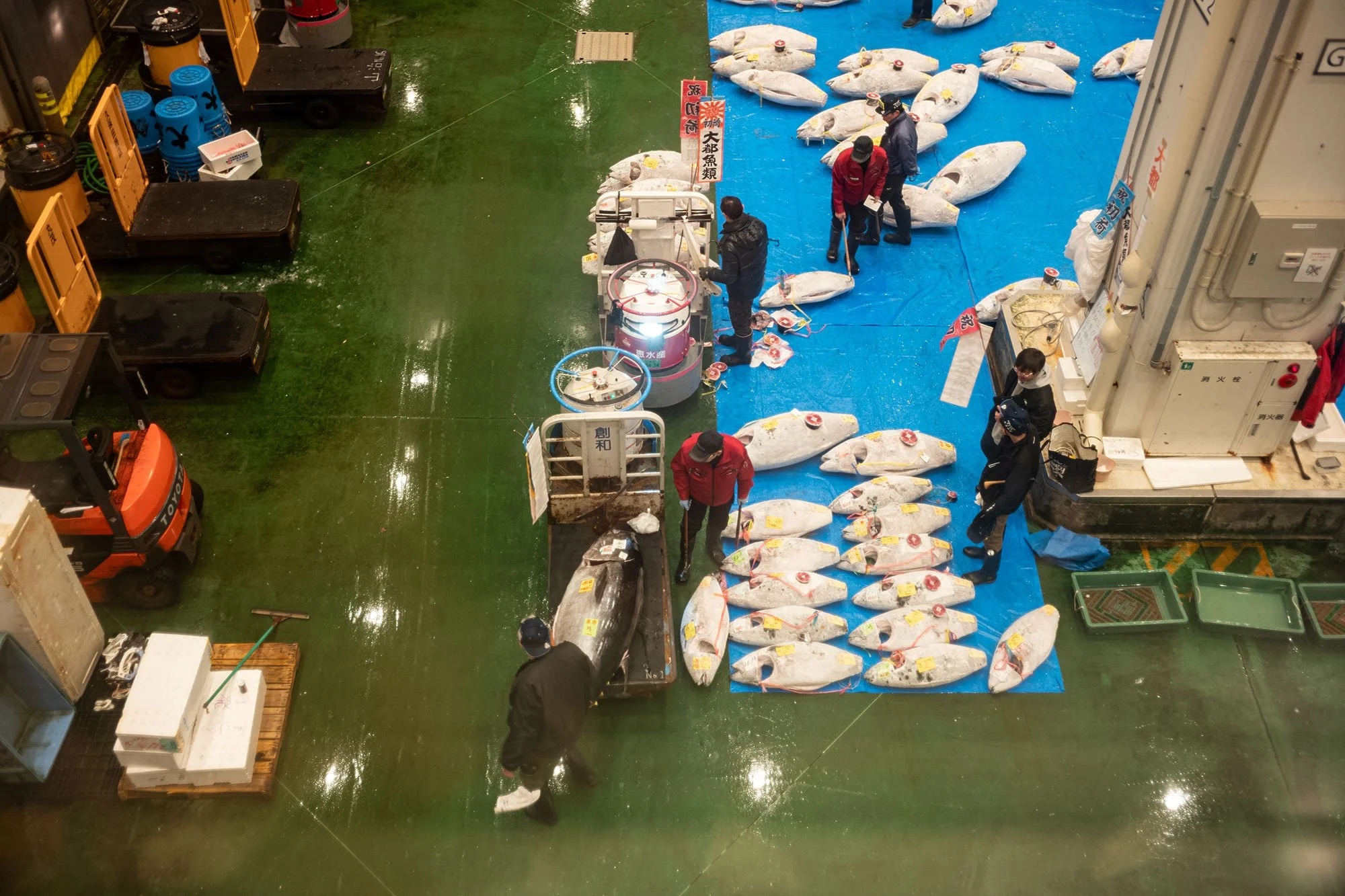
Buyers walk amongst the fish, tasting samples as they weigh the value of each tuna in their minds. I can’t imagine how amazing some of those samples must be.
Rabia meets us just before the auction is to get underway. She explains the process just as the speakers that line the hall come to life. An auctioneer walks to the tuna just before us and stands on a platform as the buyers collect around him.
The auction goes incredibly fast. The auctioneer stands like a conductor, calling out and pointing at each buyer as they make their bids, concluding each sale in seconds. The entire floor of hundreds of fish will be sold in less than 30 minutes.
Afterwards we watch fish being loaded onto flatbed trolleys and whisked away. It’s incredible how efficient the entire process is and how quickly the auction goes.
Afterwards we walk the length of the observation hall to a small room at the end. From here we can almost look into where the fresh tuna market is, underneath where we were standing. Later, we’ll learn that it’s the first auction of the new year and that a 220 kilogram tuna sold for 3.2 million USD. It’s a record. Another record was set for the highest paid for a box of uni at over 213,000 USD.
Rabia tells us that it’s a little bit of a gimmick. Every year a tuna fetches a high price to garner news headlines. A few years ago, a small sushi restaurant paid the highest price for a tuna and used it to market themselves. They now have a chain of locations throughout the country.
She leads us away from the selling floor and to another building within the complex, inviting us into a small sushi restaurant that’s in the process of setting up. The chef has been working for 30 years. He started when he was 15. For the first three years of his apprenticeship he was making rice. He’s in the process of making rice with red vinegar now and scoops some into small bowls for us to taste.
Rabia heads towards the back and returns with a wooden box and some dried bonito. She sits and demonstrates how to shave flakes from the hard blocks of fish. She then invites us to try.
My niece does a great job, shaving long thin flakes with relative ease. I find myself creating small shavings and Rabia has to show me how better to hold the fish to create the flakes we’re used to seeing in restaurants and dancing on okonomiyaki.
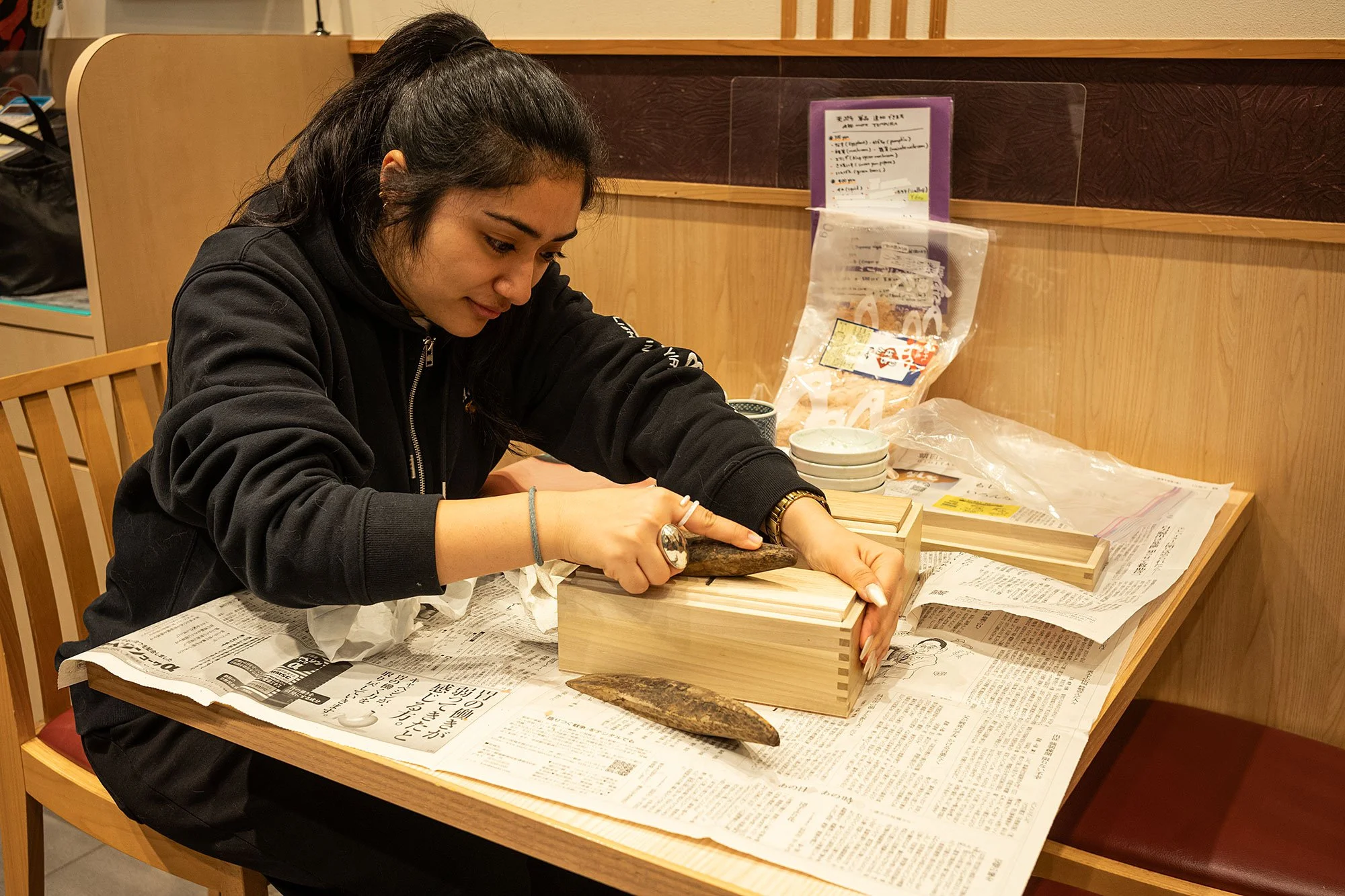
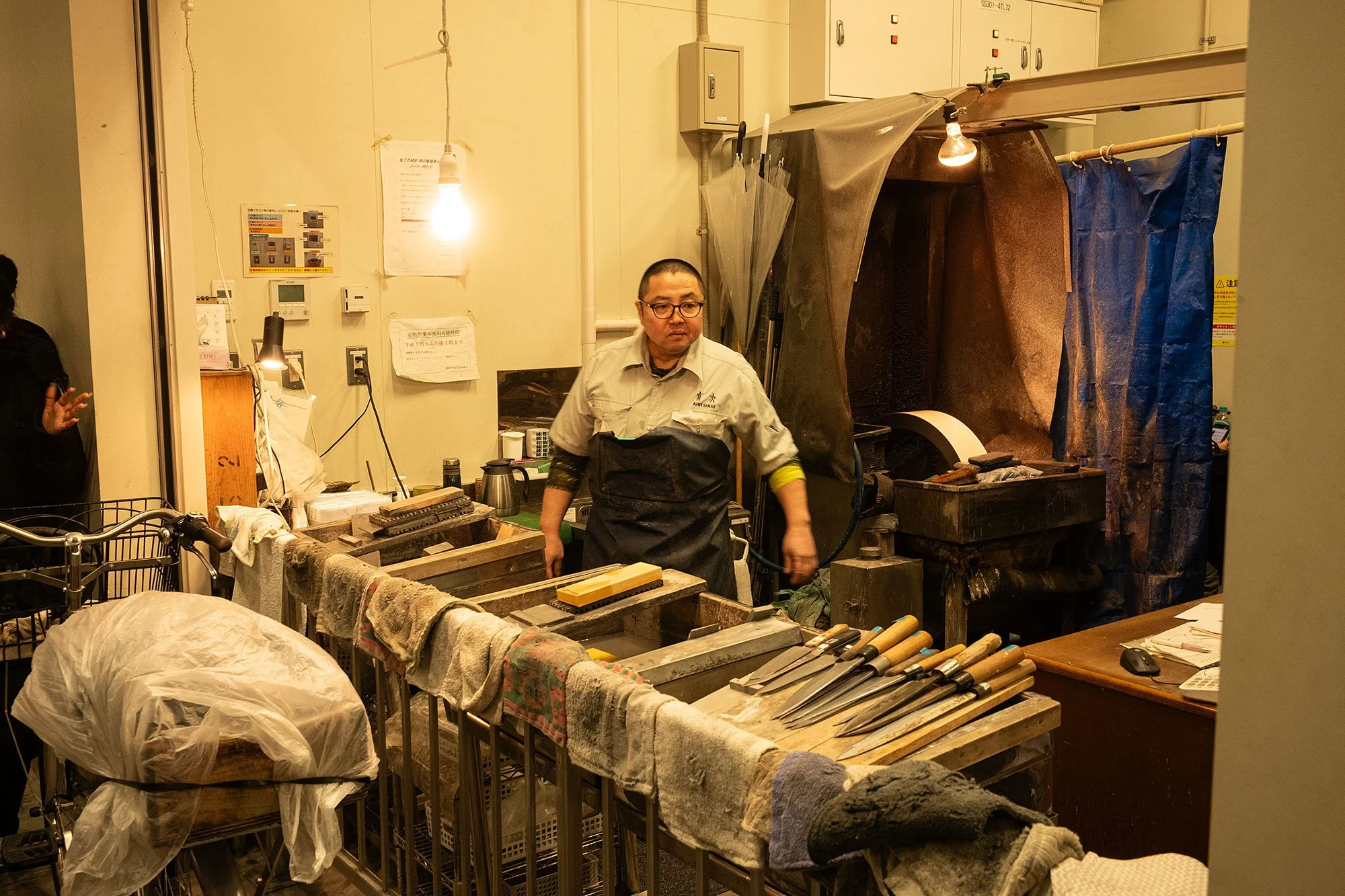
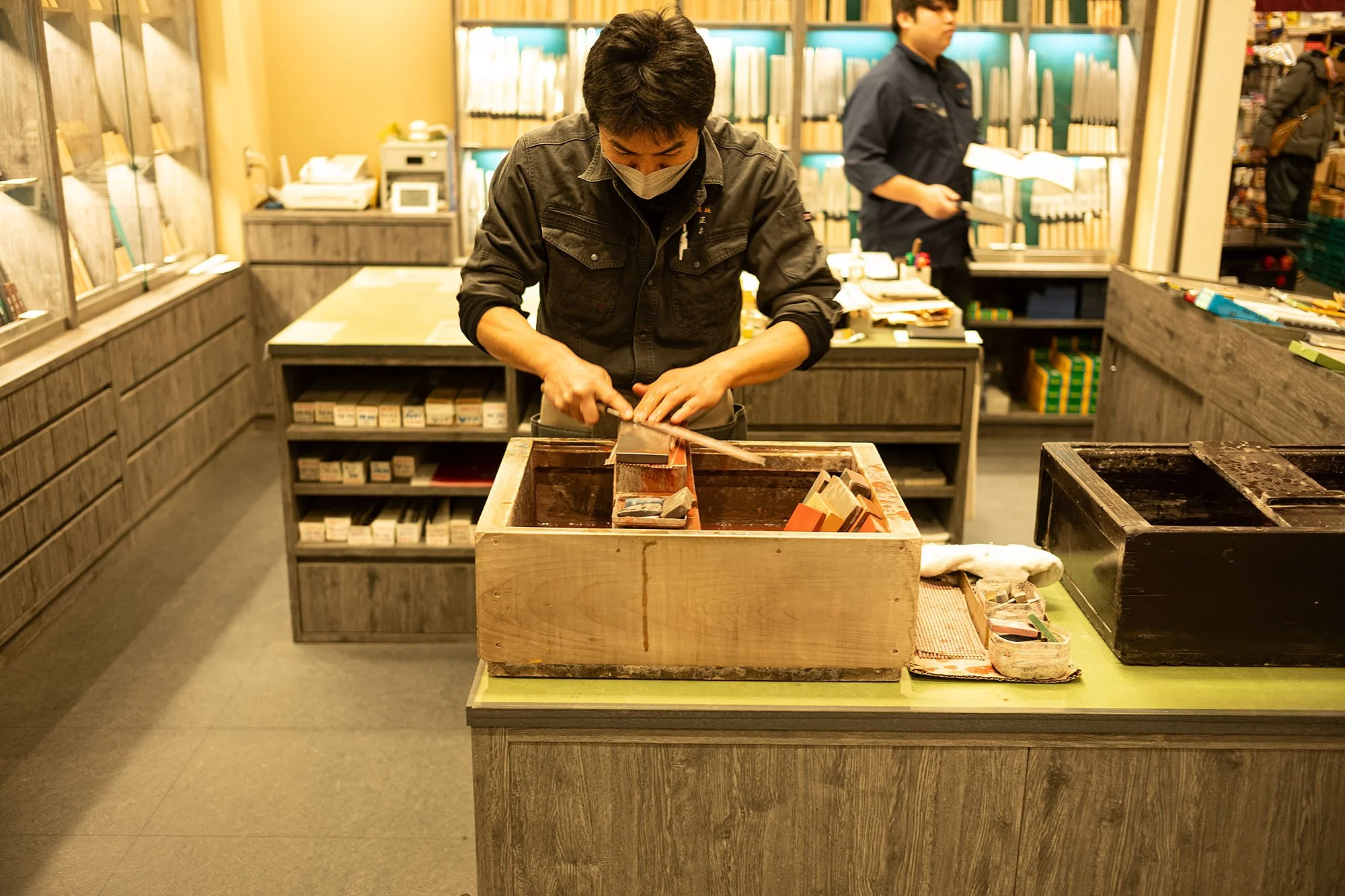
We’re given bowls of soup and try our shavings before heading off to see more of the market. Rabia guides us through a maze of hallways and stalls, pausing before a knife shop where we can watch the artisans sharpen and polish knives.
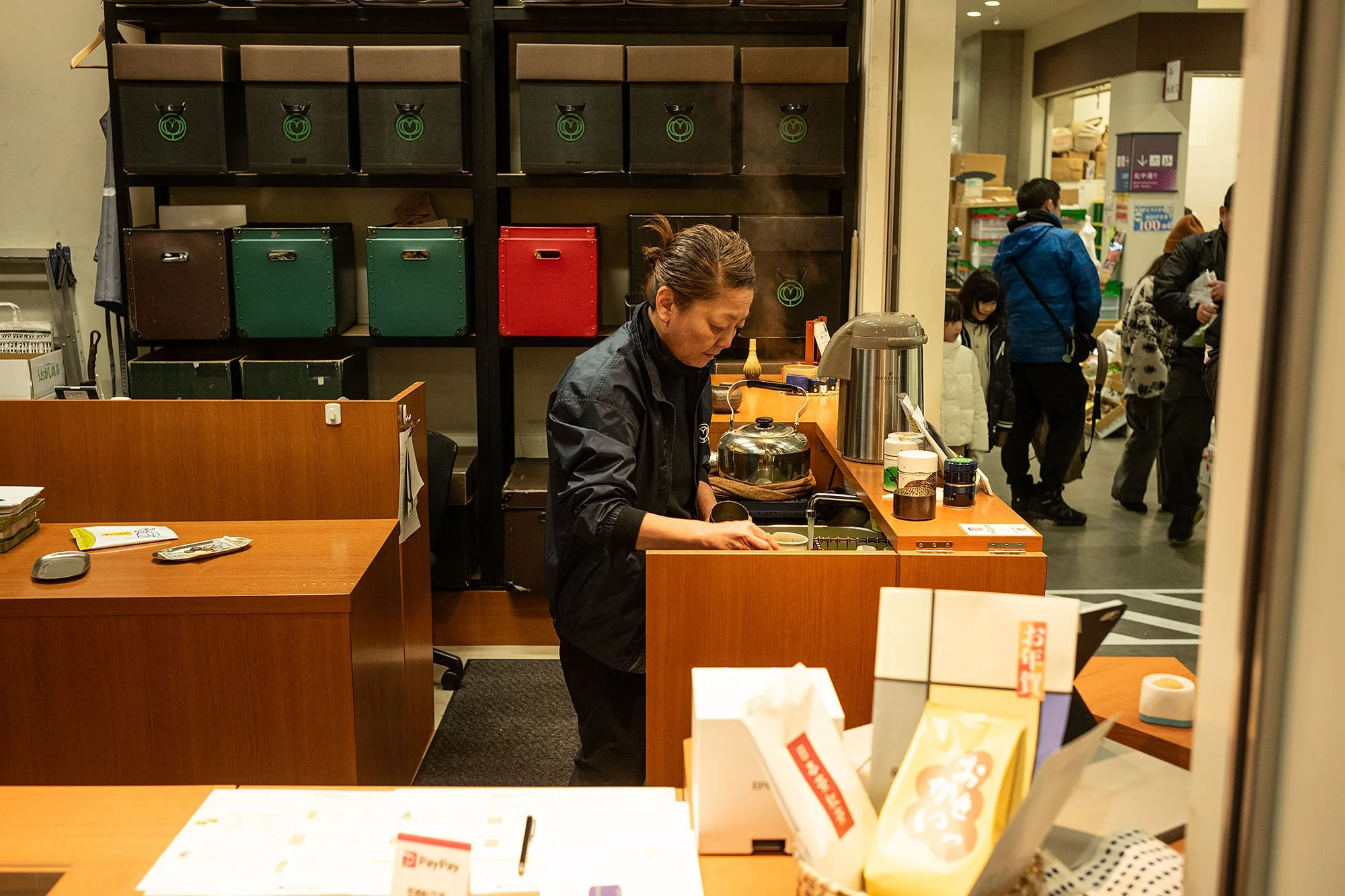
We continue walking and Rabia leads us to tea shop where she has us sample their green tea. A woman makes each cup for us and while we wait I wander the nearby stalls.
Just across from the tea place there’s a fresh fruit and vegetable stall. I see fresh wasabi for sale and some beautiful strawberries. While in Hokkaido one of my cousins and I bought expensive fruit from a market as a treat. Here, the fruit is even more expensive, but the strawberries are more plump and I can’t resist trying them before we get our tea.
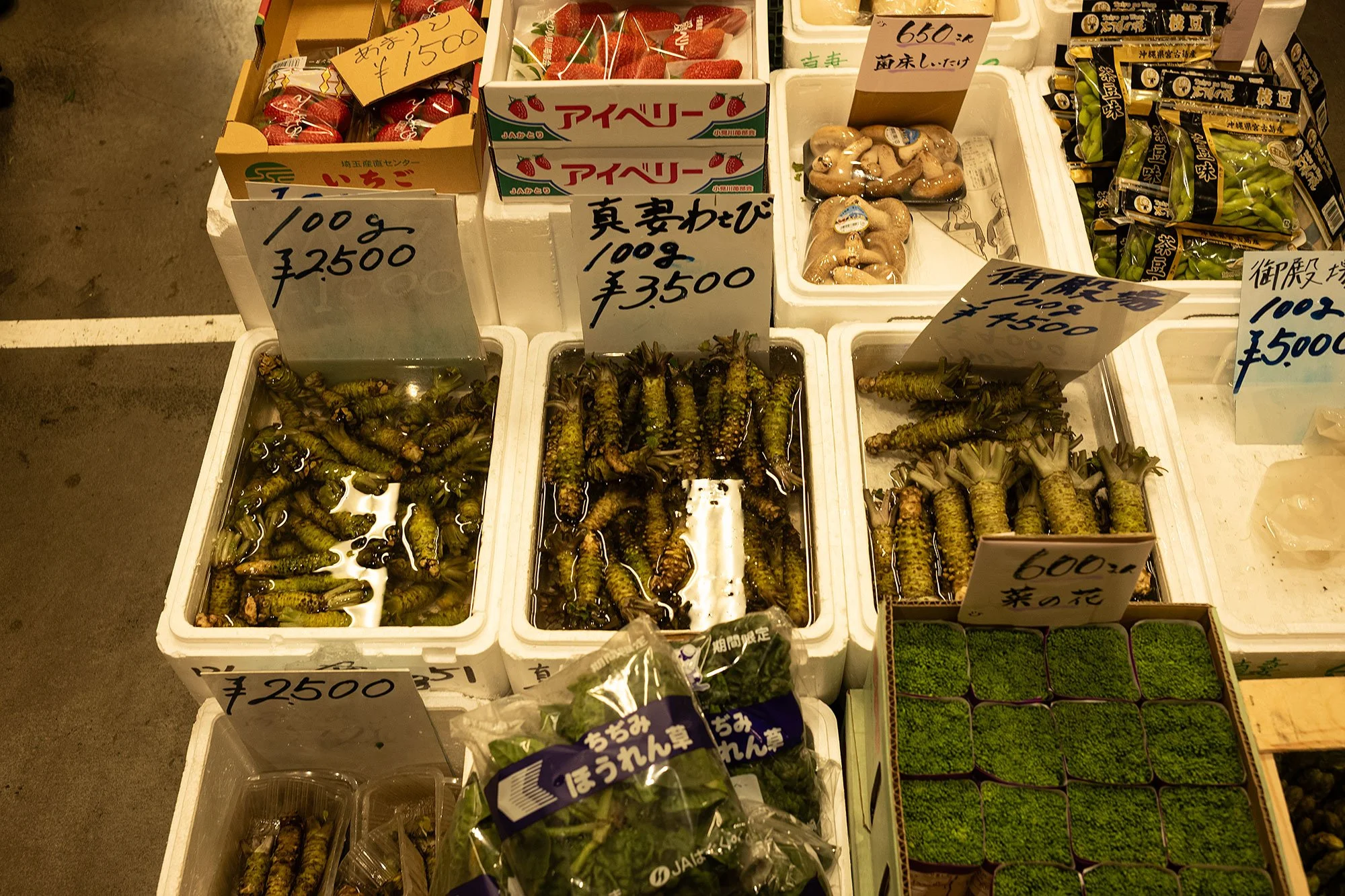
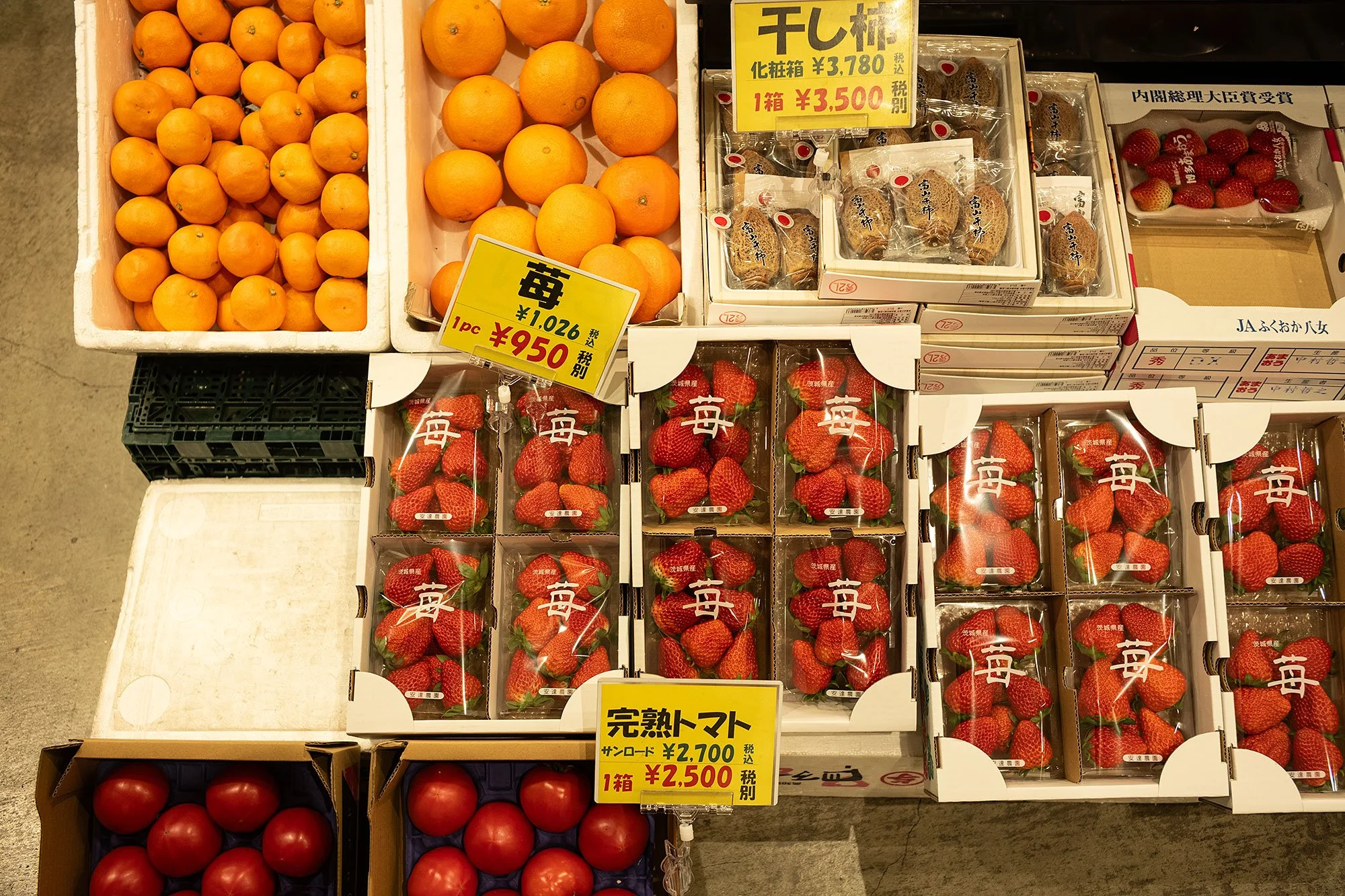
I bring a box back to my niece and share them with Deon and Naoko, a couple from San Francisco who are on the tour. Are they the most expensive strawberries I’ve ever bought? Yes. Are they some of the most delicious? Also yes.
After tea Rabia takes us to Sushi Dai. There’s a line outside but we have reservations and we wait for our appointed time. I invite her to join us and she inquires, but unfortunately she can’t secure a seat at the last minute.
While we wait to be seated I chat with Rabia and learn she has Pakistani and Japanese ancestry. Her father was a diplomat from Pakistan. She was born and raised in Tokyo, spending more time here than in her home country.
Soon a large group leaves the restaurant and we’re invited in. We’re seated at the end of the counter next to our new friends from San Francisco. The chef asks if we’re ready to begin and starts preparing our first bite.
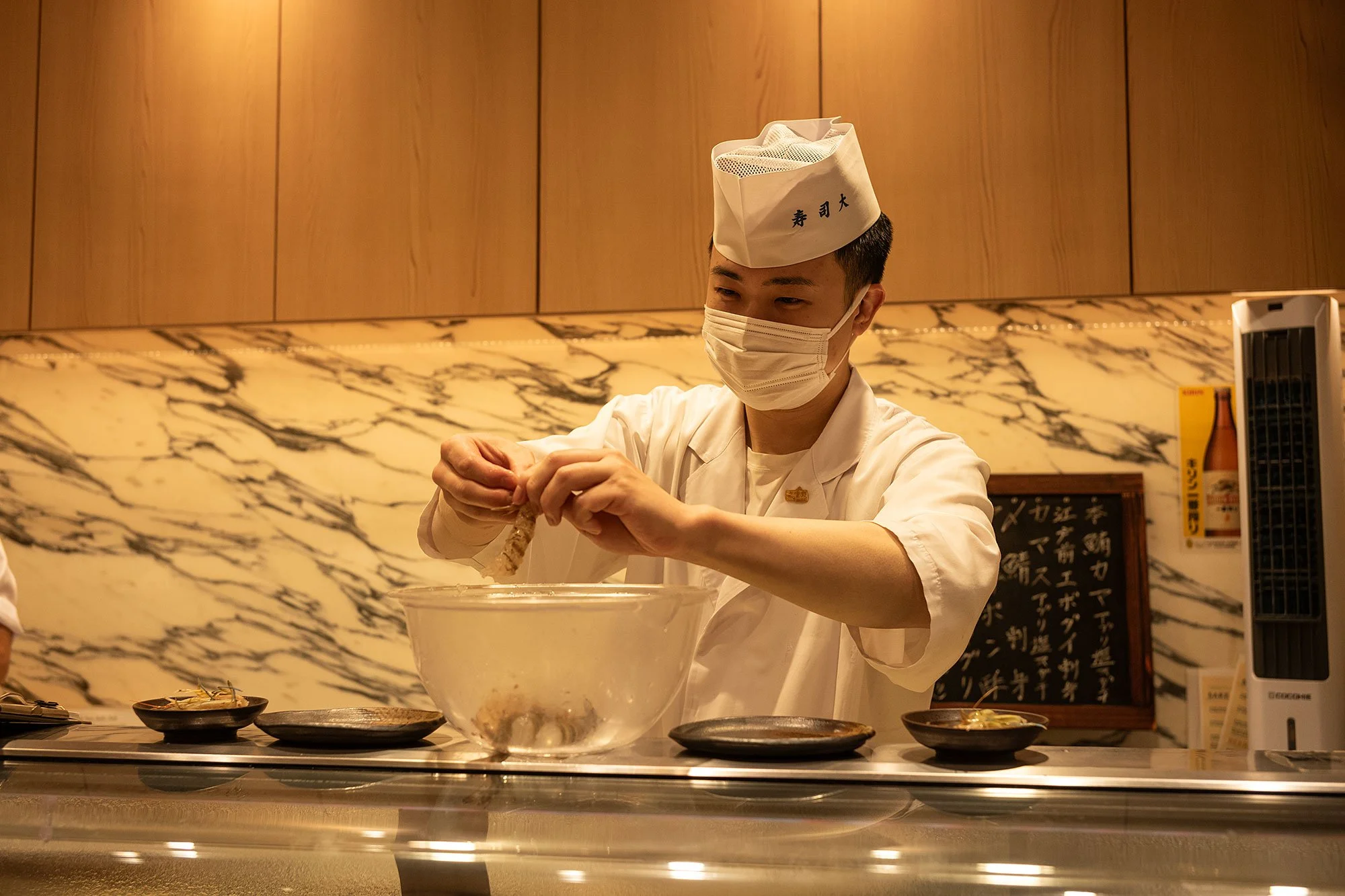
Breakfast is delicious. At the end chef asks if we’d like any more pieces. I’m tempted, but I’ve also paid for breakfast back at the hotel and have the option of a second breakfast. It’s my niece’s first time having sushi for breakfast. It takes her a moment to adjust to the fact, but once she does she goes all in.
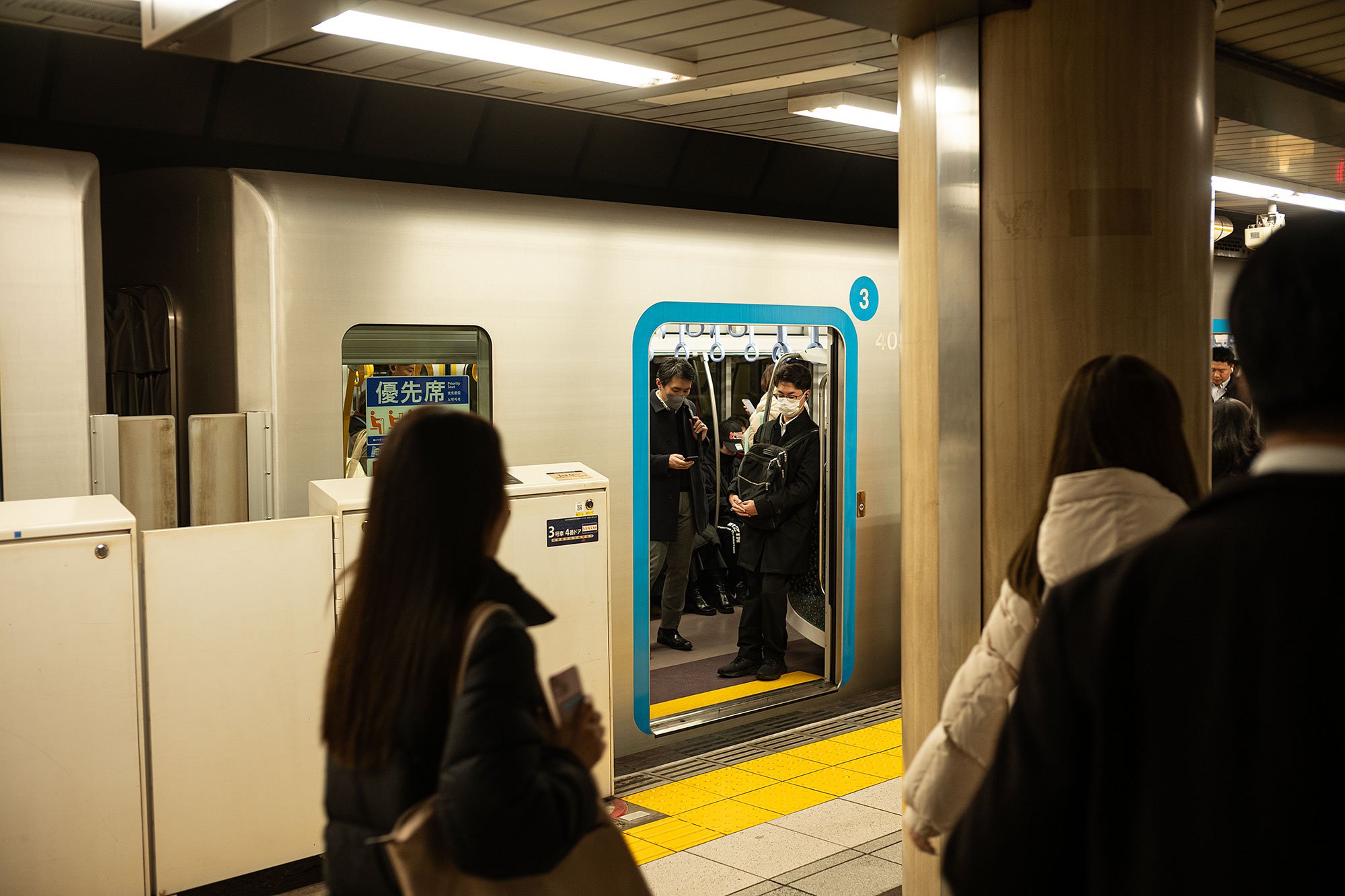
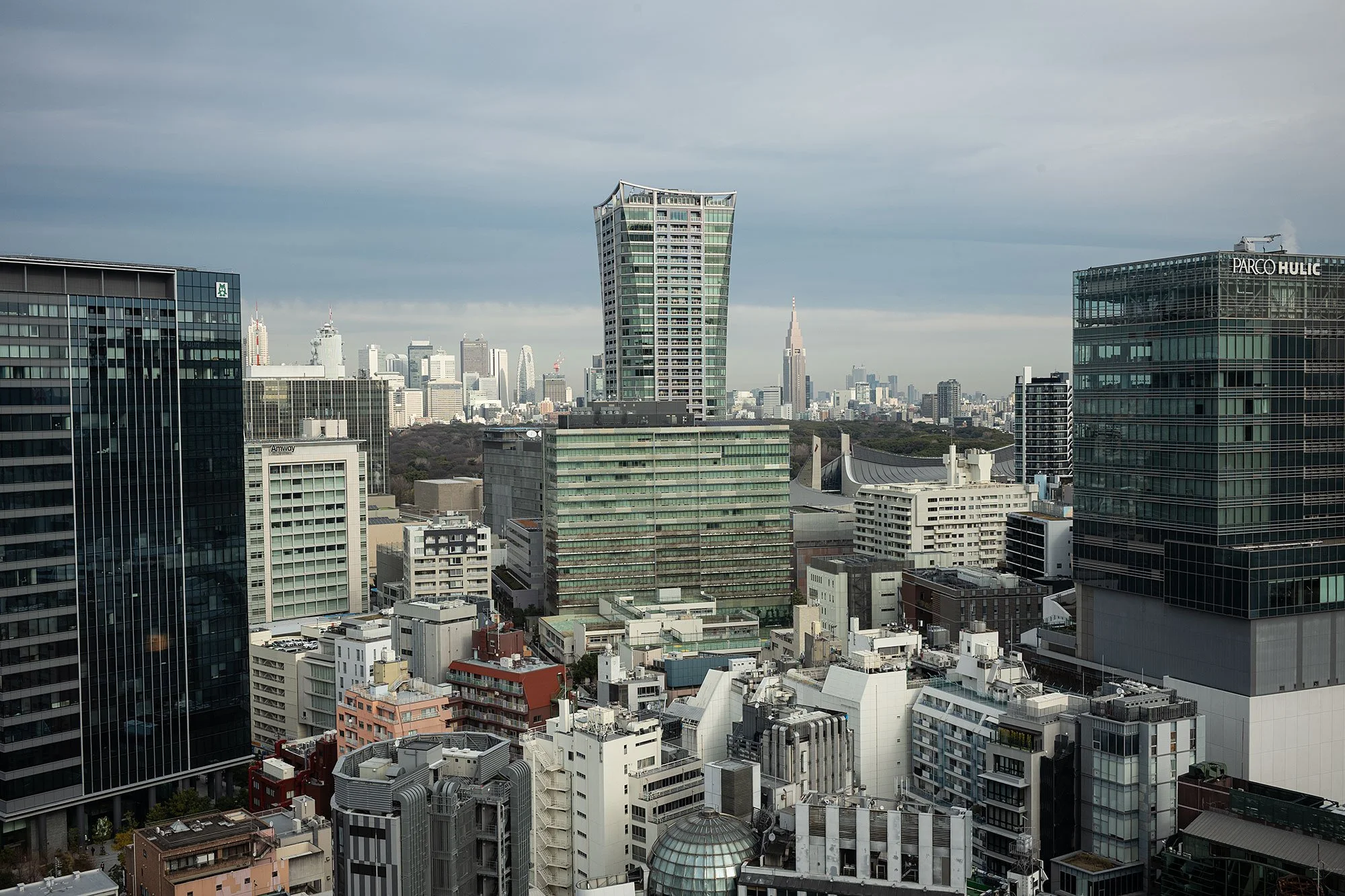
We take the subway back to the hotel. My niece has a zoom meeting to discuss moving into the dorms and she heads up to the room. I walk to the dining room, grab a seat, order second breakfast, and then get up to see what else is on offer at the buffet.
It’s a very good hotel breakfast and my niece joins me just before they’re about to close. We’re not quite the last ones in the dining room, but still I thank the staff for letting us linger.
Leaving the hotel I ask my niece if she wants to navigate. She does and for the rest of the day I follow her lead.
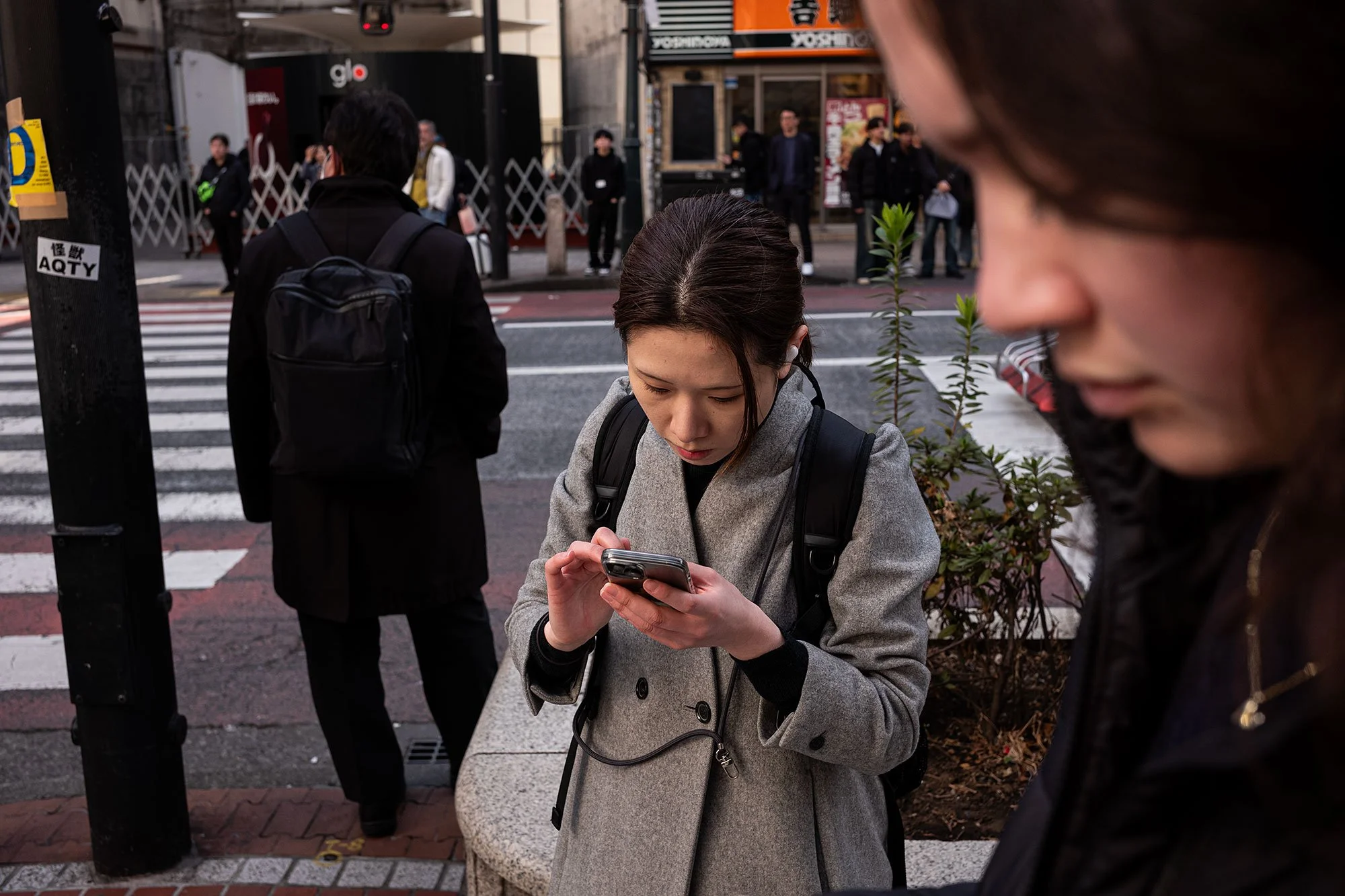
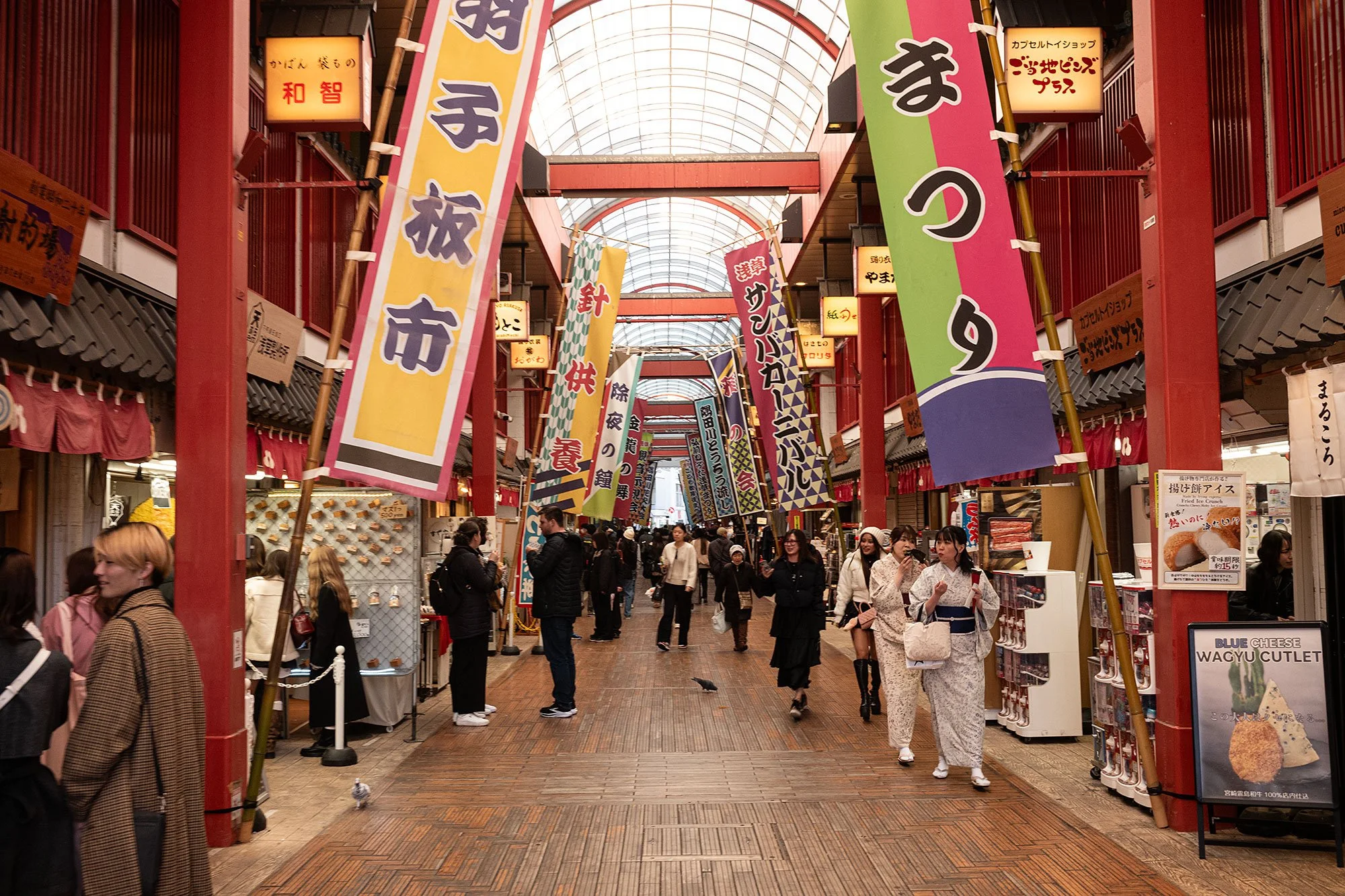
Originally, my niece wanted to see the gardens by the royal palace. Unfortunately, it’s closed for the day. Instead, we take the subway to Senso ji, a Buddhist temple in the Asakusa neighborhood of Tokyo. Dedicated to Kannon, the bodhisattva of compassion, it’s a large complex including a main hall and five-story pagoda. A pedestrian street leads to the main gates, flanked with stalls.
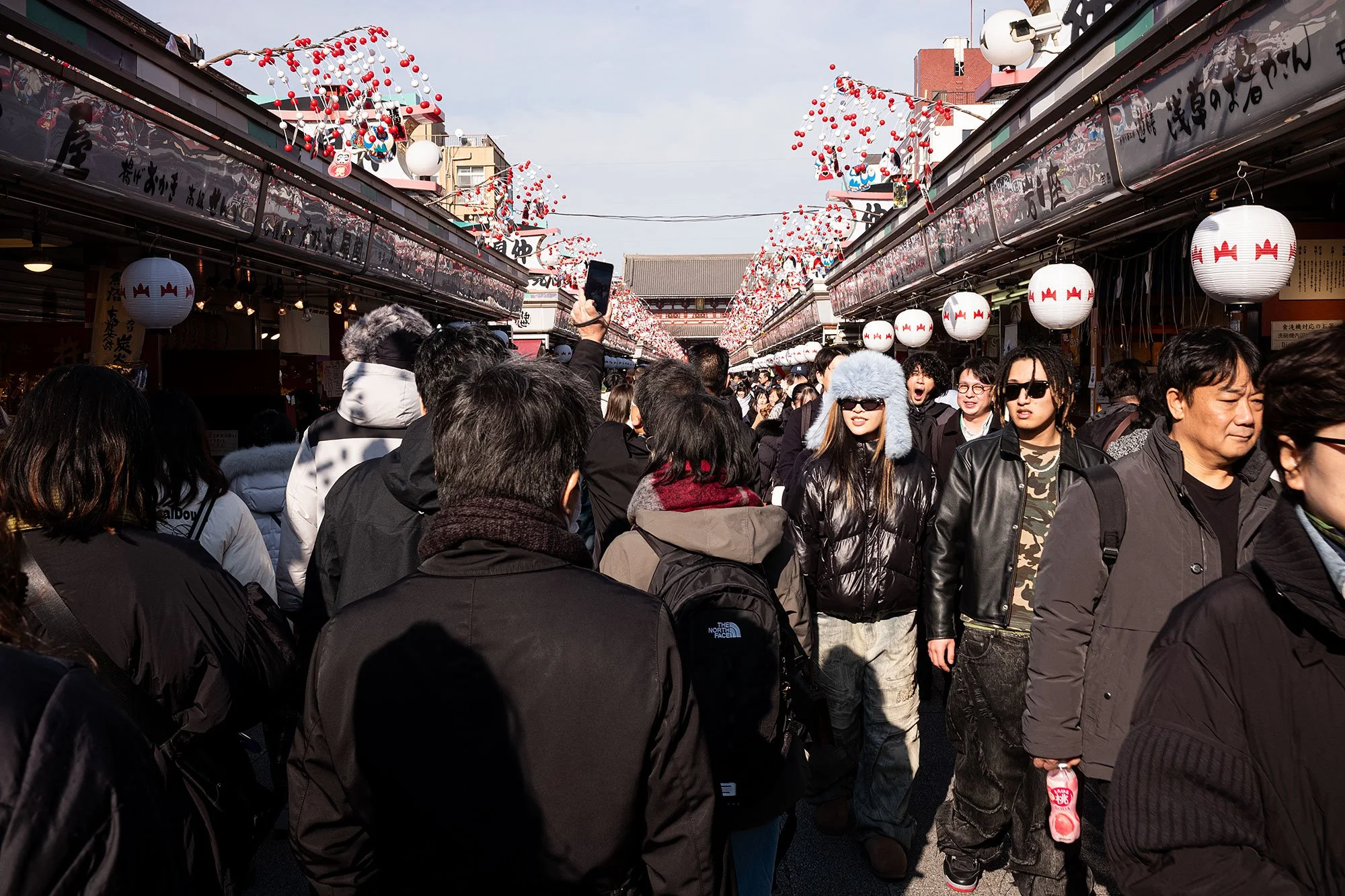
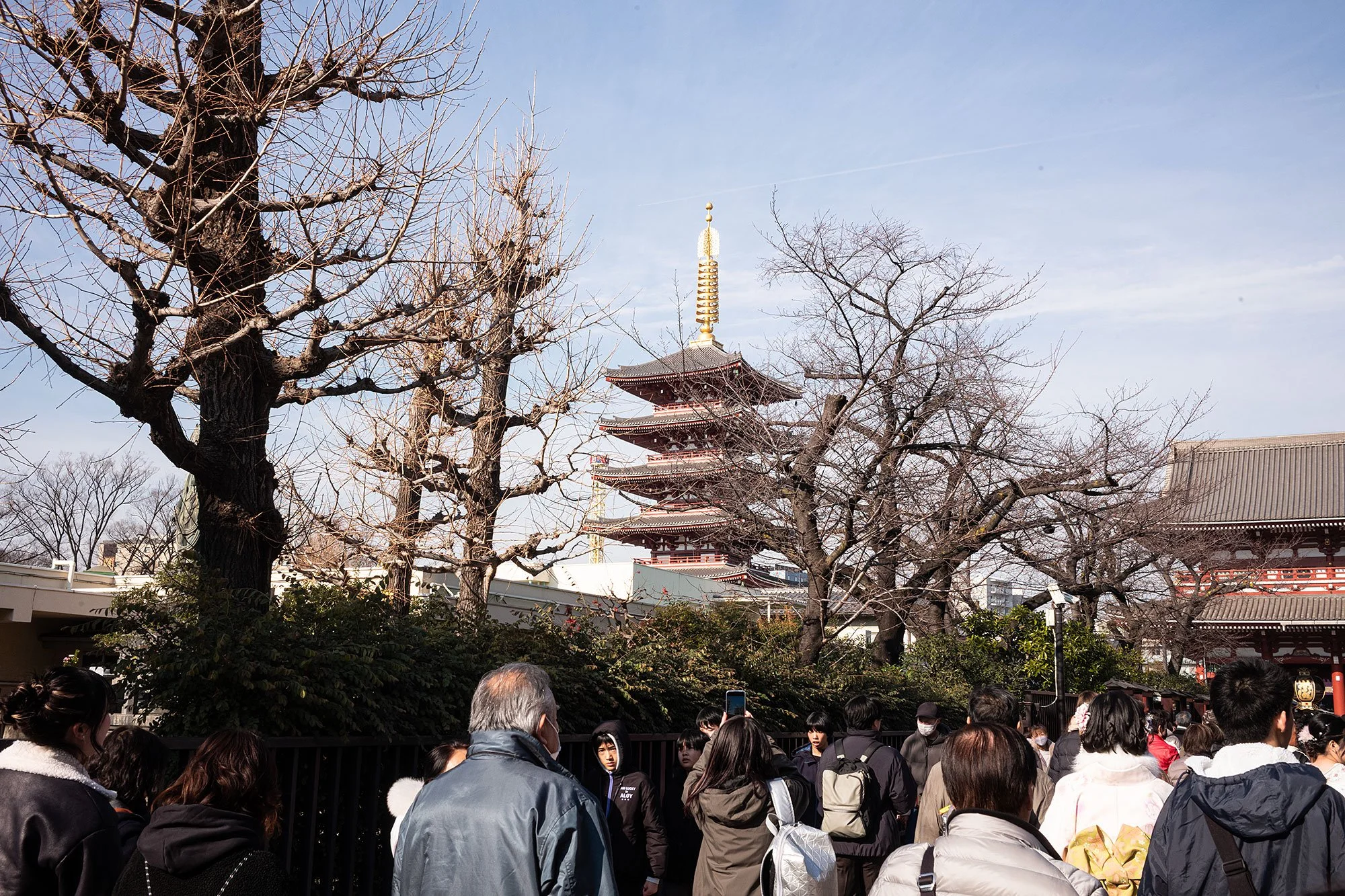
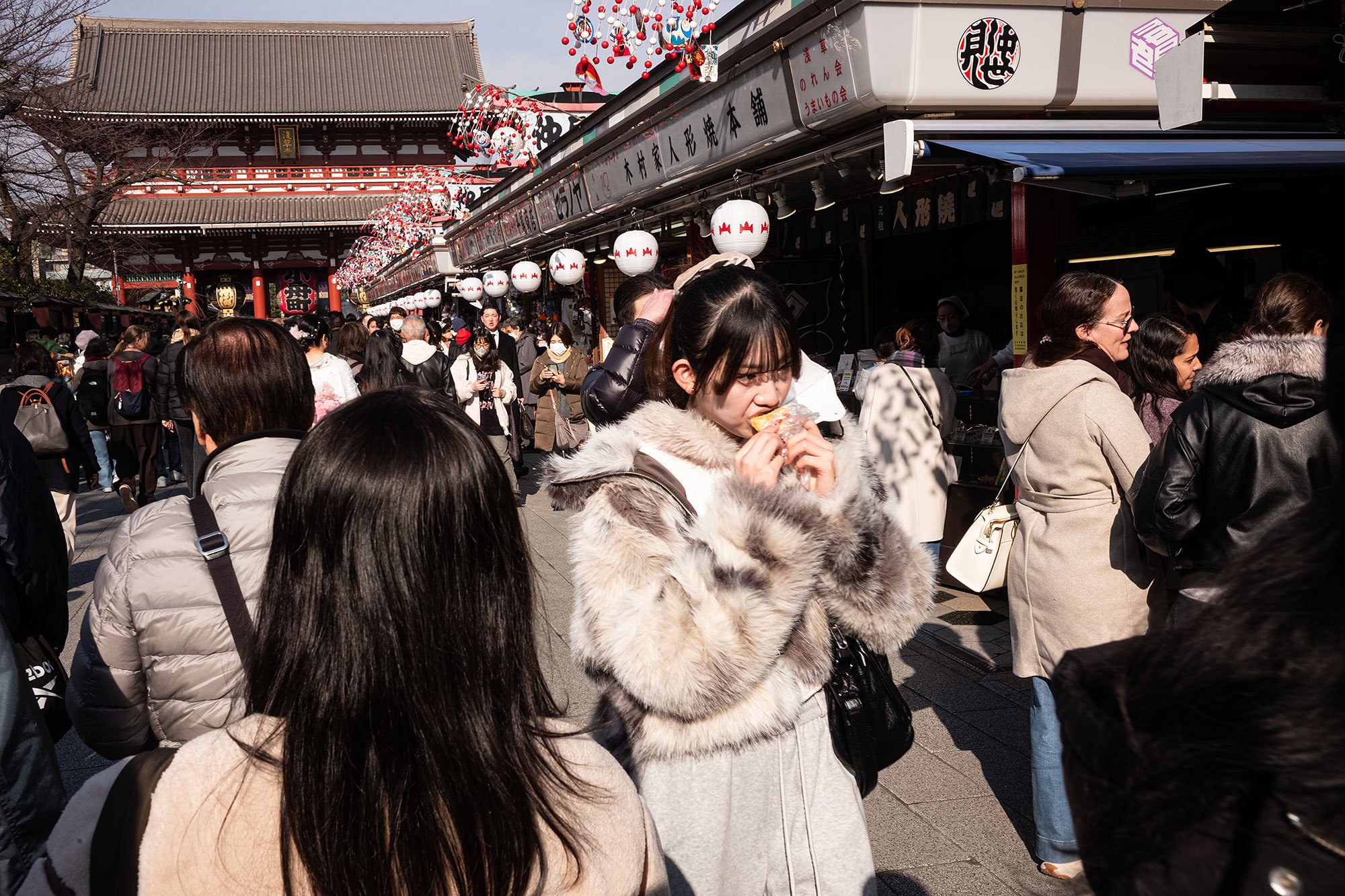
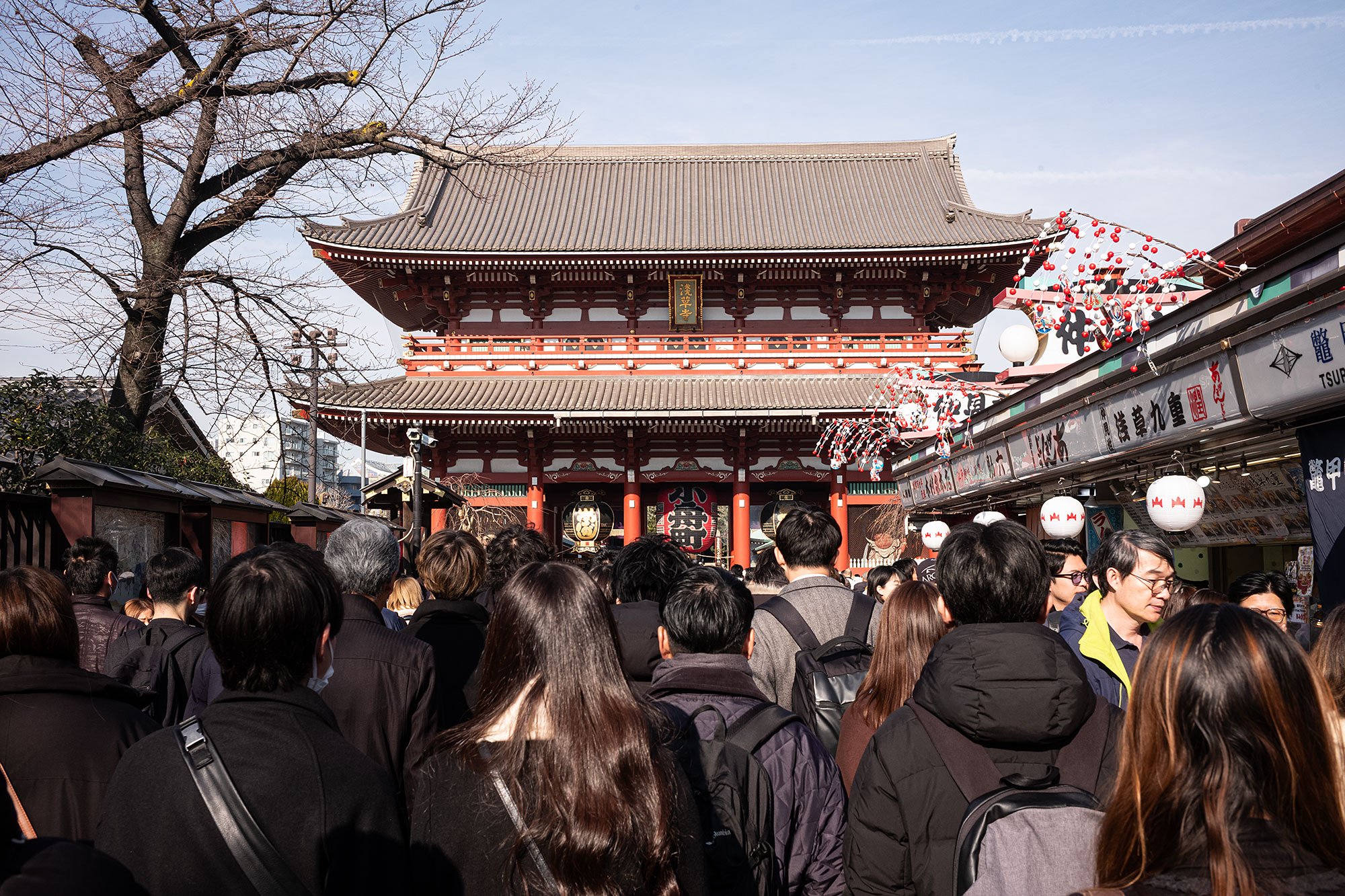
The streets are packed. I’m surprised how much I remember of the location, having last visited some twenty years ago. We walk down the mall, checking out various shops. I buy some postcards at one, my niece gifts for herself and friends.
We walk inside the main hall and pay our respects before exiting out the side to explore more of the complex and the temple grounds.
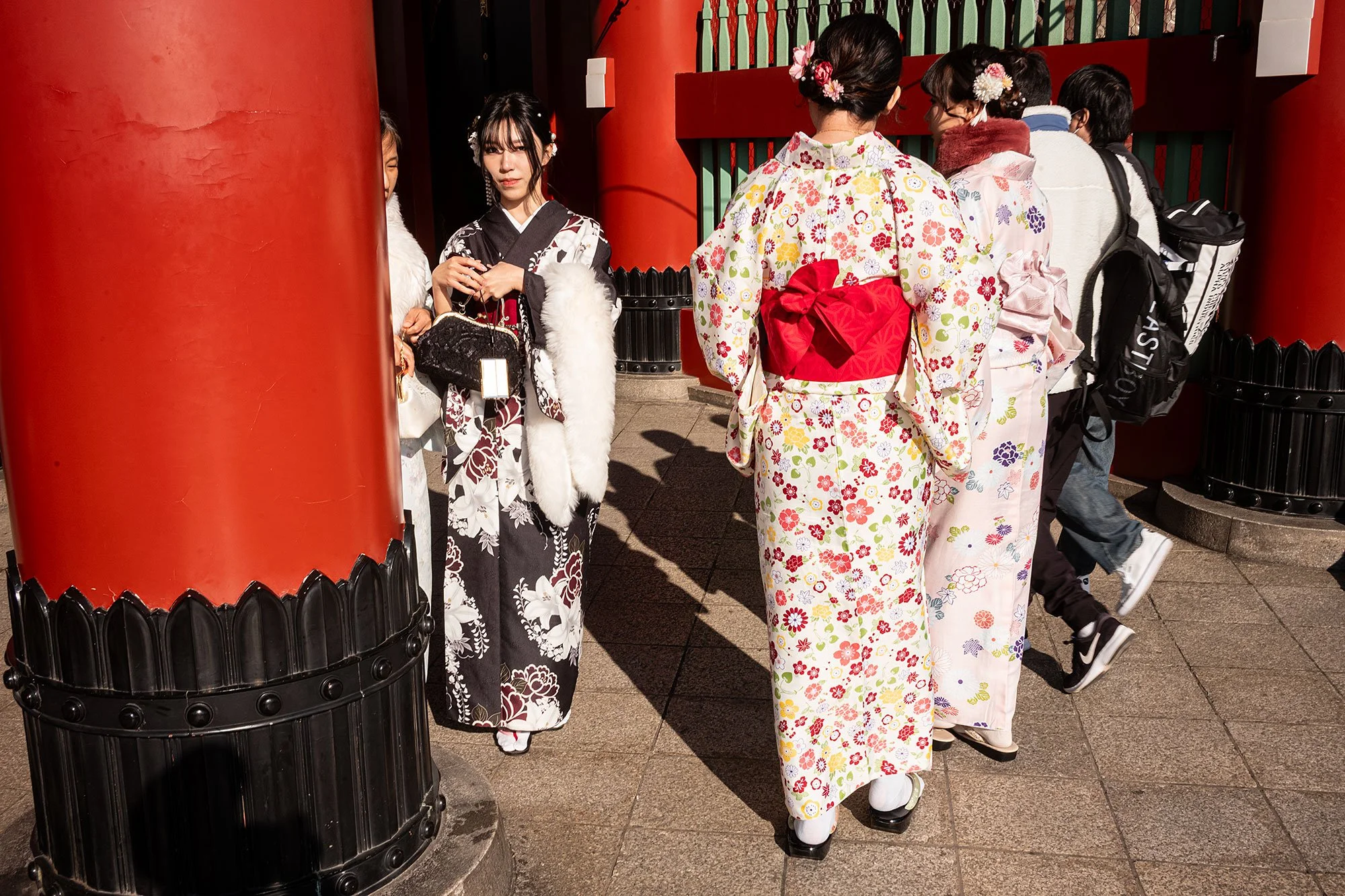
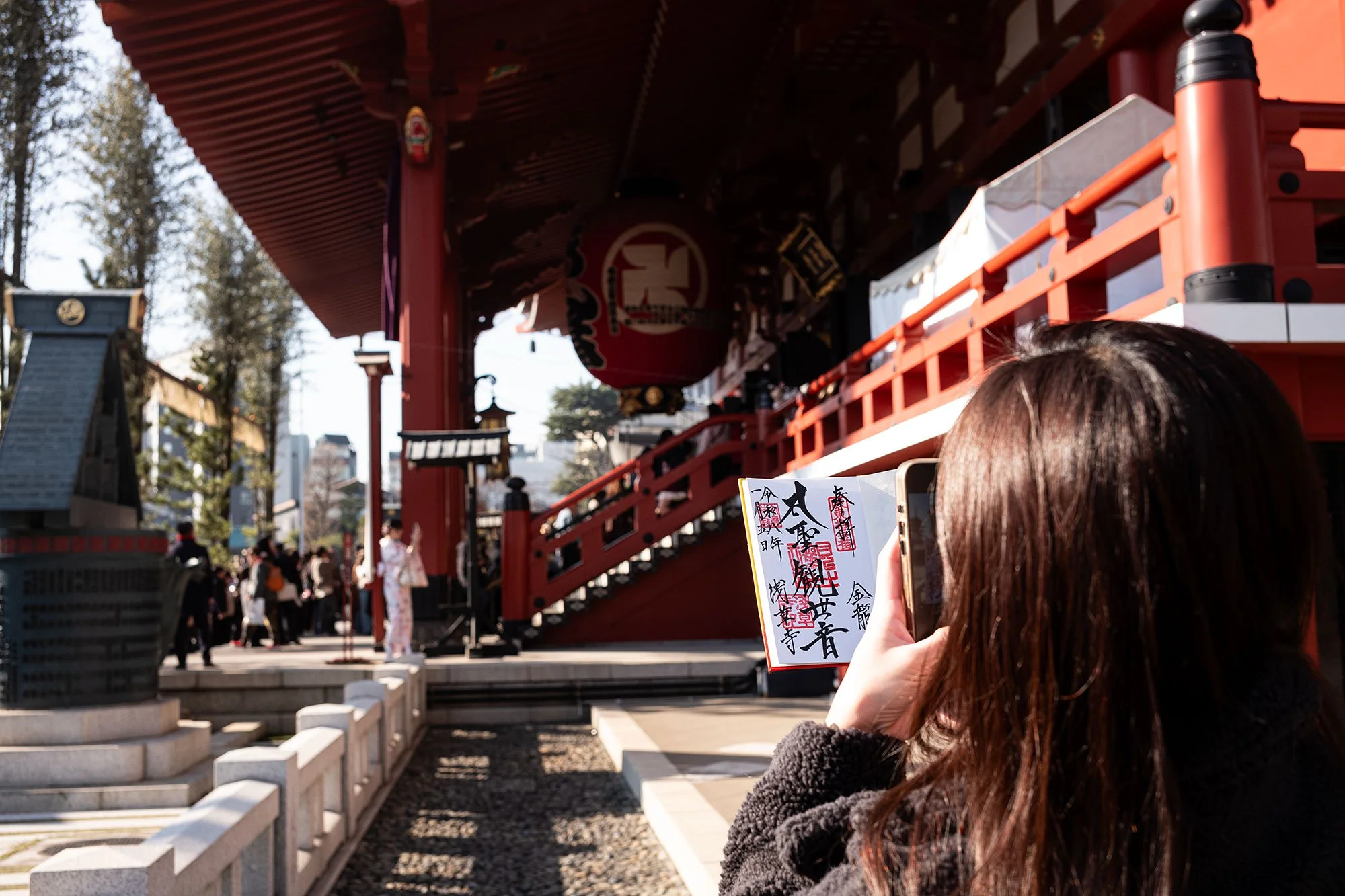
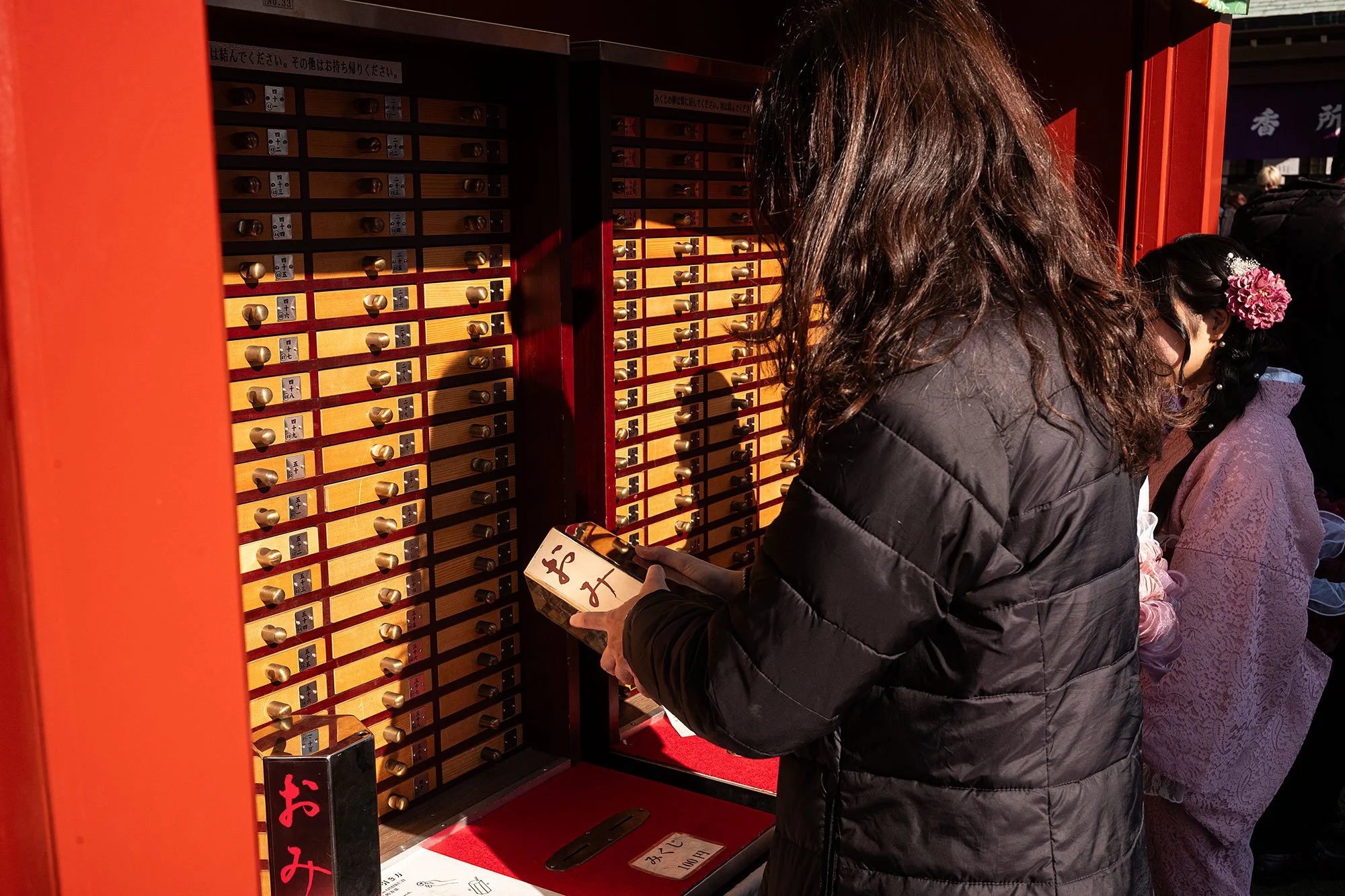
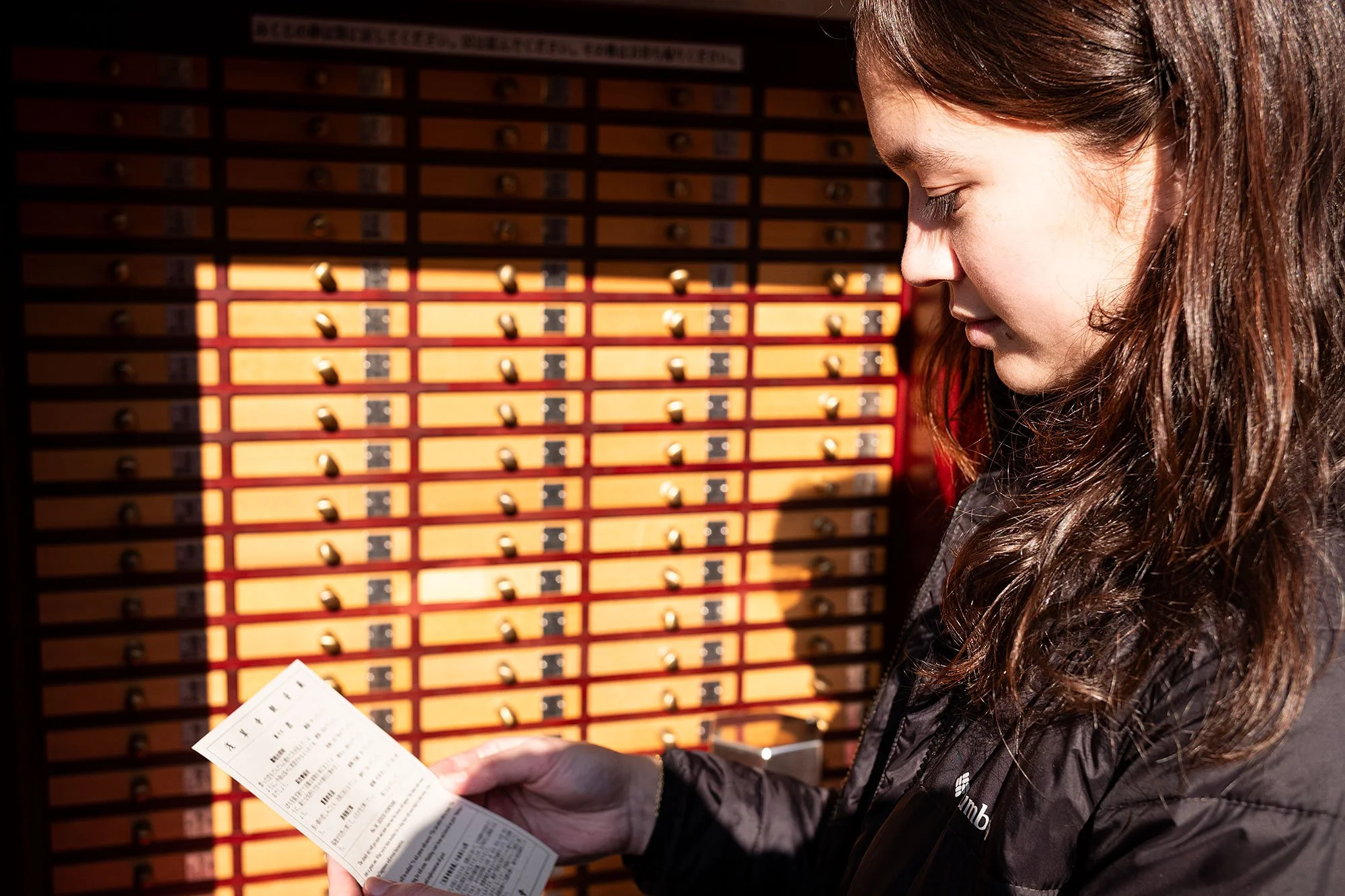
At one corner of the temple there’s a spot to collect an omikuji fortune. I’ve never done it before but my niece is game and I follow suit.
We stop before the cabinet of drawers and pick up a metal container of sticks sitting before it. We shake the cup and each select a stick. A number on the stick corresponds to a numbered drawer and we open our drawers to slip a white piece of paper out of each.
My niece obtains a great blessing. It’s glowing and she glows after reading it. Mine is mid. I also learn that if you receive a bad blessing you can tie it to a rack beside the drawers in order to leave it (and the bad luck) behind you. I’d never known what the racks of white paper had meant and I’m glad to finally have learned.
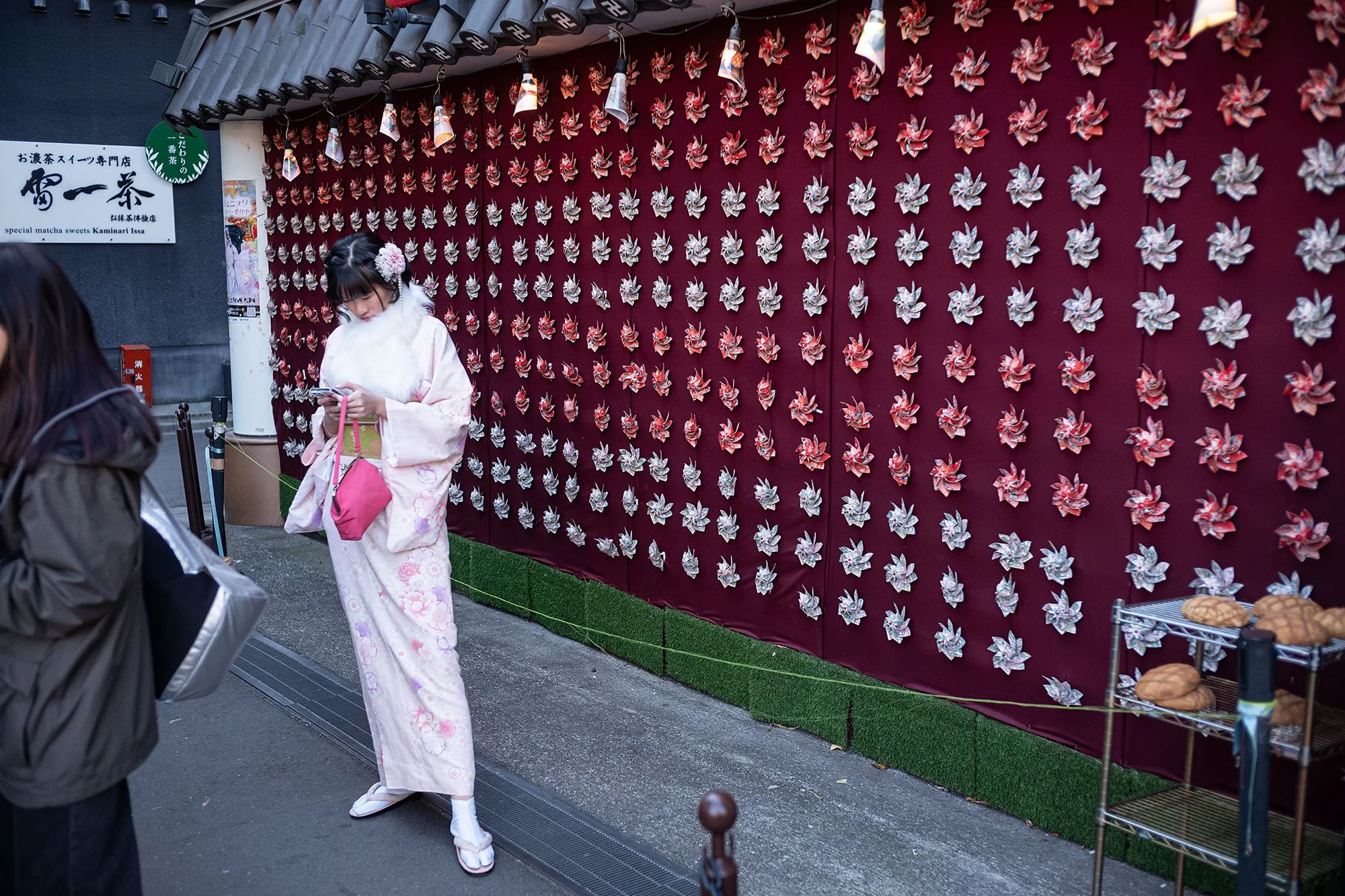
We leave the main area to explore the area around the temple and the pedestrian mall. Just a block away restaurants and shops line another pedestrian area and I stop into a shop to buy some chocolates. They’re packaged in beautiful boxes and I buy them partially for the art.
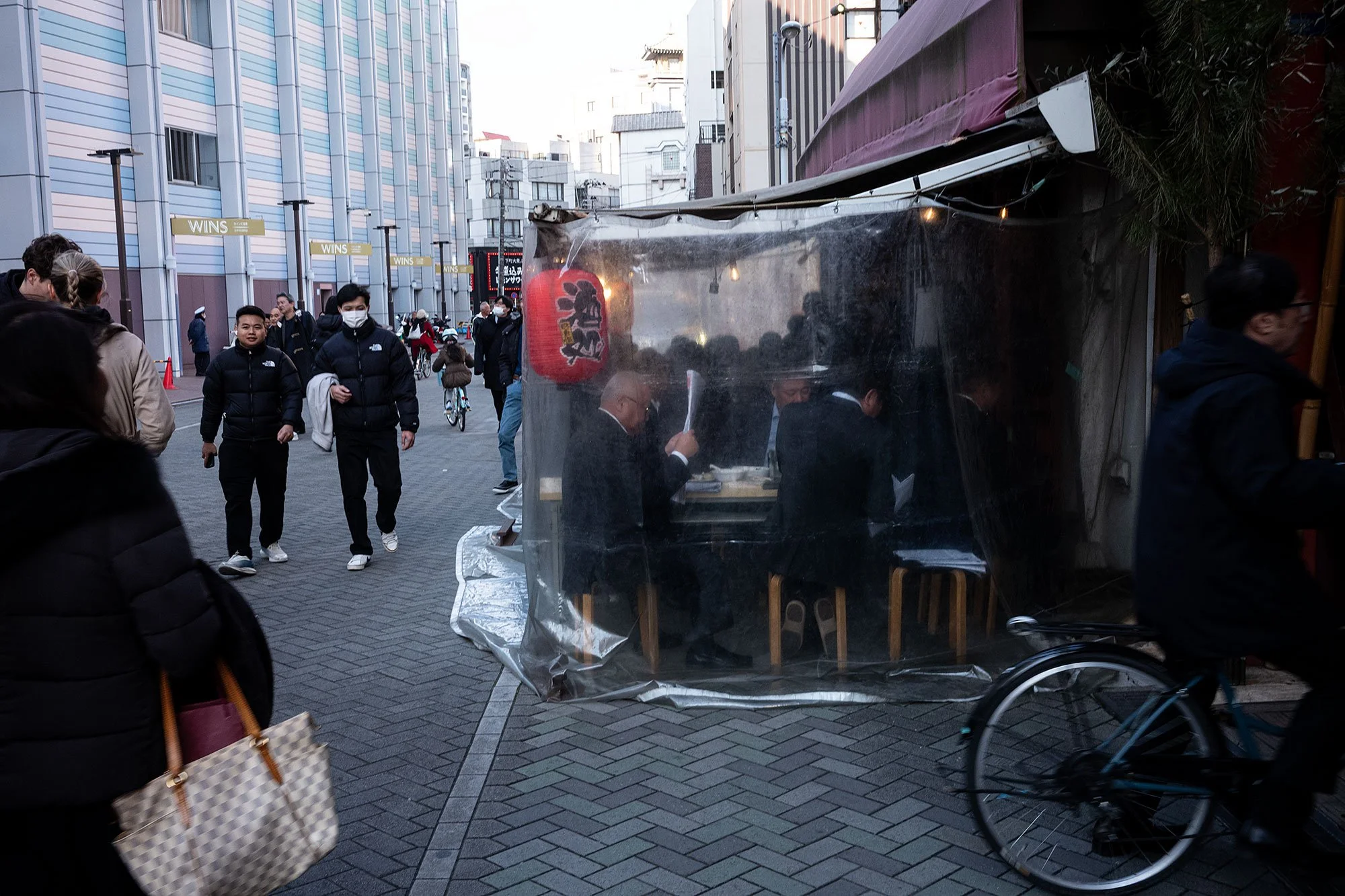
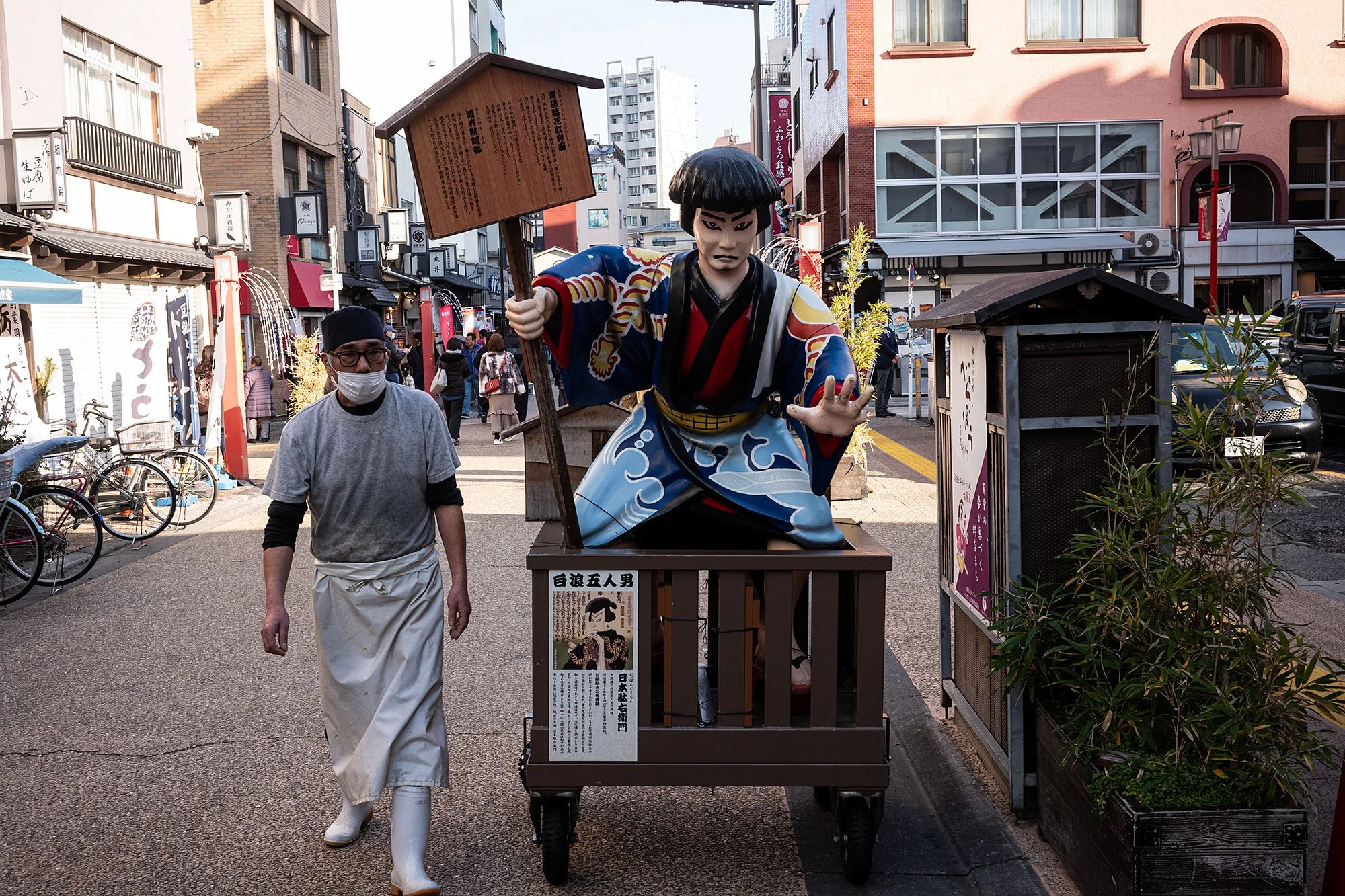
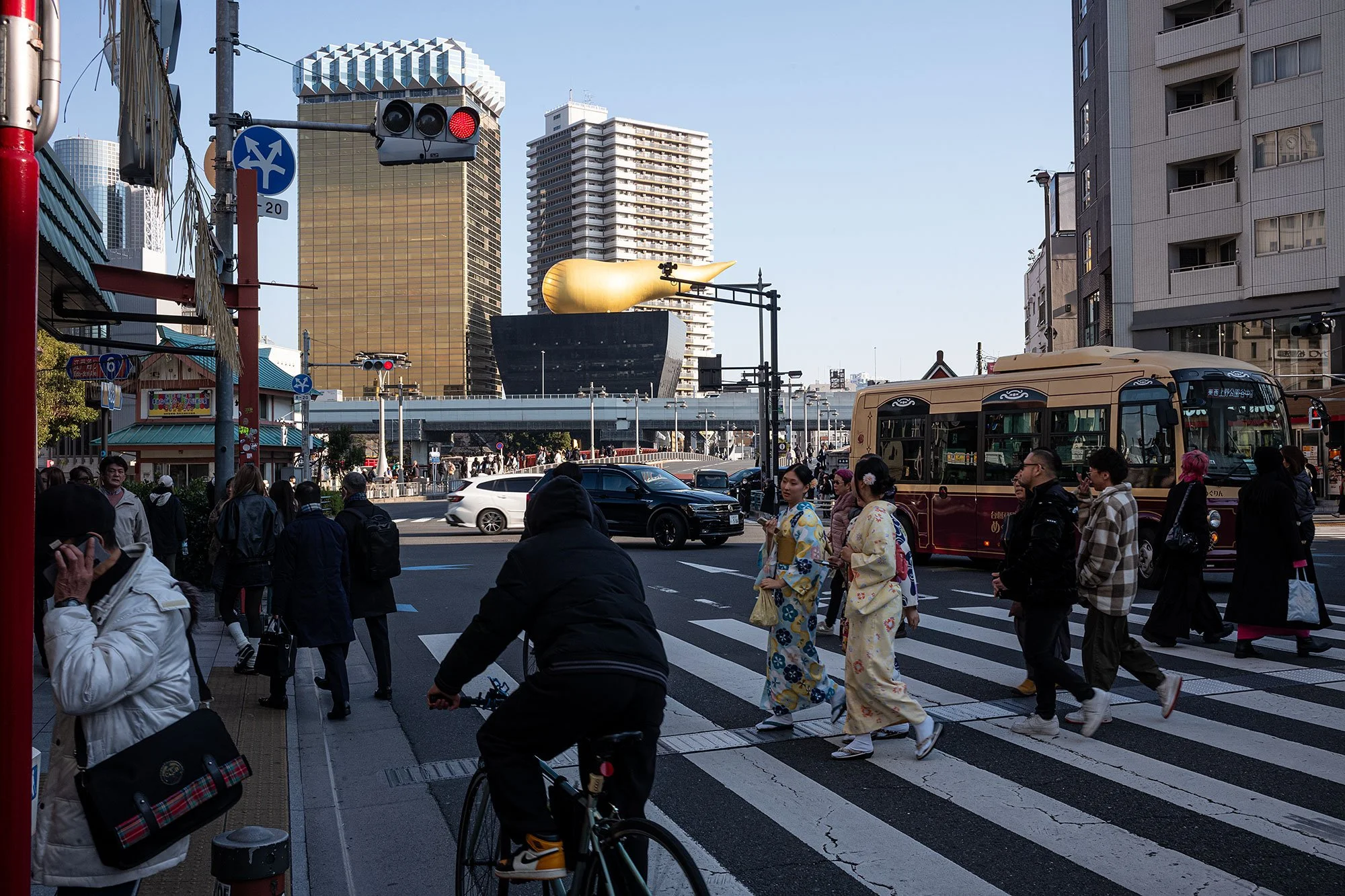
Checking the map we find a highly-rated fluffy pancake cafe and decide to stop in there for a snack. On the way we pass Philpppe Starck’s Asahi Flame, a sculpture that sits atop the Asahi Beer Hal, often referred to as the “Golden Turd.” I remember coming out to this neighborhood specifically to see this on my first trip to Tokyo.
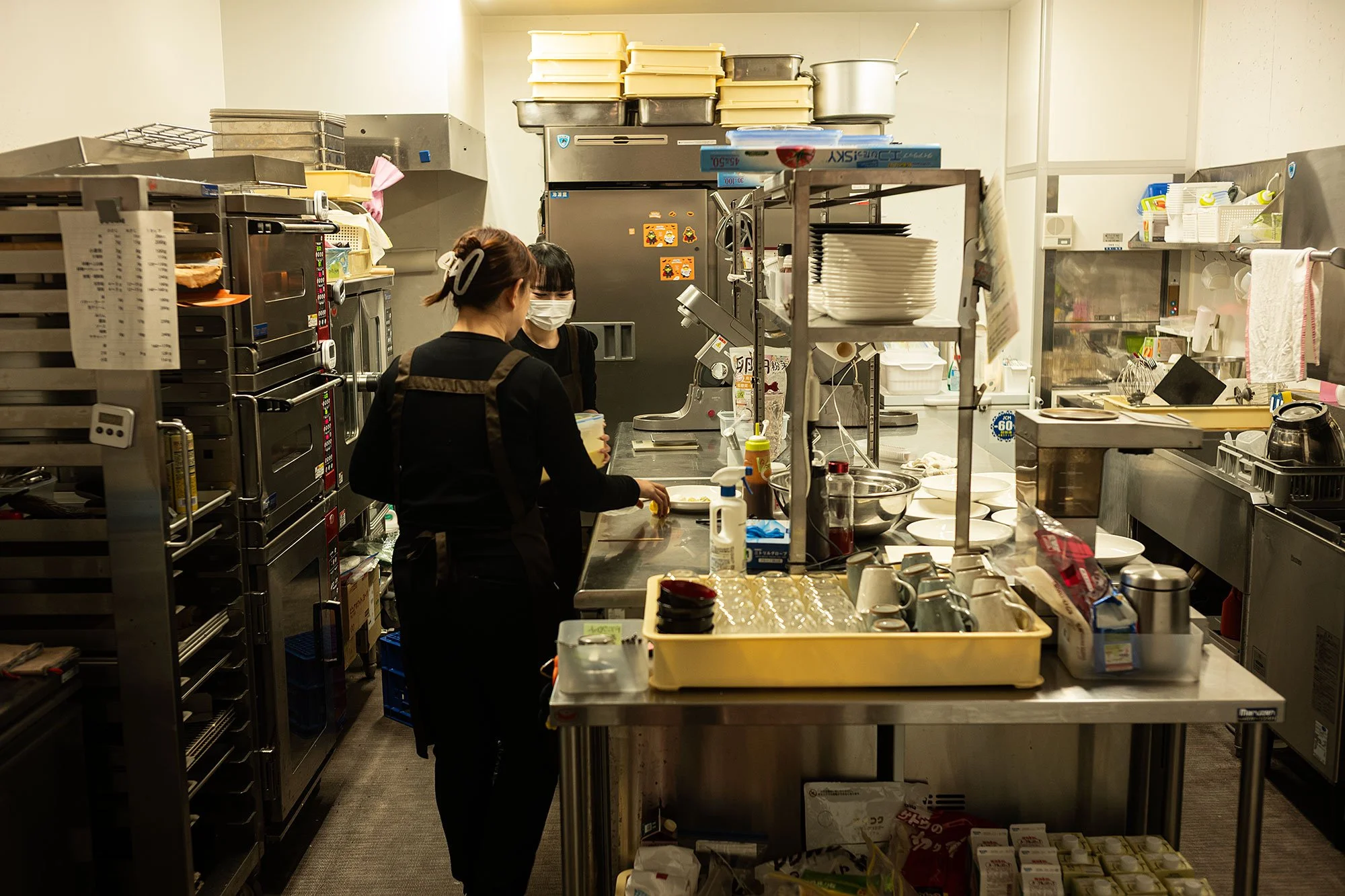
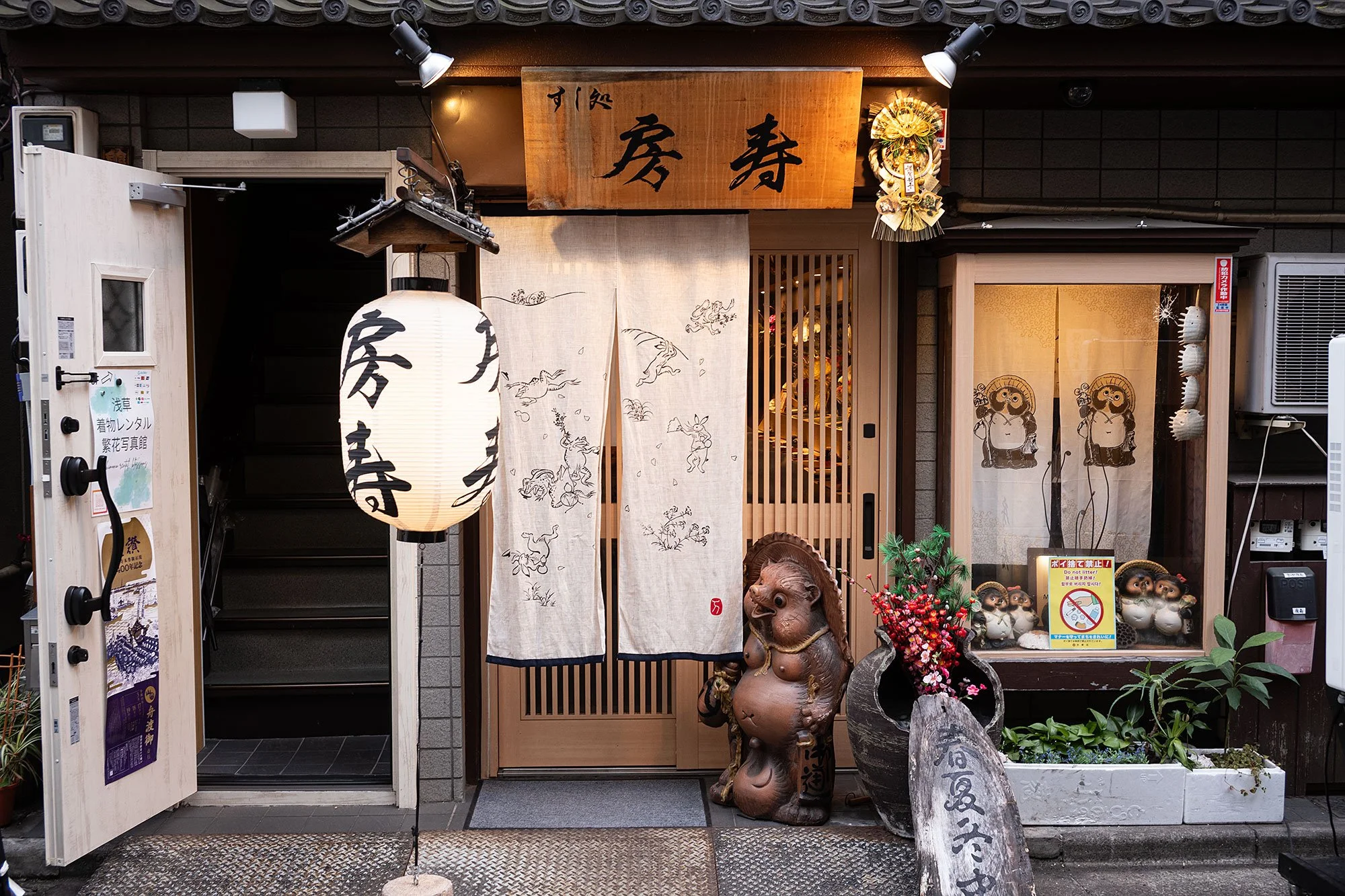
There are only two people in the cafe when we enter, though it’s an odd time on a weekday. There are signs indicating that it can be very busy on a weekend. We’re told it takes a while for the pancakes to be made. It’s not a problem; we’re in no rush.
They’re worth the wait. The pancakes are, indeed, fluffy and quite filling. We’re planning on skipping lunch as we have a large dinner planned and the pancakes more than fit the bill. In the end, however, I think I preferred the french toast from the night before.
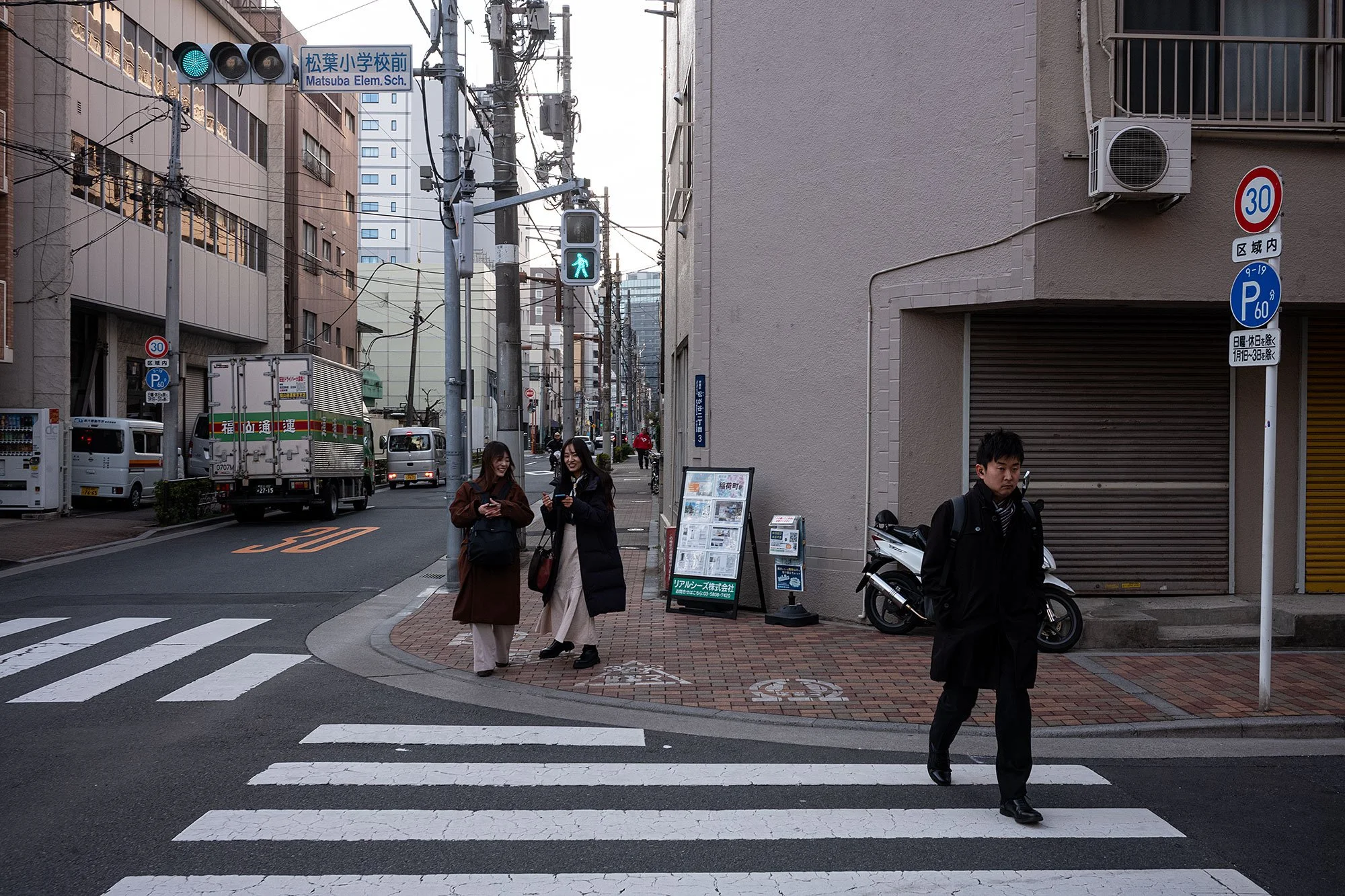
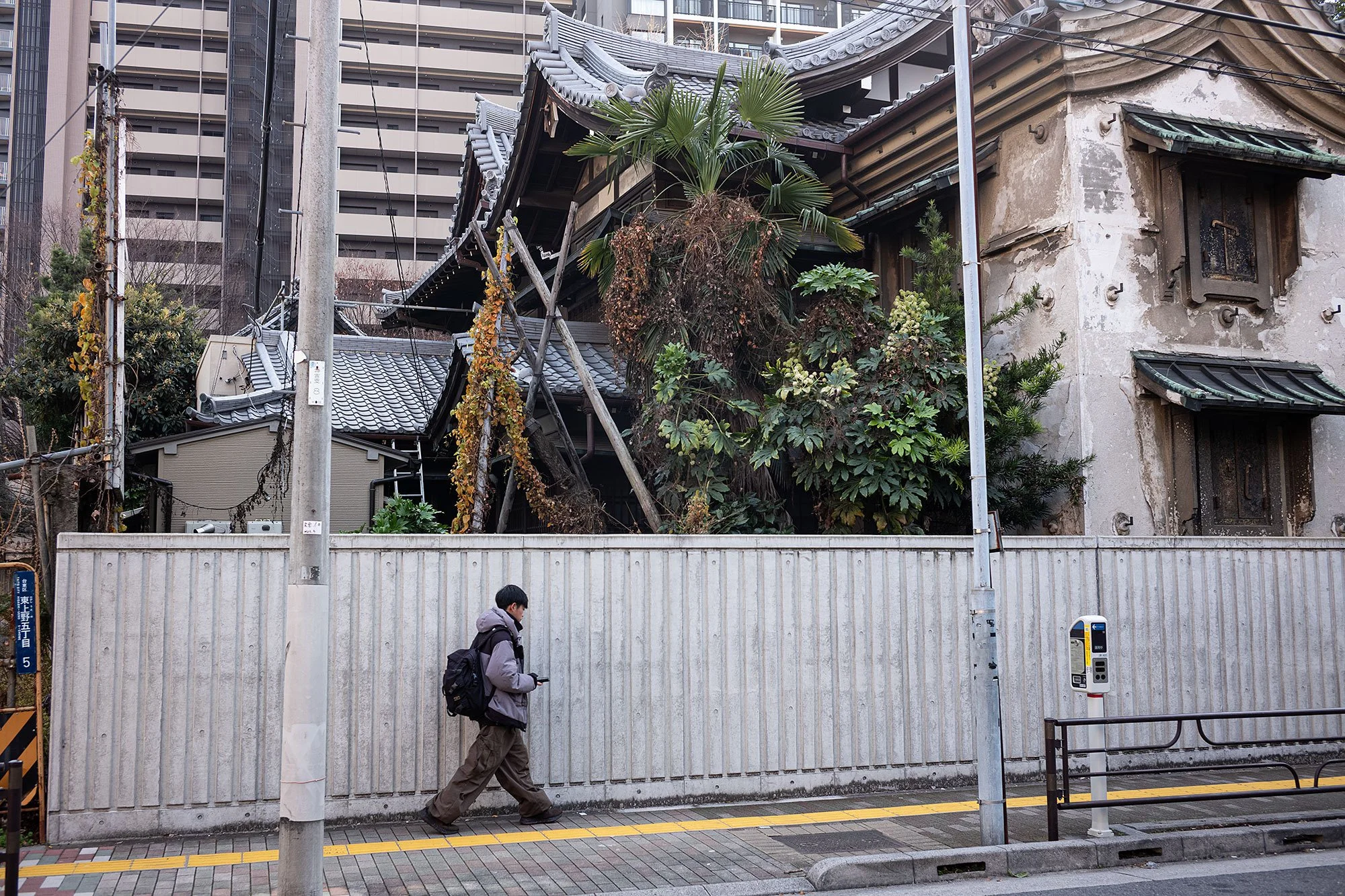
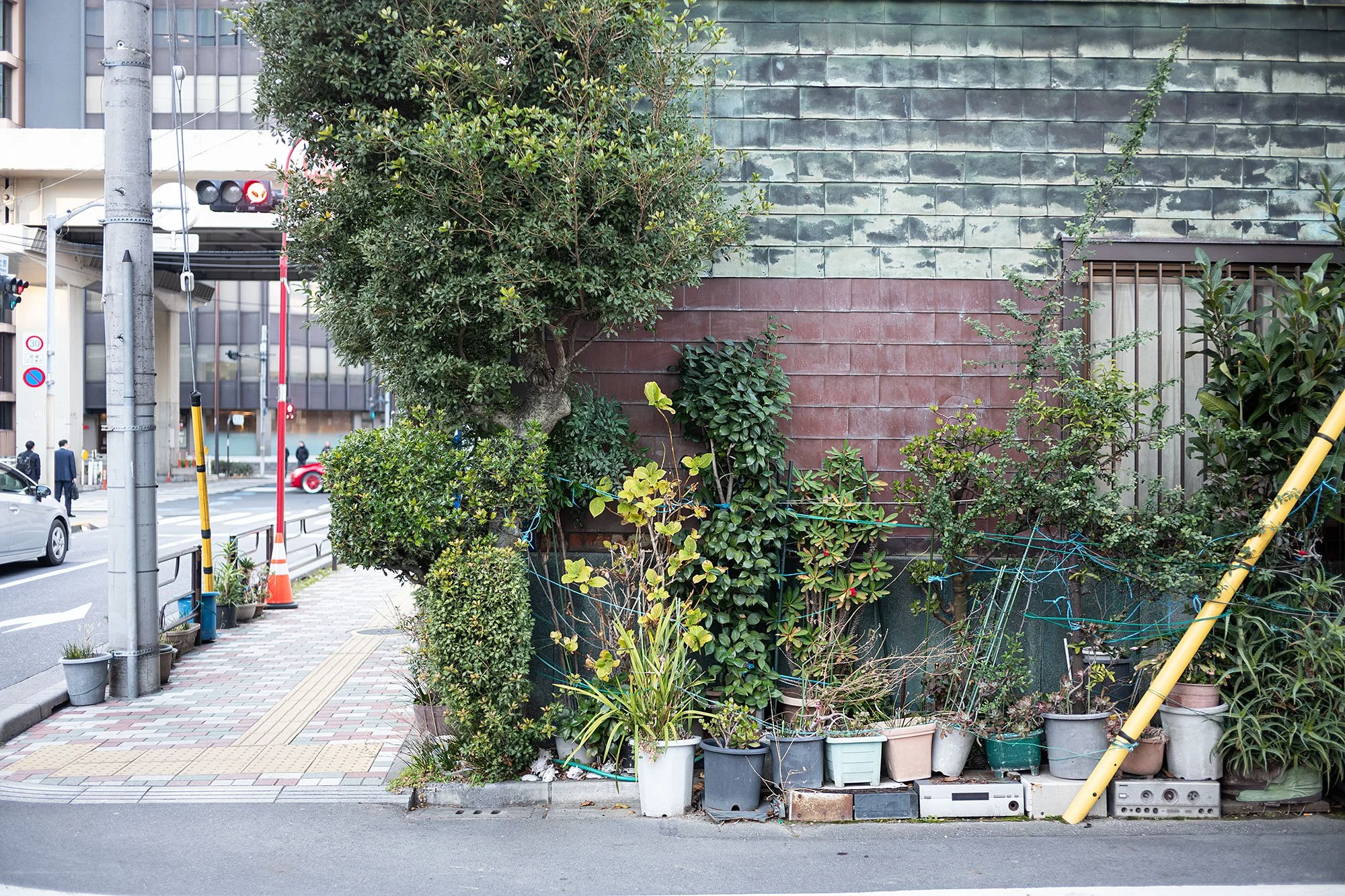
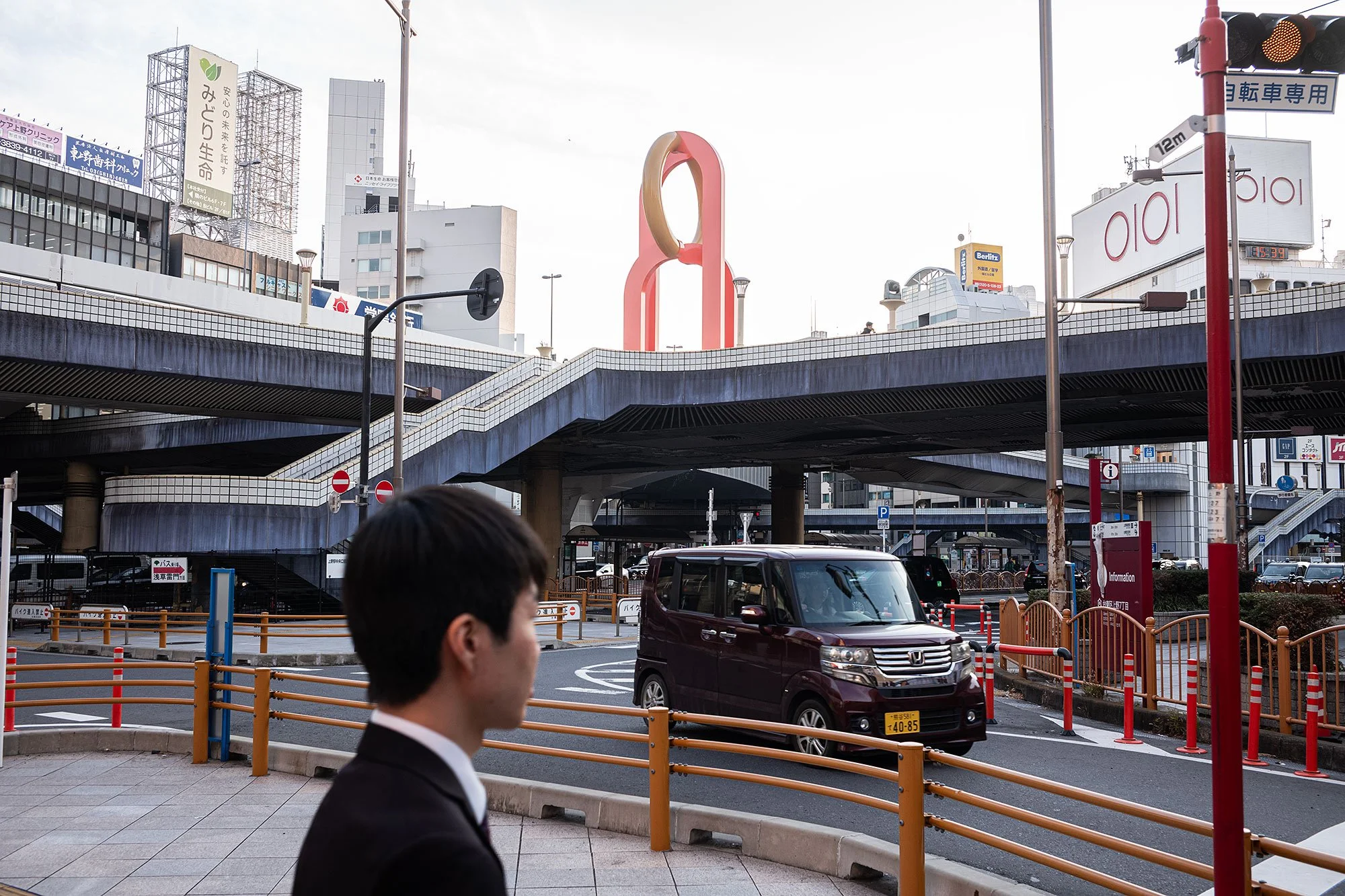
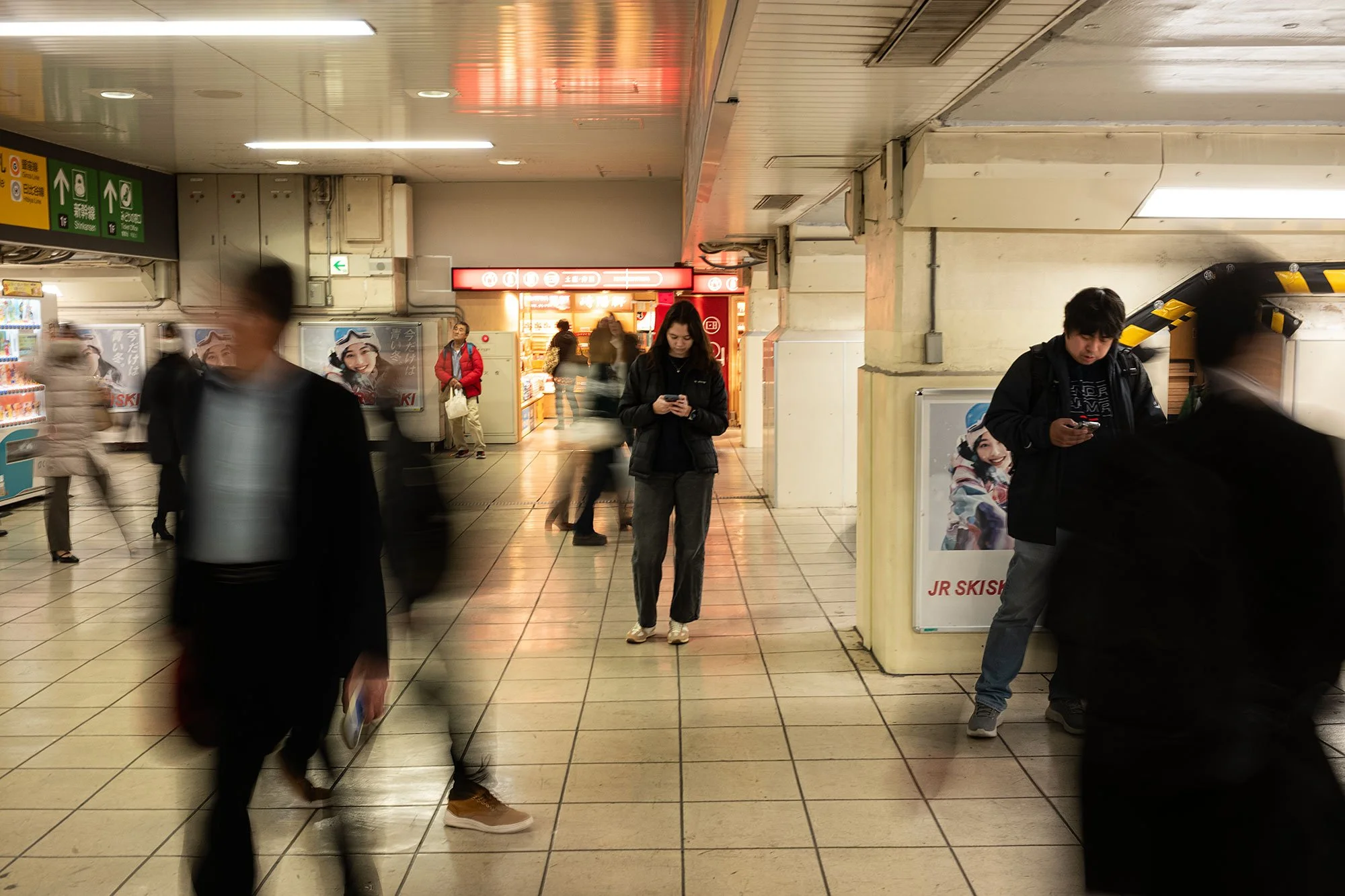
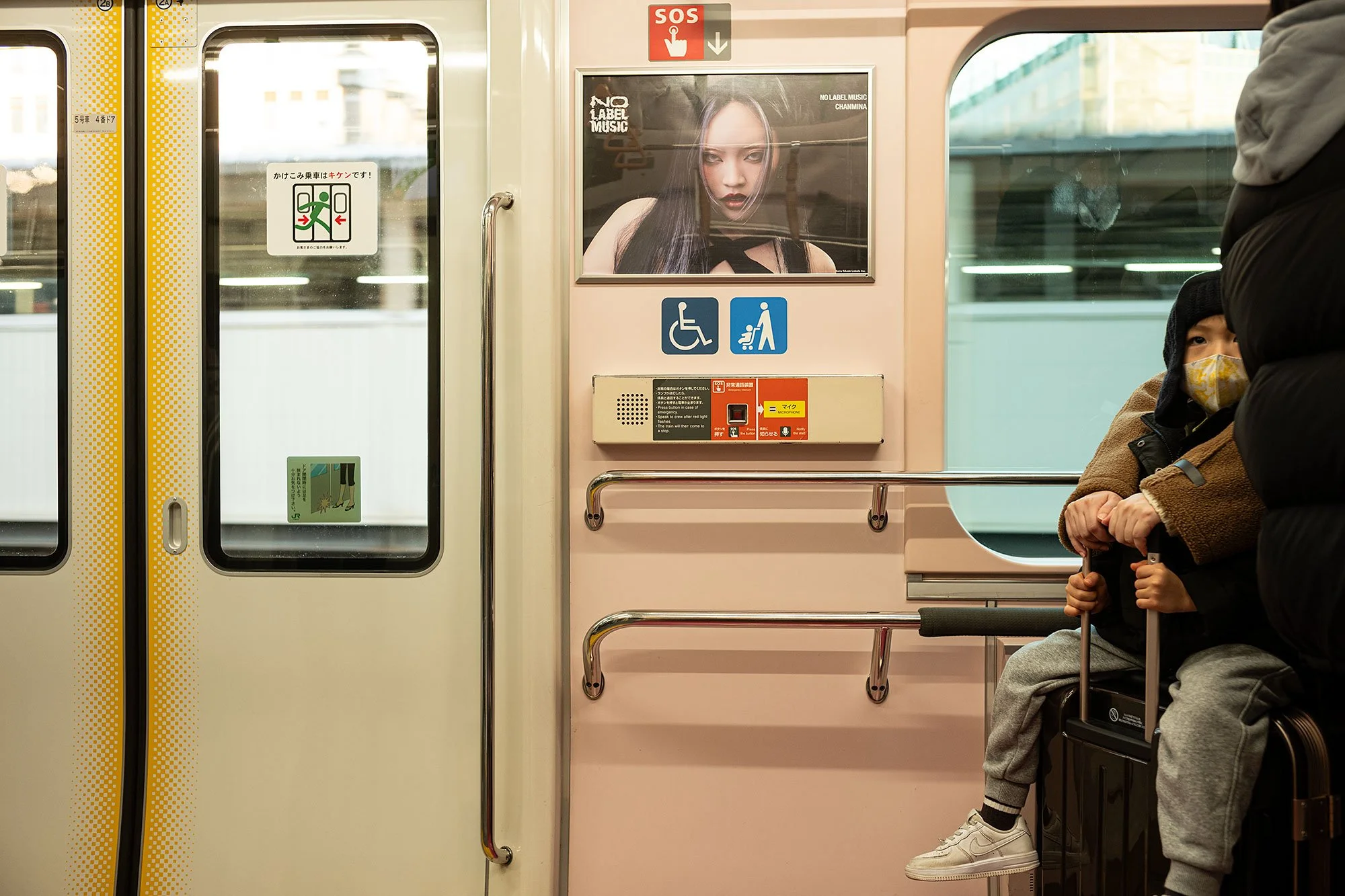
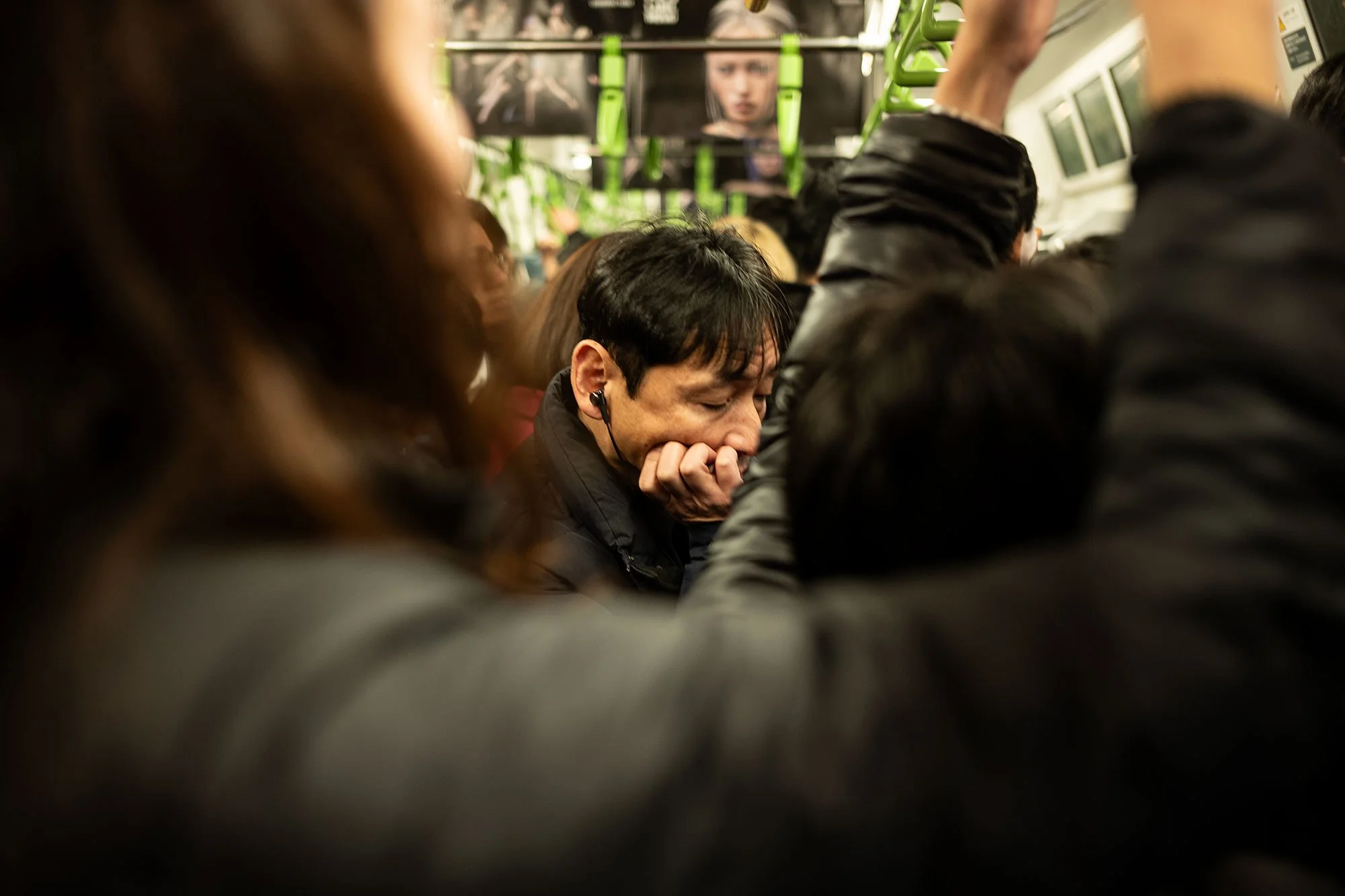
We walk to the Ueno metro station and take the train to the Meiji Shrine. We’re doing a bit of a greatest hits whirlwind tour of Tokyo for my niece. She only has the one day, but I already know she’ll be back.
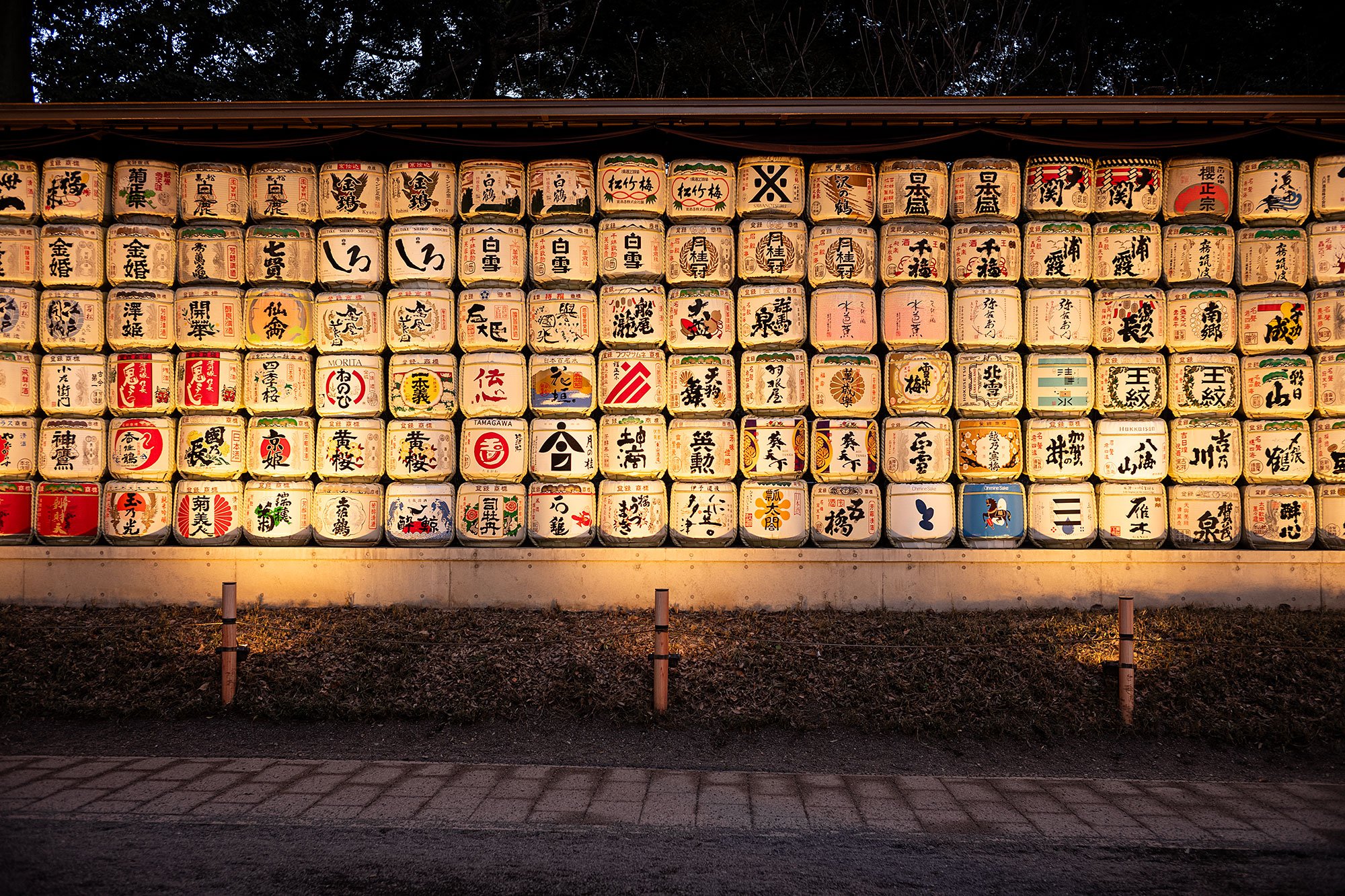
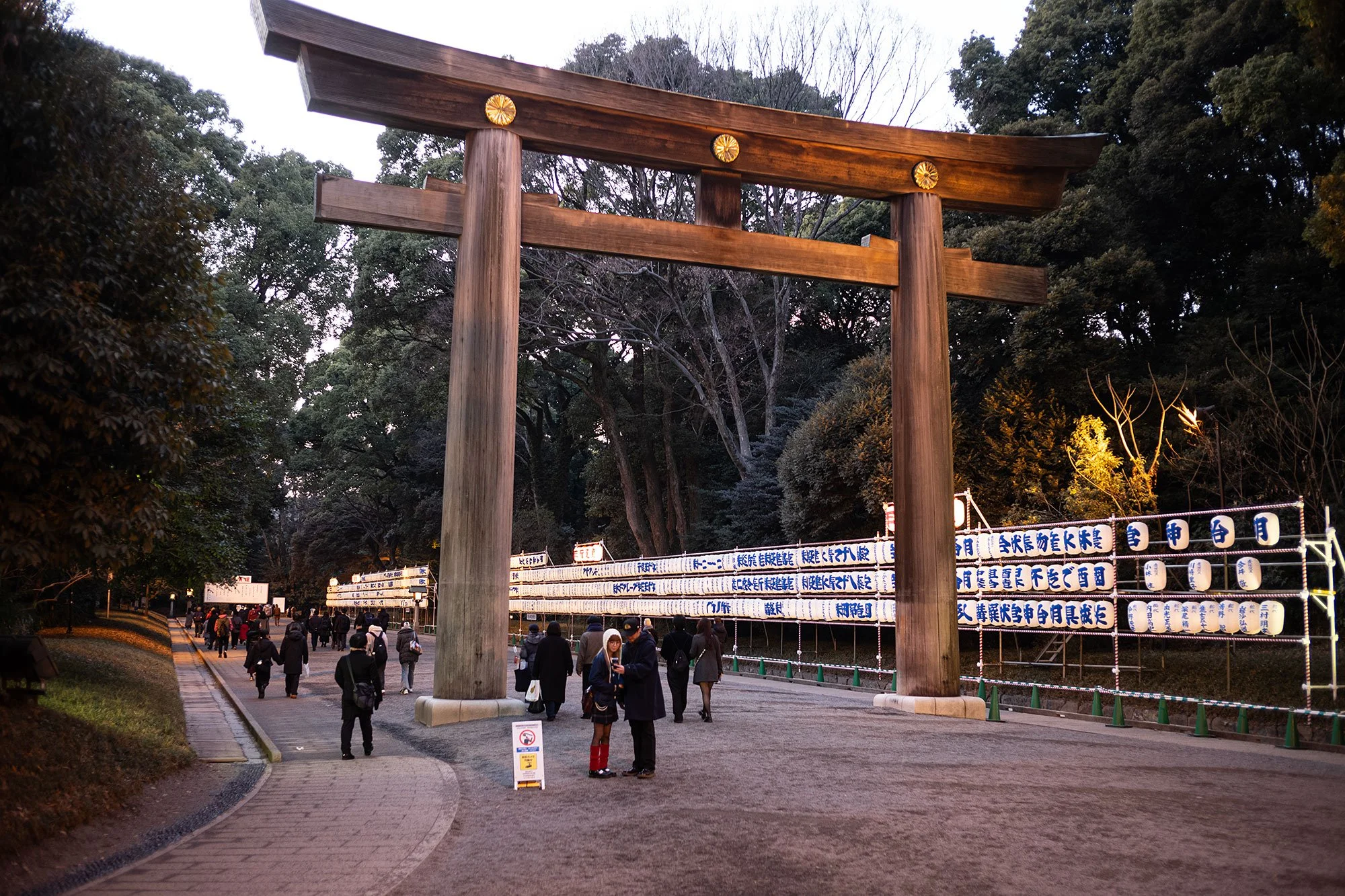
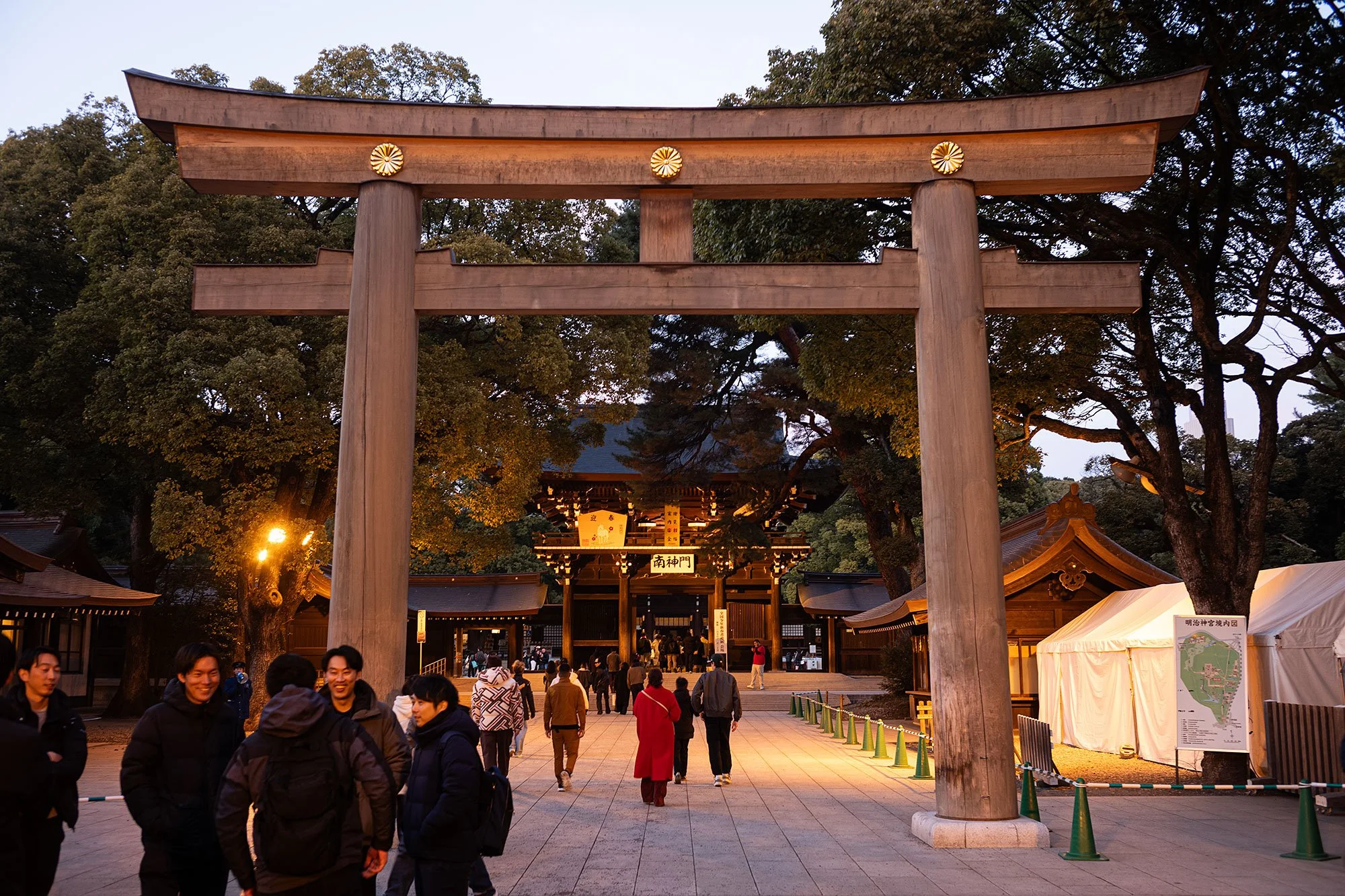
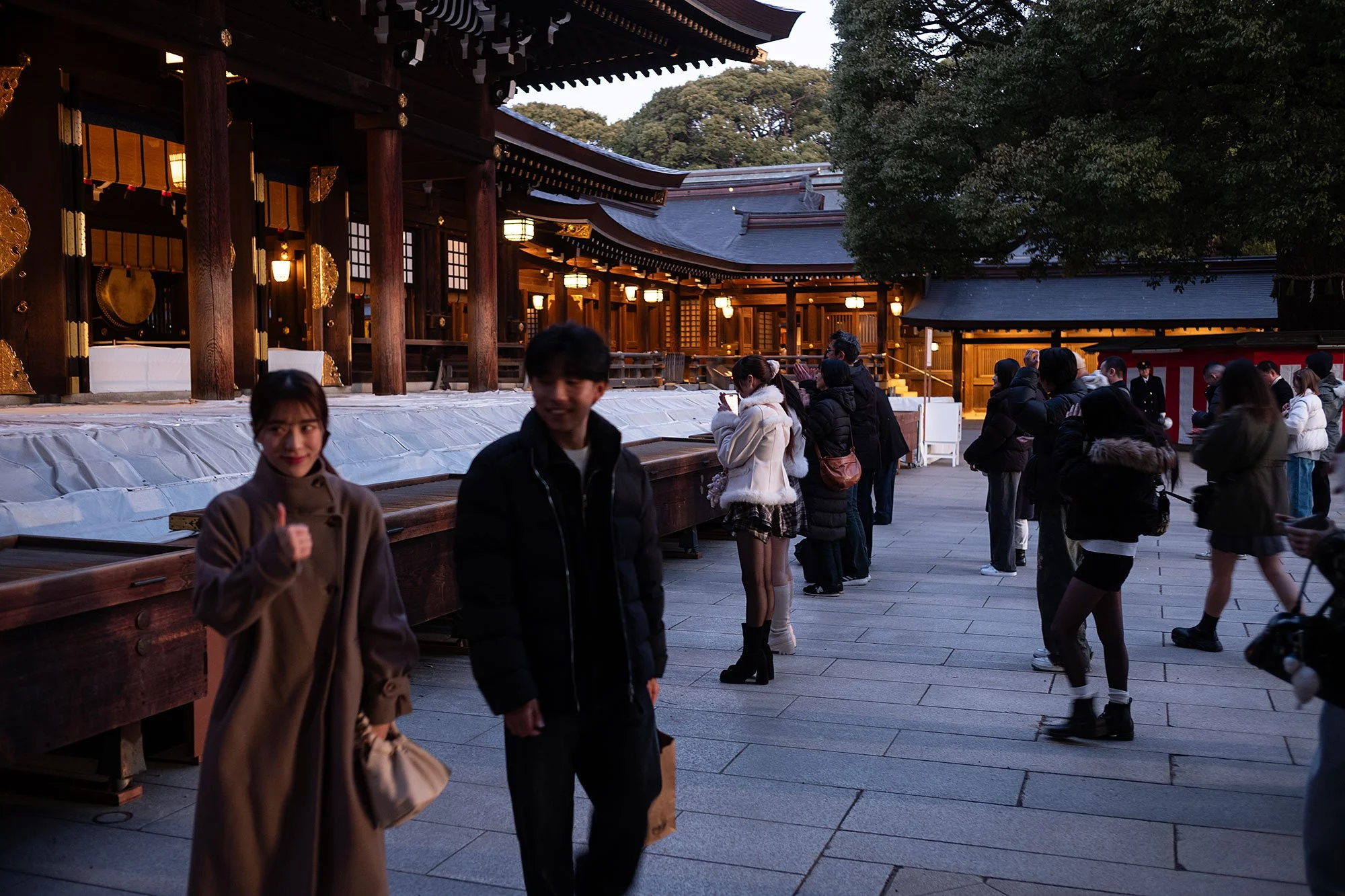
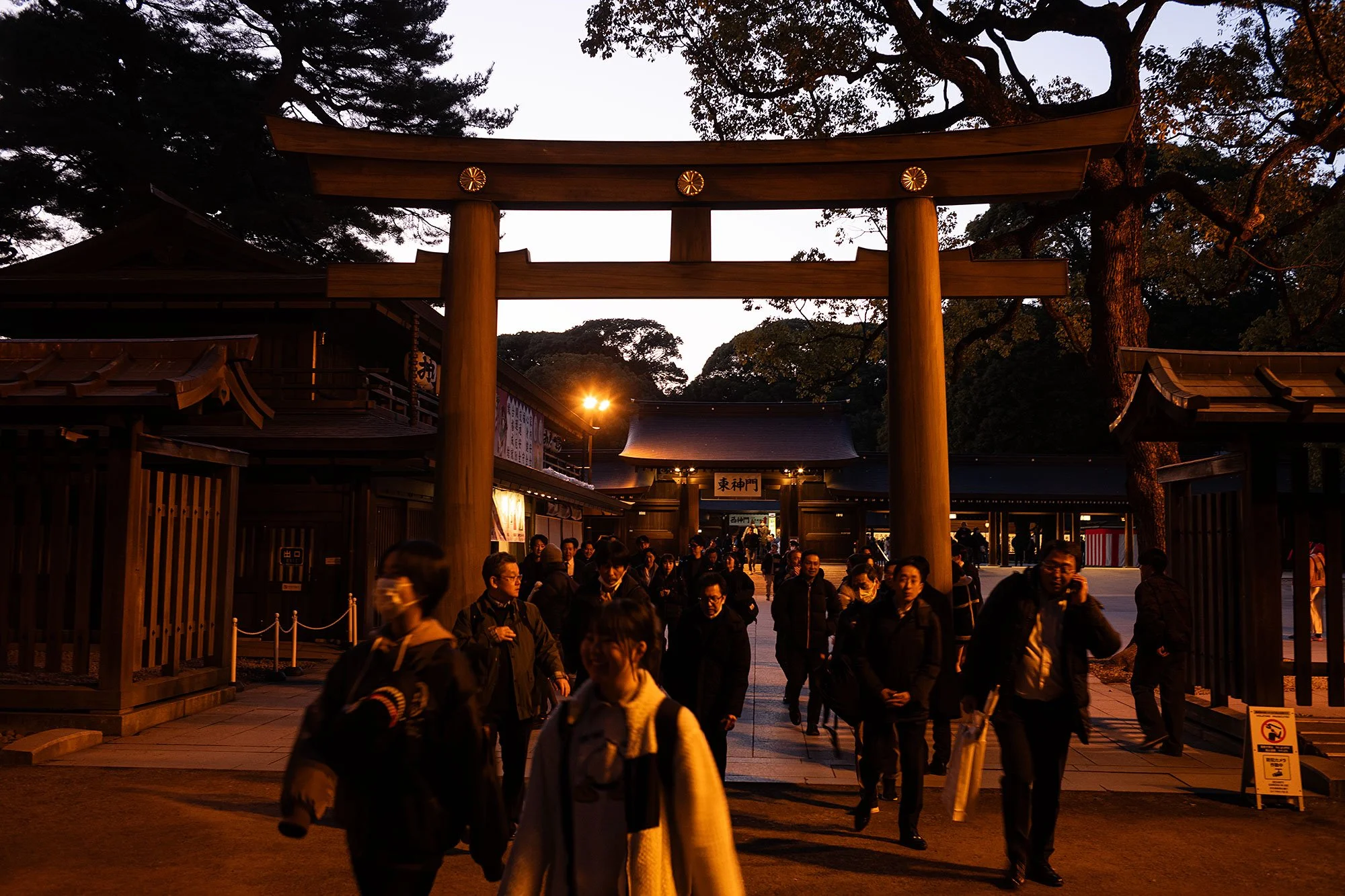
Night starts falling as we walk the grounds of the shrine, following the main path past illuminated sake barrels to reach the shrine itself. There’s a decent amount of people at the shrine, paying respects, taking the night air.
Leaving the shrine itself, we follow a side road that takes us out near the Harajuku station, passing a small food court before we exit the park.
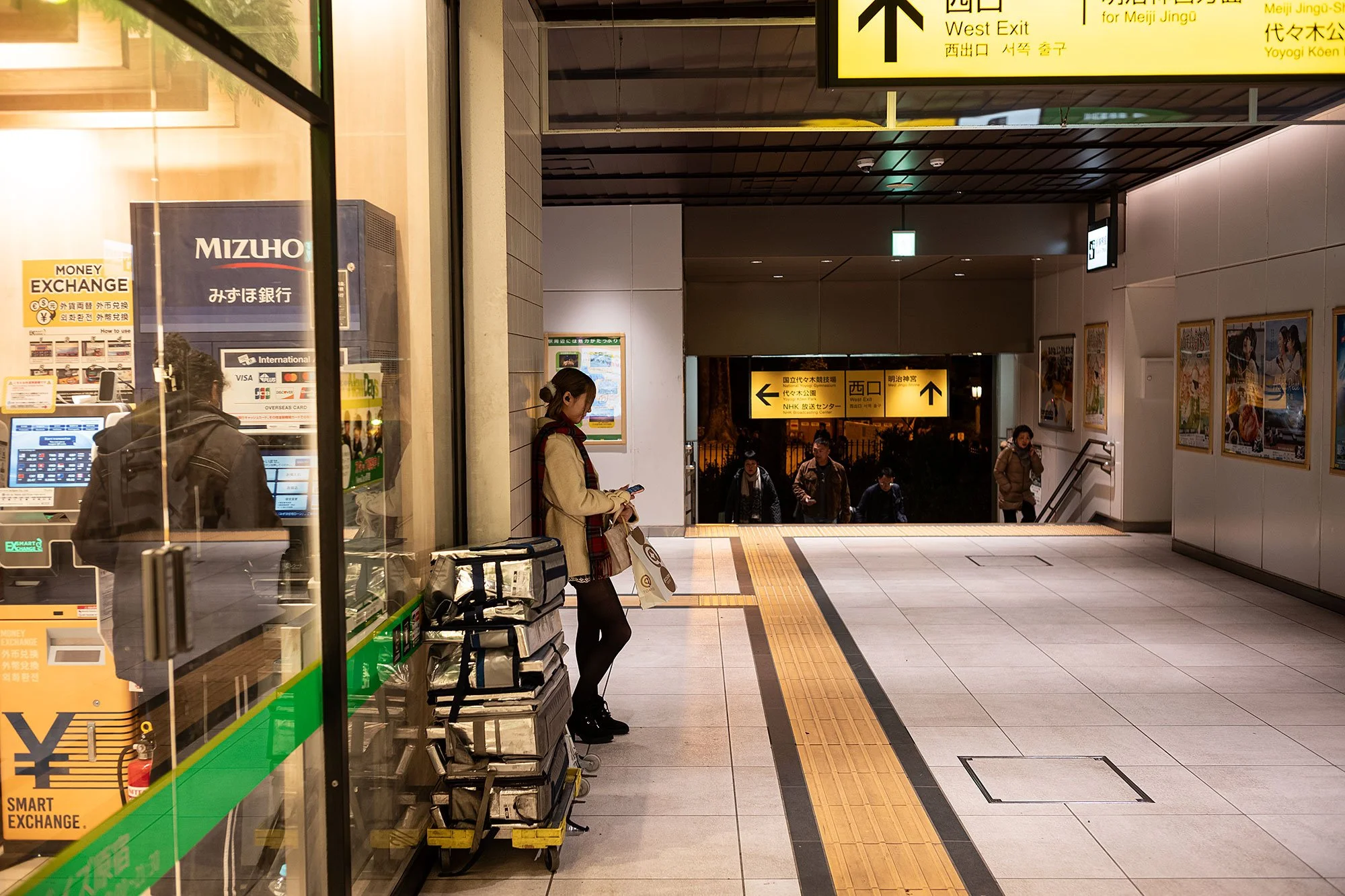
Harajuku isn’t as busy as I remember it. Nor are there as many women in costume as I remember and I remember how much it must have changed in the years since I’ve been. We walk the narrow main drag and stop into whatever shop catches our eye. My niece buys a bracelet; I buy a hat.
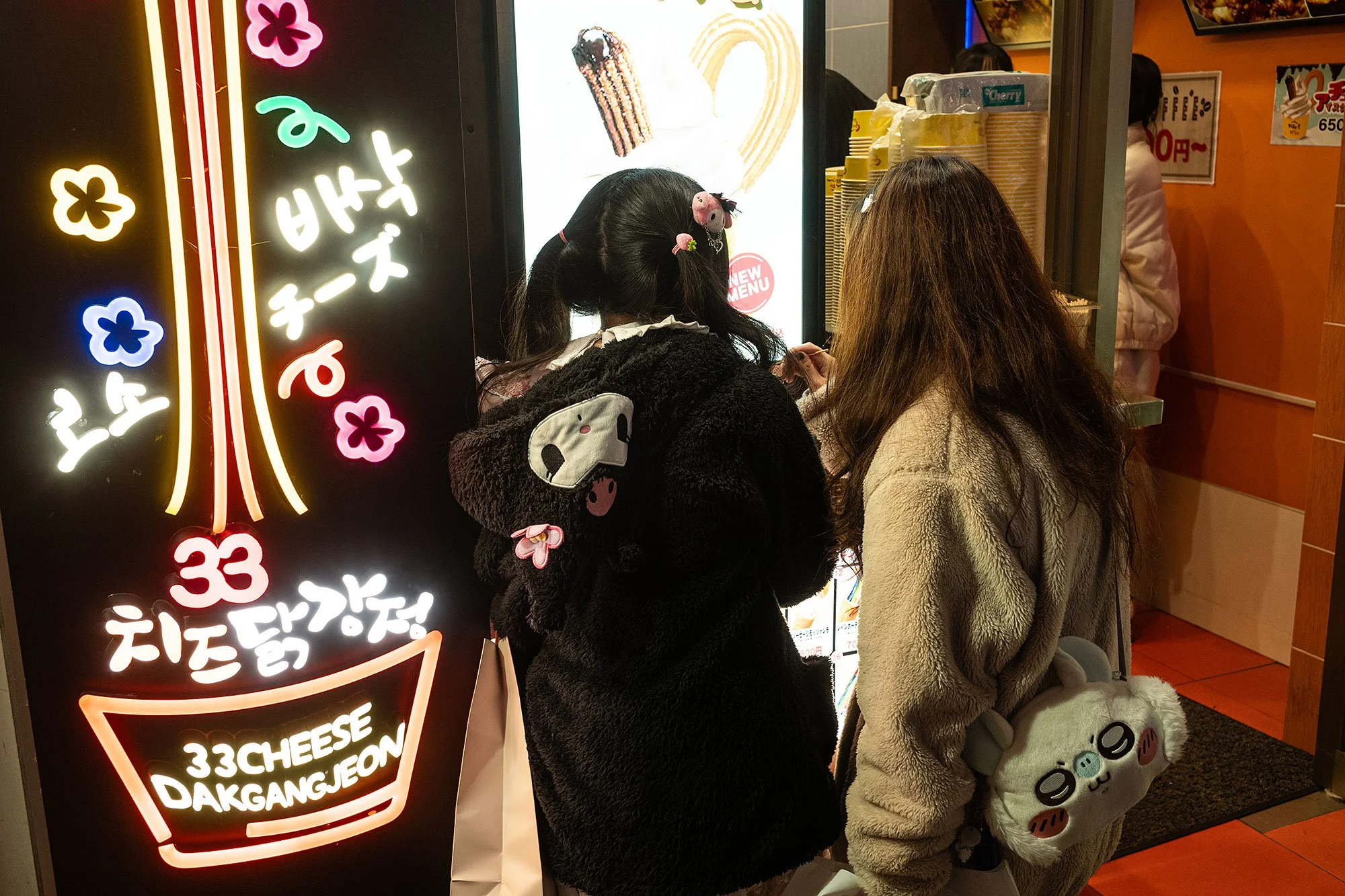
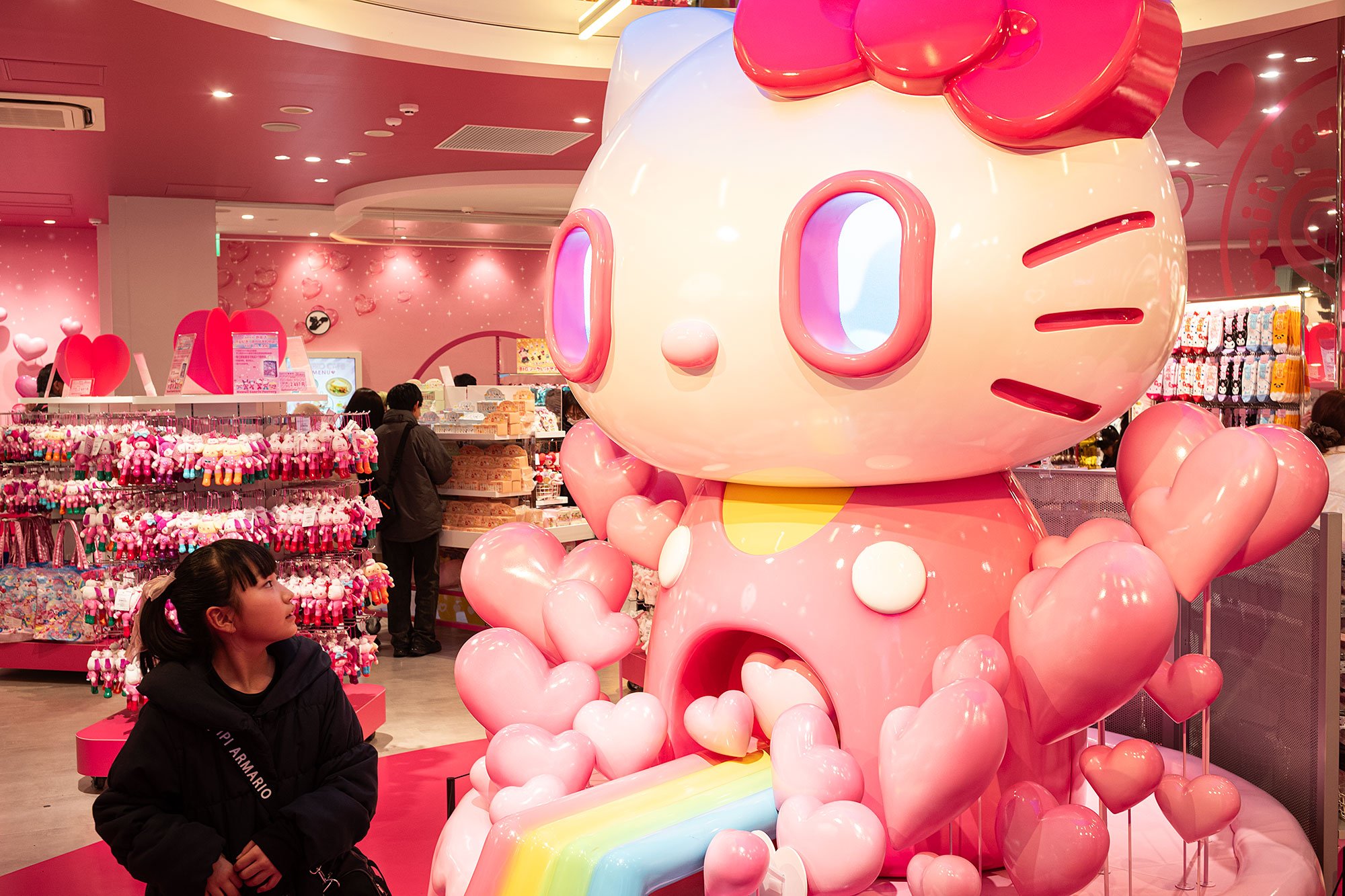
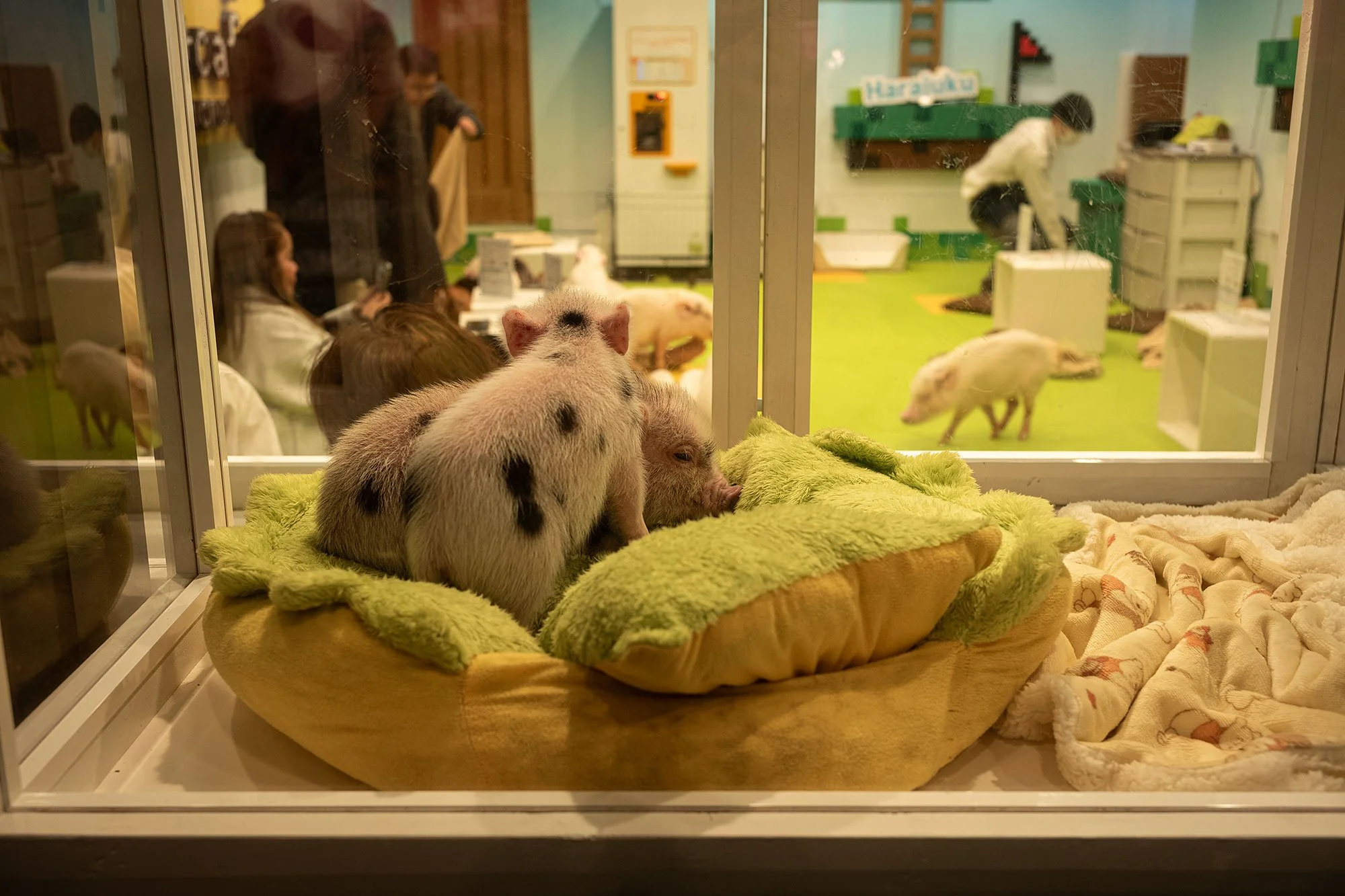
Leaving the main street we continue walking in the direction of dinner. We stop into a large shoe store and my niece buys a pair of New Balance. At the Fender Flagship Store I strap on an axe and noodle around a bit with the headphones on.
An attendant rushes over to make sure I’ve covered my belt buckle for fear of scratching the merchandise. I haven’t played in a long time, but the guitar makes me sound better than I am. My niece is impressed. She didn’t know I knew how to play. I tell her barely; she wouldn’t be as impressed if she could actually hear how I was playing.
In a mall we end up on the top floor at a section of coin-operated machines that promise toys and plush animals. My niece tells me a story about her father and the toys he would bring back for her. We fish coins out of our pockets and try our luck at one of the machines, thinking we’re going to get a nice plush toy. It turns out that the prize is a picture of the toy on an acrylic base. It’s not exactly false advertising, but it’s definitely not what we expected. We can’t stop laughing every time we see it.
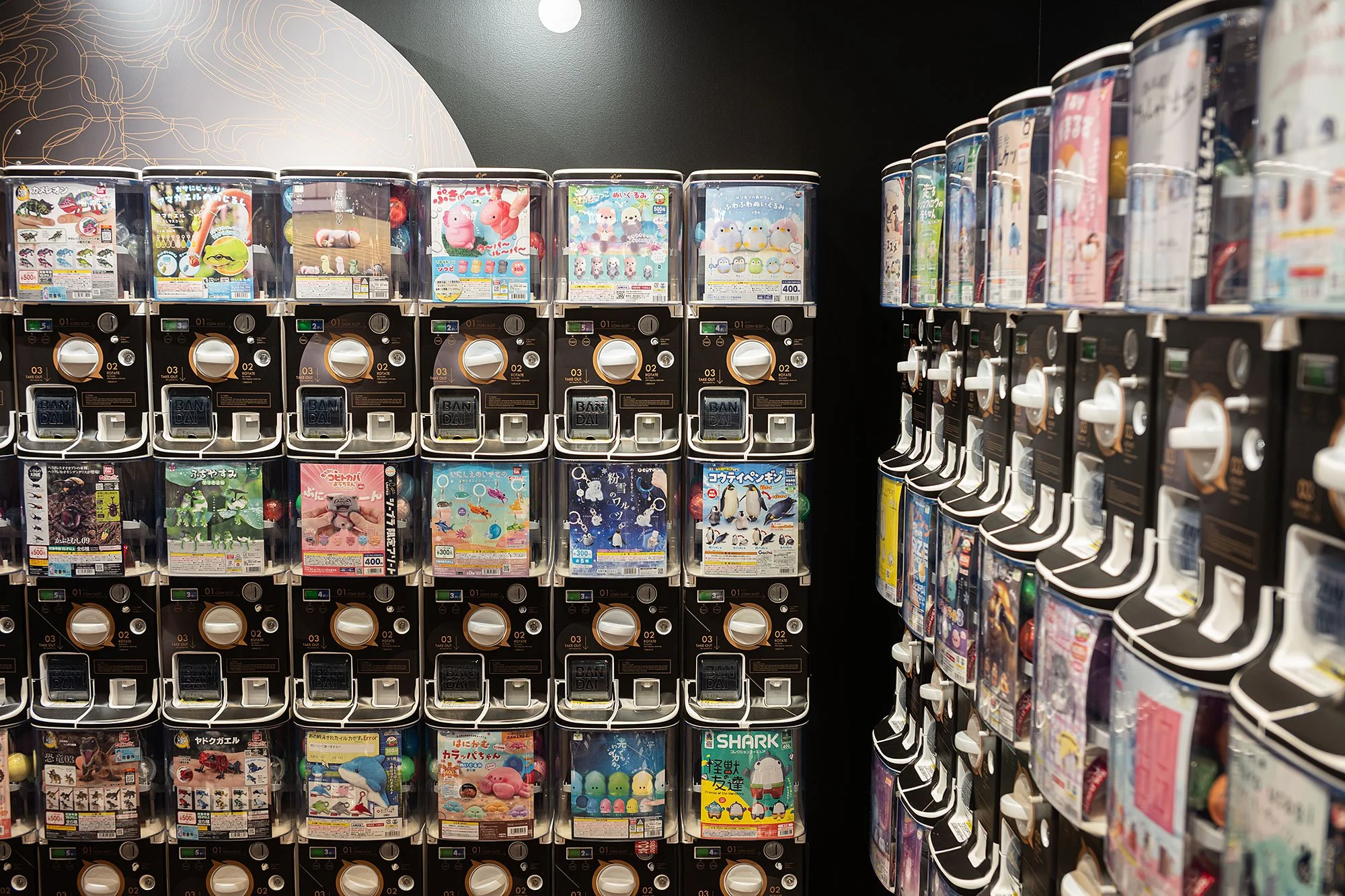
We pass an Onitsuka Tigers store and walk in to check out the shoes. My niece wants a pair and I tell her she should indulge. When’s the next time she’ll be in Tokyo, able to shop the local styles. Unfortunately, her previous purchase holds her back and we continue on.
We walk through narrow back alleys on our way to the restaurant, finally arriving at Yoroniku a few minutes before our reservation. According to the map we’re standing before it but can’t quite figure out where it is. Fortunately, there’s a woman standing outside. We ask her where the BBQ restaurant is and she points to. a small lighted sign and a series of stairs that lead down. We thank her before walking in.
The restaurant offers a meat omakase. My niece said she wanted to try Japanese BBQ and I figured if we’re to go we might as well go all in. We’re asked to wait at the bar for a moment before we’re seated. Mai is one of our primary servers, bringing the meat and cooking it perfectly before us. She’s from Aichi, a middle-small village. She tells us she’s studying English literature and came to Tokyo 8 months ago for university. Unfortunately, there’s not enough time to delve further into program. I’d love to know what she’s concentrating on and who her favorite authors are.
The beef we’re eating is from the Yamagata prefecture, and all sourced from a single cow. Although I generally don’t eat red meat, I make exceptions and this is one of the most delicious meals I’ve had.
We walk back to the hotel in order to help us work off some of our meal. At the lobby we retrieve our bags only to learn that the last train to the leaves at 2111. Our flight is early in the morning and my cousin has booked us into a hotel close to the airport to simplify our next day’s travel. Unfortunately, we hadn’t imagined that the last train would be so early in the night. There’s no way we’re going to be able to catch it in time. It’s already 21h.
Additionally, the train would take over two hours to get to the airport. We’ve had a long day, having walked over 25,000 steps, and so I decide to call a cab. It’s still an hour (and over 160 USD, the most expensive cab ride I’ve taken) but it’s worth it. We’ve been awake for over 20 hours.
Check in is quick. There’s a shuttle to the airport first thing in the morning. Perfect. We’ll be lucky to get more than four hours of sleep. We head up to our room and collapse. 🇯🇵