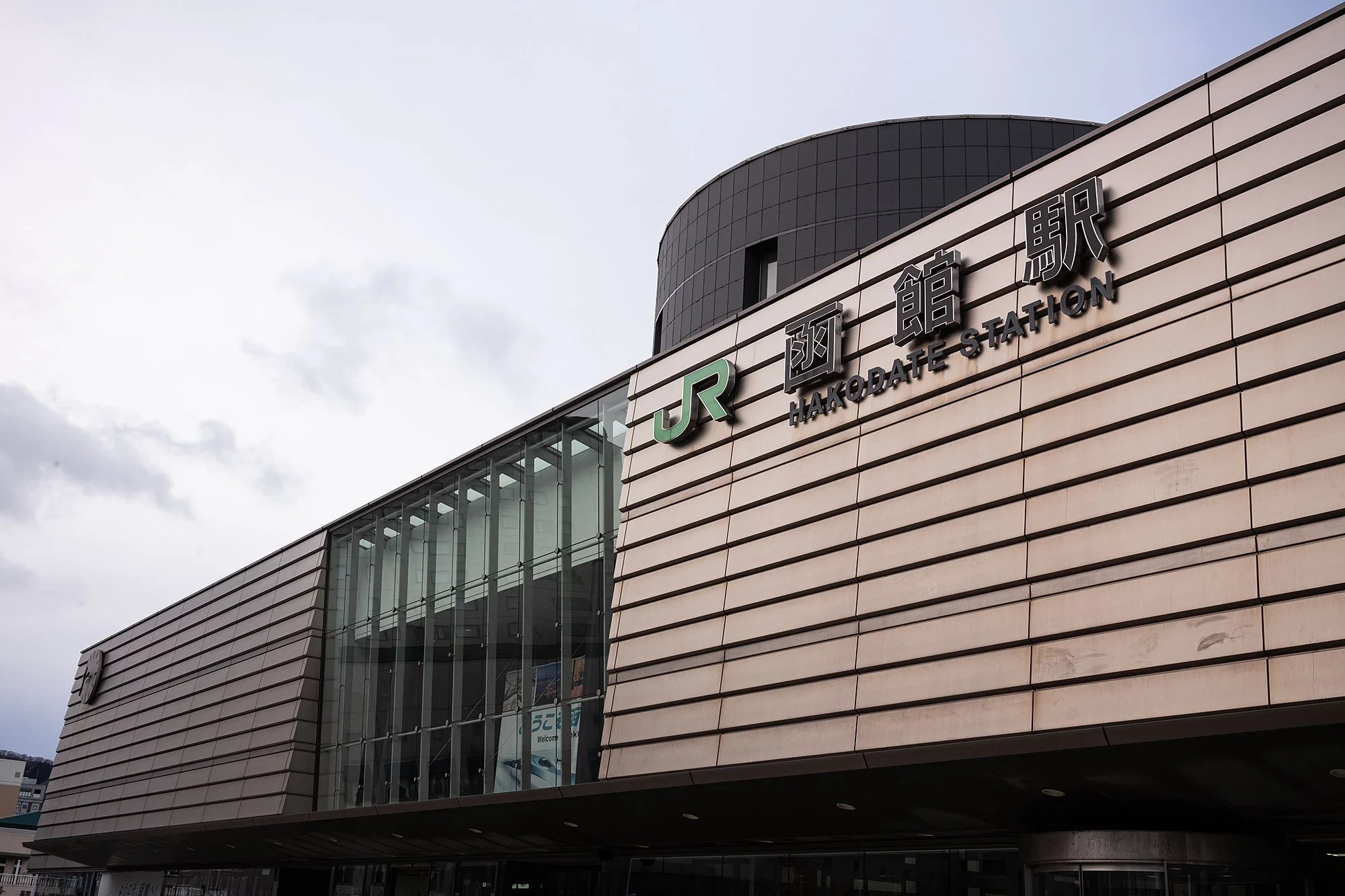
Christmas Day, night, and the next morning (market) in Hakodate.
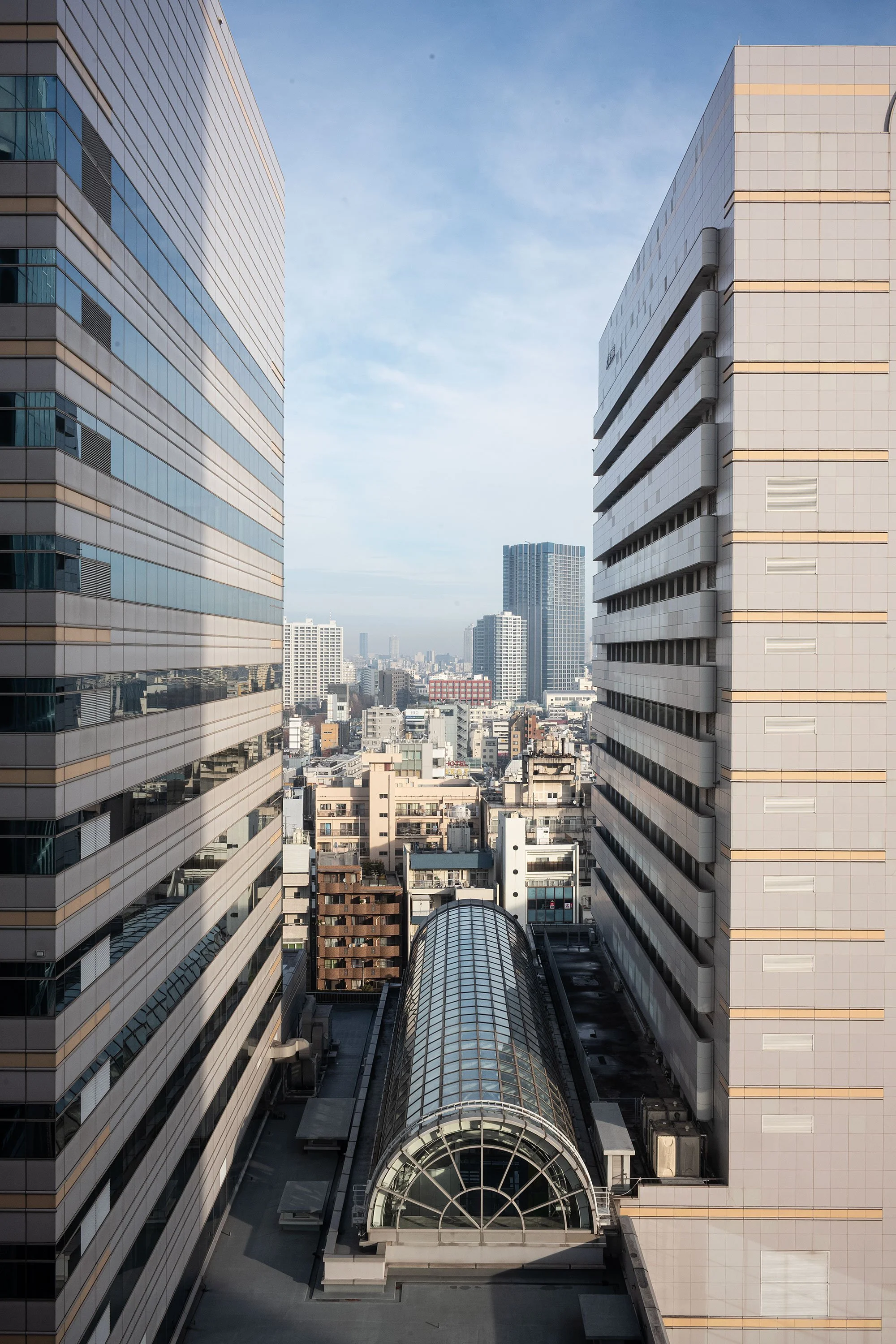
I check out of the hotel at 0900 and make my way in a leisurely manner to Tokyo station.
The Hayabusa 17 isn’t scheduled to leave until 1045, but I want to give myself enough time to reach the station and find the correct platform for my train.
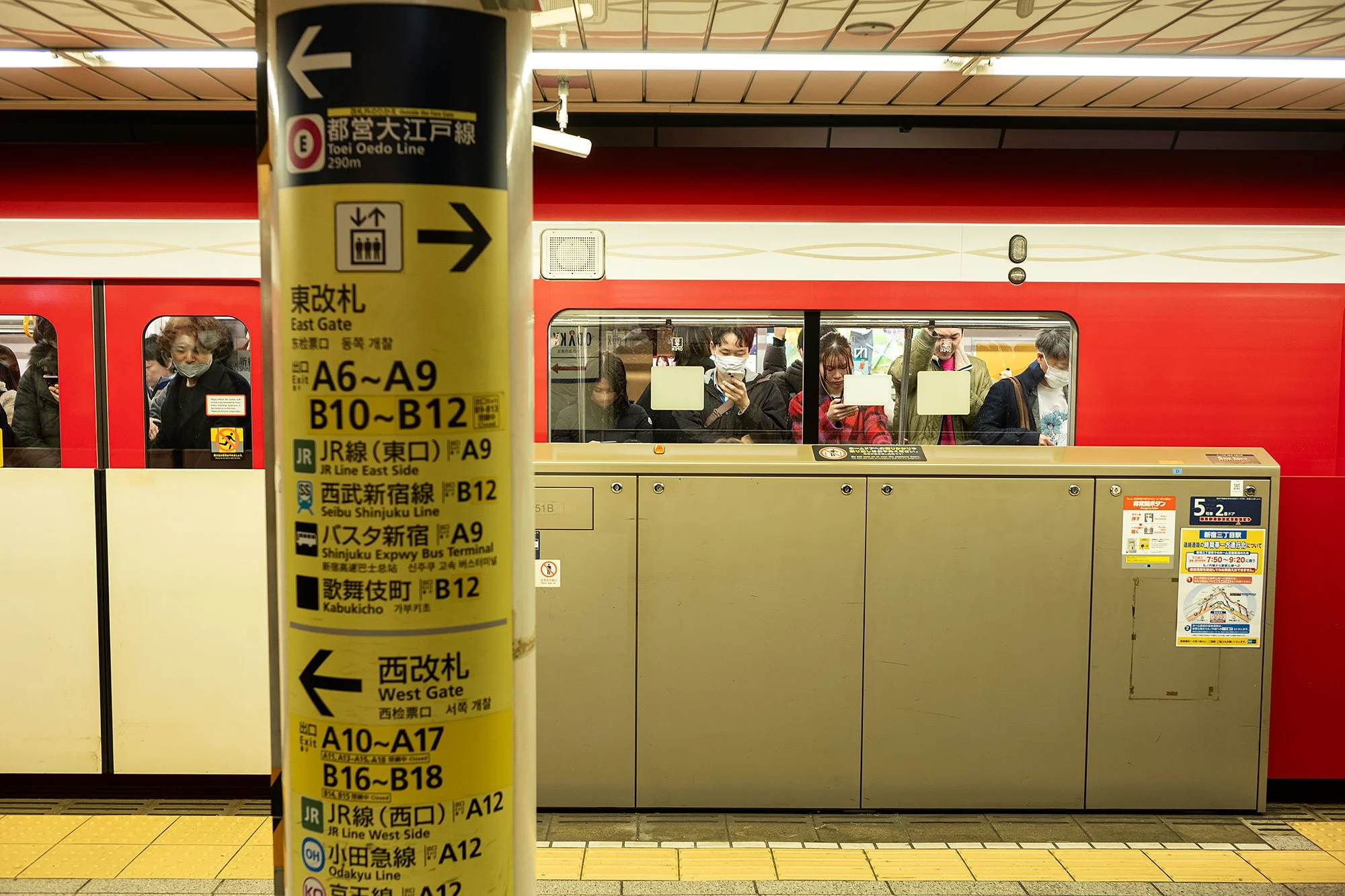
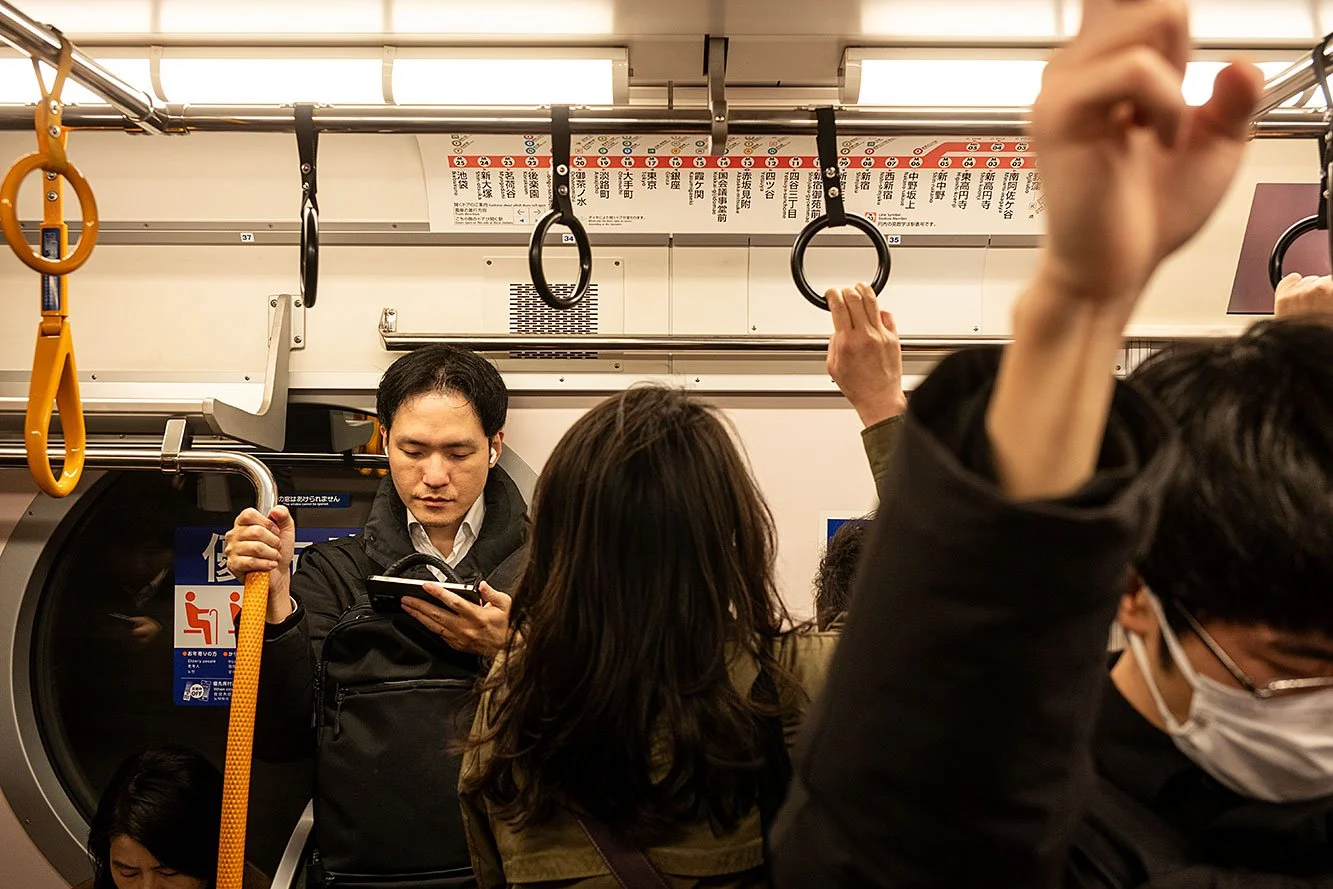
It’s rush hour and I let a few packed trains go by before boarding a less-crowded one going in my direction. It’s still packed, but not quite like sardines. I’m a little self-conscious about my large backpack and lower it to the ground, keeping it close to my legs.
At Akasaka station a large number of people disembark; from then on it’s much more relaxed.
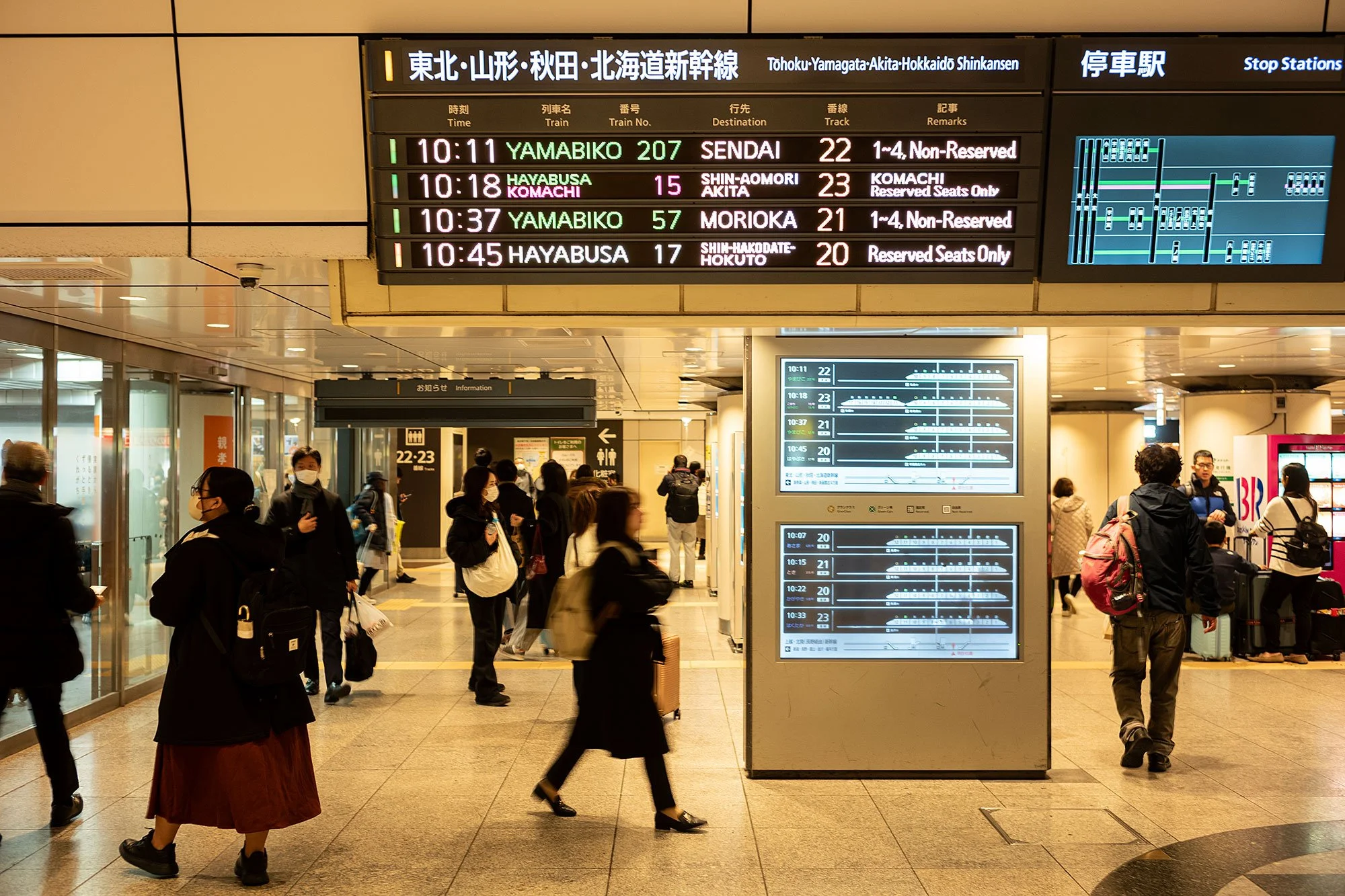
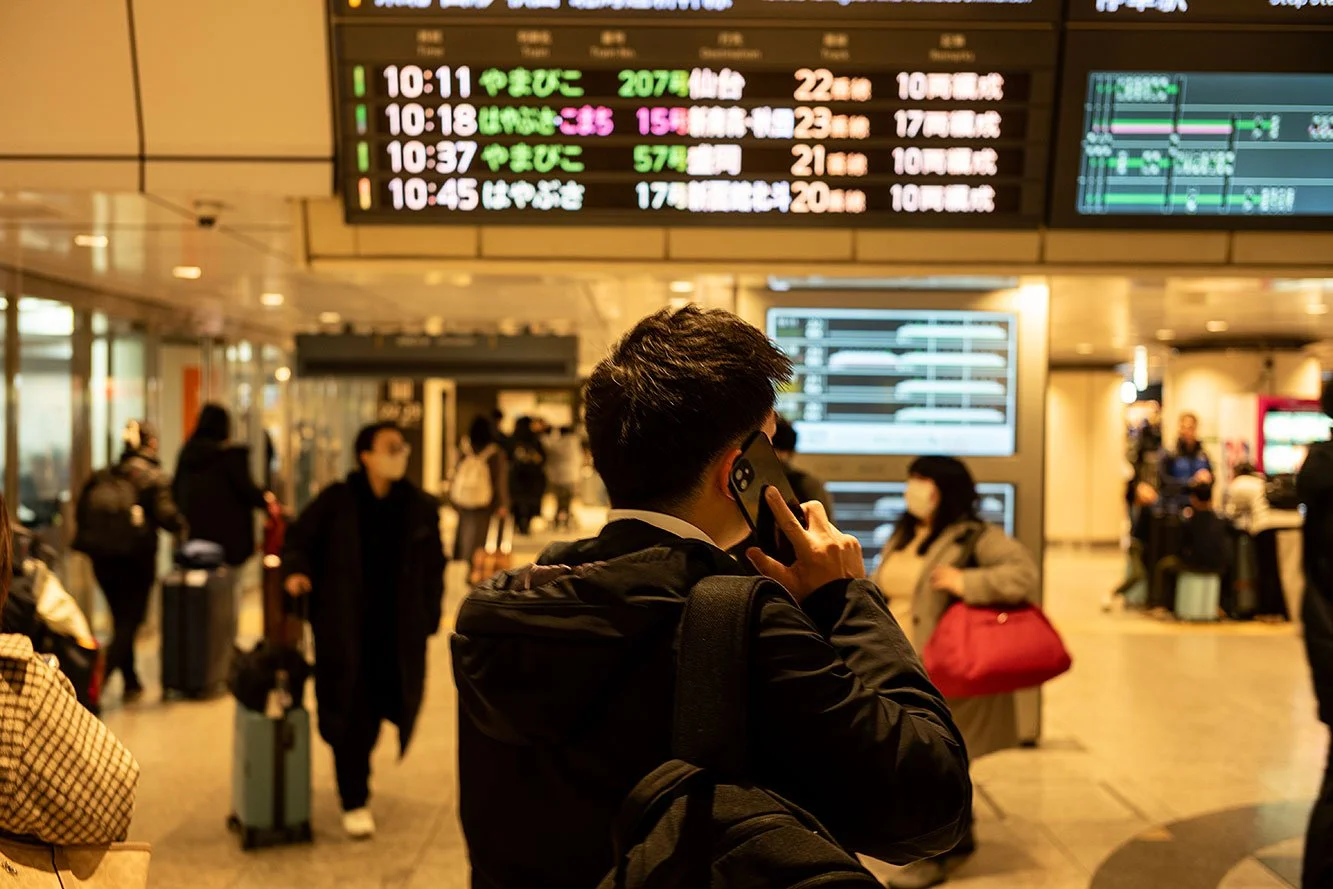
At Tokyo Station I need to find the Shinkansen gates, which I hadn’t realized. They have their own section. It’s not that hard to figure out, but I’m glad I’ve given myself a little cushion of time.
Once I’m on the platform I wait as one train passes before ours arrives. Across the platform I watch as a train arrives and the attendants turn the seats around in preparation for its departing, returning in the direction from whence it came.
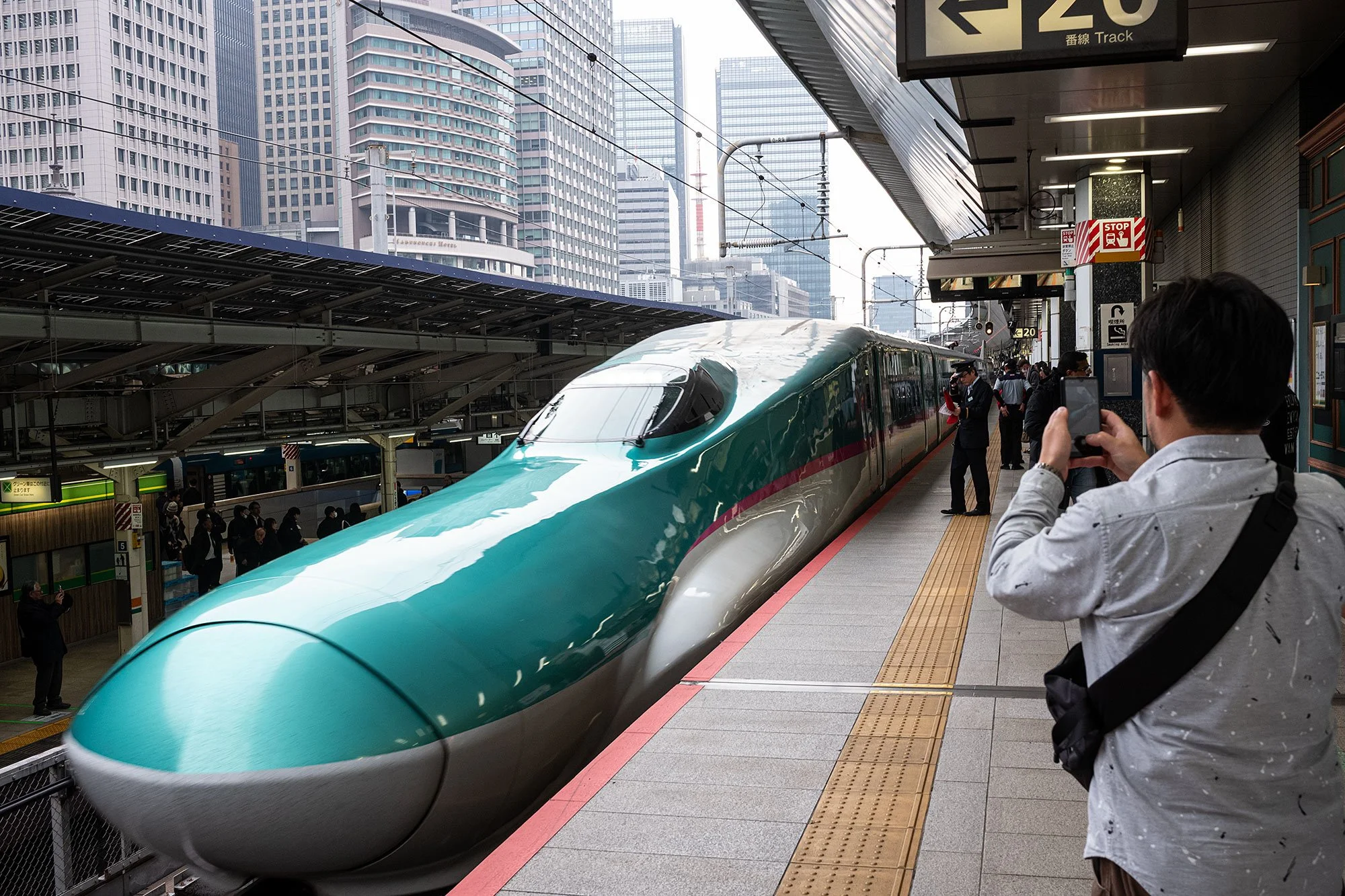
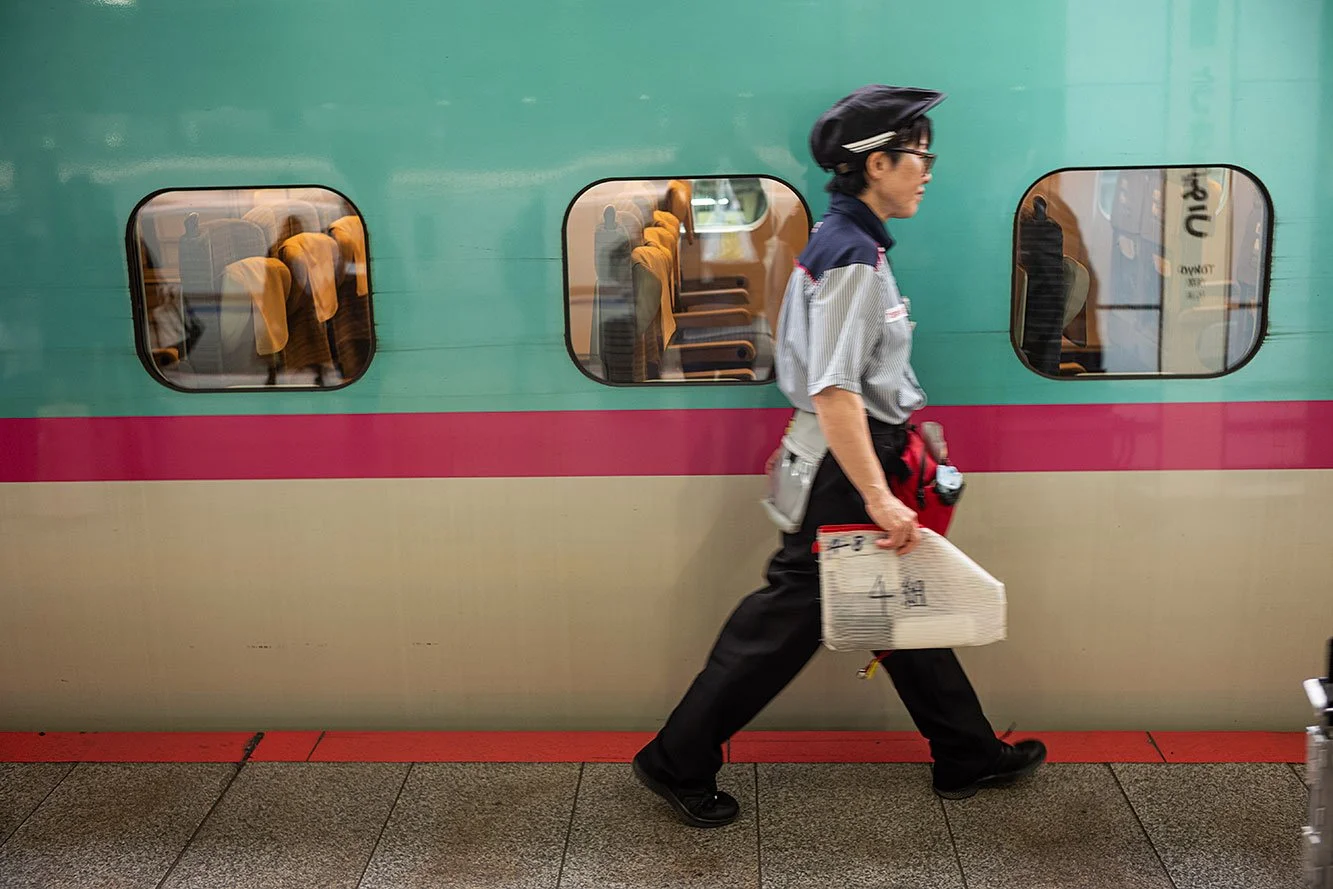
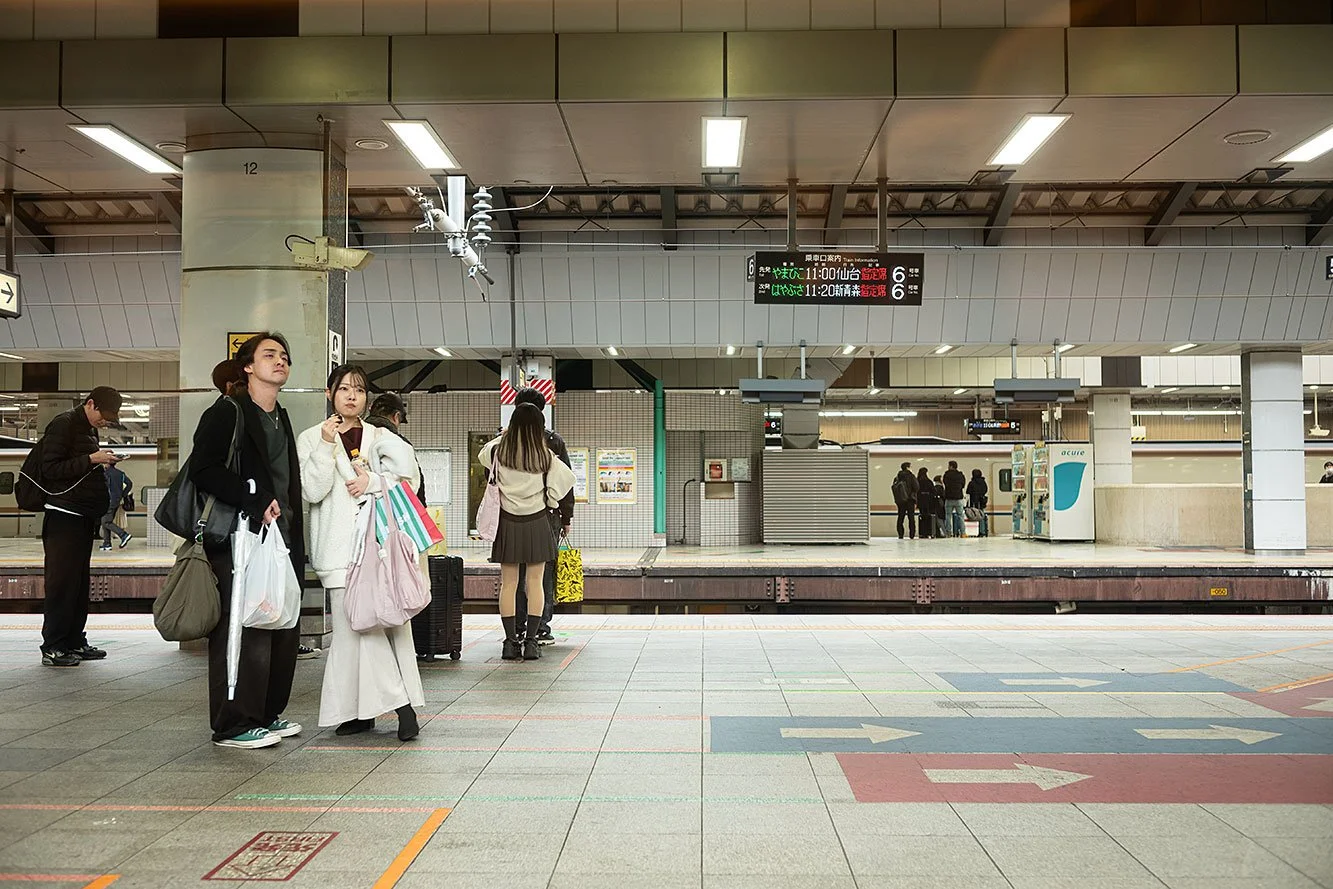
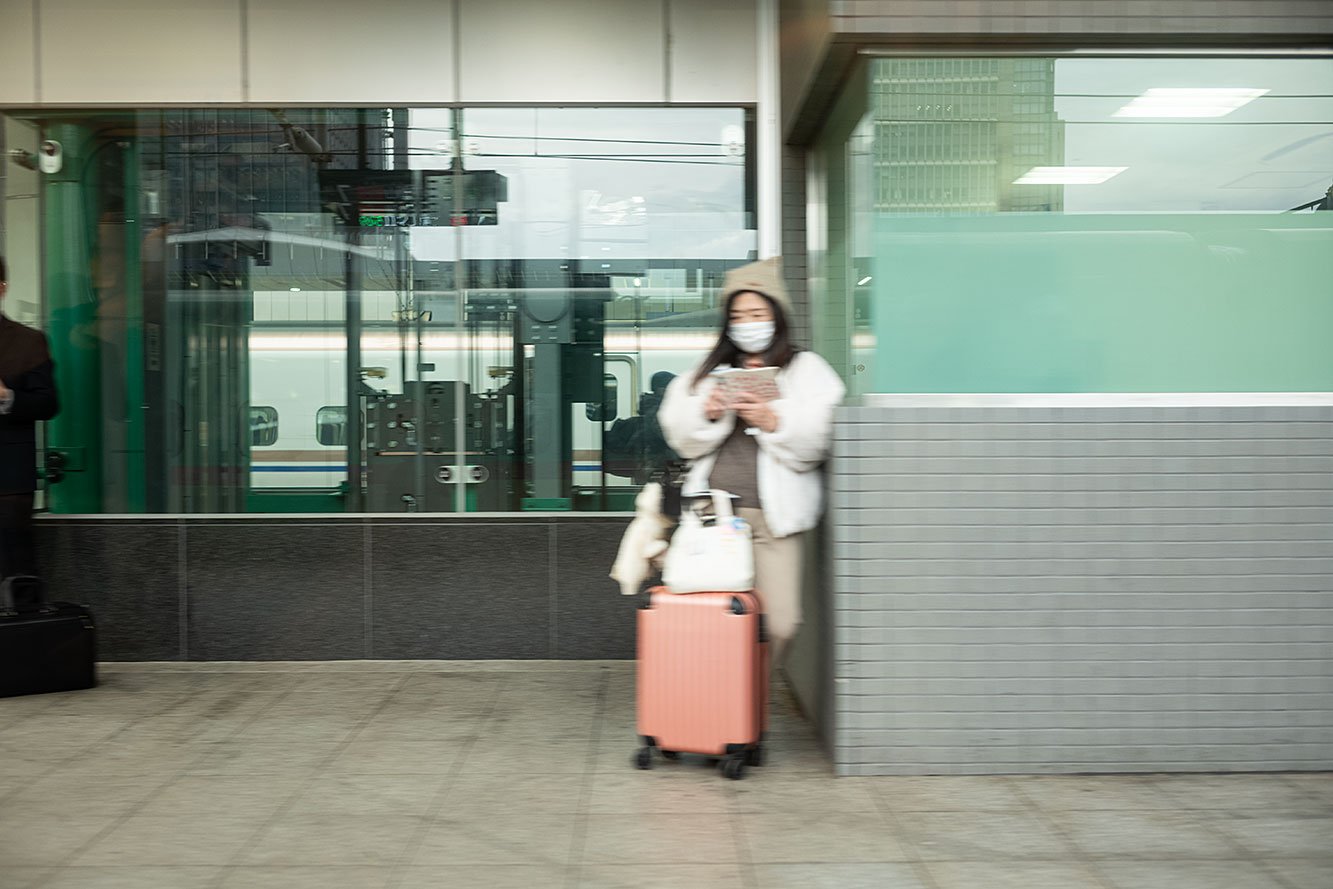
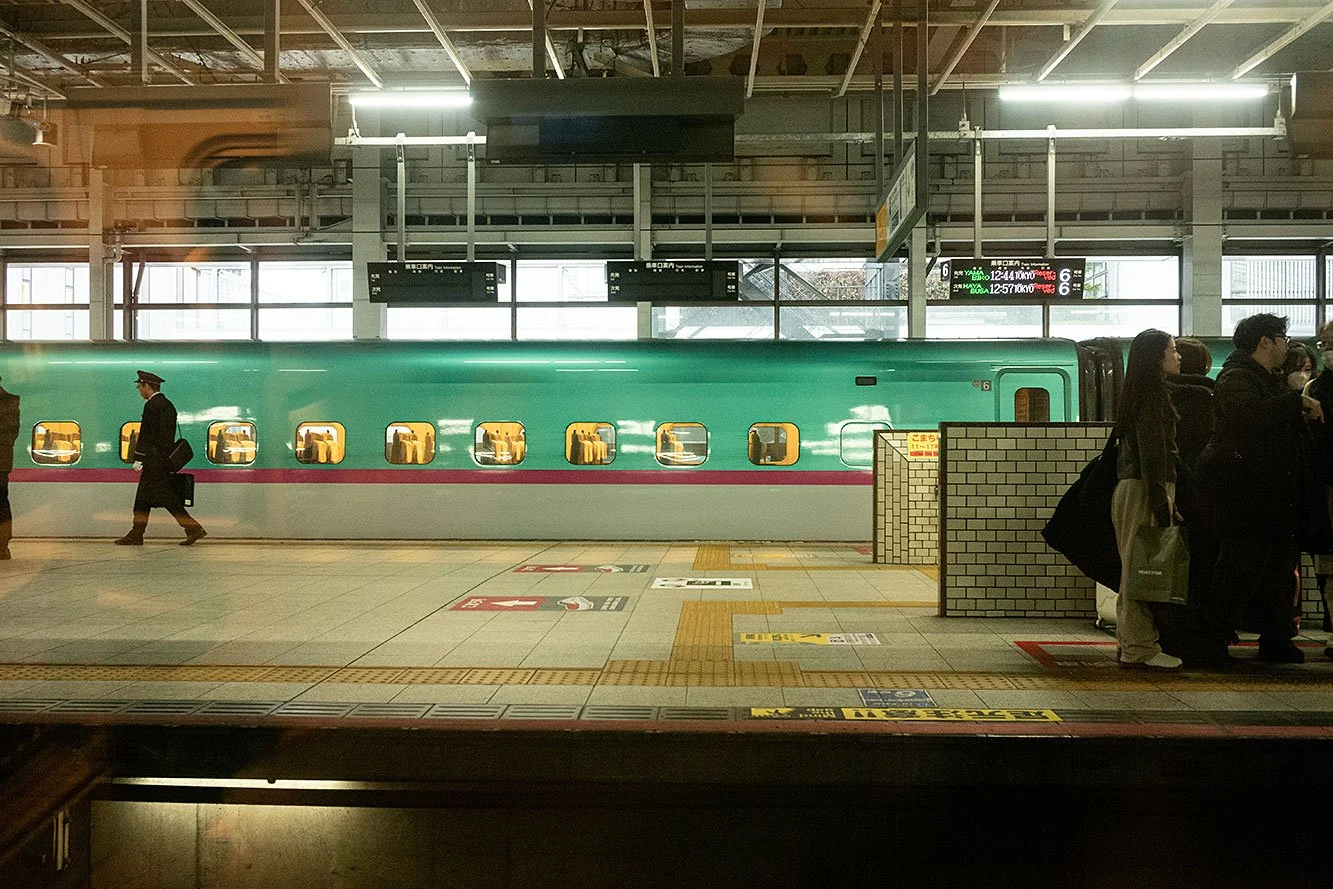
The Shinkansen speeds smoothly along its tracks. It’s amazing how fast we’re going and how little we feel any vibrations. Outside it’s misty, hinting of rain; the grey light renders a moody landscape.
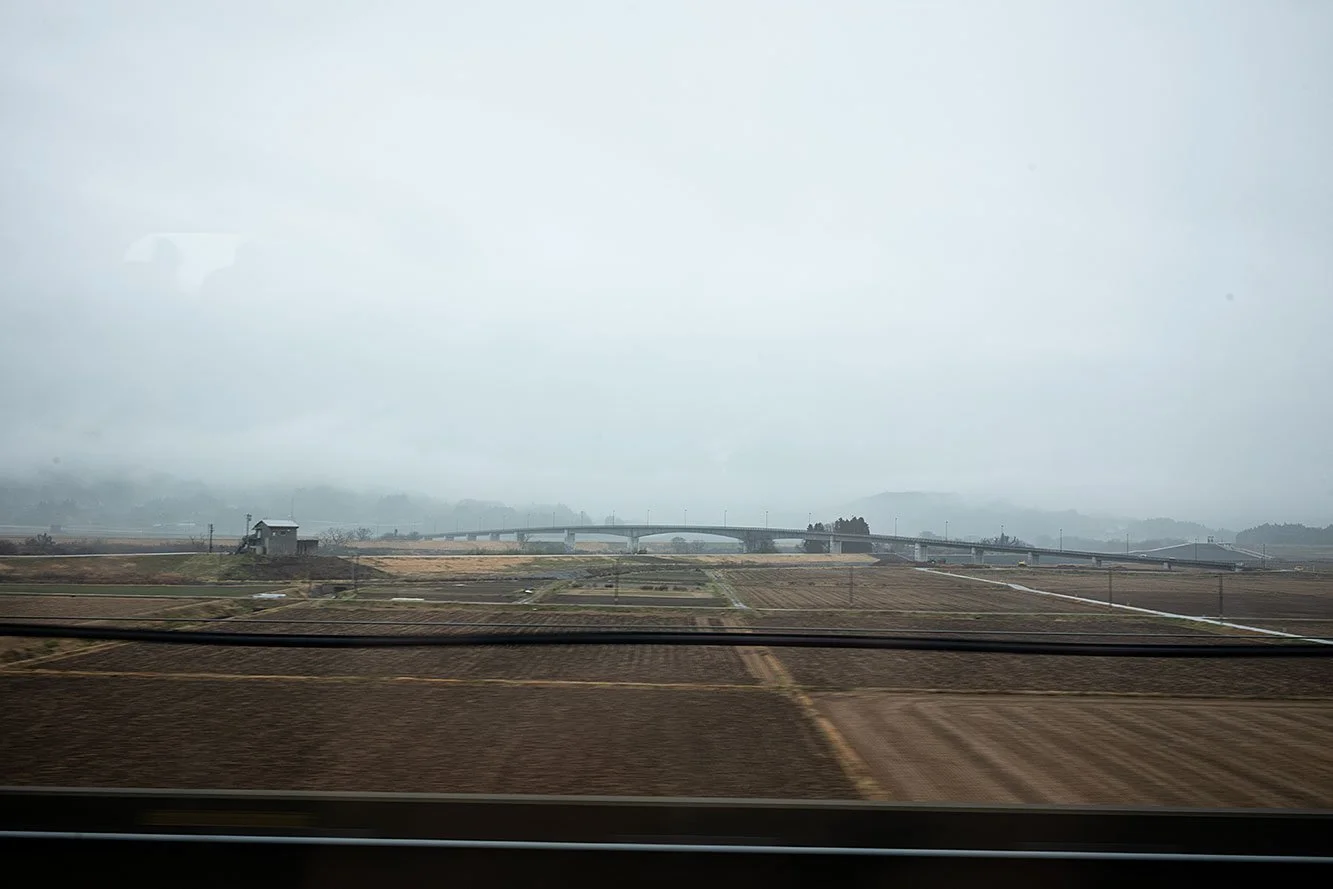
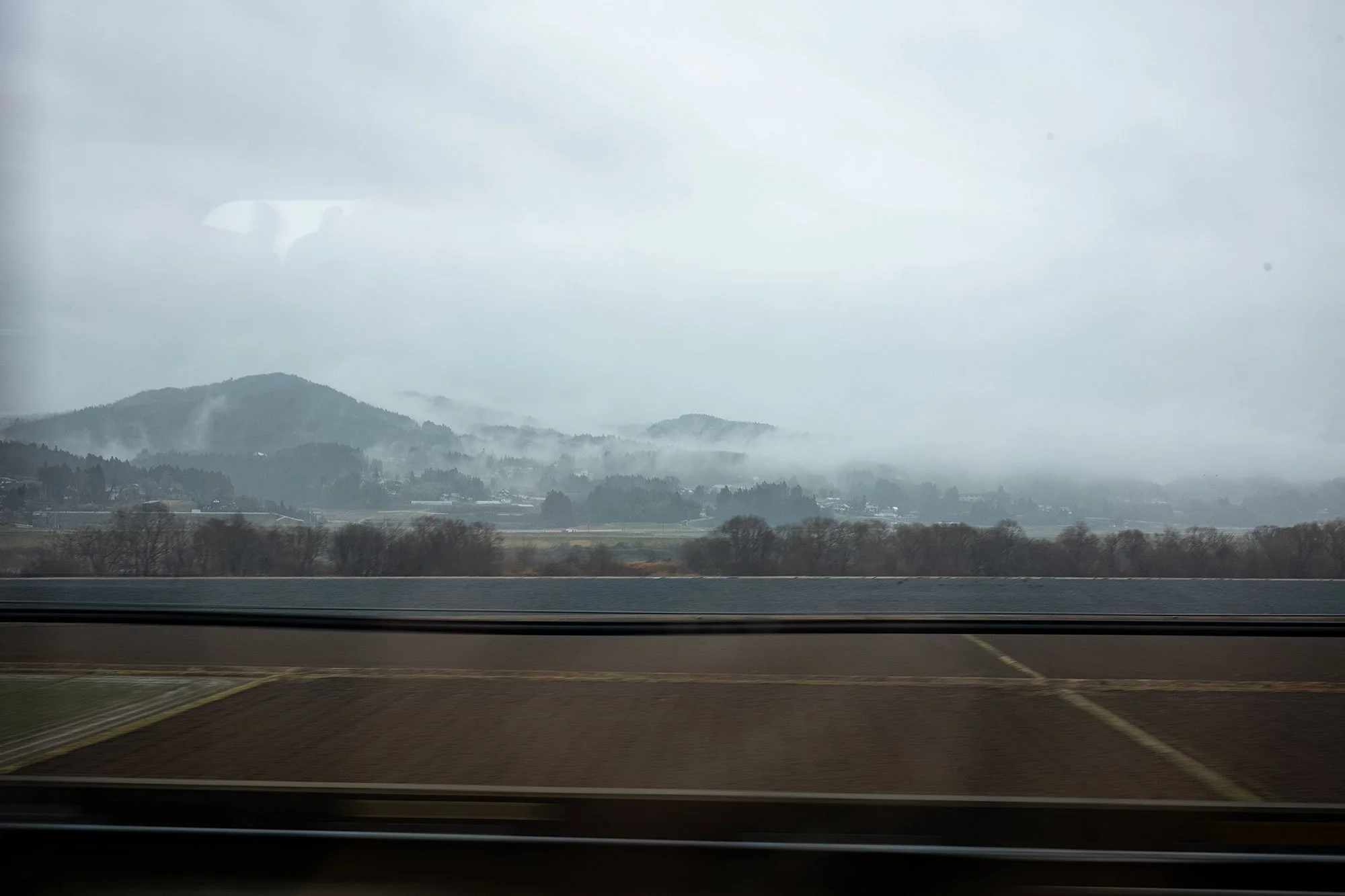
To reach Hakodate and the island of Hokkaido we pass through the 53 kilometer-long Seikan Tunnel, the world’s longest undersea tunnel. An annoucement is made before we enter, quoting facts and figures. Running 100 meters below the seabed and 240 metres below sea level it’s also the second deepest transport tunnel below sea level in the world. after Norway's Ryfylke Tunnel.
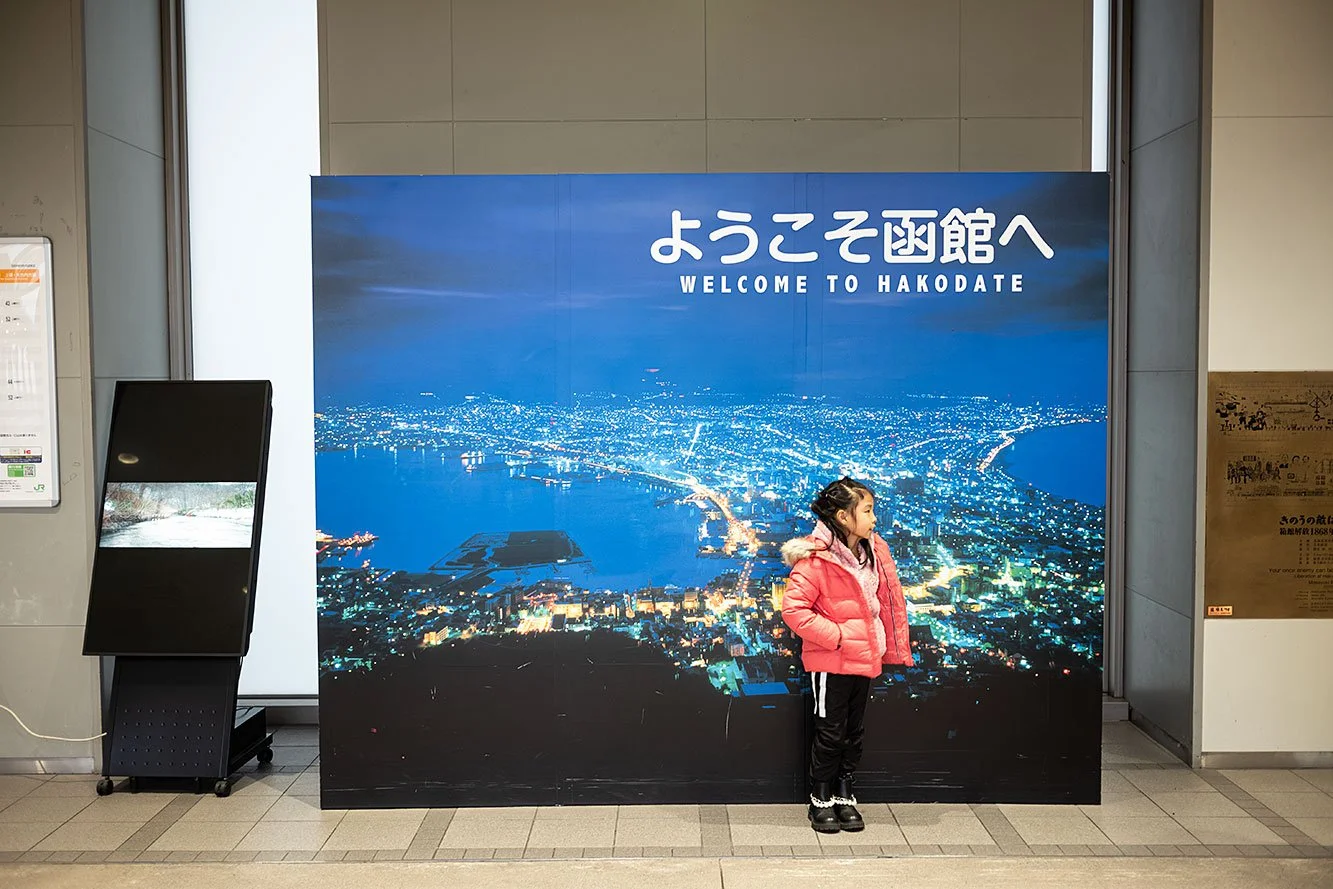
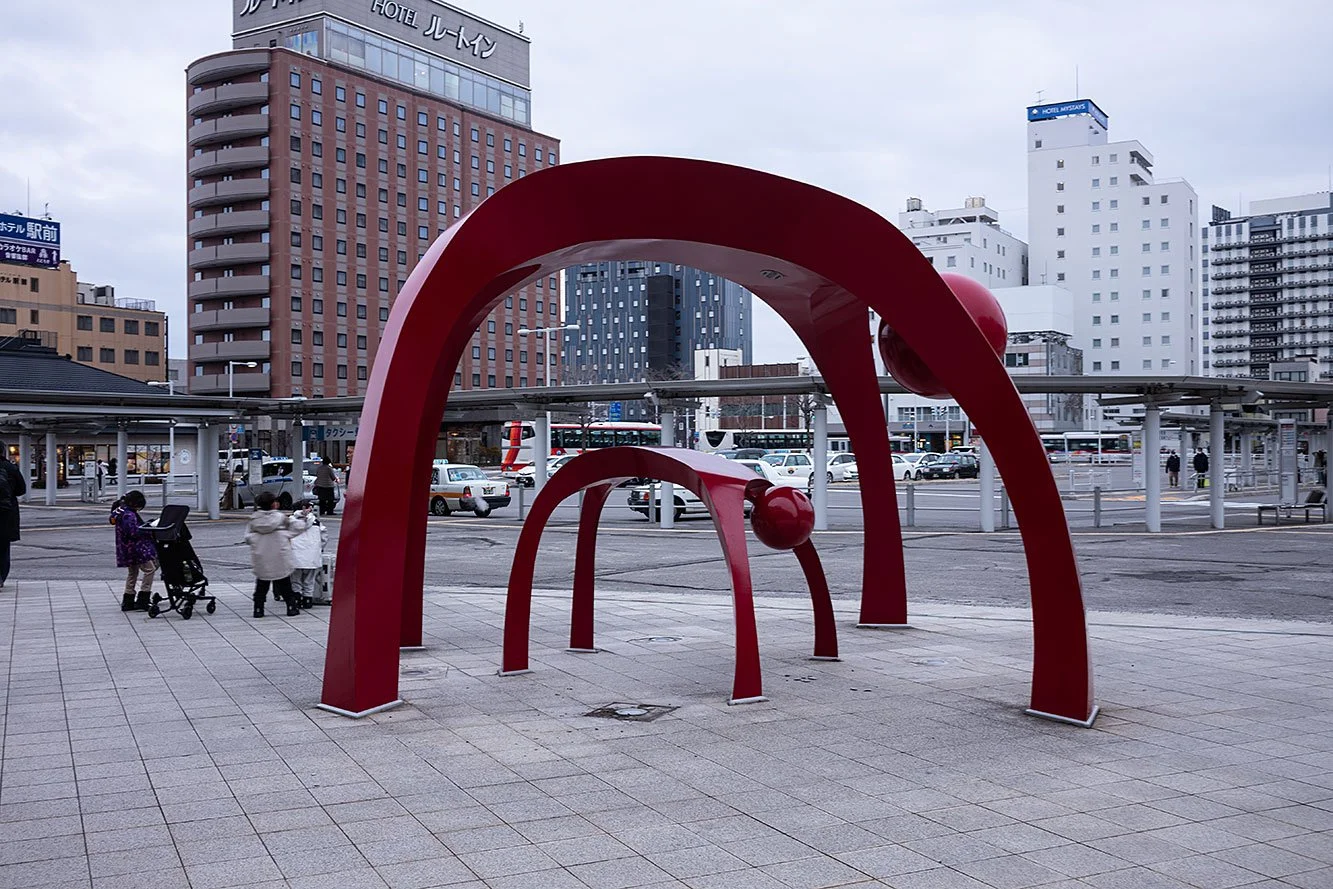
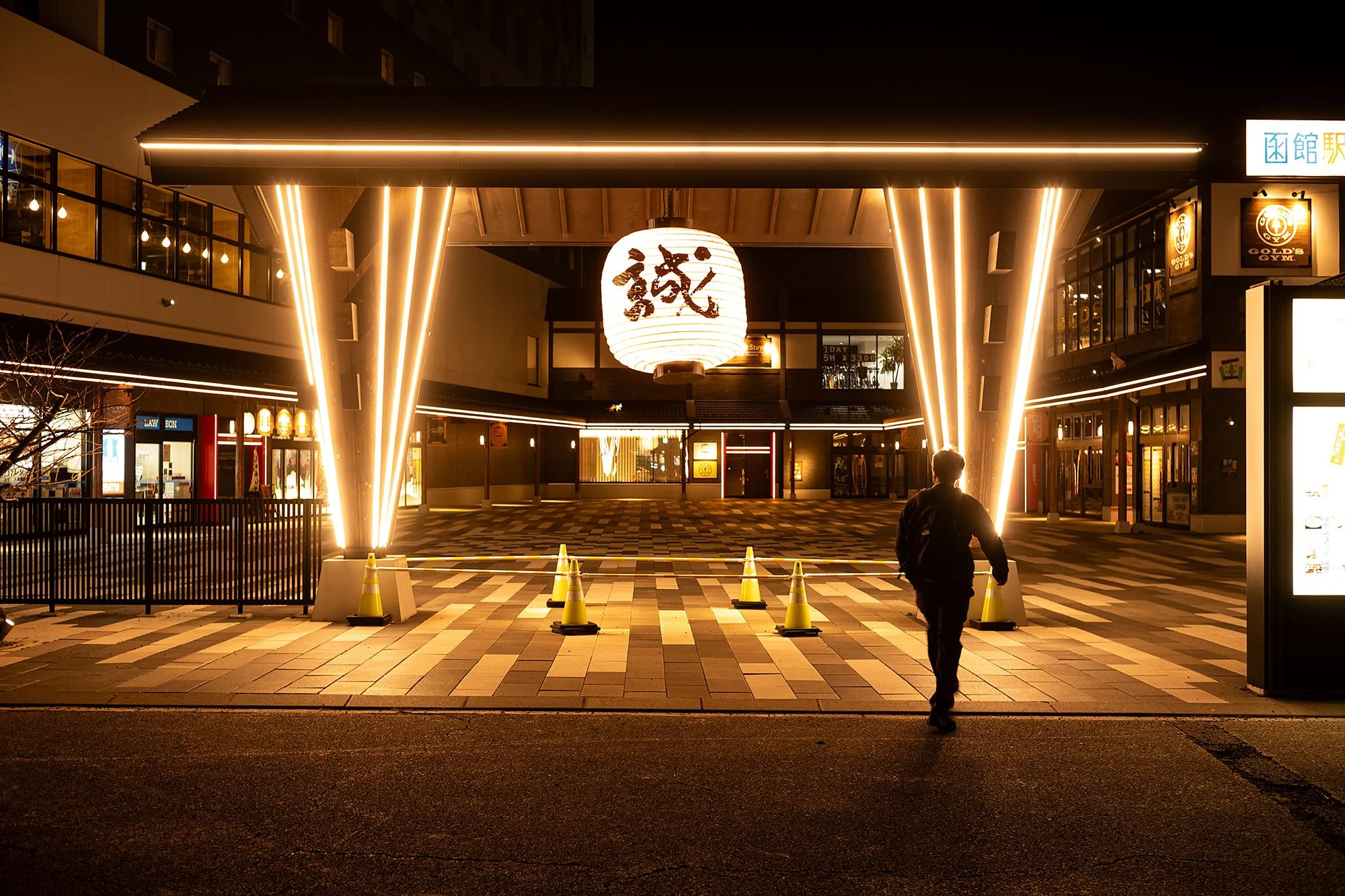
We arrive in Hakodate at 15h. I’ve booked a night in the hotel almsot adjacent to the station and shoulder my bag to walk past the bus station platforms and across a small plaza to the entrance of the hotel.
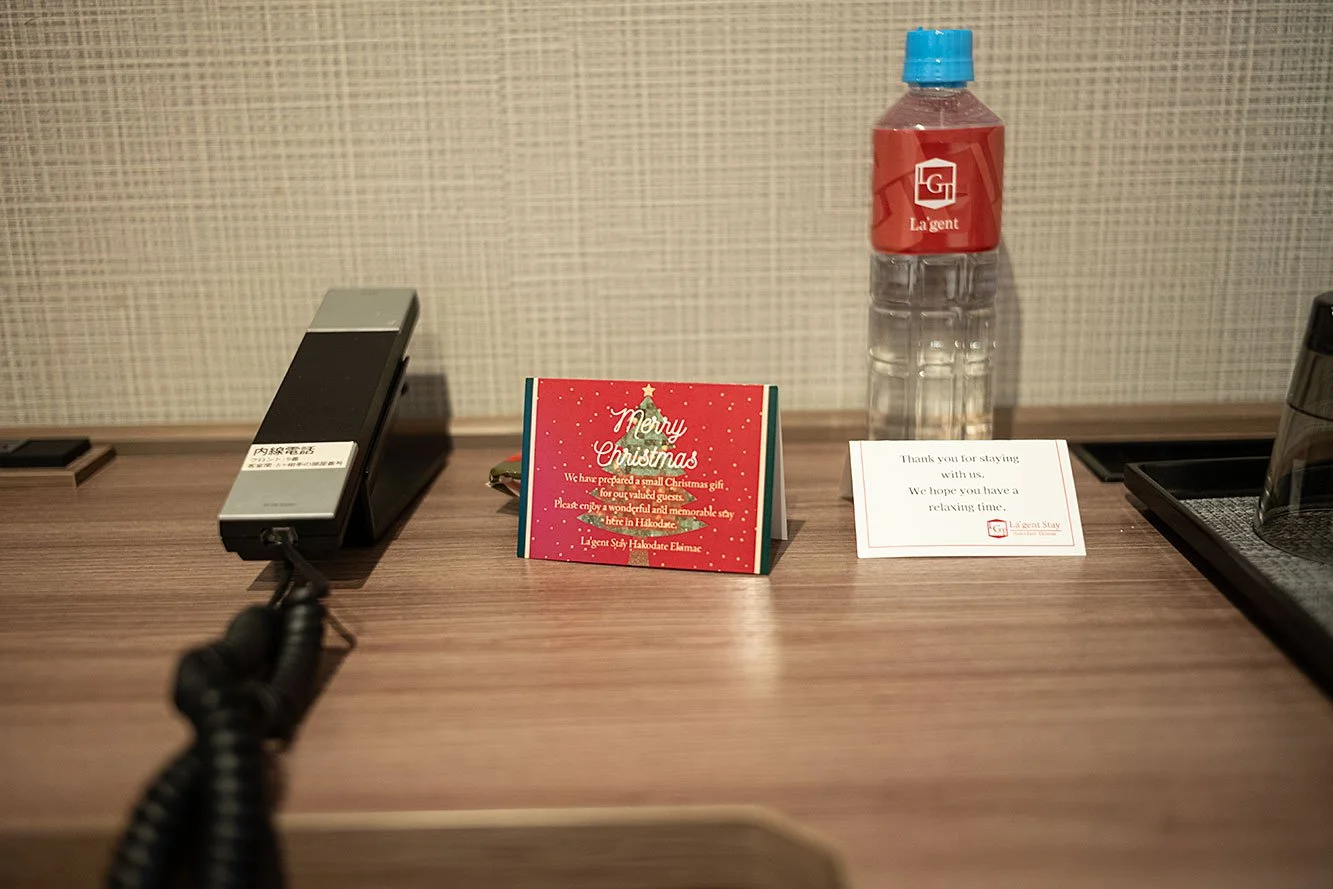
In the room there’s a note wishing me a Merry Christmas along with a handful of cookies. I really appreciate the gesture and unwrap a cookie whilst deciding how best to spend my late afternoon/evening.
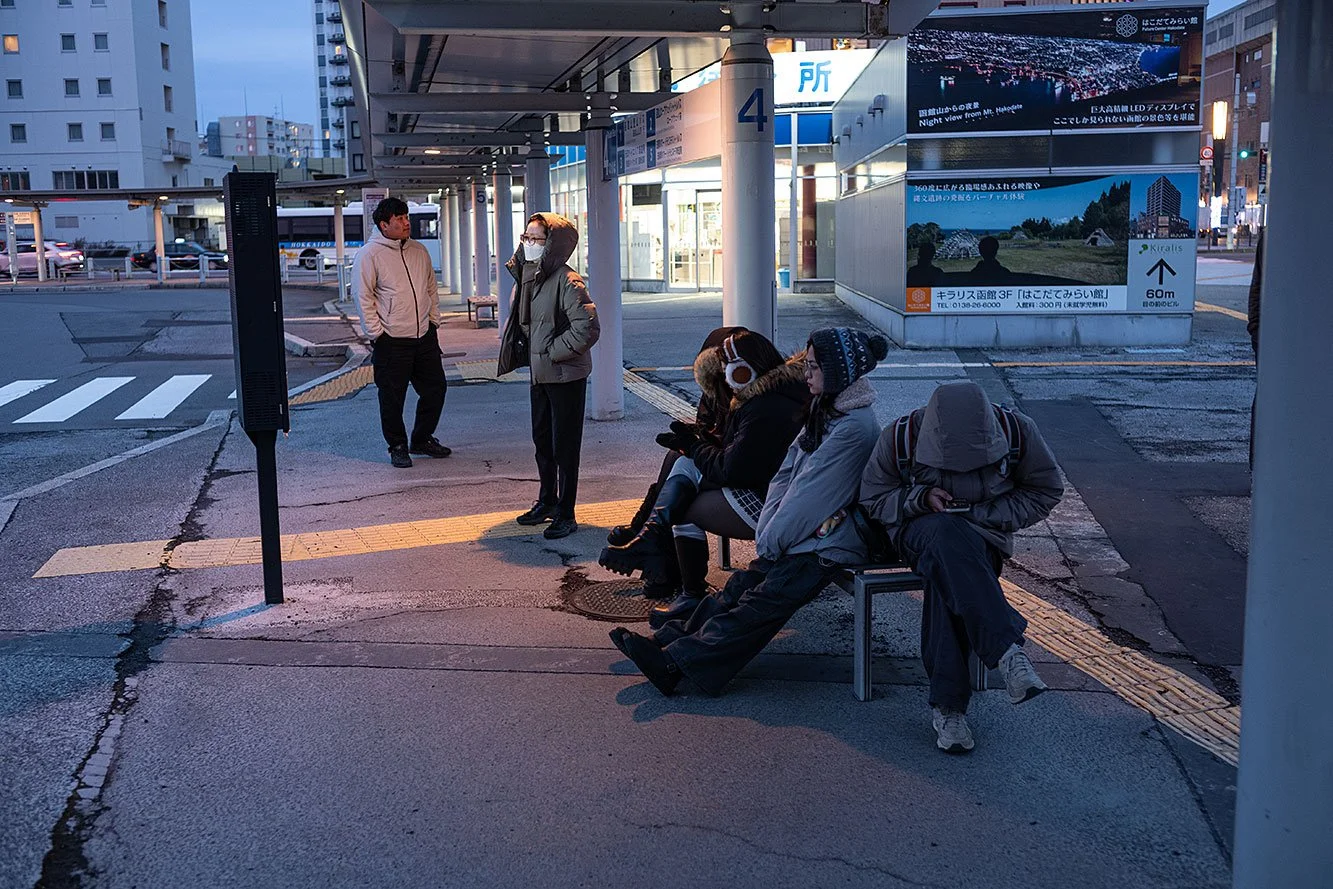
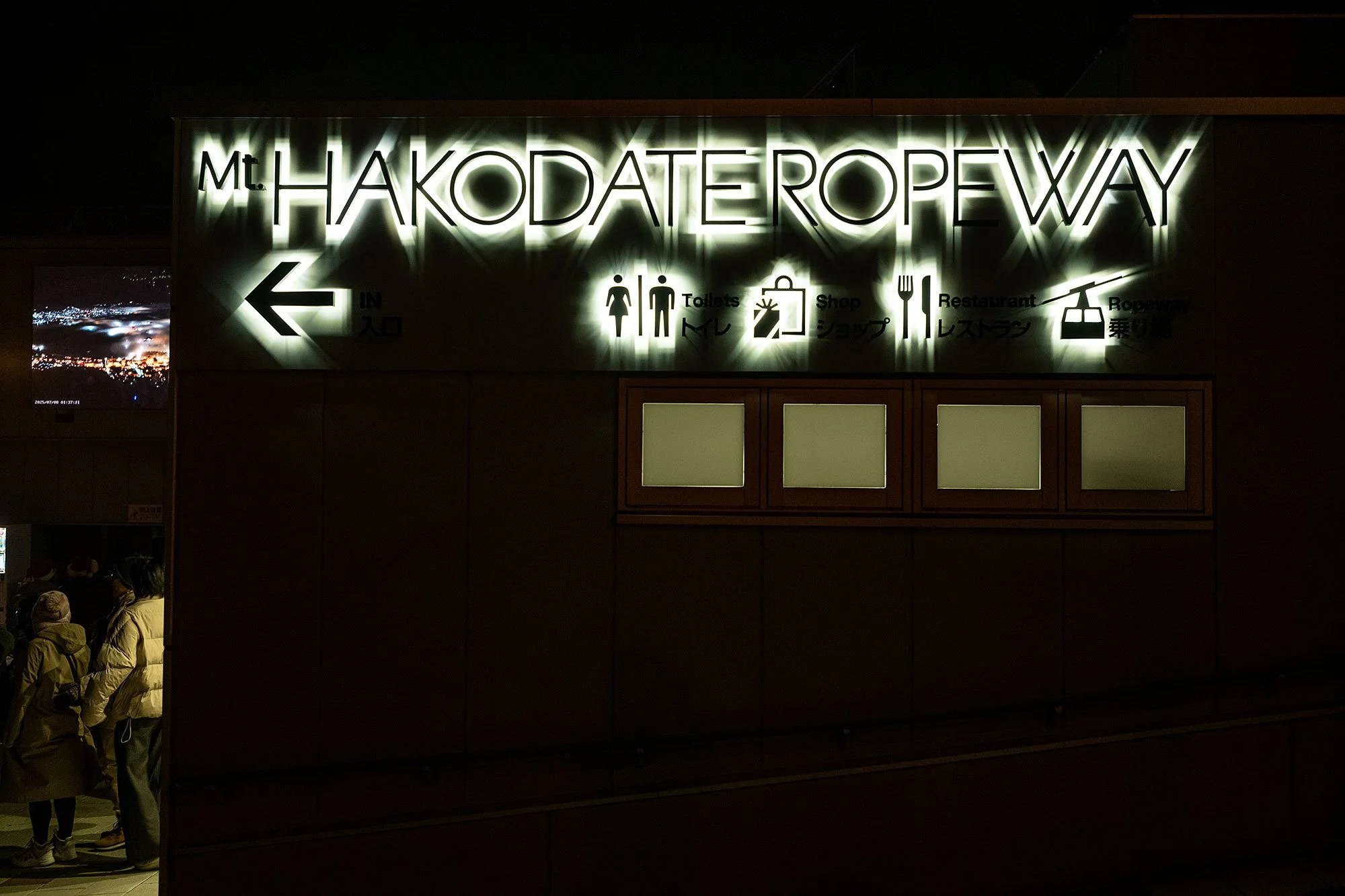
I unpack my warmest clothes and walk to the bus stop. The sights are concentrated in the southwest of the city and there’s a bus that will take me to the base of Mt. Hakodate where a ropeway runs to the summit.
It’s cold standing at the platform, however, and after checking how long it will take to walk I decide to do just that, Along the way I can also visit the Kanemori Red Brick Warehouse shopping area, which I had originally intended to do on the way back.
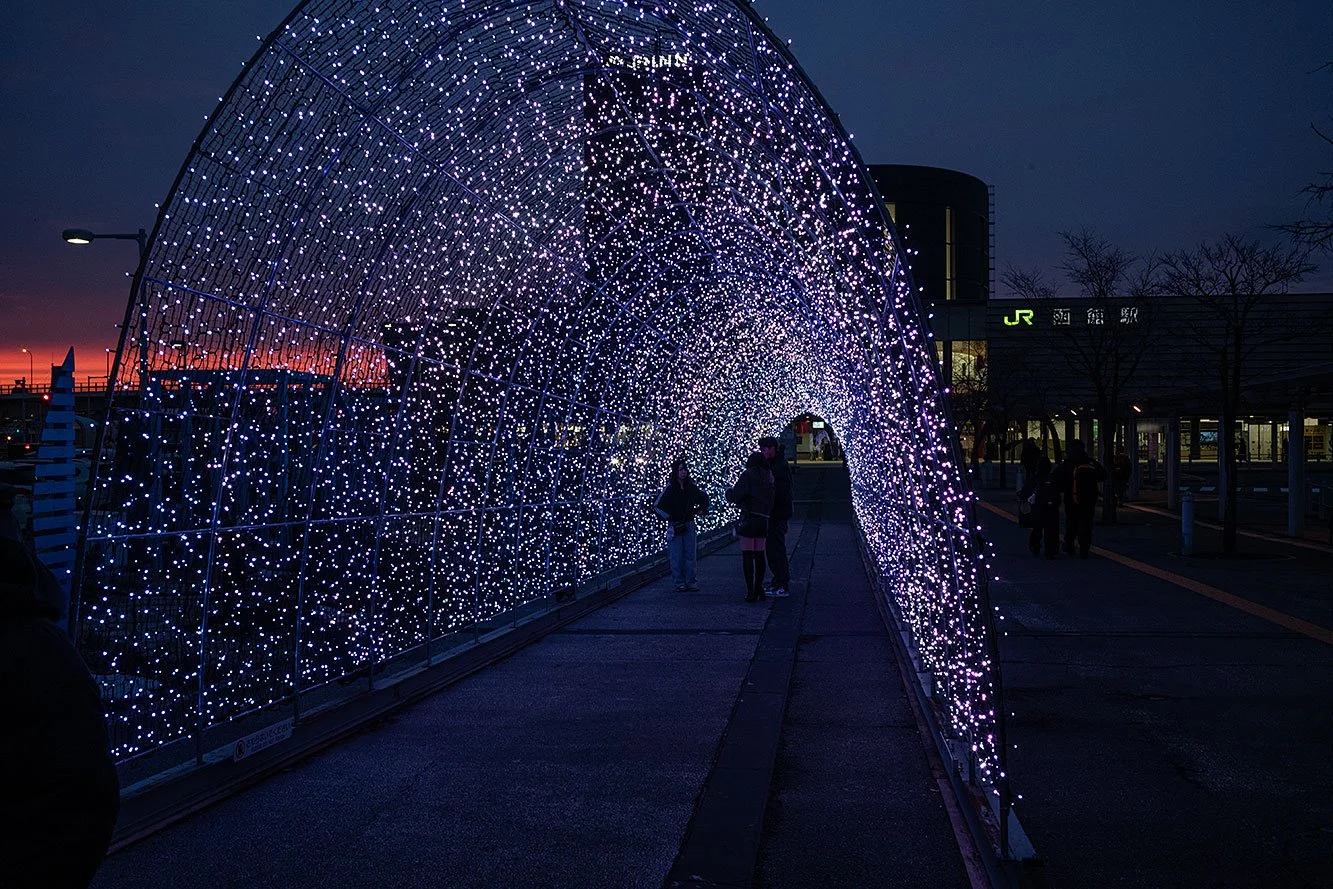
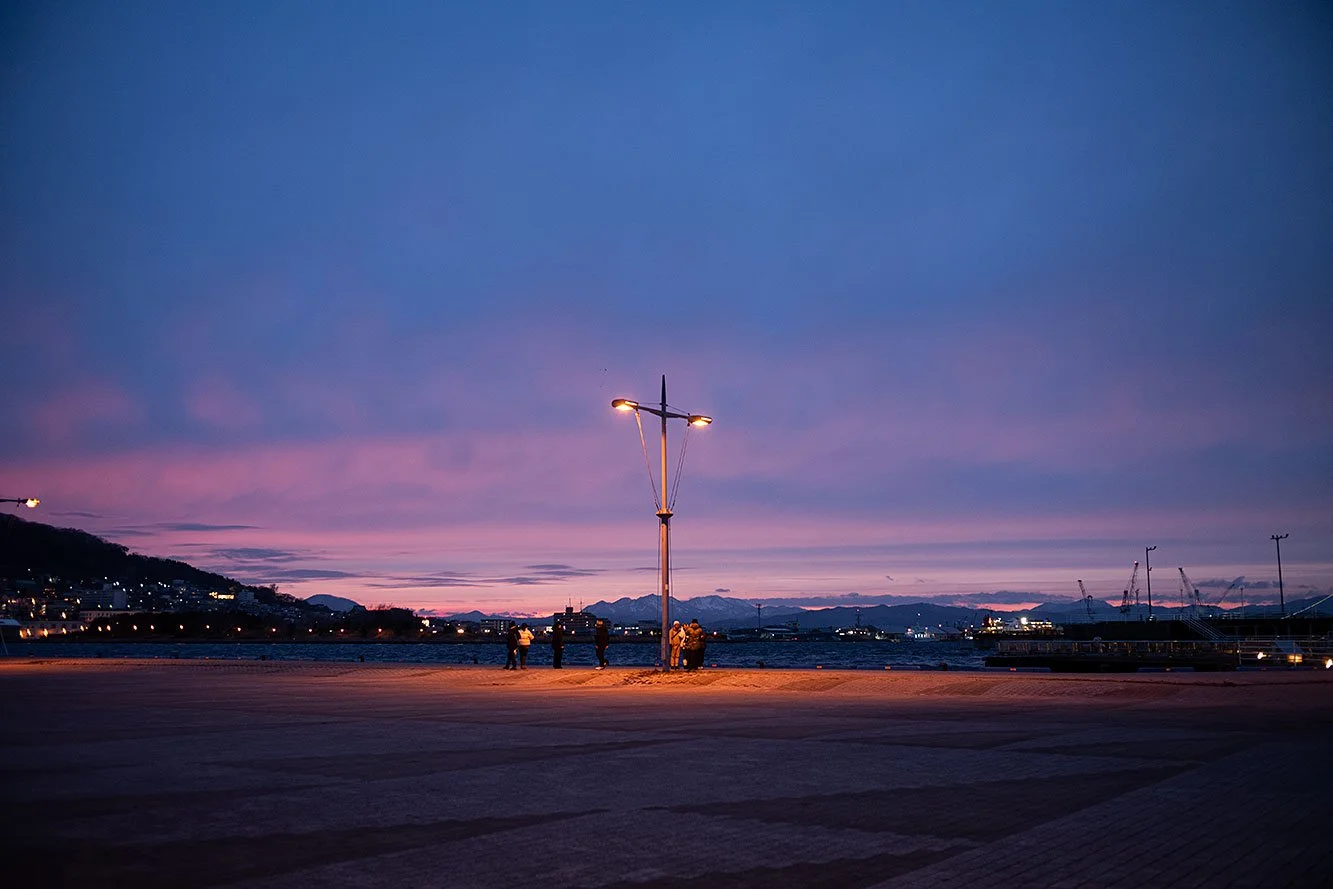
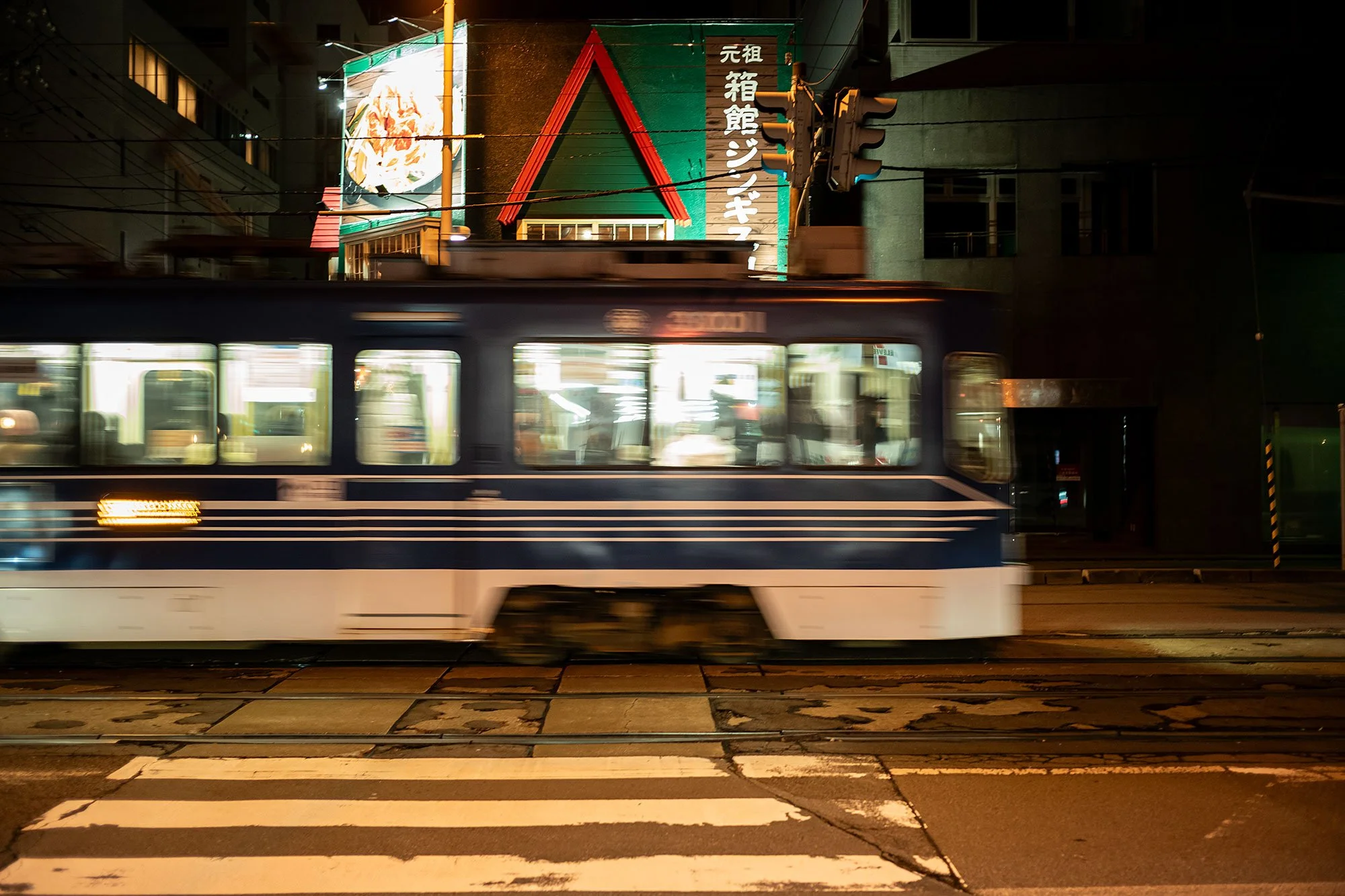
The sun sets as I walk towards the bay, the colors of the sky magenta and deep blue fading to black as I approach the warehouses.
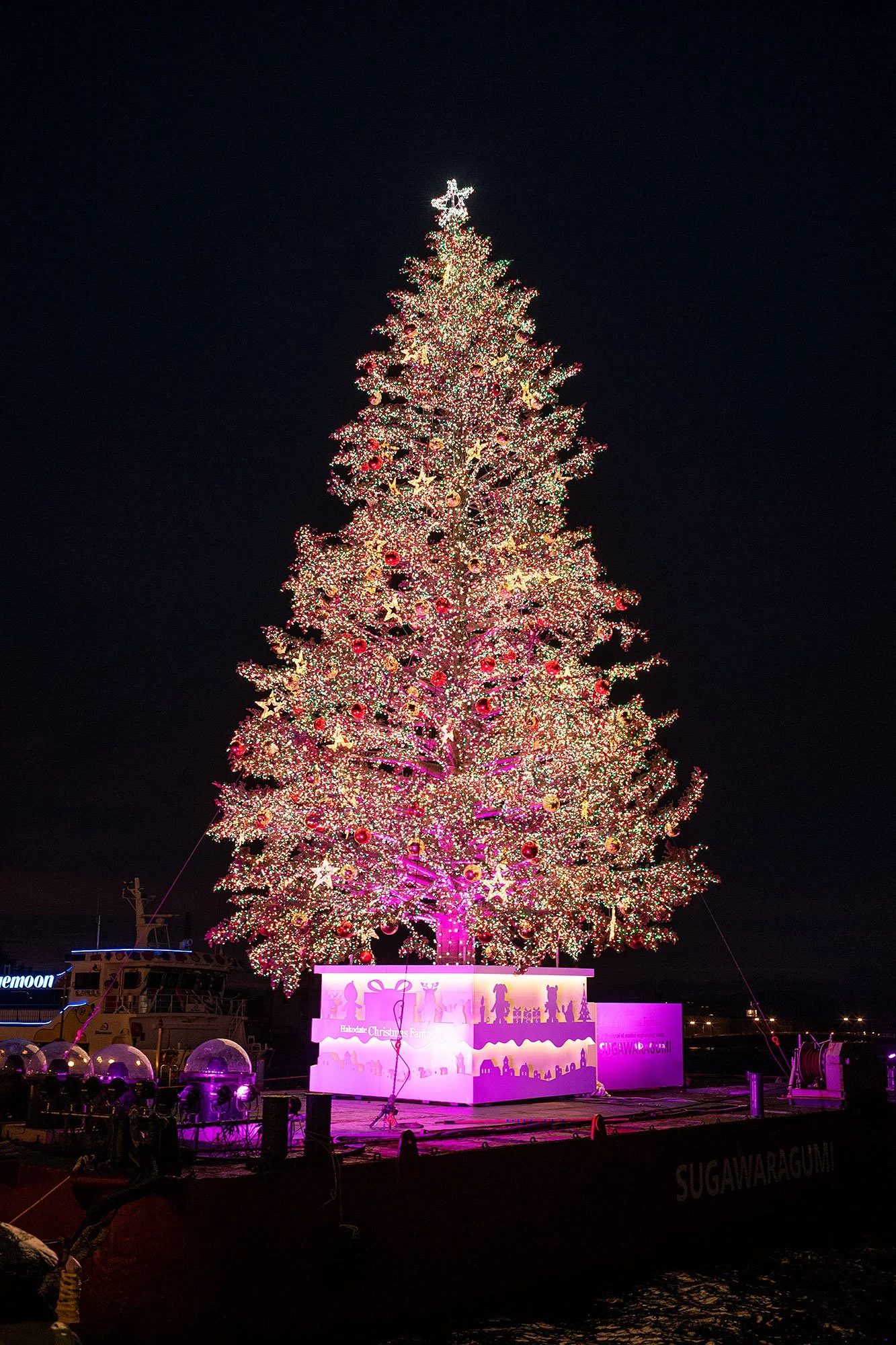
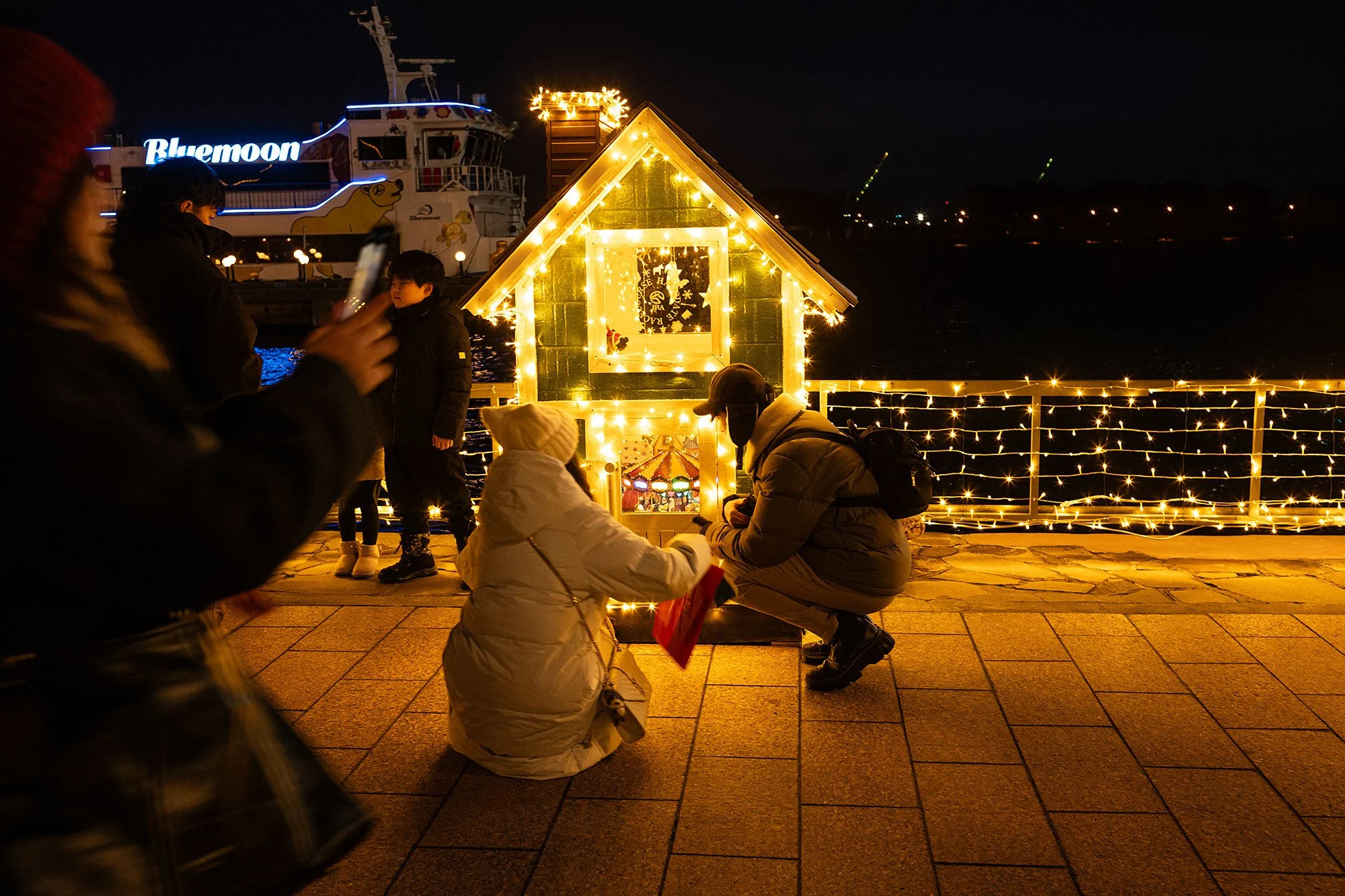
A Christmas tree stands on one of the piers and it feels like there’s going to be something to commemorate the day, but I’m not sure what it might be or at what time it might start. A festive atmosphere pervades the area and I feels the most Christmasy I’ve felt thus far.
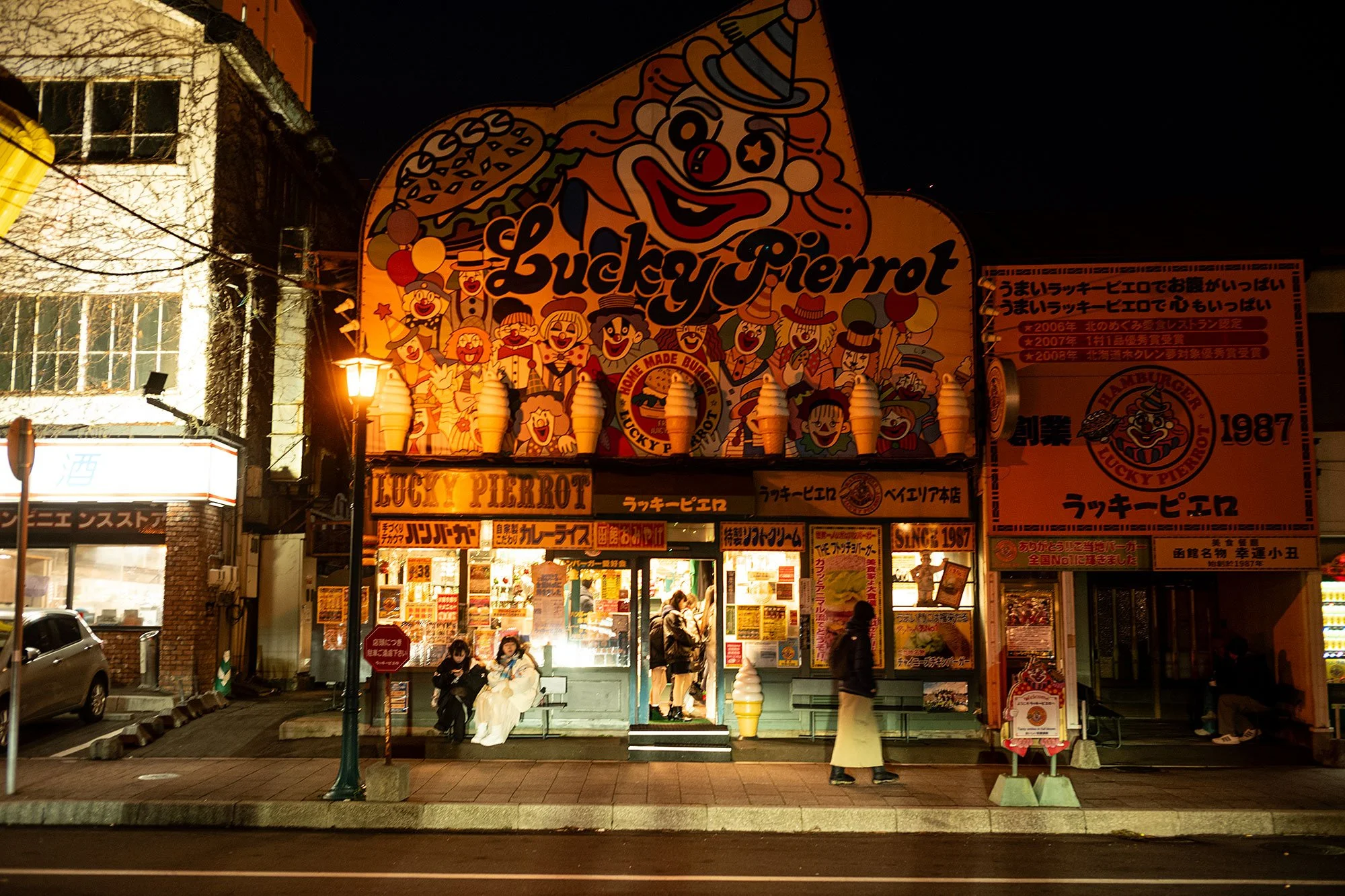
I wander into the warehouse to check out the stores. There are cute items and tchotchkes and if I were outfitting my kitchen I’d consider picking up a few things, but being technically homeless have nowhere to put anything. Let alone have a cohesive aesthetic I’d be trying to maintain.
Reaching the lower slopes of the mountain I begin the climb up to visit the churches that make up the Motomachi church group, a collection of three historic, Western-style churches situated within a block of each other.
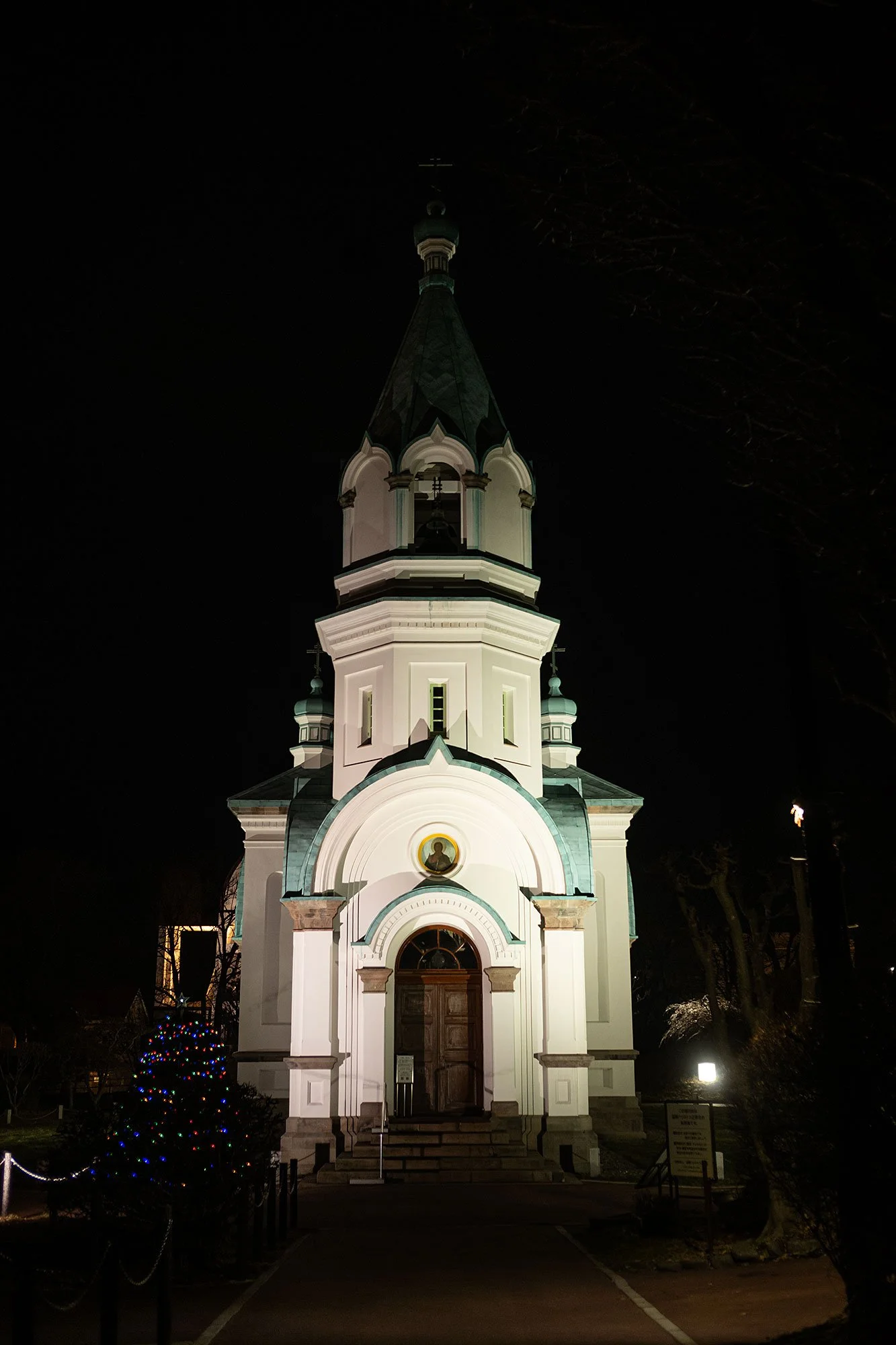
The first I encounter is the Holy Resurrection Orthodox Church of Hakodate, Japan’s first Russian Orthodox Cathedral. Established in 1860, the church was originally part of the Russian Consulate. Burnt down in the Great Fire of 1907, the church was rebuilt in 1916 and has since been officially recognized as an Important Cultural Property of Japan.
It’s surprising to see Eastern European architecture rising up from the hillside; it’s a little even more surprising to see so many western houses of worship clustered together. It’s like a museum to western religious art.
But before I look at the other churches I walk over to Hachiman-Zaka Slope, a cobblestoned street that leads from the original placement of the Hachiman Shrine down to the harbor. It’s one of the famous sights in Hakodate, but in the dark it’s hard to make out the red warehouses at the end. The street is equipped with a heating system, making it easily traverseable in the winter, though there’s no snow yet in this part of Japan. There’s definitely a winter chill, however, and the dressed up trees signal the holiday season.
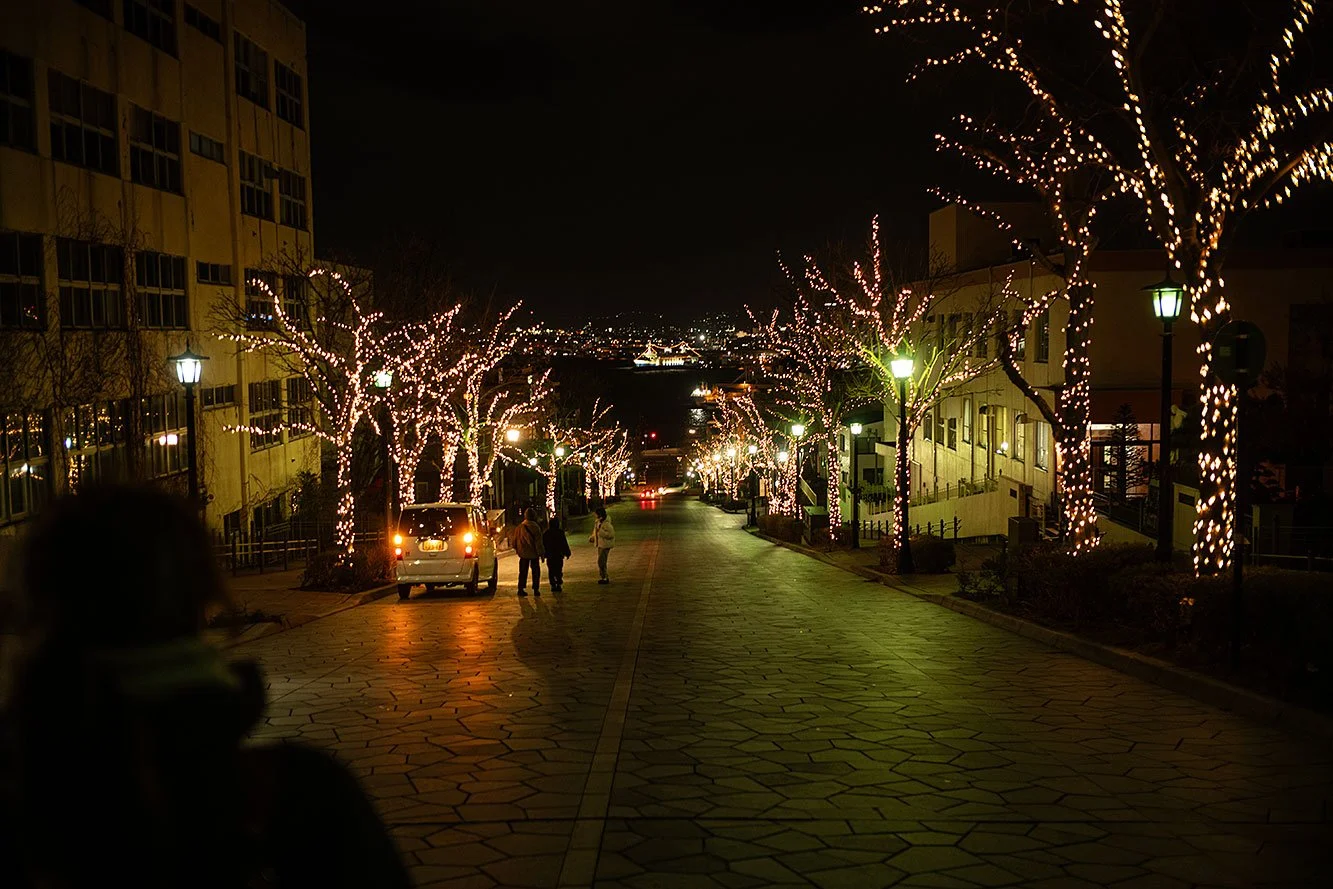
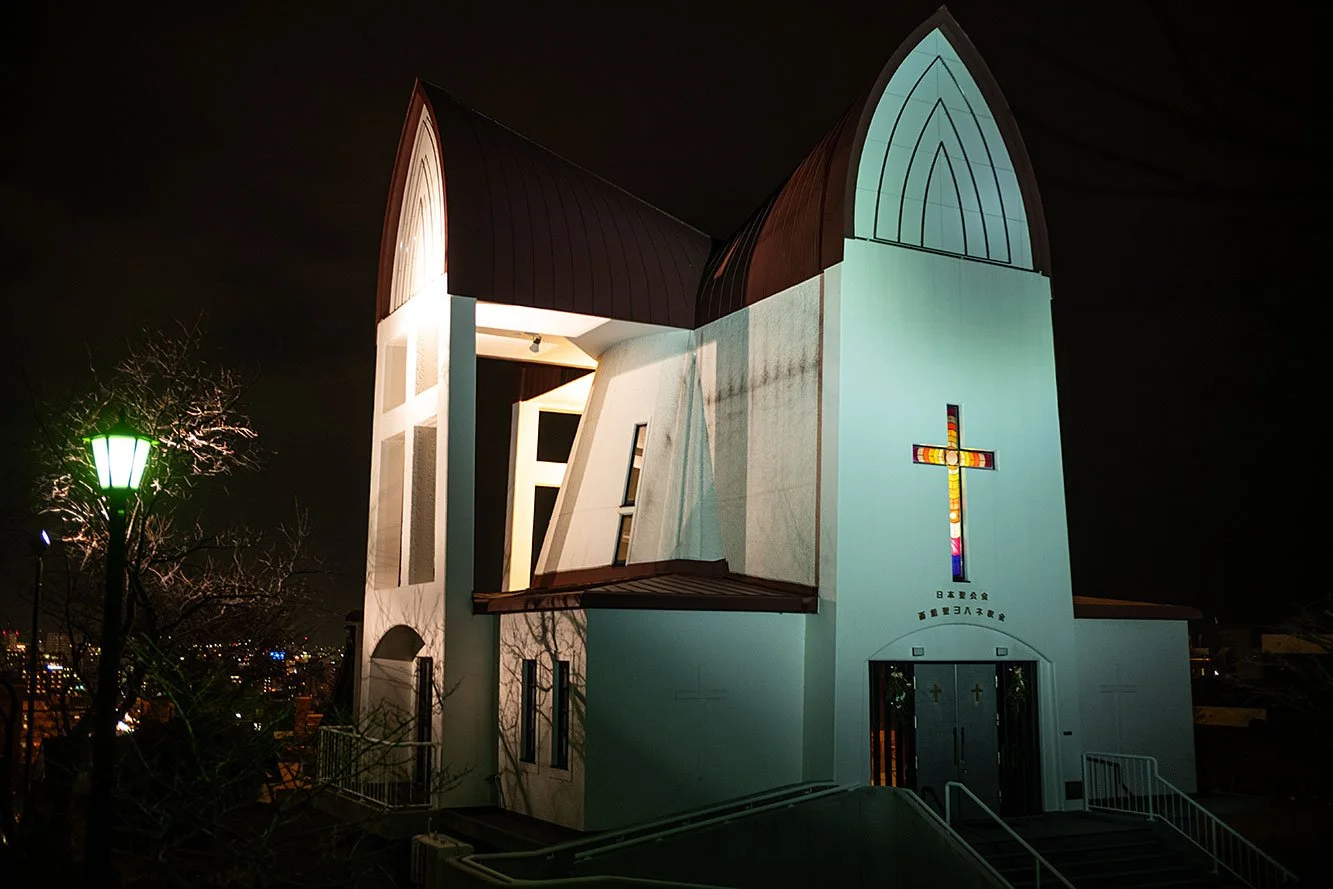
Turning back I walk to the Hakodate St. John's Church, strolling the quiet streets. There’s a few other people doing the same walk as me, enjoying the cool night air to take in the sights.
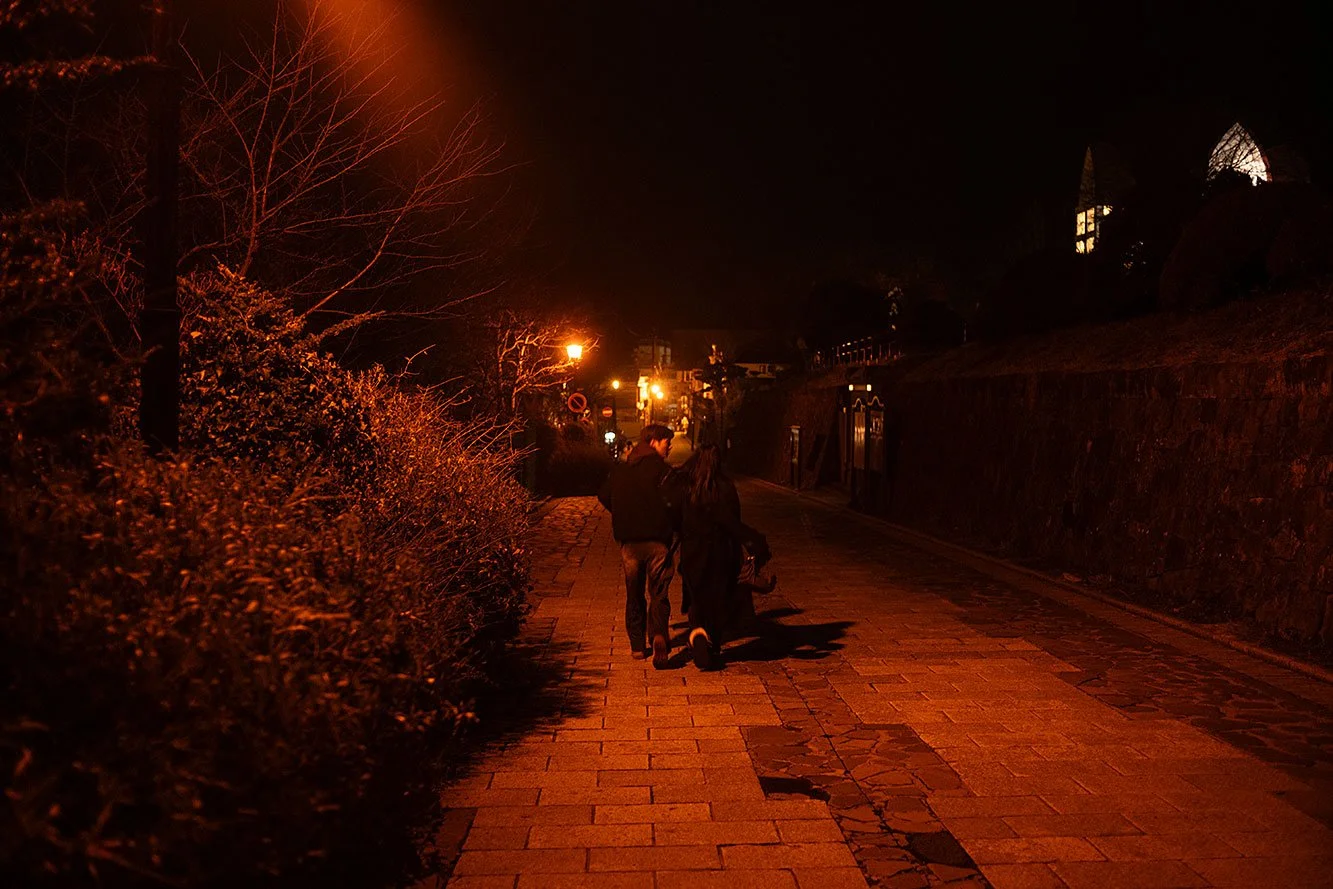
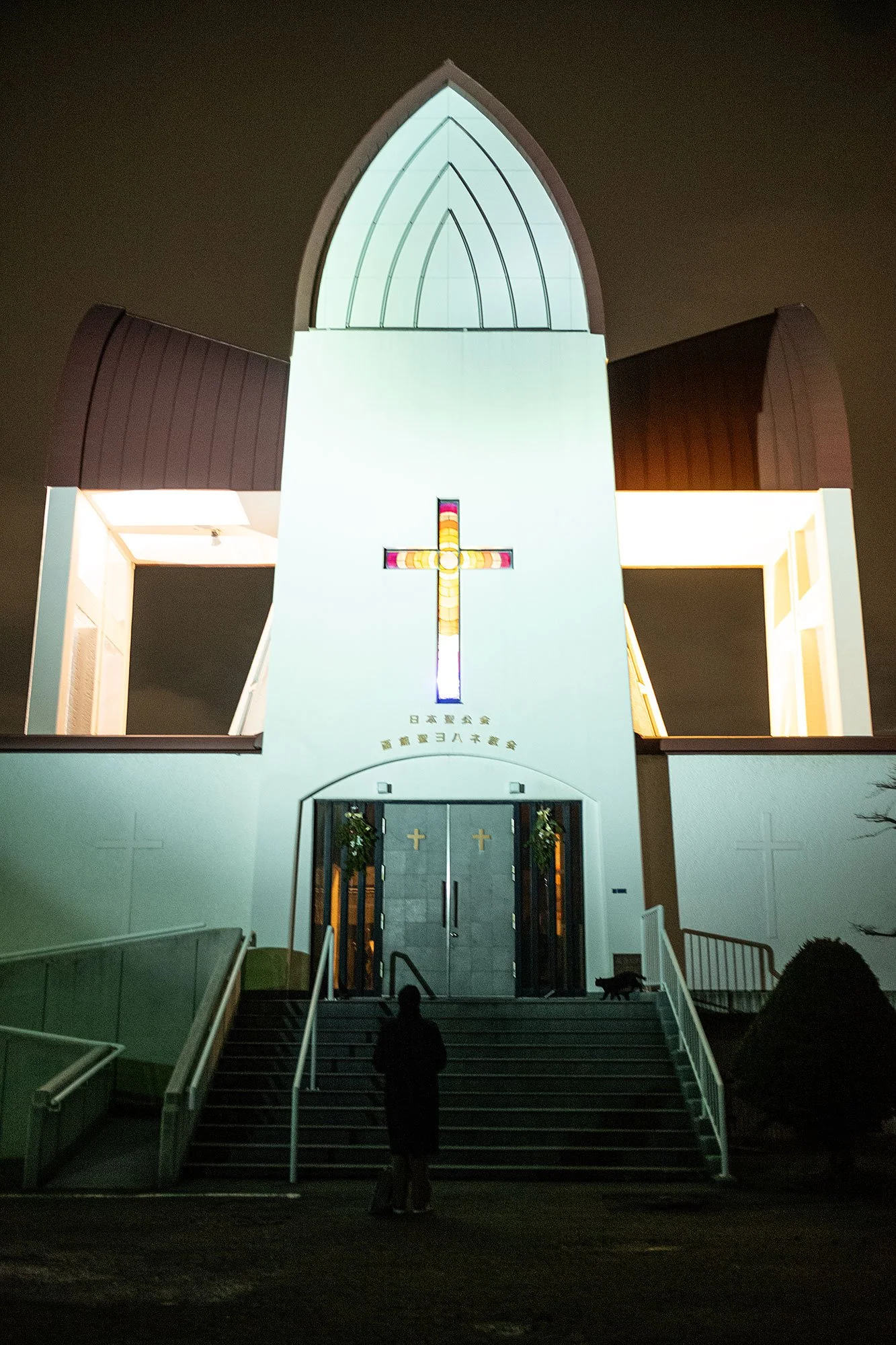
St. John's Church was established in 1874. Completed in 1979, it’s designed in the shape of a cross and is recognized as the first Anglican church in Hokkaido.
There’s a man standing before it and I can hear him muttering to himself. I’m not sure if he’s praying. Even if I could understand the language he speaks low enough that all I can make out are vague sounds and the rise and fall of his pitch, but not distinct syllables. I decide to give him a wide berth and continue walking to the ropeway.
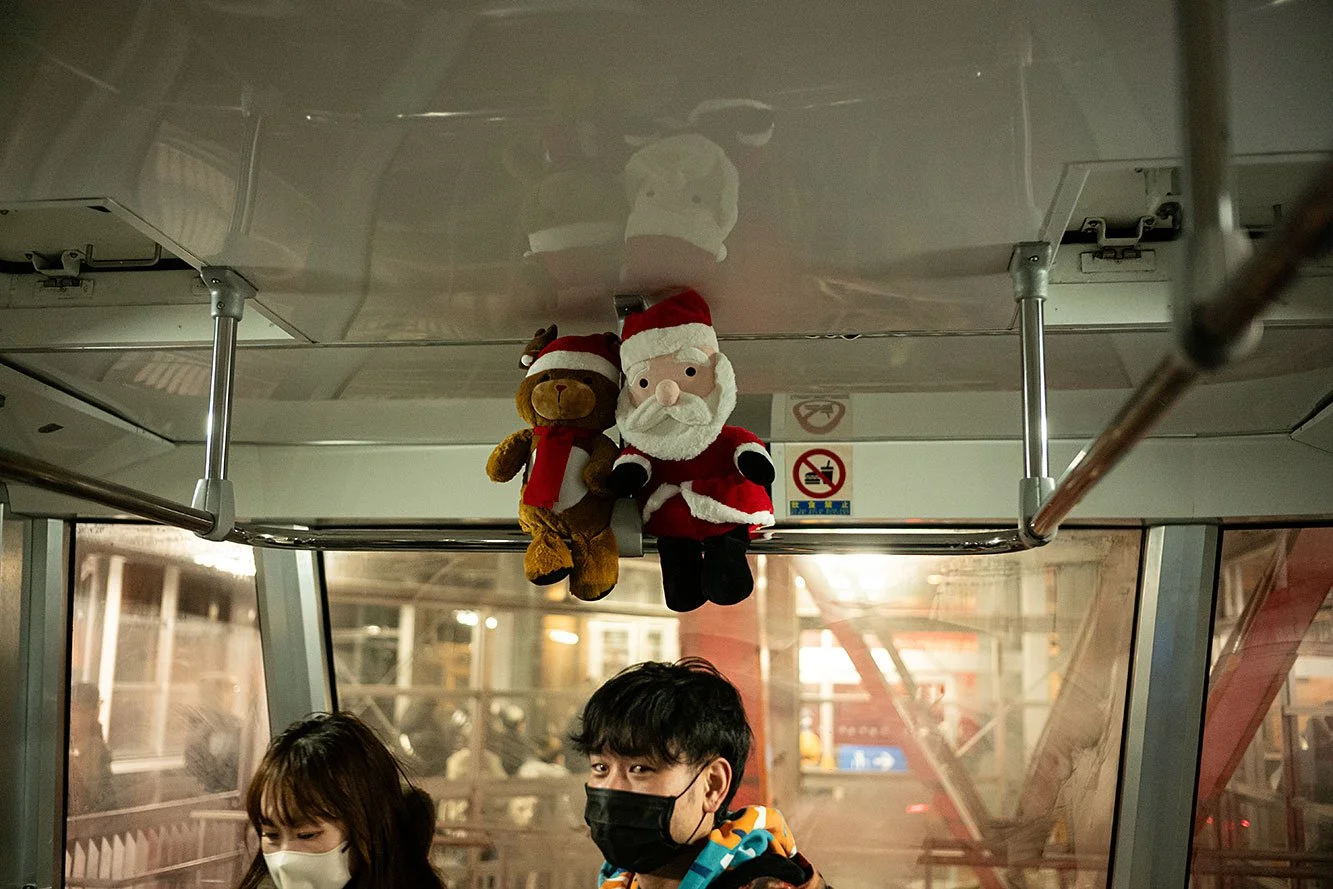
I purchase a ticket and join the queue, shuffling along until I reach the cable car. A stuffed reindeer and Santa sit on the handrail, one of the few indications of Christmas. Once again I’m surprised at how few Christmas carols I’ve heard played.
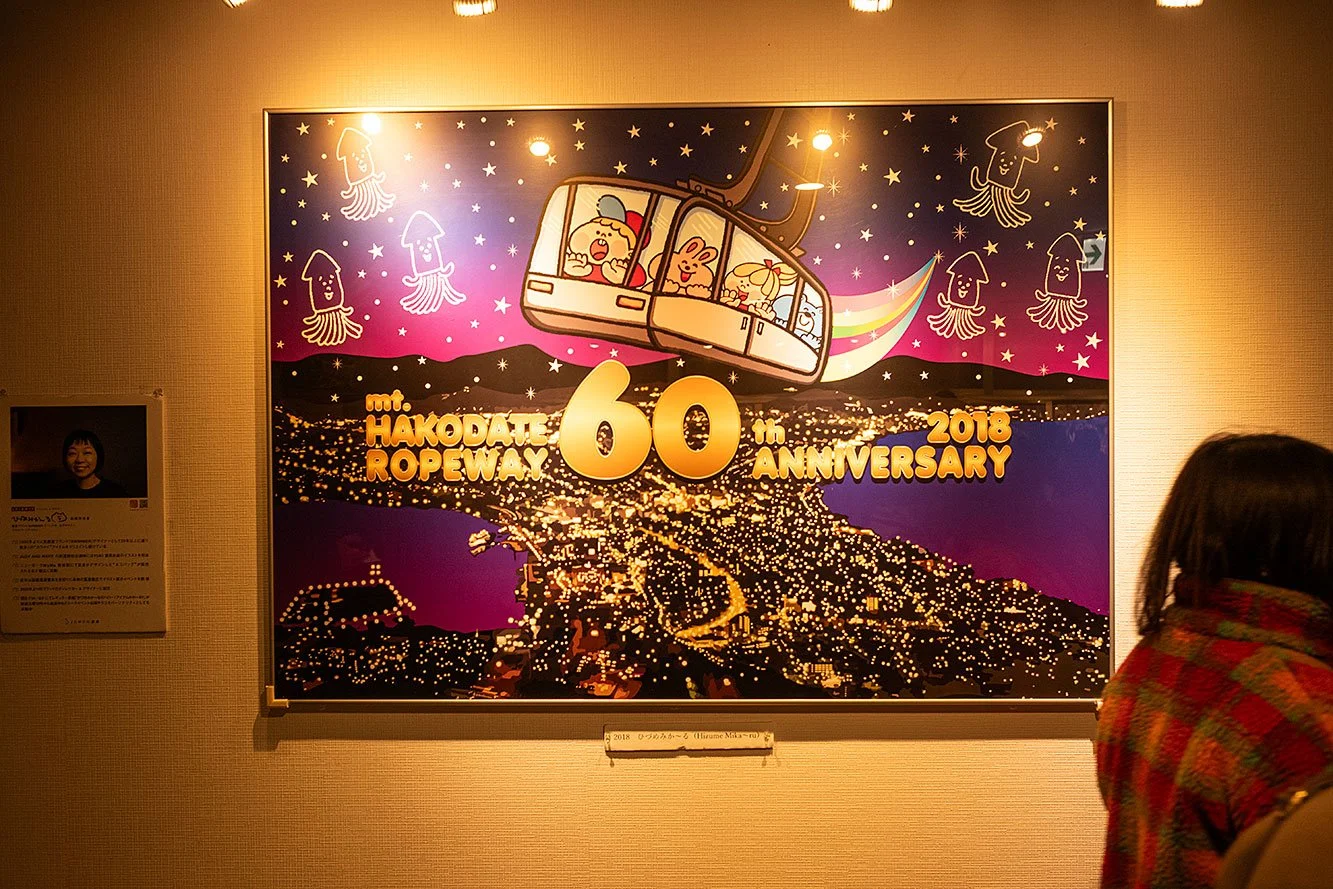
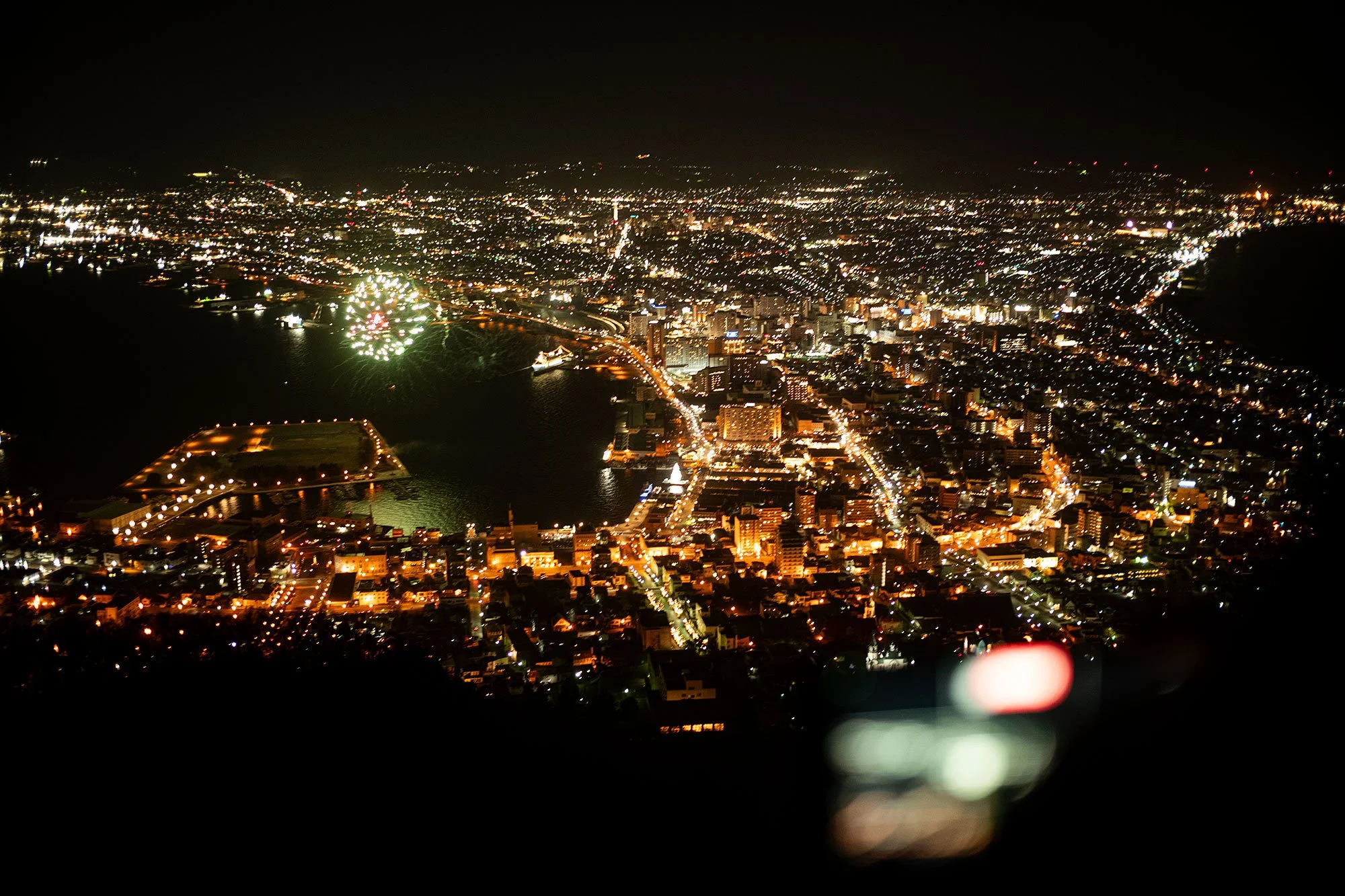
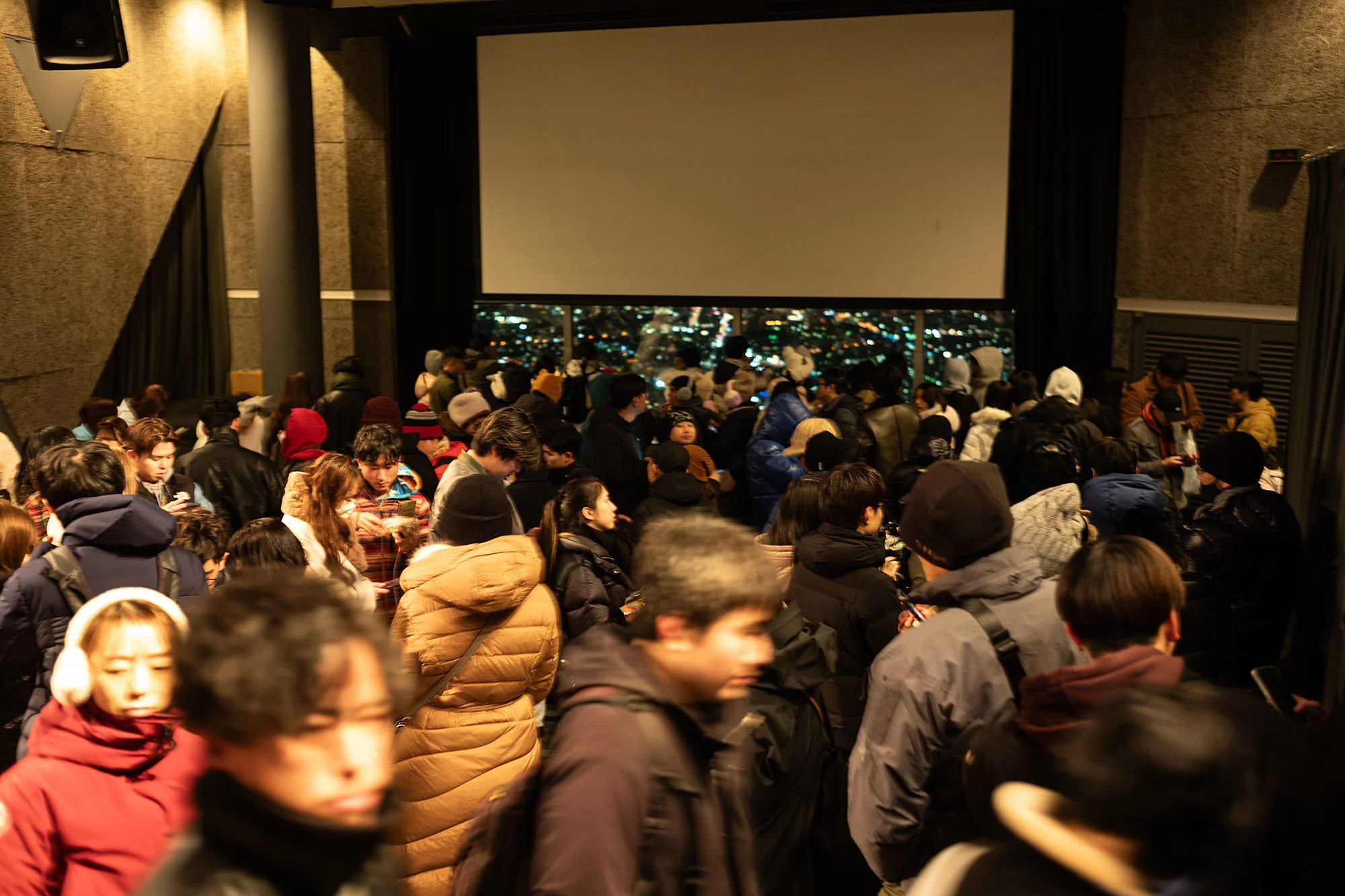
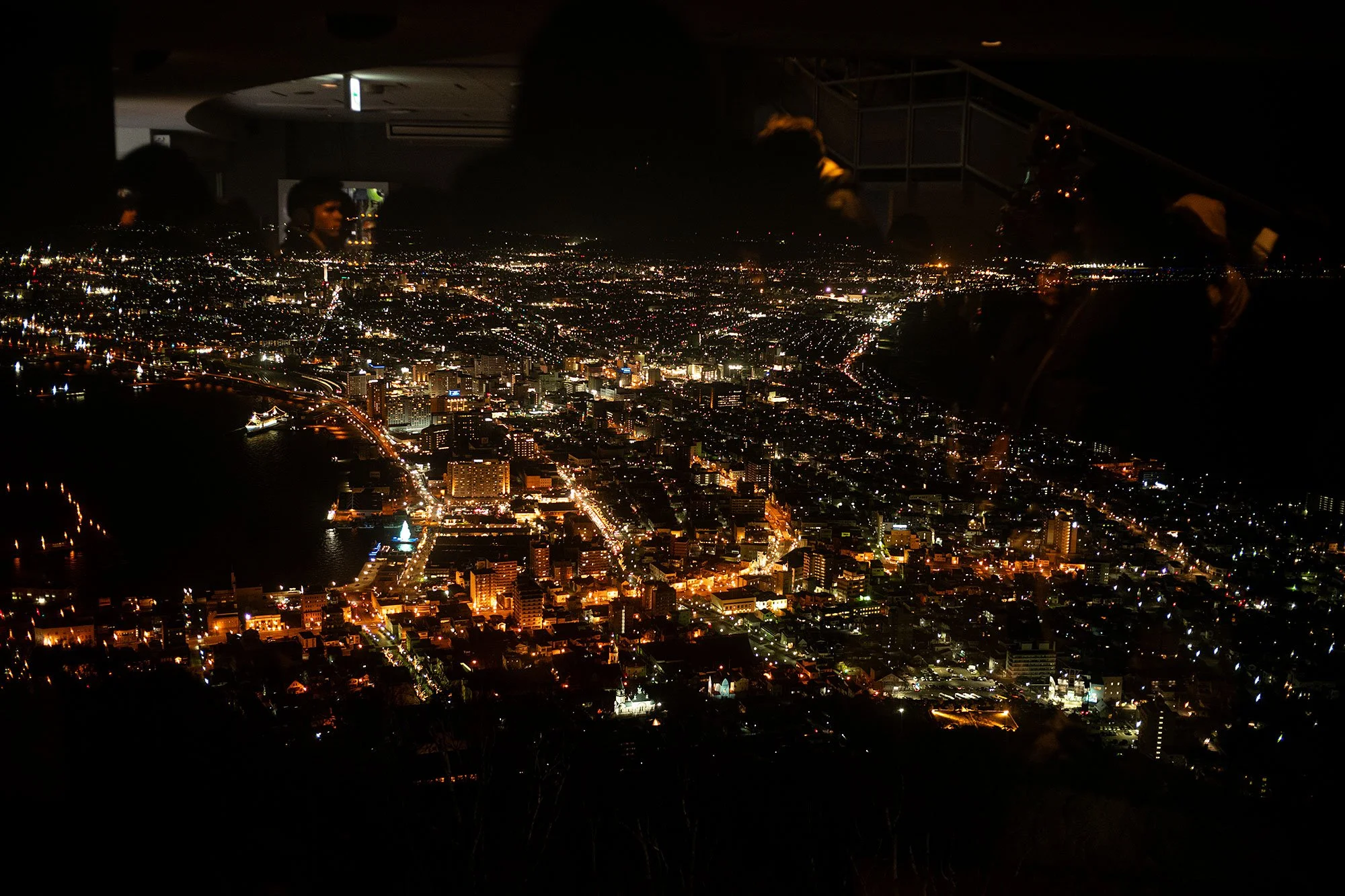
At the top I step out onto the terrace for the most famous view of Hakodate, the city laid out in lights before me. It’s cold and windy but the spots by the rail are full and I wait patiently for someone to leave before stepping forward to take a few photos.
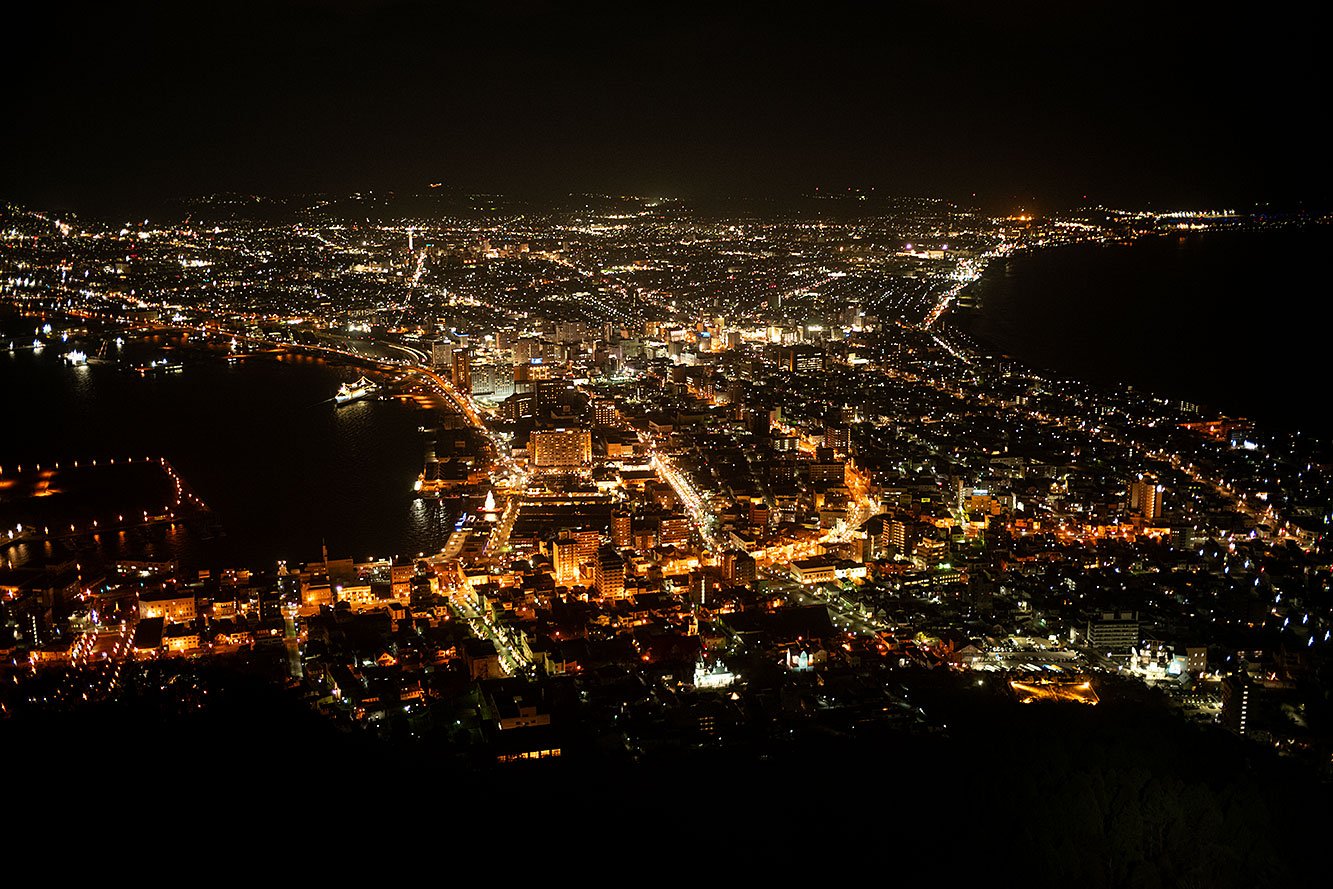
I consider heading down but can’t help but think that something may happen. I check the time and decide to wait until the top of the hour to see.
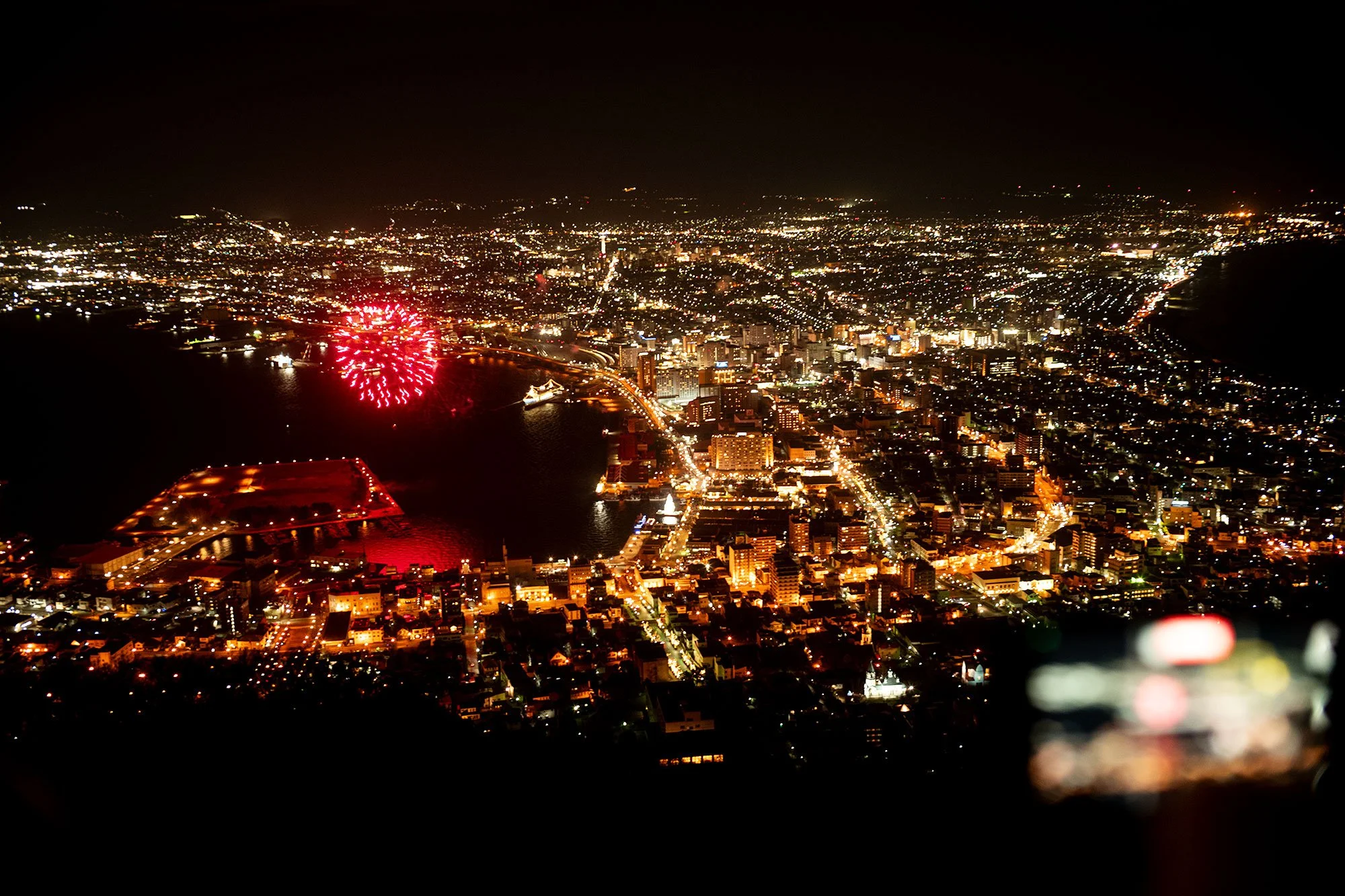
Sure enough as the hour approaches, the Christmas Tree in harbor blinks out. At 18h it slowly relights; fireworks follow and I’m very happy to have waited it out.
Afterwards I join the queue to head back down to the base of the mountain. The line for the ride down is longer than that coming up and I wonder how many people knew and timed their visit for the fireworks. I consider walking down, but am happy to be out of the cold and slowly wait my turn.
Back in the city I walk back towards the hotel, stopping in Uni Murakami for dinner. Unfortunately, they’re low on uni and I’m allowed only a small bowl rather than the large bowl I had hoped for. I order a flounder sashimi to round out my meal.
The uni is amazing; the wasabi and sauce provided do an amazing job of bringing out the flavor and sweetness. I wonder if I can order a second small bowl of uni, but imagine that the staff are wise to such tricks and console myself with the fact that at least there was uni to be had.
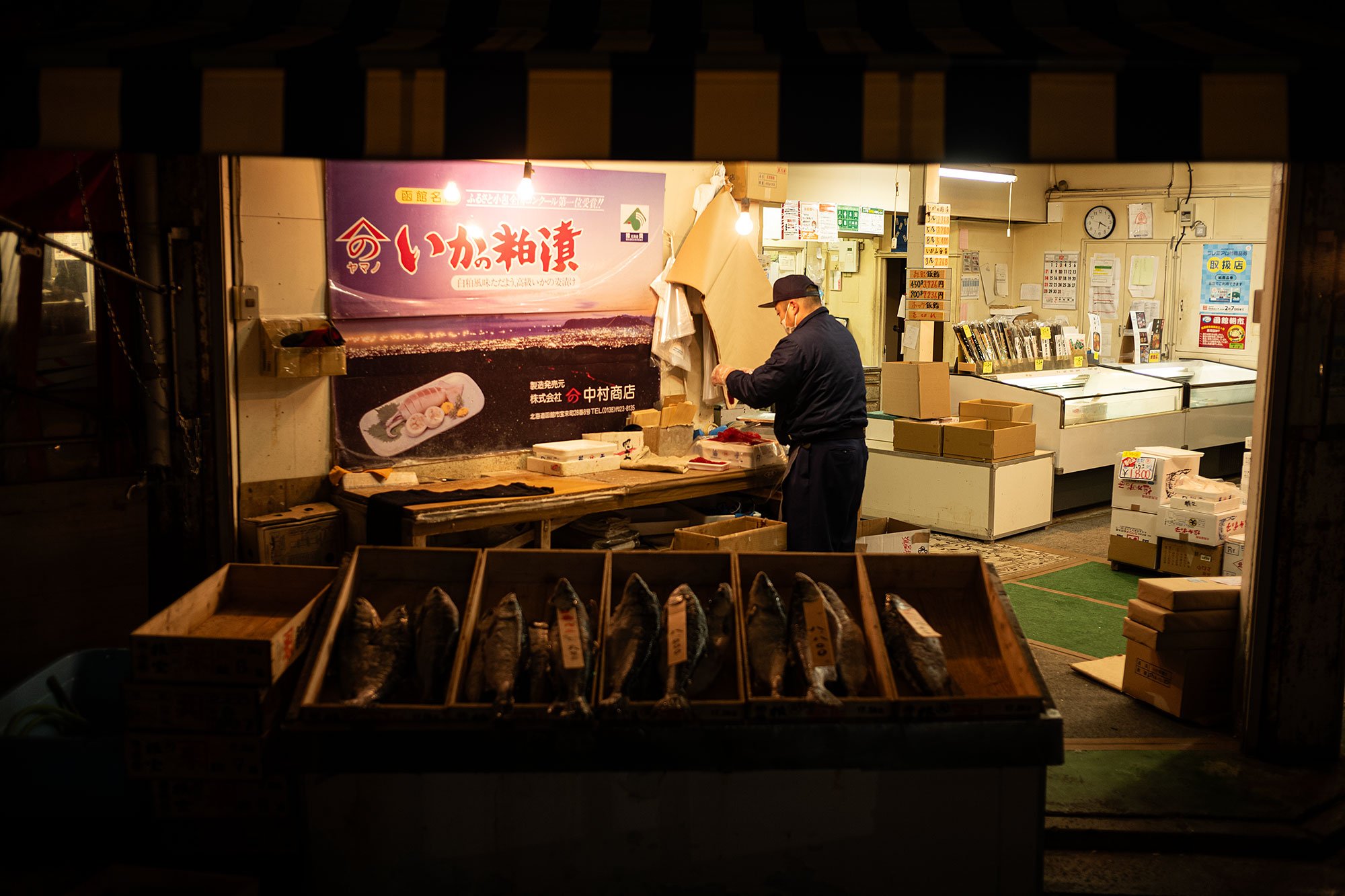
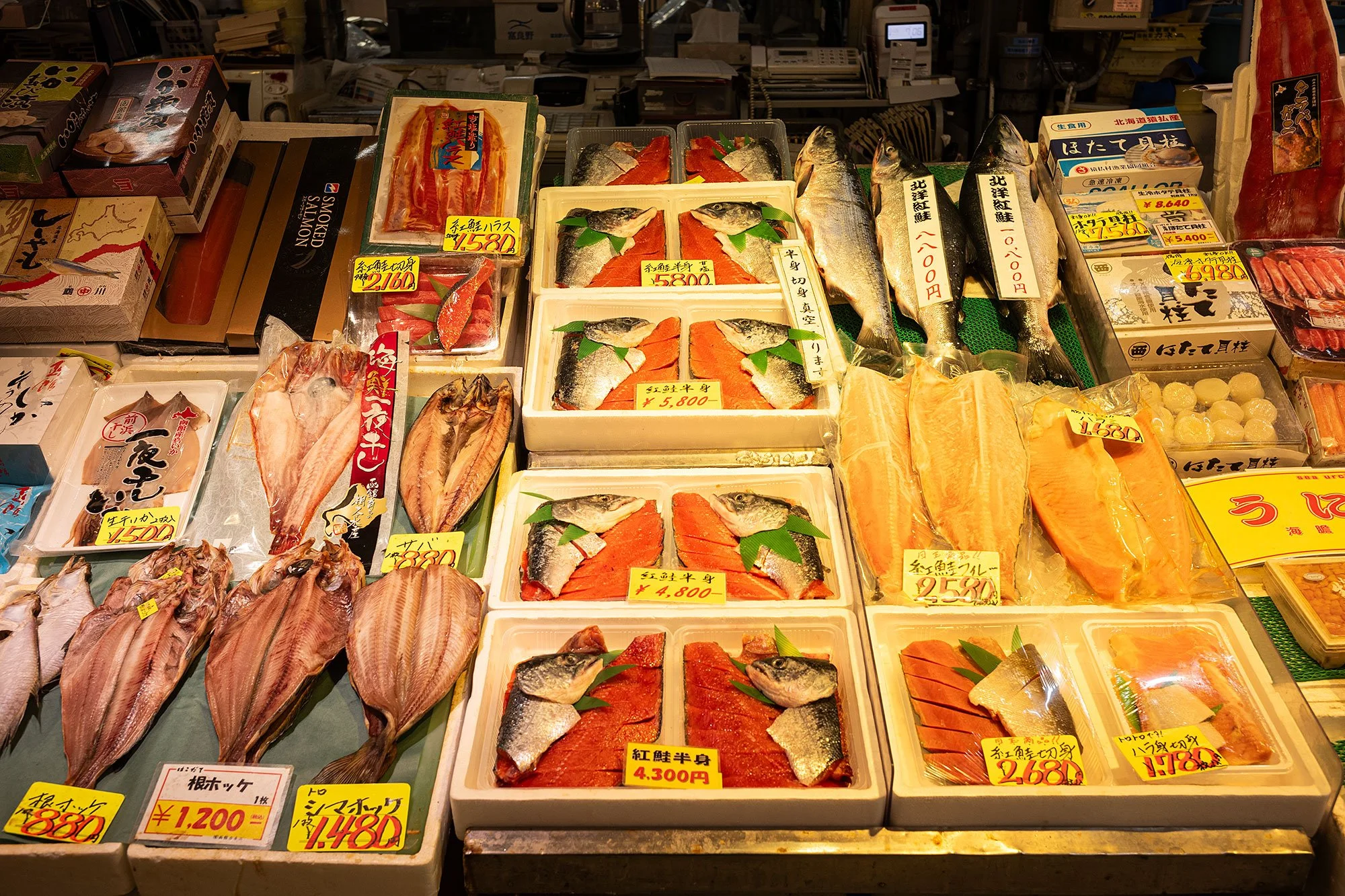
The next morning I’m up at 0530 to tour the fish market, reaching it at 0600. I’ve been too aggressive; it’s mostly closed.
it’s snowing a little outside, not a lot. Small ice crystals drift through the air.
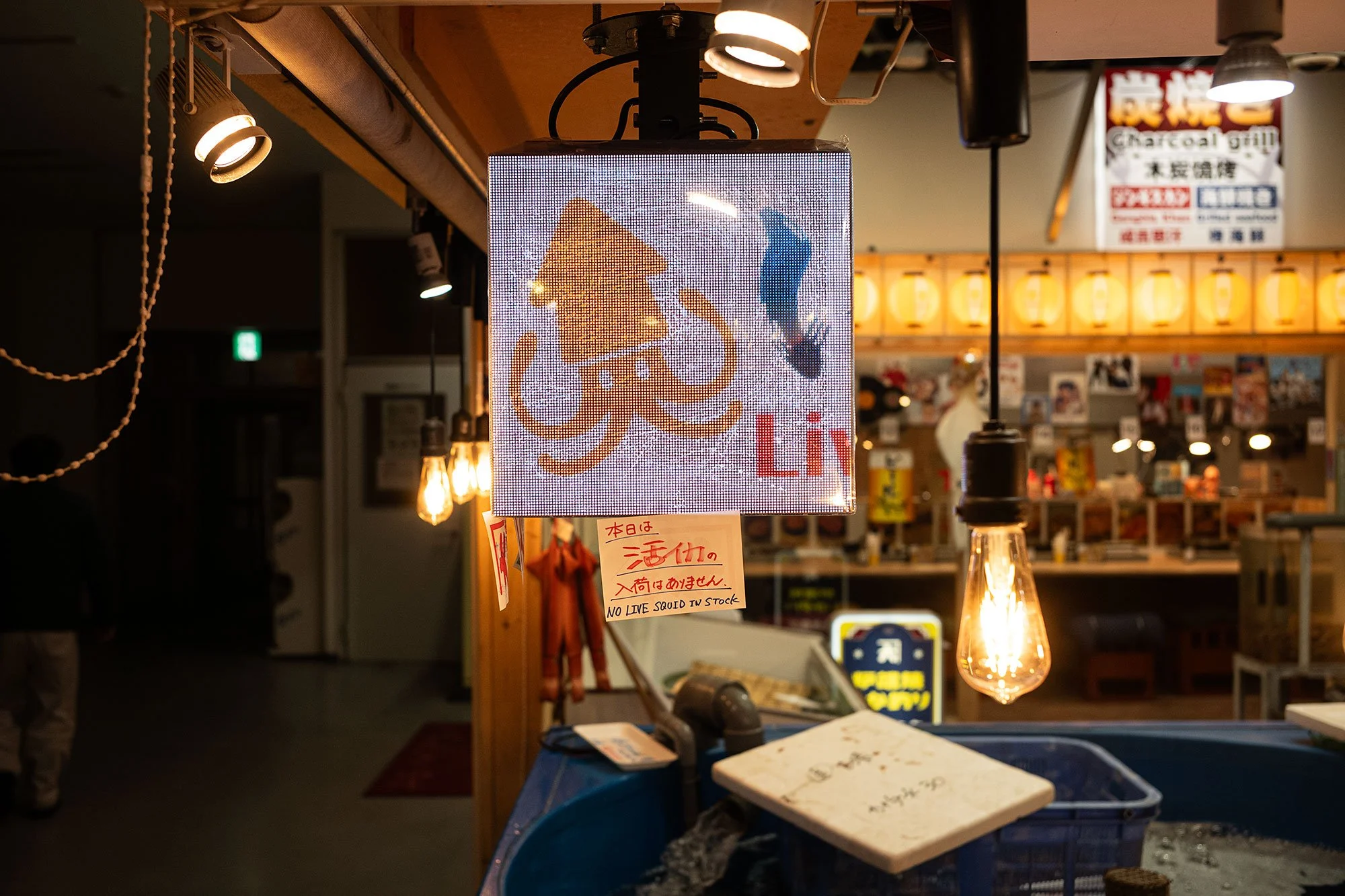
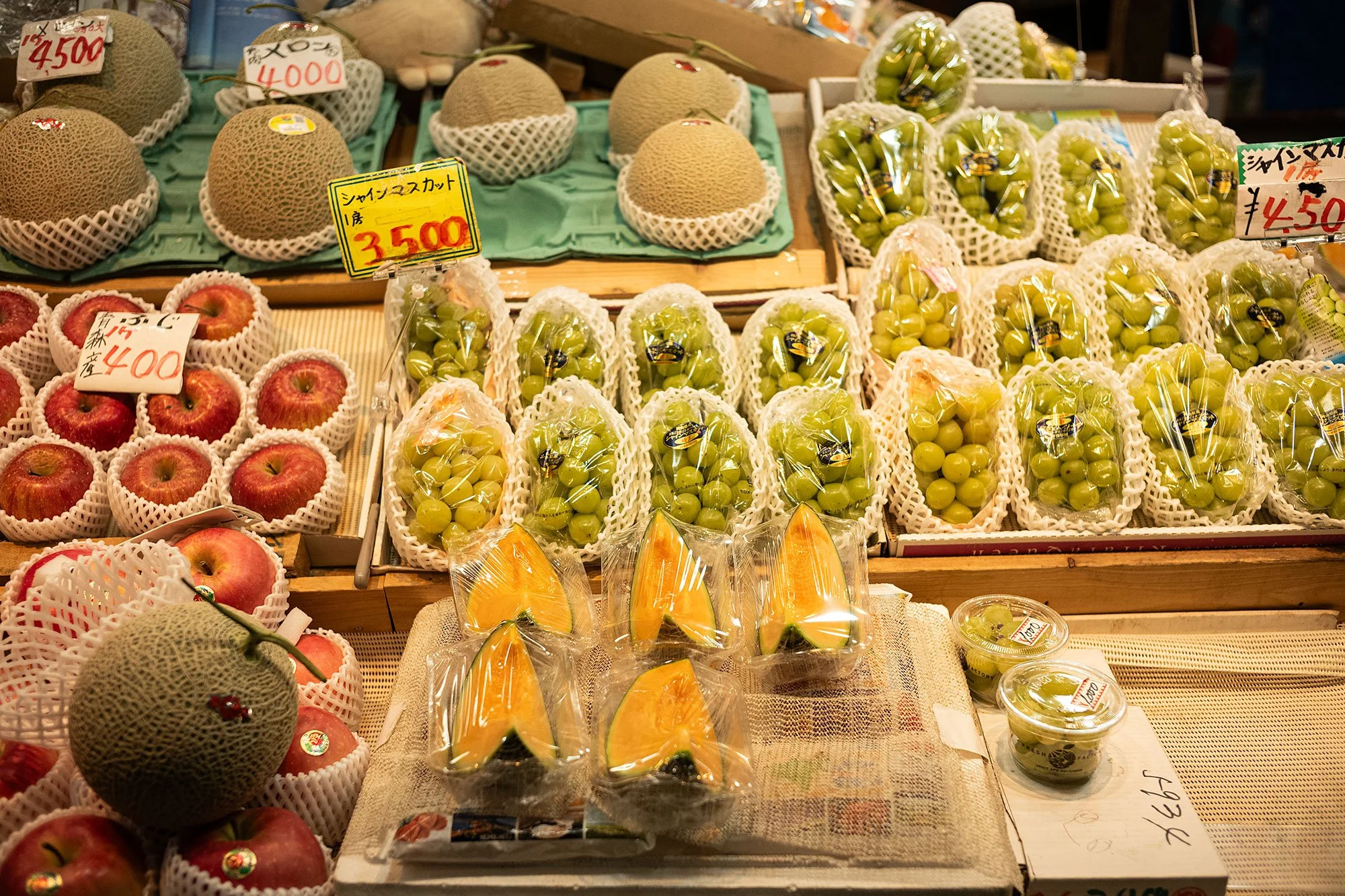
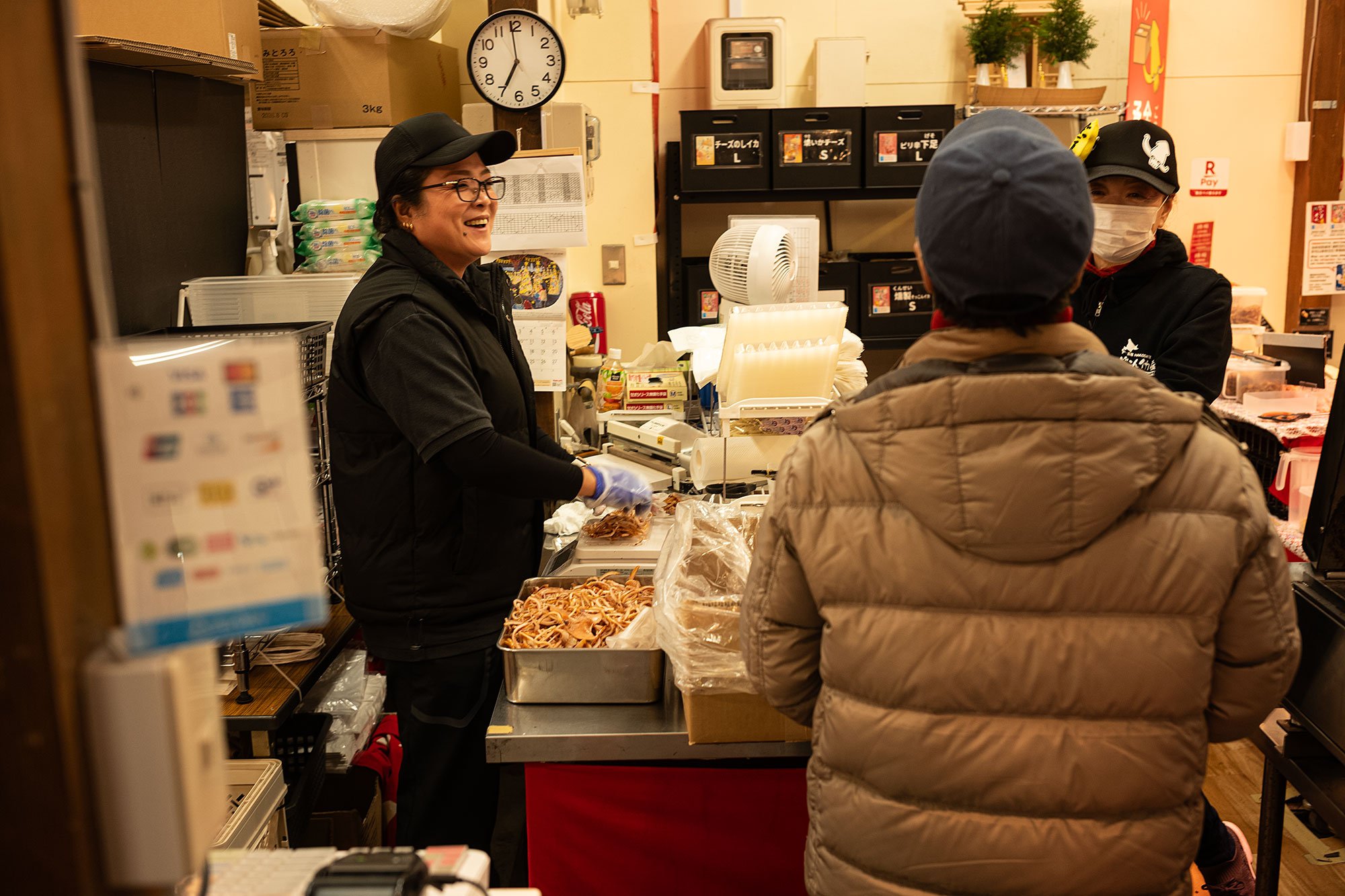
I buy melon from a nice woman who runs a fruit stall, a small snack before breakfast. A few people are already working their stalls. A woman processing squid lets me taste the squid she’s cooked, slicing them into thin strips with a machine. Unfortunately, there’s no squid fishing today; not enough fresh squid.
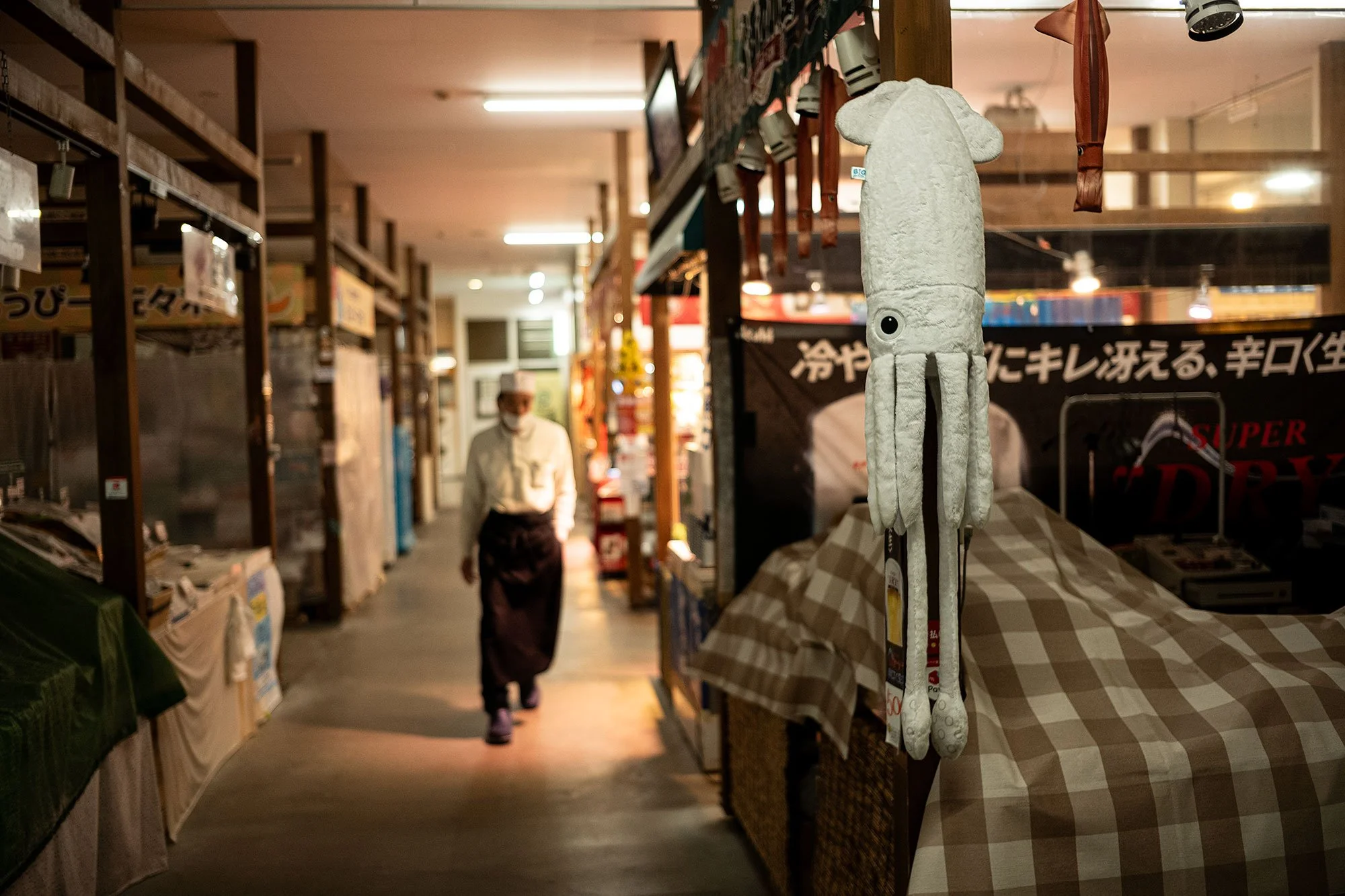
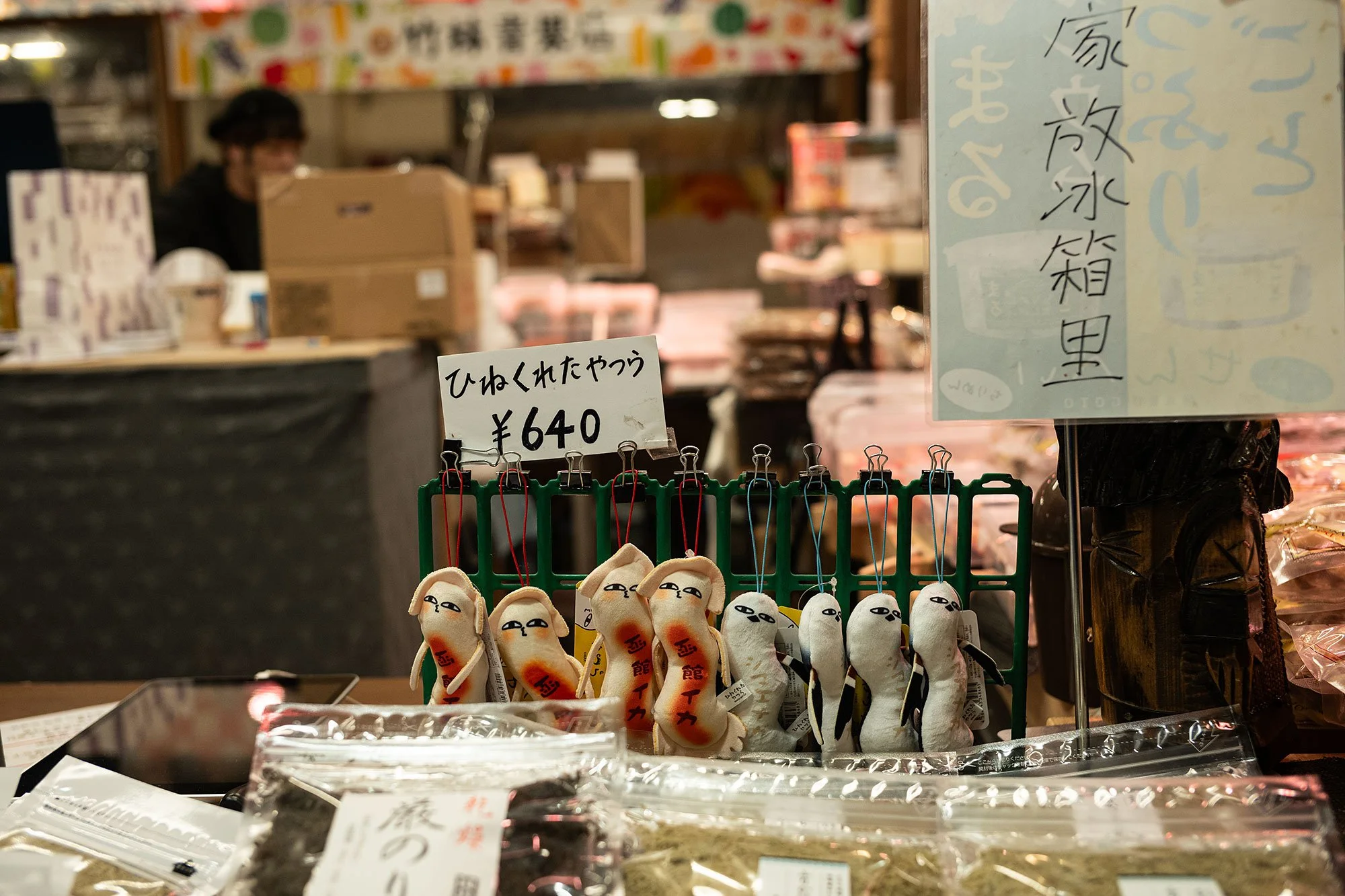
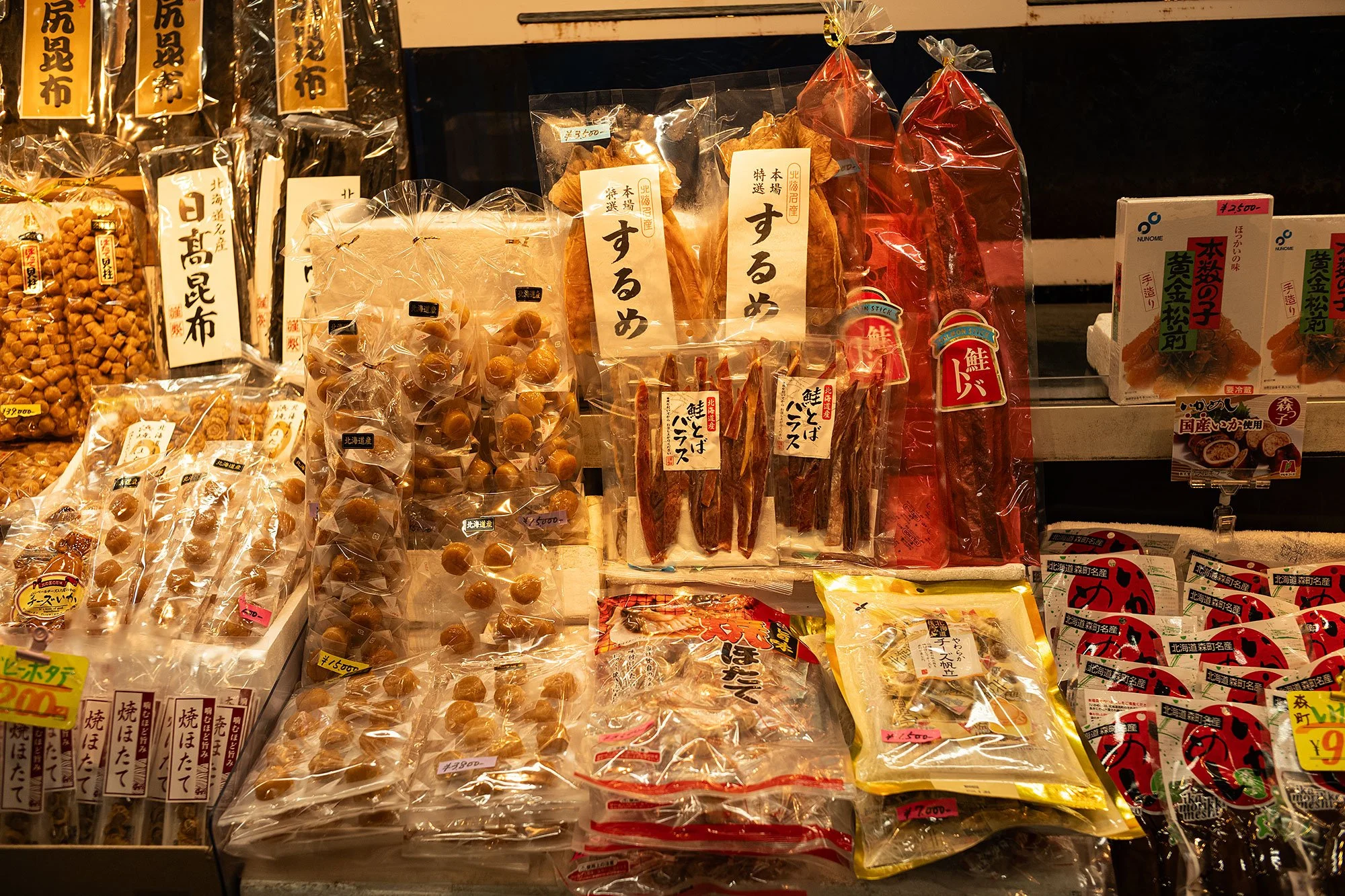
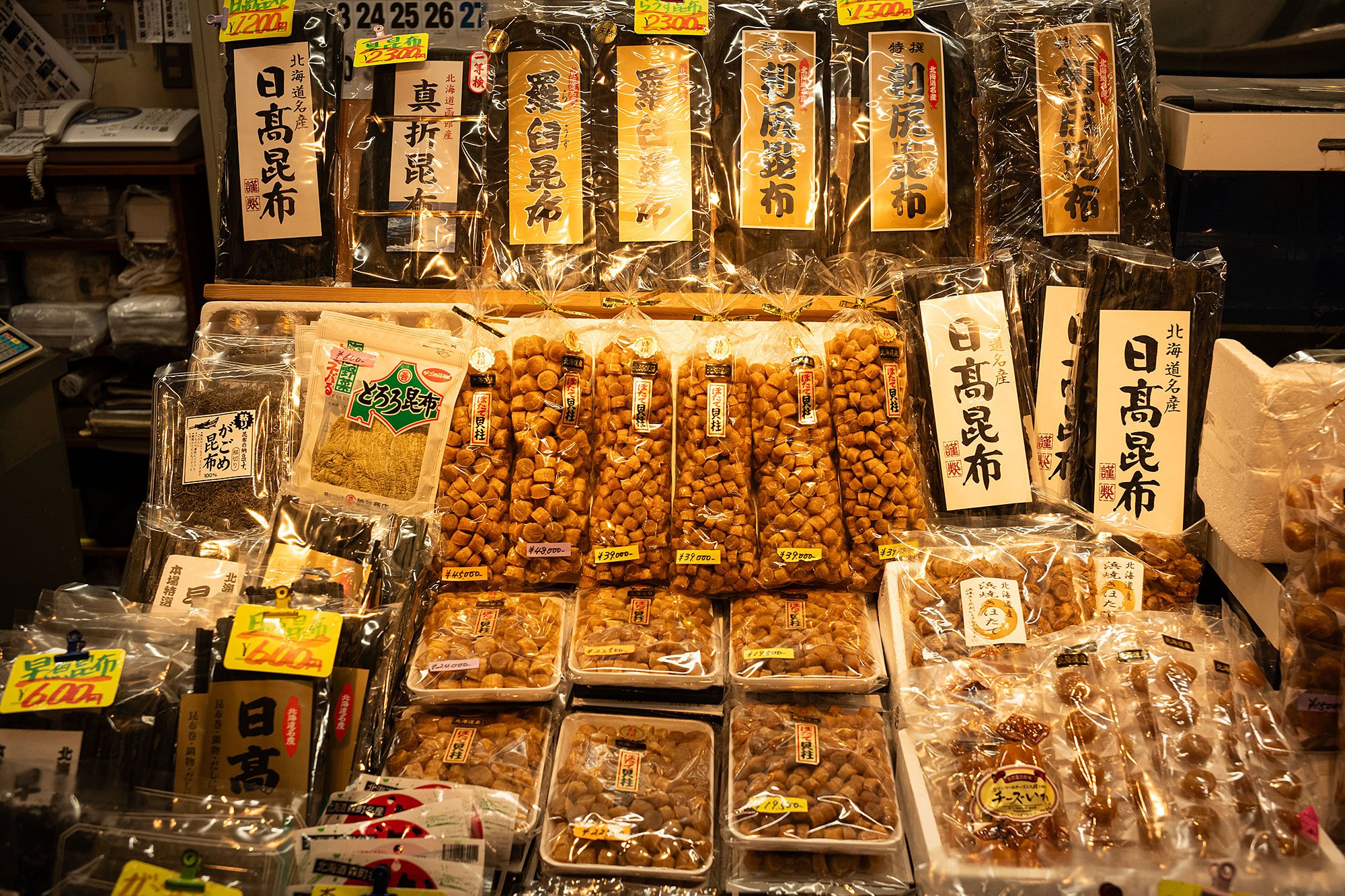
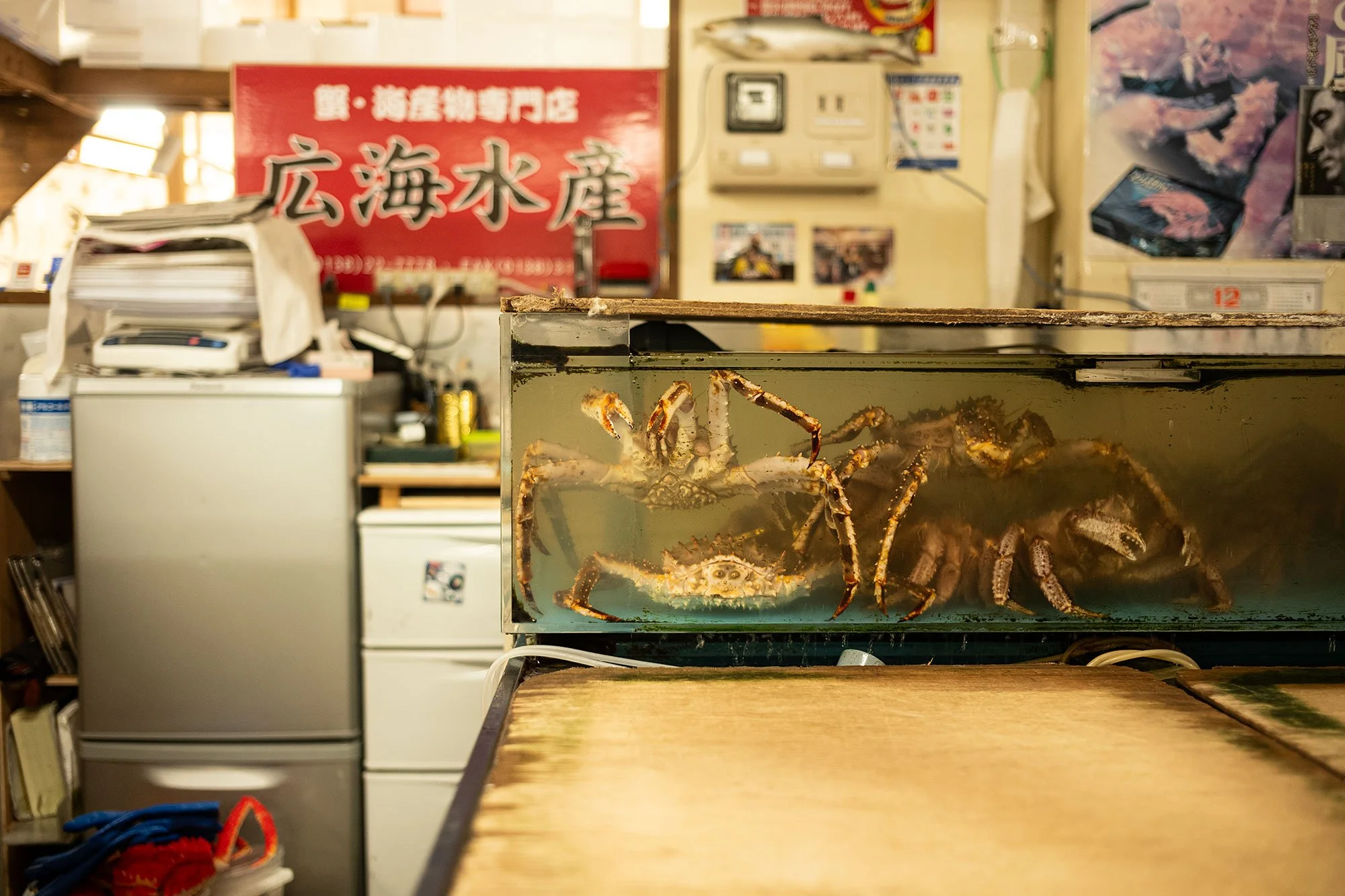
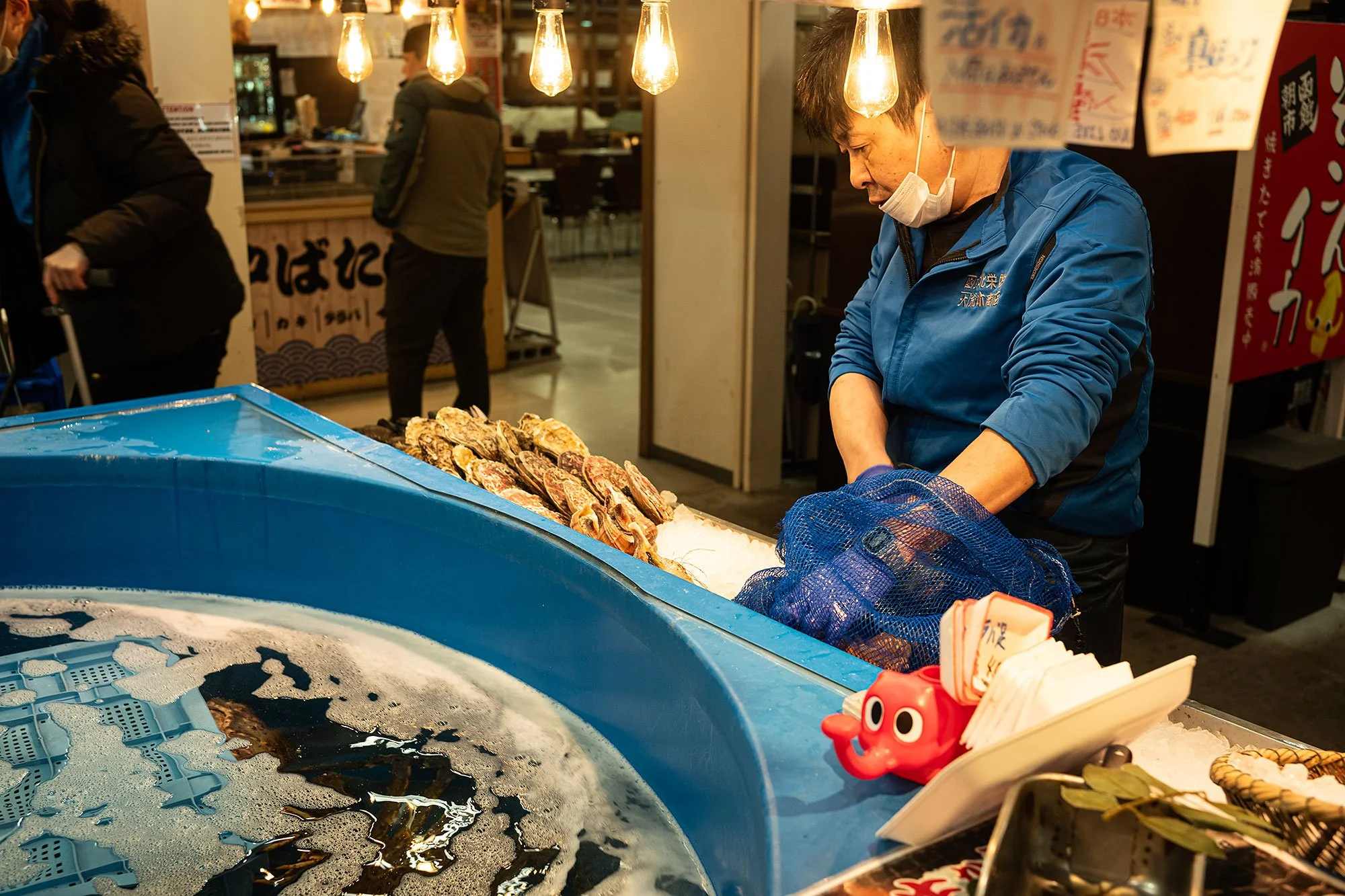
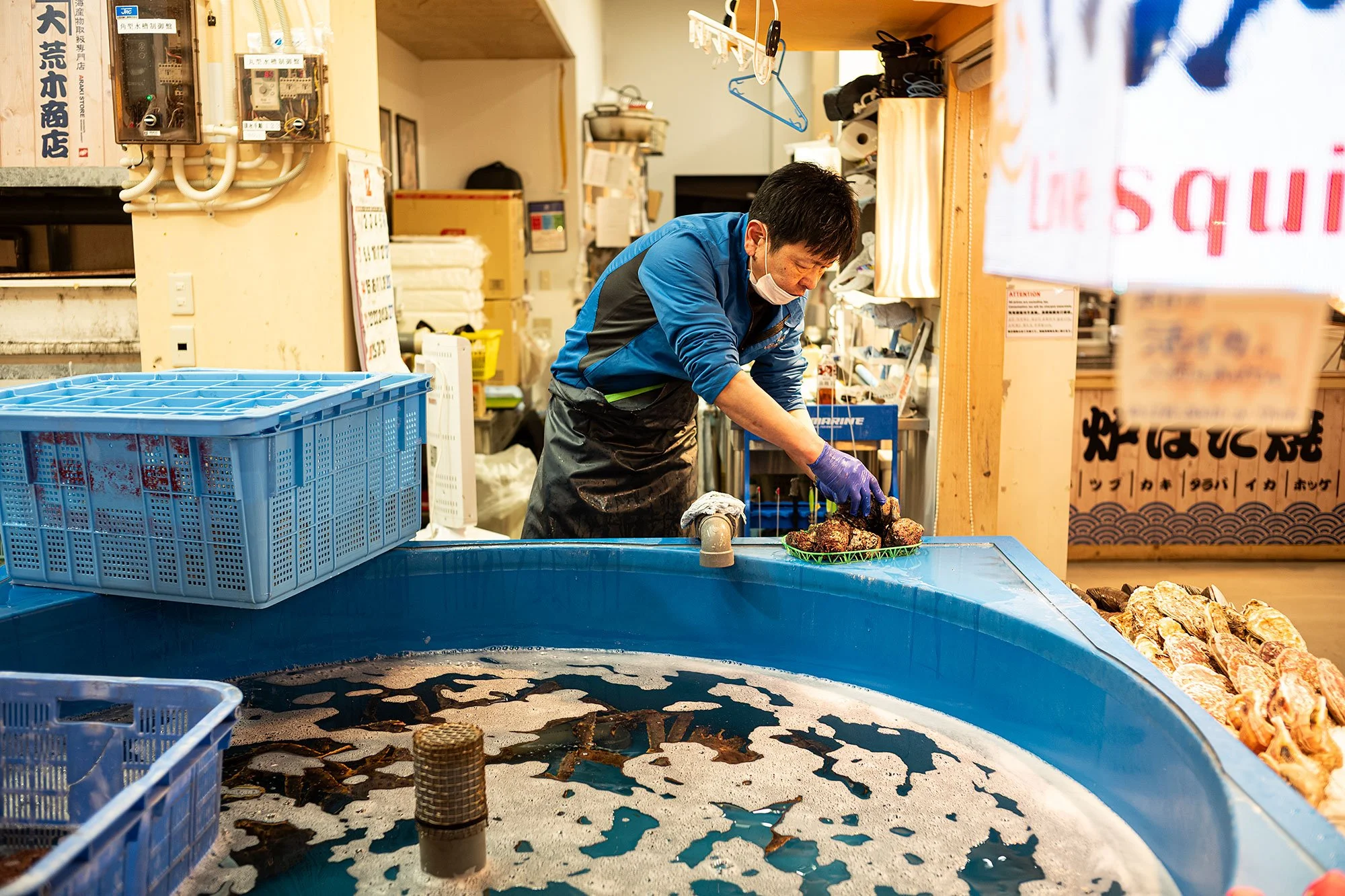
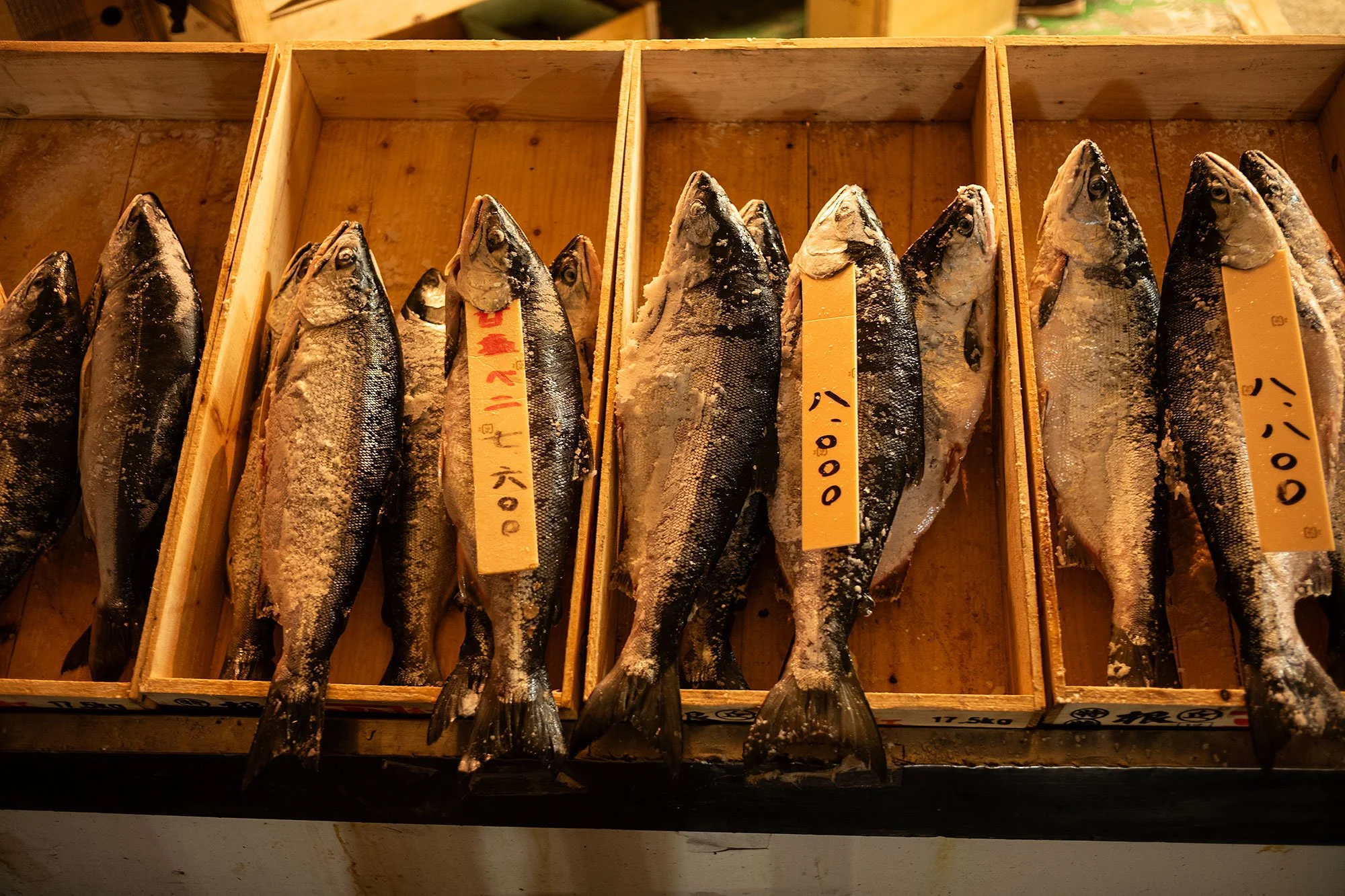
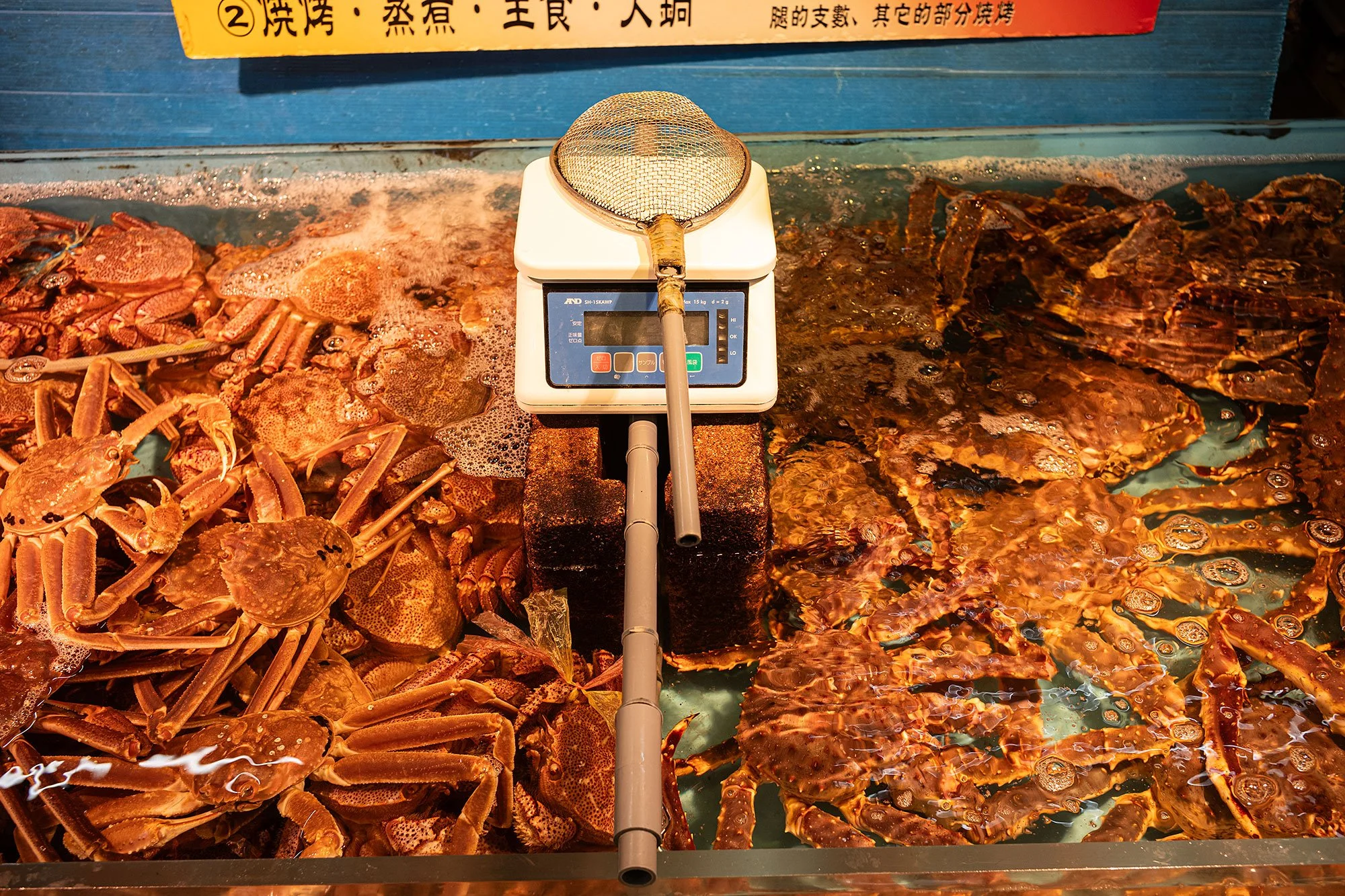
I watch people prepare their stalls for the day, fishing seafood out of baskets and setting it on beds of ice,
I step outside to walk the outer market. It’s still waking up, A man standing before a display of spider crab invites me to eat in his restaurant. I tell him it’s too much. Small set, he says.
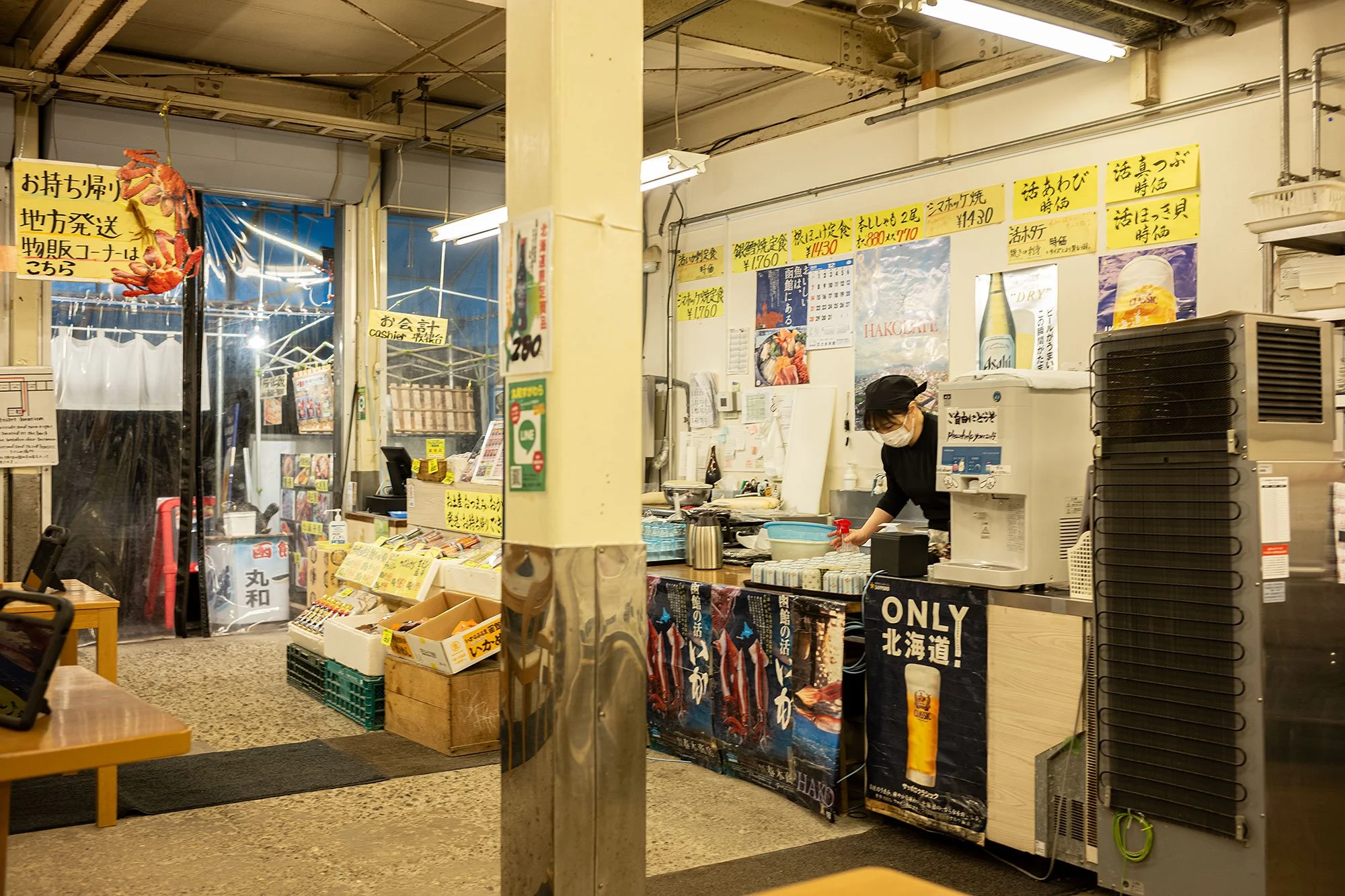
I agree and he leads me inside, handing me a menu. I can’t resist more uni and order an uni set.
The food is ok, but I like the host and am happy to be there. It’s also interesting to compare the quality of the uni from one meal to the next. Having had one meal right before the other, I can really taste the difference between the high quality uni served at Uni Murakami and uni sold at this place in the market.
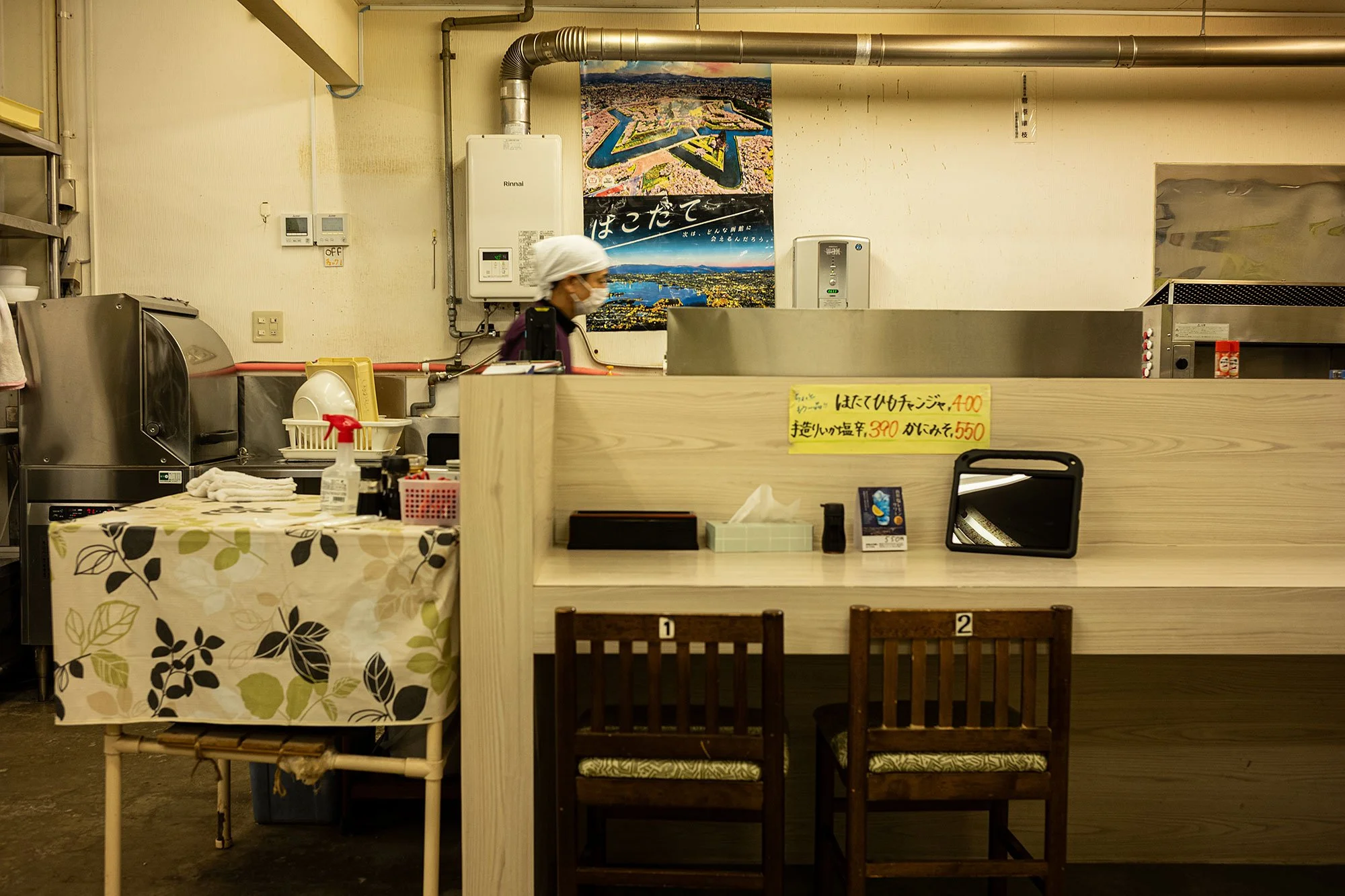
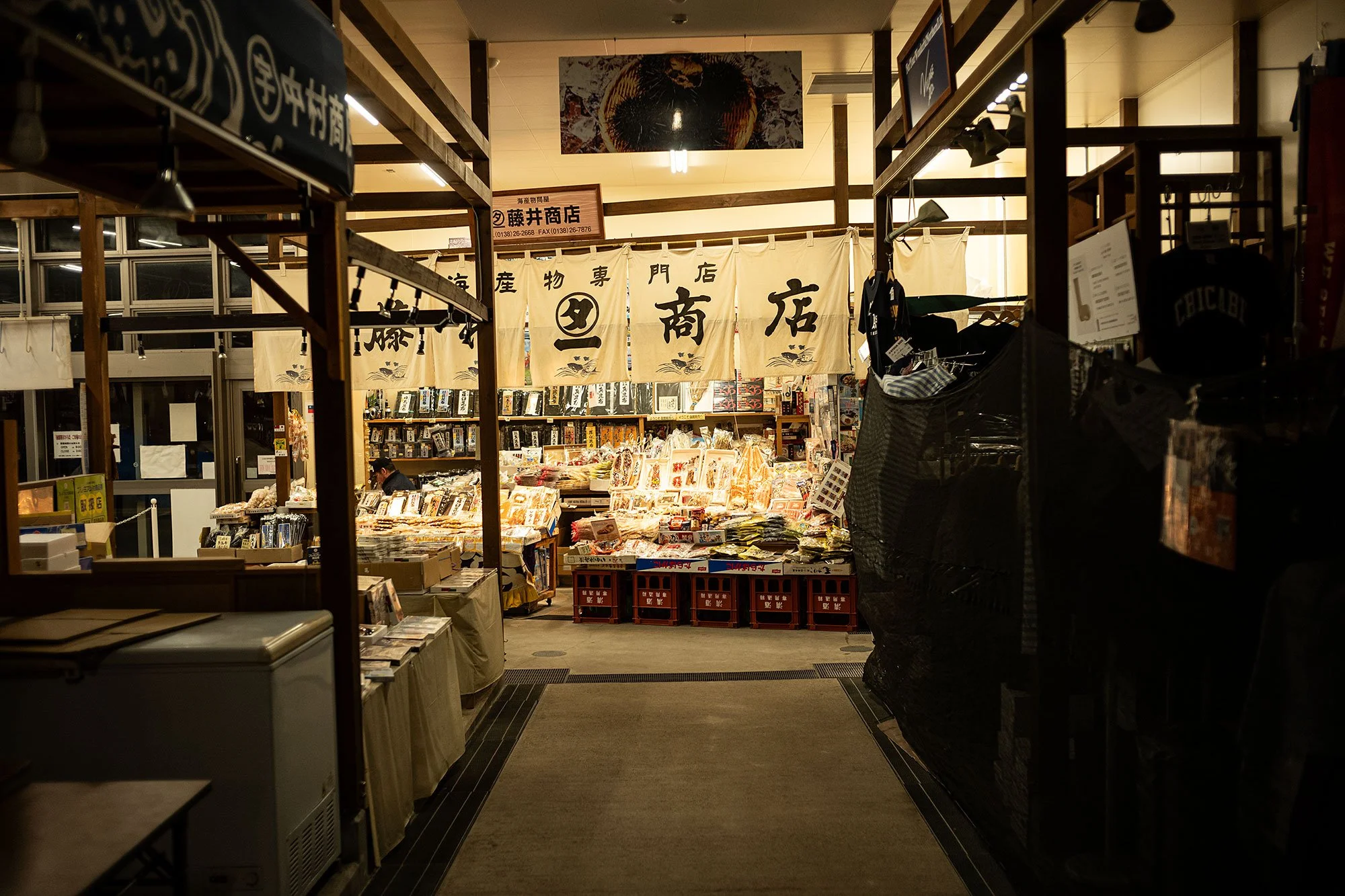
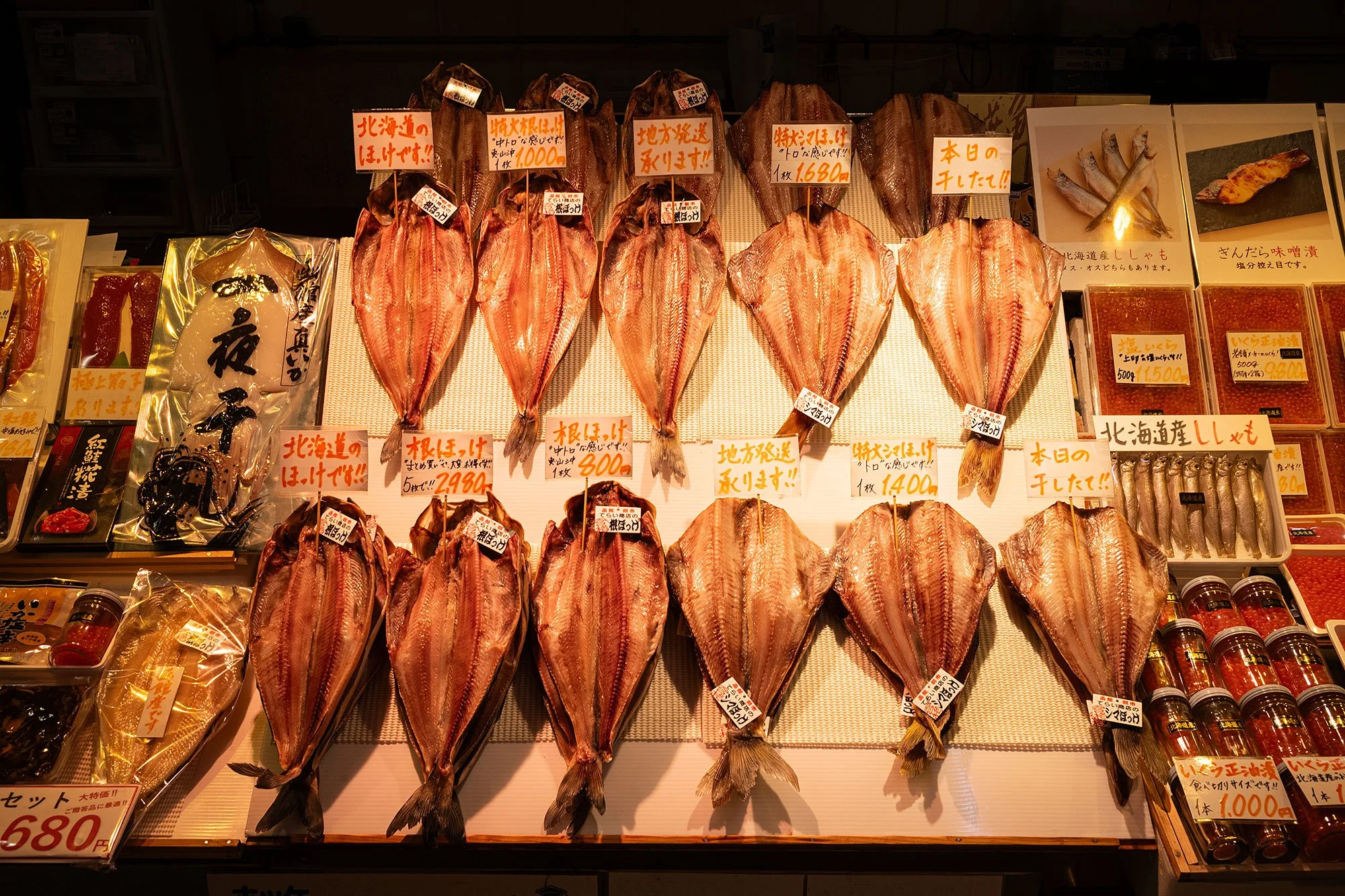
After breakfast I walk back to the main covered market. There are a more signs of life; more stalls are open. I wonder when customers really start to arrive.
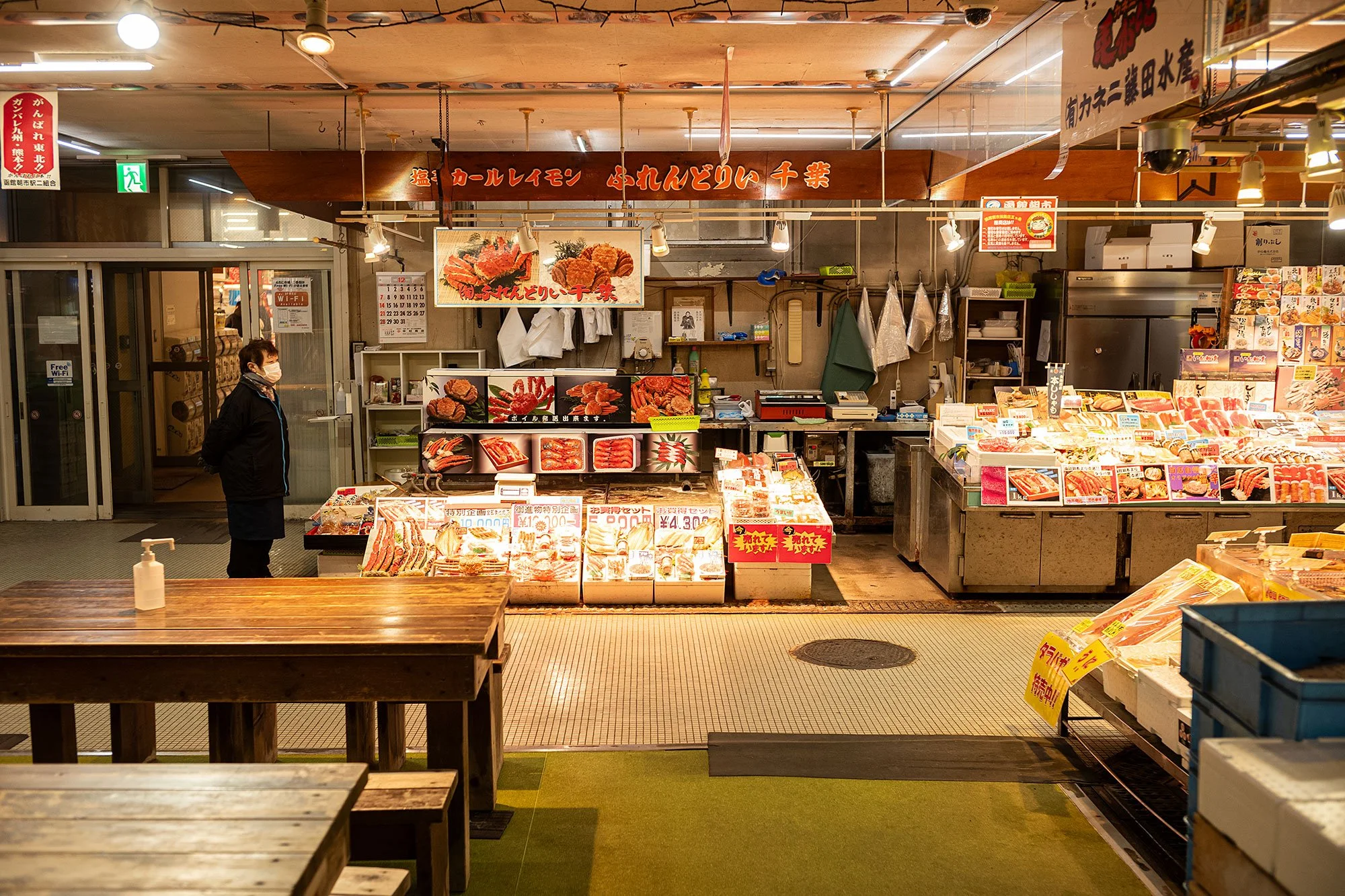
Unfortunately, I won’t learn the answer. I have an early train to catch and some packing to do.
I walk back to the hotel. The sun is up and the day has broken, the light taking on the blue cast of winter.
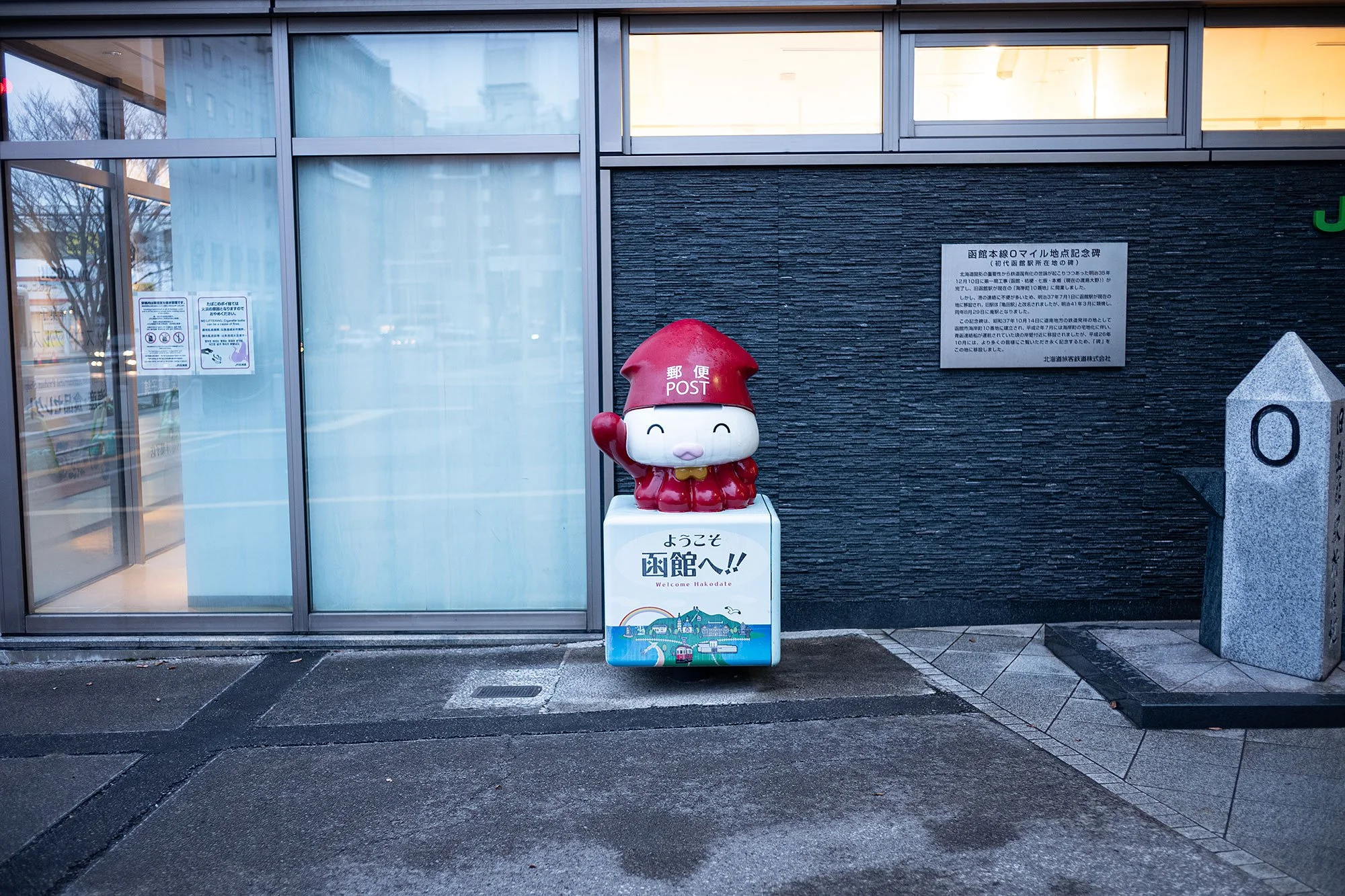
I gather my things and check out. The staff wishes me well. I’m a little early to arrive at the station but the train is already at the platform and I happily board and settle myself, excited for my next stop: Noboribetsu to walk through Hell Valley and enjoy the expansive onsen at Takimotokan. 🇯🇵