The Museo del Barro, Asunción.
There’s one more sight in Asunción I have left on my list of things to see, and I have but few days left in which to do it.
It’s raining when I wake up. The forecast predicts it’ll end before the afternoon. I hope it’ll stop by the time I’m headed to lunch. I’d love to walk.
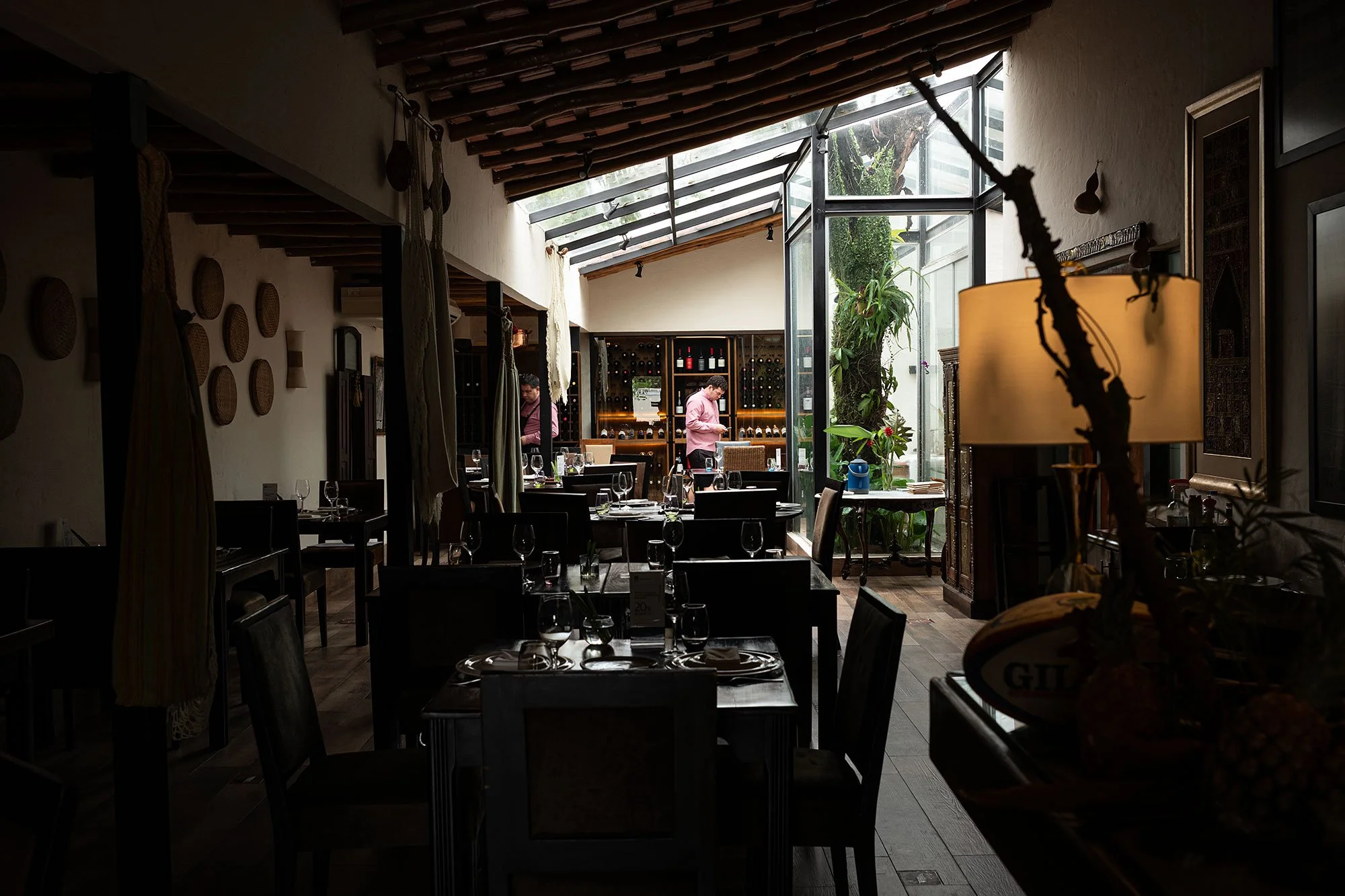
I’ve booked lunch at Tierra Colorada Gastro on the recommendation of a friend (and of the 50 Best Restaurants list) and spend a quiet morning before I have to head out. The rain looks to have stopped for the day but as soon as I’m about to step out it starts up again. I call an Uber.
I’m early as a result. The staff let me in and show me to a table as they finish their prep. I’m given a menu and spend a little time perusing it before taking out my book.
I over-order, starting with a glass of Argentine Sauvignon Blanc (large pour) and then the mbeju and ceviche. I could have stopped there. But had the Pacu main and then dessert and coffee. And then there were two bonus petit four. Oh and did I mention the amuse bouche?
I am well-stuffed by the end of it and think about taking a taxi home. But I want to put a few more steps in and walk to the Museo del Barro instead. Fortunately, the rain had stopped but left a humid warm day in its wake.
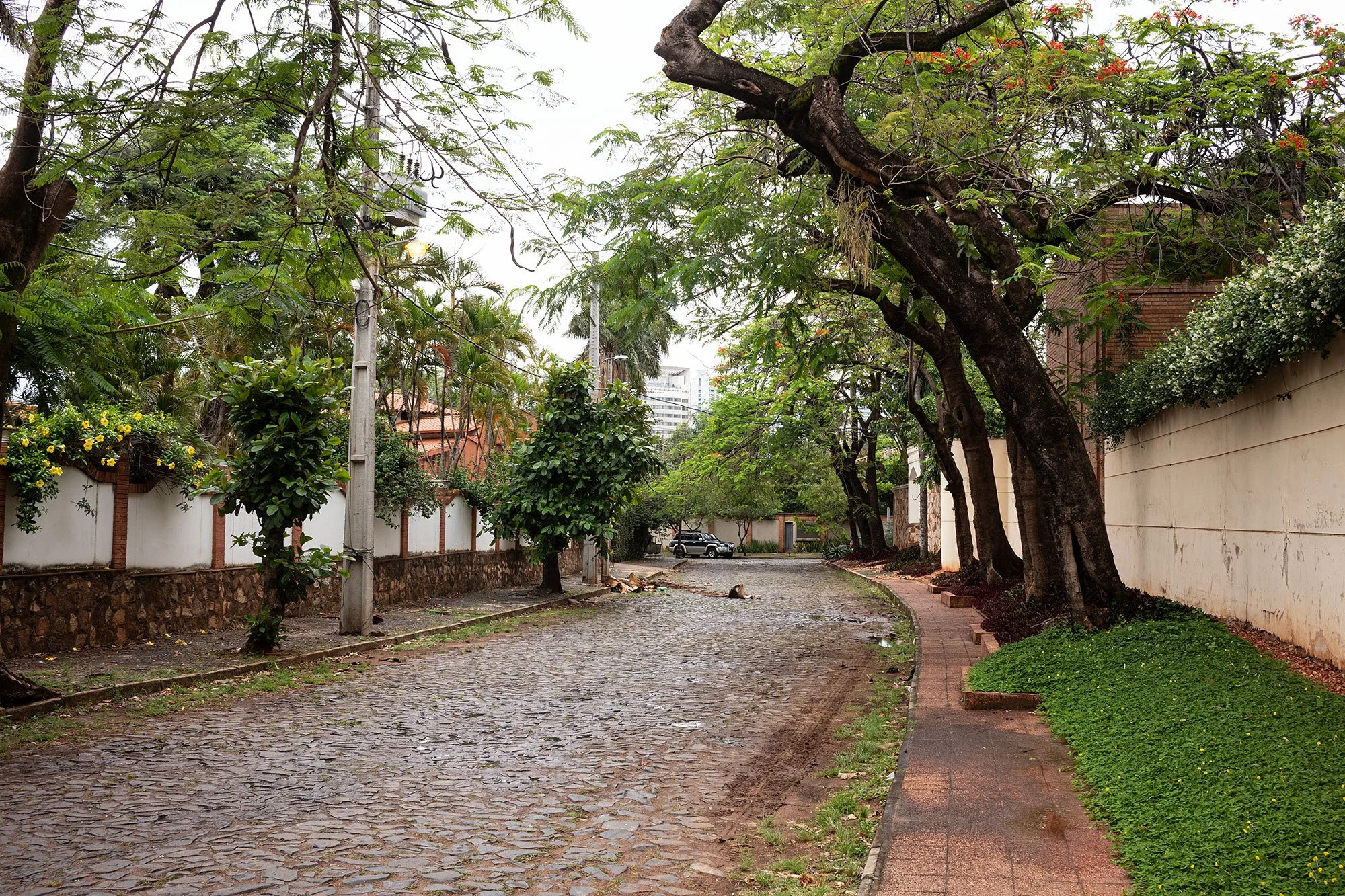
I’m a little early to the museum; it doesn’t open until 14h. There’s a man standing at the gate and I take a seat on the curb in front. When it opens, a man takes my information, sells me a ticket, and offers me a brochure in English. He speaks perfect English, the second or third person I’ve met who does.
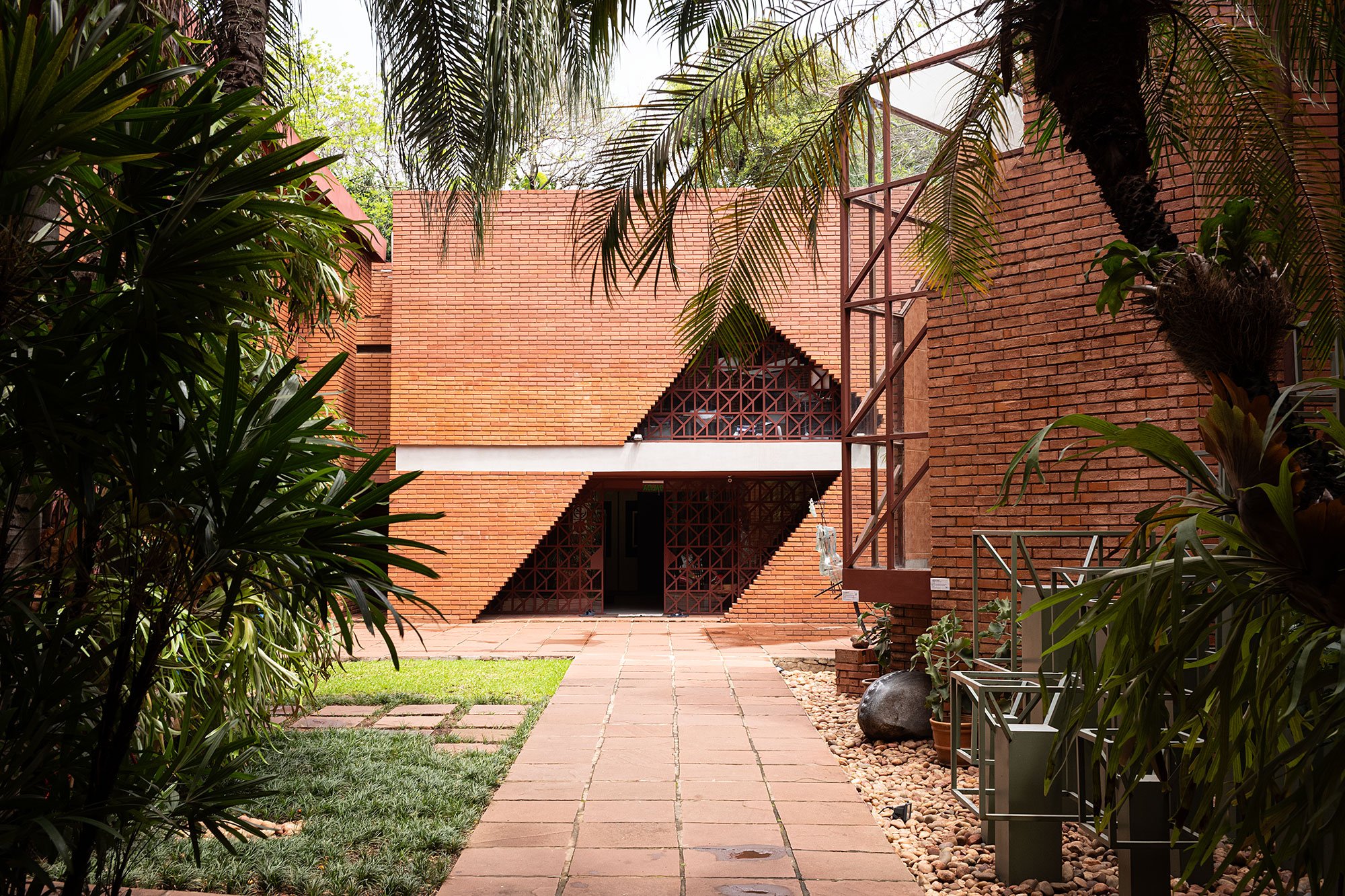
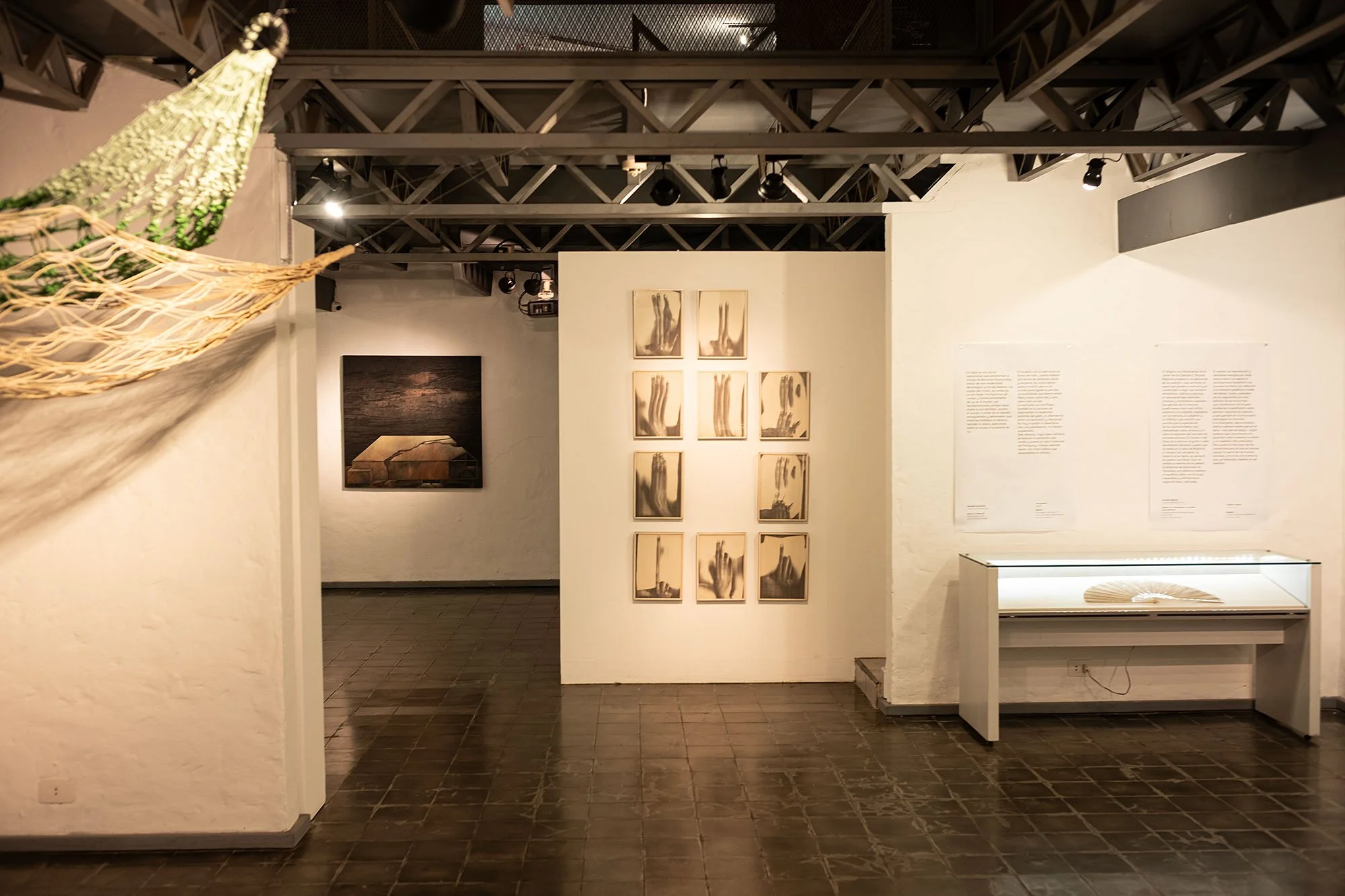
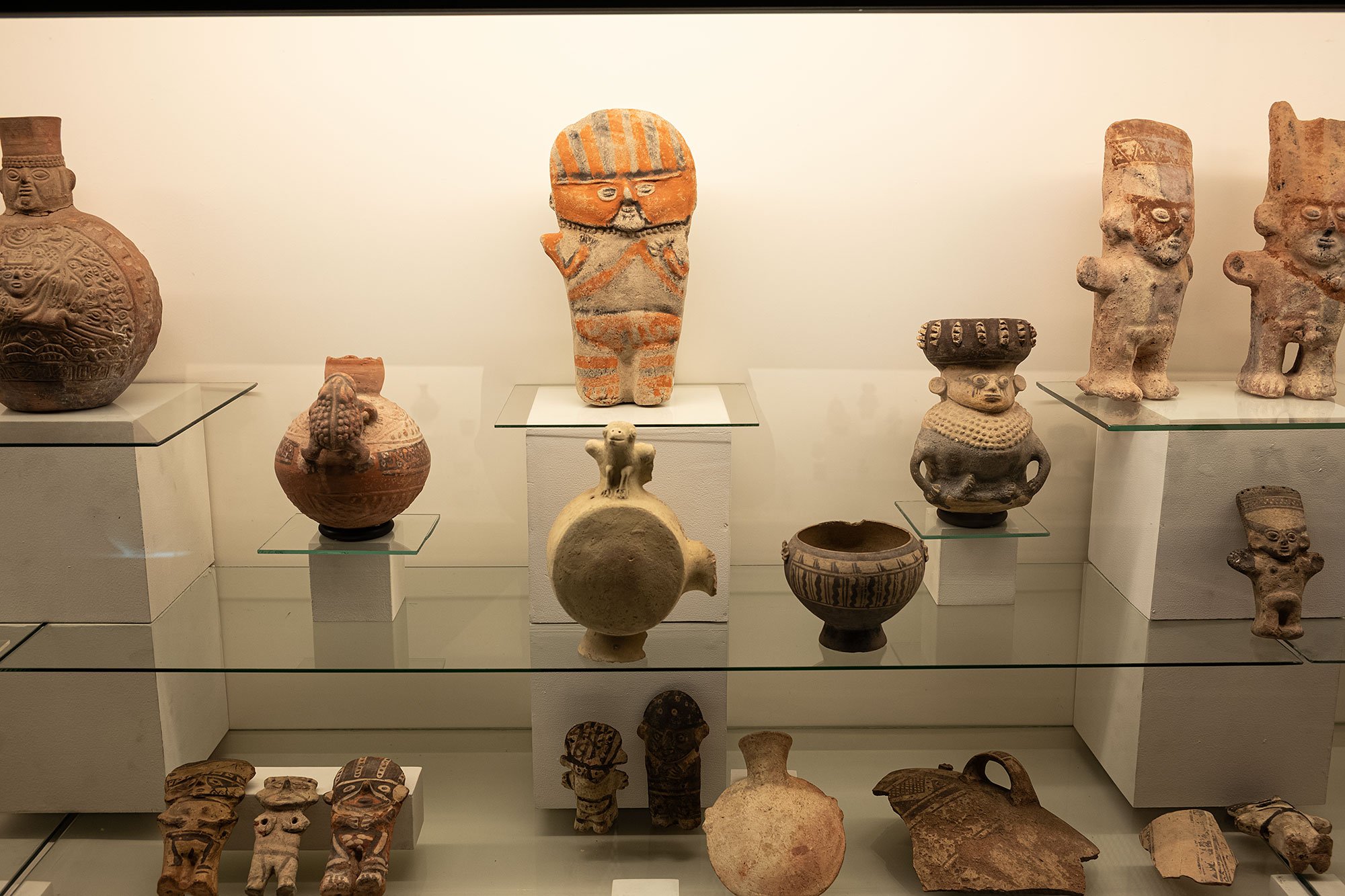
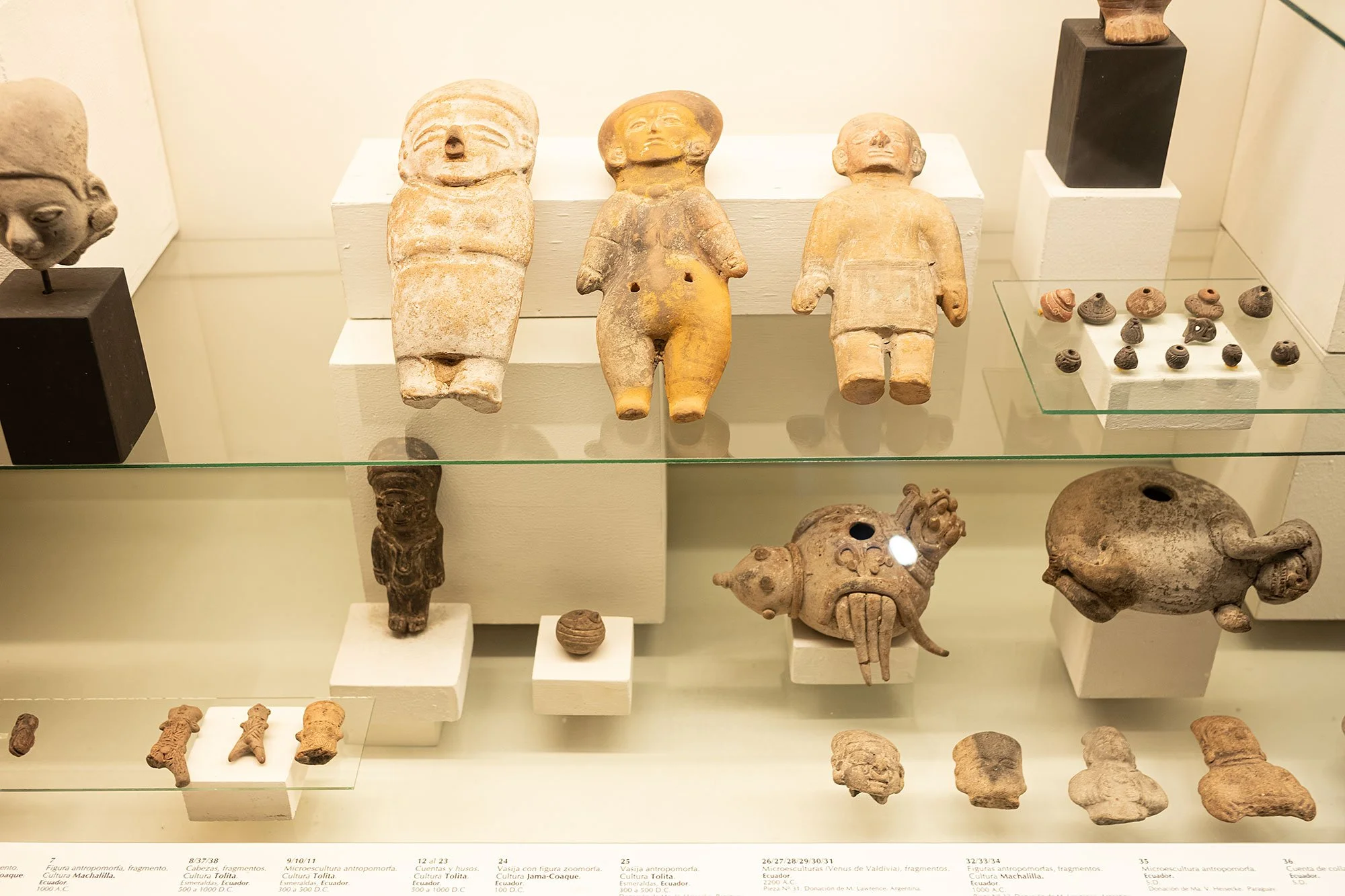
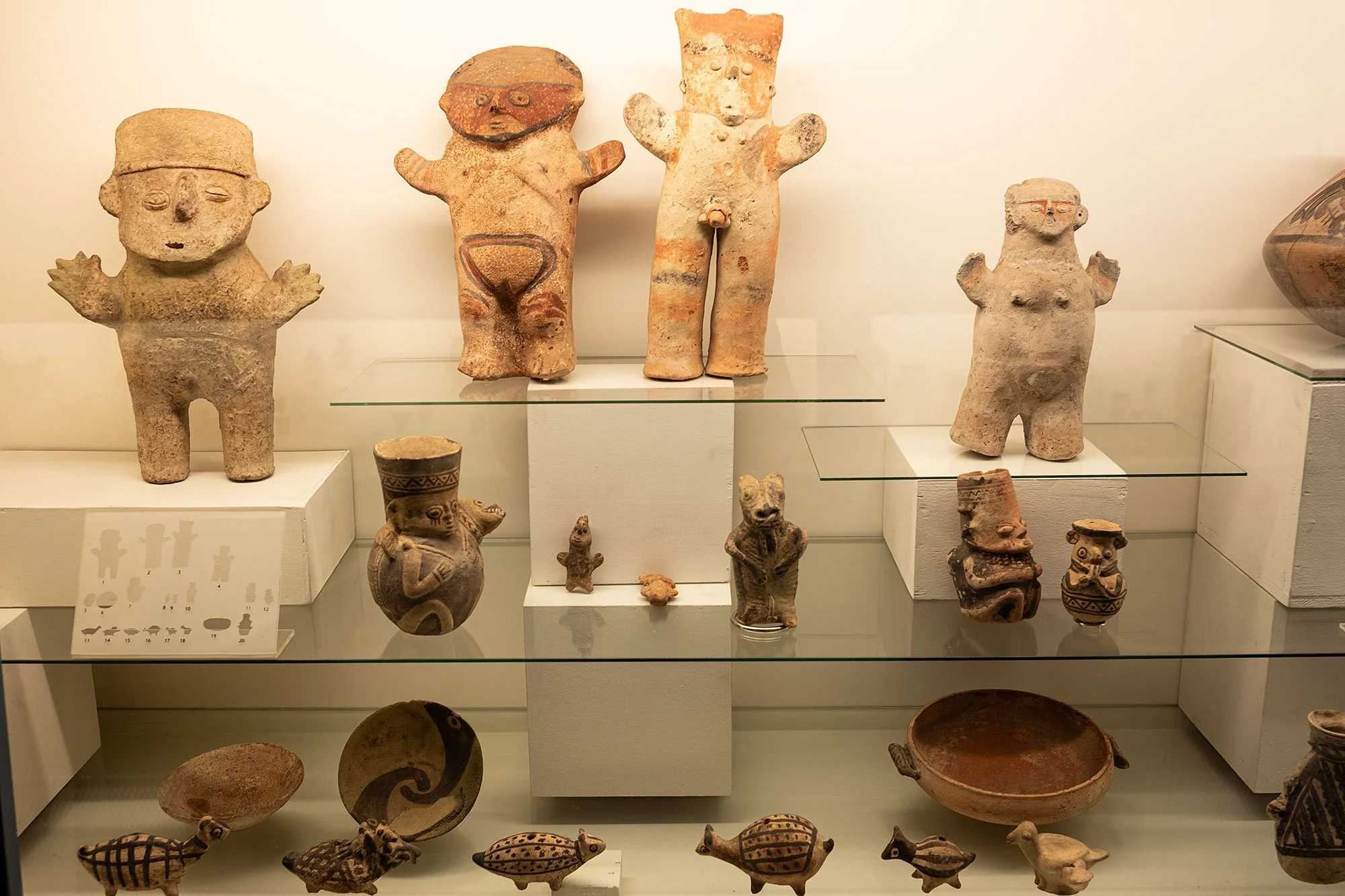
The museum is eclectic, the galleries spinning off here and there with stairwells at various points to take you upstairs or down. There’s preColombian art and contemporary paintings and sculpture and photography in another building facing the courtyard that forms the center of the museum.
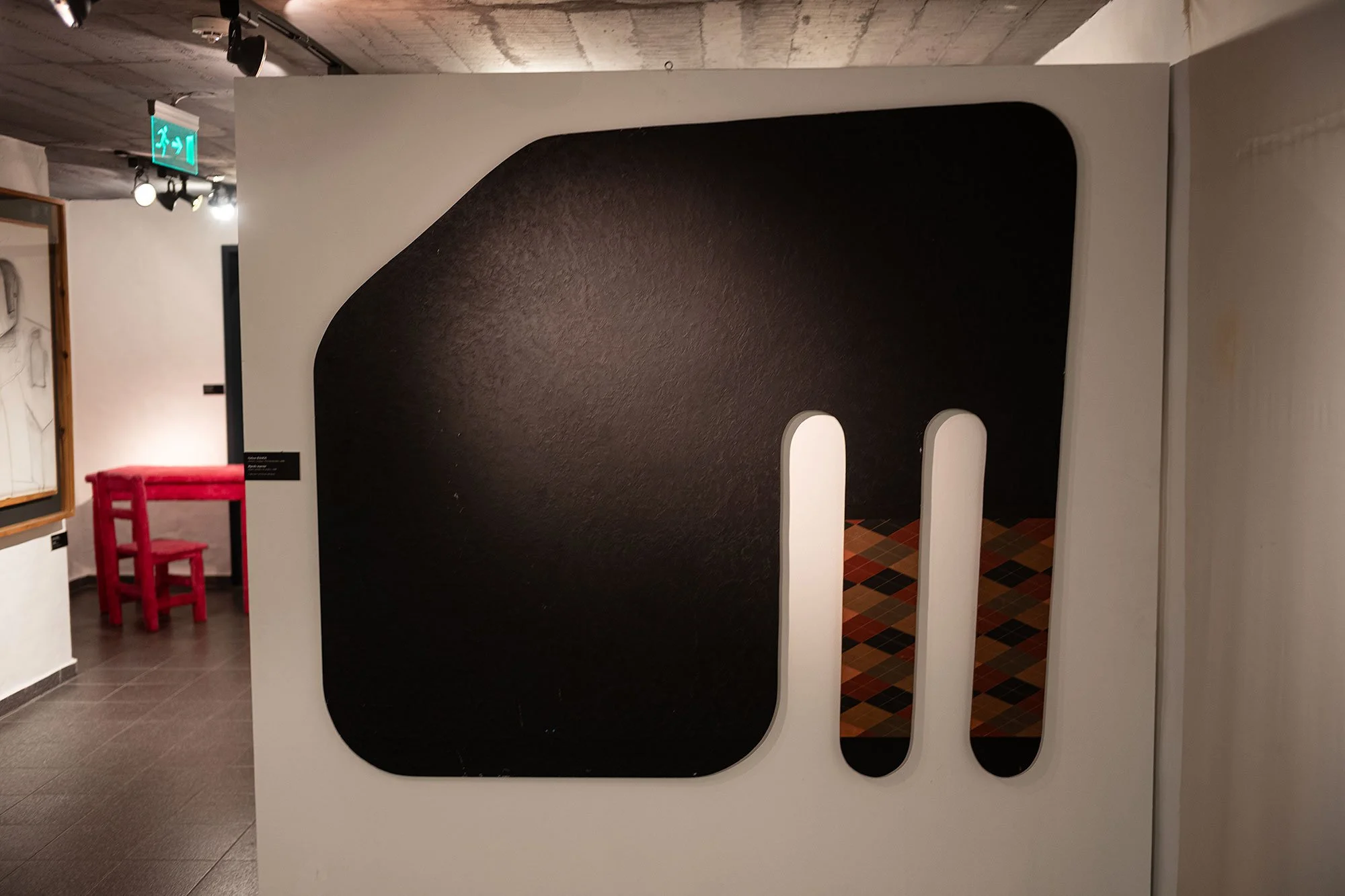
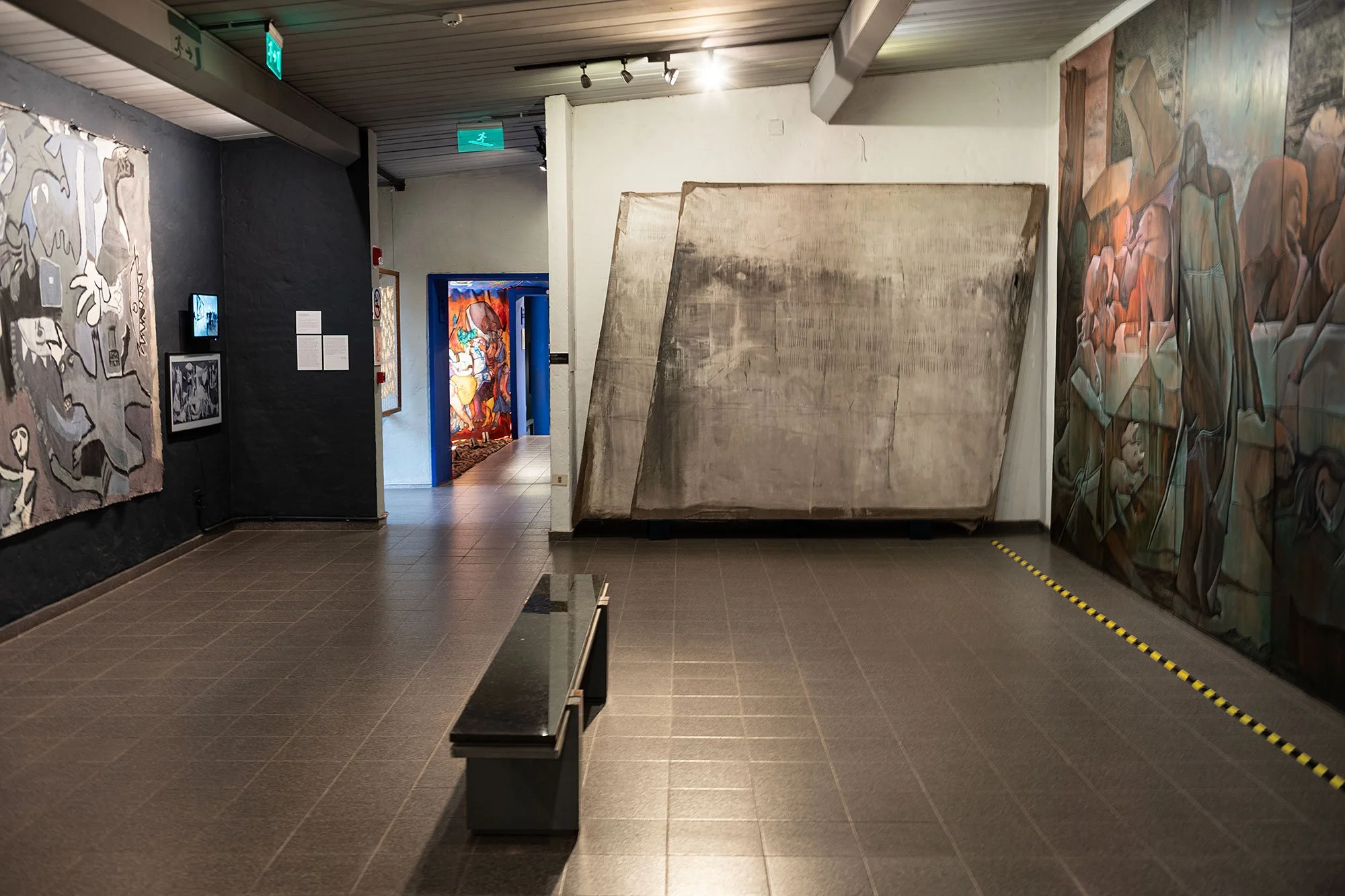
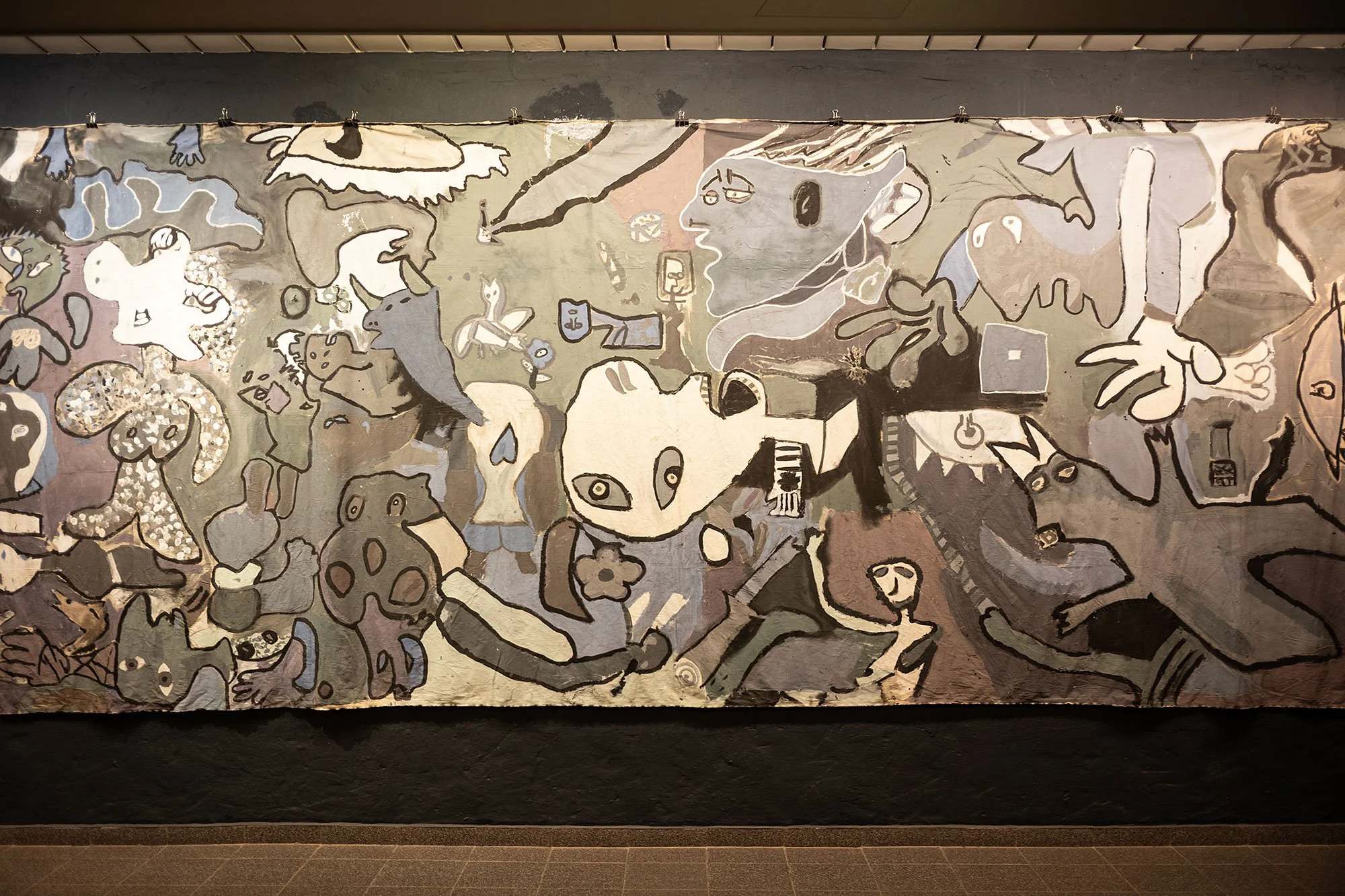
I love the variety. Occasionally there’ll be a case that’s overflowing. One particular display has sculptures of the Twin Towers with airplanes crashing into them next to dolls and religious icons and doll parts.
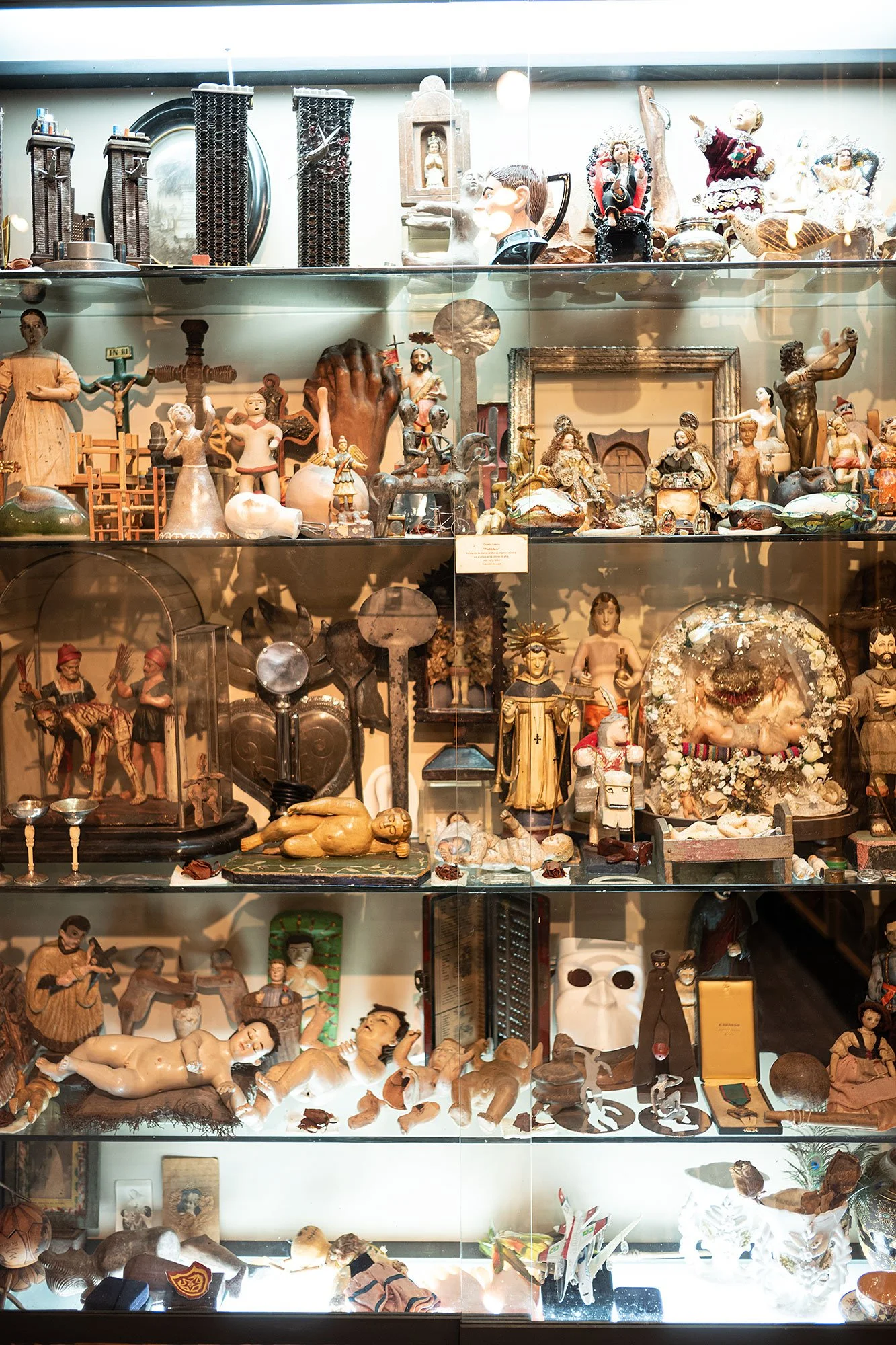
Galleries of indigenous art are purposeful in their use of the word ‘art’ to place it on the same level as artwork created within the paradigm of Western high culture, rather than relegate them to the lower shelf of ‘craft.’ It’s an interesting argument and I appreciate how intentful the curators are with their presentation and their thoughtfulness. It’s a very specific way of couching the work and presenting it in an attempt to dismantle ethnocentric views and reimagining the world.
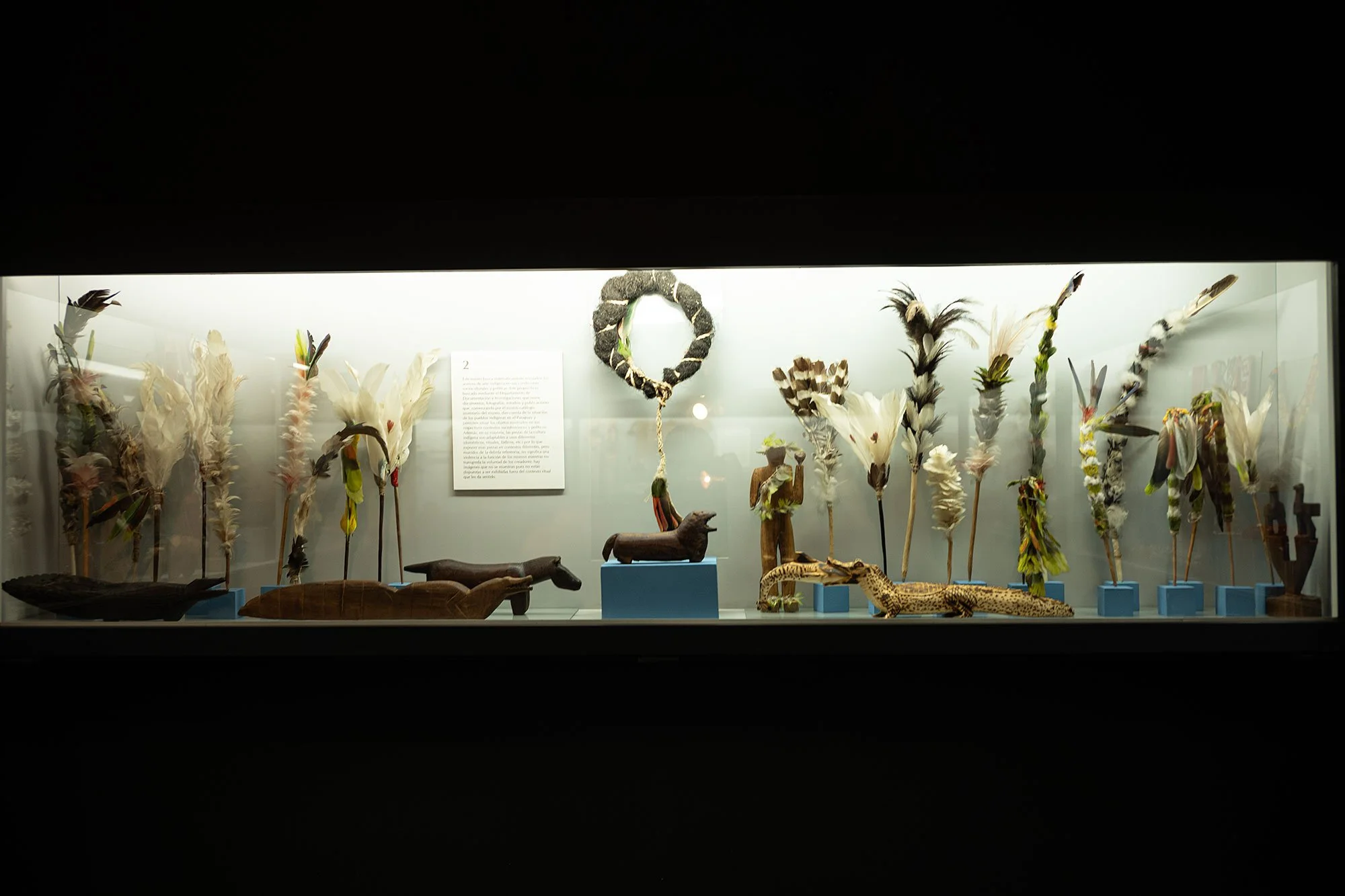
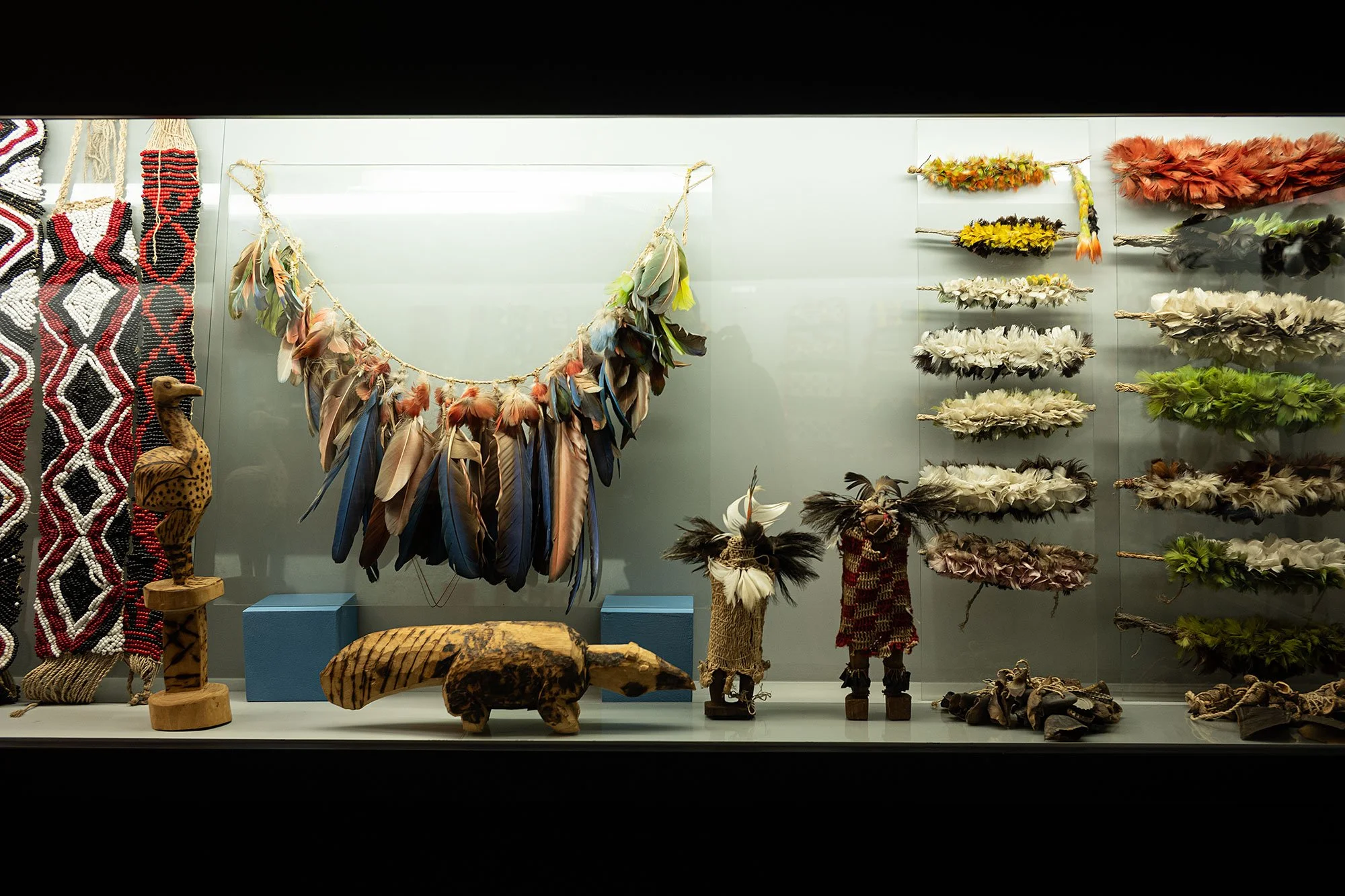
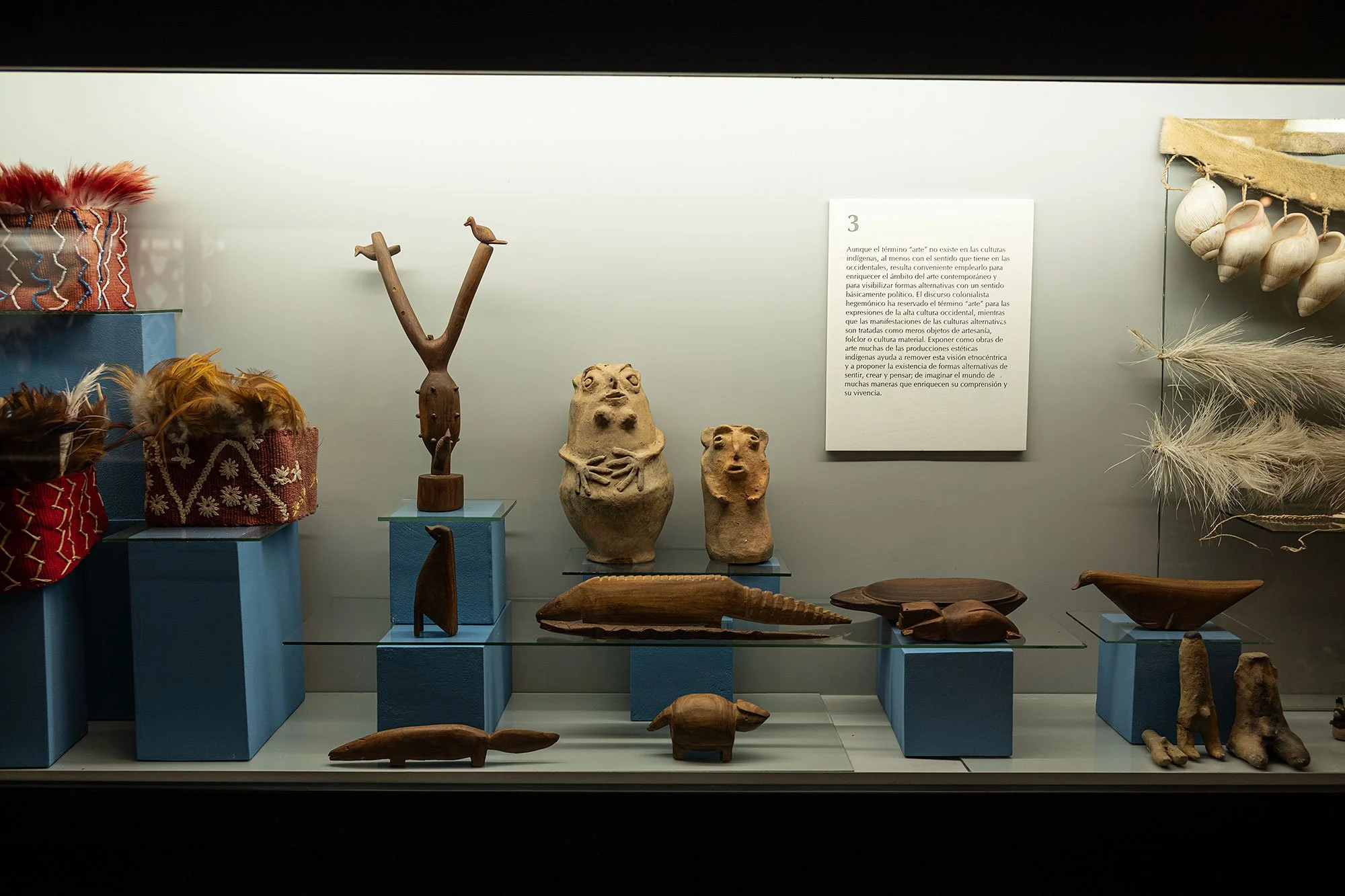
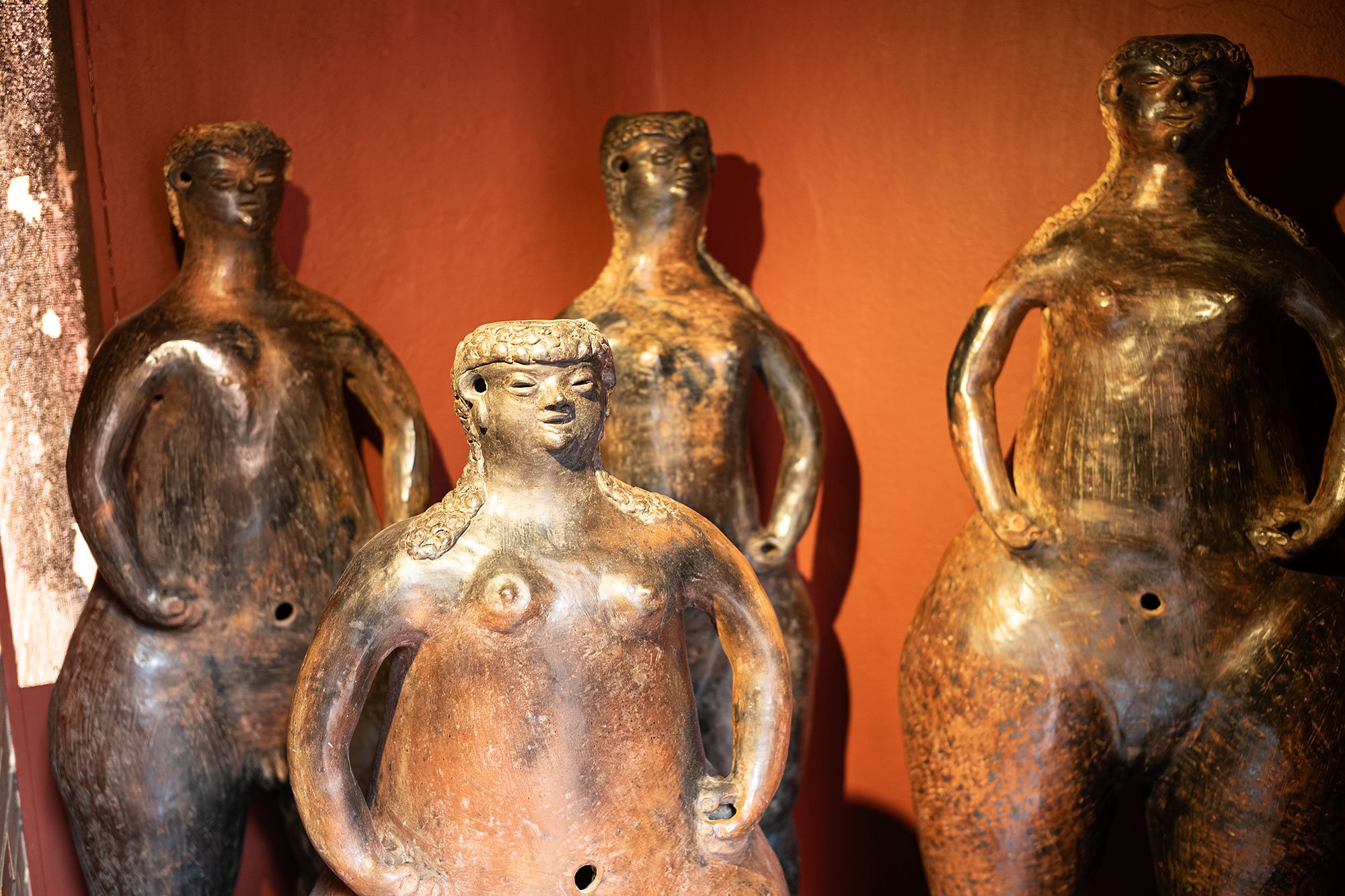
My favorite galleries house ceremonial items and costumes in a beautifully lit space. The room is dark with black ceilings and the lighting perfectly targets the artifacts and clothing, the wood and clay reflect warmly against the dark.
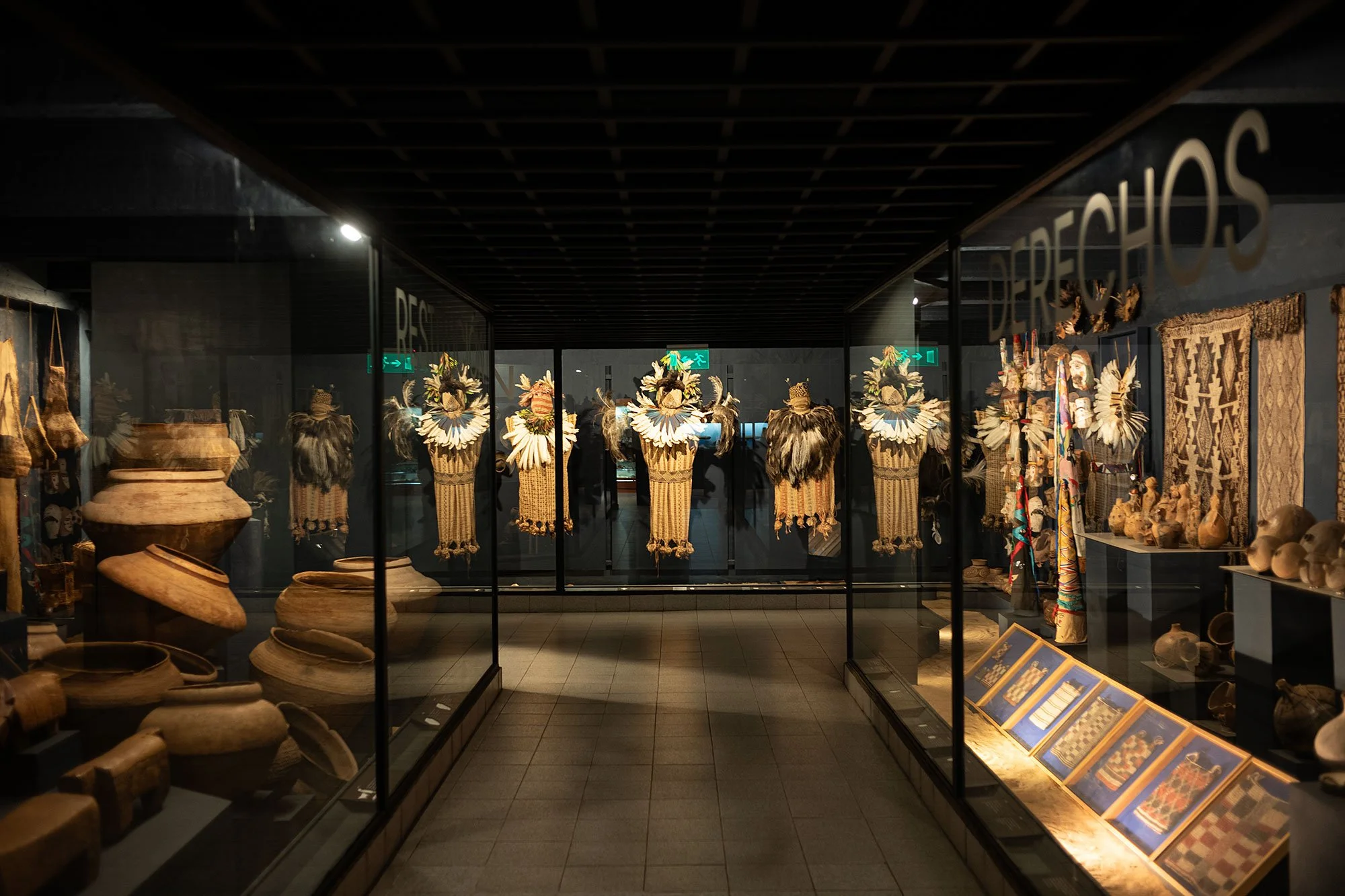
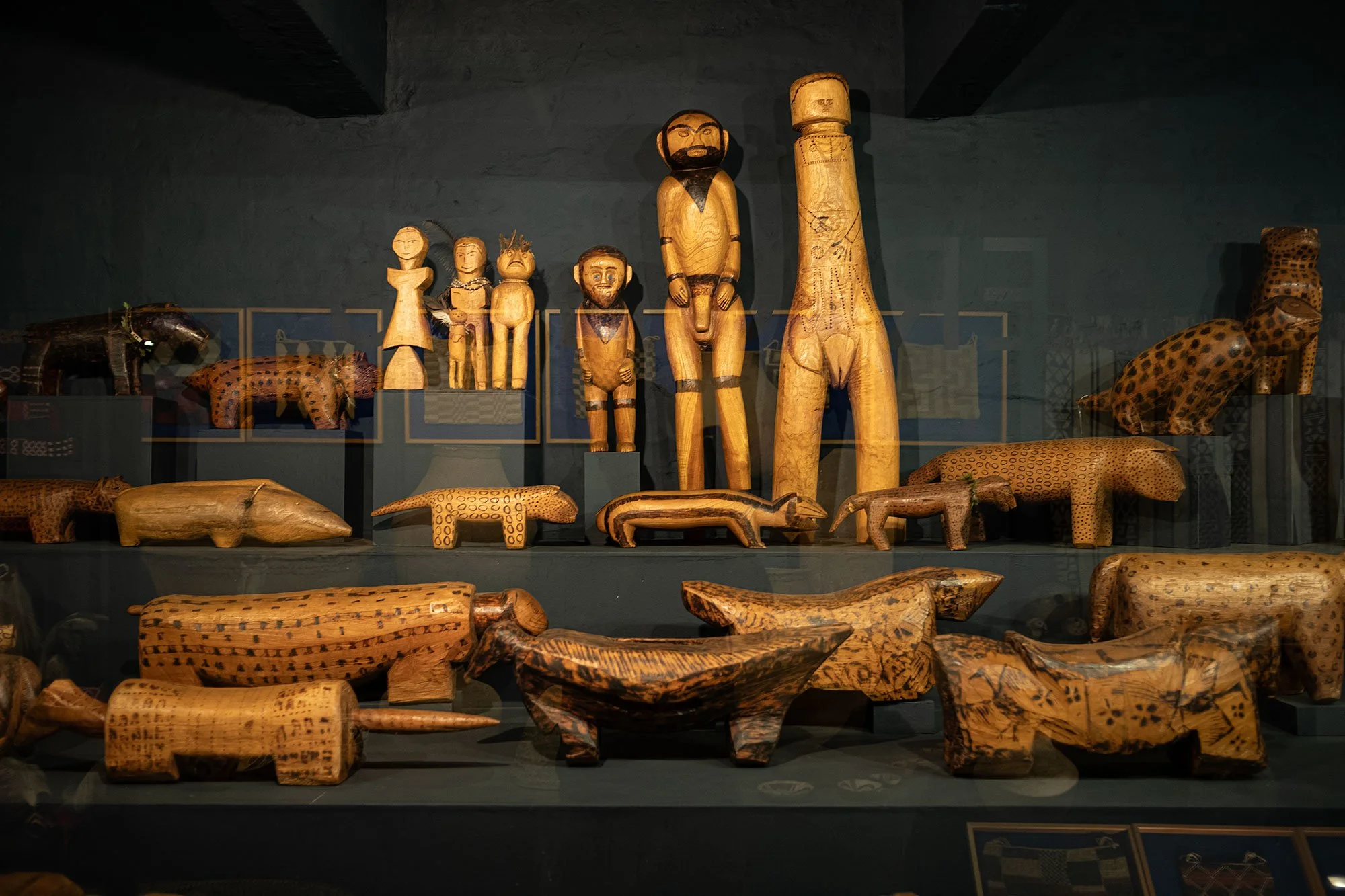
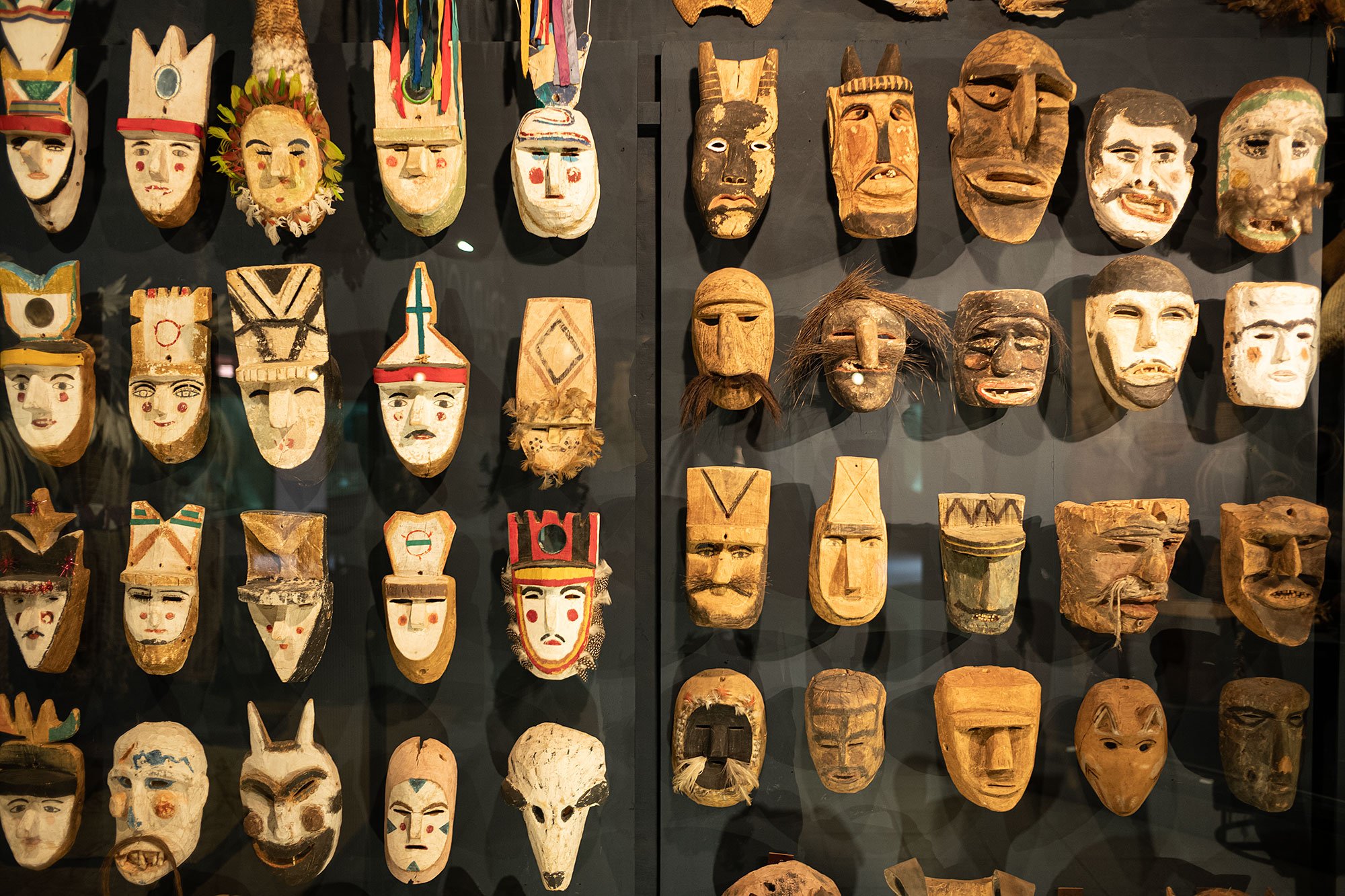
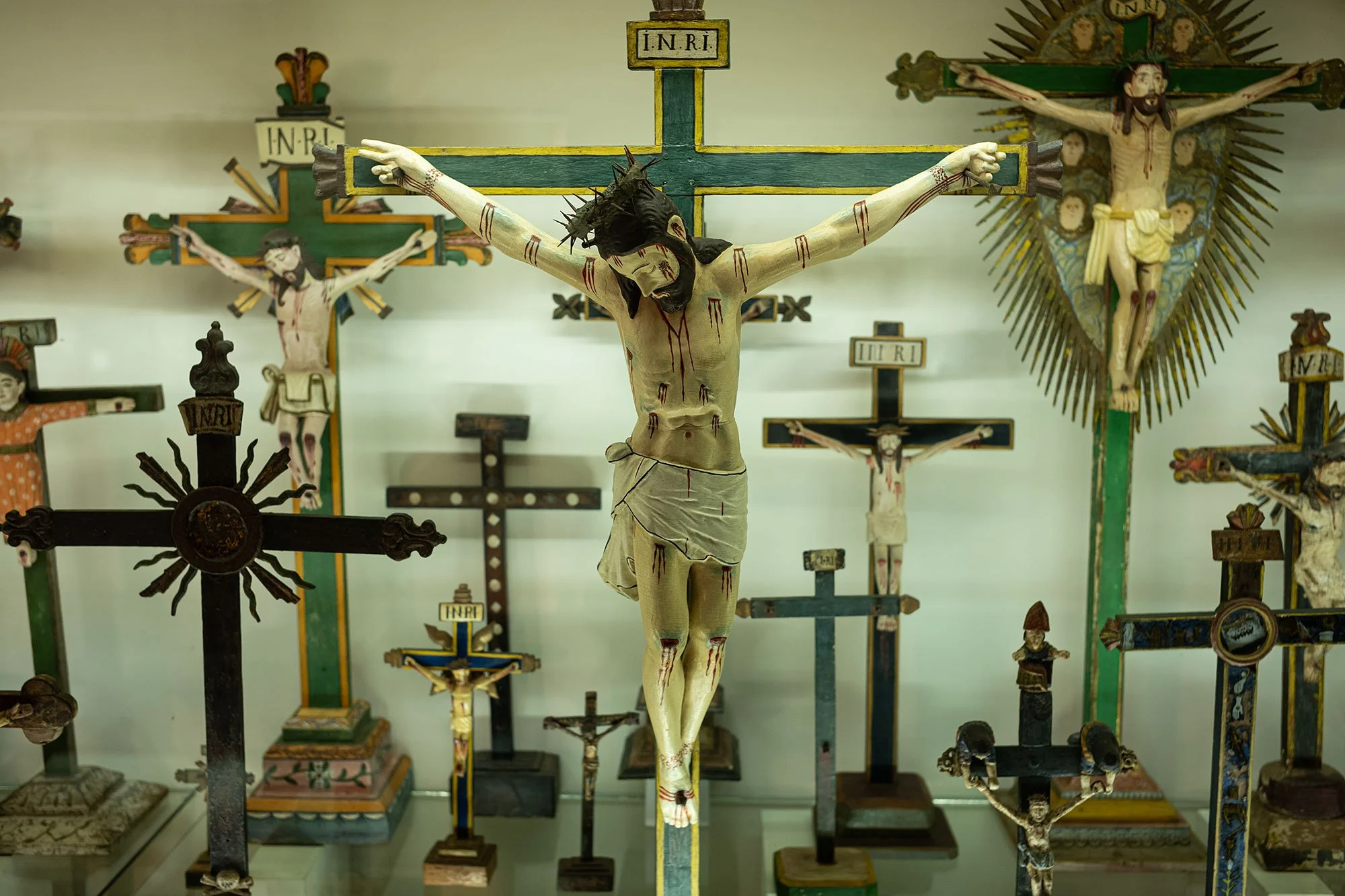
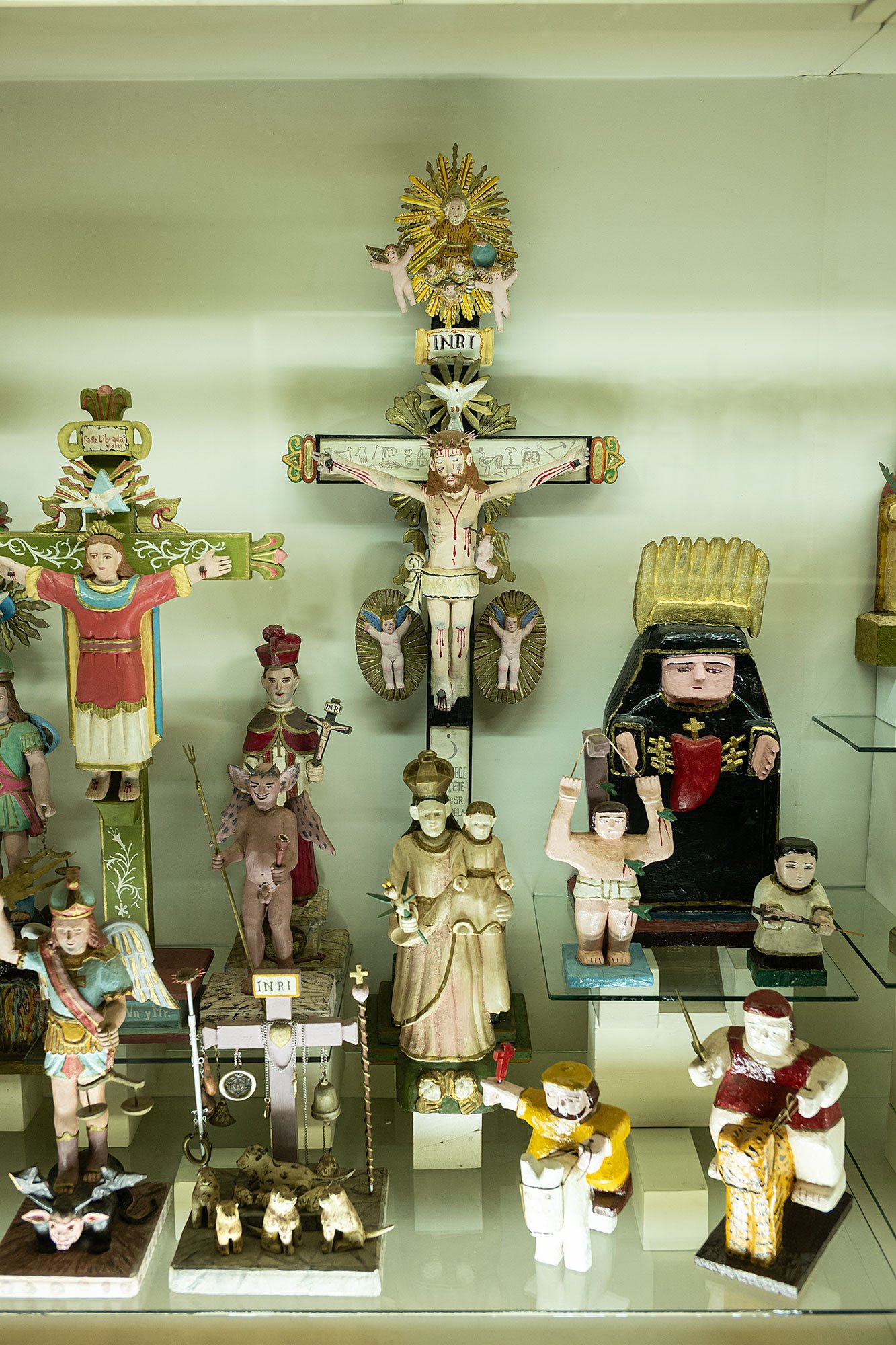
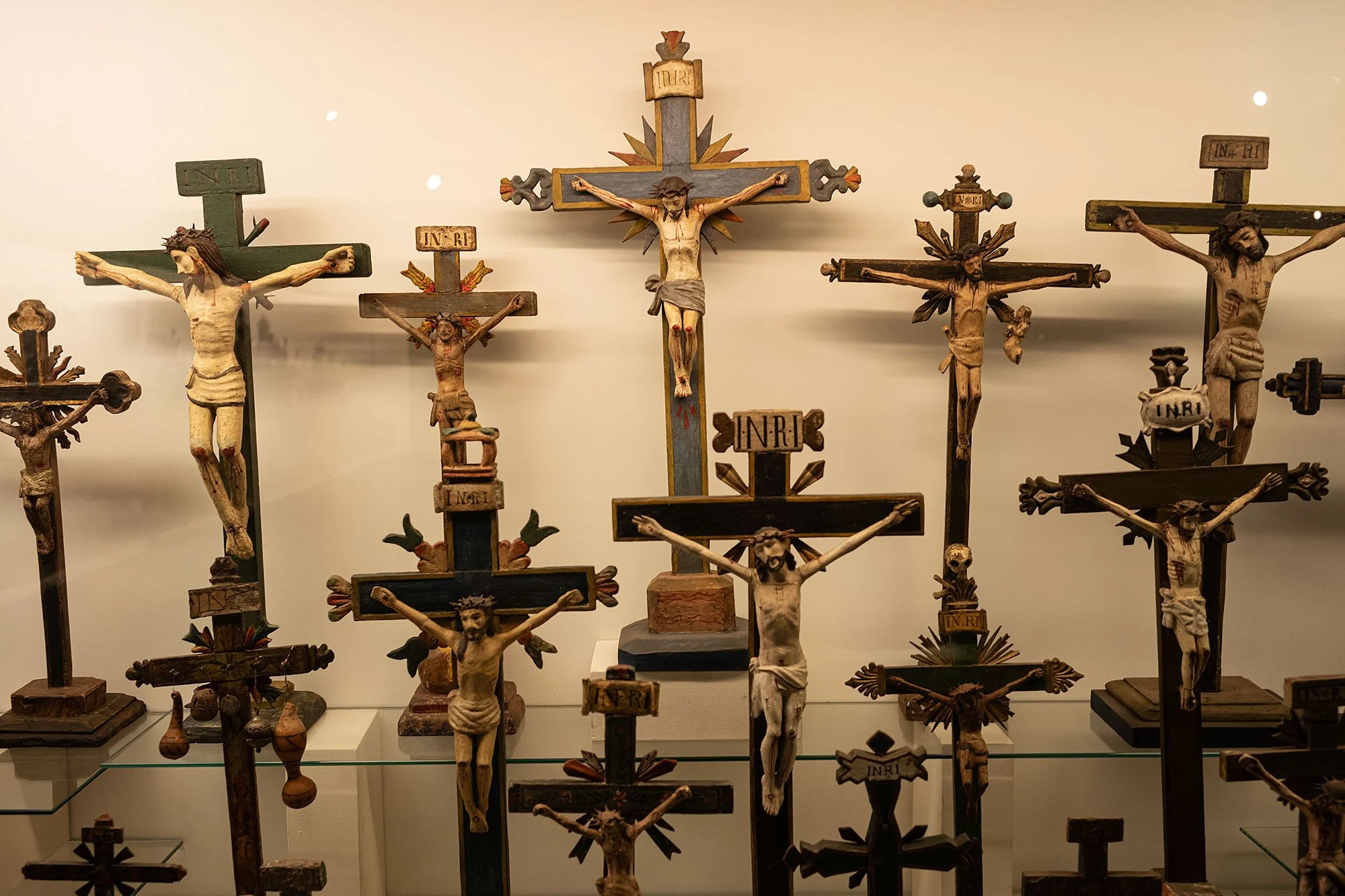
In one gallery there are cases and cases of religious iconography. It feels as if the room is its own Hill of Crosses, only without the public contributions spilling out over the years.
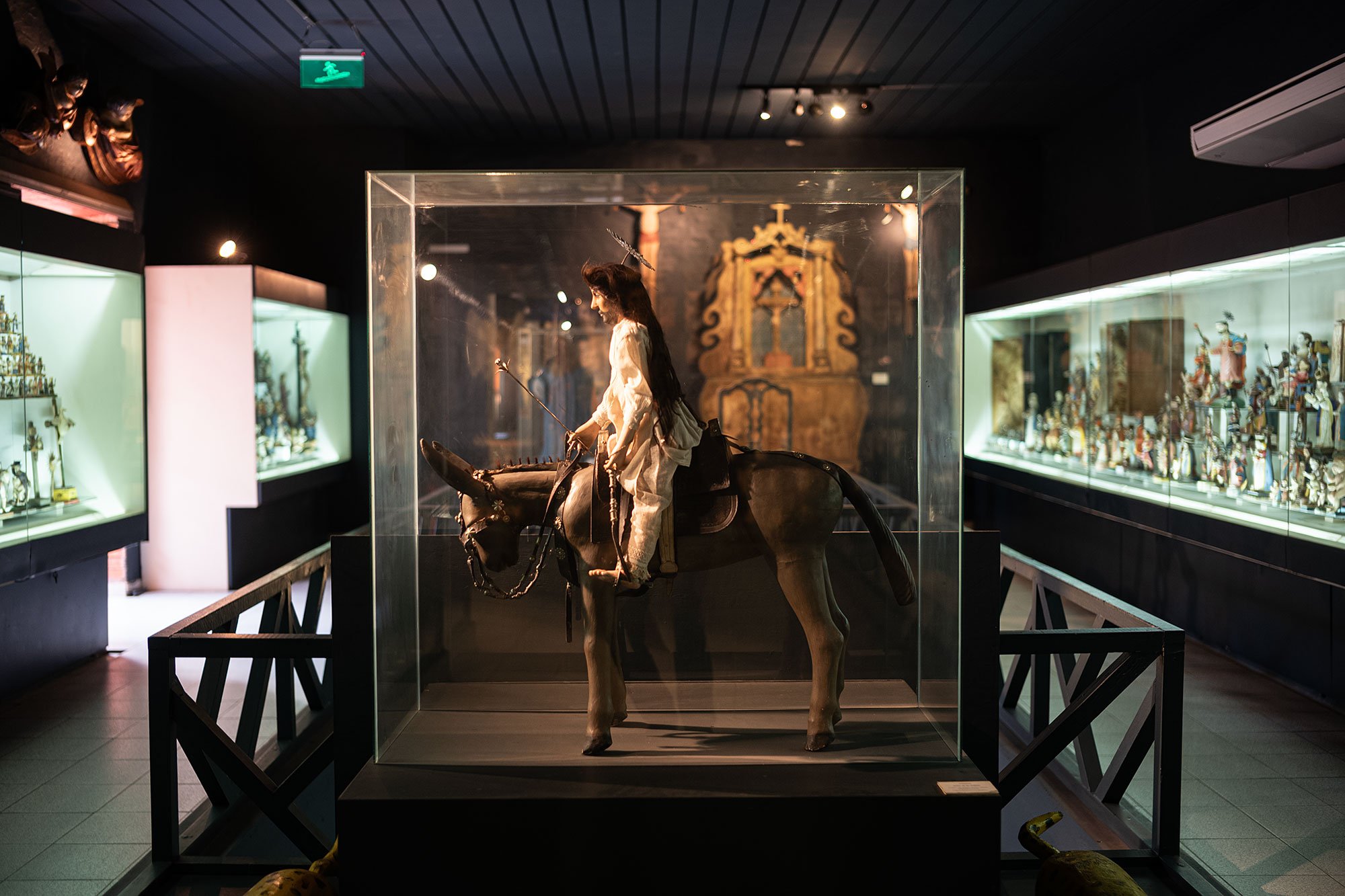

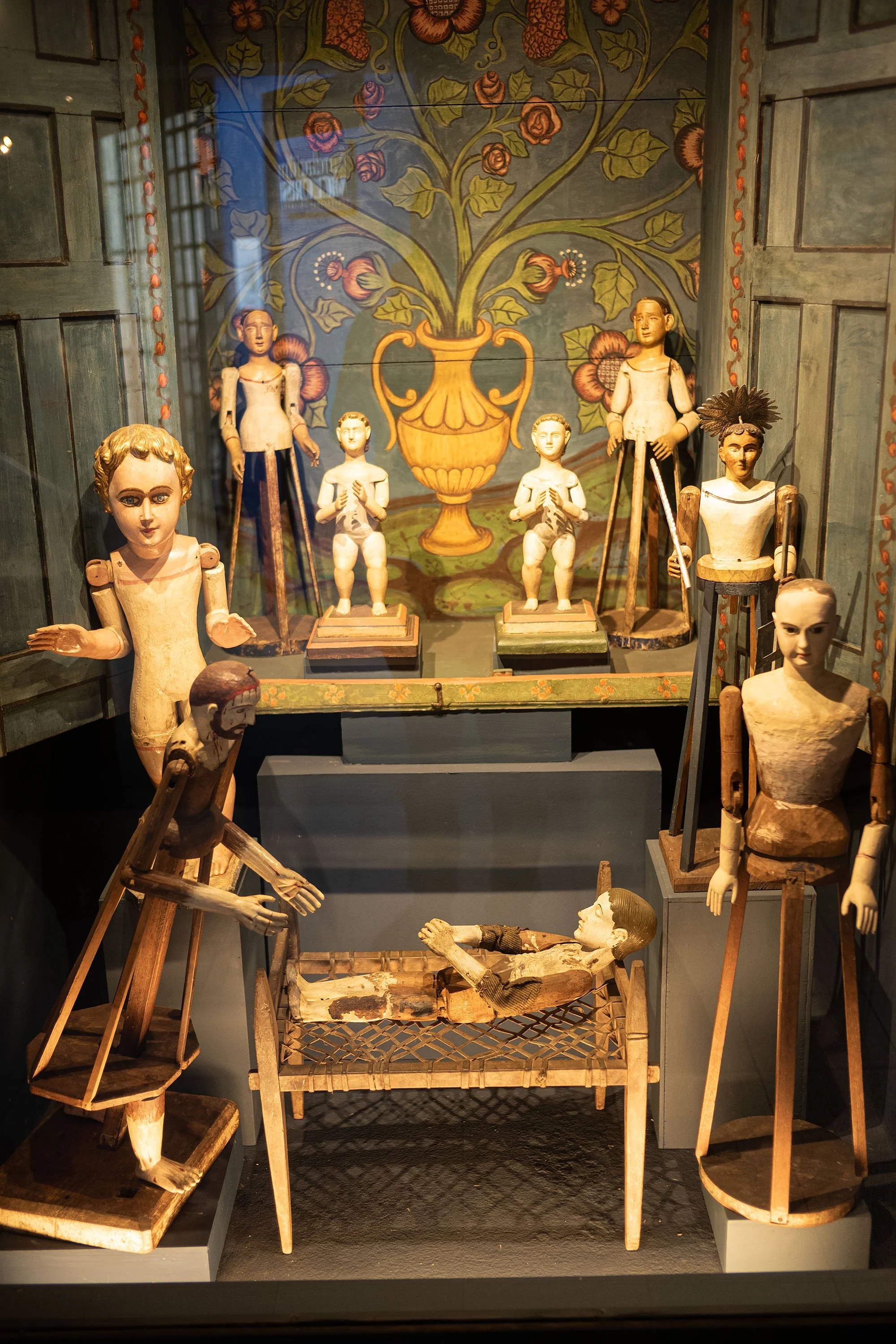
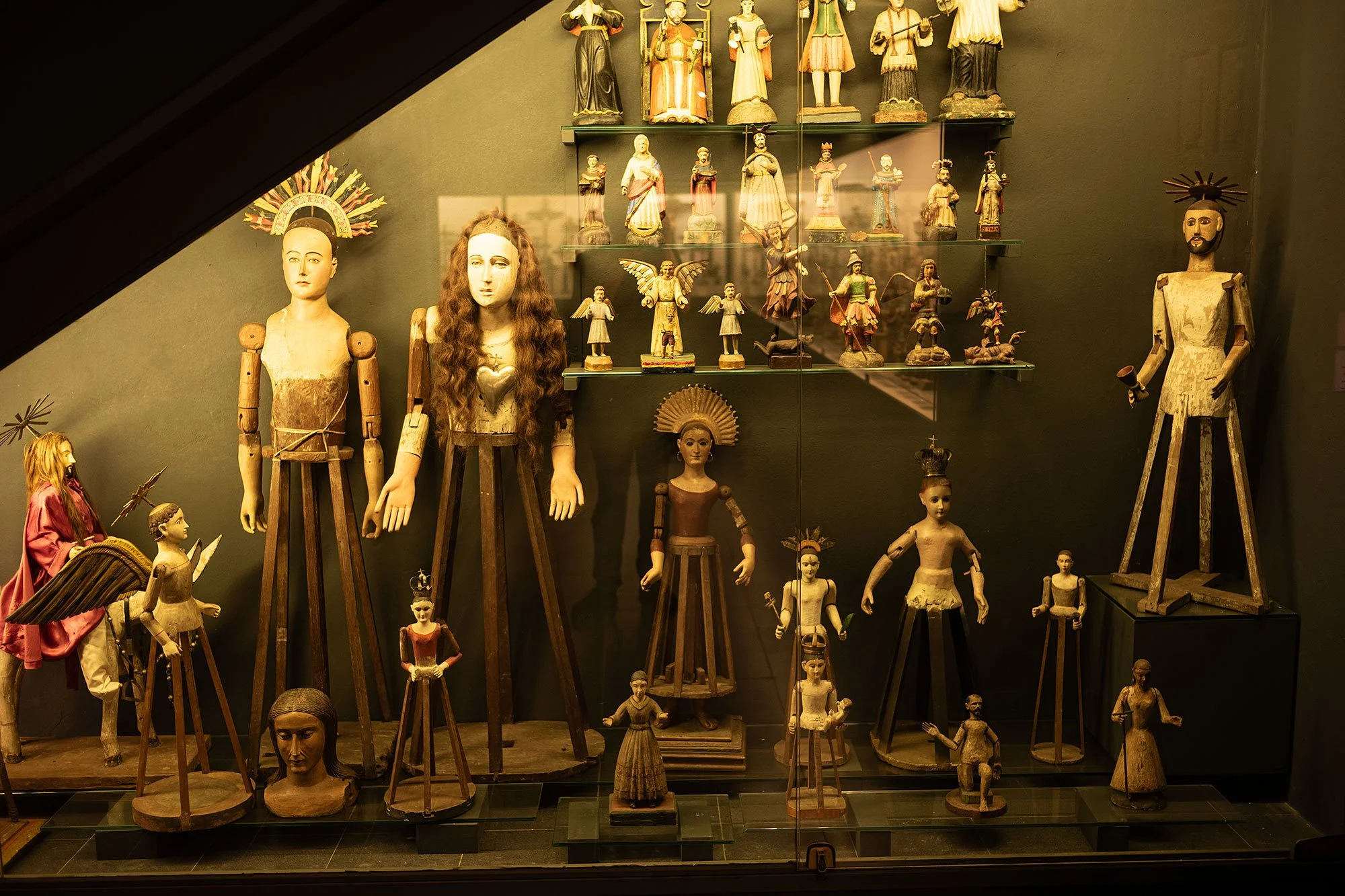
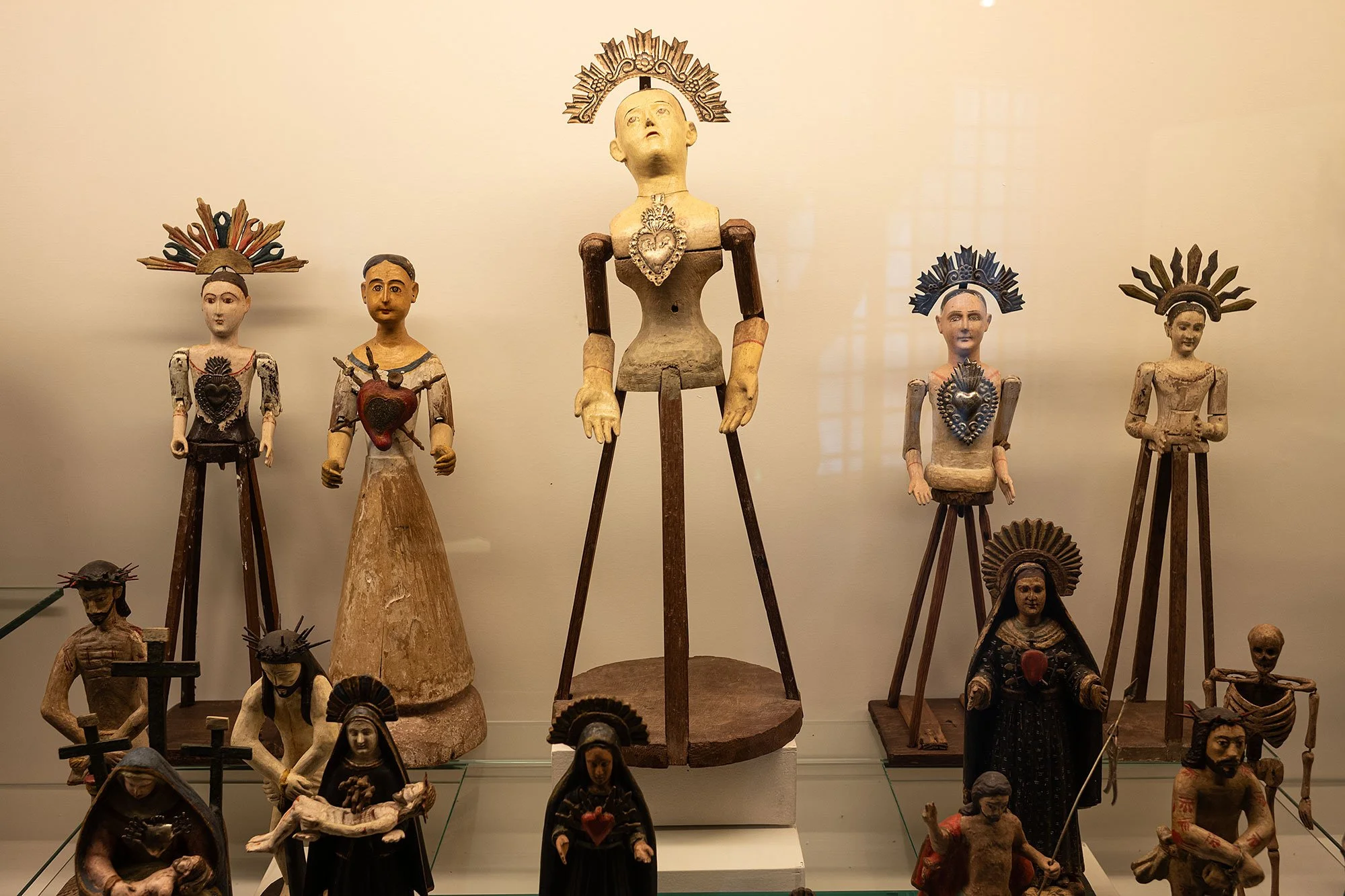
Some of my favorite statuary is towards the end, as wooden torsos are carved upon wooden stands. There’s something almost Tim Burton about seeing them, the figures carved without legs to stand upon. I’m curious as to why they’ve been left in such a state. Is it an intentional act? Or had the sculptor not yet completed the works?
In my mind, I think back to the scene in Edward Scissorhands where Vincent Price is finally ready to gift human hands to Johnny Depp just as Price succumbs to a heart attack. After doing a little research I discover that these figures of saints and other religious icons are intended to be dressed, and so the frames serve a practical purpose, filling out the clothes placed upon them.
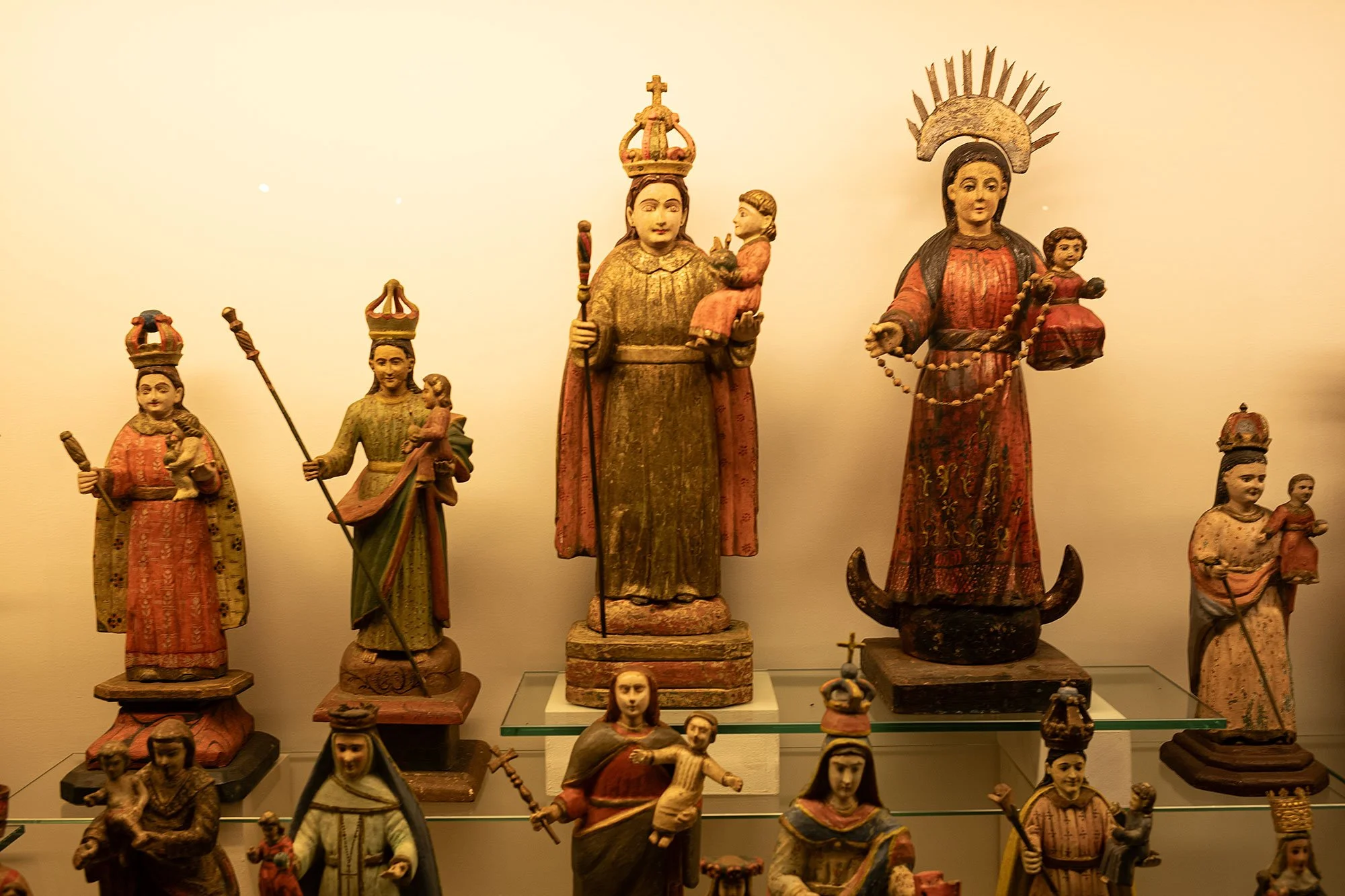
Having completed my tour of the galleries I turn towards a stairwell I had passed before, seeming to remember that there’s a door to the main courtyard from there. A bunch of statues sit under the stairs, seeming to flex in an attempt at intimidation. I’m curious where the stairs lead and walk halway up until I recognize the area on the second floor it accesses. Once I know I turn around and head out into the coutyard towards the exit.
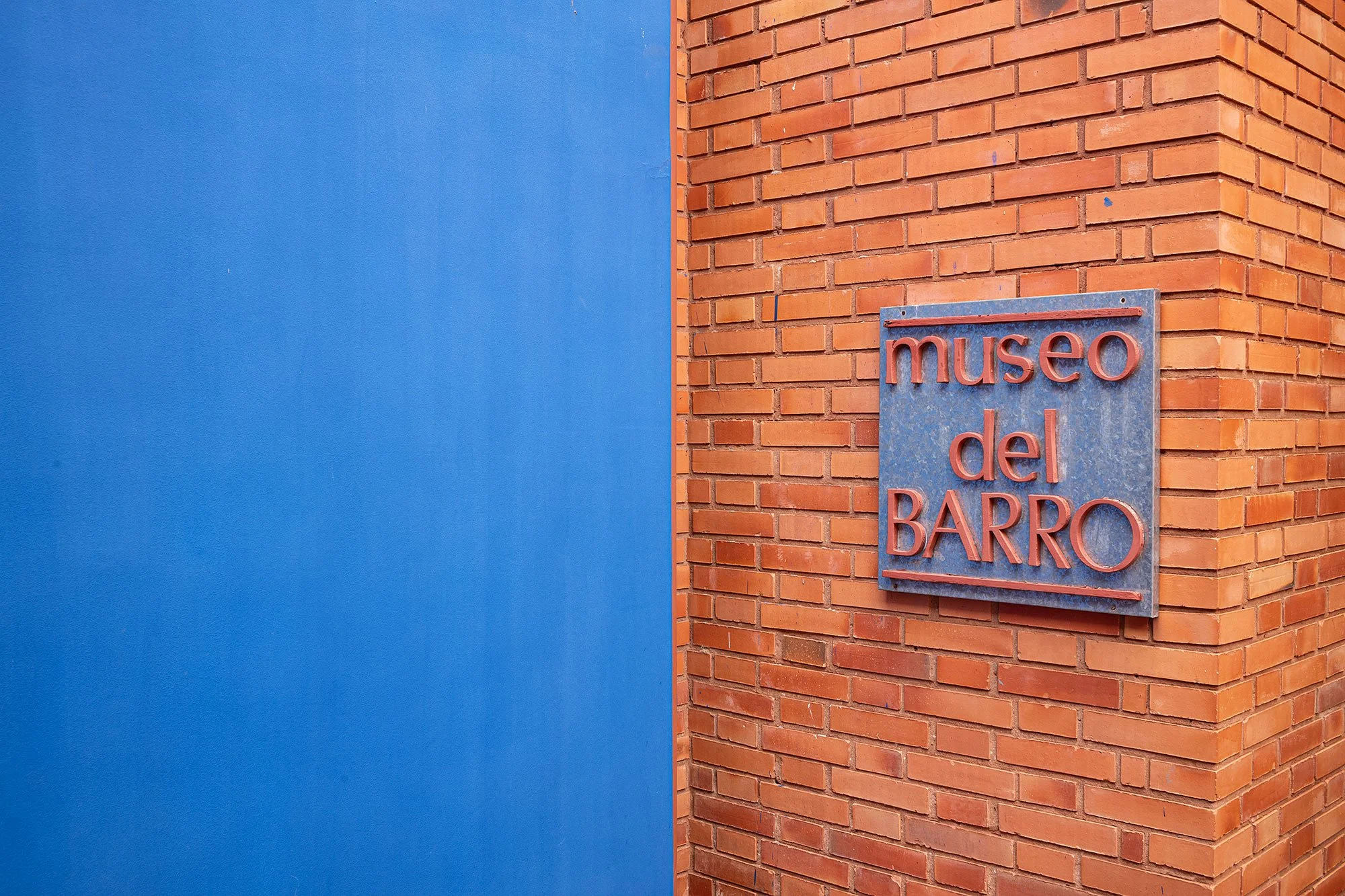
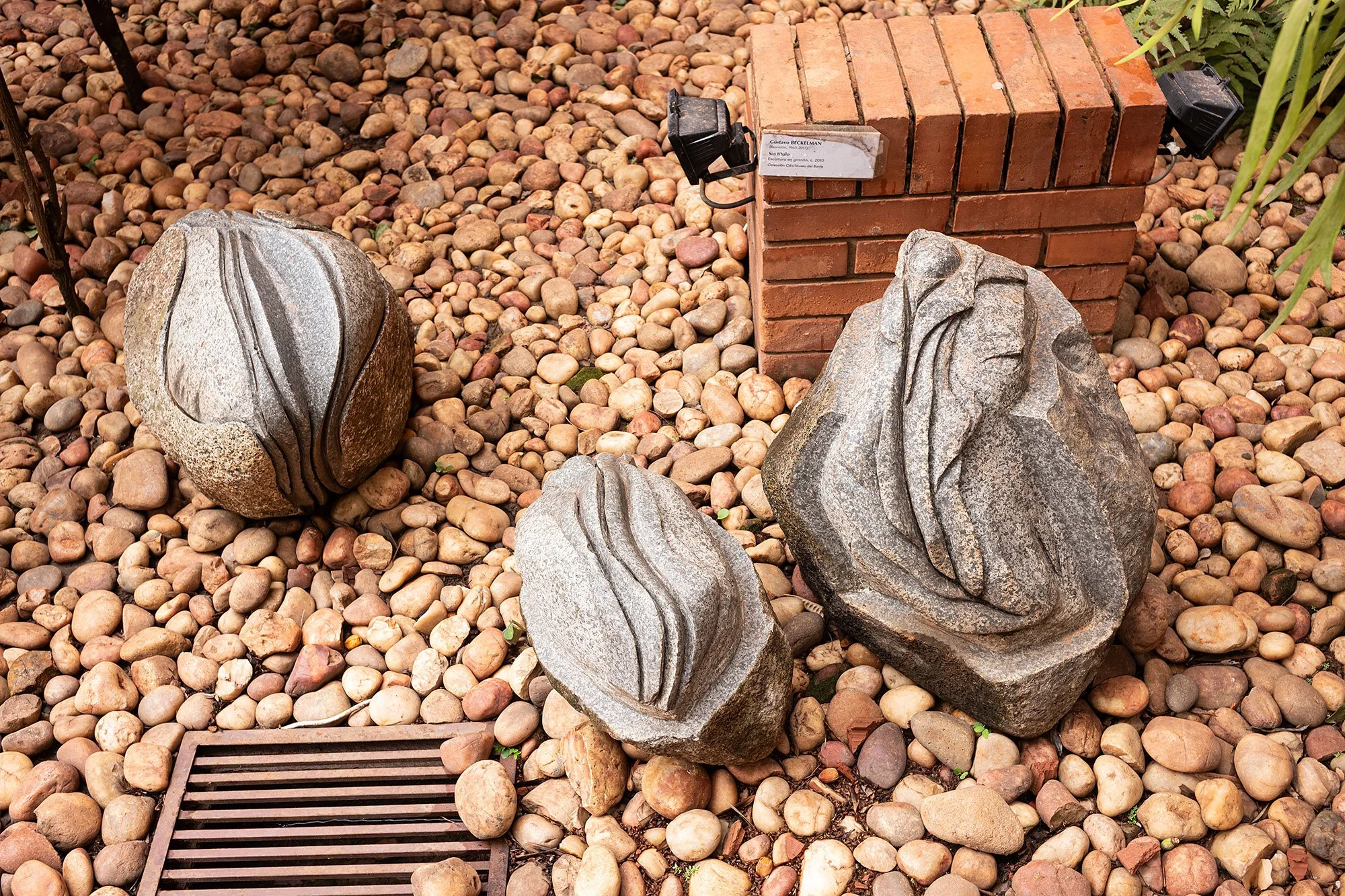
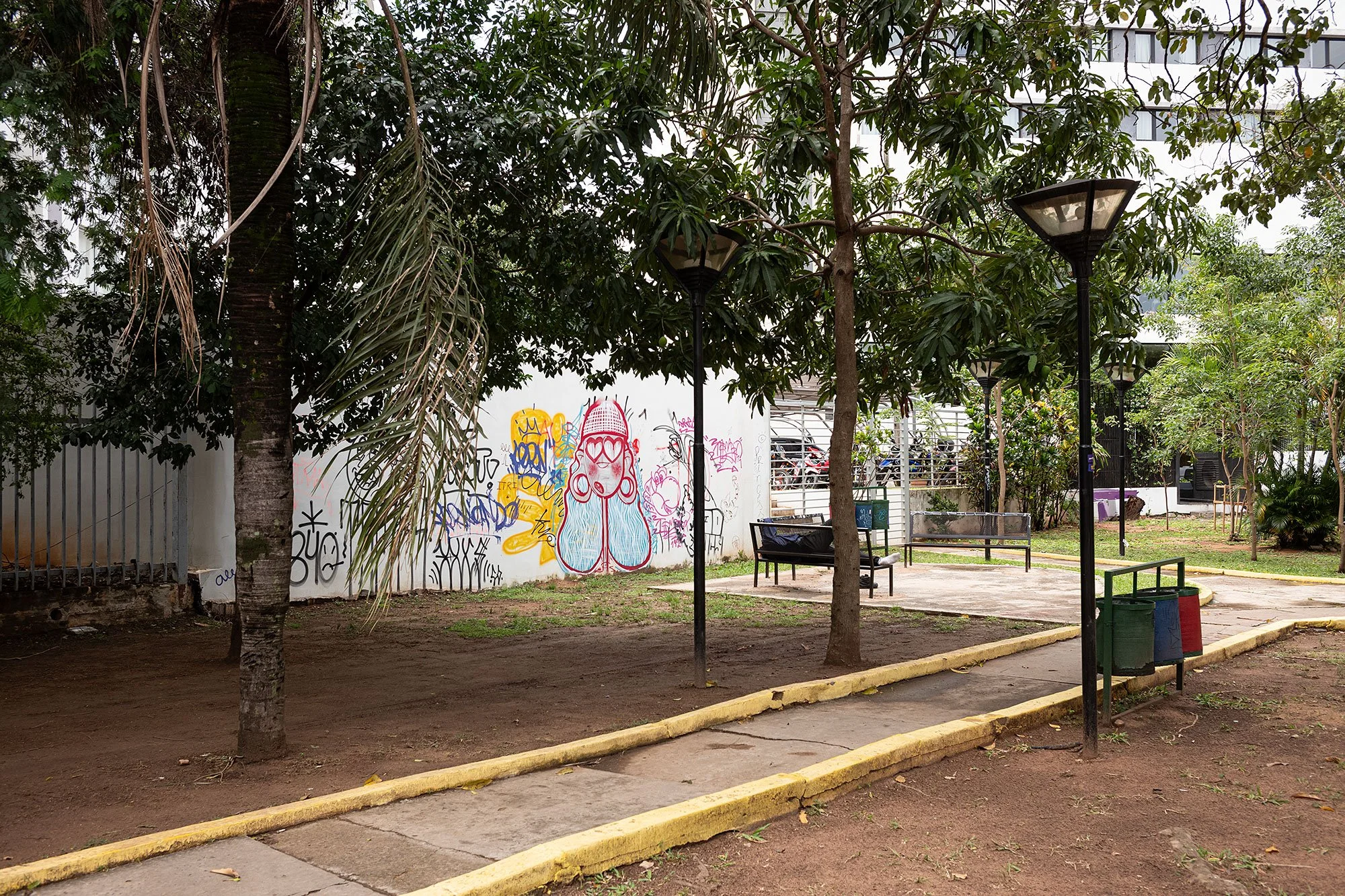
Leaving the museum I walk back to my apartment. The museum itself is off to the side of a residential area and there’s a small park across the street that serves a large apartment complex that dwarfs the building occupied by the the museum.
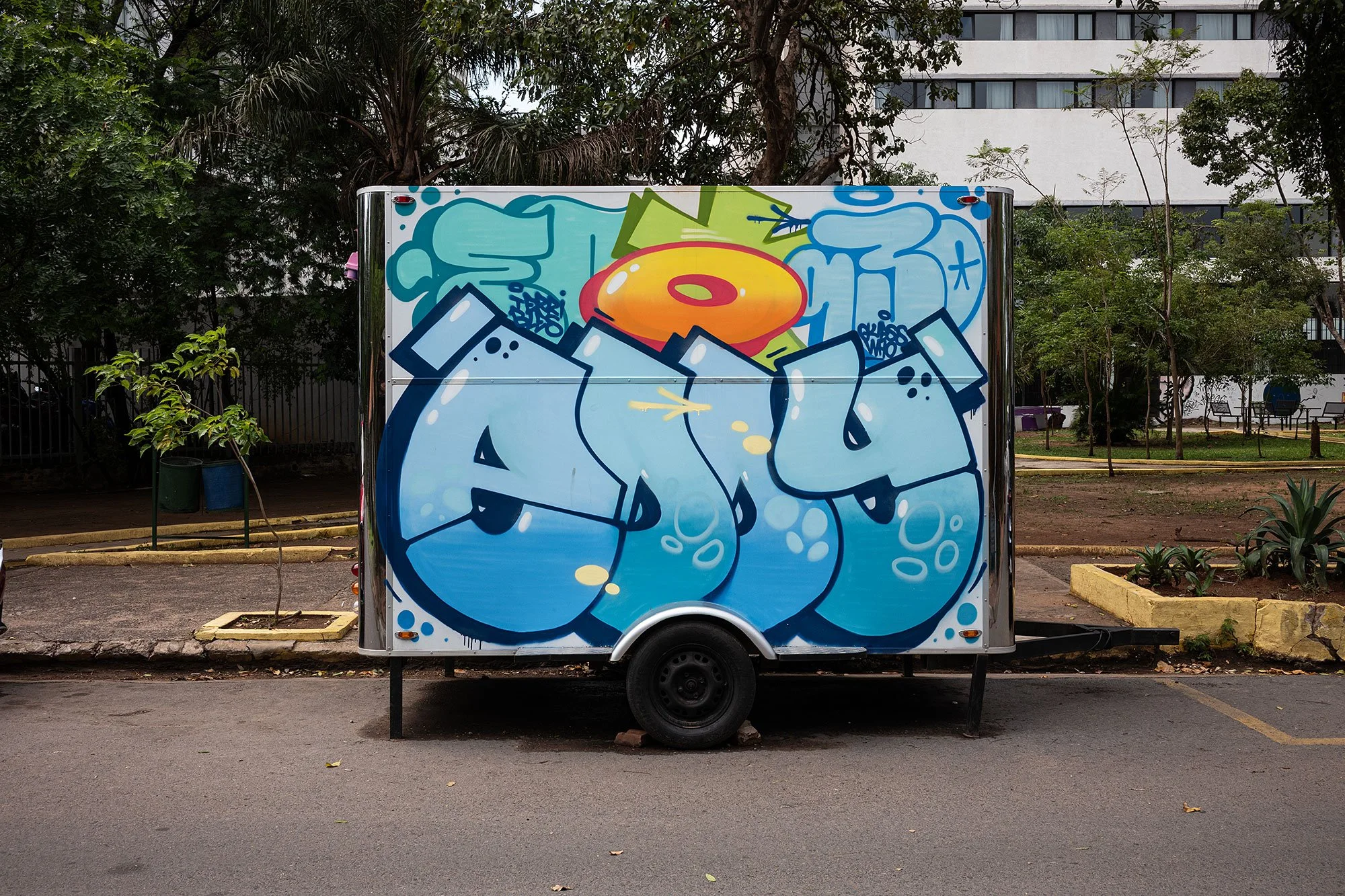
On my last day in Asunción I don’t leave the apartment complex. I go to the gym and order pizza for dinner. I do laundry and pack and decide to give myself the day off from work.
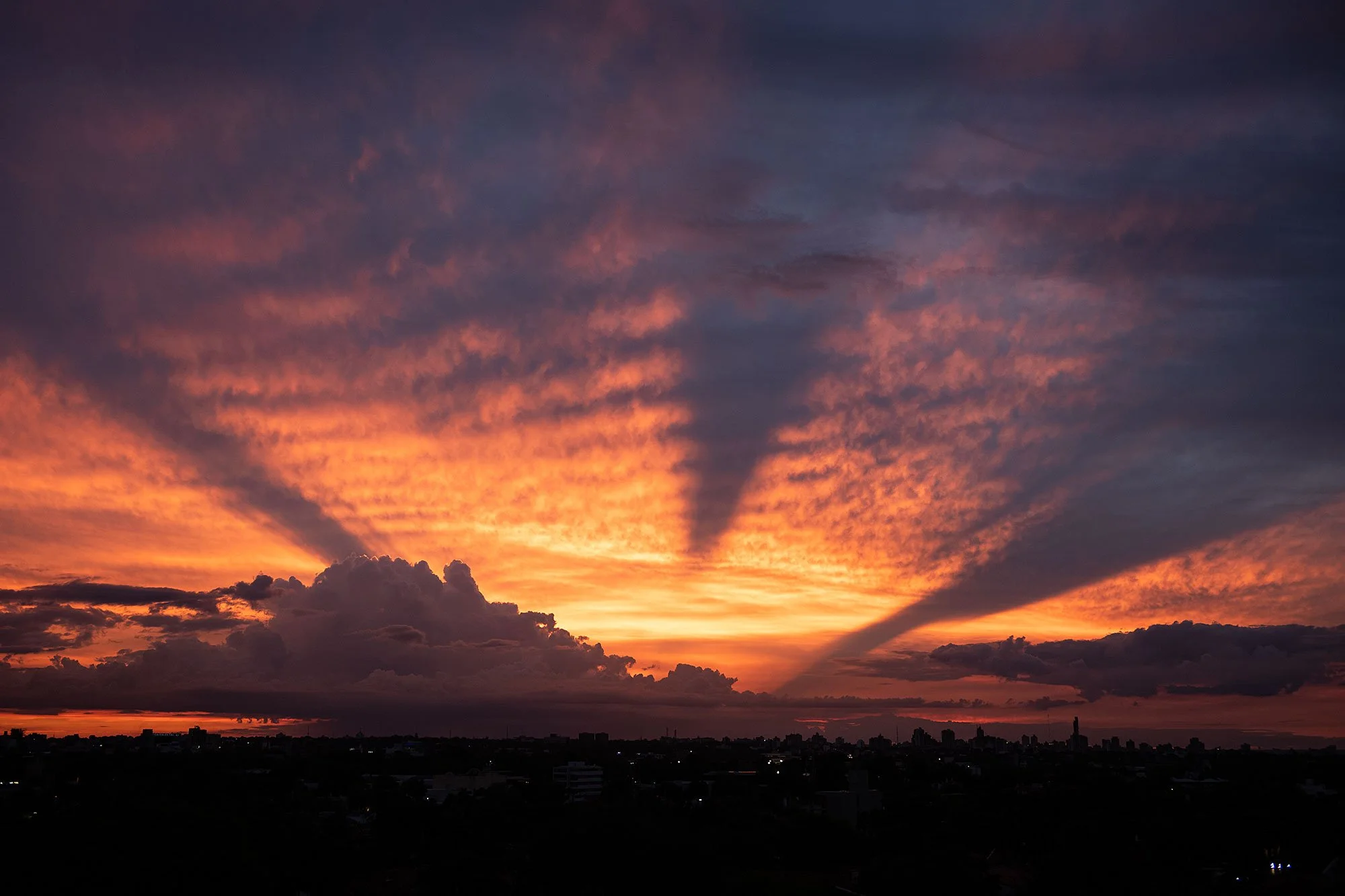
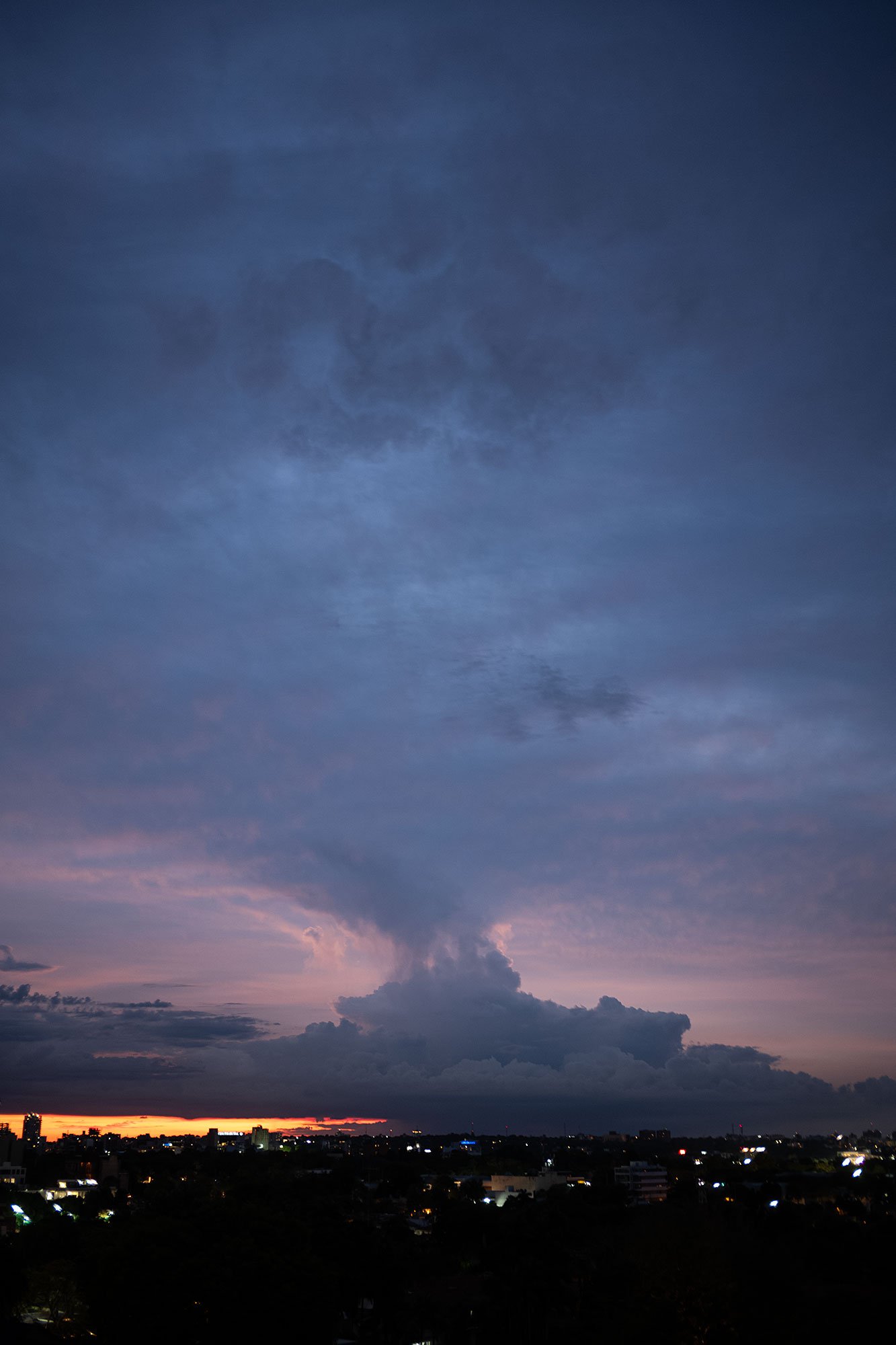
In the evening as I’m chatting with my cousin I look out the window to see the most spectacular sunset. The way the clouds have formed create arrows pointing towards the horizon, or function like rays cast out from the sun. I had packed away my camera and computer, but pull them out so that I can capture the scene and send it to my cousin. It’s an amazing send-off, a fantastic farewell to Paraguay. 🇵🇾