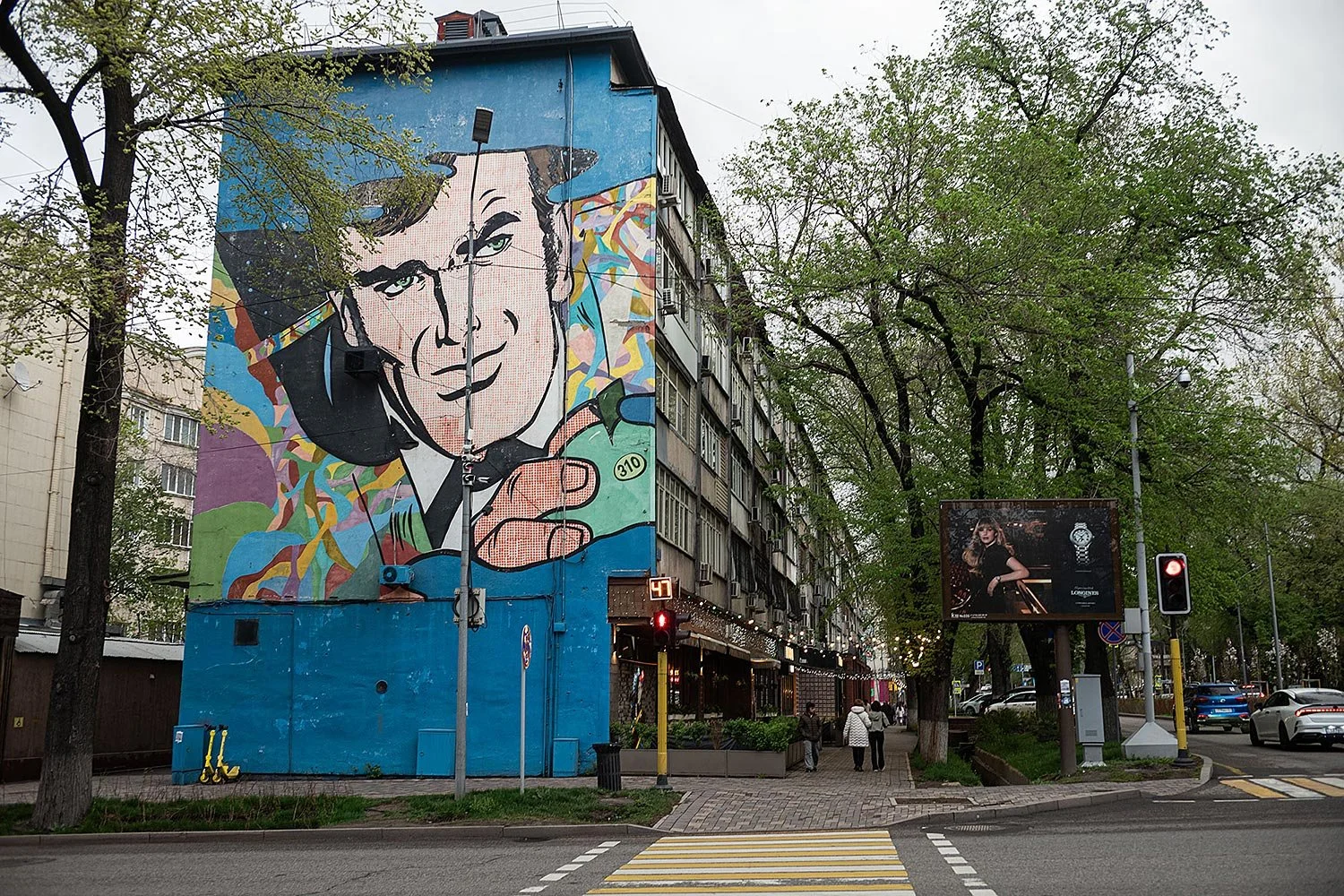
My first 24 hours in Almaty.
My flight from New Delhi lands at four in the morning. The day feels like it’s just about to break.
I’ve slept or tried to sleep the entire flight. I was vaguely aware of the meal service and skipped it, something I almost never do. When we land and I finally come fully awake the man next to me tells me I’m a great sleeper. I tell him I haven’t really slept the past two nights.
Reaching immigrtion there is practically no line and I’m quickly through. My bag is one of the last to appear, but I’m in no rush. After picking it up I head to the ATM and take out some cash, unsure of how much of the country takes credit cards.
Outside, the birds are all awake and singing, a continual cacophony of cries welcoming me to Almaty.
A Grab comes quickly and we are soon driving through the dark, quiet streets of Almaty en route to the apartment. A slight rain starts to fall, and I find myself nodding off as we make our way towards the center.
The driver drops me off at a gate that marks the rear entrance to a row of buildings that line Kurmangazy street. Natalie has sent photos along with her instructions on how to let myself into the apartment. They’re thorough and exact and before I know it I’m watching the early morning light stream through the floor to ceiling windows of the living room. It’s a fantastic space, with a deep couch tucked into a corner of the room. I unpack and sit on the couch and call my cousin before taking a shower and falling asleep.
•
When I wake up it’s raining slightly. I’m hungry but tired and lazy to rouse myself from the couch. I have a feeling I’ll be spending a lot of time on the couch, eschewing the bed in favor of its vast expanse.
I take the time to look up sights in Almaty and things to do in the area, ultimately booking an overnight trip leaving on Sunday for the Kolsai Kaindy Lakes and Charyn Canyons. I’ll be sleeping in a yurt.
During a lull in the rain I decide to explore, choosing a restaurant near the Ascension Cathedral for lunch. I dig out my day pack and camera and don my waterproof jacket. It’s at least a 20°C temperature difference between Singapore and Almaty and I put on jeans and a sweater and wrap the scarf I bought in Siem Reap around my neck before venturing out into what is now, to me, a chily afternoon.
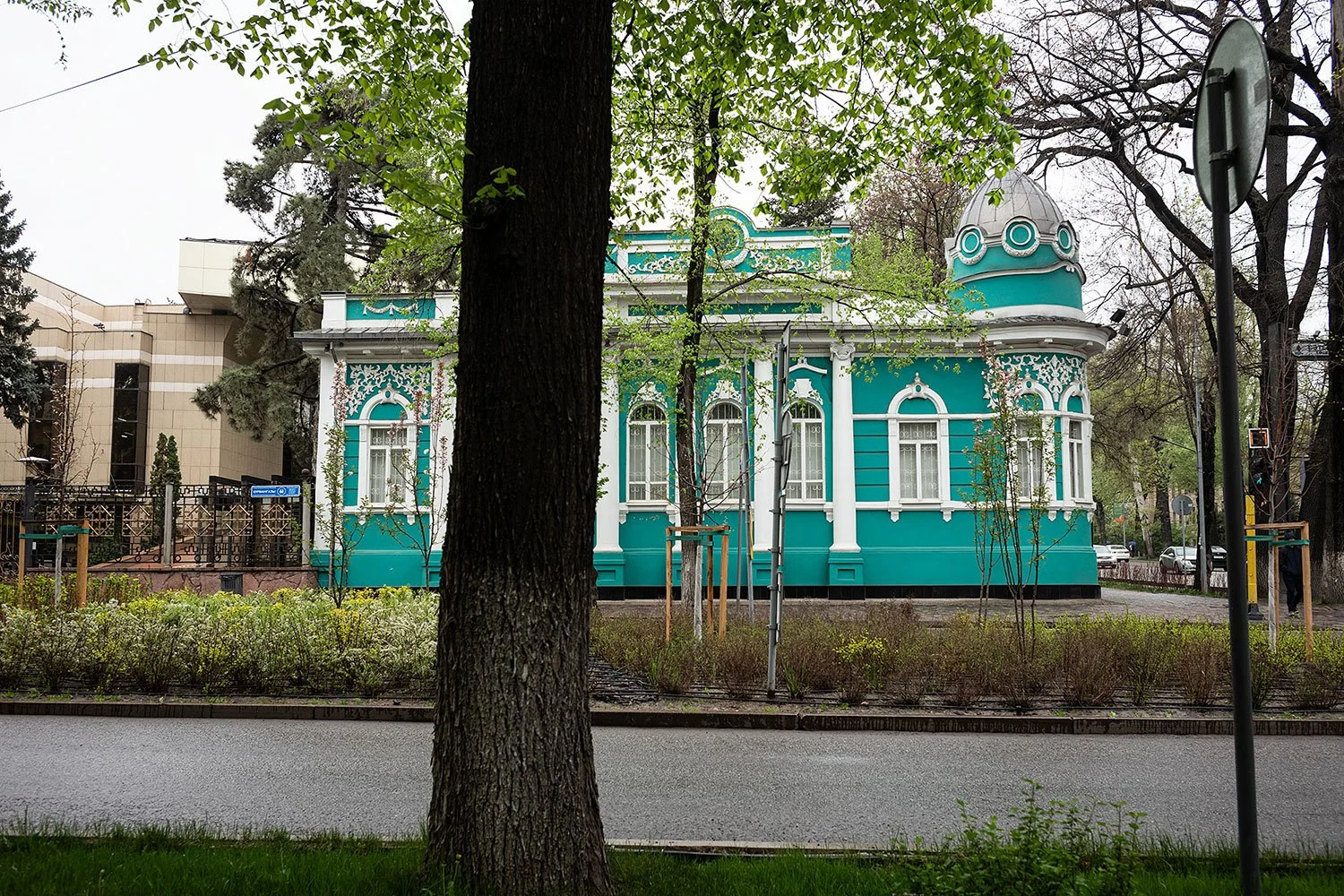
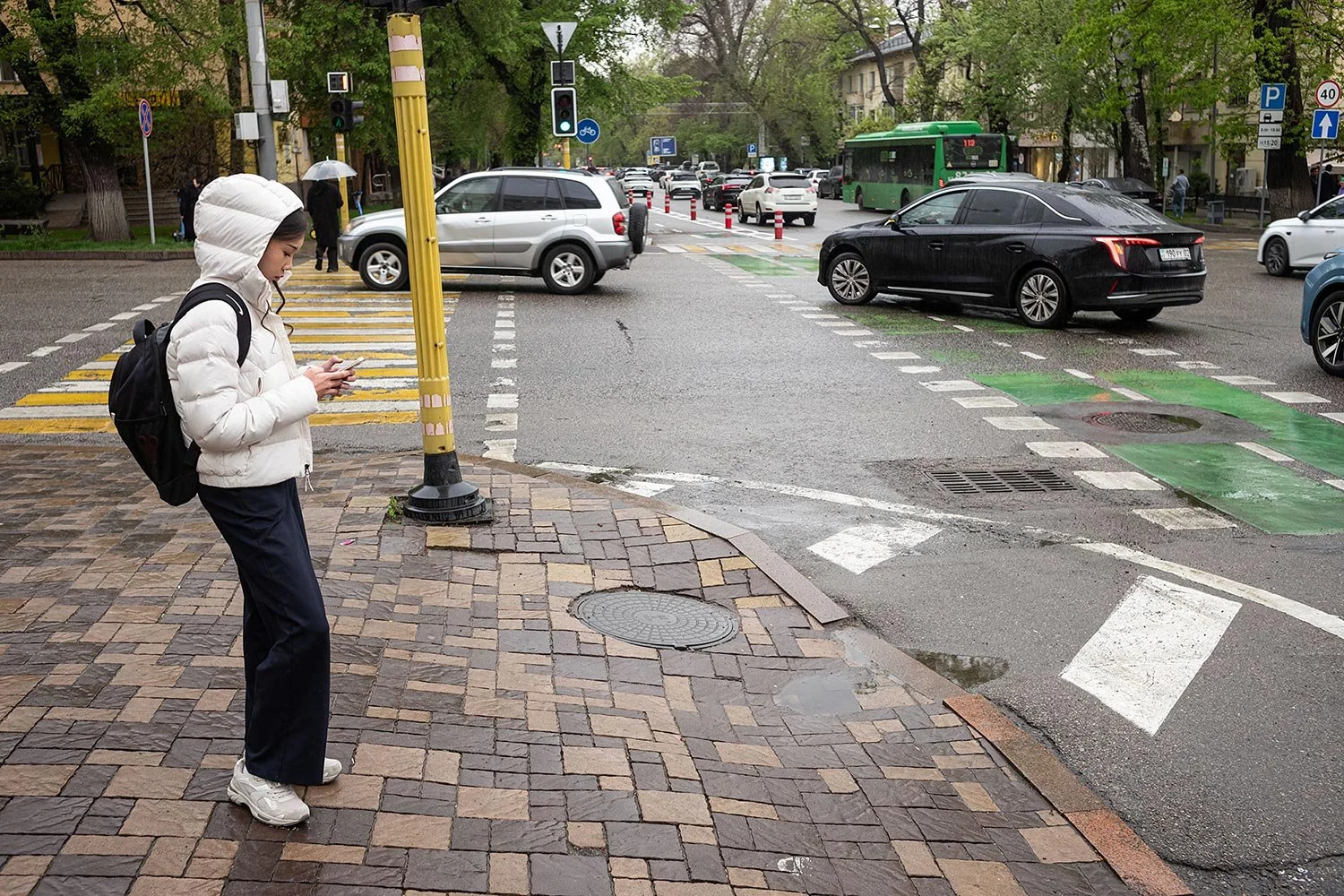
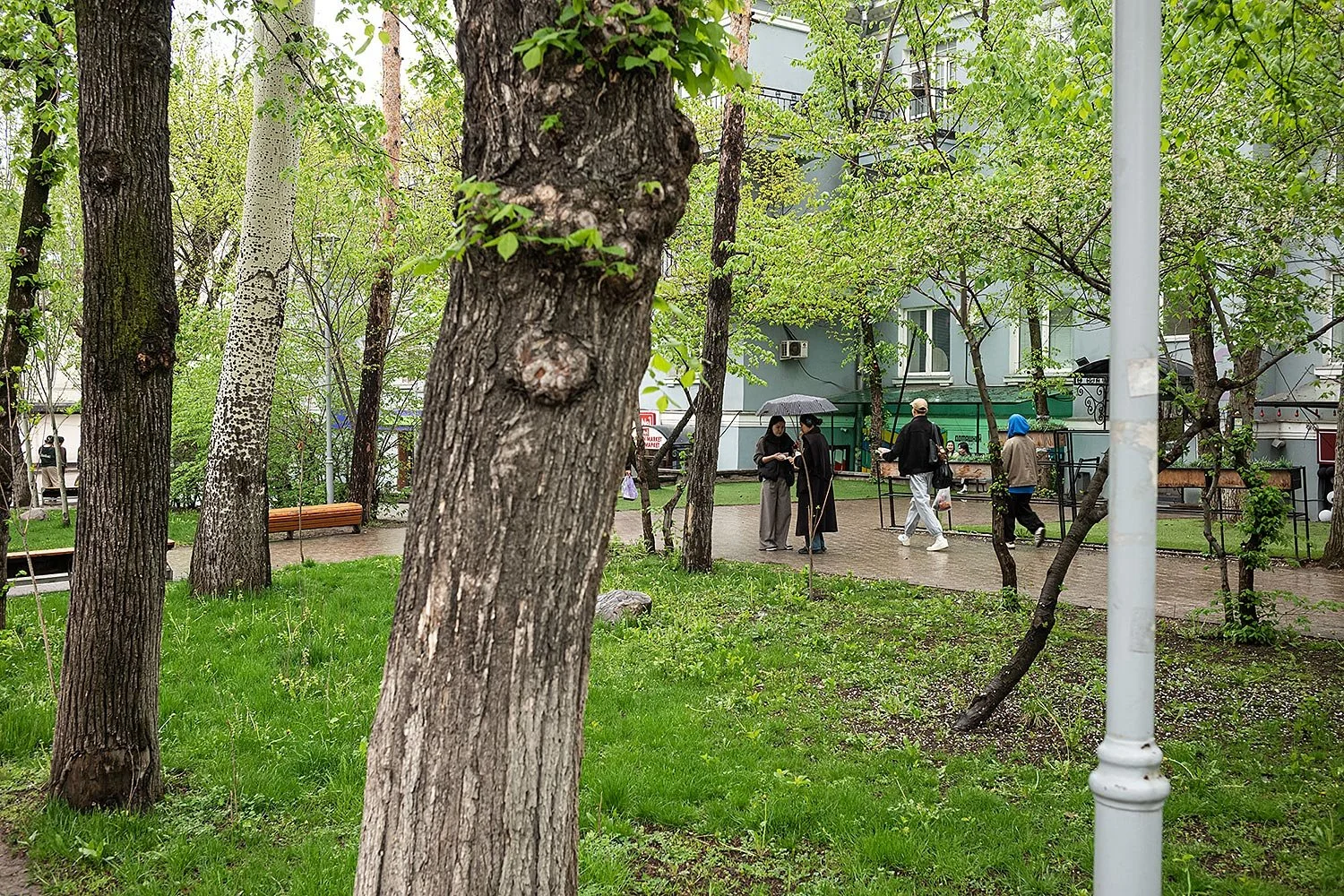
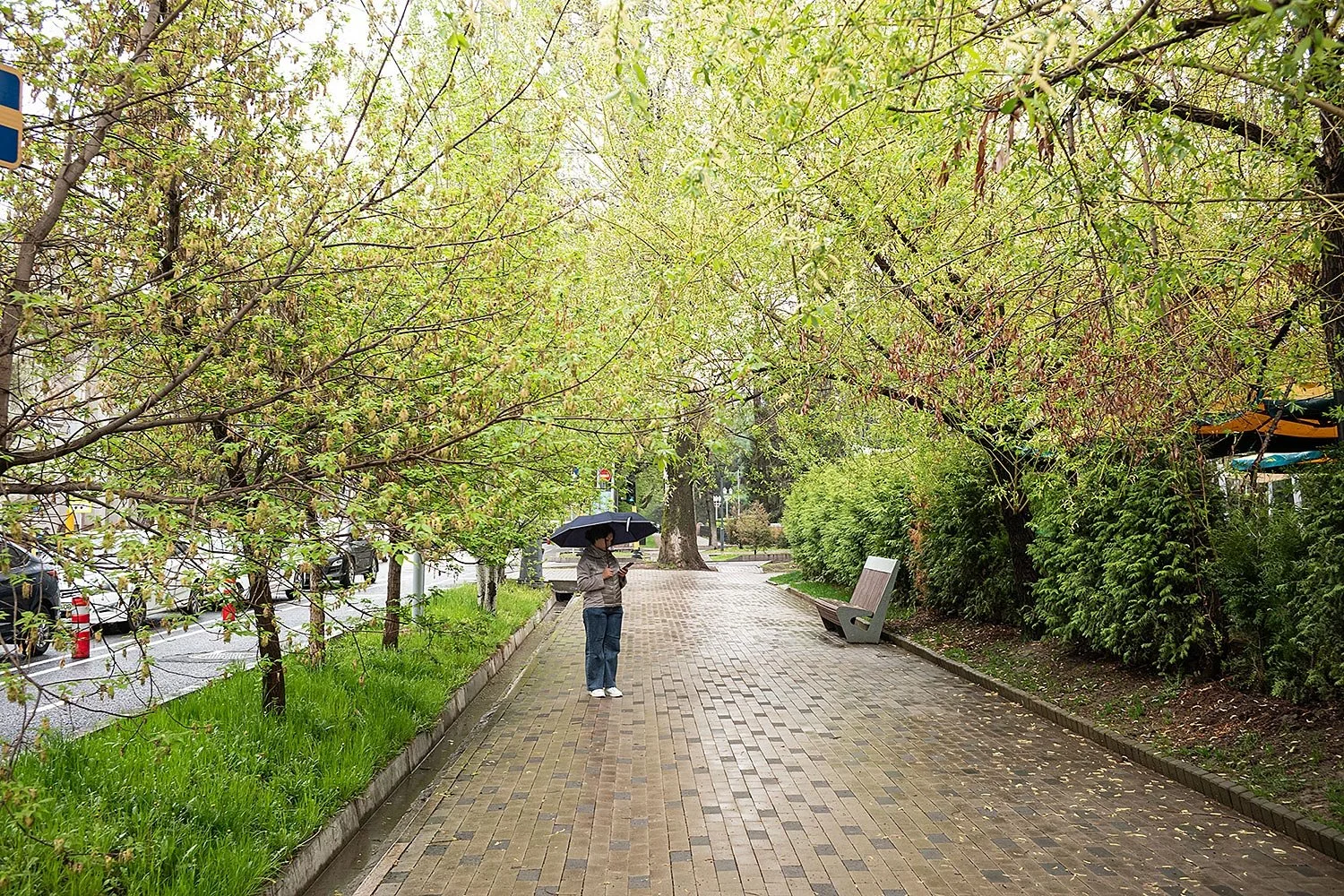
Kazakhstan is the ninth-largest country in the world by landmass, but also one of the least dense population-wise, averaging less than eight people per square kilometer. I feel it in the city, an orderly, gridded metropolis with wide tree-lined boulevards and quieter secondary streets that feel almost like parks. It reminds me of Tashkent and a more residential Yerevan, and I find myself completely given over to its charm. In my mind I am already planning on returning next year, perhaps following my next India trip on another flight from New Delhi.
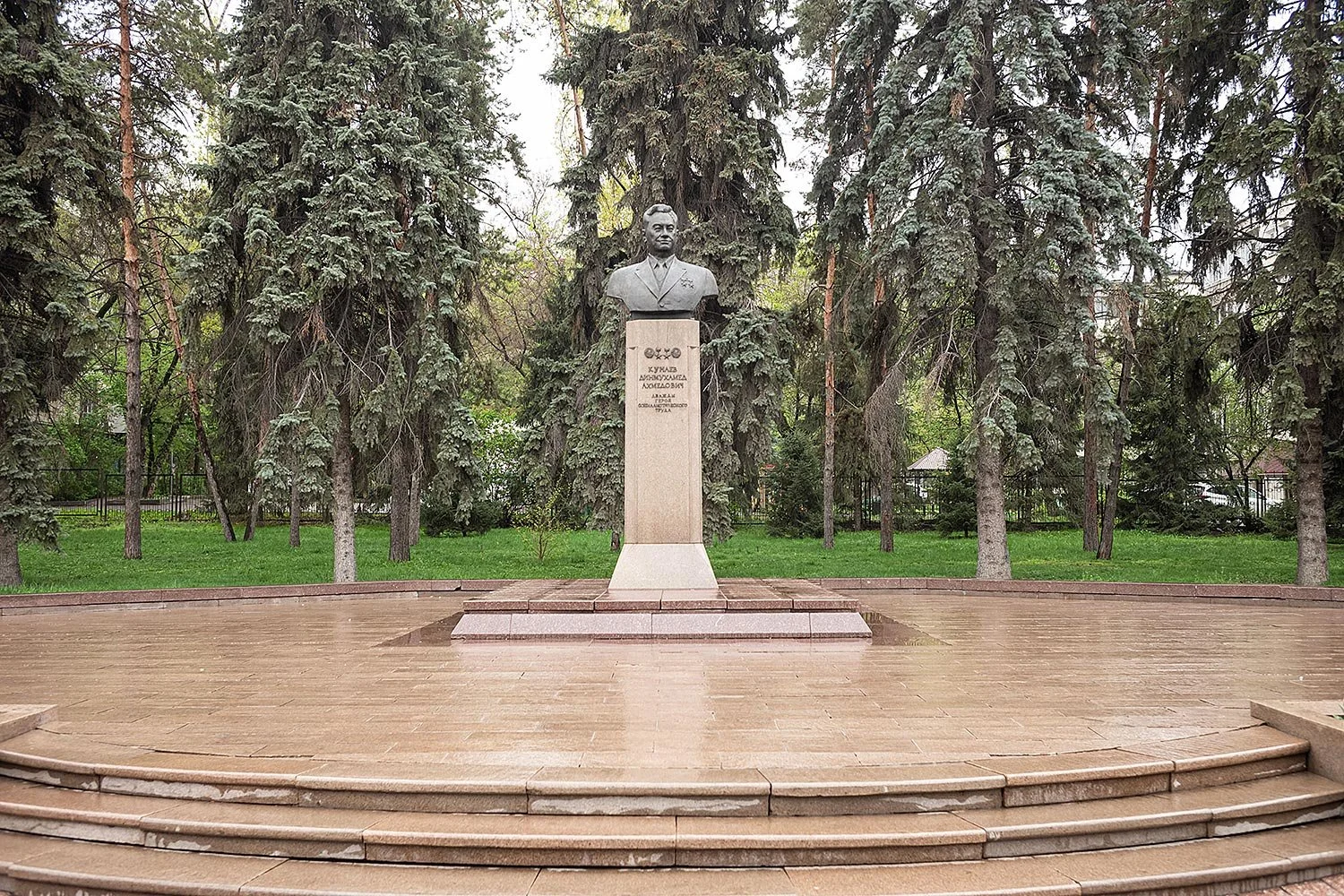
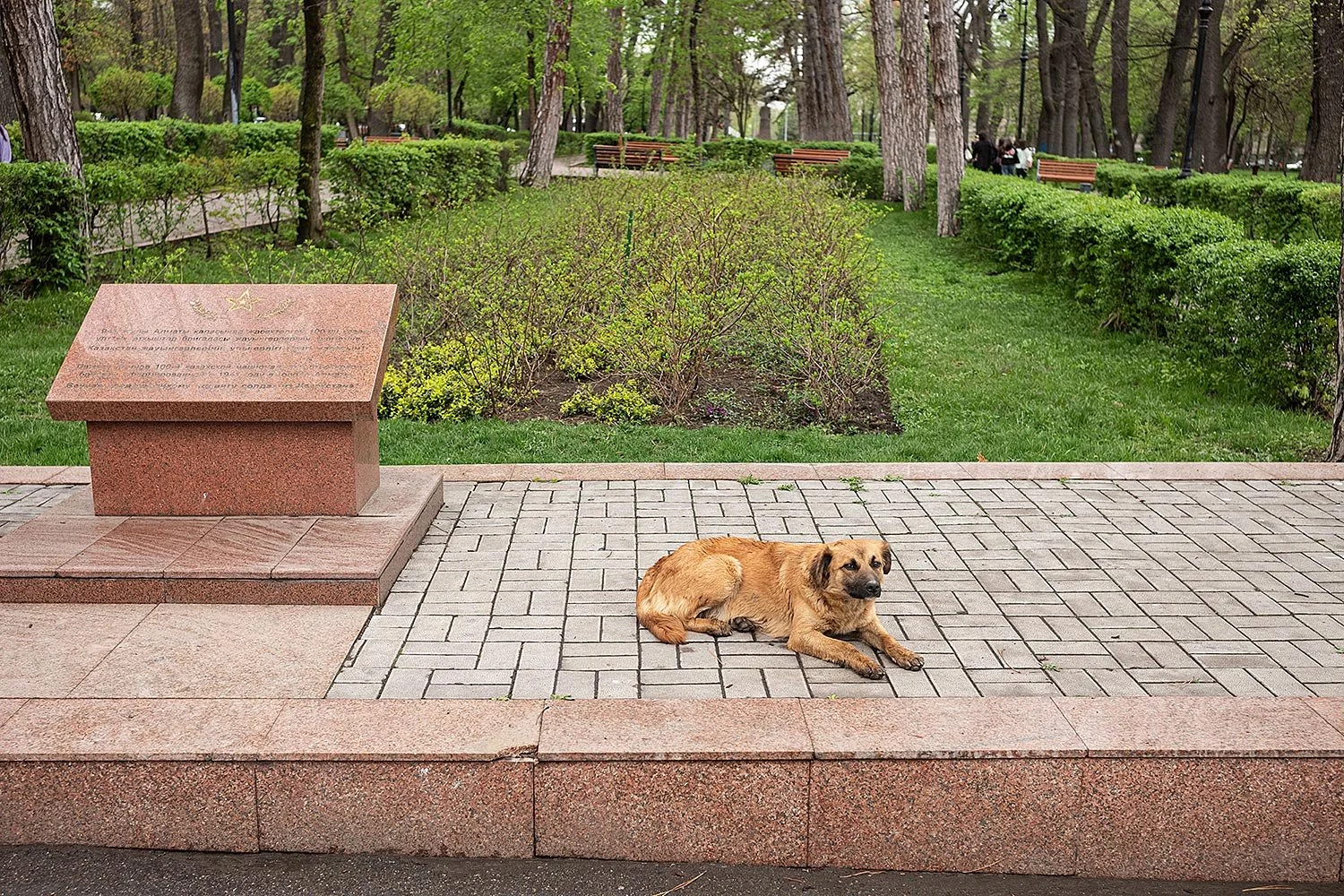
On my way I pass a small park. A monument to Dinmukhamed Akhmedovich Kunaev stands in the center and I make a slight detour so that I can have a closer look.
Researching his name later, I learn that Kunaev served as the The First Secretary of the Central Committee of the Communist Party of the Kazakh SSR, remembered for helping to modernize the republic, boost industry and science, and strengthen Kazakhstan’s sense of unity.
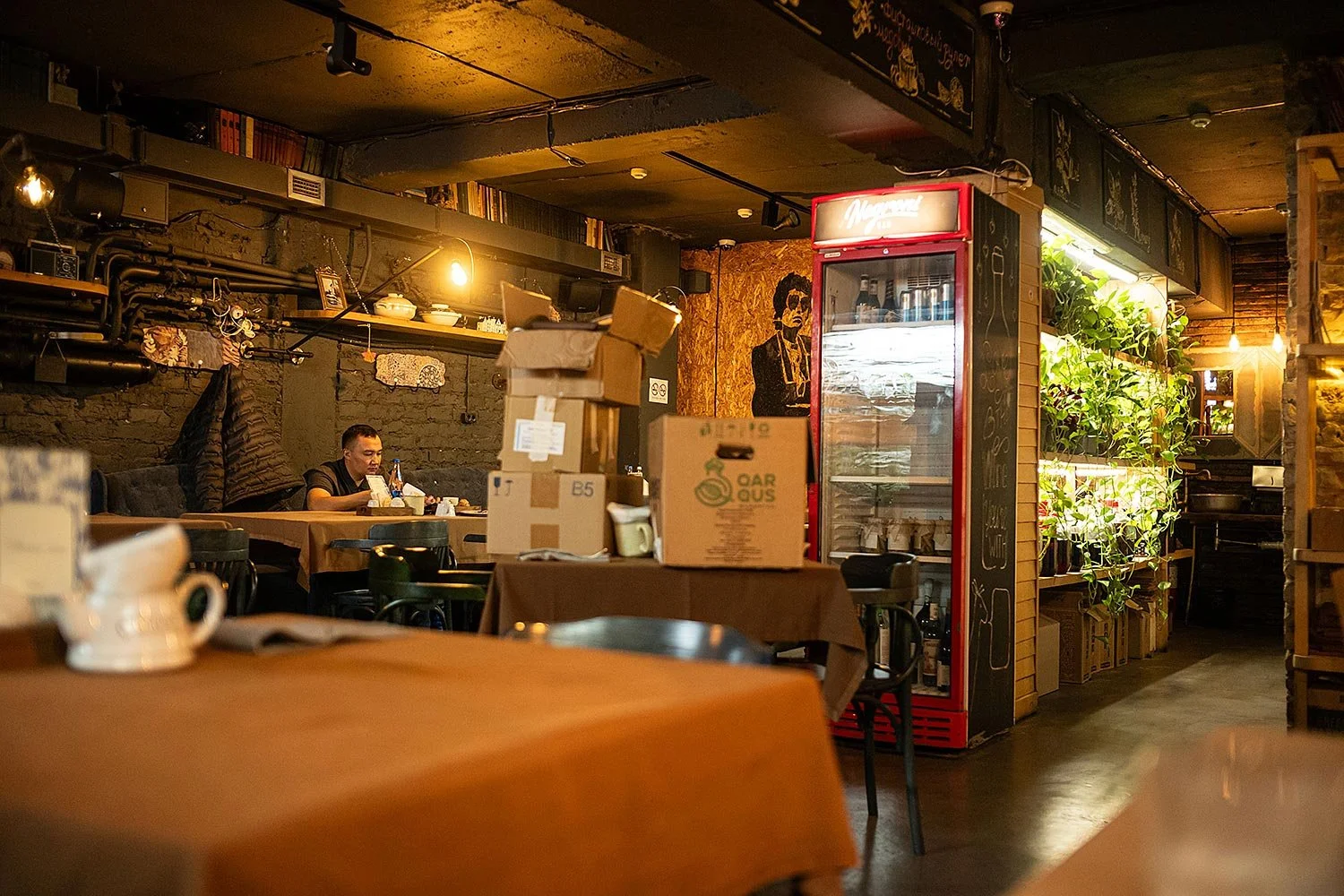
The restaurant is tucked away in a basement next to a negroni bar. A group of older Kazakh women sit at the table outside smoking. The sign is in Kazakh and I walk past it a few times before descending to the bar in order to ask after its whereabouts. Three tables are occupied, but they’re all in various states of completing their meals and soon I appear to be the only diner left.
I order trout with house potatos and grilled vegetables, the potatos thinly sliced and sauteed with onions and mushrooms. It’s delicious. Large salt crystals amp up the flavor. The meal reminds me of those I’ve had in the Kaçkar mountains of eastern Turkey and in Tbilisi, Georgia. I love grilled trout.
On the menu there’s also a tom yum soup and I’m tempted to order it to serve as a culinary bridge between the regions I’m traveling but ultimately choose not to. When researching restaurants I’ve seen tom yum on a few menus and I wonder what hold Thailand has over Kazakh cuisine.
I finish my meal while the staff unpack boxes of new wineglasses and barware. I’m curious about the cocktails and make a mental note to return some evening.
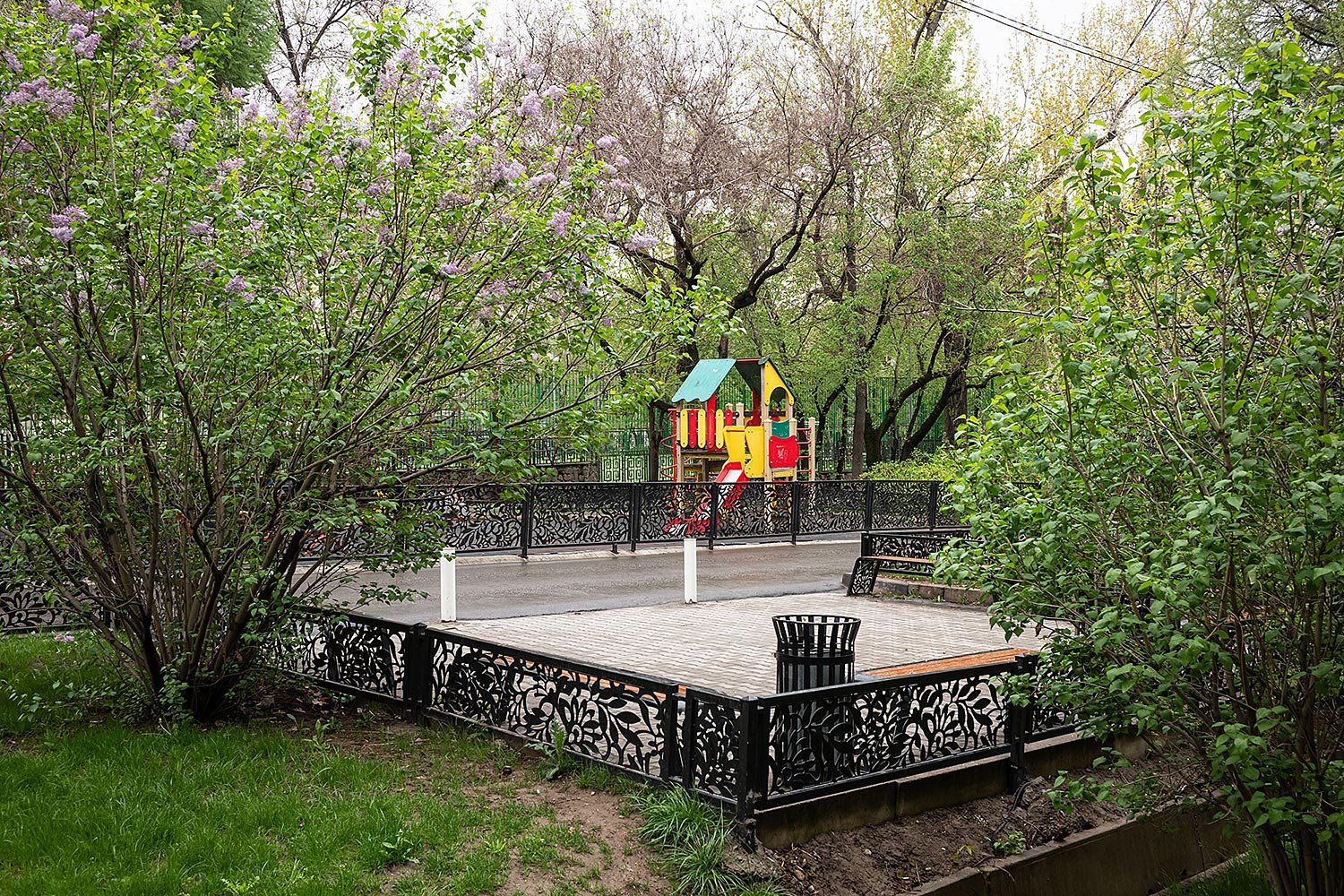
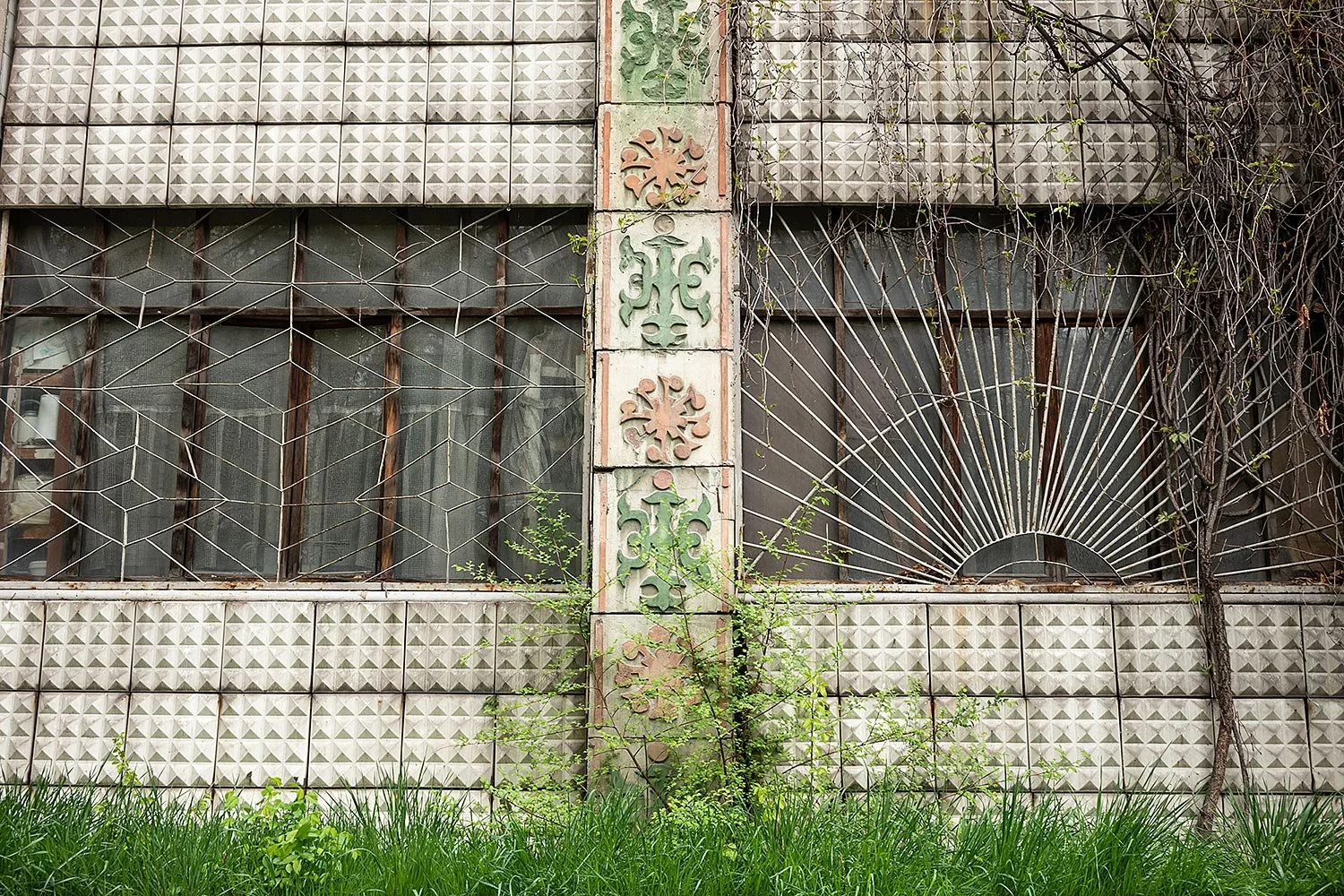
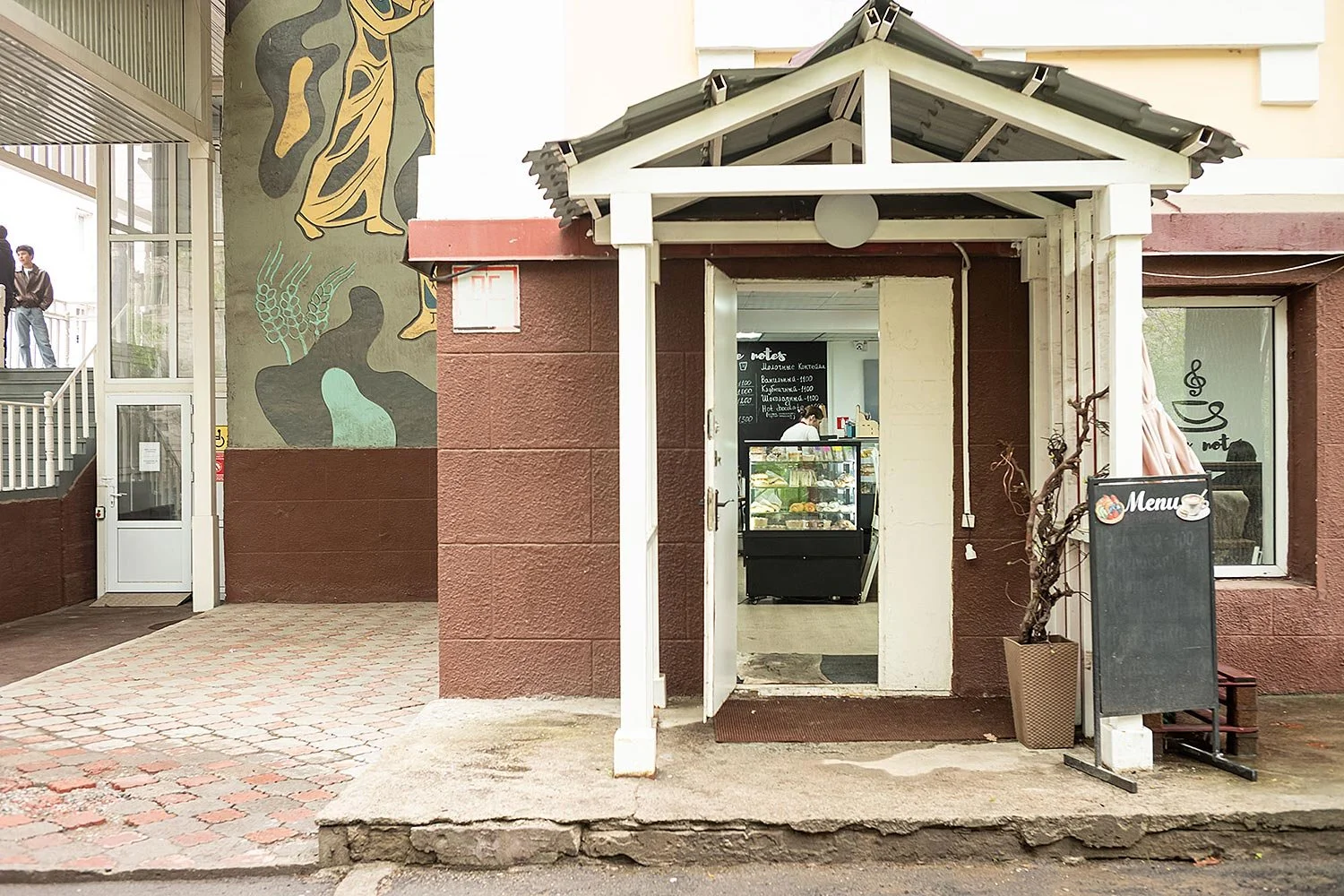
From lunch I walk towards the cathedral, past smaller parks with playgrounds and small squares in which to sit. I admire the details etched into the buildings that run alongside my path and peer into local bakeries, their doors open to welcome customers inside. I’m tempted to stop for a coffee, but I don’t want to lose daylight, and there are cafes closer to my house I’m thinking of stopping into later; I don’t want to use up my coffee allowance too soon.
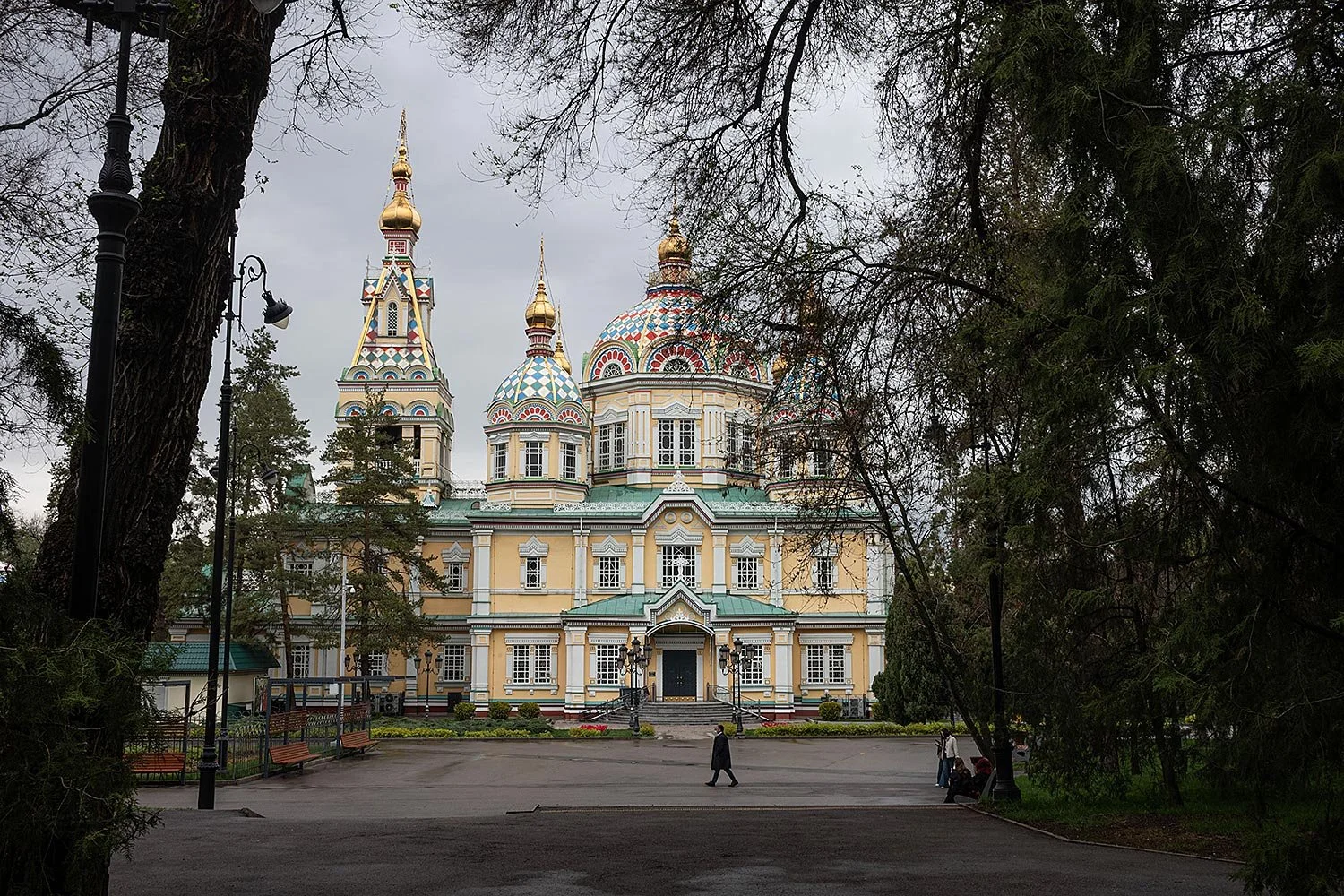
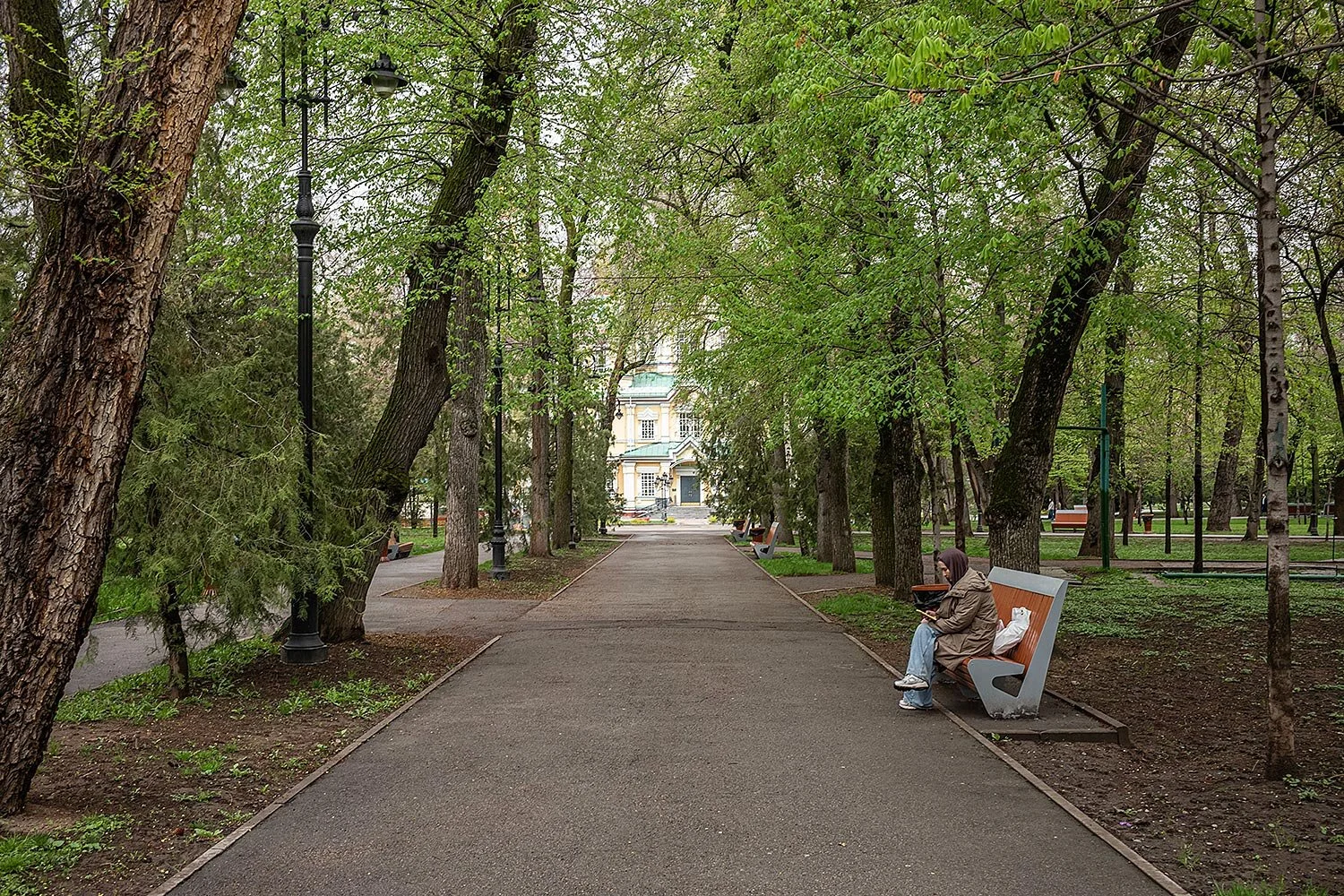
The cathedral sits in a park of its own, and I approach down alleys of trees, their vibrant green leaves obscuring the view.
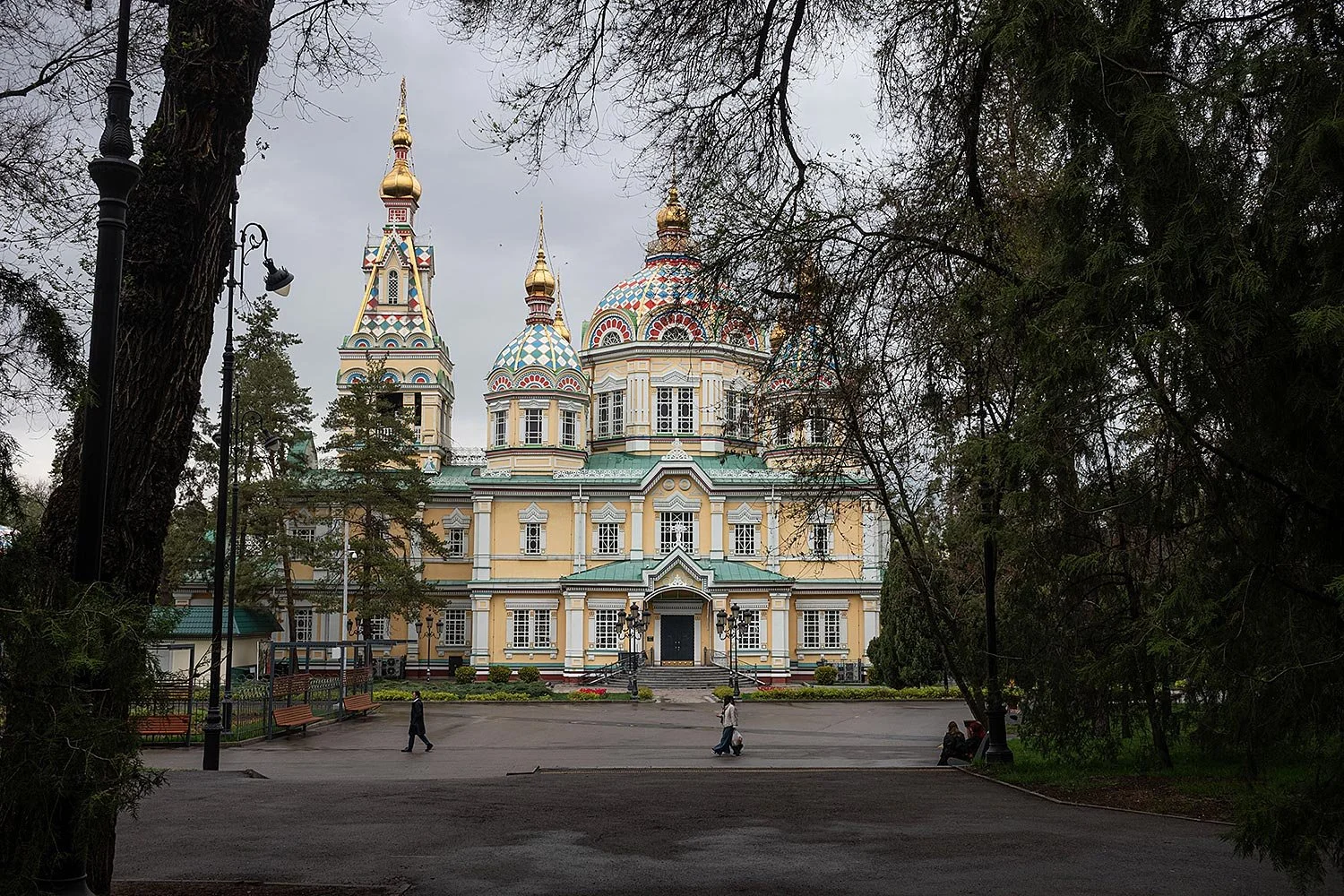
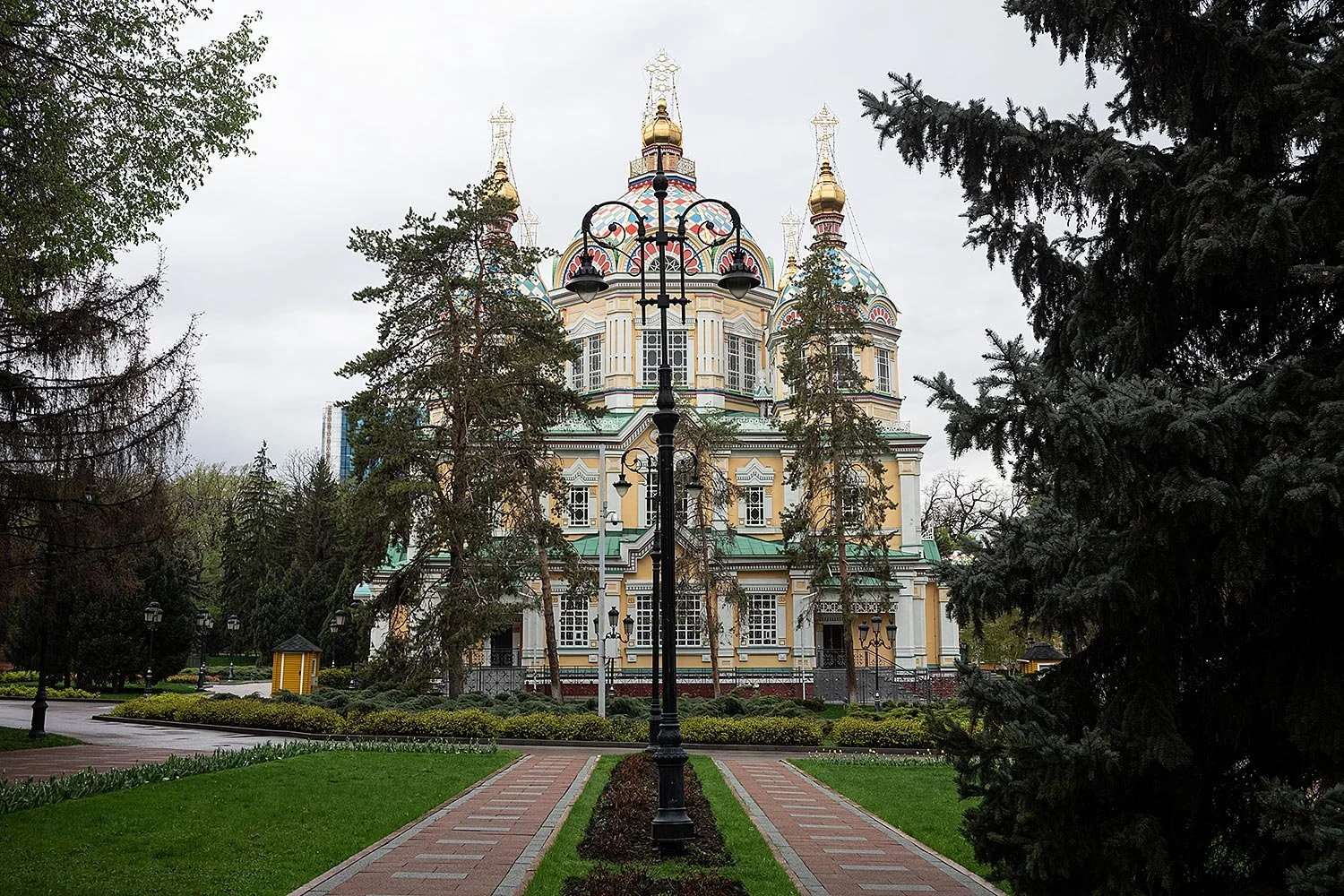
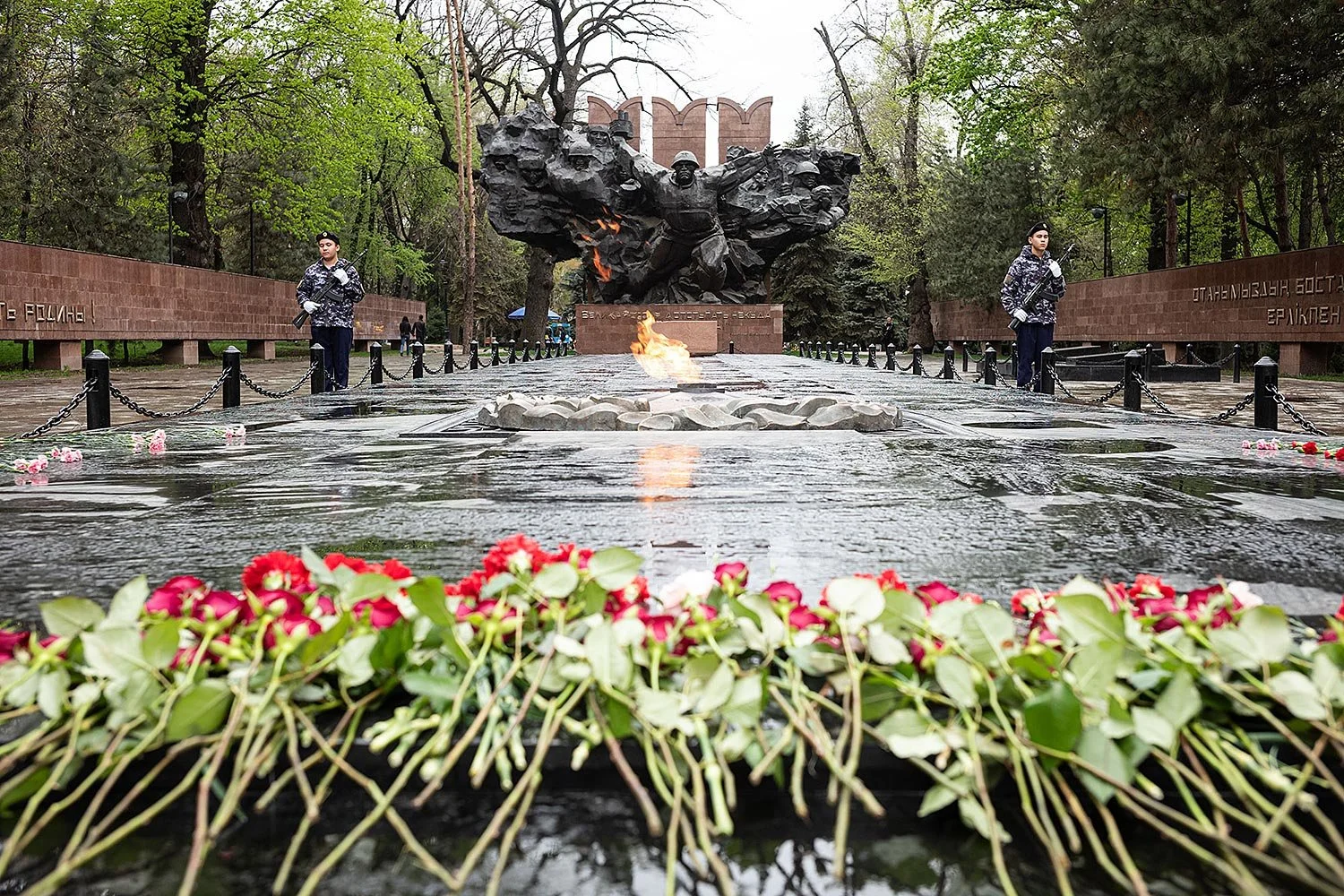
I’m unsure of the entrance and take a right to walk around the cathedral when I hear martial music playing in the distance. Turning to my right I see the back of the Memorial of Glory and walk towards it in order to see what’s going on.
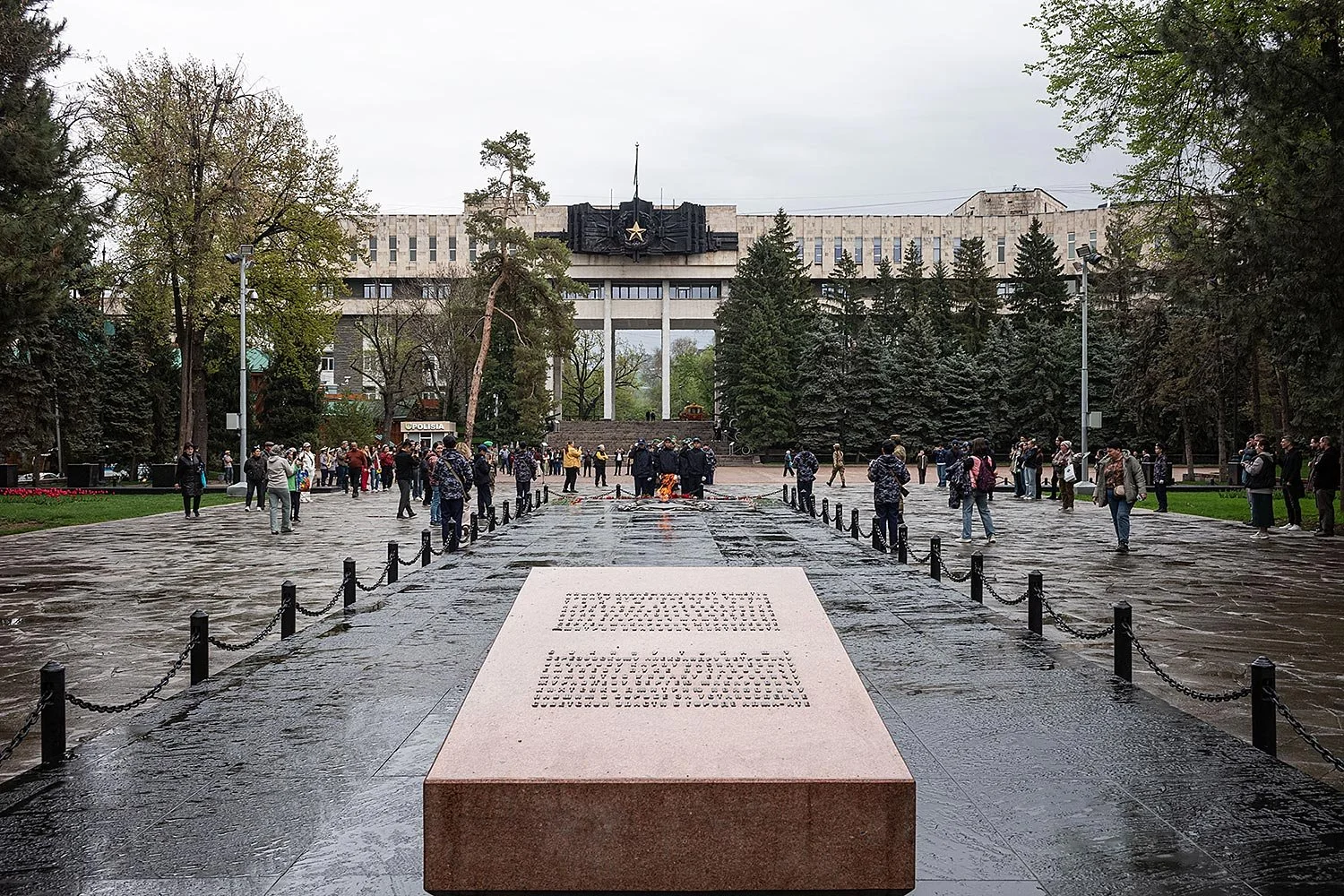
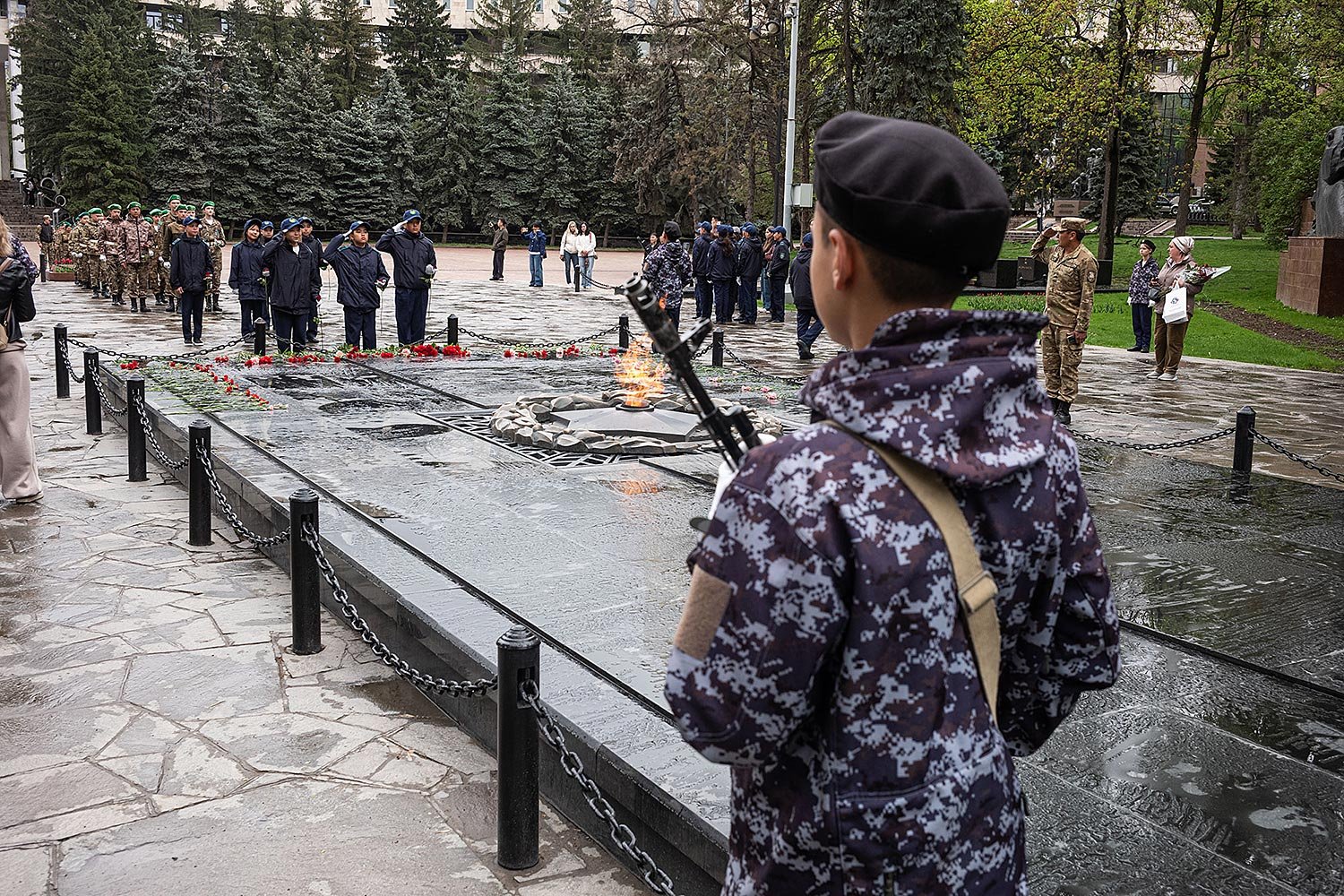
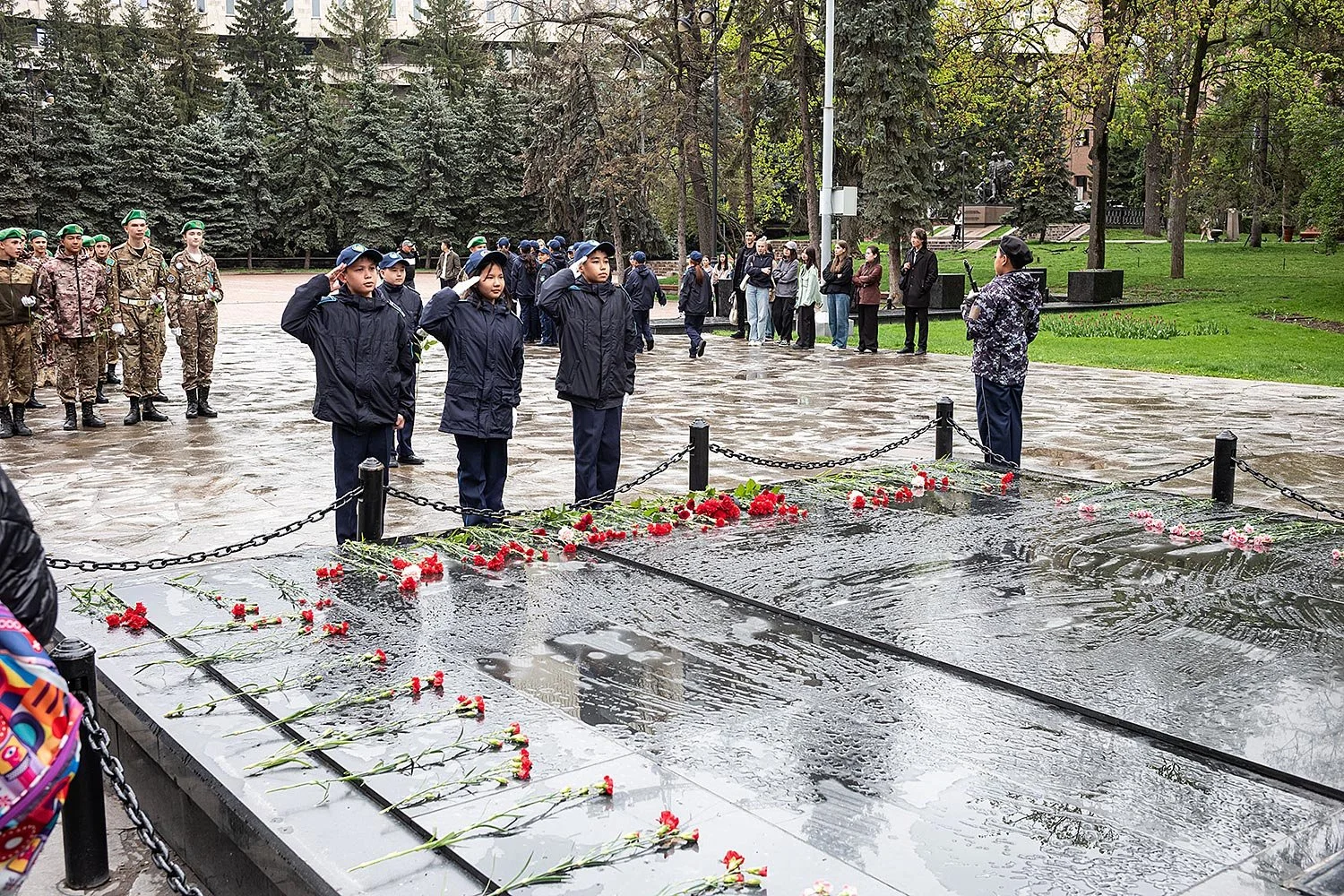
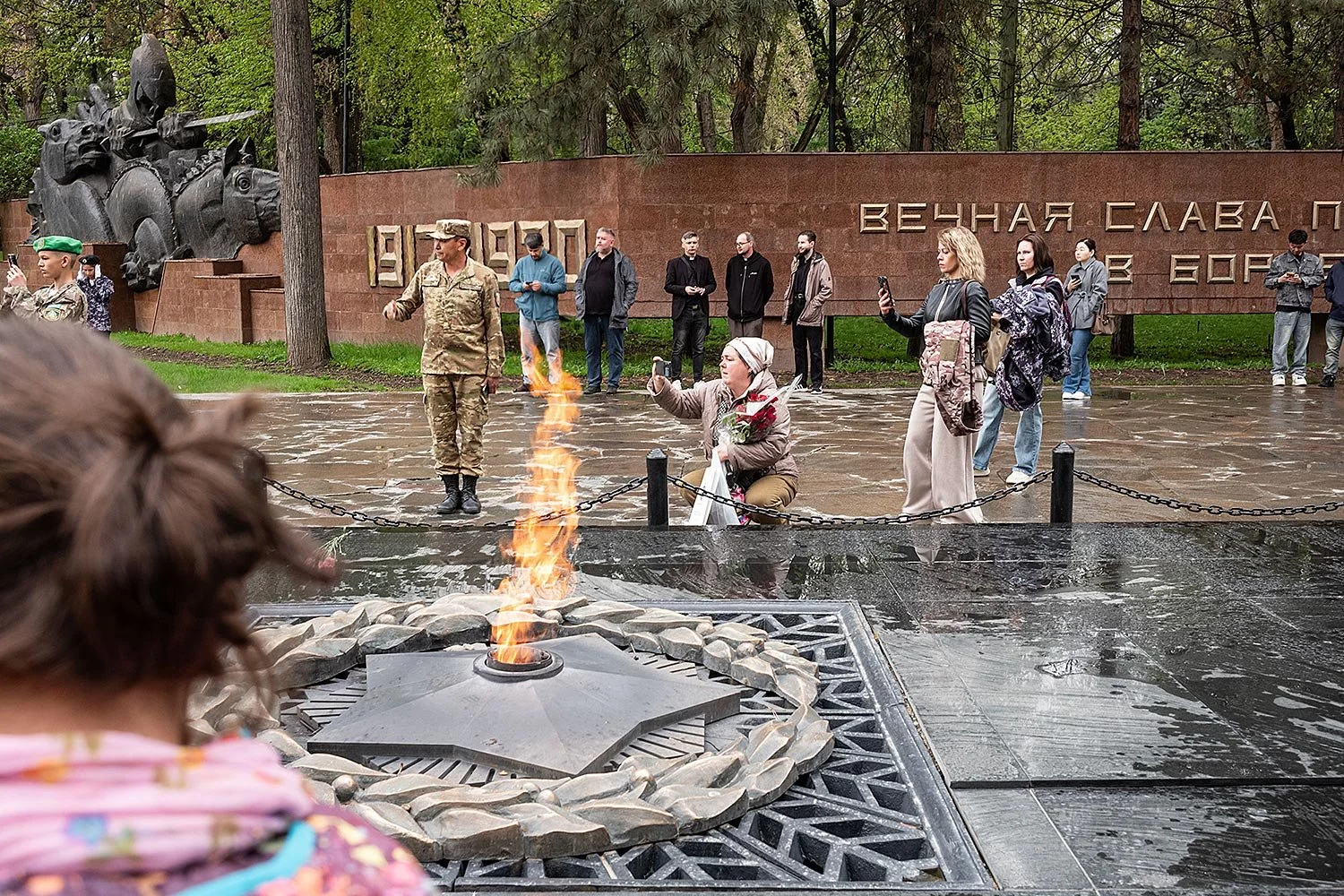
A band plays while young men and women dressed in military fatigues lay flowers at the memorial. Later I’ll text Natalie to ask if she knows what is being remembered (an interent search turned up nothing). She tells me she doesn’t know; the children look too young to be taking their oath, they look like schoolchildren. She tells me she’ll do some research and let me know but I tell her not to worry. She tells me she’s curious too.
I ask her what the oath is and she replies:
In the Republic of Kazakhstan (RK), the oath of allegiance is a solemn promise by a citizen to abide by the laws of the country, to be loyal to the state, and to perform their duties honestly. This is an official ritual that has legal and symbolic significance.
The military oath is a solemn pledge that 18-year-old male recruits take upon enlisting in the Armed Forces of the Republic of Kazakhstan. Afterwards, they officially become full-fledged members of the military.
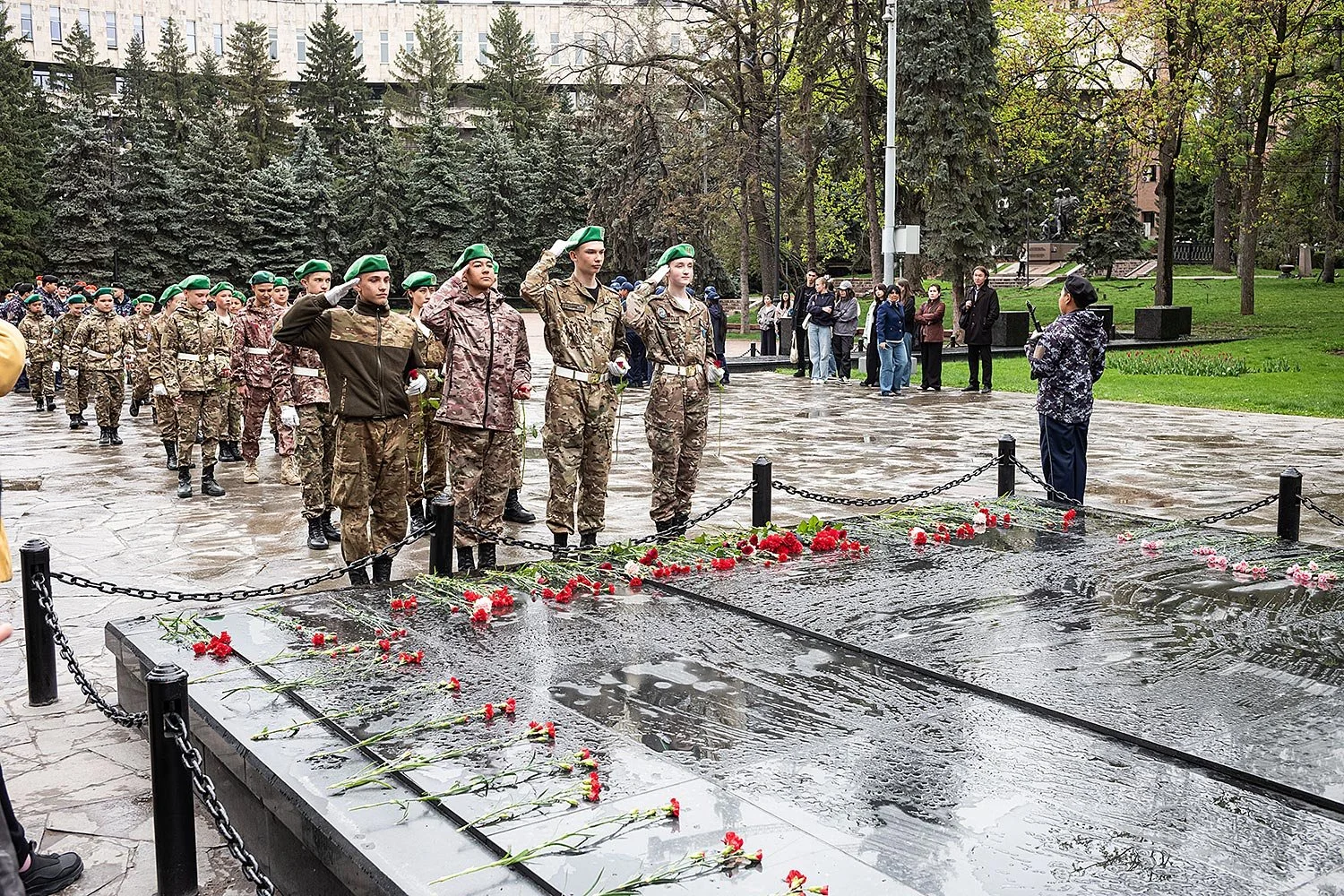
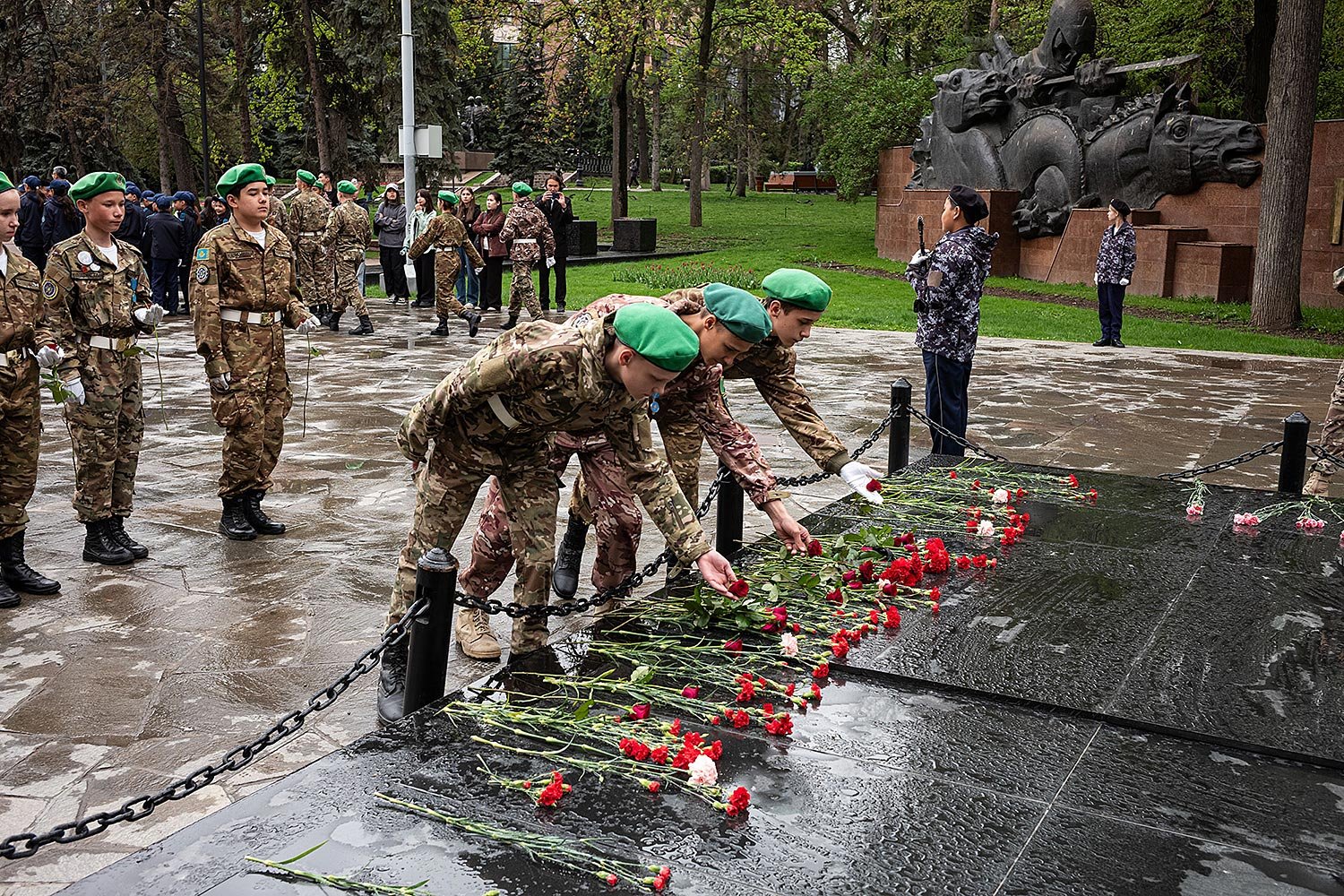
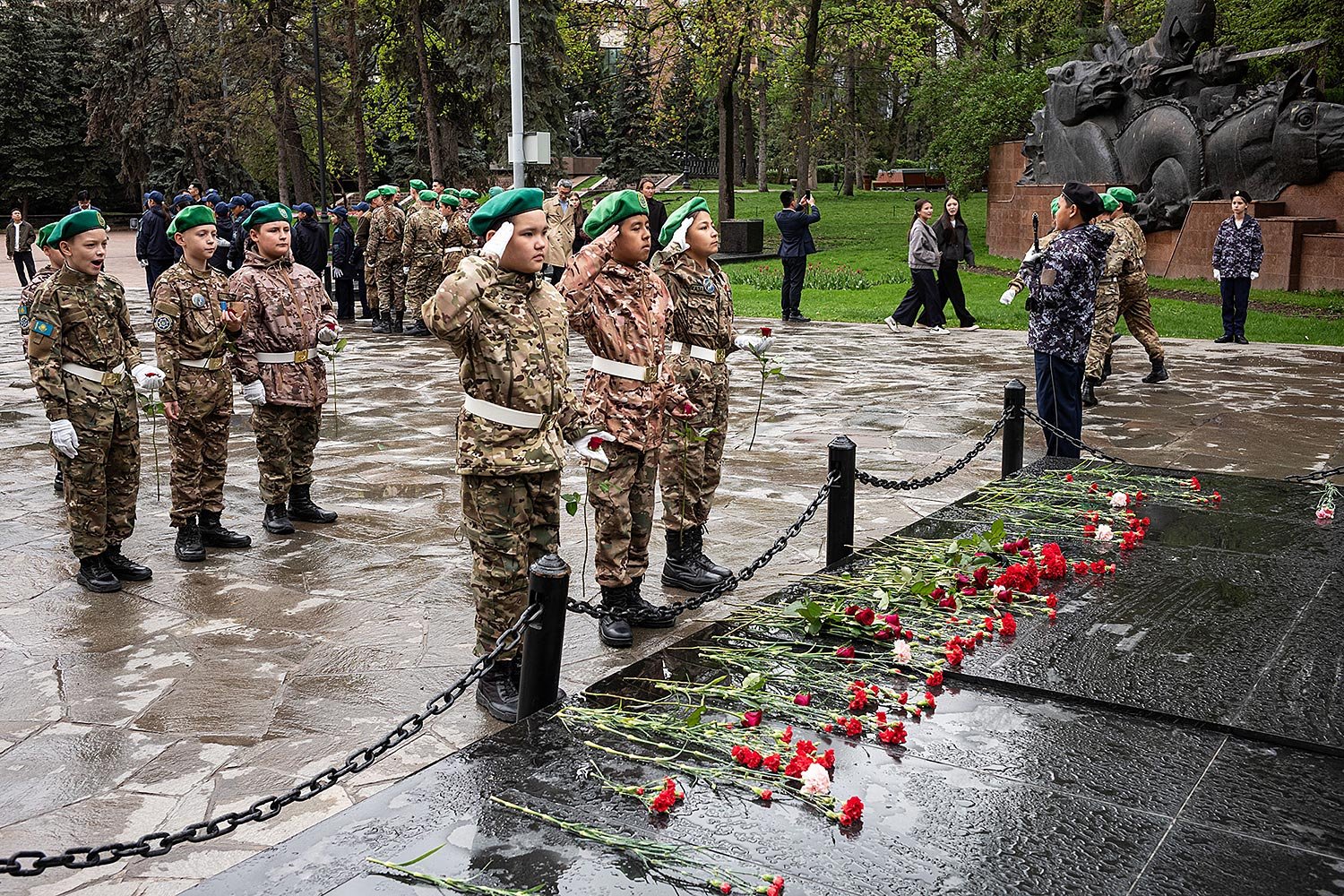
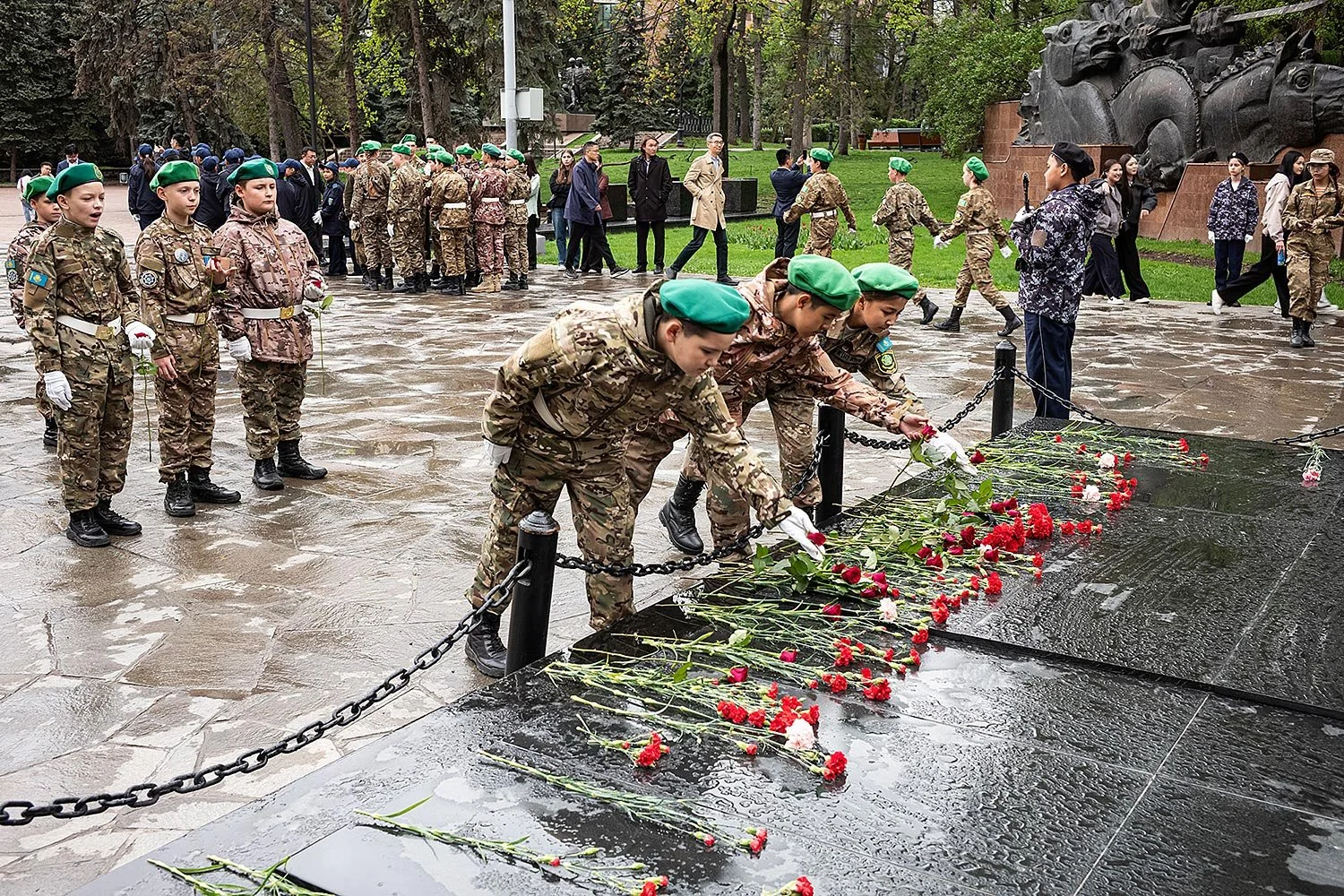
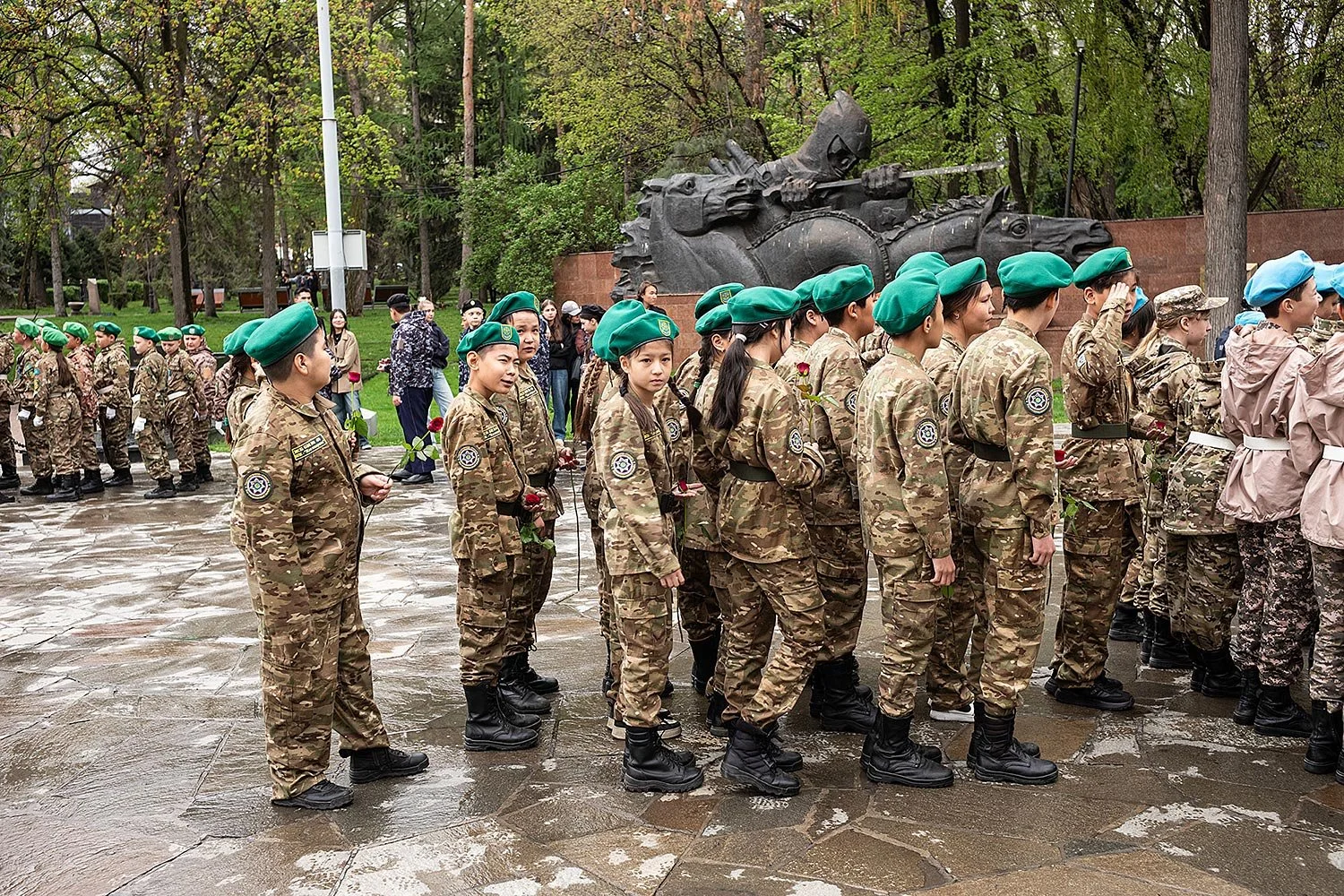
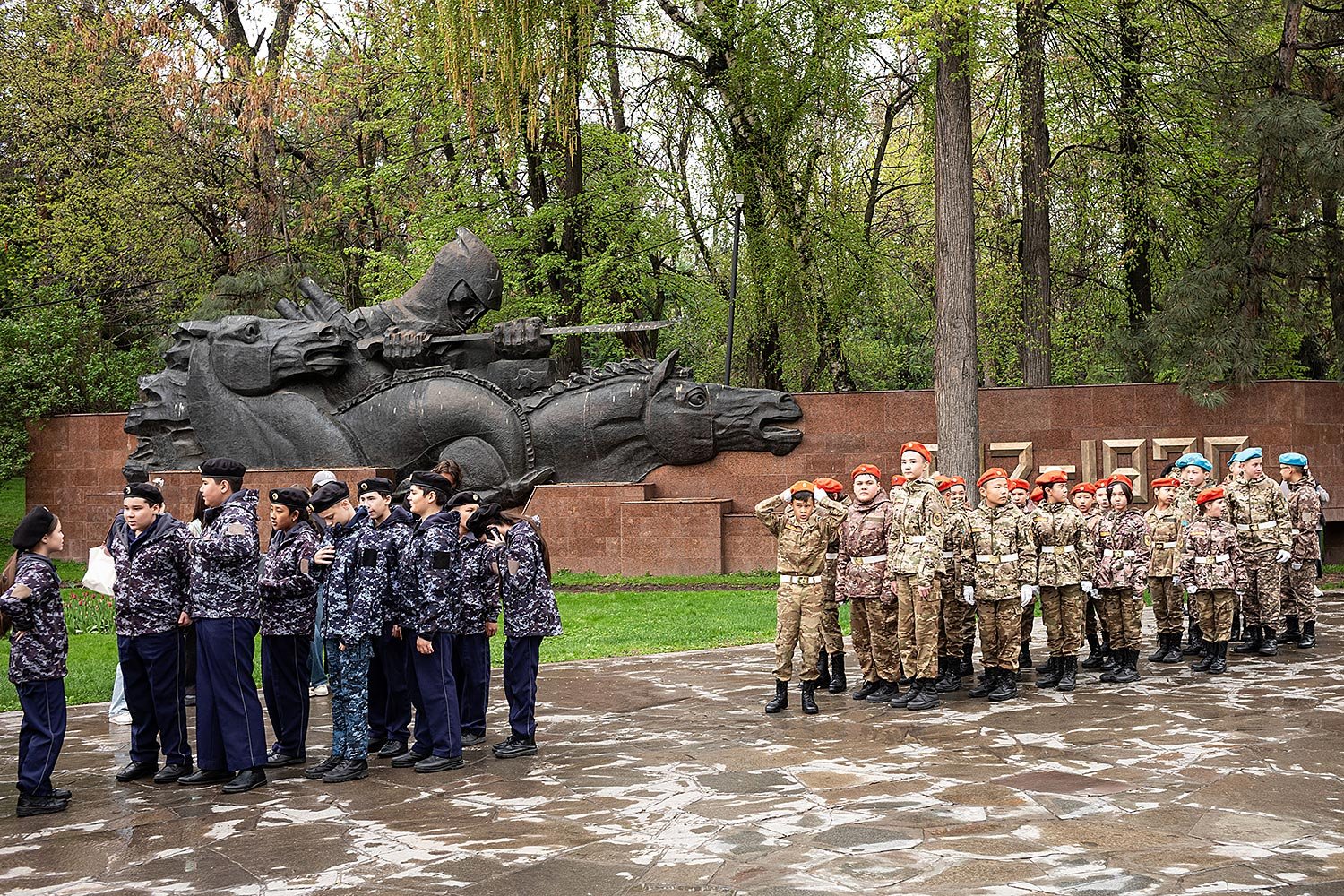
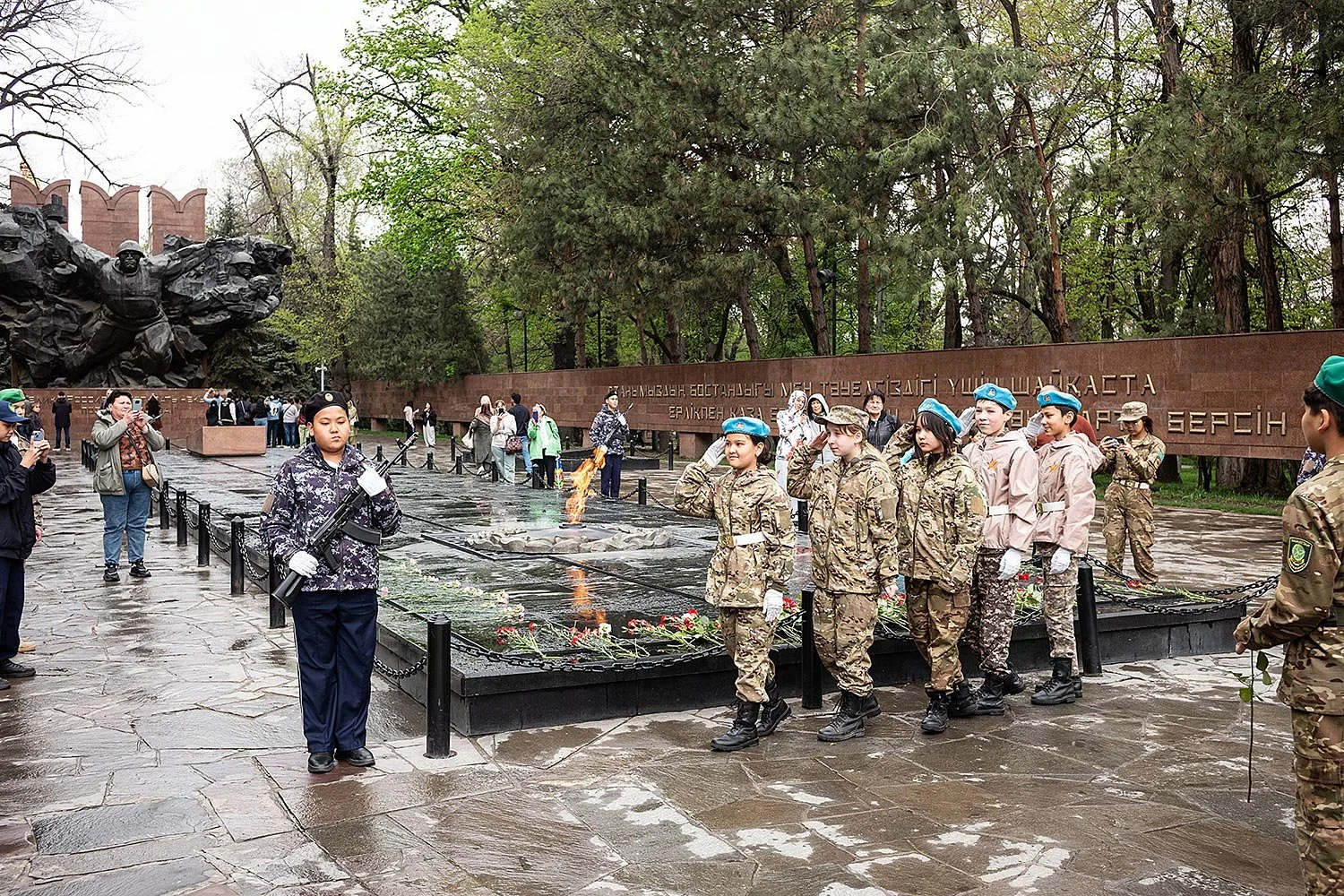
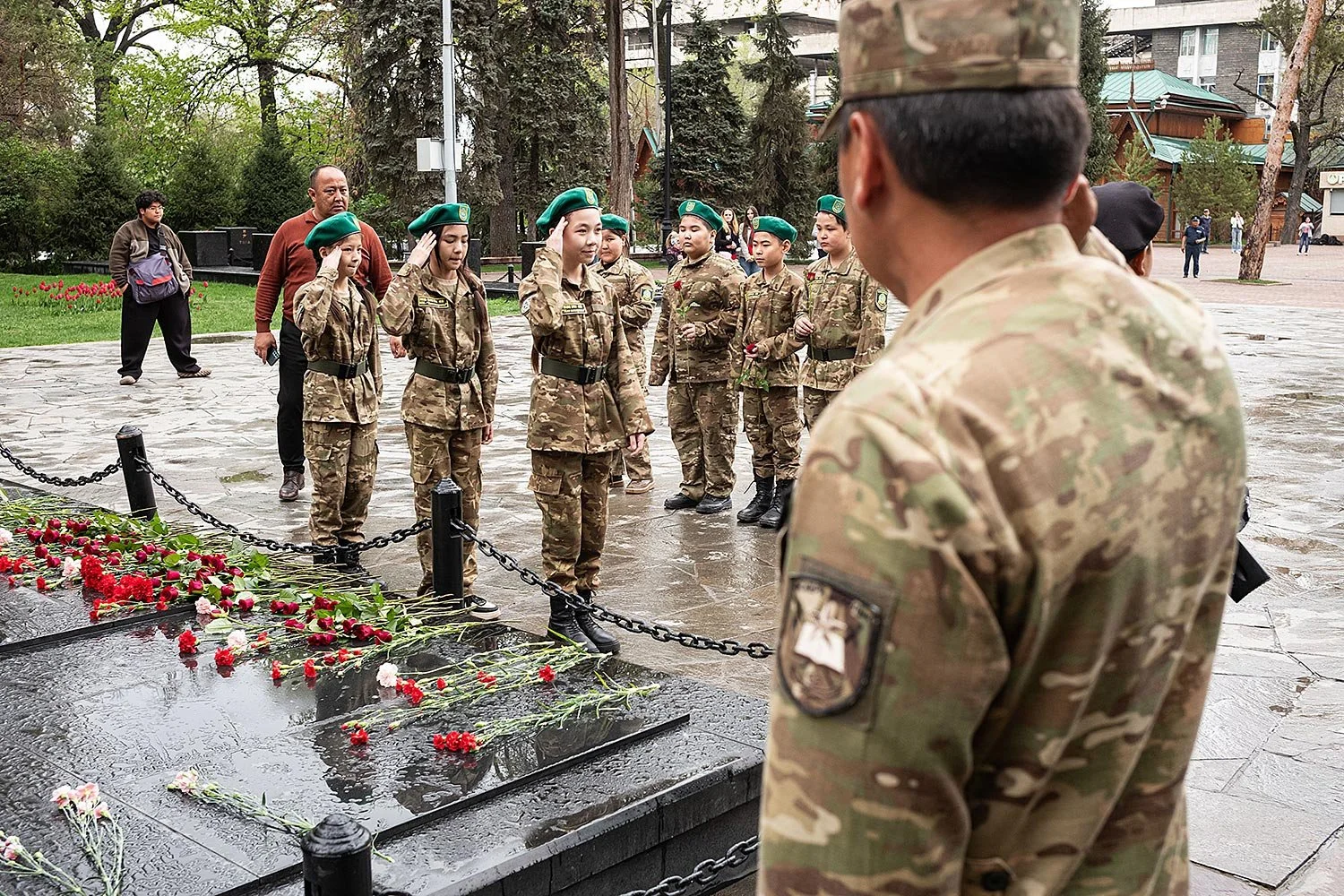
My mind flashes back to another Memorial Eternal Flame and another youth corp marching and saltuing before it during my visit to Irkusk. It was a smaller Memorial, a smaller group of children, but the overall feeling is the same.
A small crowd has gathered to watch and they slowly disperse as the ceremony completes. The participants head to a set of stairs facing the monument to take a group picture.
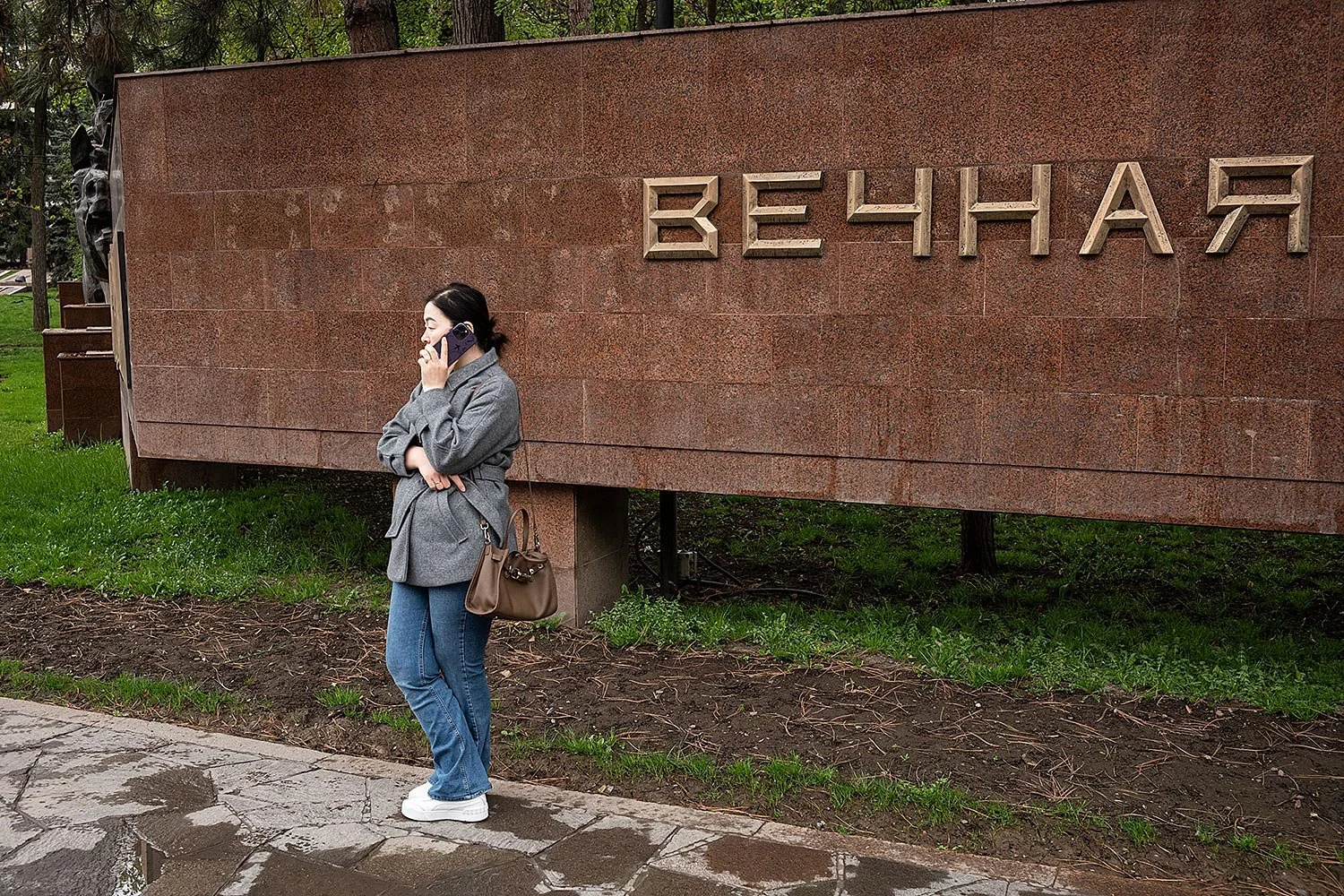
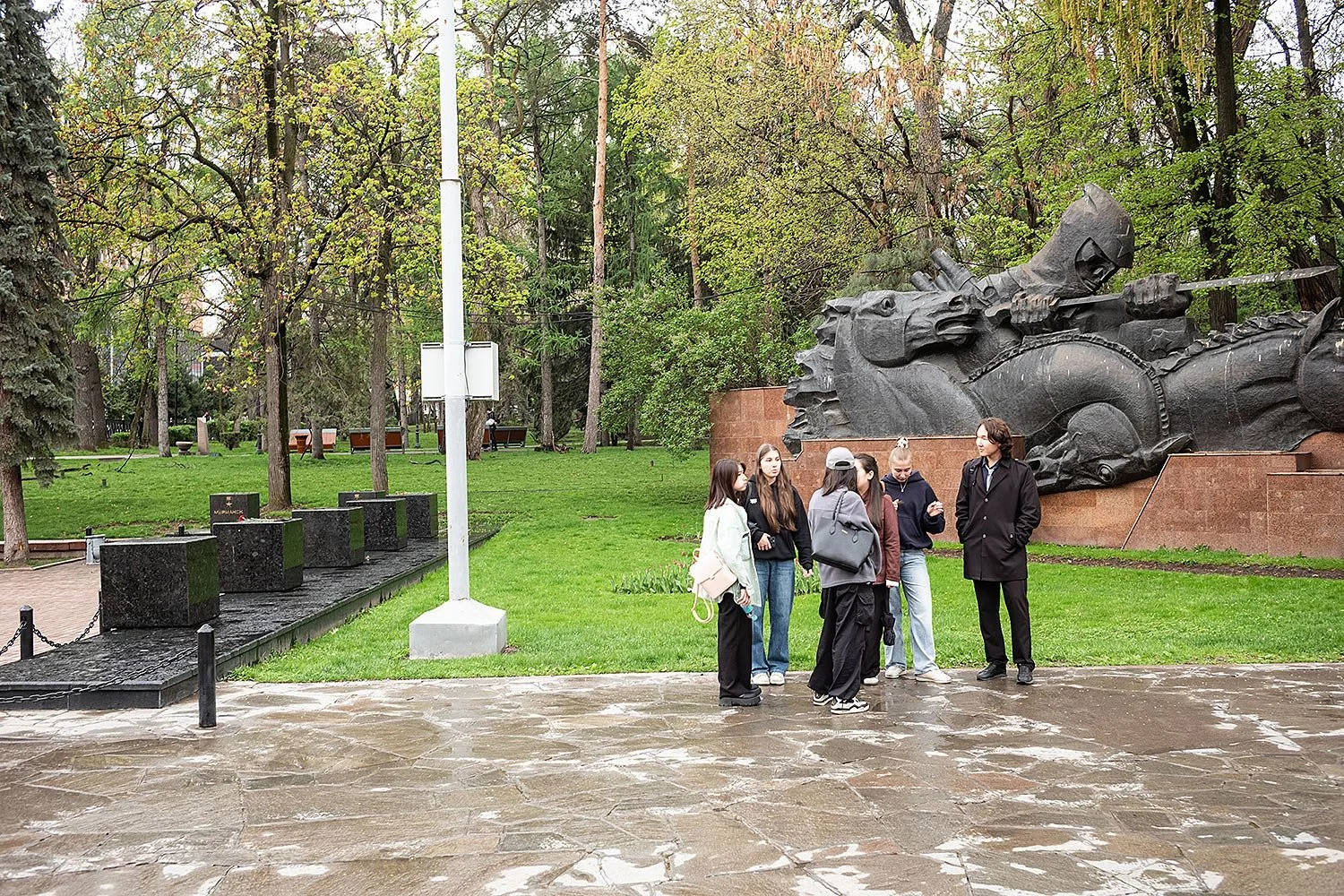
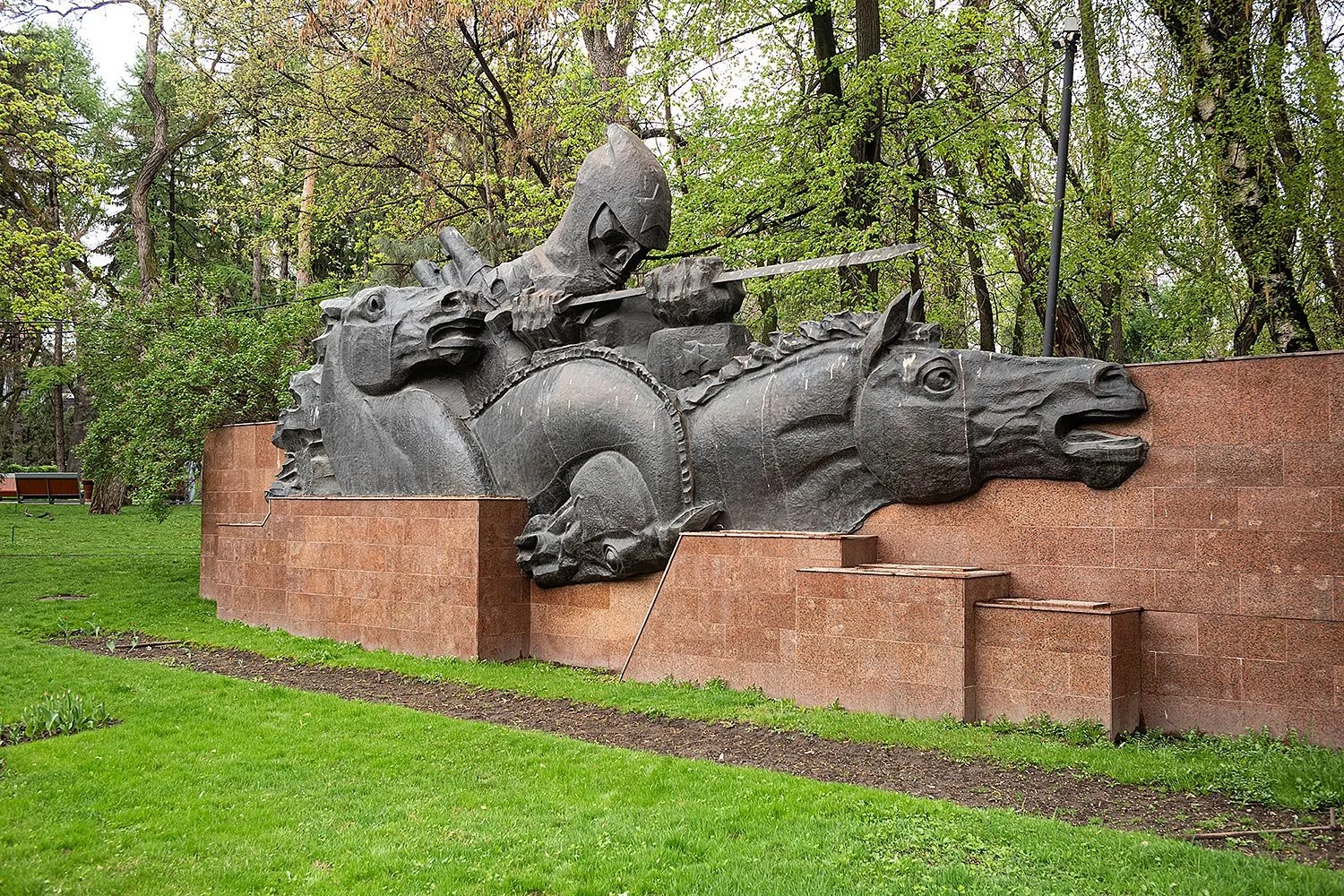
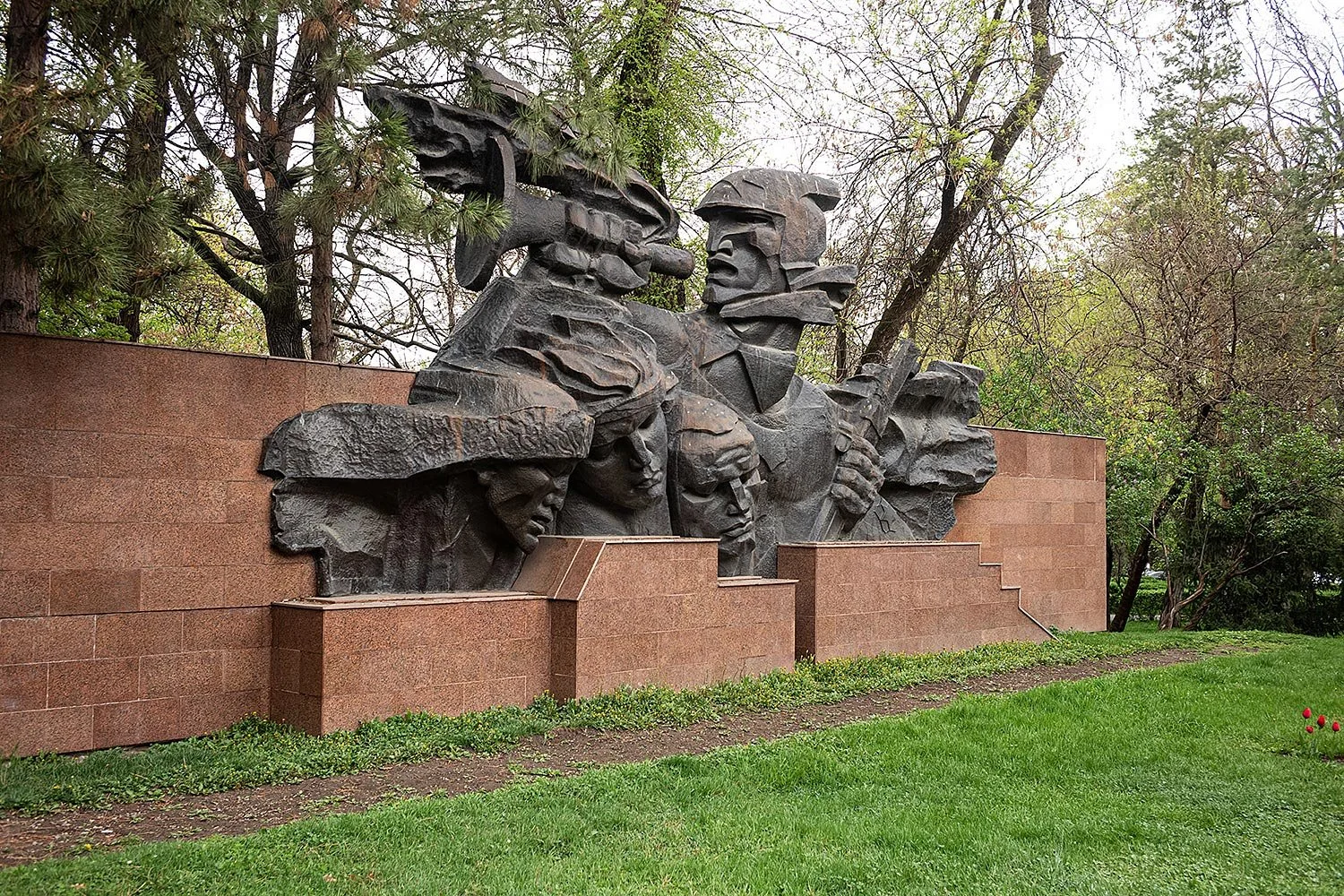
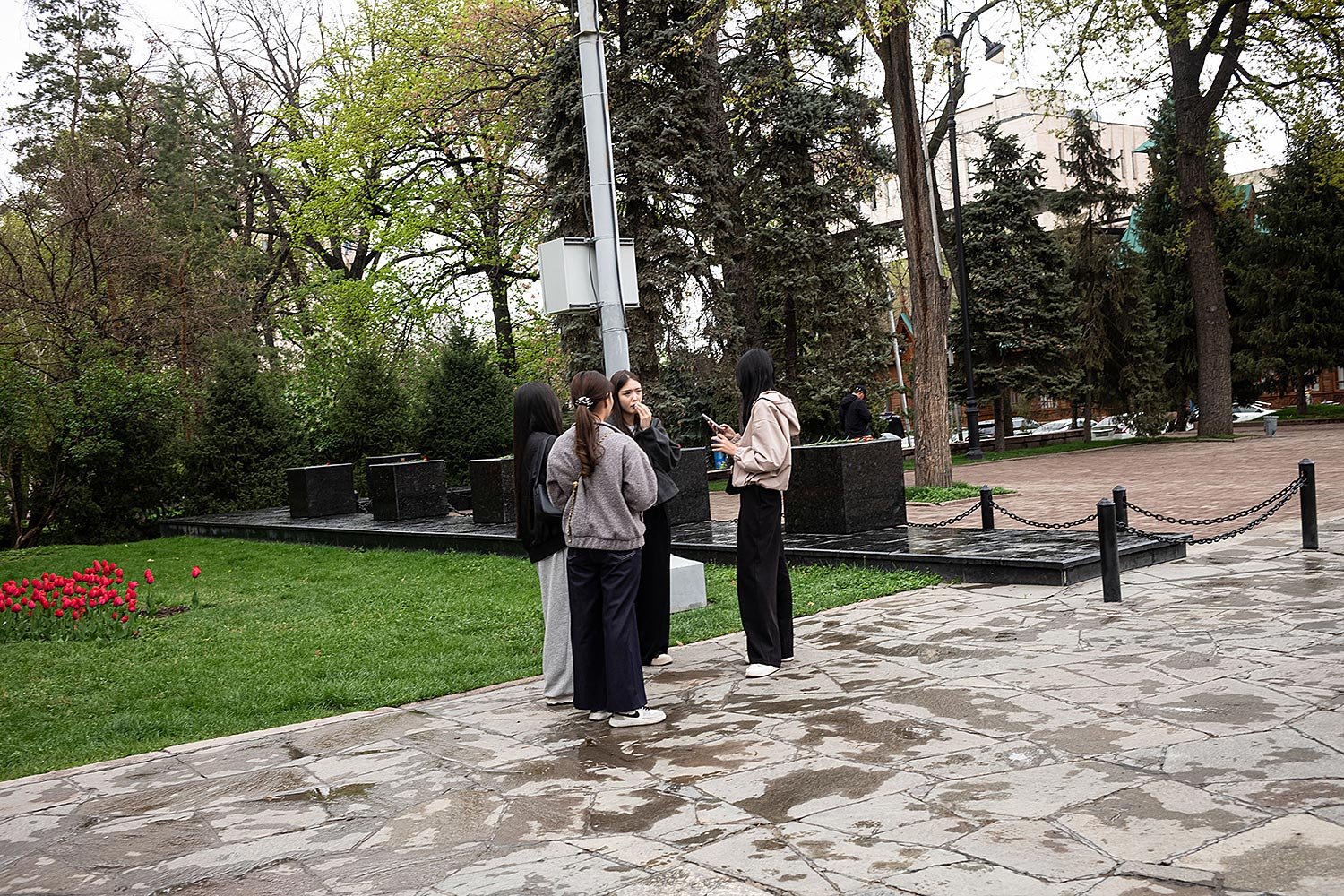
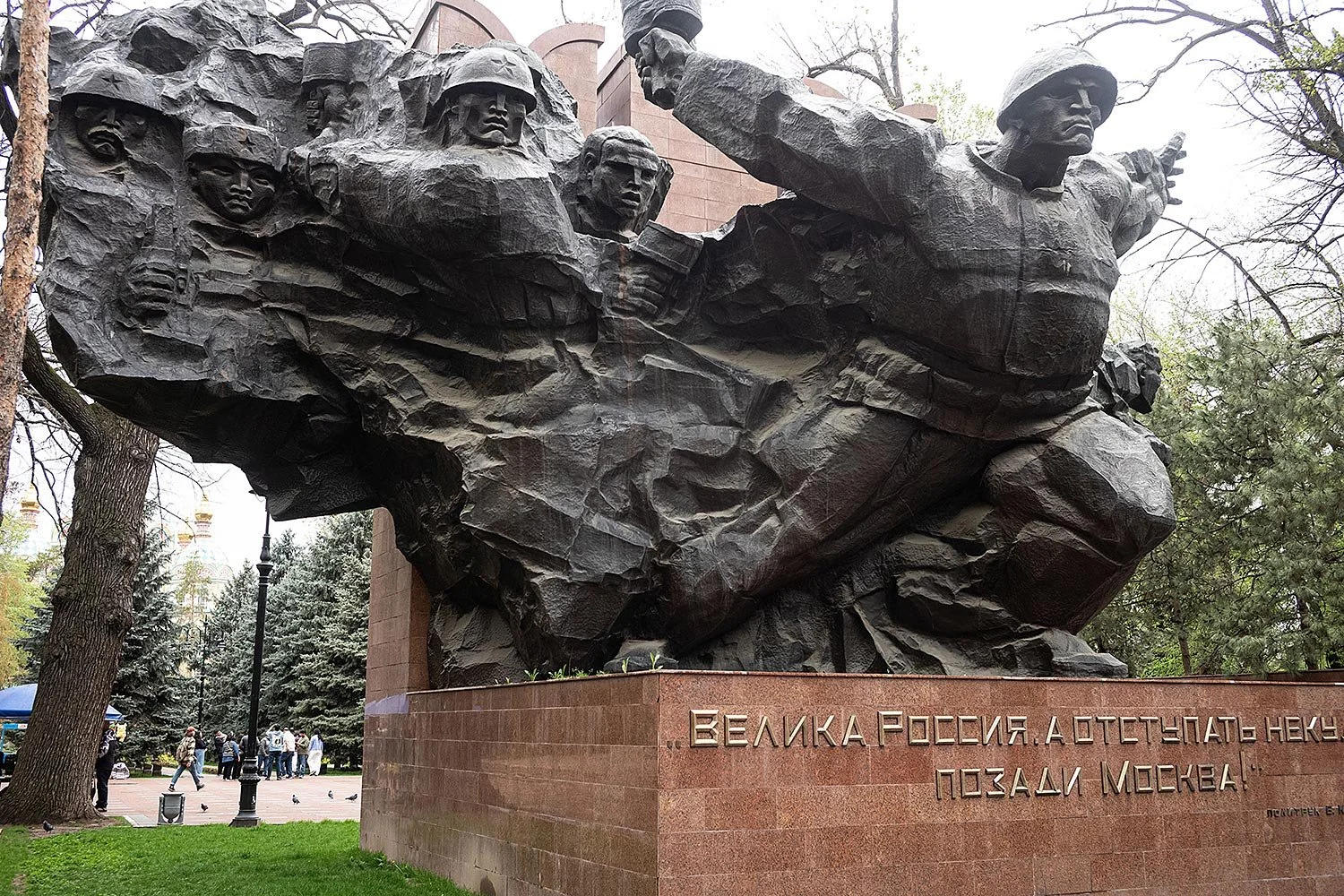
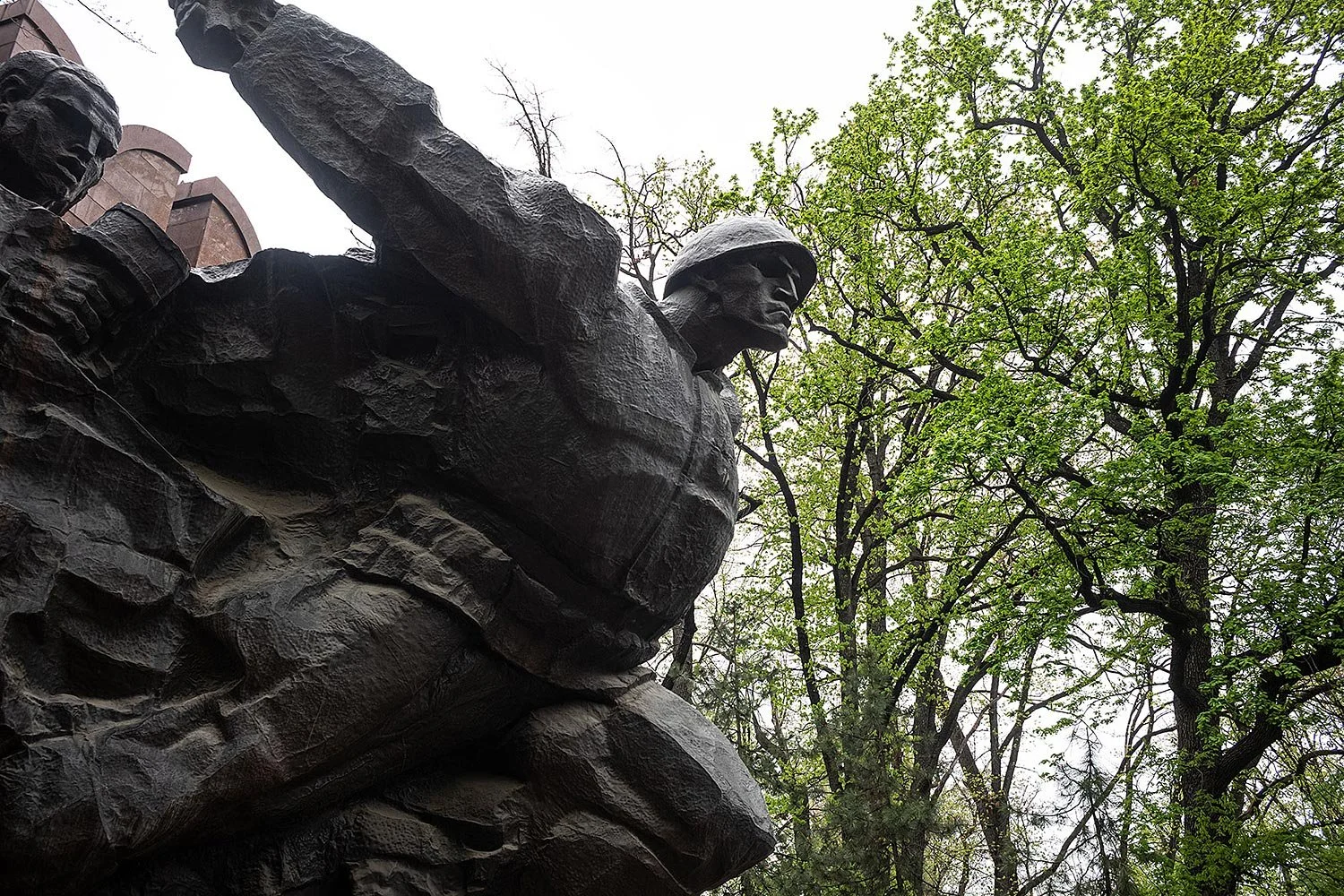
The Memorial of Glory was conceived in 1974 by the architects T.K. Basenov, R.A. Seydalin and V.N. Kim. Designed as a triptych dedicated to the establishment of Soviet power in Kazakhstan and the victory of the Soviet people in the Great Patriotic War, with a special pedestal for the eternal flame, it opened on May 8, 1975. The sculptures were created by V. V. Andryushchenko and A.E. Artimovich.
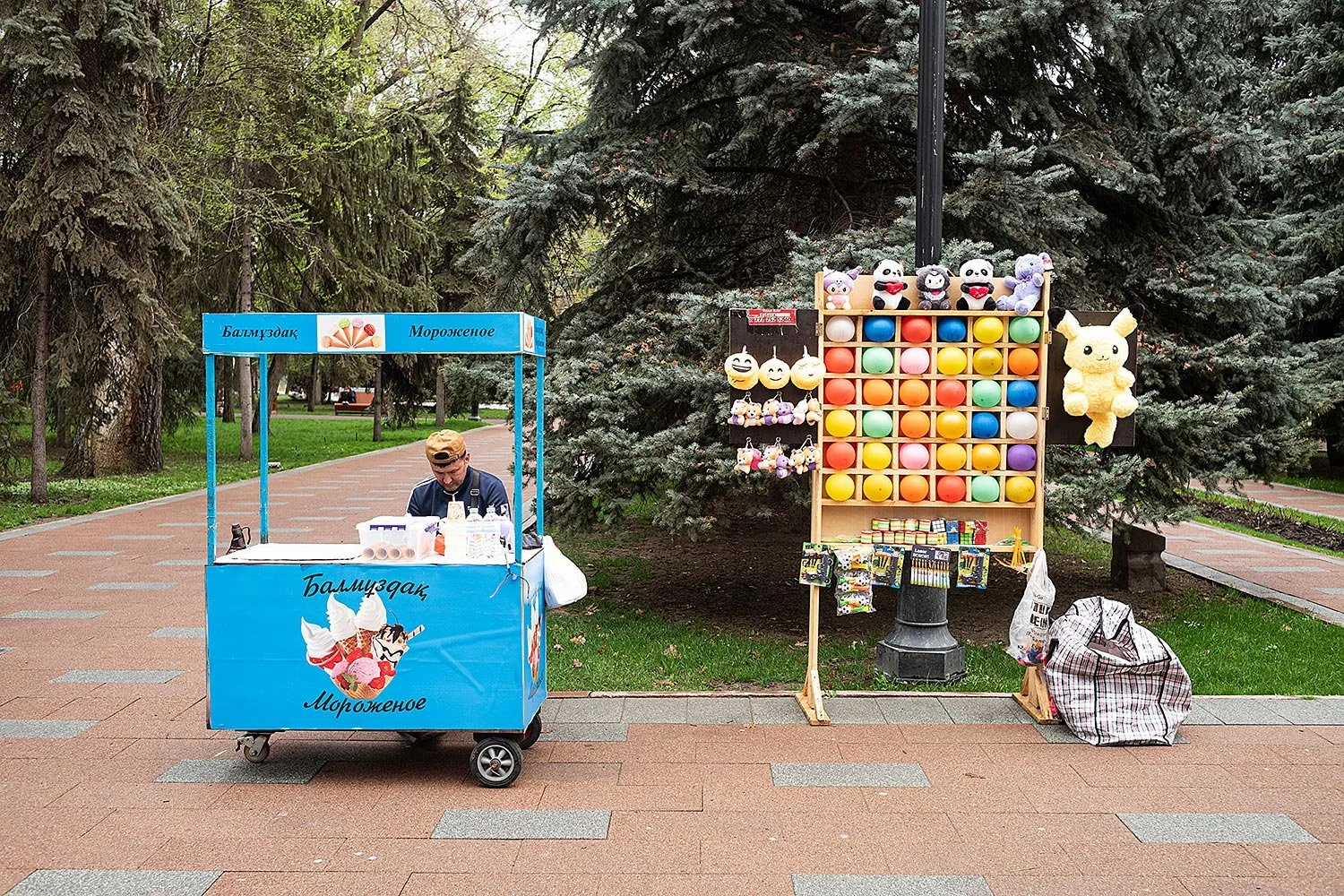
I walk back to the Russian Orthodox cathedral, passing an ice cream seller who bids me to come sample his wares. I’ve also planned an ice cream stop for later and don’t want to use up my alottment and so decline. I wonder if he’s also responsible for the carnival game beside him. No one else seems to be manning the booth.
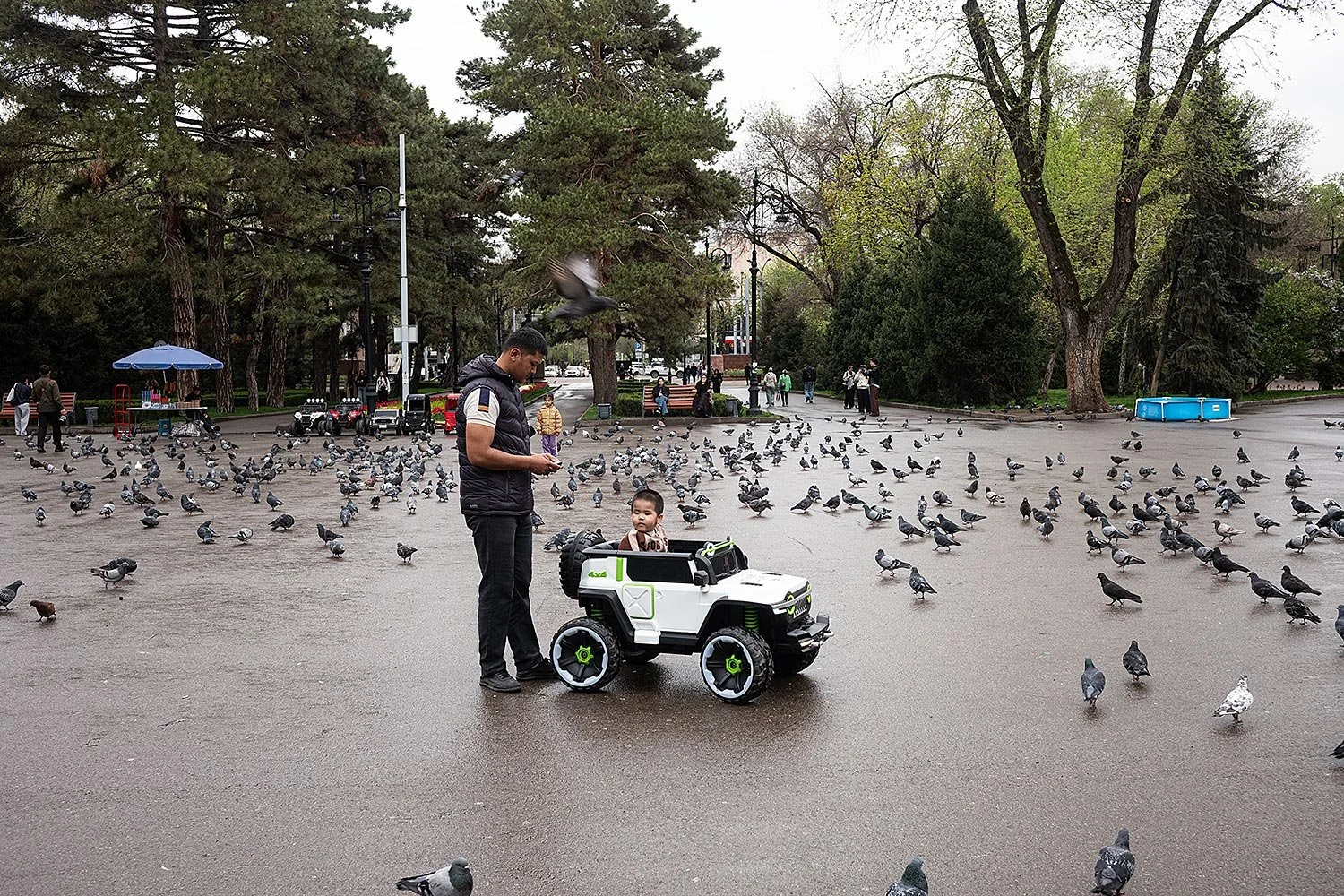
Outside the cathedral pigeons swarm a plaza. There’s signs not to feed them, but someone must in order for them to collect. In Singapore, I was amazed at how clear of birds and other animals the outdoor Newton Food Centre is before I remembered how rules and fine-based that country is. If there’s a rule against feeding birds in Singapore, it’s guaranteed to be followed.
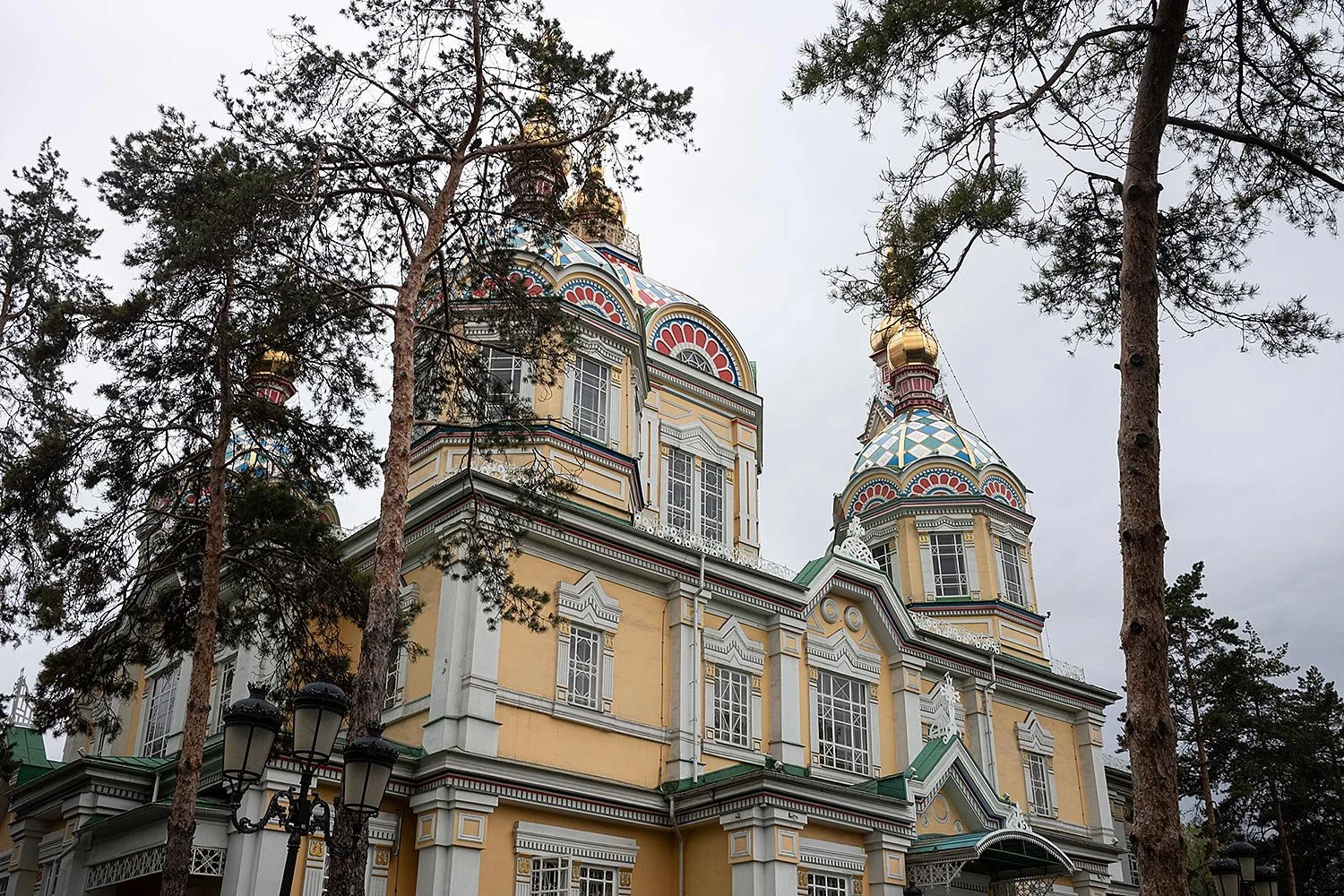
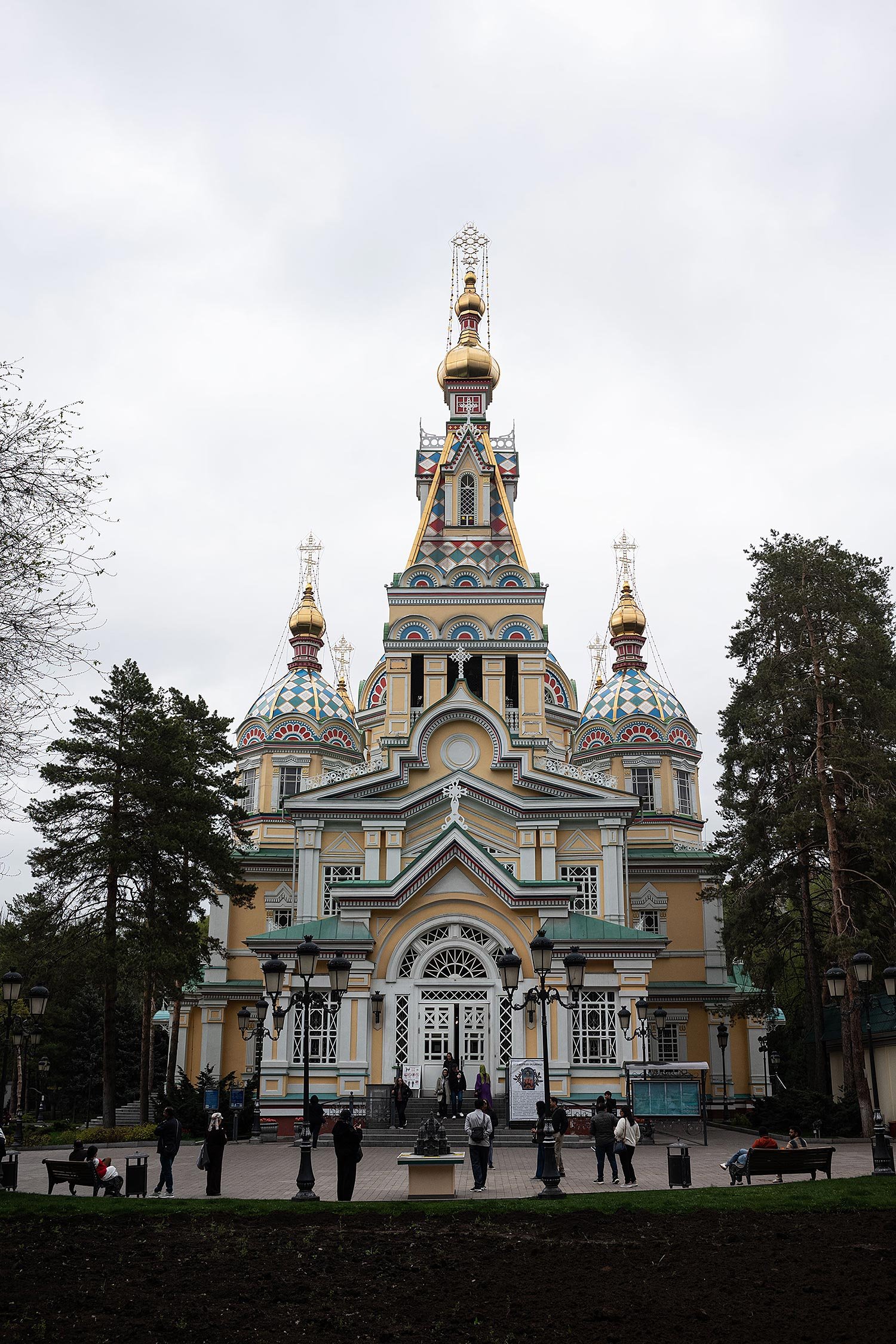
The Ascension Cathedral is made of wood, but without nails. Standing at 56 meters tall, it’s claimed to be the second-tallest wooden church in the world.
The foundation of the church was consecrated on September 26, 1903 by the bishop of Turkestan and Tashkent, with construction lasting from 1904 to 1907, when it was completed. The inner structure was made in art workshops in Moscow and Kiev; the iconostasis was painted by N. Khludov.
After the Russian Revolution, the cathedral was used to house the Central State Museum of the Kazakh Soviet Socialist Republic, and it was used by public organizations form 1930 to 1940. In May of 1995, control of the cathedral was returned to the Russian Orthodox Church and it reopened for religious services in 1997 after work was done to restore it.
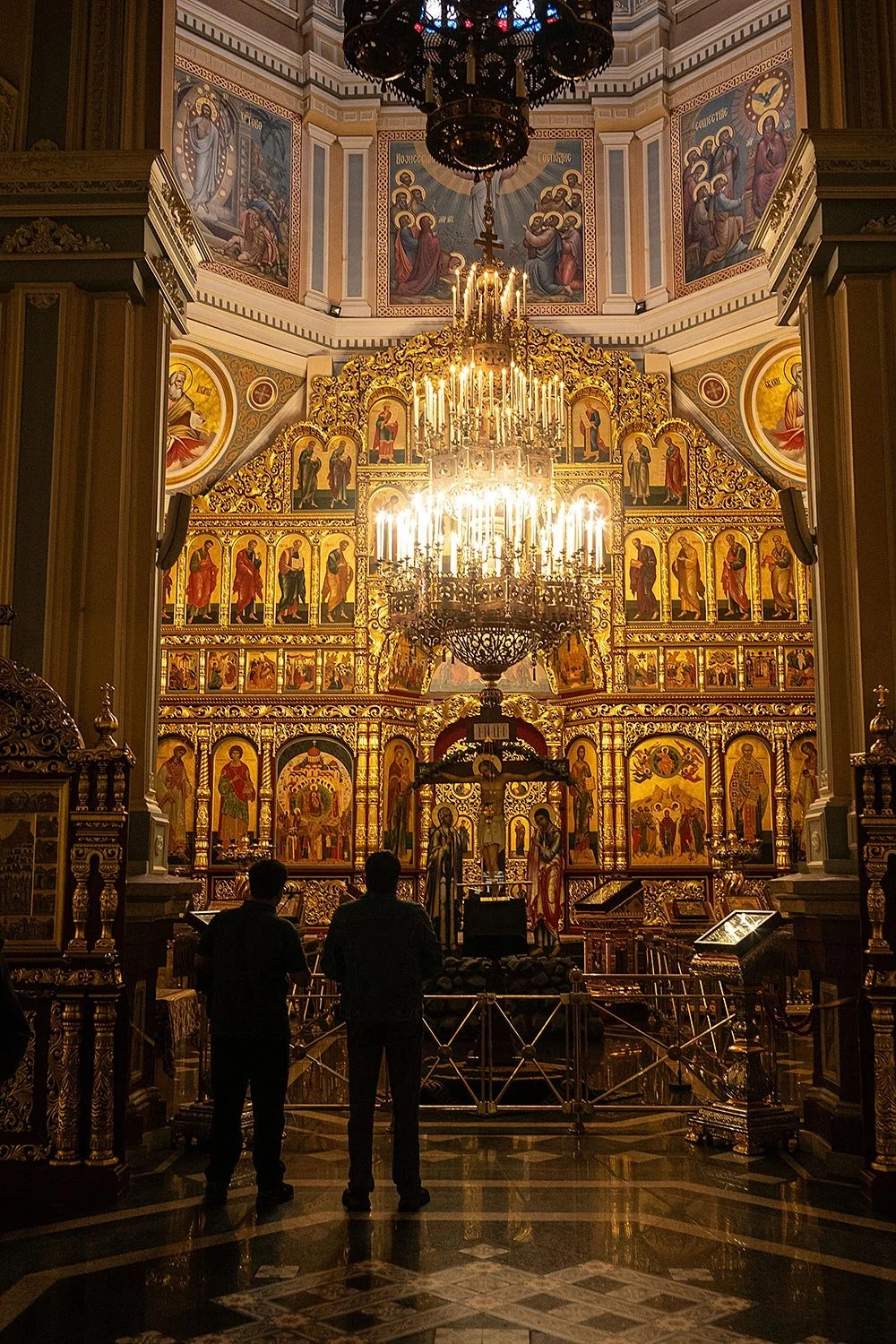
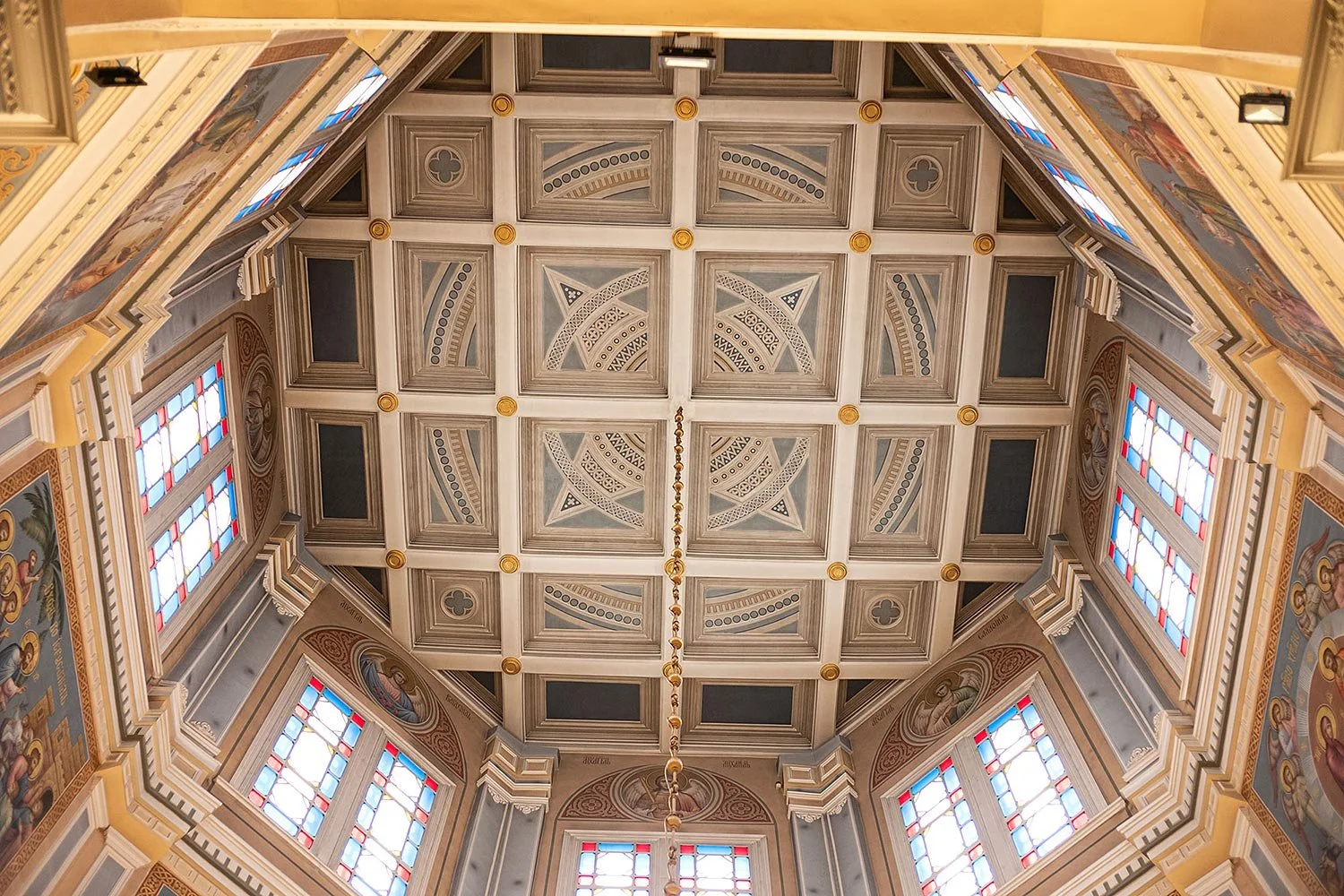
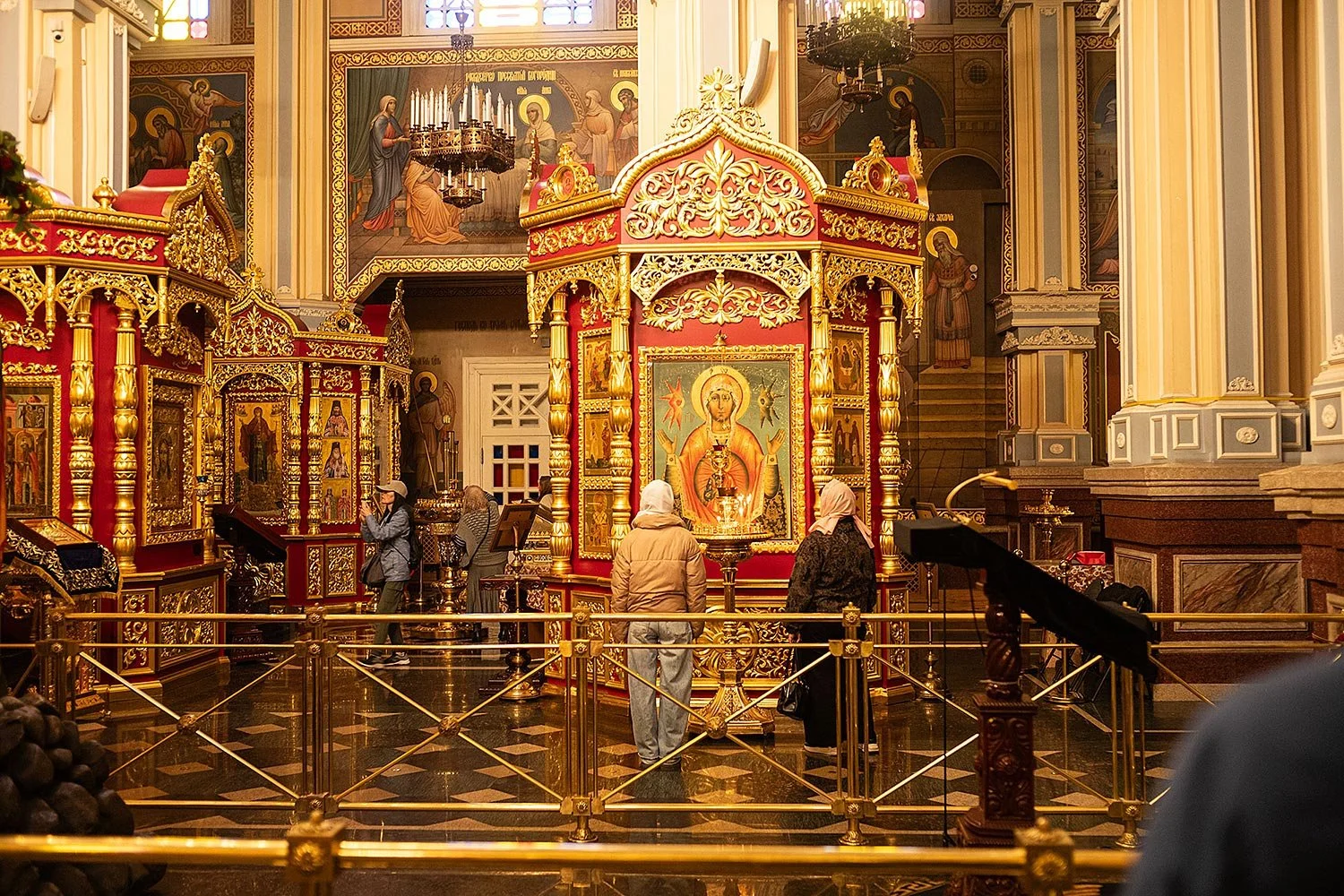
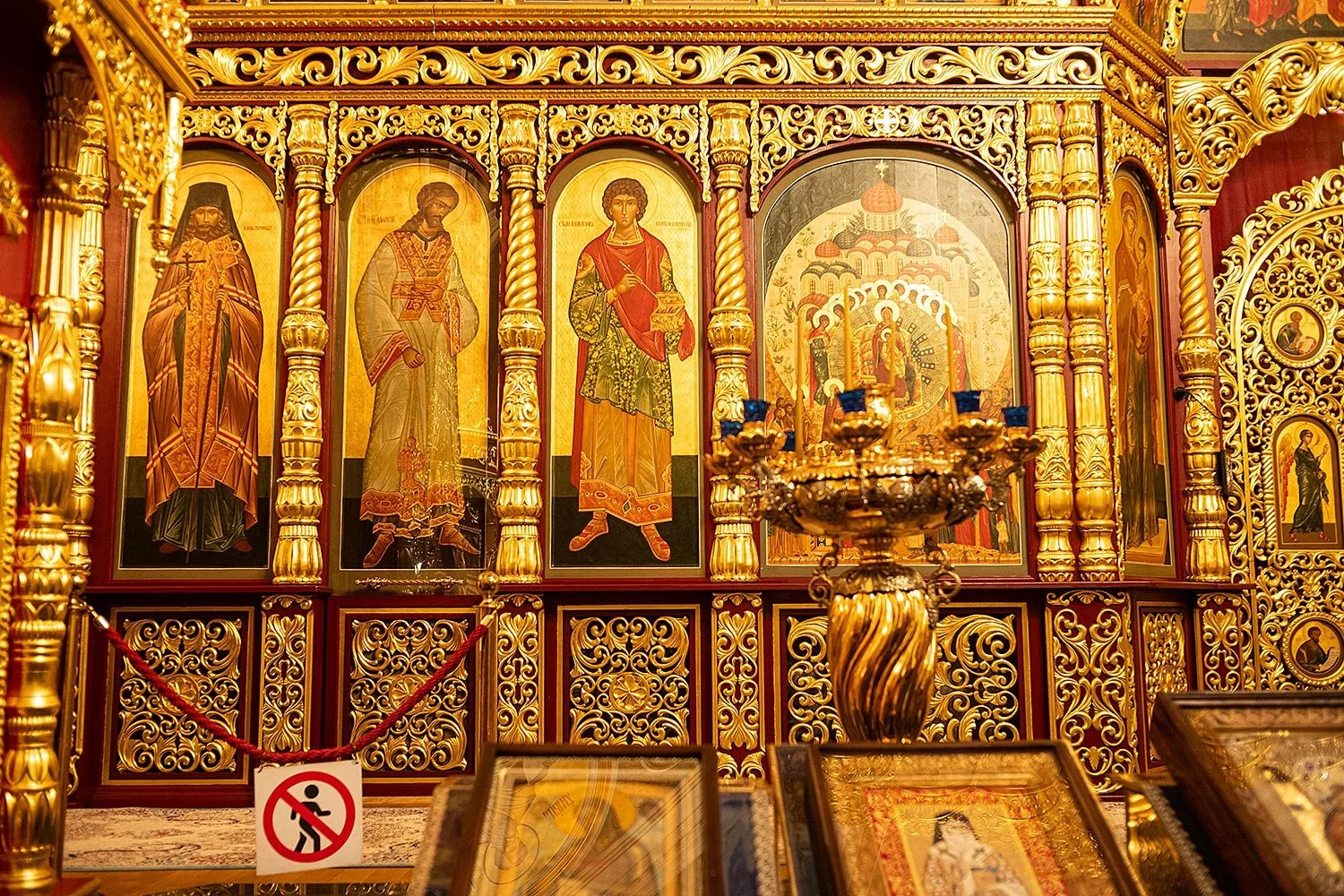
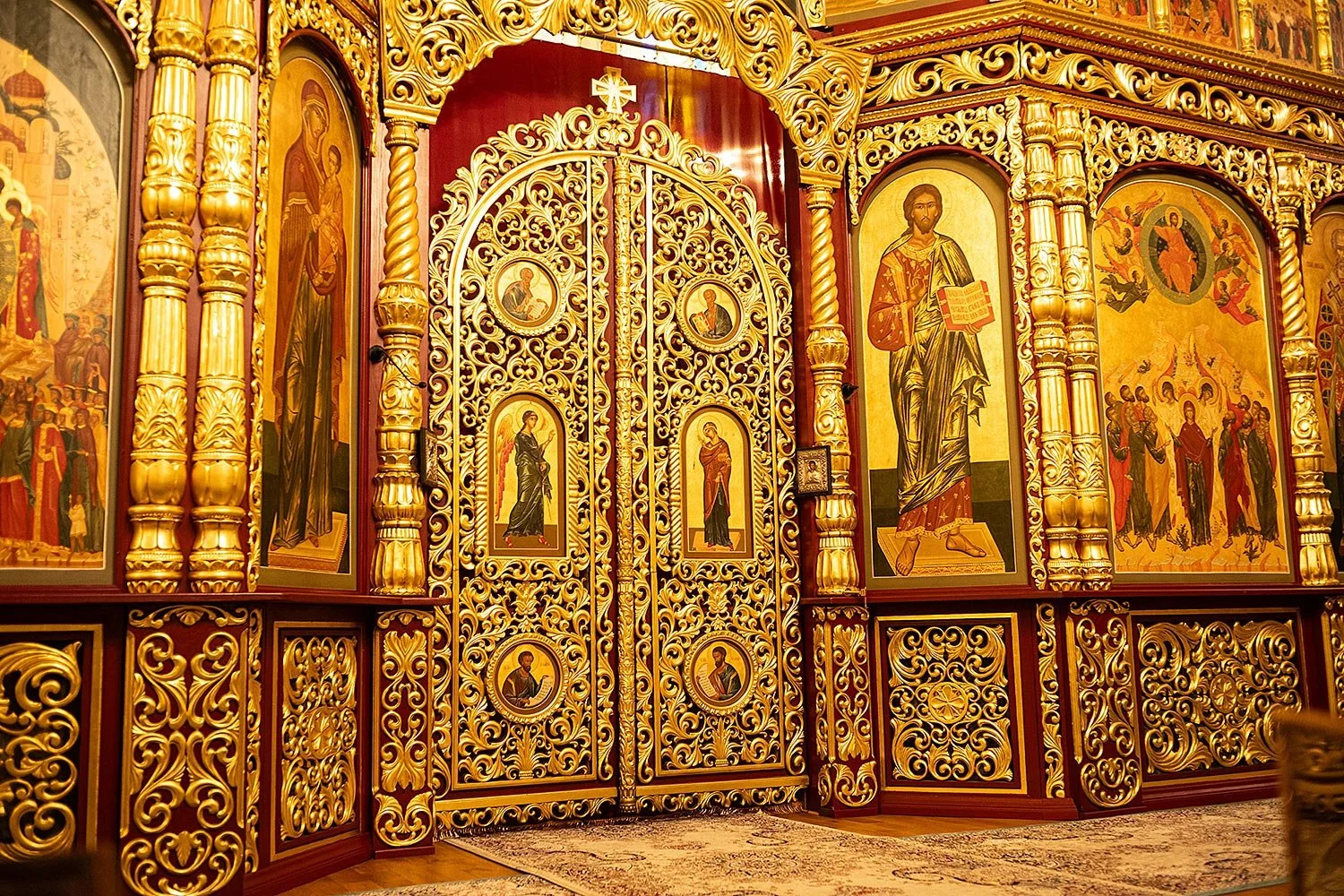
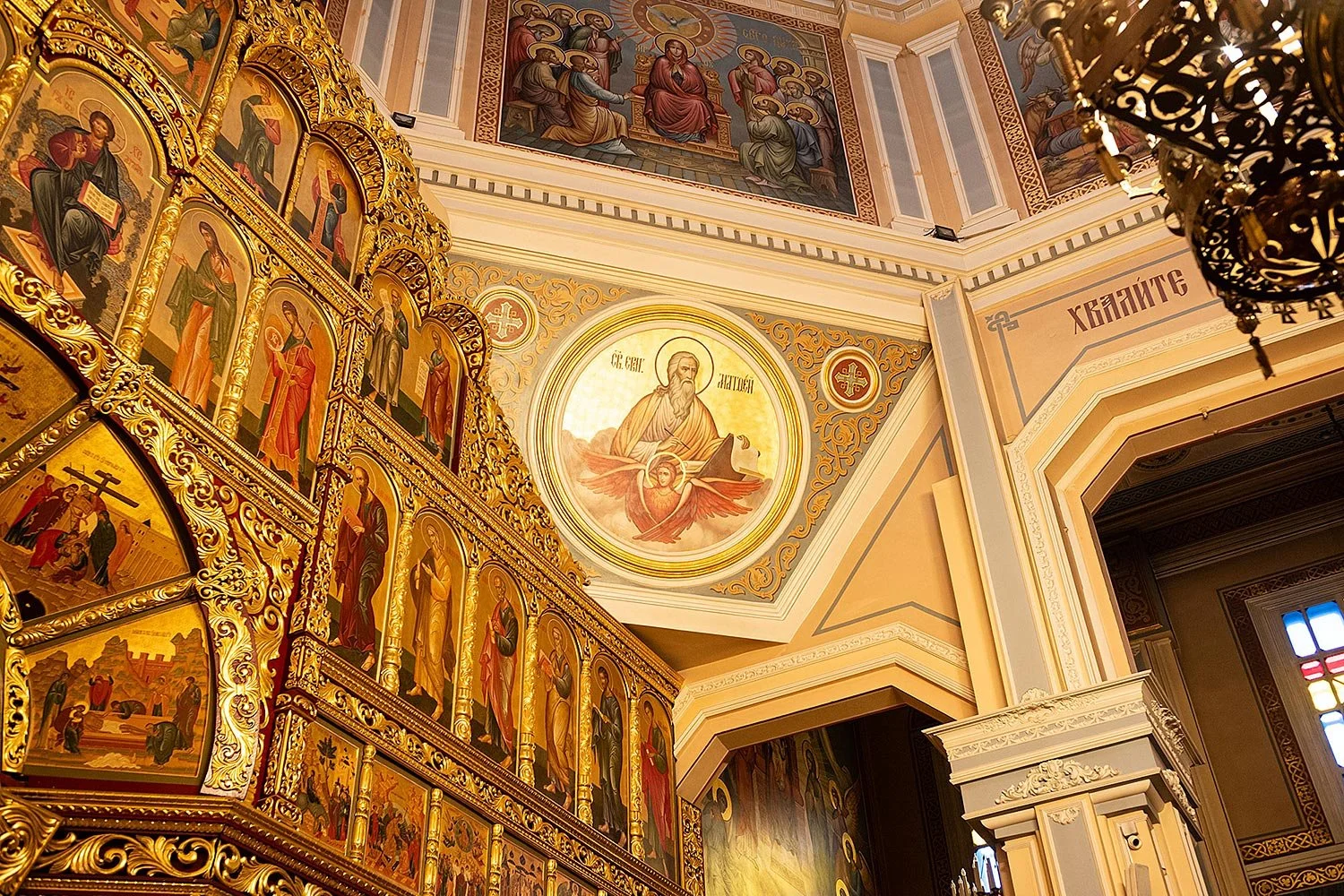
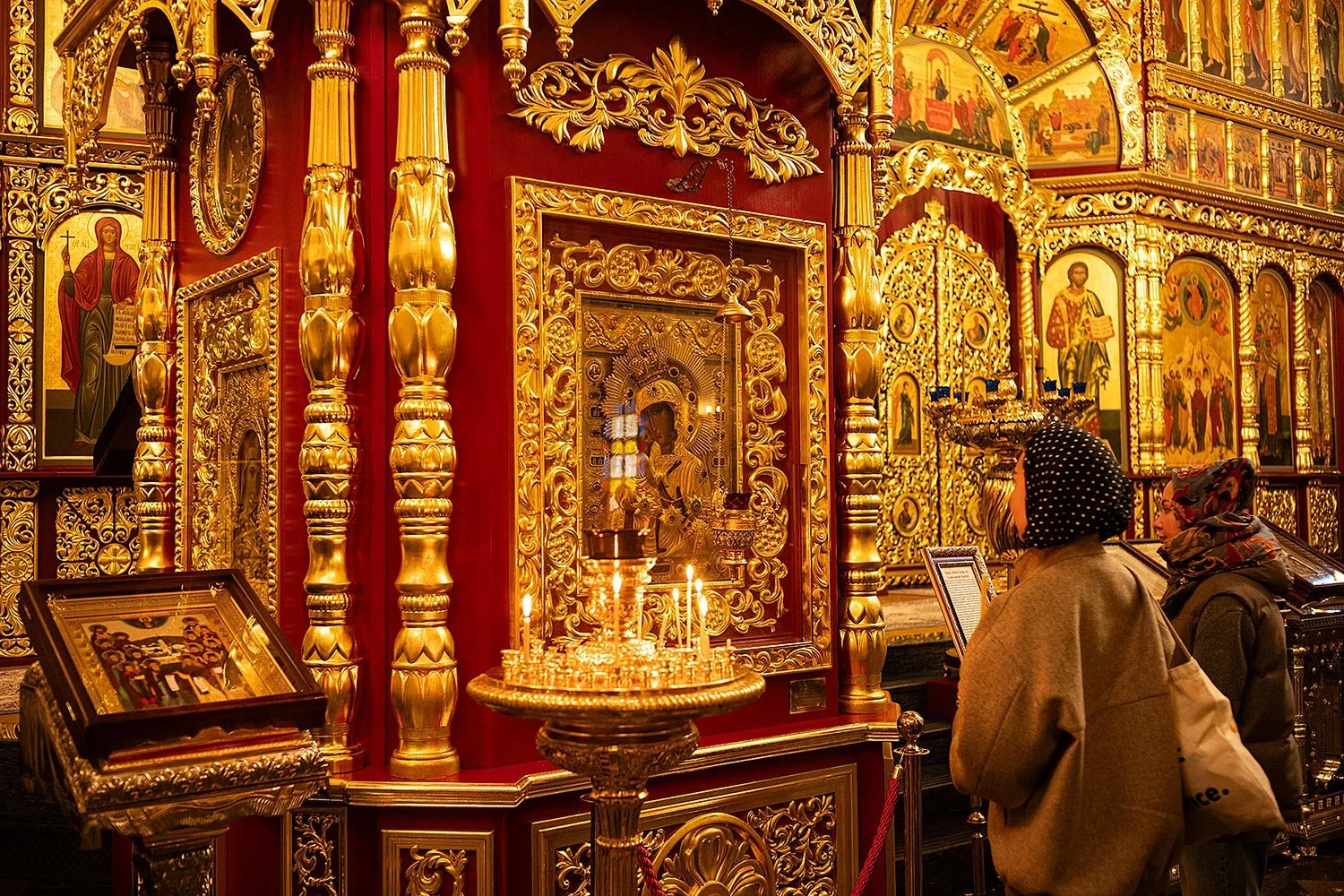
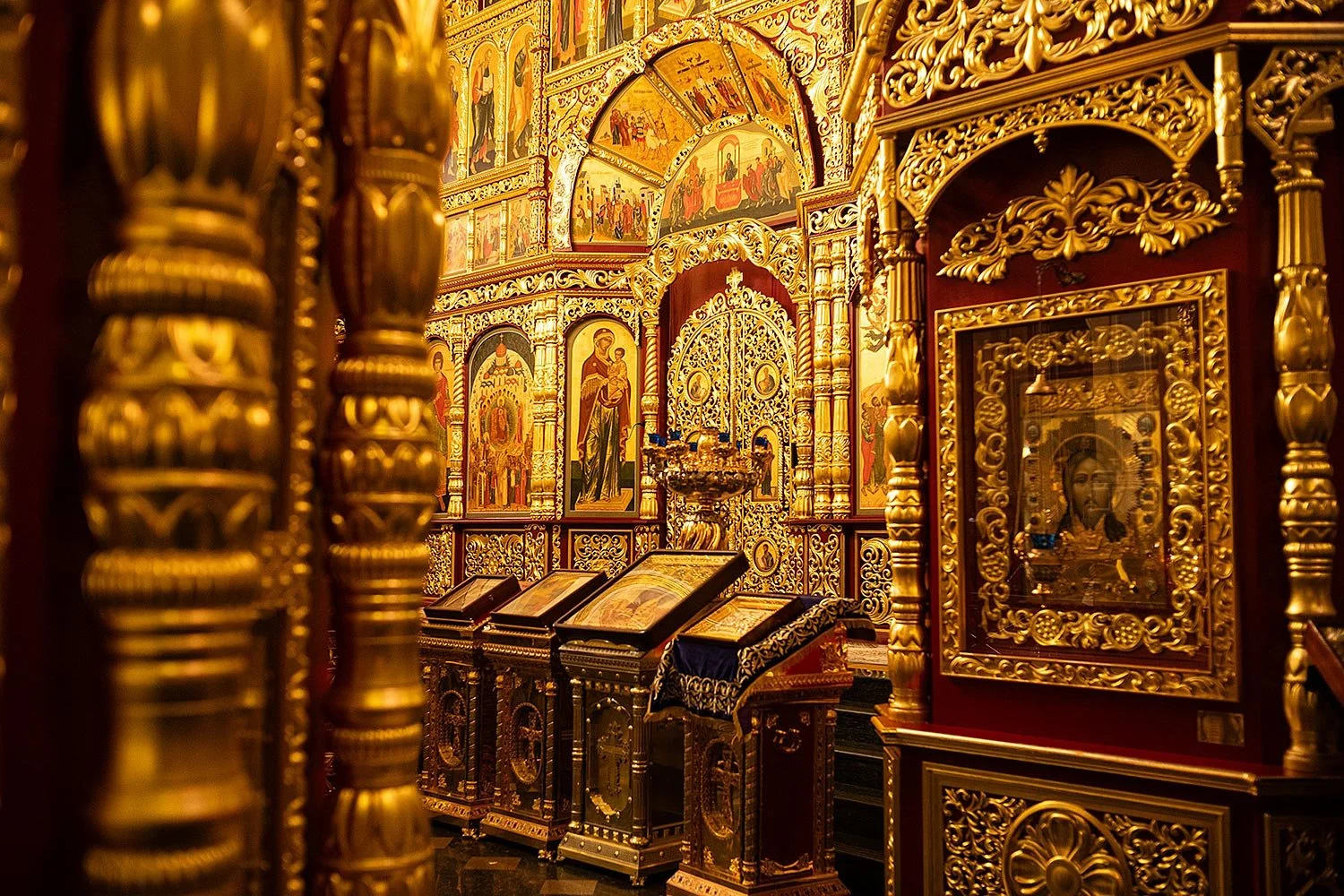
It’s a beautiful chuch, though only around 17% of the population are Christian. The majority, at around 70% are Muslim, and the Central Mosque sits a few blocks to the north. It’s a little further than I want to walk but I plan to visit the mosque another day.
There’s a metro station nearby and I’m excited to be able to visit the various stations after reading about how beautiful they are, taking after the design of the Moscow and Tashkent metro systems.
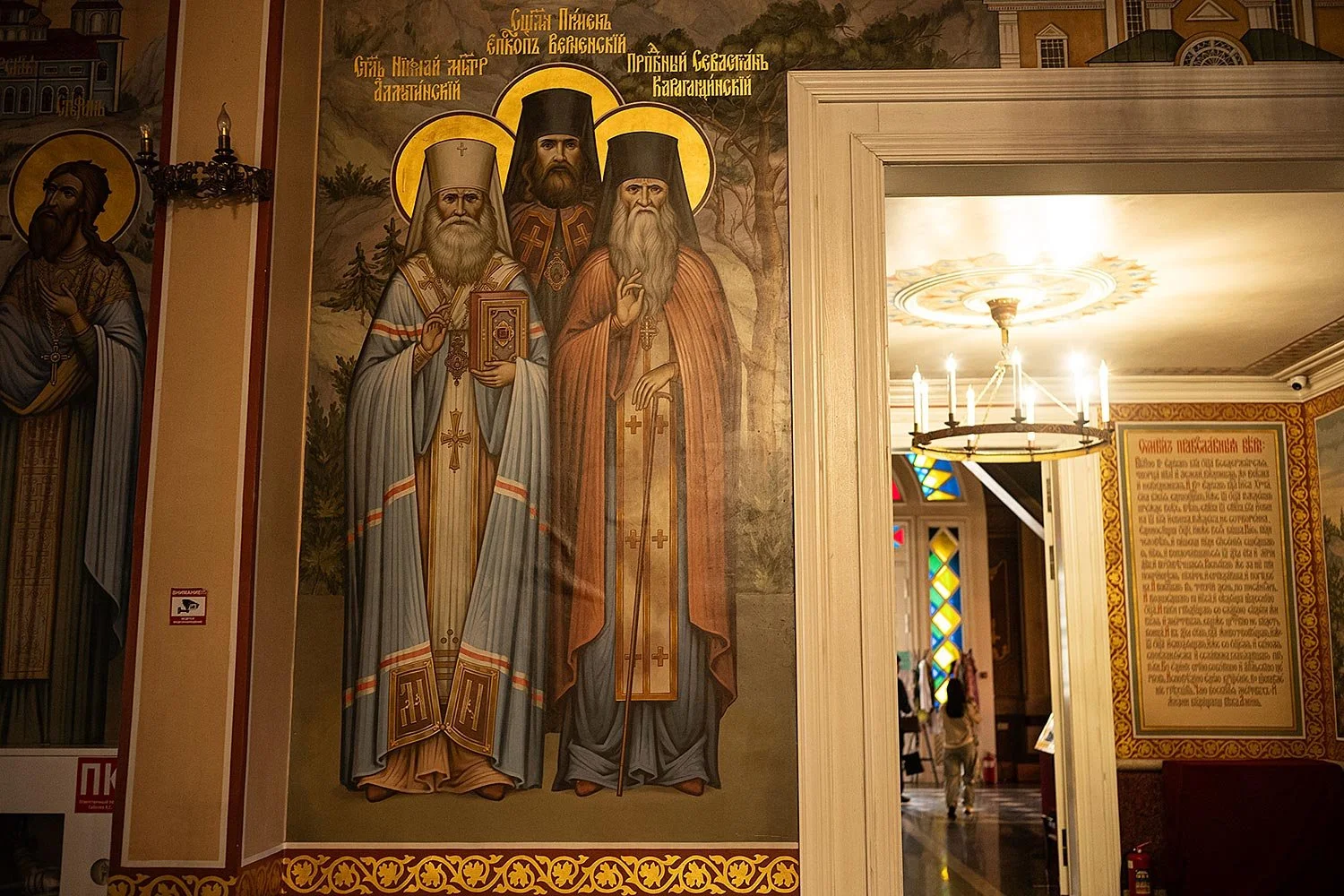
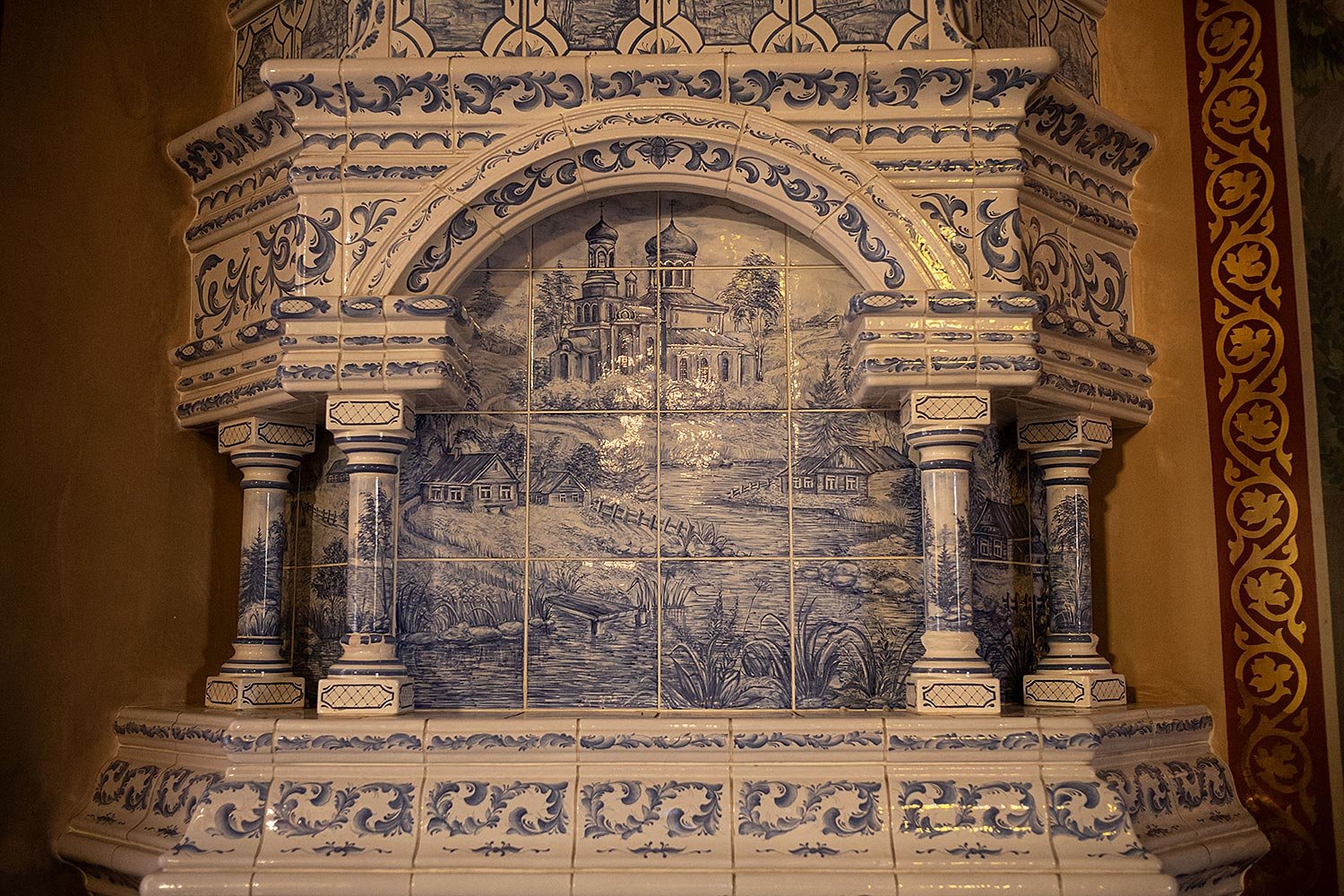
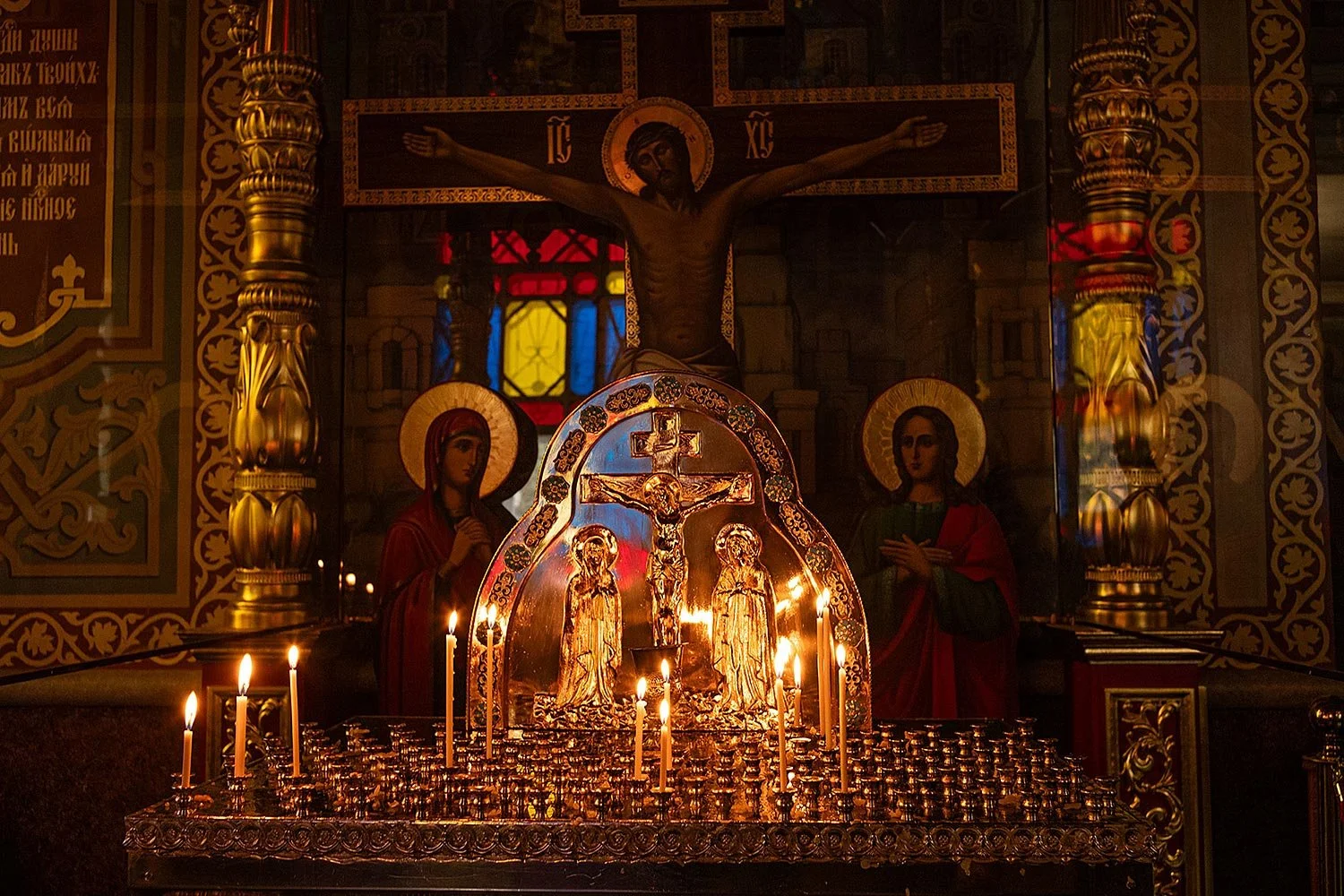
Leaving the cathedral I stop in front to take it all in, now that I know where the entrance is. A large tour group appears just as I’m finishing up some photos and I take my leave as they arrange themselves for a group photo.
I walk towards Arbat Almaty, a pedestrian mall anchored by a mall and a movie theater. I check the showings later, to find that all the films appear to be in Russian.
En route I stop in a cute shop to buy postcards. There’s a small coffee shop attached and once again I consider getting. cup before deciding once again to put it off until later.
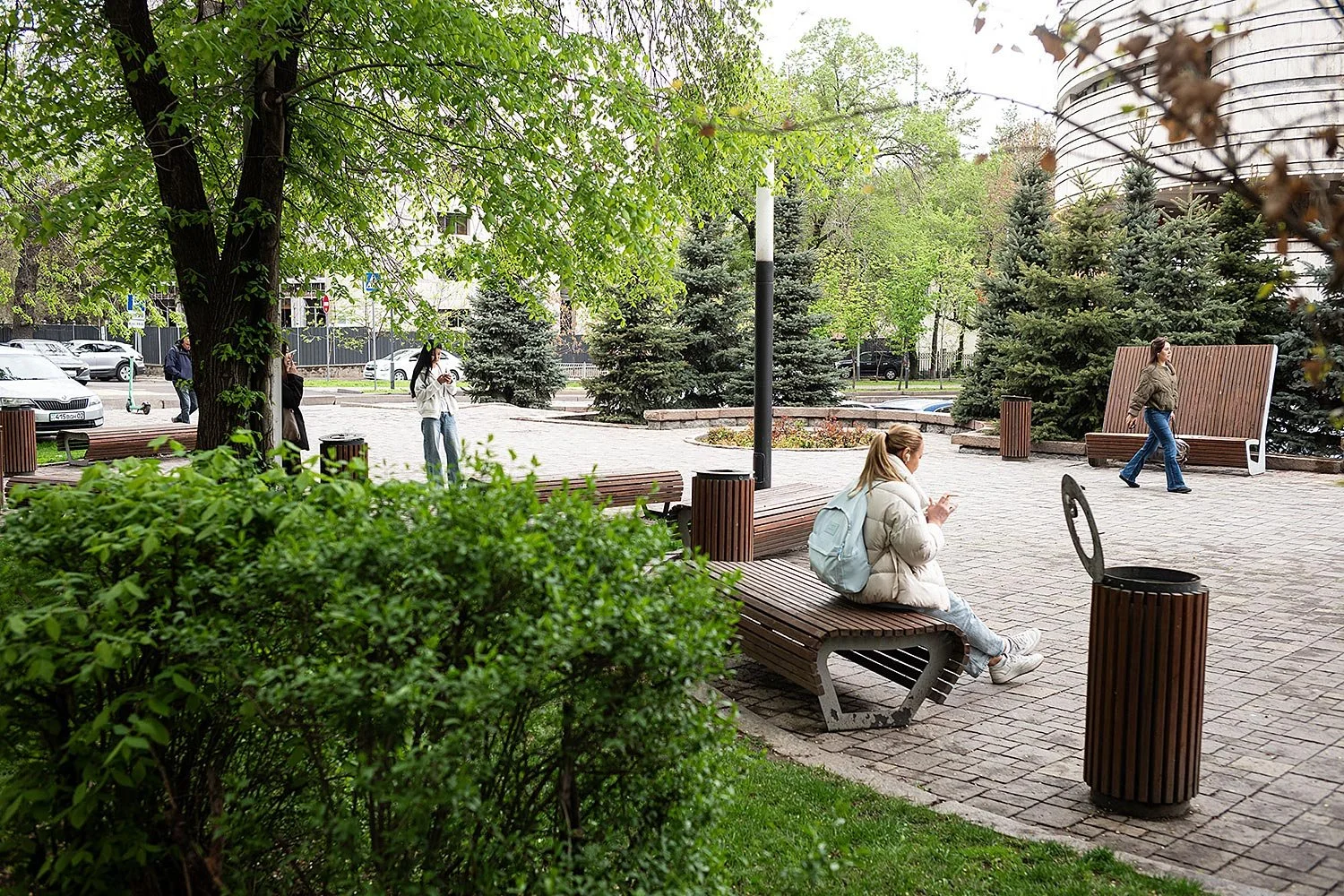
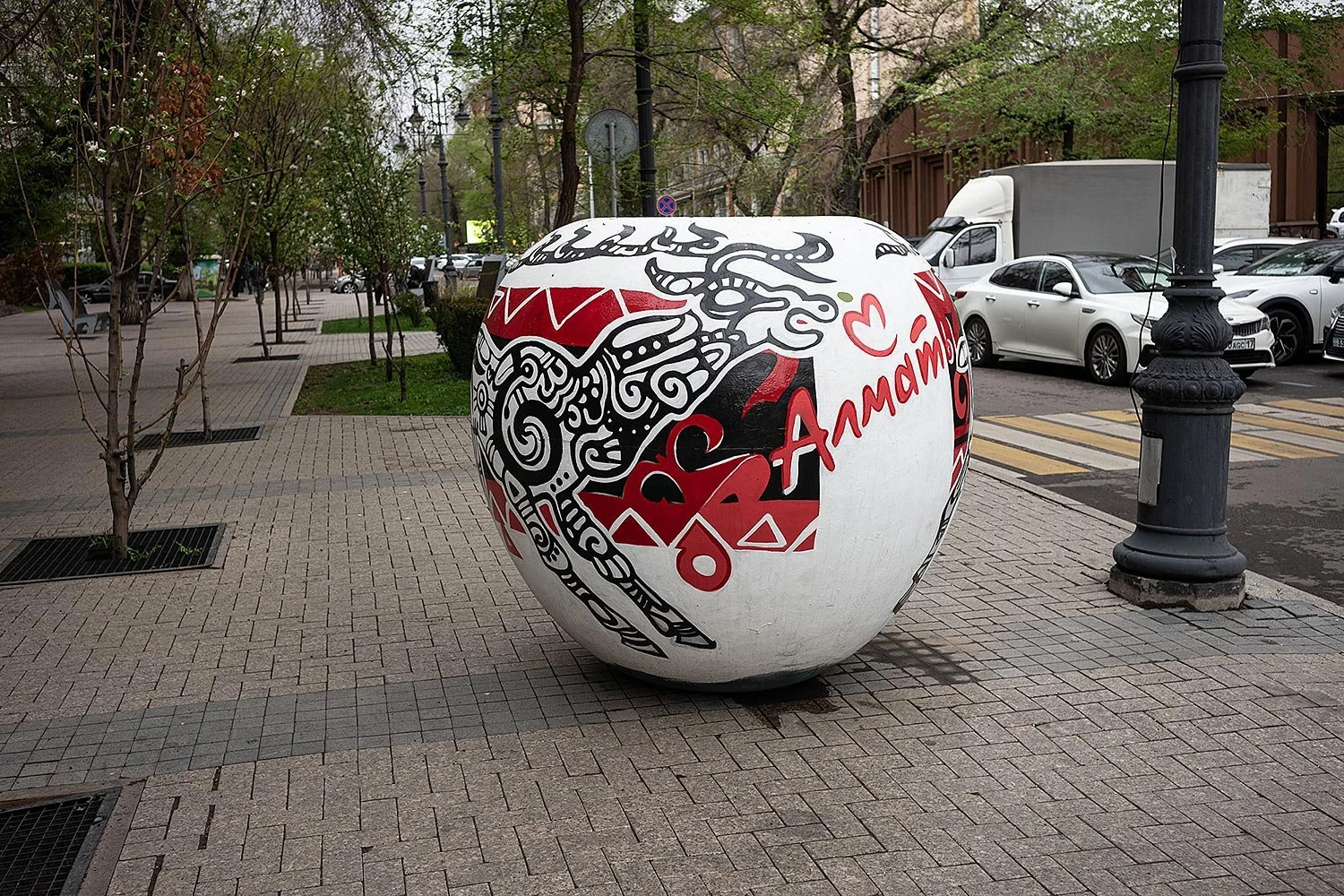
The street is quiet, I assume owning in part to the threat of inclement weather. I feel it’s a place I should come back to in the evening or on the weekend to get a better sense of the place and the area, in hopes of finding out where locals may congregate.
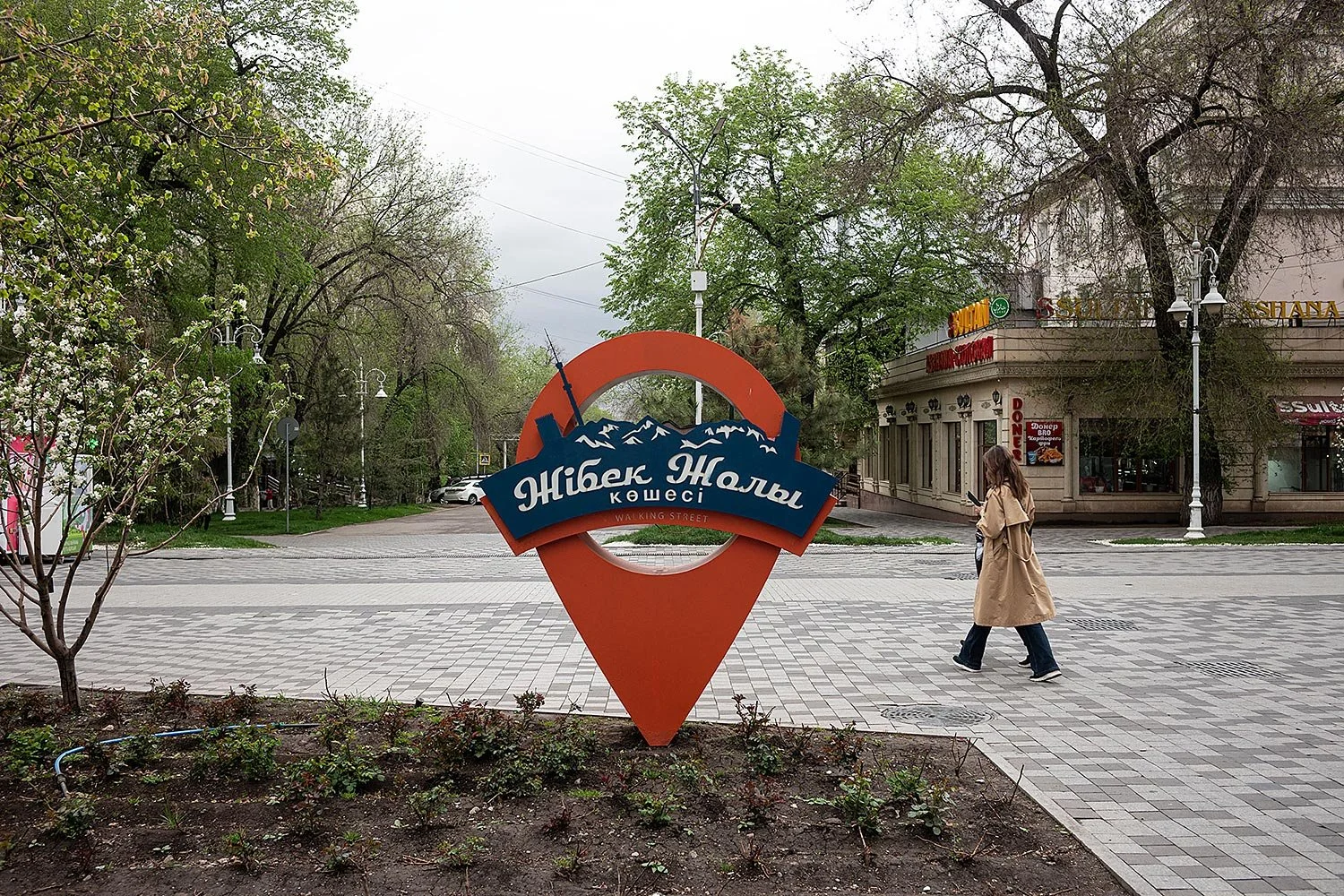
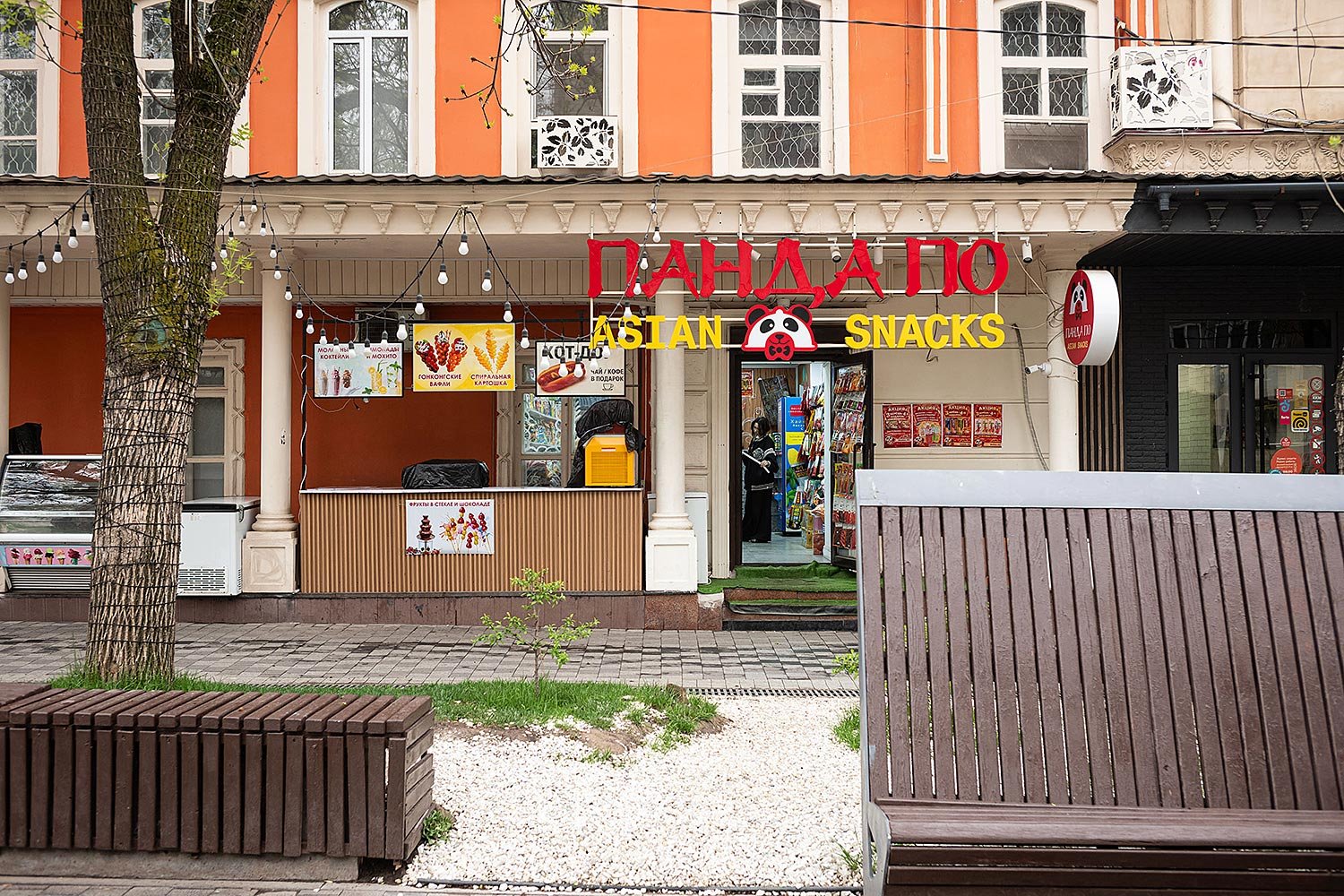
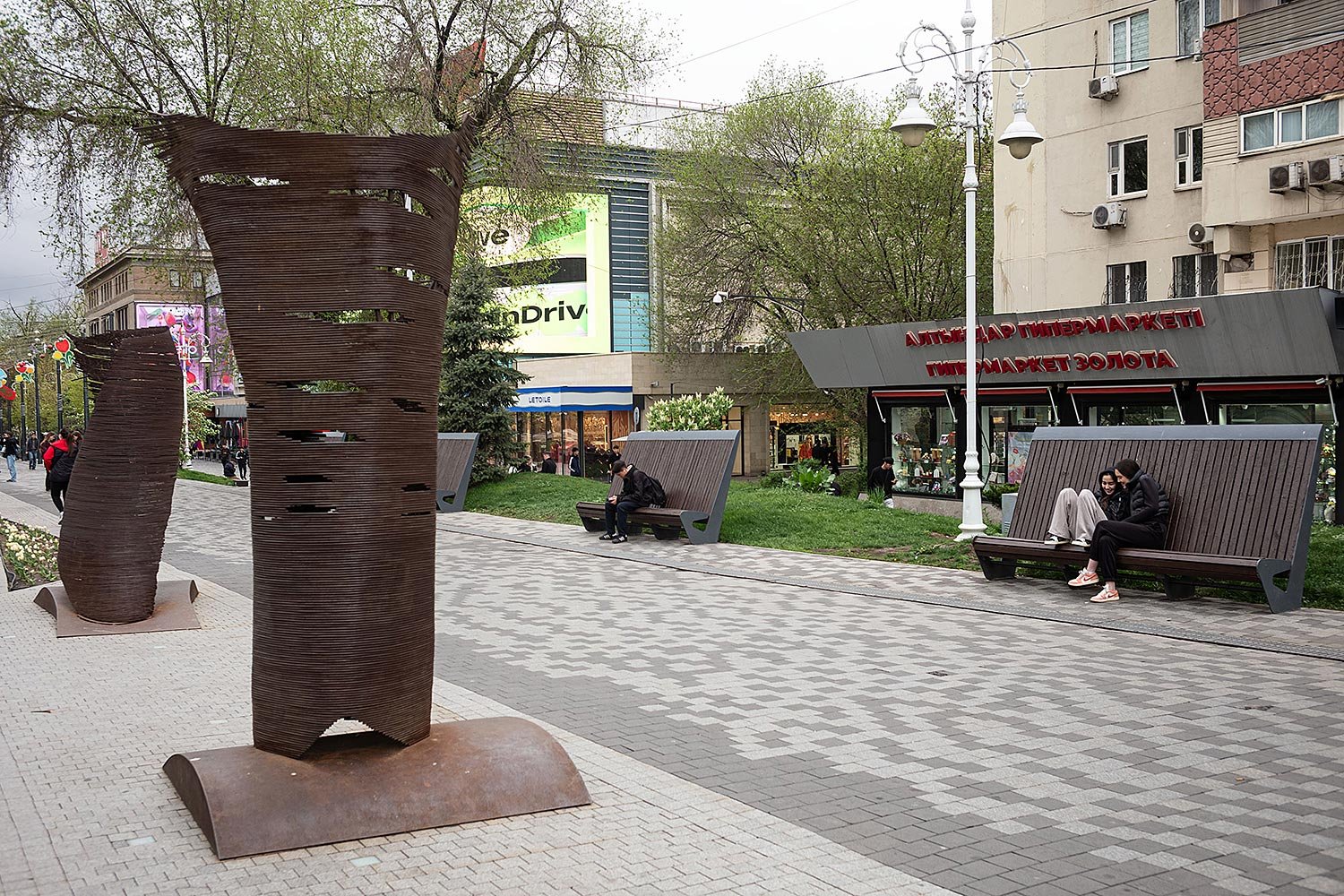
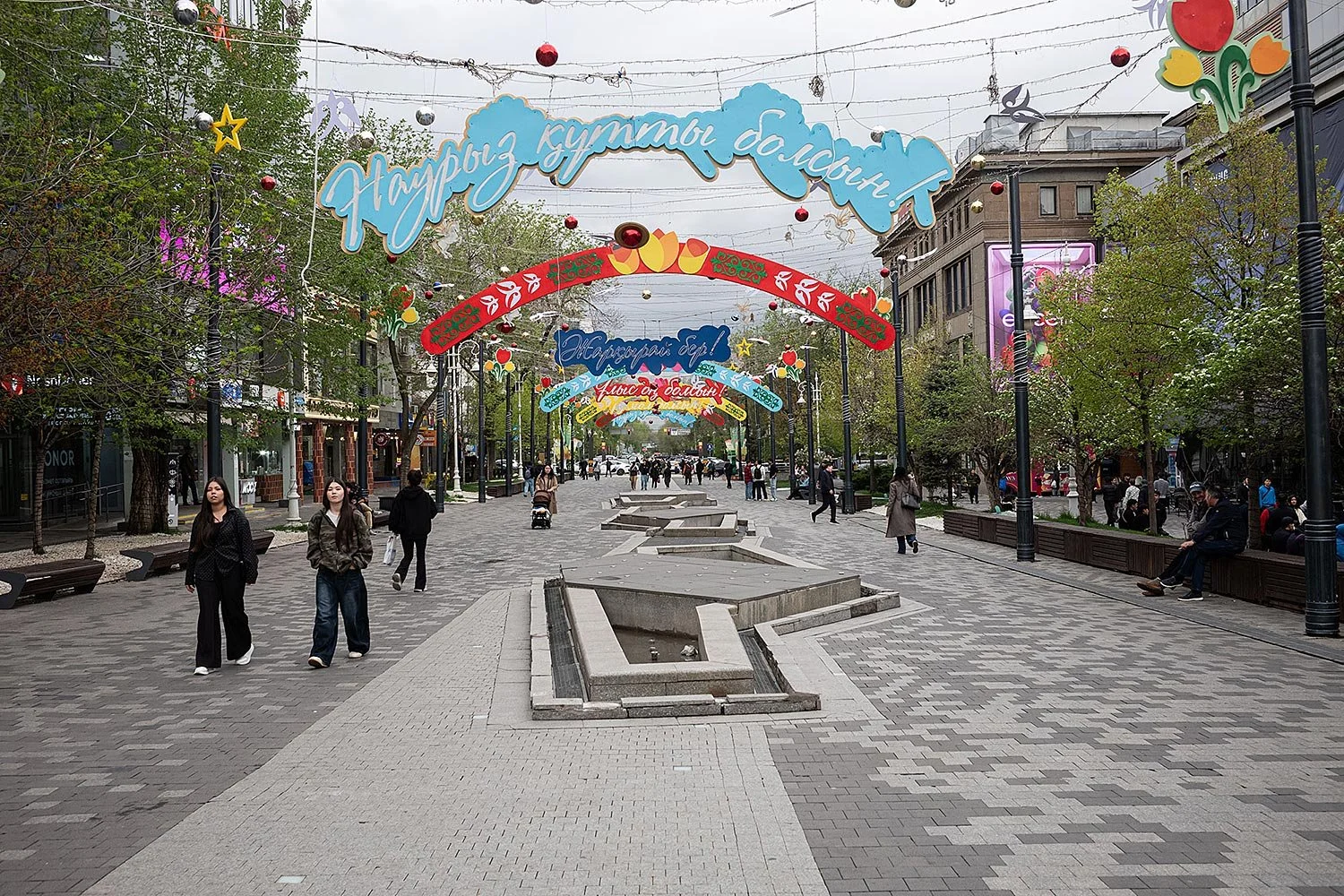
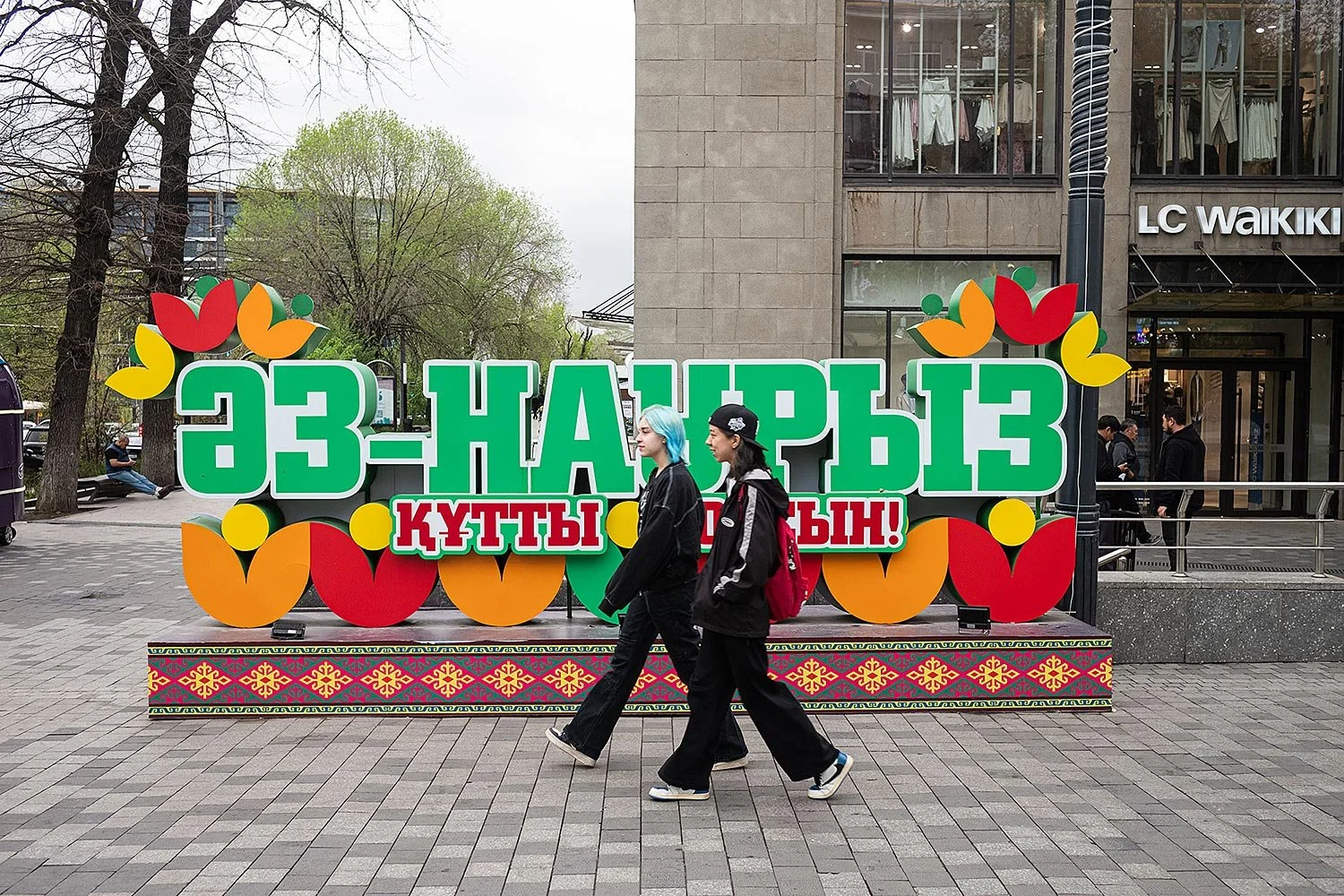
From Arbat Almaty I decide to head home. There’s more to discover but I’m fading somewhat and would like to take a nap before dinner.
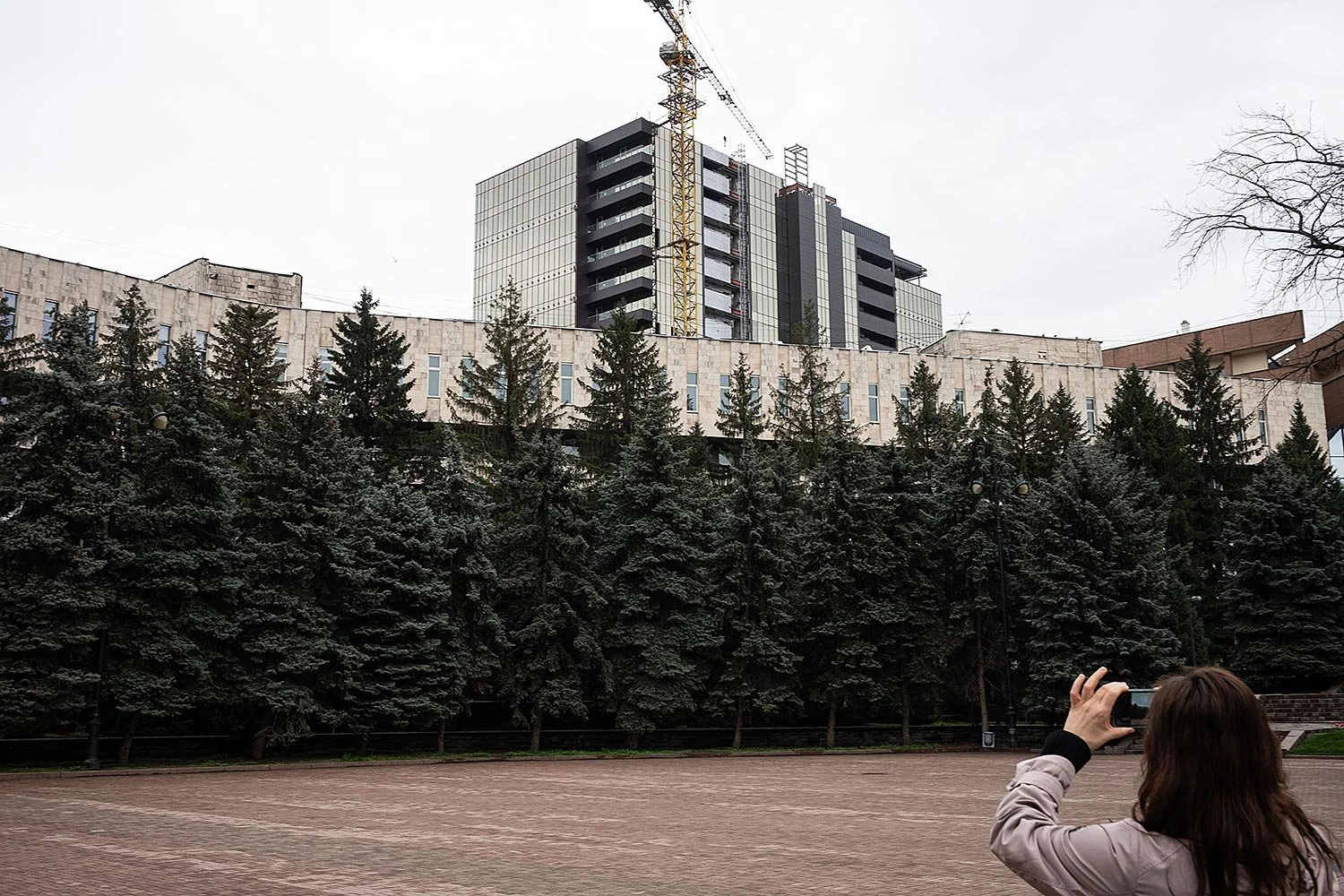
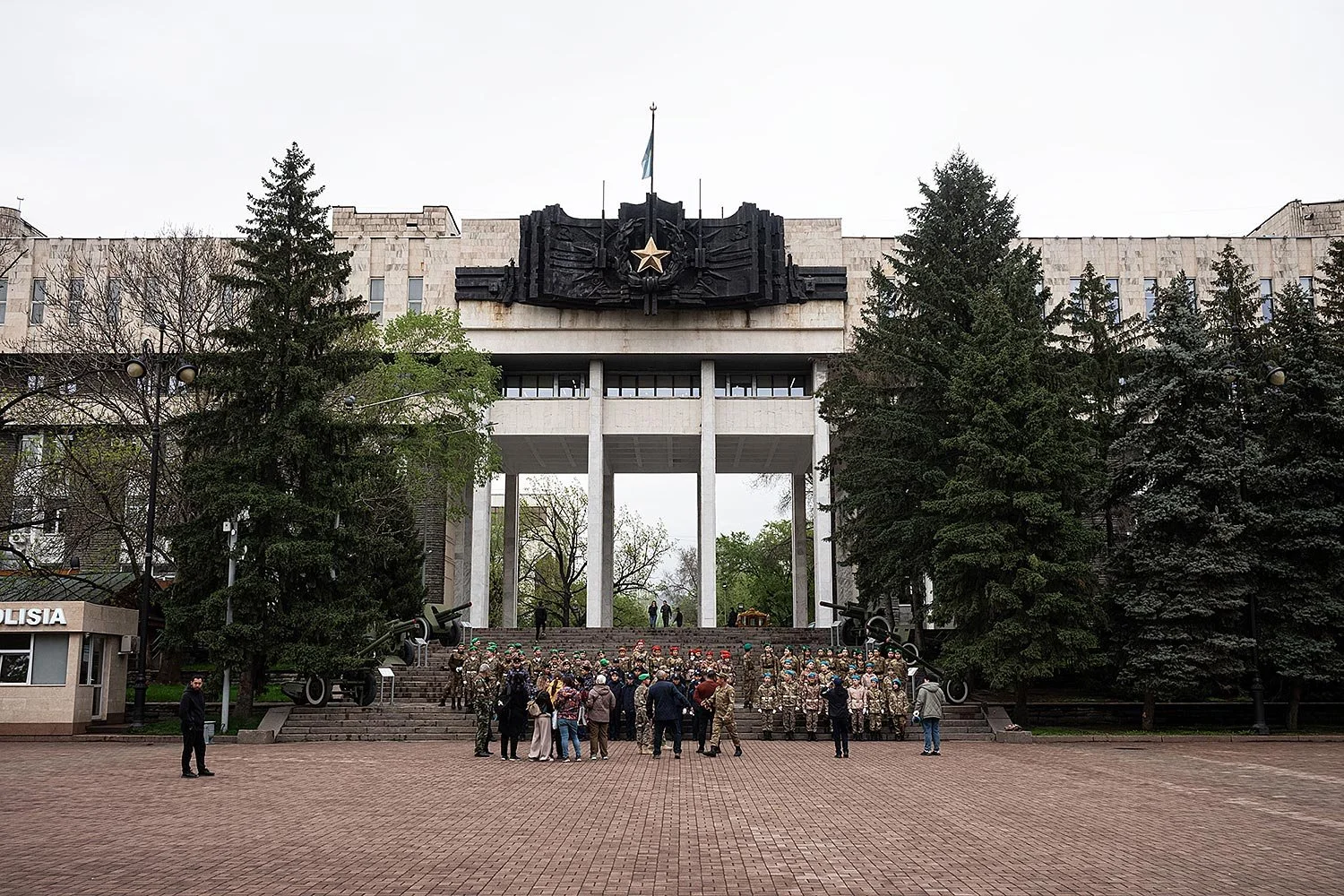
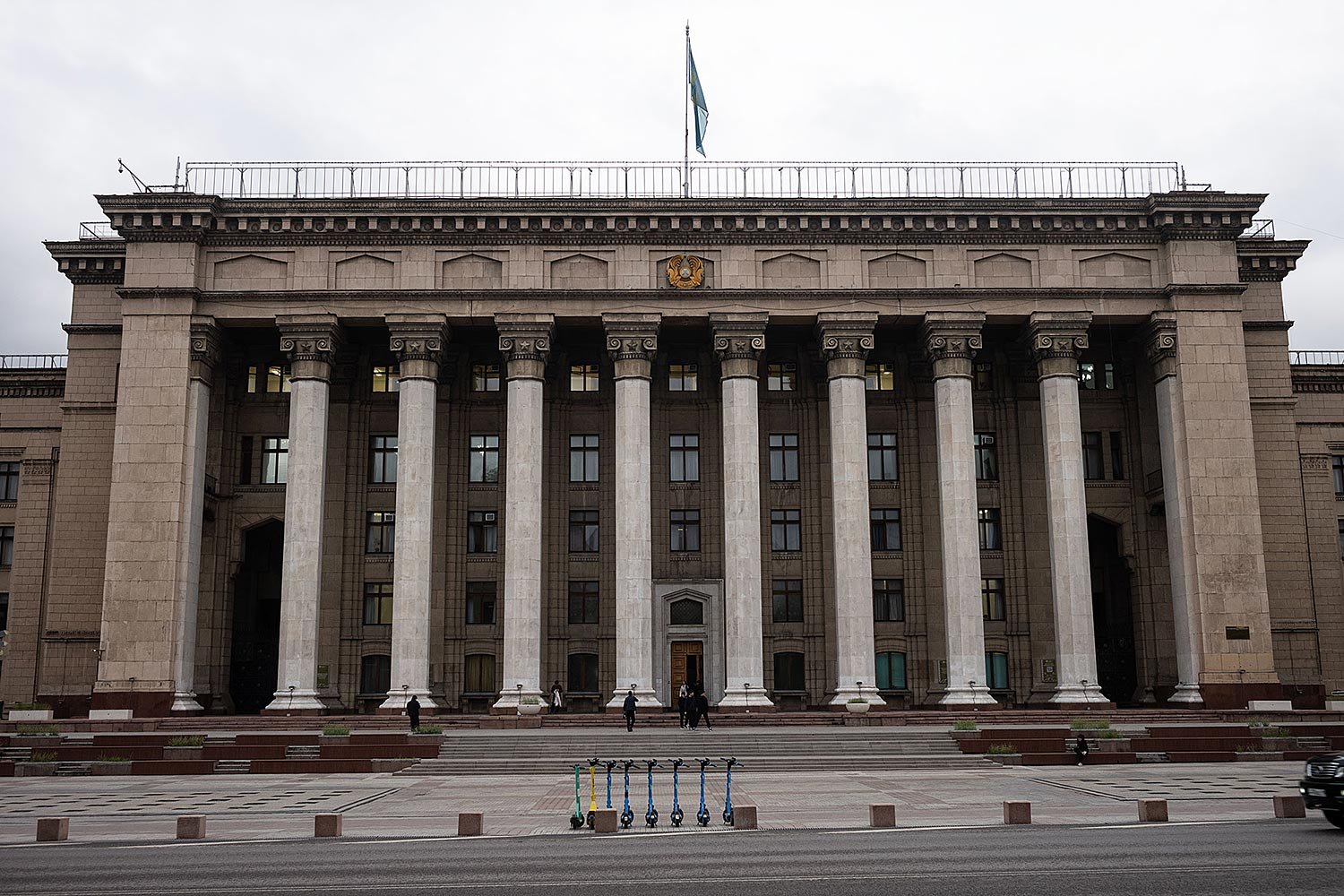
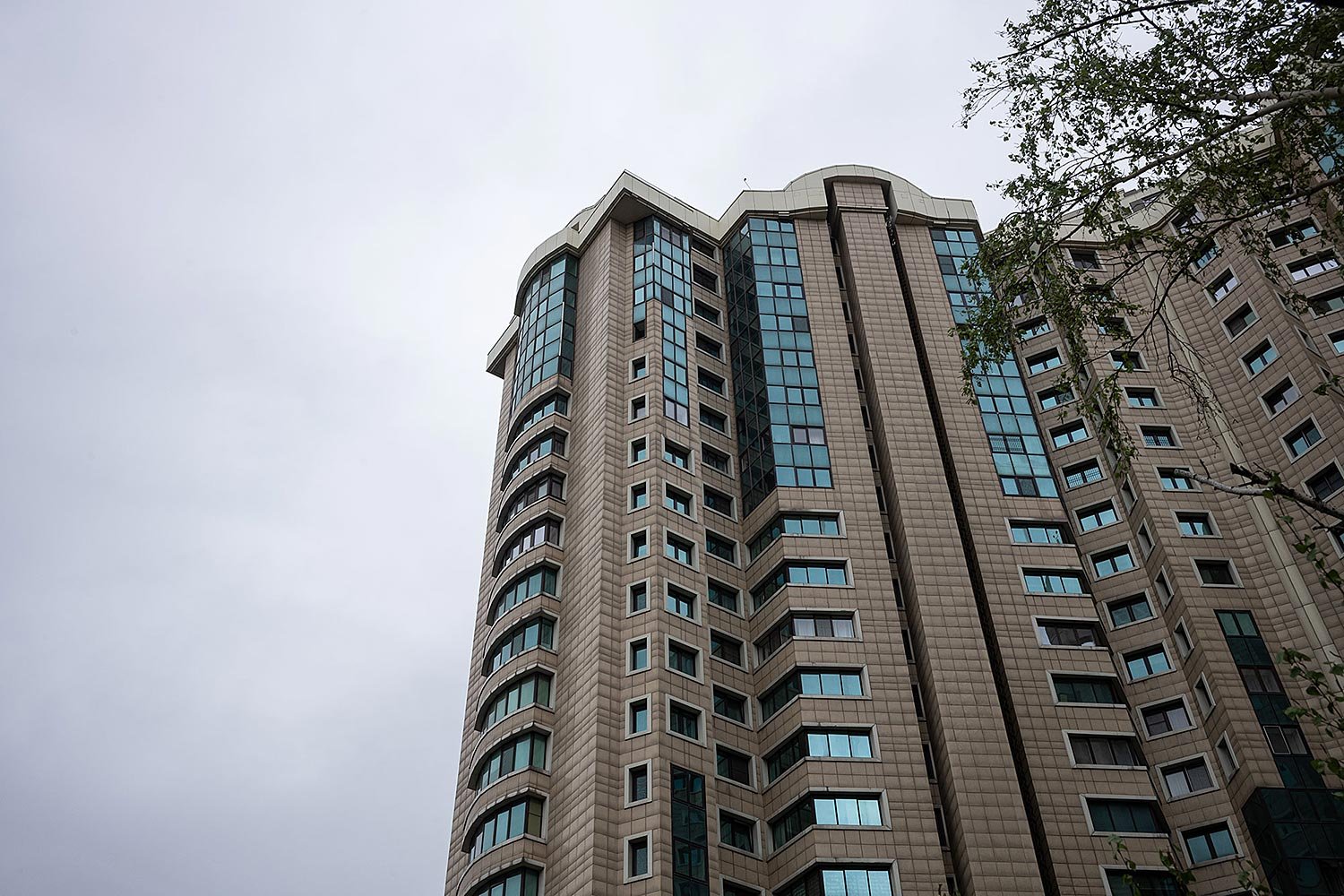
Heading south on Abylai Khan Ave I pass a huge building and stop to take a look. It’s the Kazakh-British Technical University, a public university founded in 2001, though the building was constructed in 1957. Originally intended to serve the Supreme Soviet of the Kazakh SSR, the building has been the residence for the Akim of Almaty Region and housed the Central Committtee of the Communist Party of Kazakhstan before being occupied by the university.
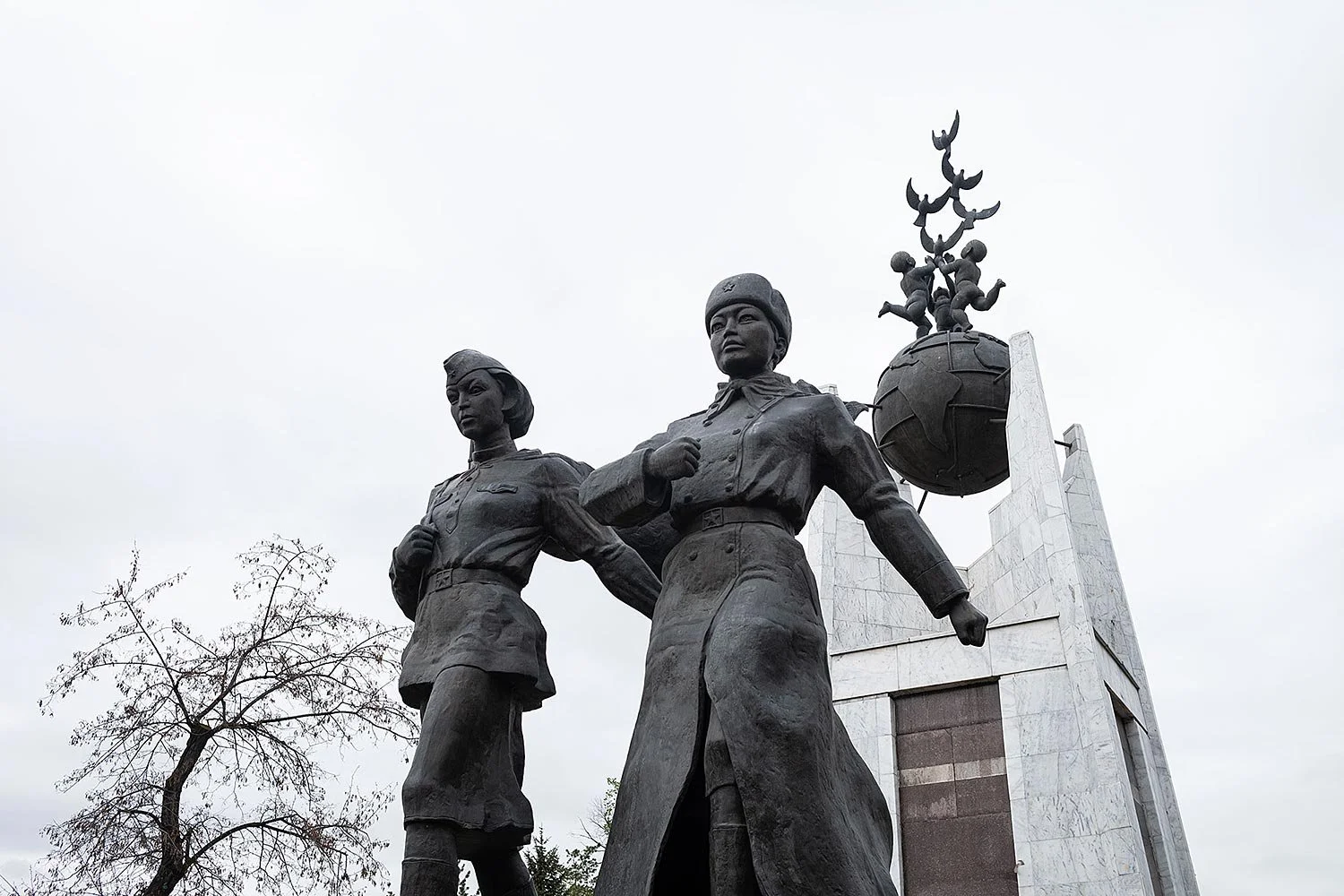
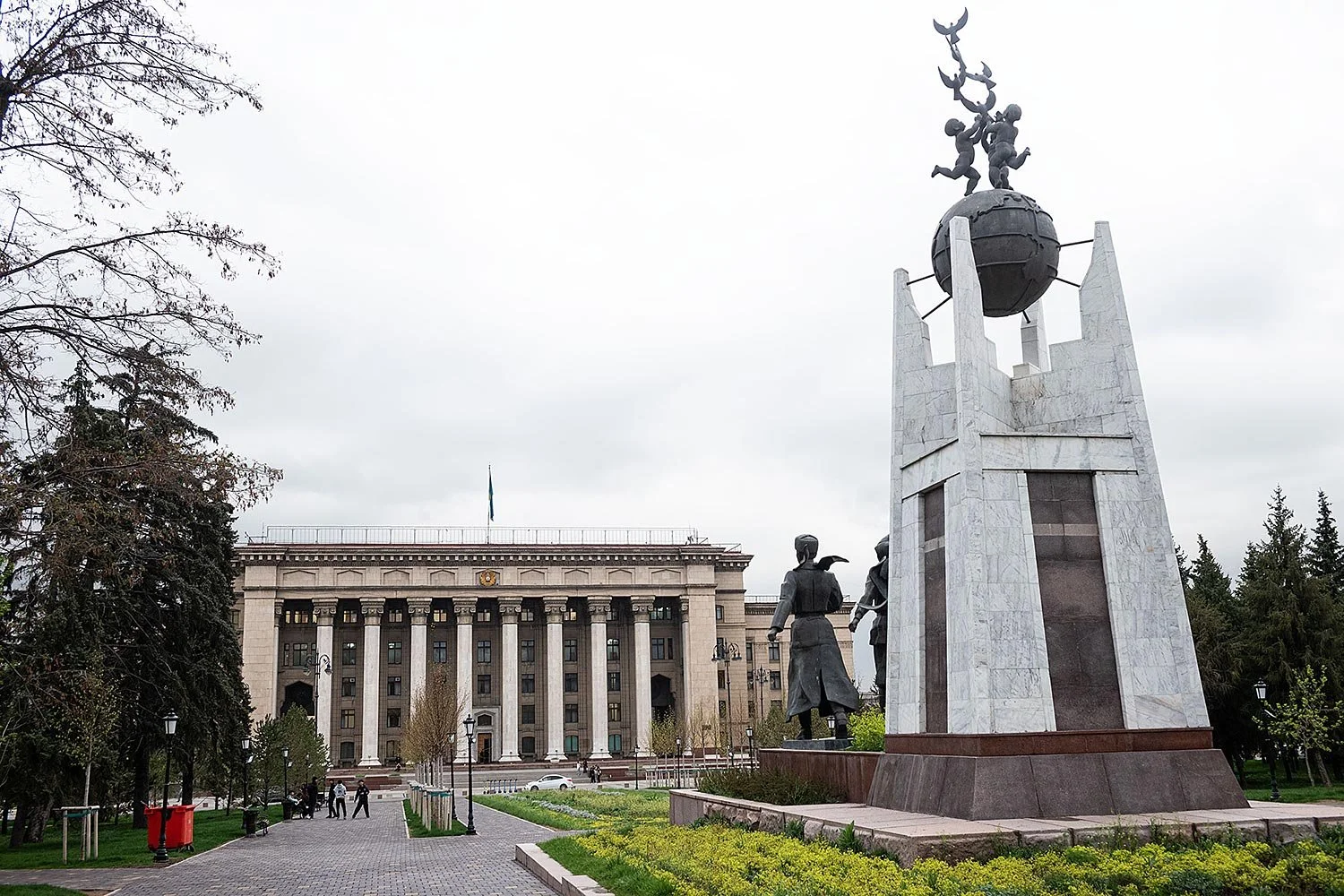
Across the street, the Memorial of Aliya Moldagulova and Manshuk Mametova stands in the center of the Park on Astana Square, celebrating these two heroes of World War II.
Aliya Moldagulova joined the war effort at 18, training to become one of the most productive female snipers of her time. Credited with killing 78 enemy soldiers and officers, she was postumously awarded the Hero of the Soviet Union on 4 June 1944 for her bravery.
Manshuk Mametova volunteered for the front at 19, adding the following to her application: “giving a brief presentation of my autobiography, I ask you to send me to the front to destroy the Nazis, as there is no brother or sister to send. That is why I am asking to do it myself.”
She died in the battle of Nevel, manning three machine guuns in rotation to keep the Nazis from capturing their positions. She died in the battle, but not before eliminating more than 70 German soldiers and officers, according to some accounts.
The monument portrays the two heroes marching together as children release doves behind them. Created by .K. Satybaldin, the memorial was unveiled on 25 October 1997 and is officially under state protection.
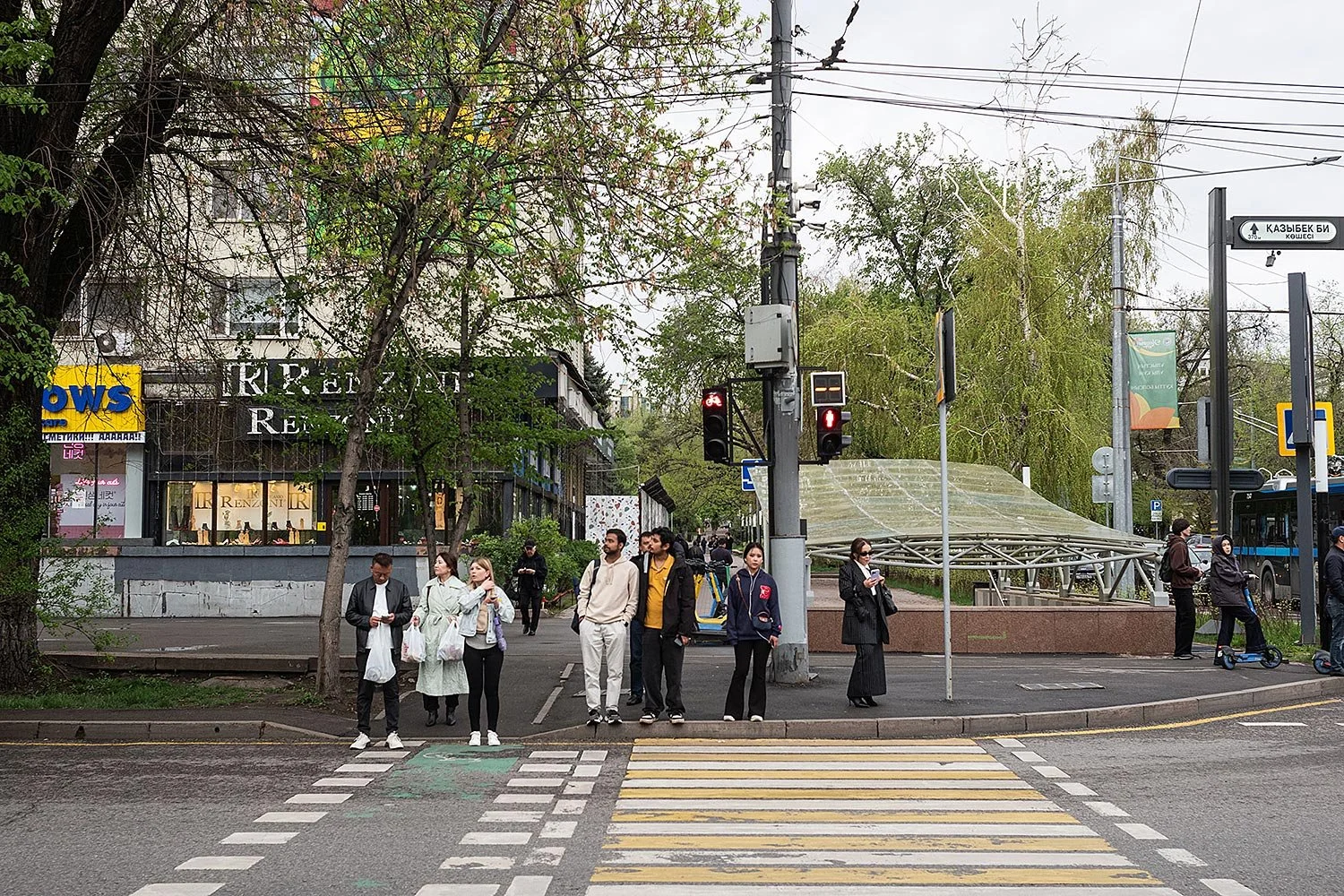
I continue walking south down smaller streets, seeing again and again playgrounds devoted to small children. There’s no one out playing on them, but the fact that I’ve seen so many brings me joy in thinking there are so many for children to enjoy in fairer weather.
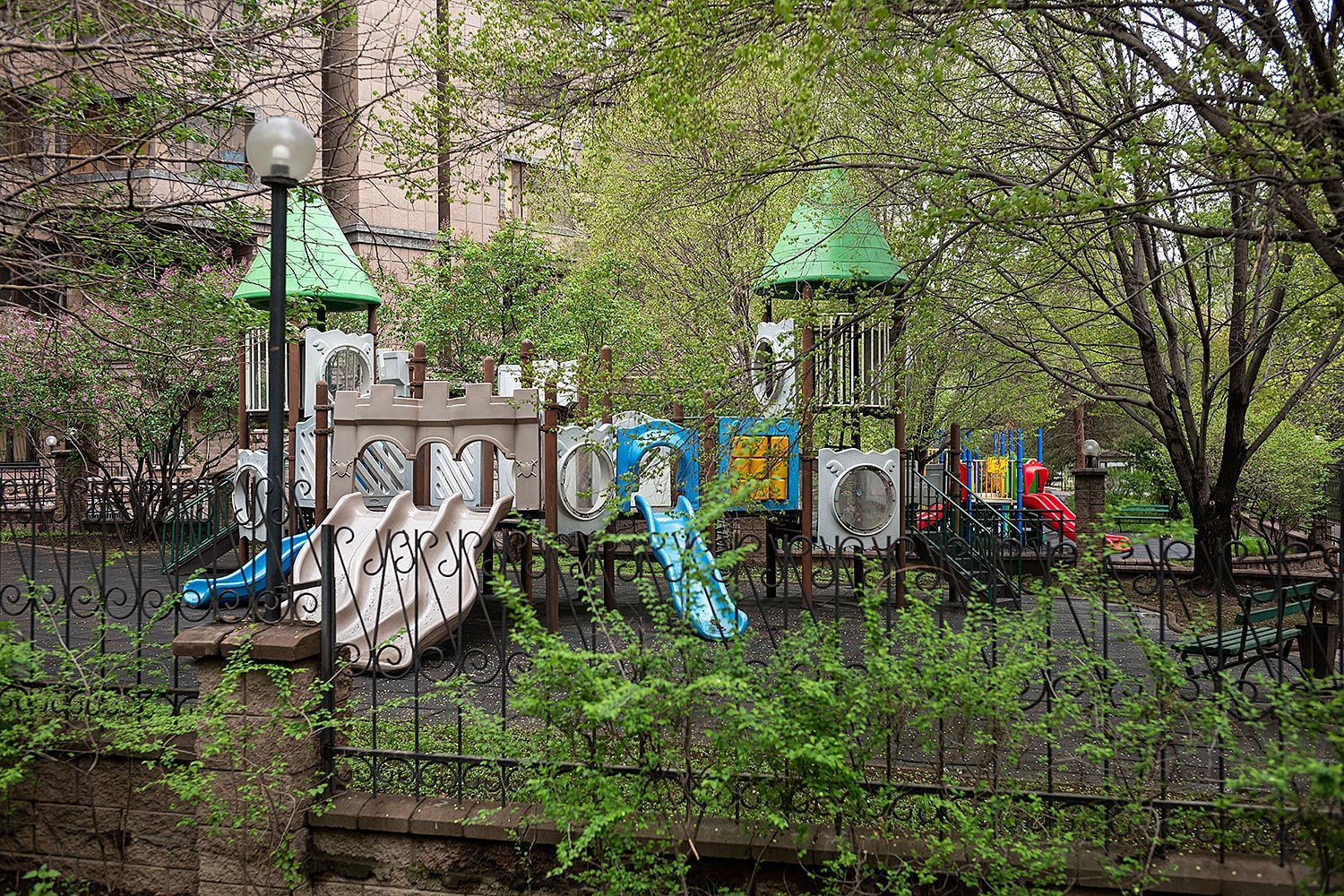
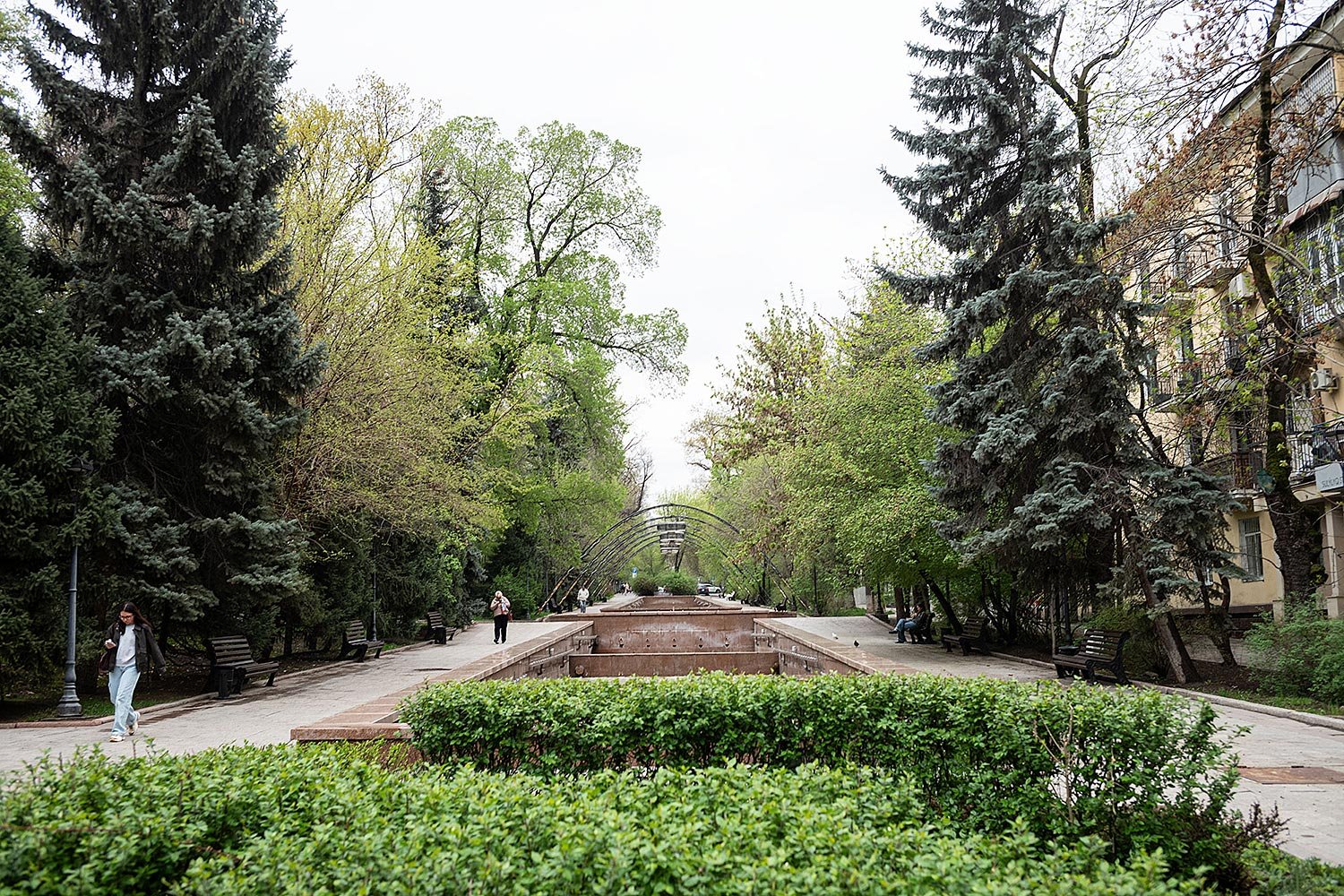
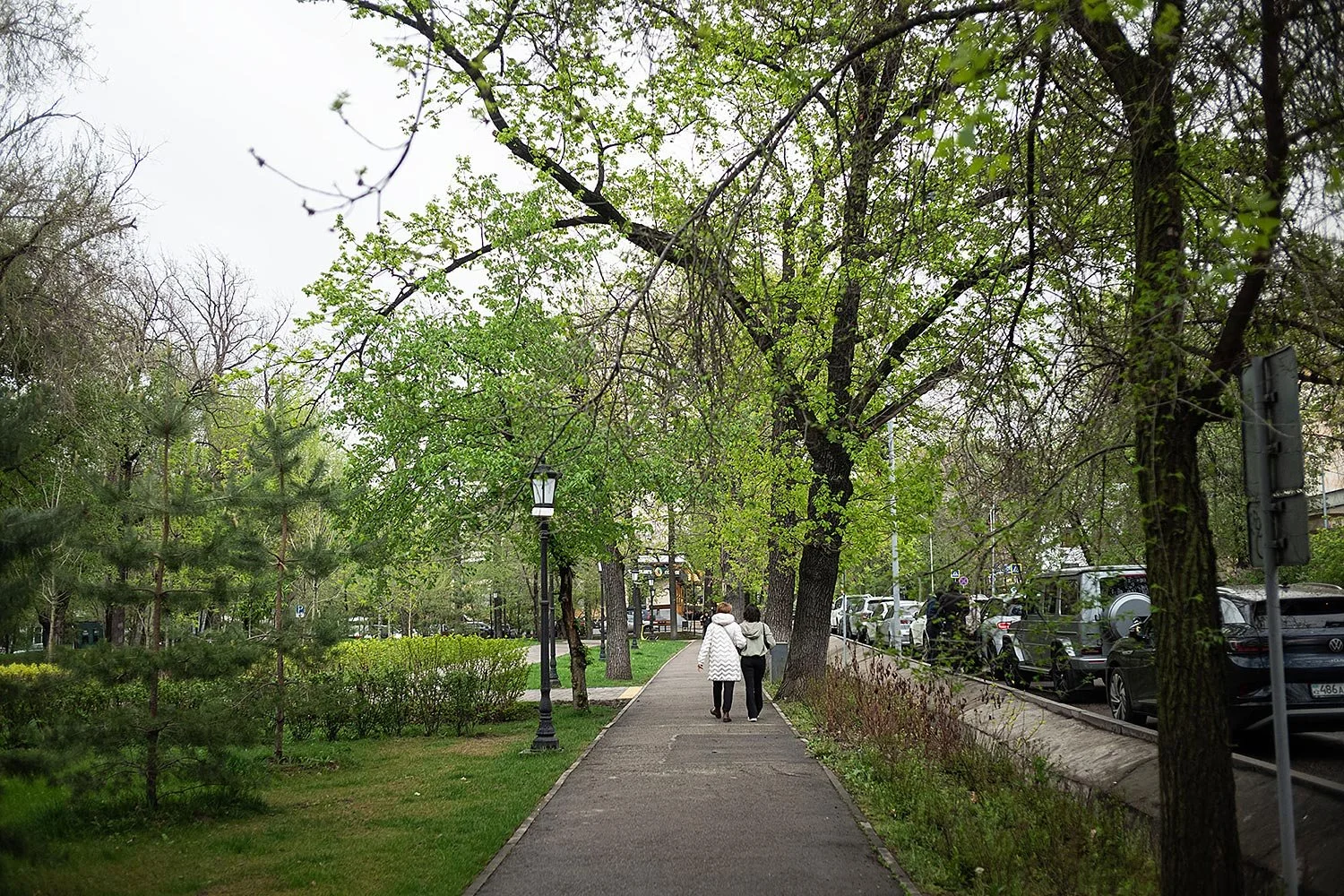
It also brings me joy to be able to walk upon so many smaller pedestrian walks surrounded by greenery. I’ve spent much of the past few weeks surrounded by urban sprawl, be it Hanoi, Bangkok, and even Singapore, and it’s great to be able to breathe such fresh air and to fill my eyes with nature.
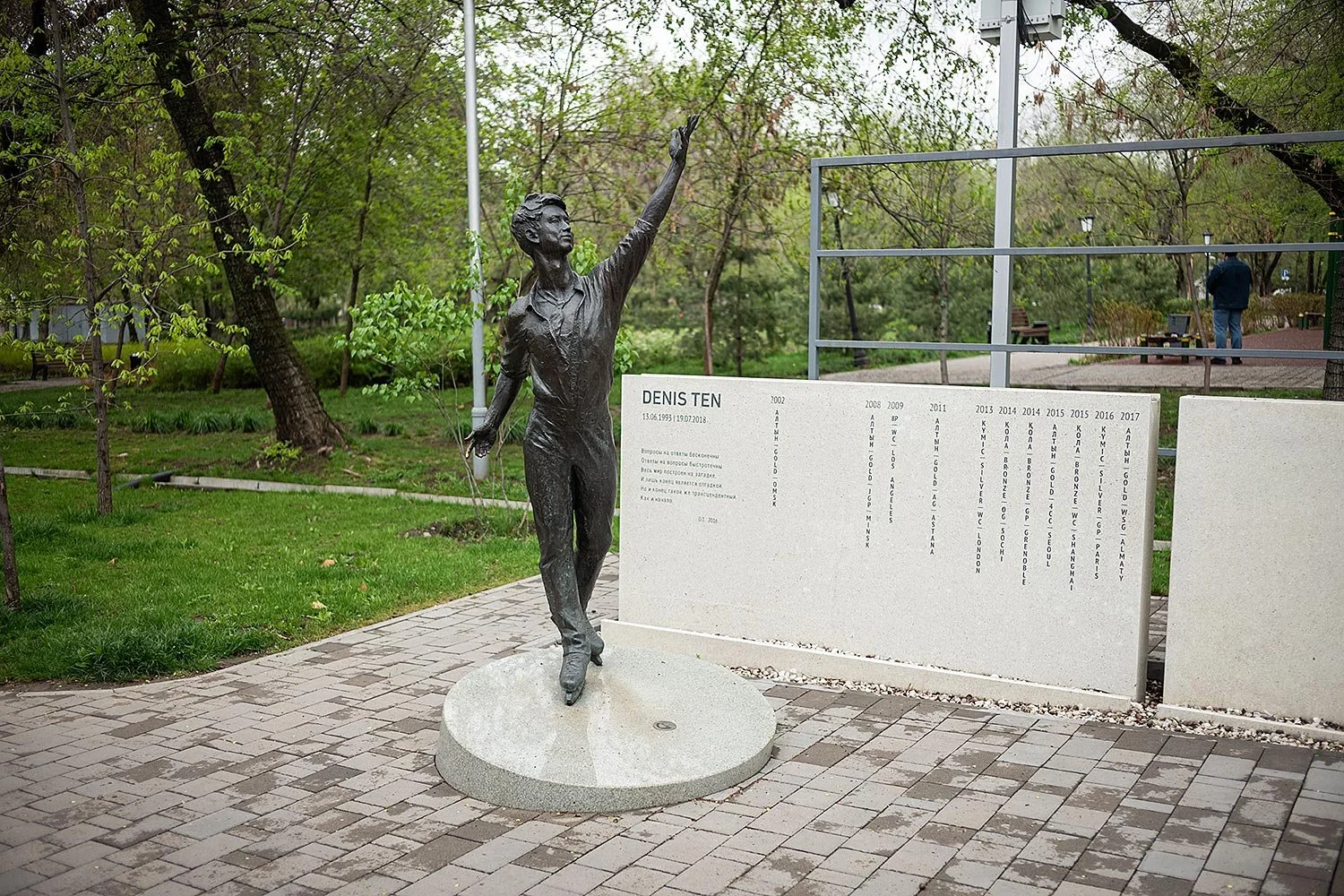
Nearing the house I pause by a statue of Denis Ten. A woman poses her small child on the platform and I wave as the child catches my eye. She poses dutifully before her mother leads her away into the park.
When I get home I fall asleep on the couch. I’ve been meaning to do laundry ever since I arrived but can’t bring myself to try and decipher the Russian instructions on the screen.
I contemplate skipping dinner, but know that if I do I’ll wake up famished. I want to spend the morning writing before trying out a cafe in the area in hopes of finding one where I can become a regular. And so I decide to walk to a nearby wine bar for a pizza and a glass of red.
It’s raining when I step out and I’m glad I’ve worn my waterproof boots. I slosh my way down the street. The restaurant is packed, the music upbeat. The hostess points out a high top near the entrance next to the window. It’s perfect. She tells me the waiter will be right with me.
I pull out the postcards I’ve bought and begin to address them when the waiter shows up. I choose one of the two Kazakh reds on offer by the glass and a margarita pizza with burrata. The wine comes quickly; it’s very tasty as are the duck tacos and the pizza that come later.
As the wine warms me inside nd the rain continues to fall outside, I spend time with friends by letting my words spill out onto the paper postcards before me. I can’t help but smile. I’m falling in love with Almaty (I may have fallen in love already) and I can’t contain my enthusiasm as I write. I’m already certain I’ll be back. 🇰🇿